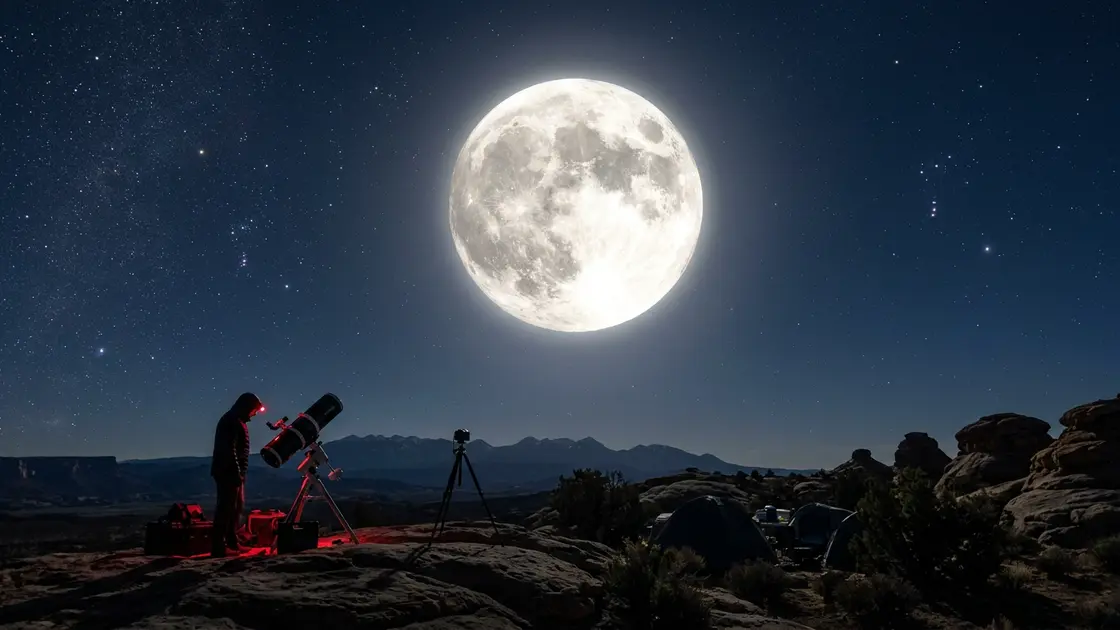
A full moon is the one night a month you can set your stargazing plans aside. It floods the sky with enough light to erase the Milky Way's core and anything fainter than a bright star, and 2026 hands you thirteen of them, not the usual twelve, plus a run of three supermoons that make the glare worse than average. Treat this page as the opposite of a viewing calendar: mark these dates, then plan your actual dark-sky trips around the new moon two weeks either side.
The 13 full moons of 2026
- January 3: Wolf Moon (supermoon)
- February 1: Snow Moon
- March 3: Worm Moon (same night as a total lunar eclipse)
- April 1: Pink Moon
- May 1: Flower Moon
- May 31: Blue Moon, and 2026's micromoon
- June 29: Strawberry Moon
- July 29: Buck Moon
- August 28: Sturgeon Moon
- September 26: Harvest Moon
- October 26: Hunter's Moon
- November 24: Beaver Moon (supermoon)
- December 23: Cold Moon (supermoon)
Thirteen full moons in a single calendar year happens because a lunar cycle runs about 29.5 days, roughly eleven days shorter than the solar year. Every two or three years the gap closes enough to squeeze in an extra full moon, and 2026 is one of those years.
Exactly three supermoons, no more
2026 has three supermoons: January 3, November 24, and December 23. That count holds across every source that tracks it, from timeanddate.com to EarthSky, so there's no ambiguity to hedge on here. A supermoon happens when a full moon coincides with perigee, the point in the Moon's orbit where it sits closest to Earth, and it appears roughly 14% larger and 30% brighter than a full moon at its most distant. For stargazing, that brightness is the entire problem: it's the worst kind of moonlit night, throwing more sky glow than an ordinary full moon.
December 23 is the sharpest case. It's the closest and brightest supermoon of the year, with the Moon sitting about 221,667 miles from Earth, close enough that the extra glare will wash out anything short of the brightest planets. If you're chasing faint targets in late December, don't fight it; wait for the new moon in early January instead.
May's calendar quirk: a Blue Moon that's also the dimmest moon of the year
May 31 gets called a Blue Moon simply because it's the second full moon to land in the same calendar month; nothing about its color or its astronomy changes. What actually matters that night is the other label it carries: micromoon, the smallest and most distant full moon of 2026, sitting near apogee, the far point of the Moon's orbit. Of the thirteen full moons this year, it's the closest thing to a break. Still bright enough to interfere with deep-sky work, but the least of the three lunar dates you'd rank as genuinely bad for stargazing this year.
March 3: the one full-moon night worth going outside for
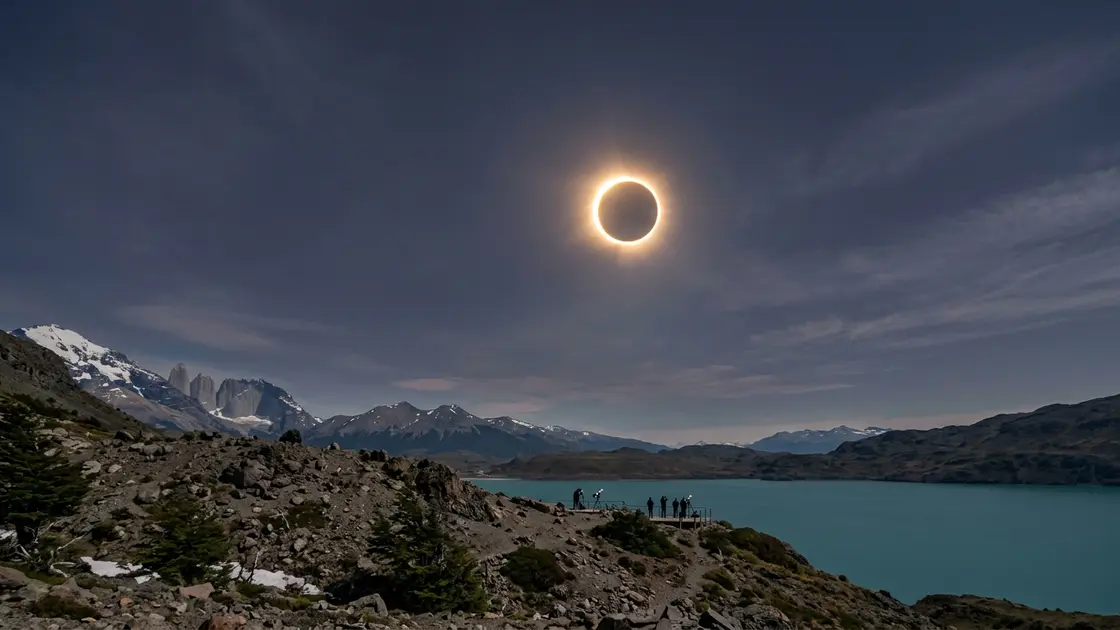
The Worm Moon on March 3 comes with a bonus most months don't get: a total lunar eclipse the same night, visible across much of the world. Earth's shadow swallows the Moon and turns it a deep copper-red for the duration of totality, a genuine naked-eye spectacle that needs no telescope. It's still a full moon, and it still ruins any faint-object session before and after the eclipse window, but for the eclipse itself, this is the exception to "skip the full moon" on the whole 2026 list.
Where the names come from, and why September gets two
Most of these names, Wolf Moon, Snow Moon, Pink Moon, Strawberry Moon, trace back to Native American, Colonial American, and European traditions, tied to whatever the season brought: heavy snowfall, spring wildflowers, the strawberry harvest. September 26 is usually called the Harvest Moon, the full moon that lands closest to the autumn equinox and rises near the horizon for several nights running, which is also why some almanacs list it as the Corn Moon instead, reserving "Harvest Moon" for whichever full moon falls nearest the equinox in a given year. Either name points at the same date and the same effect: extended dusk visibility as the Moon rises earlier than usual, night after night.
Planning around the glare
None of the thirteen dates above are good nights for deep-sky observing, full stop. The moon phase, hemisphere, and weather all have to line up for a real dark-sky trip, and when to stargaze walks through how to read all three together rather than just dodging the full moon. As a rule of thumb: for every date on this list, the best viewing window that month opens roughly a week to ten days earlier or later, centered on new moon.