Articles · Aurora
Northern Lights Trip Guides: Where, How Long and What It Costs
These guides cover chasing the aurora in Iceland, Lapland, Tromsø, Fairbanks, Yellowknife and Abisko, from how many nights to book to whether a tour beats going it alone. They are for first-time chasers who want honest odds, real costs and straight answers to the usual questions.
29 articles
Aurora: the big picture

Written by
Maya Okonkwo I've seen dark skies firsthand in the Atacama altiplano, Namibia's NamibRand Nature Reserve, and Morocco's Merzouga dunes; every other destination I write about is built from measured Bortle and SQM data, cloud climatology, and primary sources like park services and the International Dark-Sky Association.
The aurora is a planning problem before it is a photography problem. The light comes from solar wind meeting Earth's magnetic field: charged particles funnel down toward the poles and excite oxygen and nitrogen in the upper atmosphere, the same basic process that lights a neon sign. Color depends on which gas gets hit and how high up the collision happens.
Your odds then come down to three things you can check before leaving home: the Kp index forecast, how close your destination sits to the magnetic pole, and how much dark, moon-free sky you get. How to see the northern lights walks through all three. The reliable viewing season runs roughly late August through mid-April, and a single night is a bad bet.
Cloud is what first-timers underrate. In Tromsø it matters more than Kp, and how many days you spend in Tromsø is the lever that moves your odds: roughly 60 to 70 percent for three nights, 75 to 85 percent for five. Those are travel-industry estimates, not meteorological guarantees.
Whether you then need a guide is a separate call. You do not need a tour in Tromsø; the E8 road south reaches the viewing spots guides use, and the real question is your winter driving experience.
More aurora articles
Best Arctic Aurora Base for Solo Travelers With No Car
Maya Okonkwo 5 min read
Comparing Tromsø, Abisko, and Finnish Lapland for solo aurora travelers with no rental car at all: transit access, walkability, tour costs, and the verdict.
Read
Fairbanks Northern Lights: Self-Drive or Guided Tour
Maya Okonkwo 6 min read
Rental agreements bar most Fairbanks cars north of Fox, and Alaska's 511 isn't real-time. Here's the decision framework before you self-drive to the aurora.
Read
Fairbanks Northern Lights Trip Cost: Full Budget Guide
Maya Okonkwo Updated 6 min read
Fairbanks aurora trips run on three numbers: a $380-518 flight, a $120-400 nightly room, and how you choose to watch the aurora. Here's the real math.
Read
Fairbanks Northern Lights Tour: Is It Worth It?
Maya Okonkwo Updated 6 min read
Fairbanks aurora tours cost $115-285 per person and don't refund a cloudy night. Here's when a guide beats a rental car, and when it's a waste of money.
Read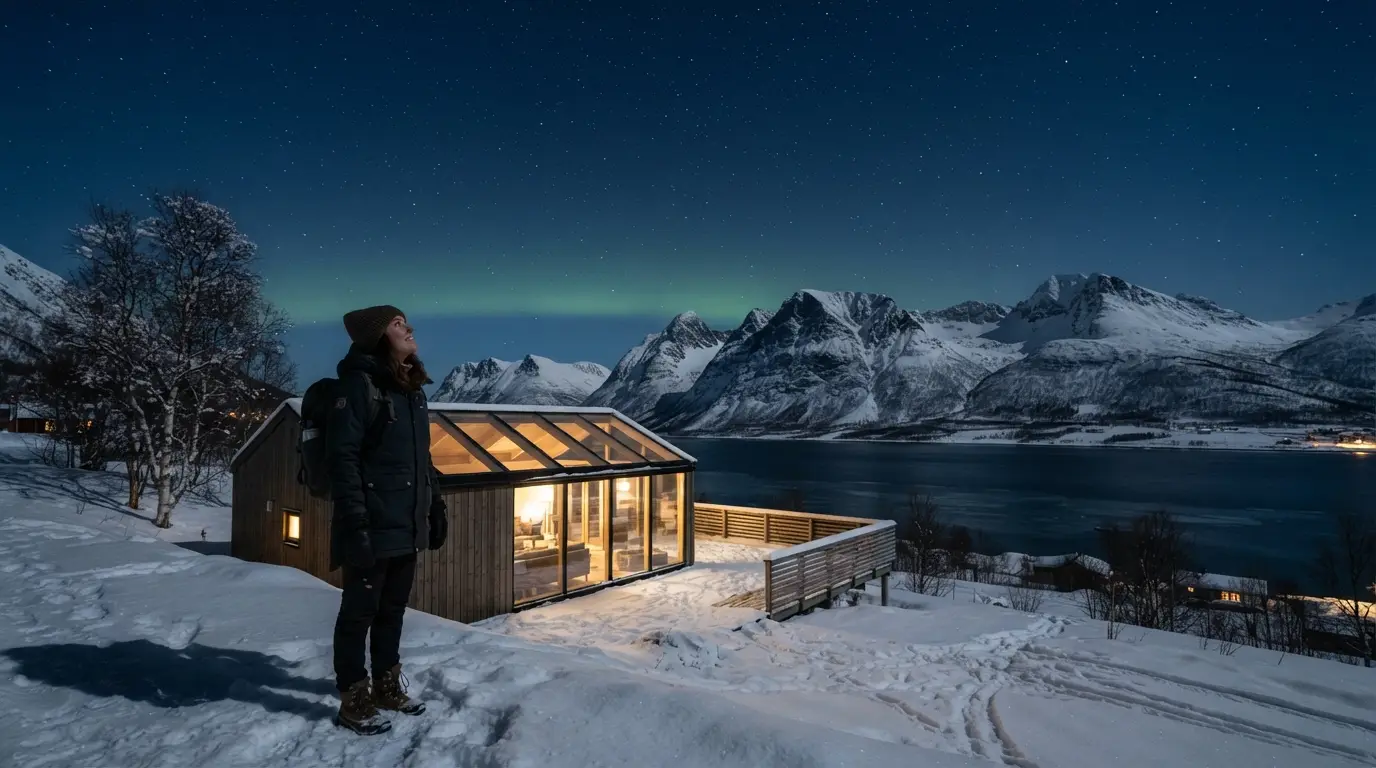
The Tromsø Aurora Trip I've Planned Three Times
Maya Okonkwo 9 min read
An 8-night Tromsø aurora trip I've priced out three times but not booked yet: the solar-cycle timing, split-stay shape, lodge shortlist, and the tour I'd add.
Read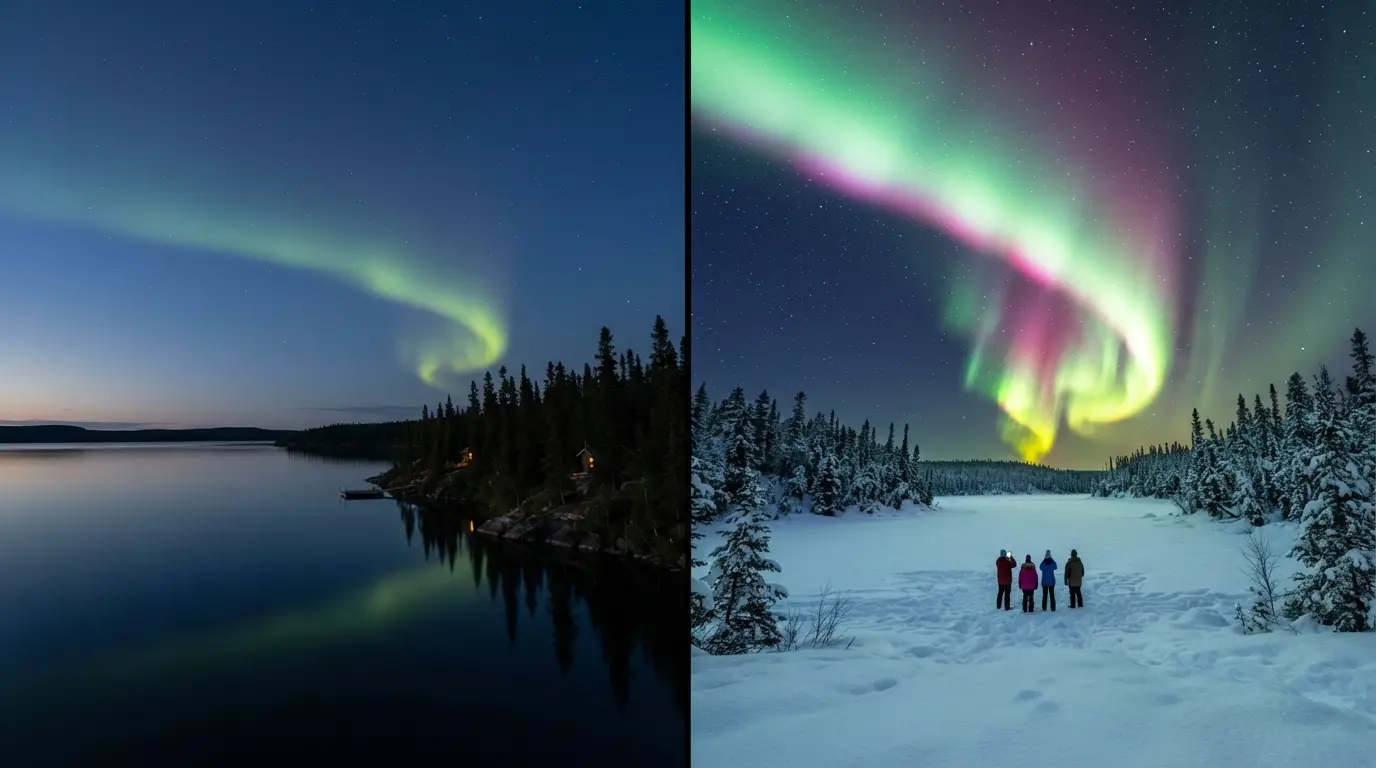
Yellowknife Aurora by Month: August, September, October, April
Maya Okonkwo Updated 5 min read
August, September, October and April all sit inside Yellowknife's aurora season, but sunshine hours, temperature and tour odds differ sharply between them.
Read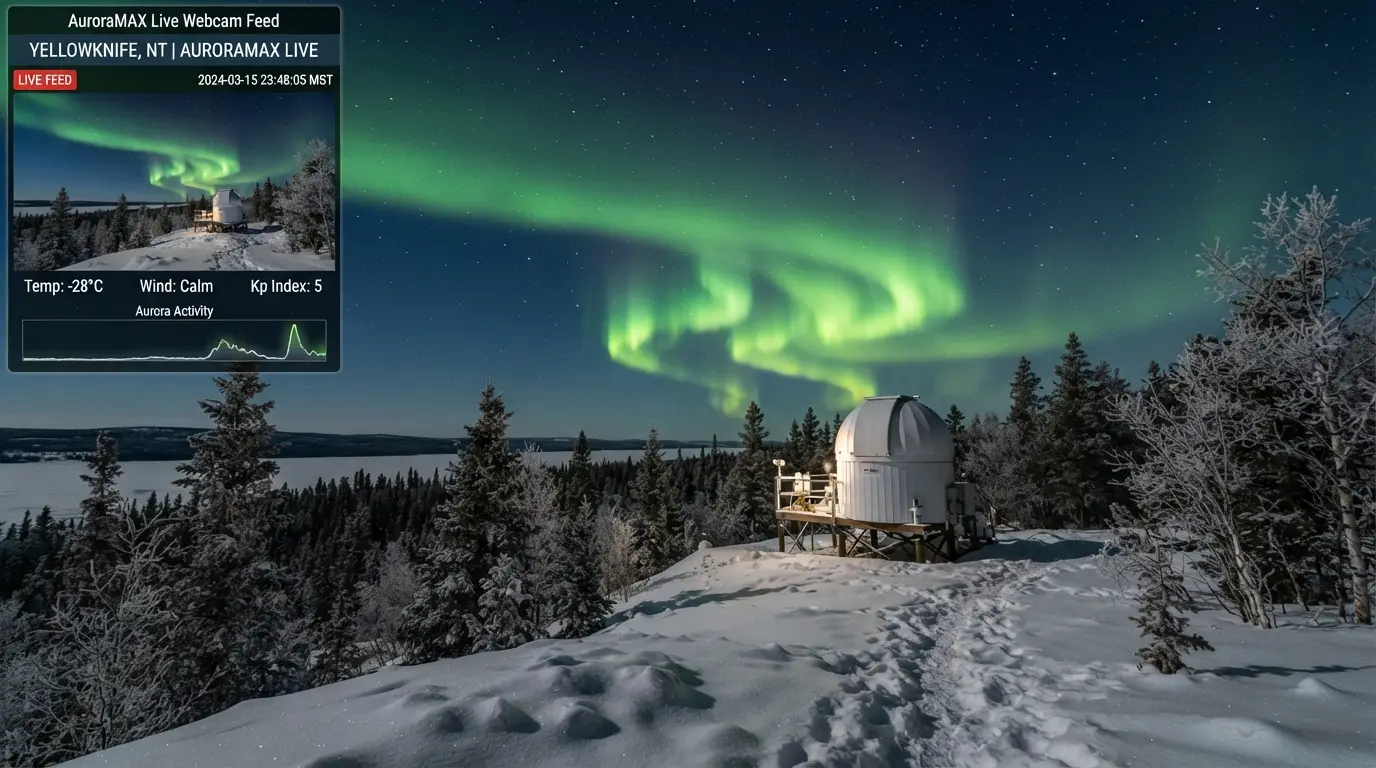
Yellowknife Aurora Webcams: Watch the Northern Lights Live
Maya Okonkwo Updated 10 min read
Northern lights live from Yellowknife aurora webcams: AuroraMAX's HD feed, local sky cameras, and what each one actually tells you about tonight's display.
Read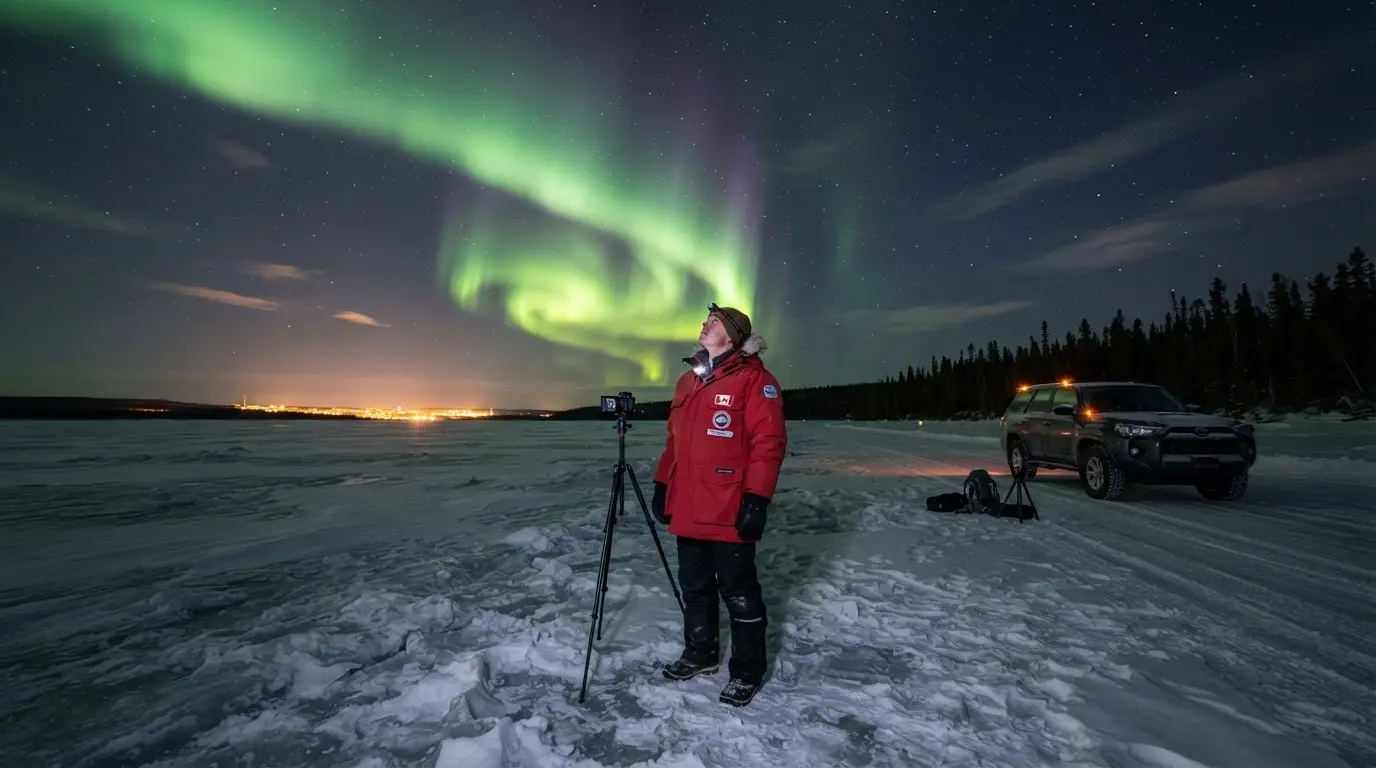
Yellowknife Aurora Tour or DIY: How to Decide
Maya Okonkwo Updated 8 min read
Guided aurora tours vs self-guided viewing in Yellowknife: cost comparison, cold-weather risk, forecast literacy, and the hybrid approach that works best.
Read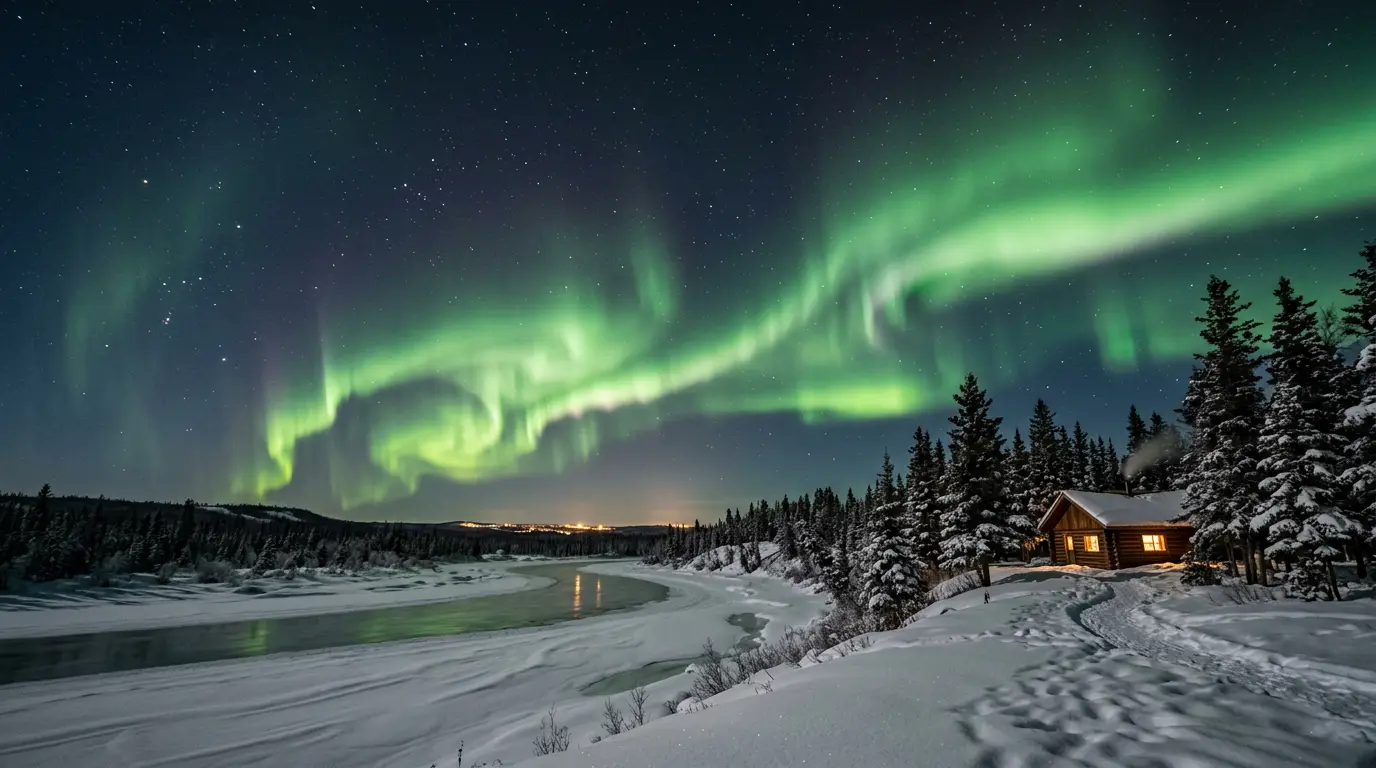
How Many Nights in Yellowknife for Northern Lights
Maya Okonkwo Updated 10 min read
Three nights in peak-season Yellowknife delivers a 98% aurora sighting rate, unmatched anywhere. Here is what the stat hides and when 5 nights is worth it.
Read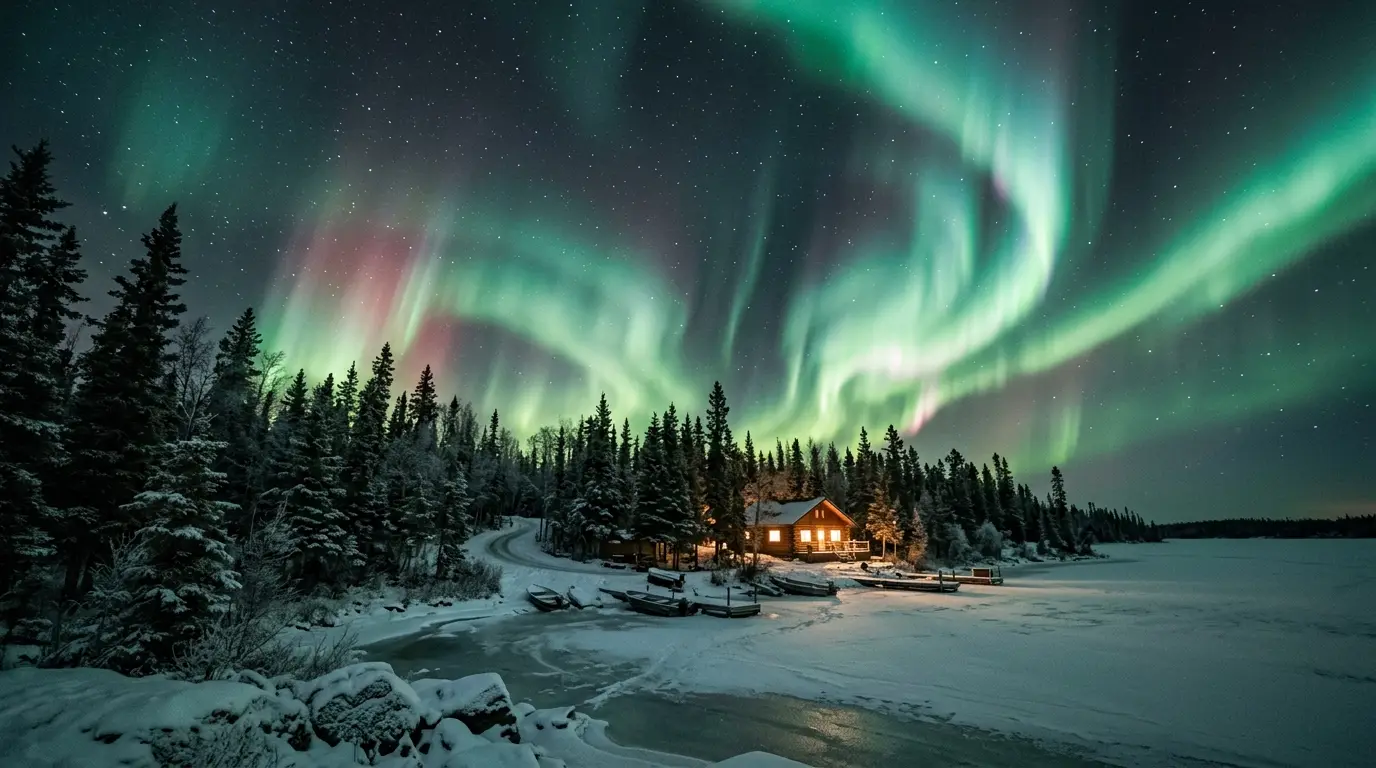
Is Yellowknife Worth It for Northern Lights?
Maya Okonkwo Updated 12 min read
Yellowknife has the highest aurora odds but demands fly-in access and -30°C viewing. An honest verdict on when the trip is worth it for different travelers.
Read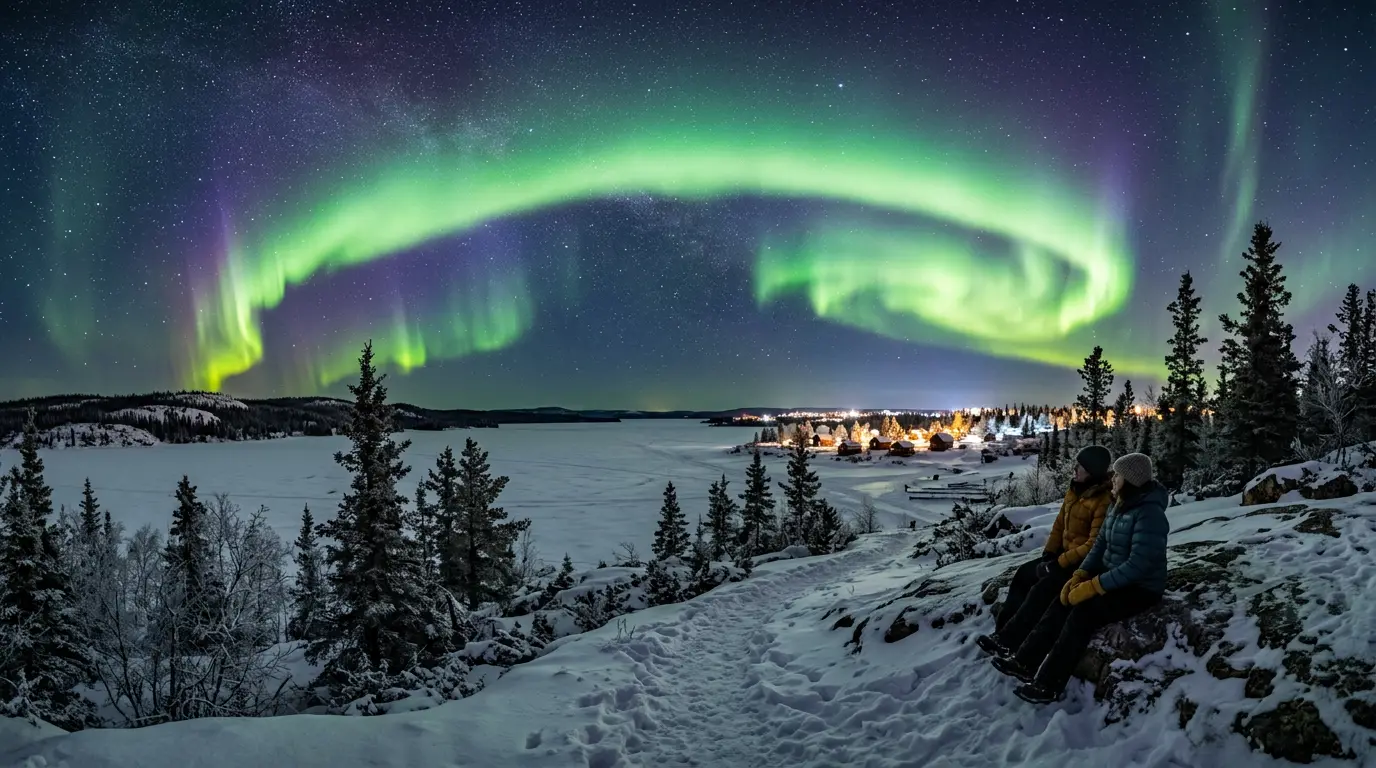
Yellowknife Northern Lights FAQ: Your Top Questions
Maya Okonkwo Updated 8 min read
Yellowknife northern lights FAQ: season mid-August to mid-April, Kp 2 overhead viewing, 3 nights for 95% odds, tour costs, and how to dress for -40°C nights.
Read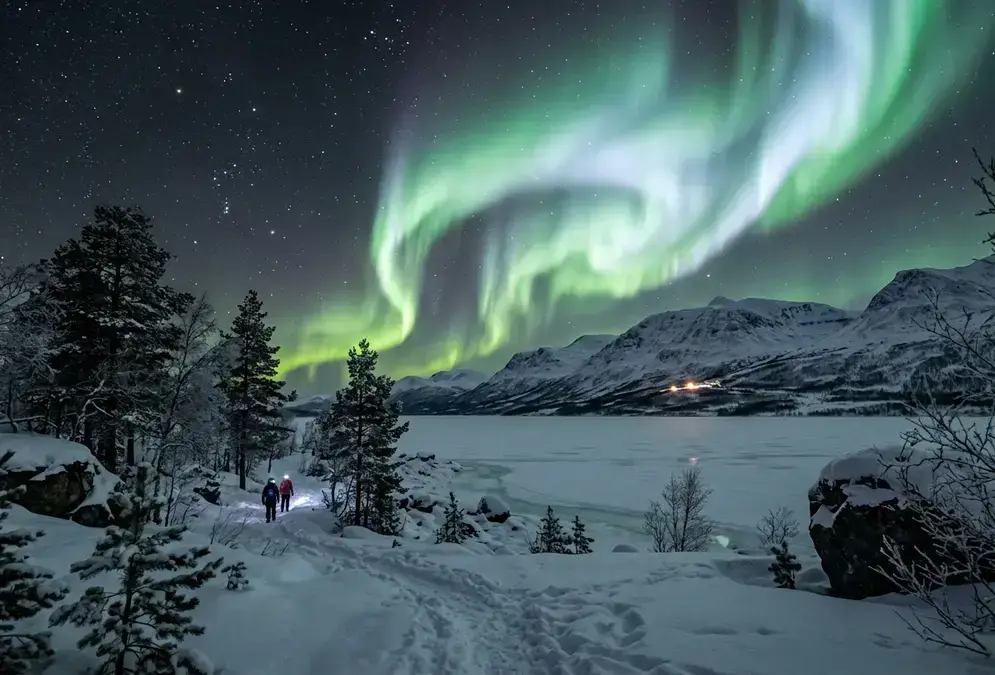
Abisko Stargazing FAQ: Season, Cost, Booking, Weather
Maya Okonkwo Updated 7 min read
Abisko stargazing FAQ: aurora season runs August to April, guided tours cost $100-200, Sky Station caps at 40 spots nightly, and skies often stay clear.
ReadFrequently asked questions
When during the night is the aurora most likely to show?
Aurora activity tends to peak around magnetic midnight, which generally puts the best viewing window within an hour or two of local midnight, roughly 10 PM to 2 AM. That is not right after sunset, so resist giving up early. Activity pulses in and out, and a quiet stretch often precedes the best display of the night.
Is a high Kp forecast enough to plan a night around?
No. Treat Kp as a directional signal, not a lookup table. A great reading at the wrong hour, well before magnetic midnight, can still produce a quiet sky, and a perfect forecast is worthless under an overcast one. Check the local cloud forecast the same day, not the week before.
Why does the aurora look duller by eye than in photos?
To the naked eye, a moderate aurora often looks like a pale grey-green glow or a faint arc low on the horizon, closer to drifting smoke than the saturated curtains in photographs. A phone night mode or any multi-second exposure gathers light your retina cannot, pulling out color and structure invisible in real time.
Do I need a guide to see the lights near Tromsø?
No. A rental car, a forecast app and the E8 road south toward Kilpisjärvi reach the viewing locations guides use. The sticking point is winter driving: black ice and wind-driven snow can develop quickly at night, so drivers without cold-weather experience are generally advised to book a guided tour instead.
What does a guaranteed-sighting aurora tour actually guarantee?
A genuine guarantee is a rebook policy: the operator adds an extra night at no charge if conditions prevent a sighting on your booked night. It applies to effort and opportunity, not outcome, and it is only worth anything if you have nights left to use. No product changes the basic aurora equation of more nights in the right place.