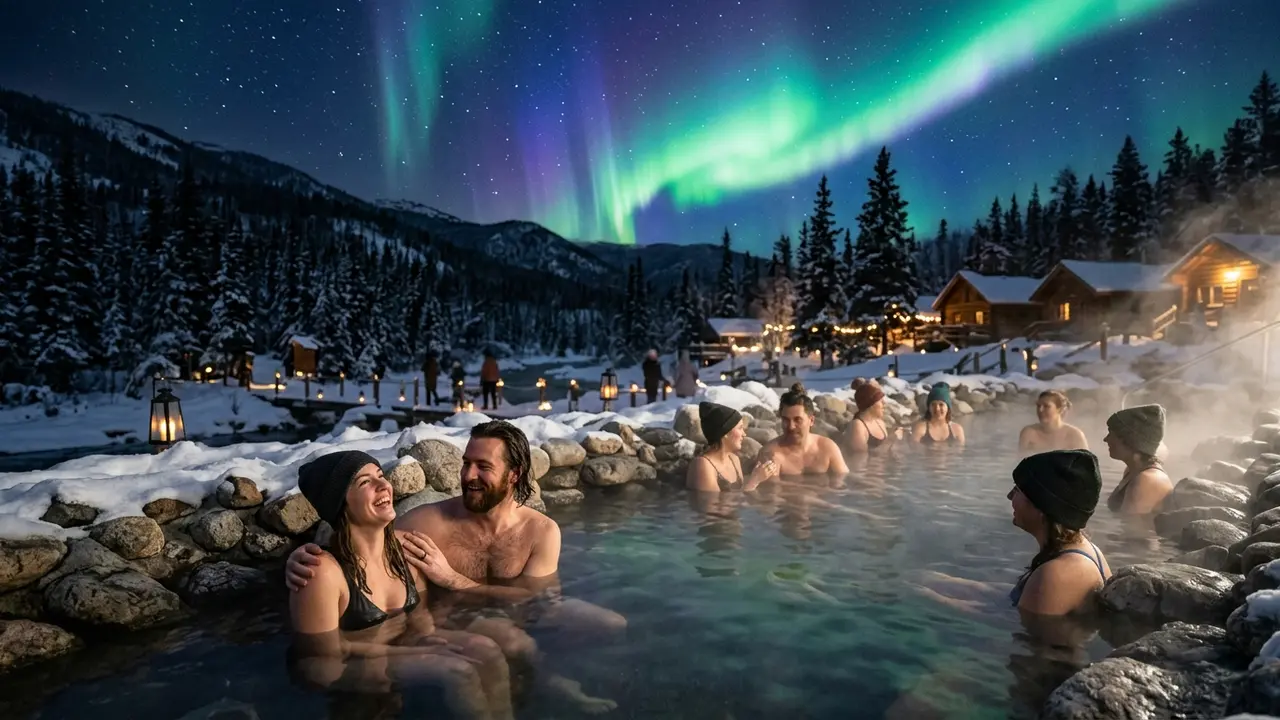
Northern Lights & Chena Hot Springs Tour from Fairbanks
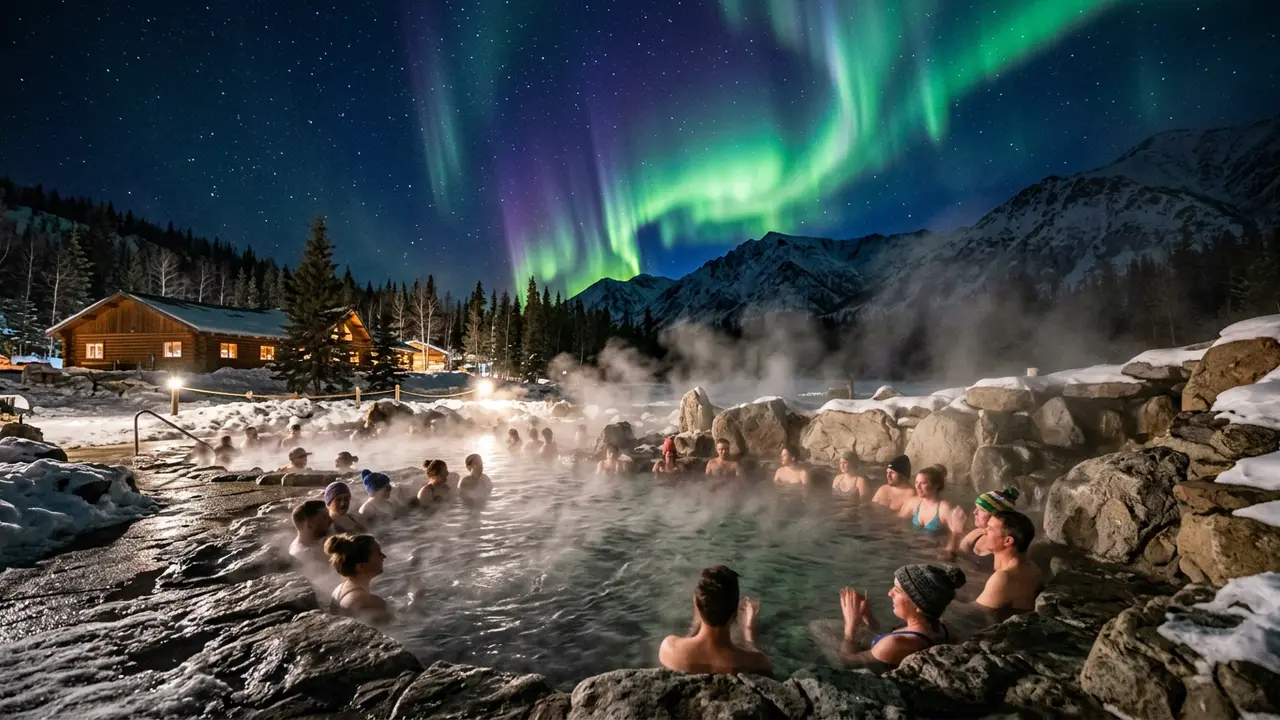
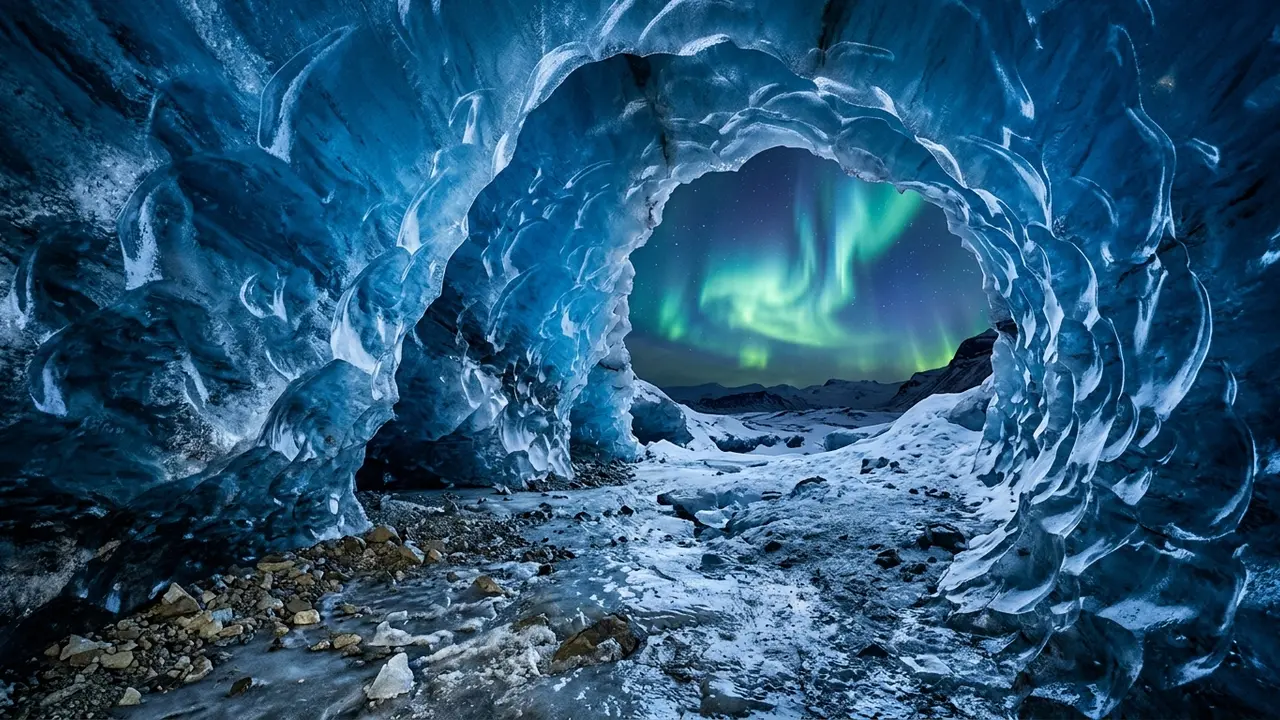
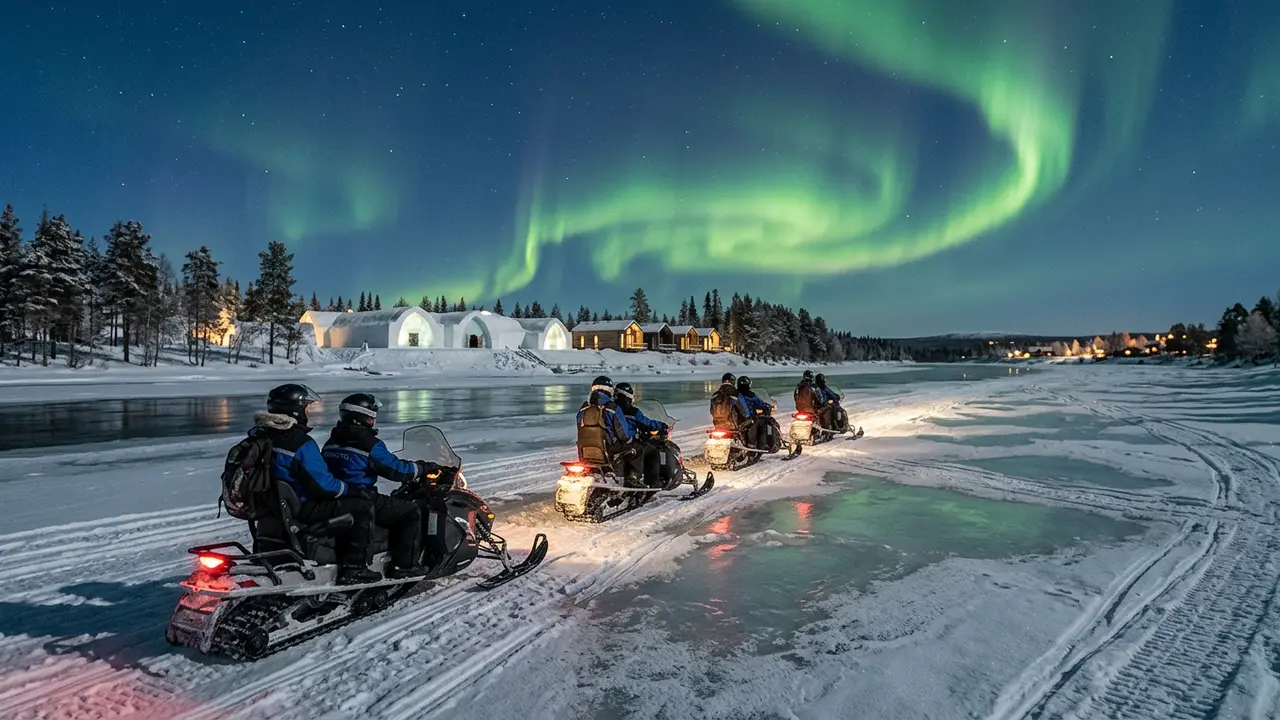
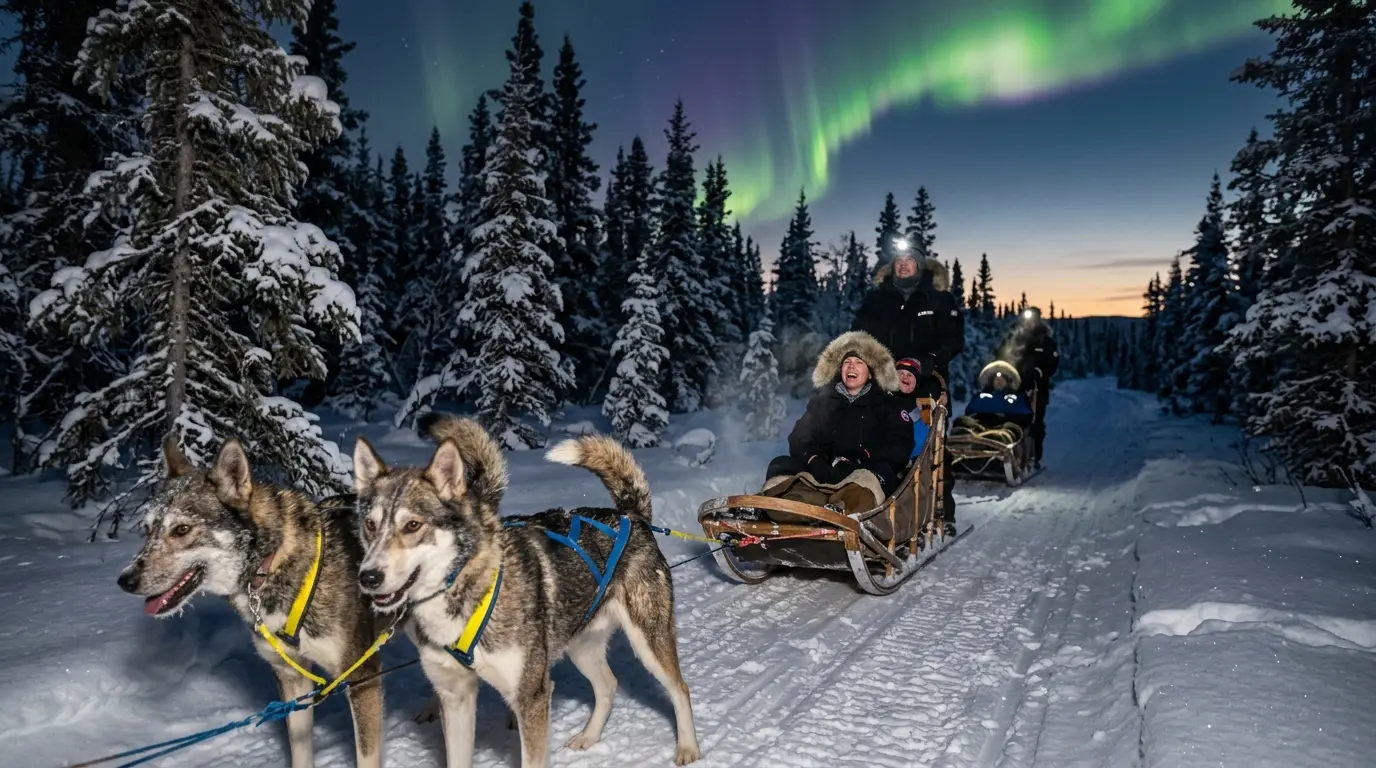
Night tour from Fairbanks: aurora hunting plus a soak in 90–110°F geothermal pools at Chena Hot Springs Resort, 60 miles northeast. Aurora Ice Museum included.
We list 87 stargazing and aurora tours across 21 destinations, from the Atacama altiplano to Arctic Norway, and each one promises the same thing: a dark sky, and someone who knows how to read it. That's the value of paying for a guided night out. Not the marketing copy, but a guide checking the aurora forecast at 2am, aiming a telescope at the right patch of sky, or knowing which ridge clears when the coast fogs in. This page sorts those tours into four kinds of night: chasing the aurora, guided stargazing and telescope sessions, astrophotography workshops, and everything else, from dinners to dog-sleds to balloon flights, built around a dark sky.
Some of these trips are worth every euro; others you could do yourself with a rental car and a clear-sky app. Guided tours earn their price when the target moves, like the aurora or a meteor shower, or when the dark site itself is hard to reach alone. If you already own binoculars and check the moon phase before you book, you may not need a guide. Use the four categories below to find your kind of night, then read the honest tour-vs-DIY notes before paying for anything.
Tonight: First quarter, 36% illuminated
Bright moon tonight — telescope, Milky Way and astrophotography tours lose contrast now. Aurora tours are not moon-sensitive, so northern-lights nights are unaffected.
Next new moon
August 12
Four kinds of tour, four different nights. Pick a lens, or scroll down to browse everything by region.
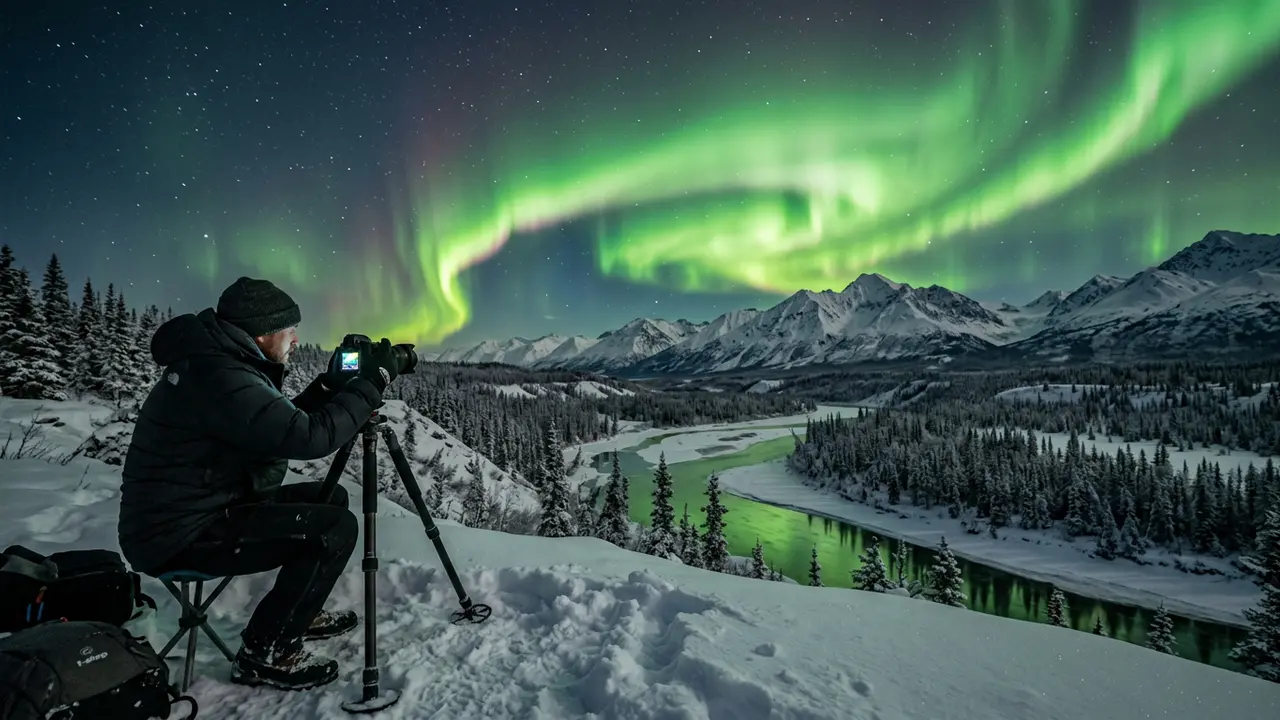
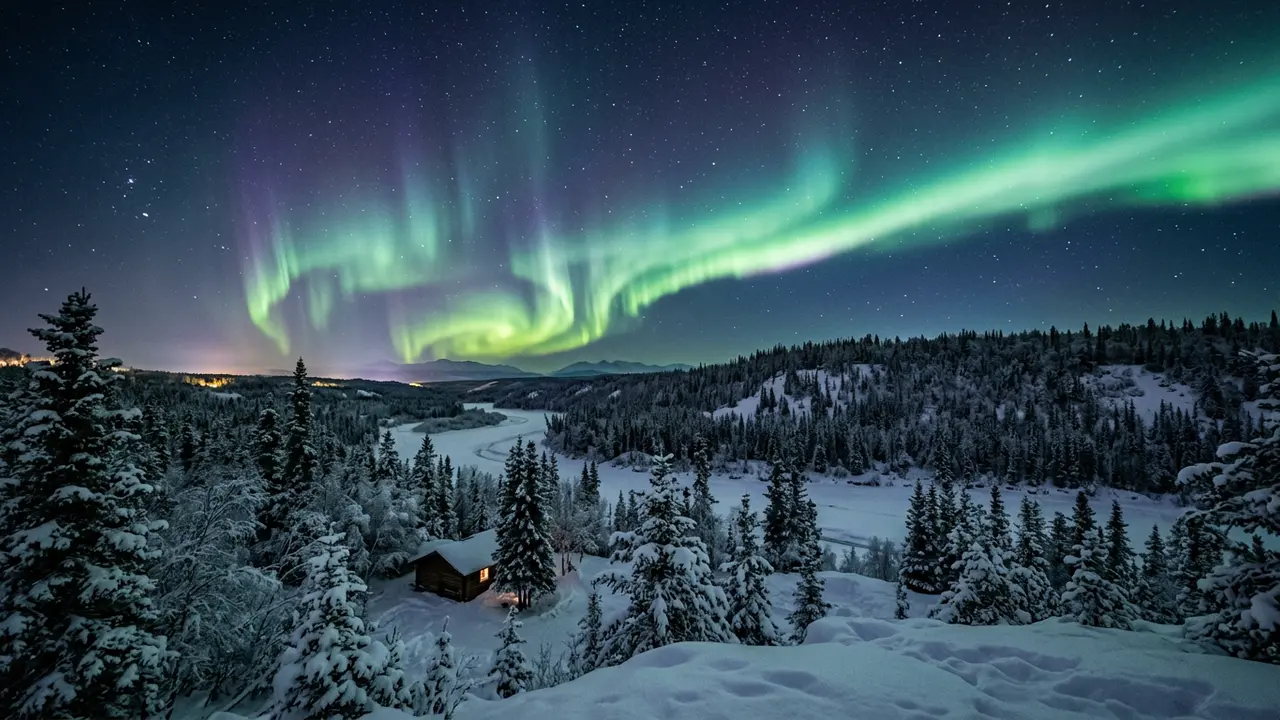
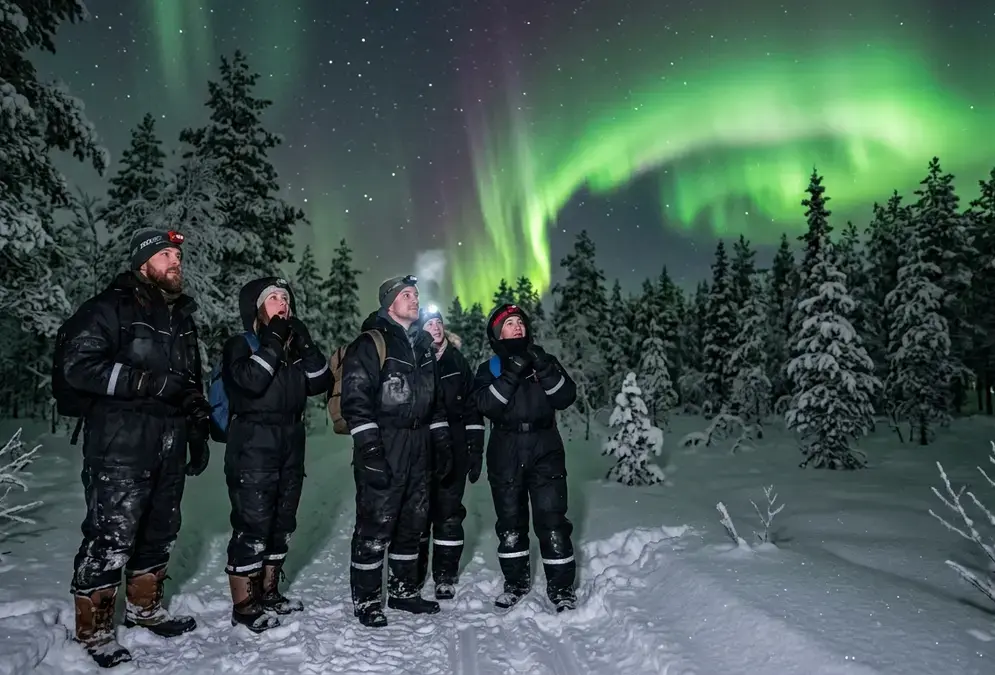
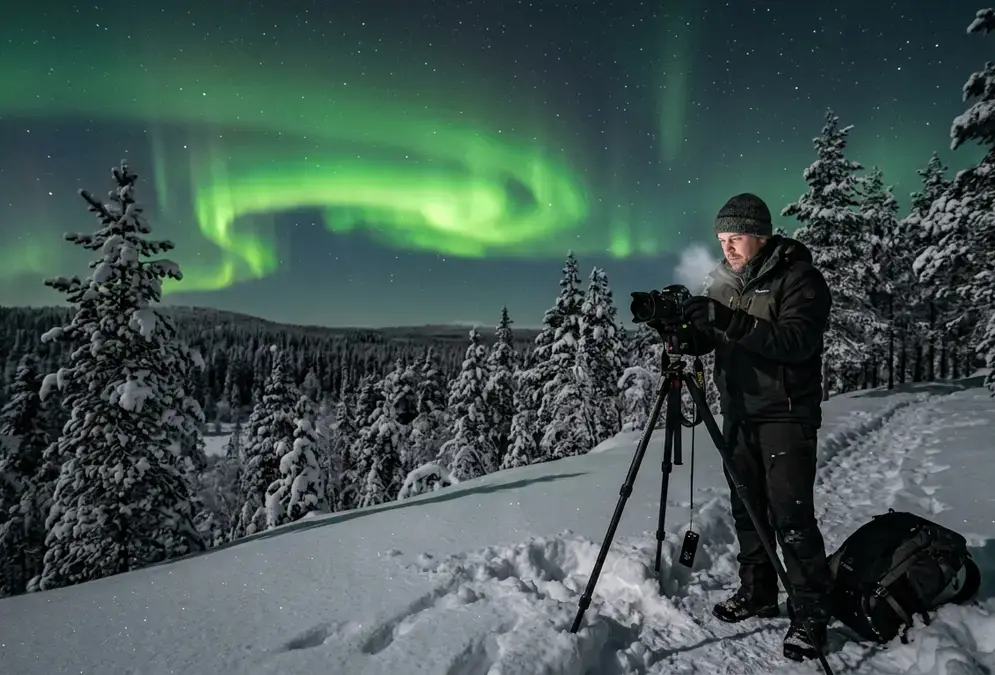
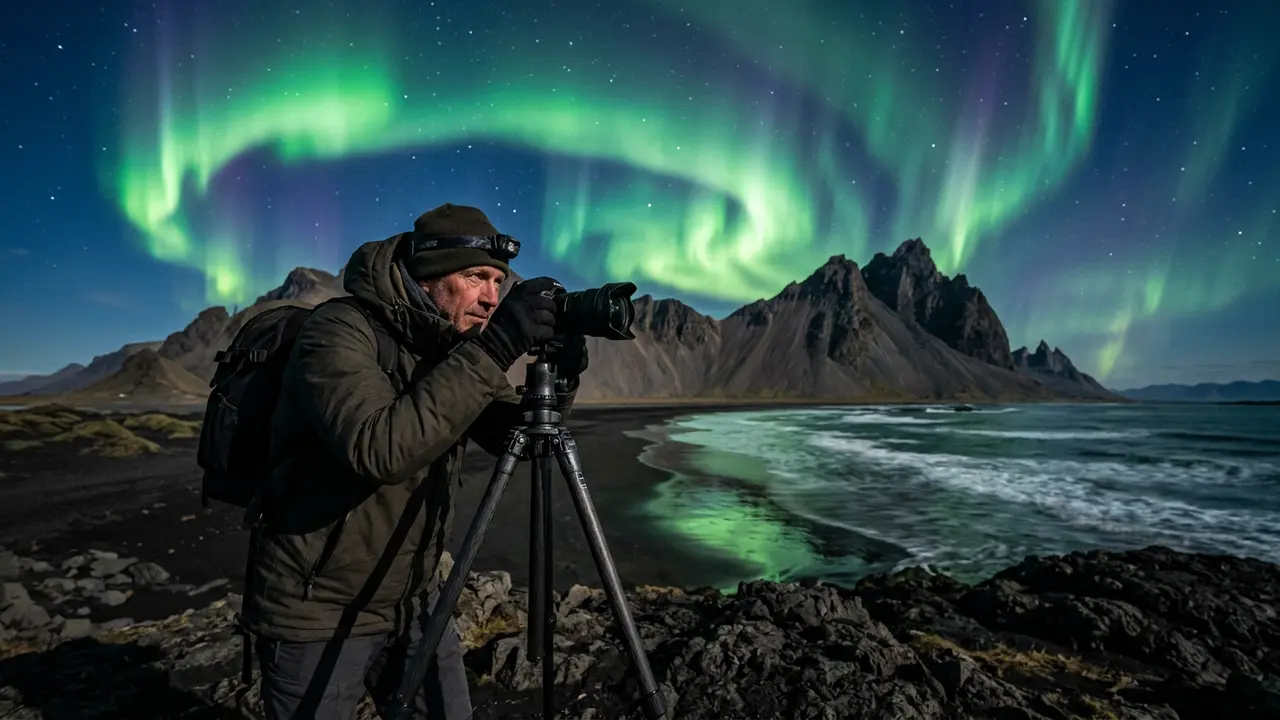
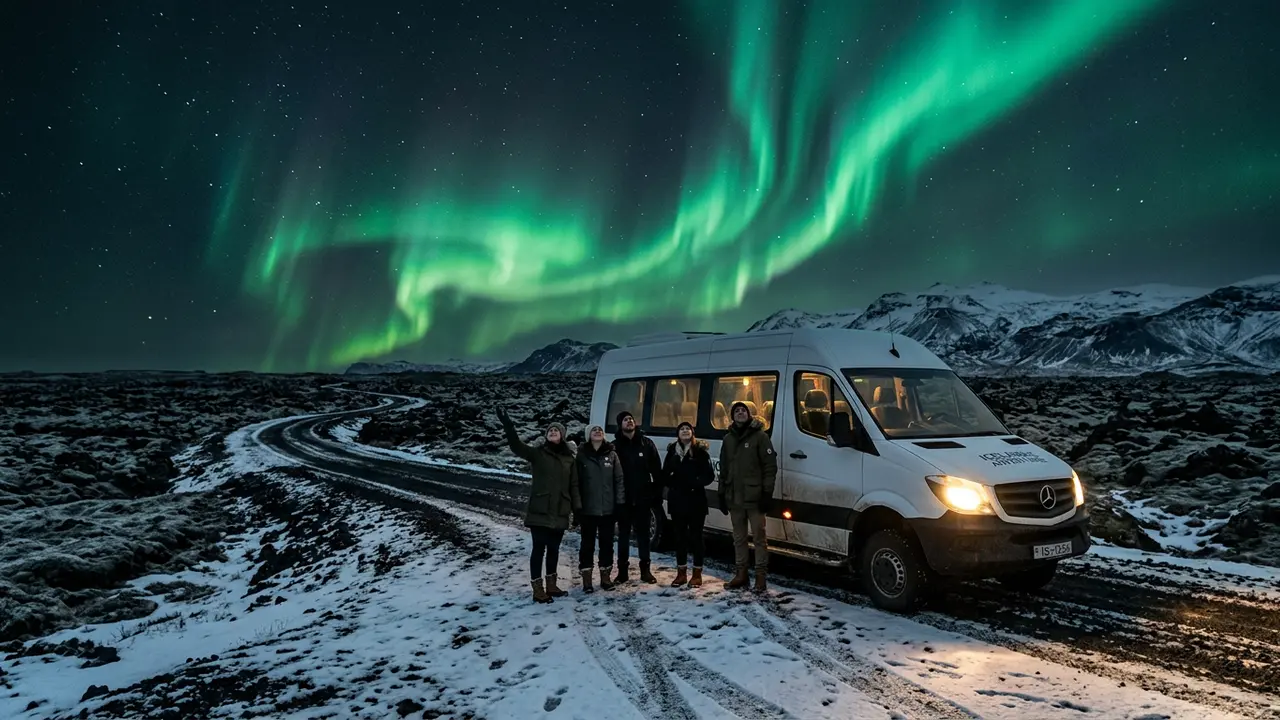
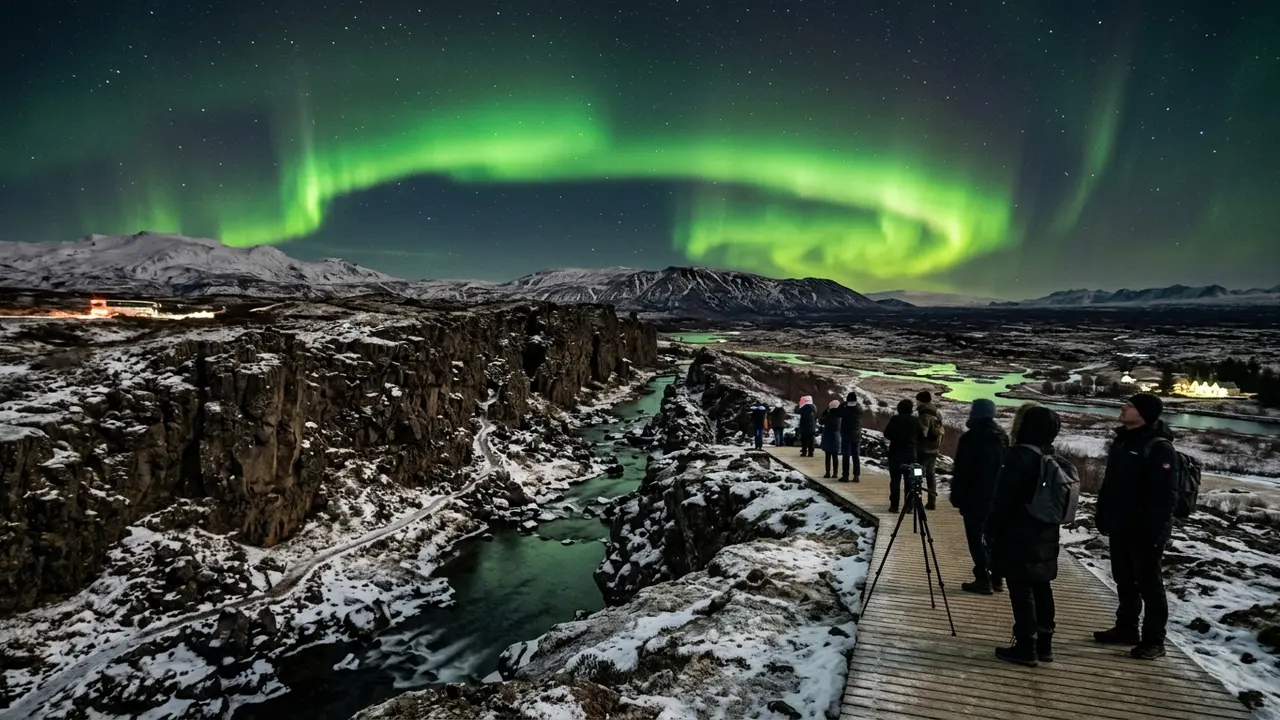
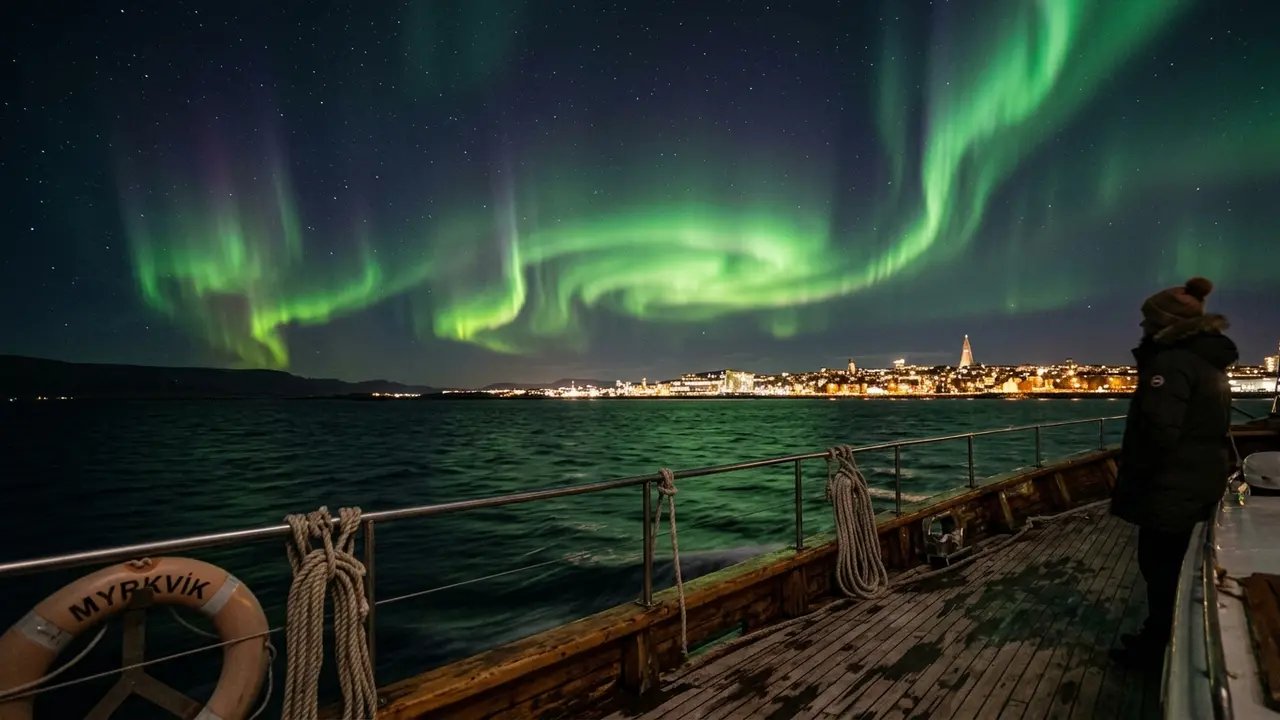
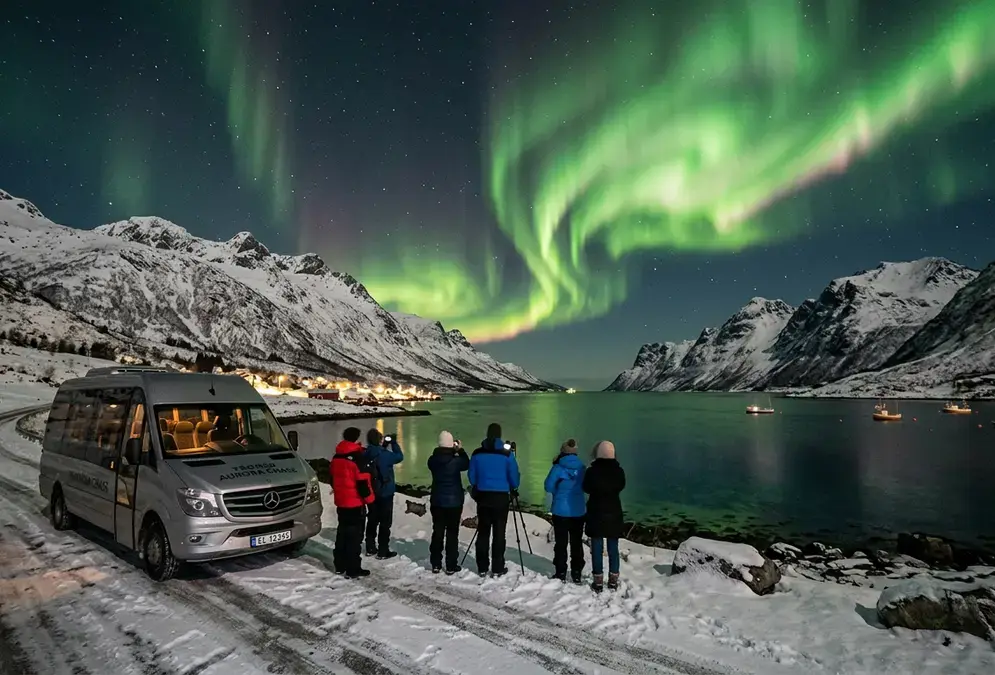
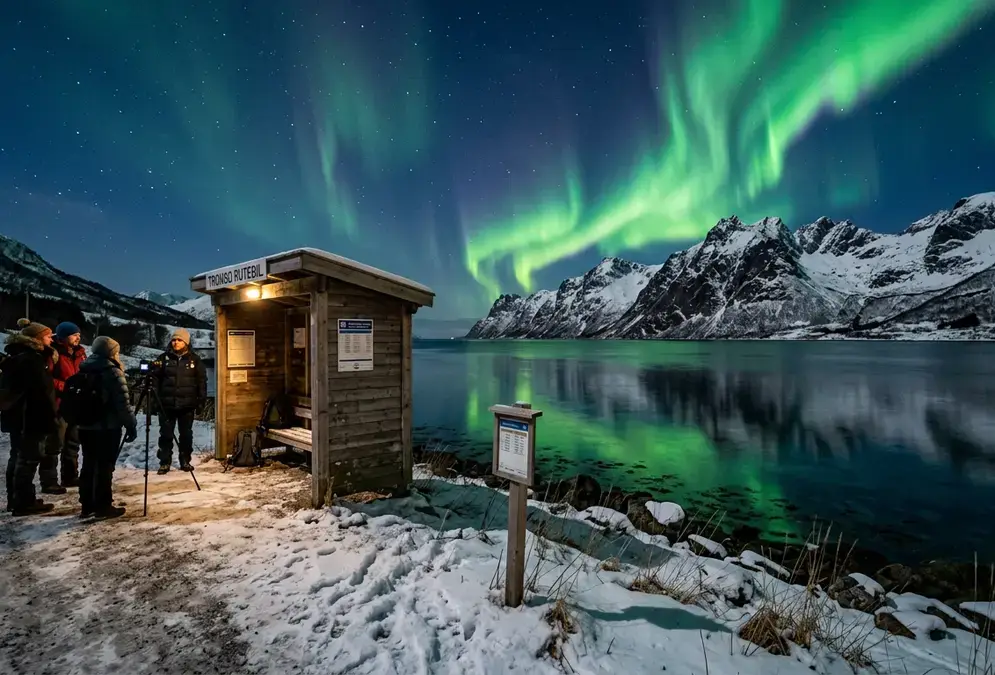
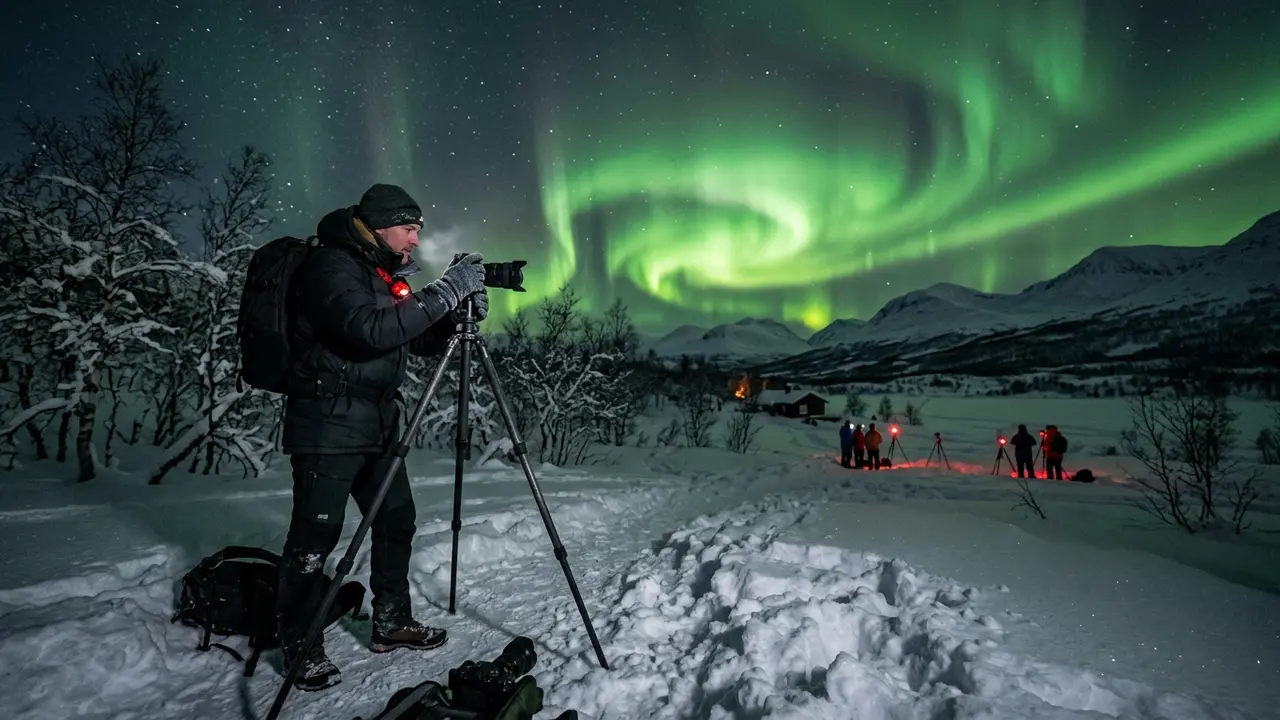
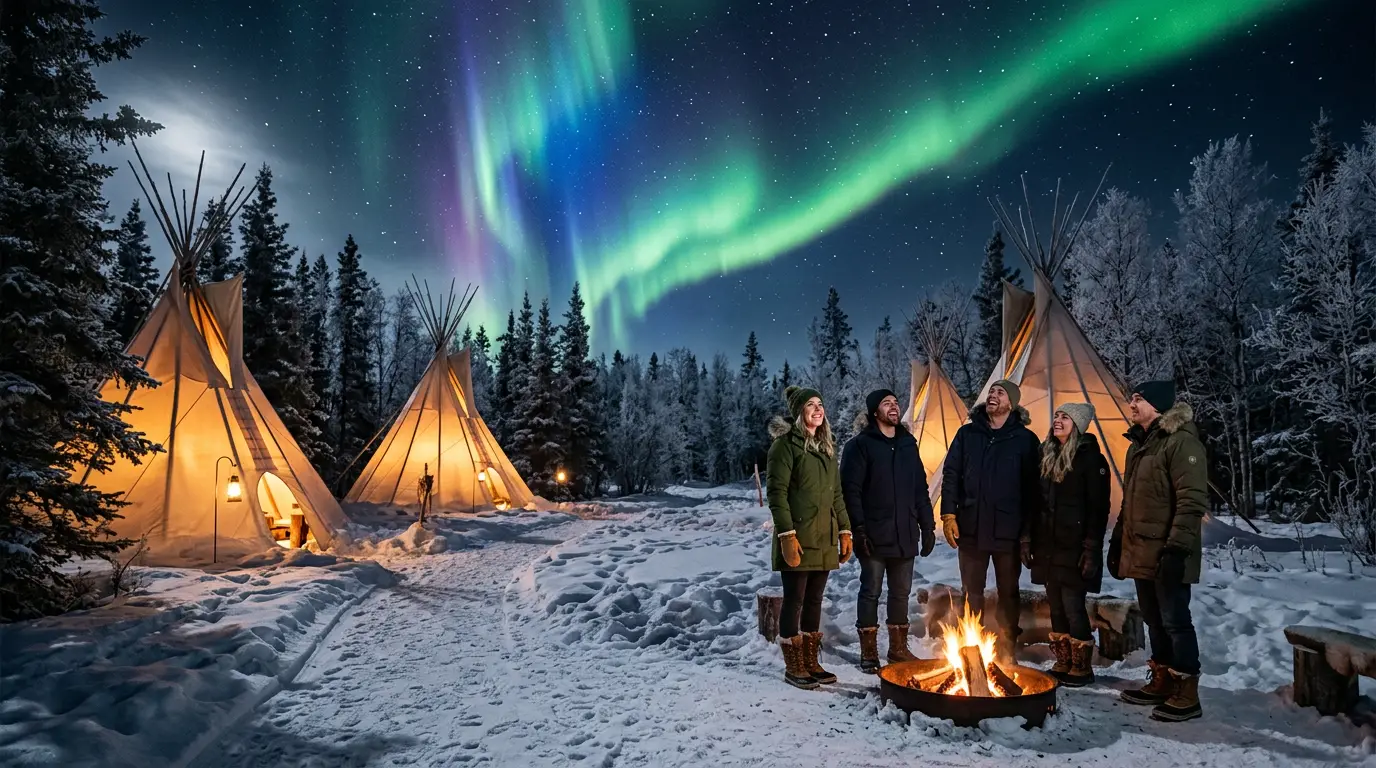
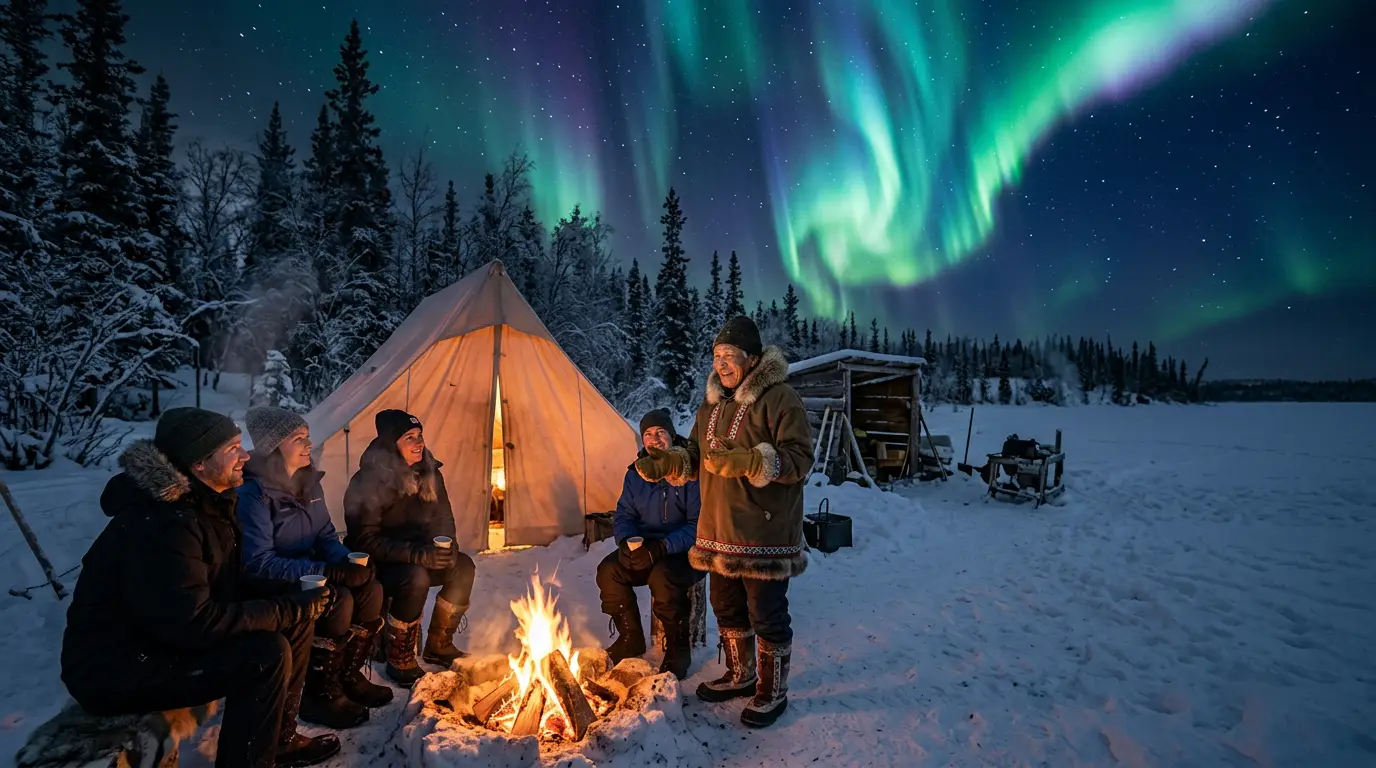
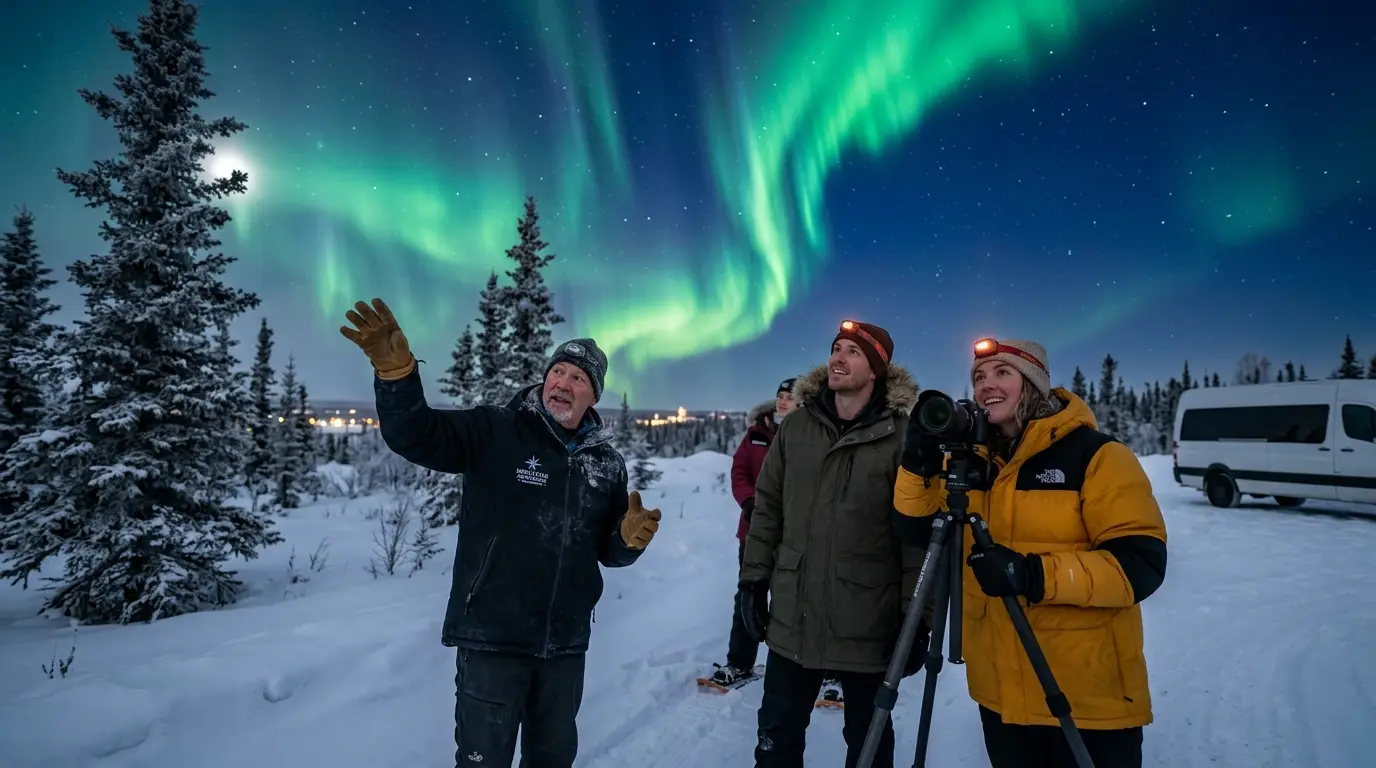
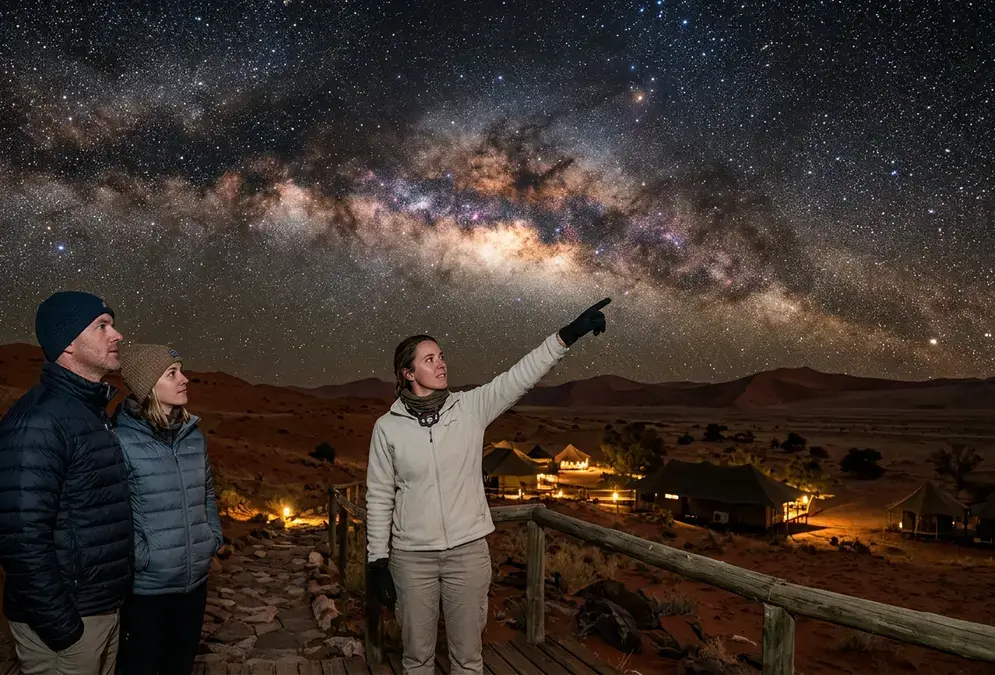
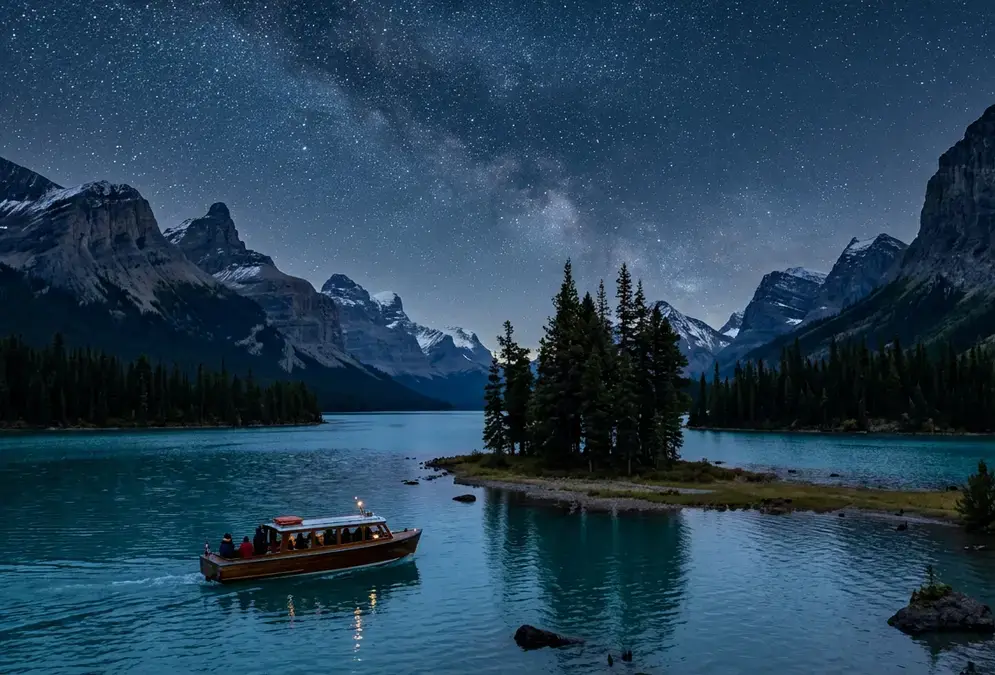
Aurora tours sell time and a guide who reads the forecast, not the lights themselves. A good operator tracks the Kp index and clouds, then moves you to clear sky at midnight, which matters more than any marketing photo.
Aurora season runs September to April; summer nights stay too bright this far north.
28 tours from €44
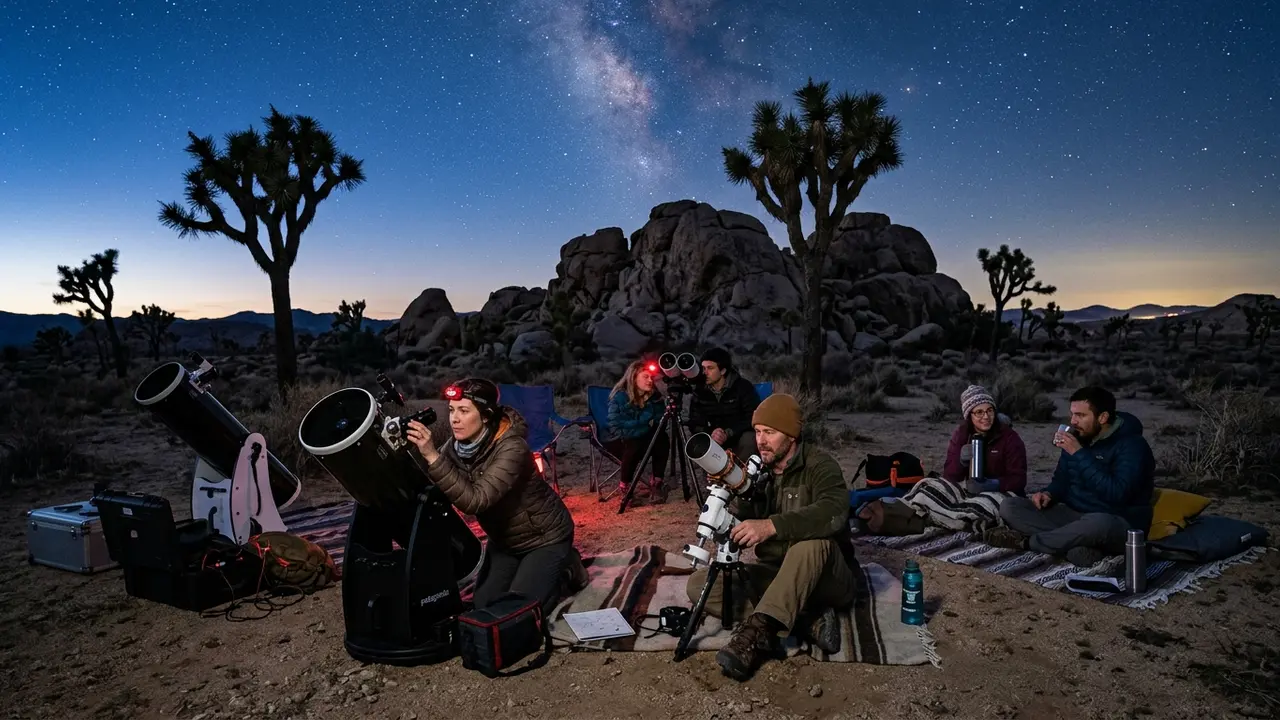
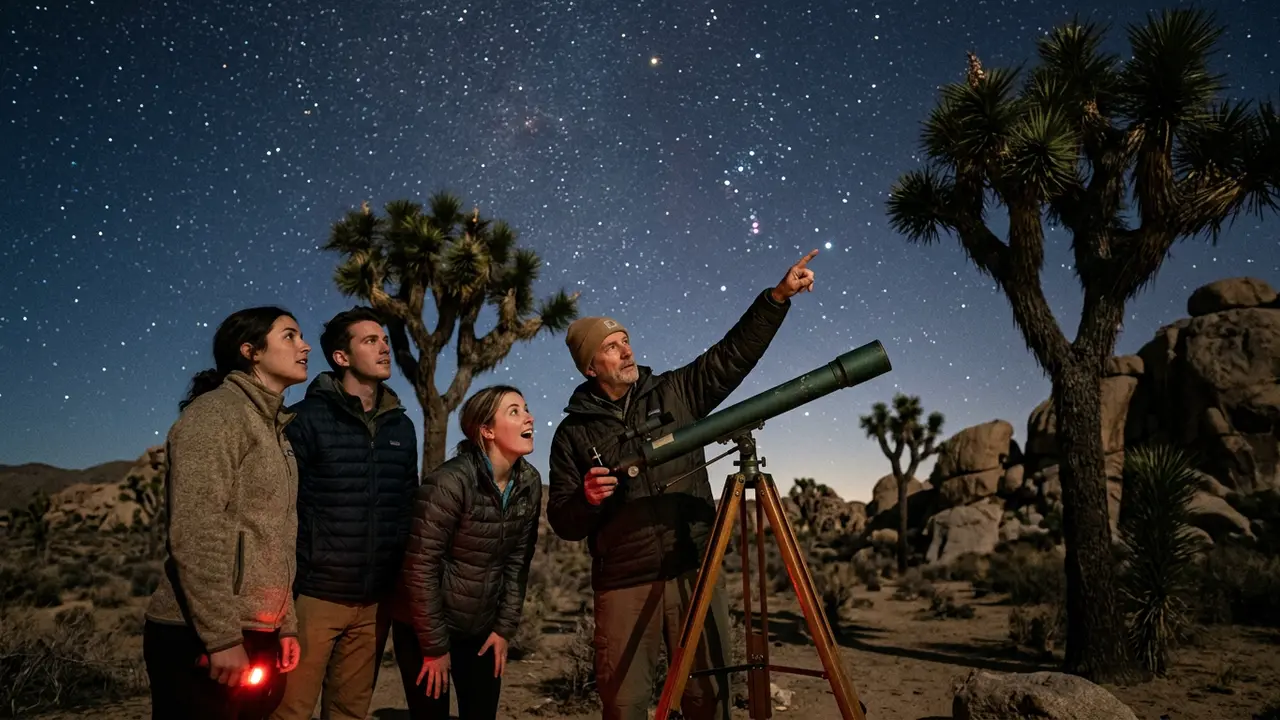
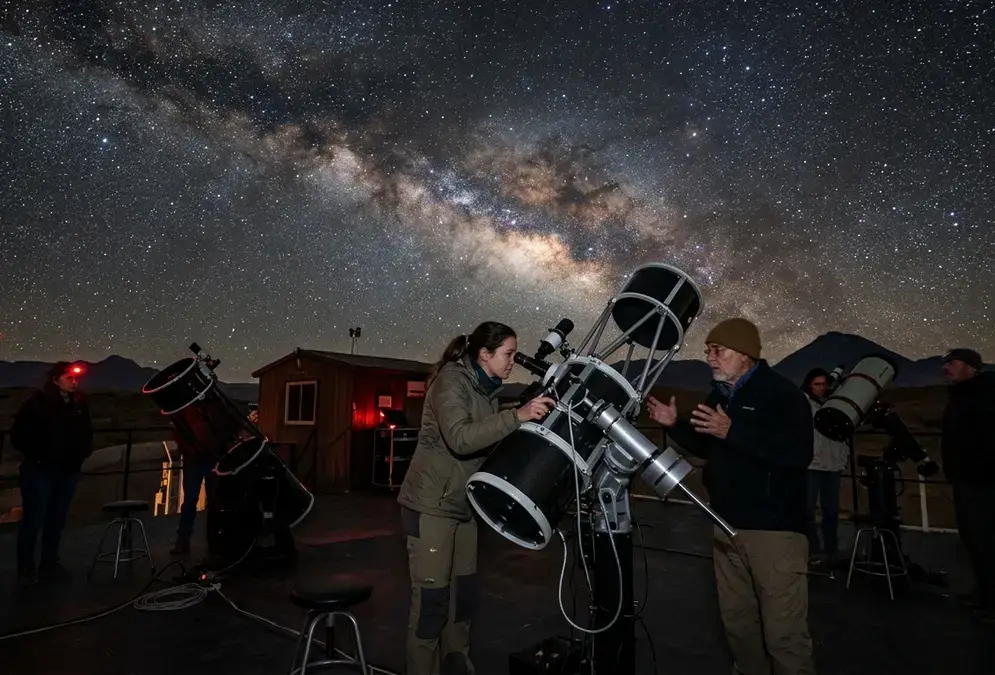
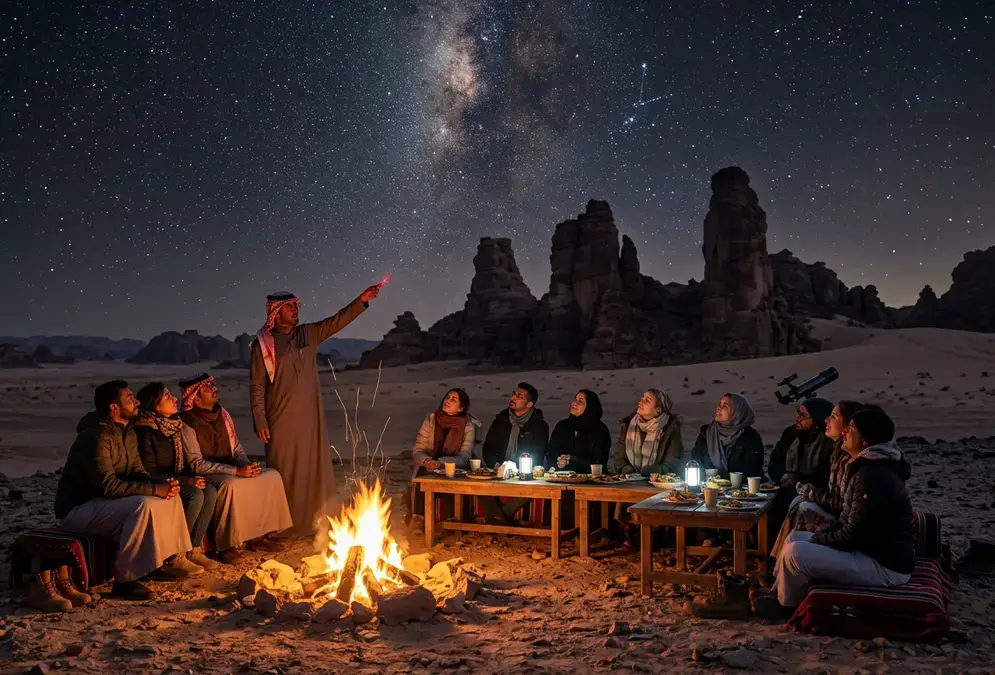
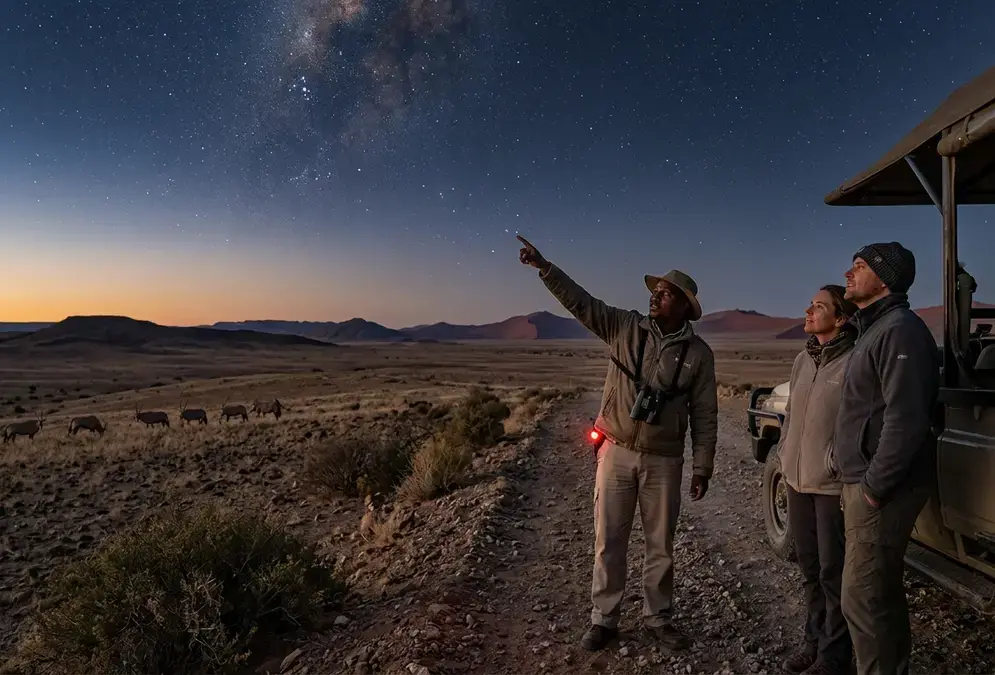
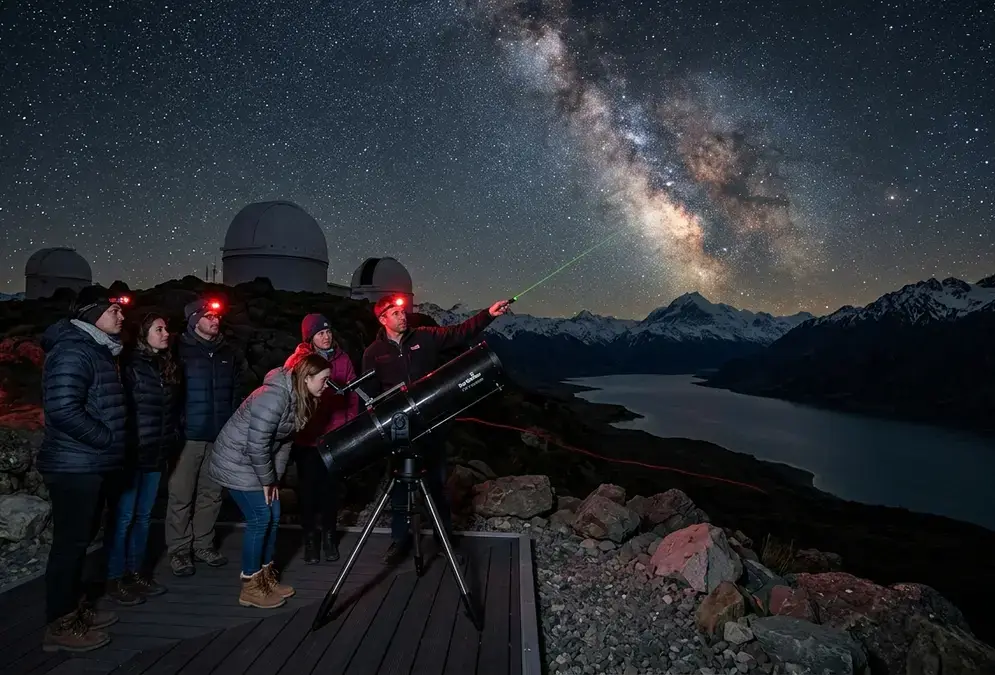
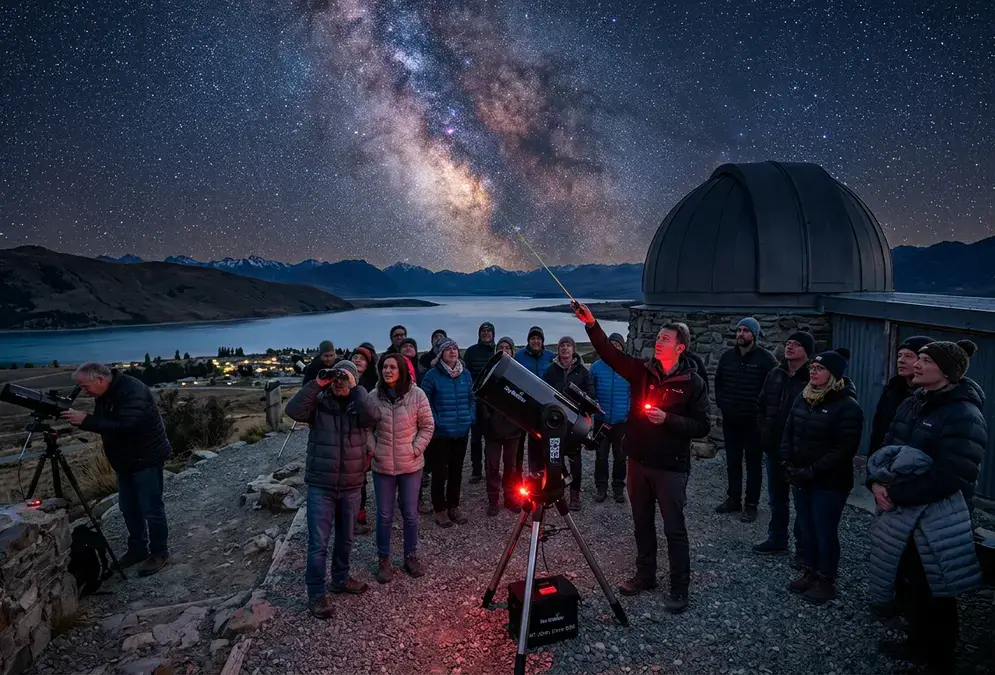
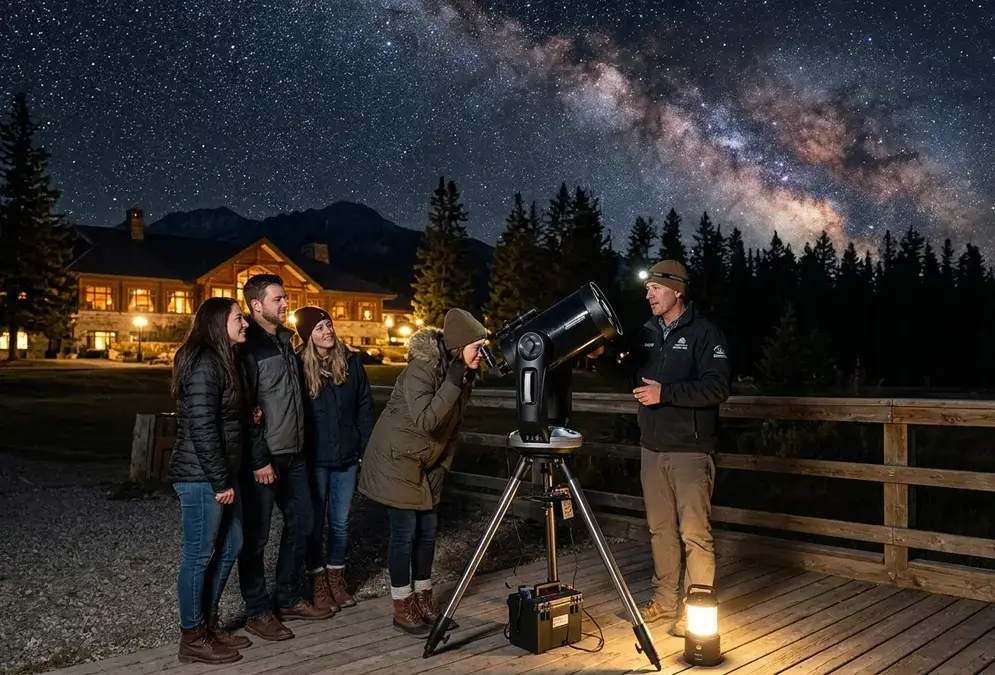
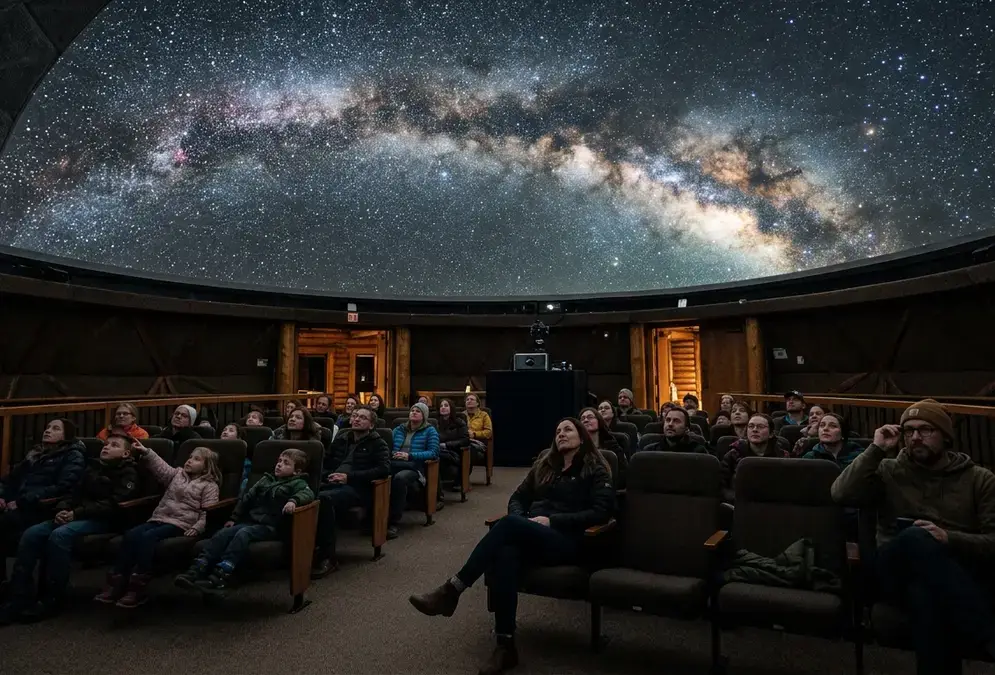
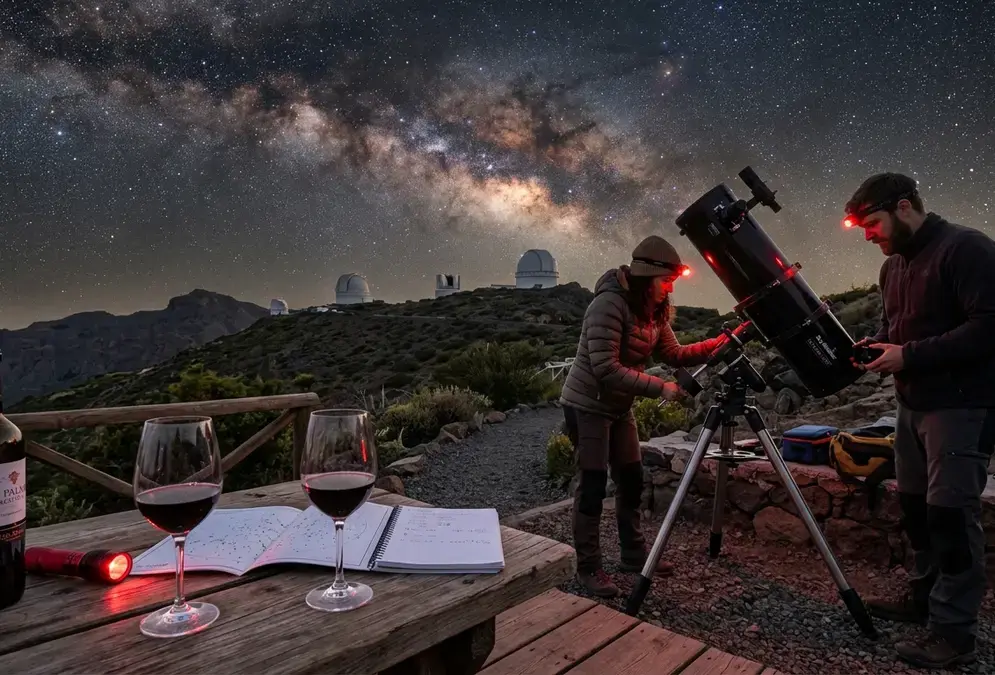
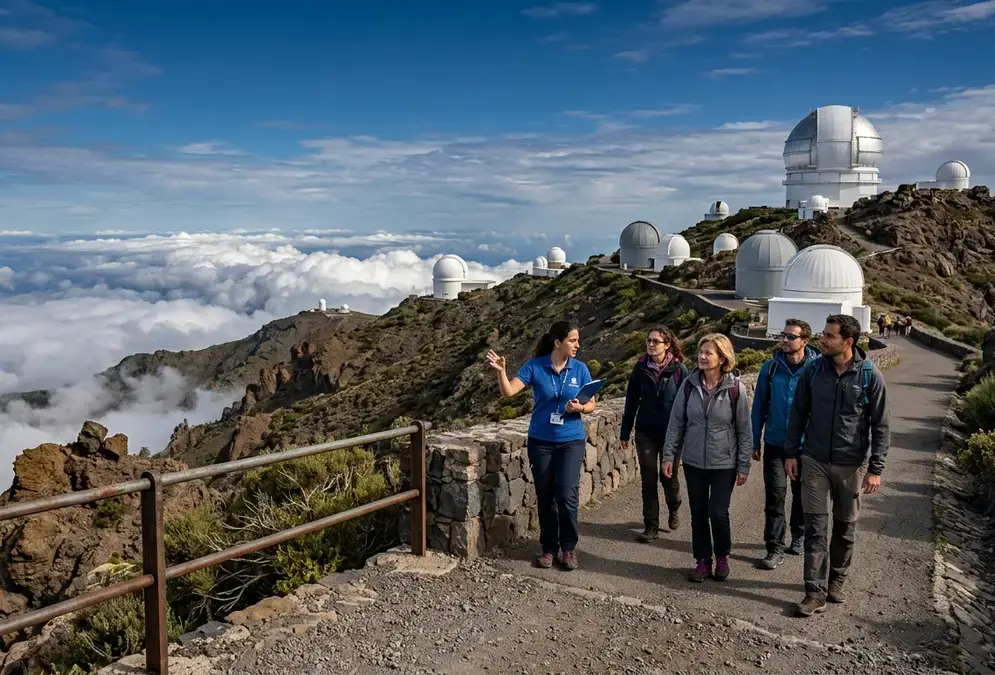
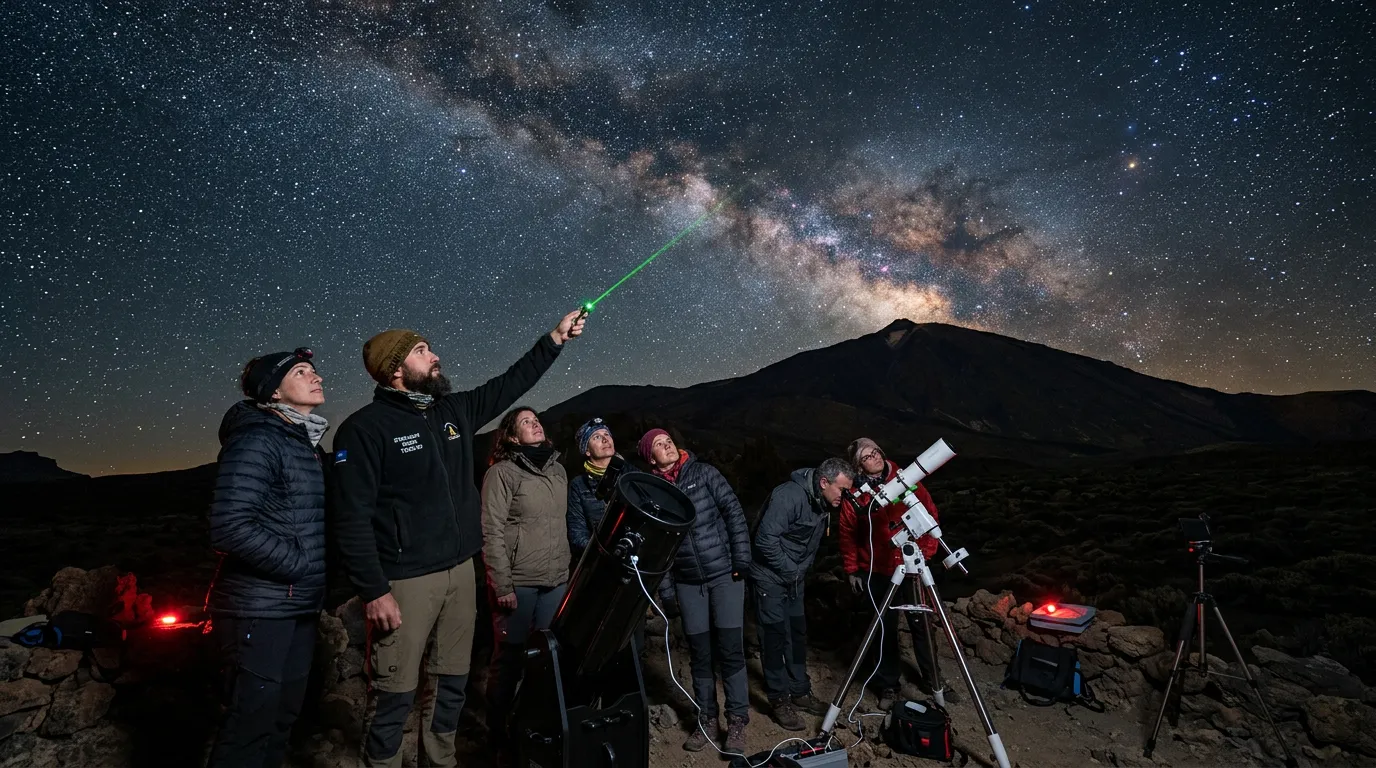
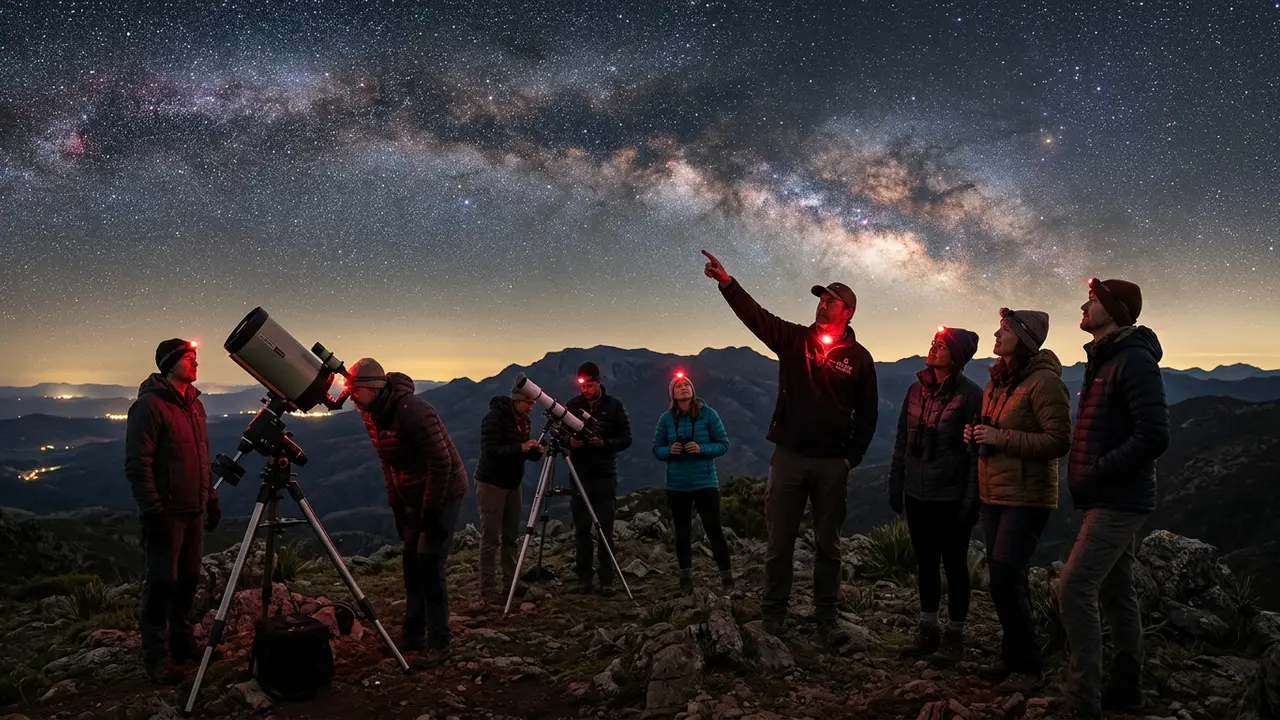
BrowseGuided stargazing sessions get you a proper telescope, a dark-adapted eye trained on the right targets, and someone who can actually find Saturn's rings instead of a vague patch of sky.
30 tours from €5
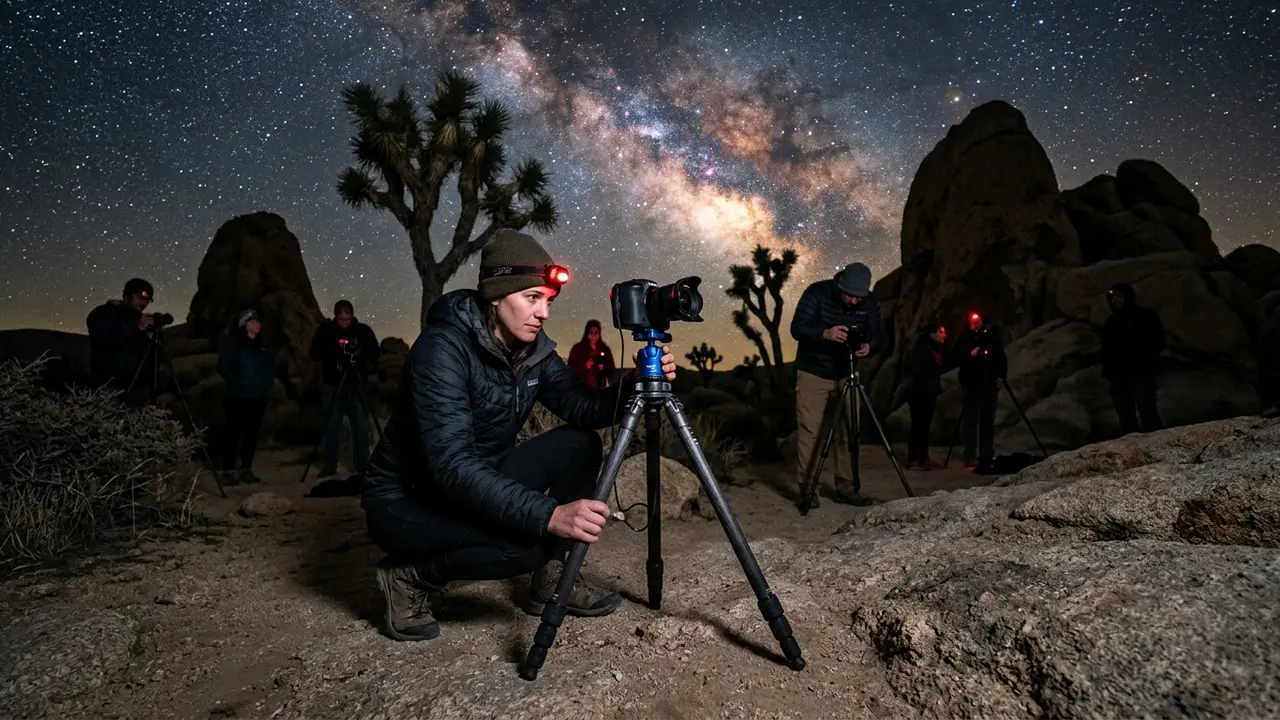
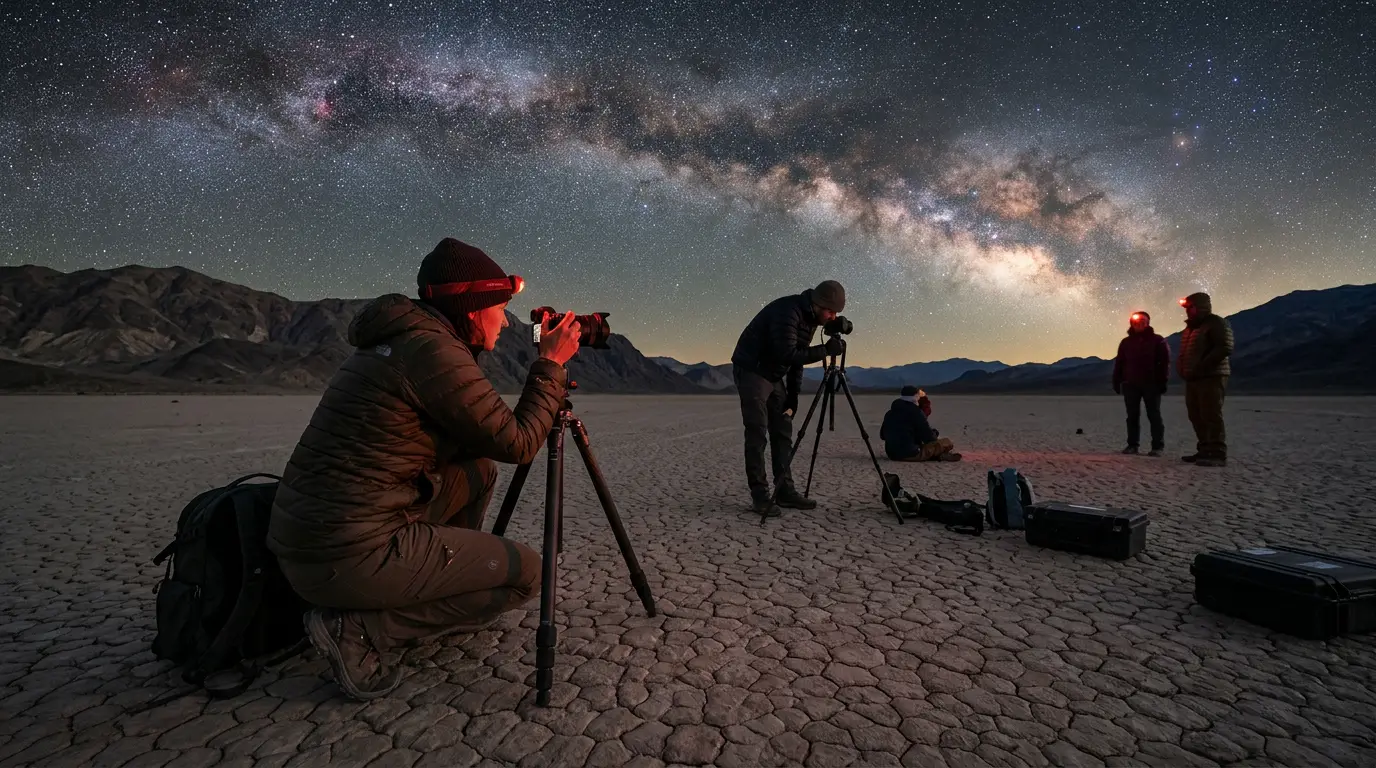
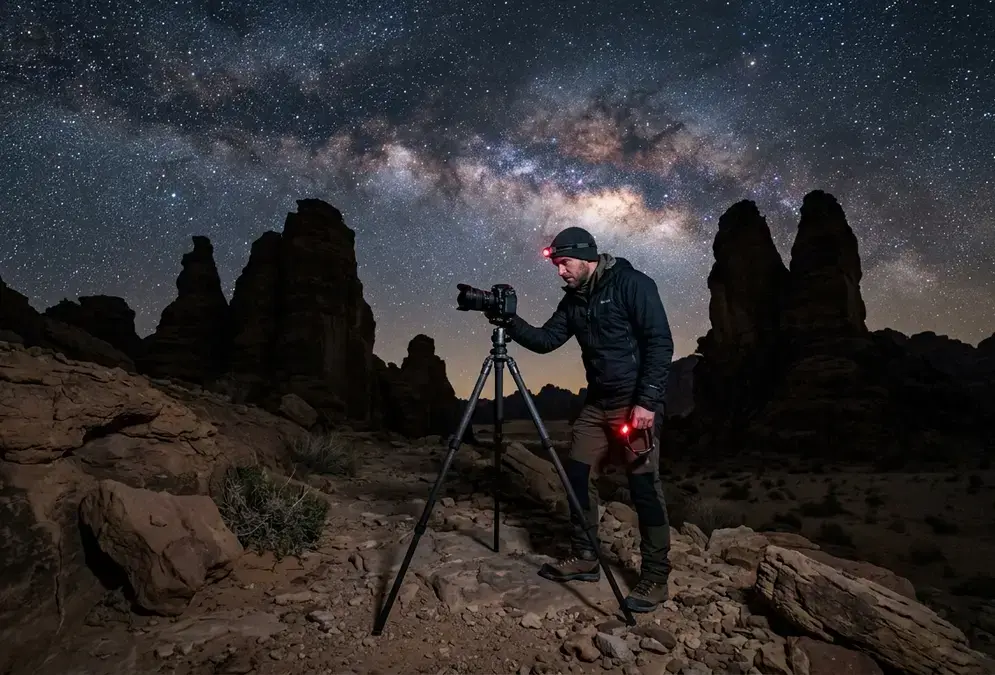
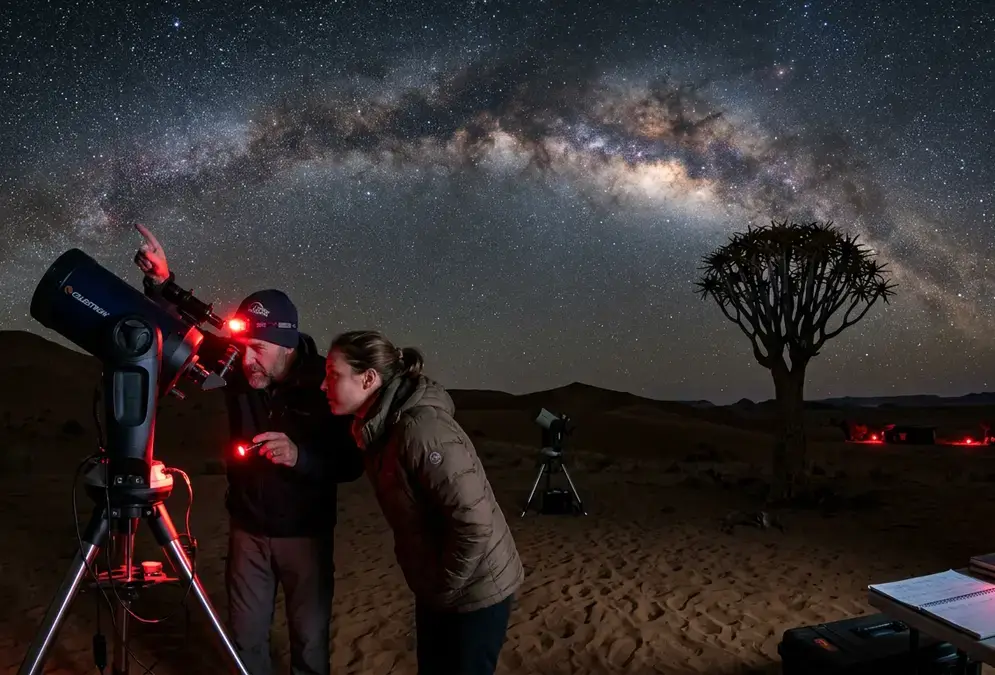
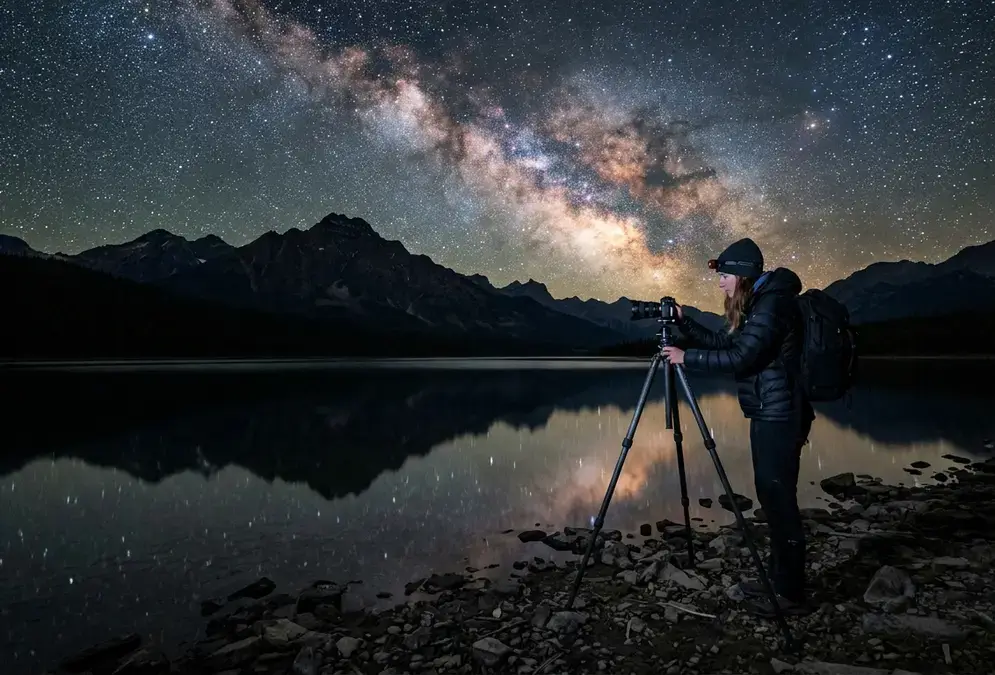
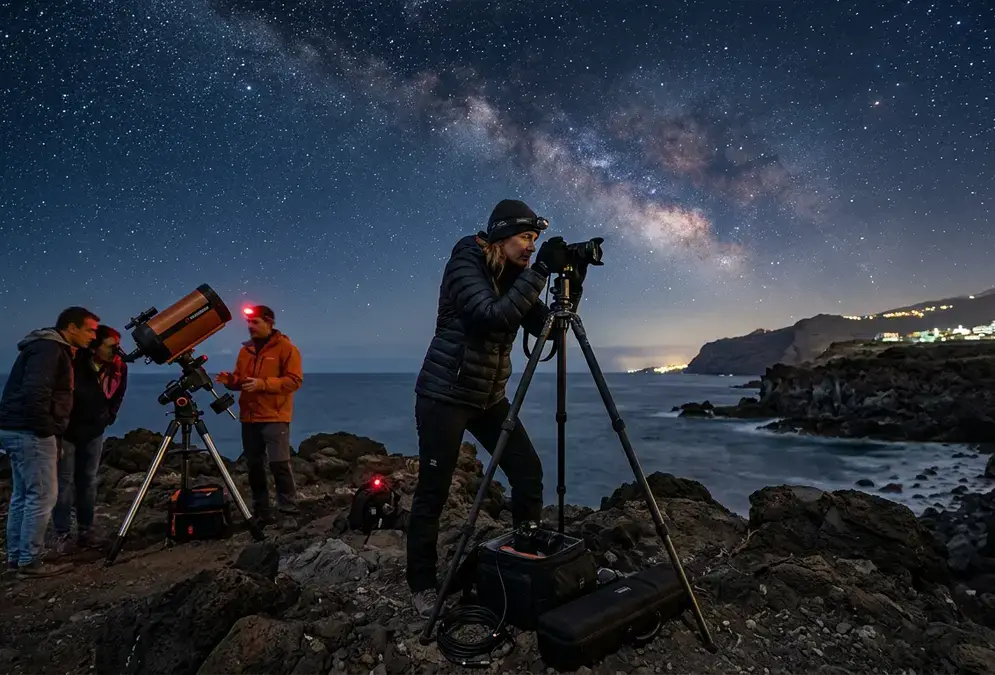
BrowseAstrophotography tours and workshops teach camera settings, tracking mounts, and post-processing alongside the shooting, aimed at people who want a keeper photo, not just a memory.
36 tours from €18
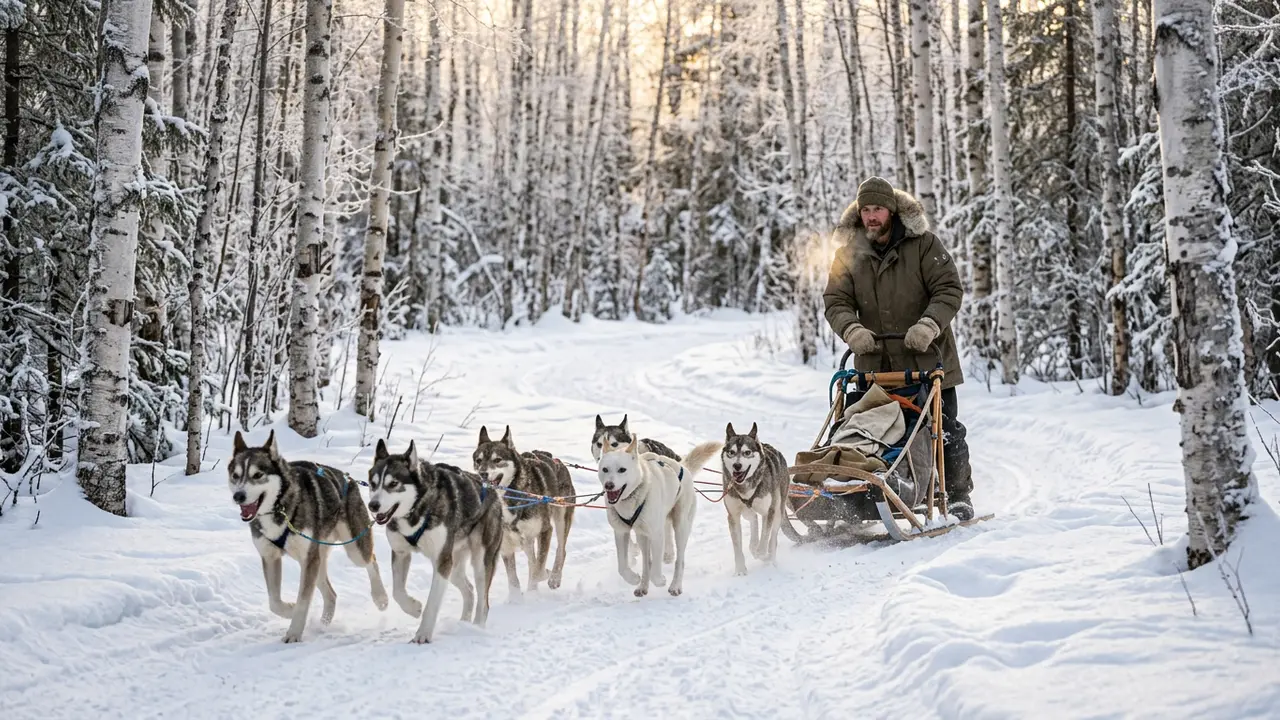
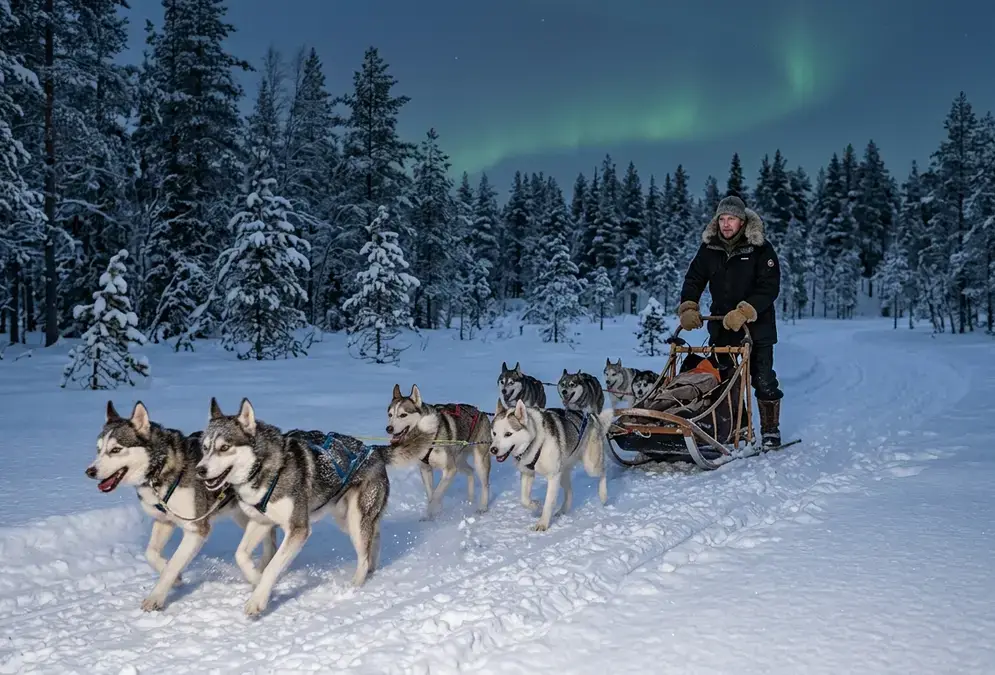
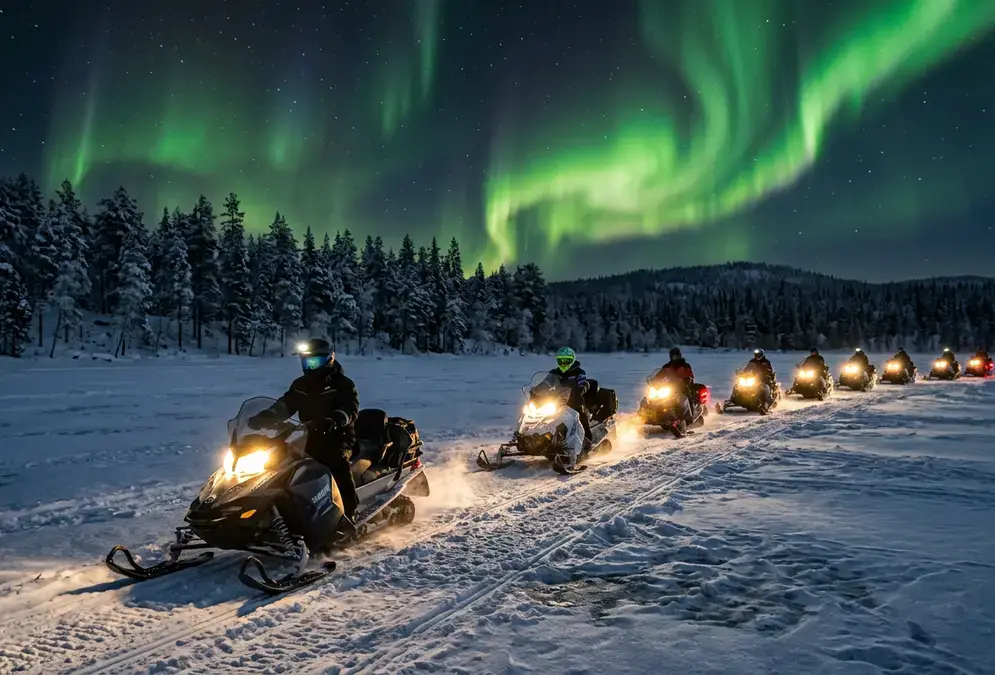
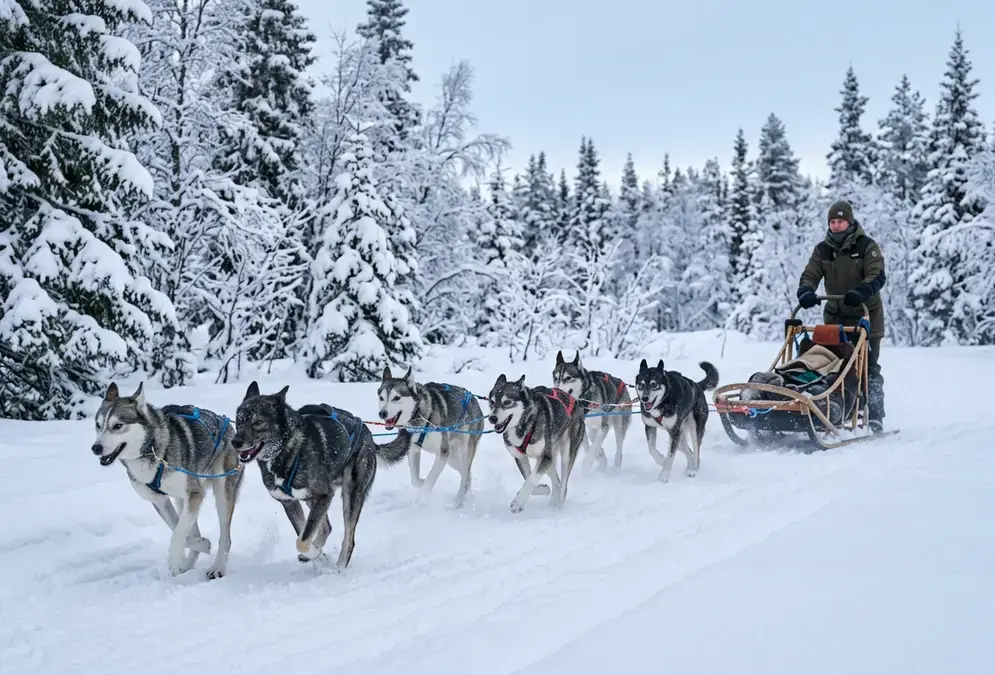
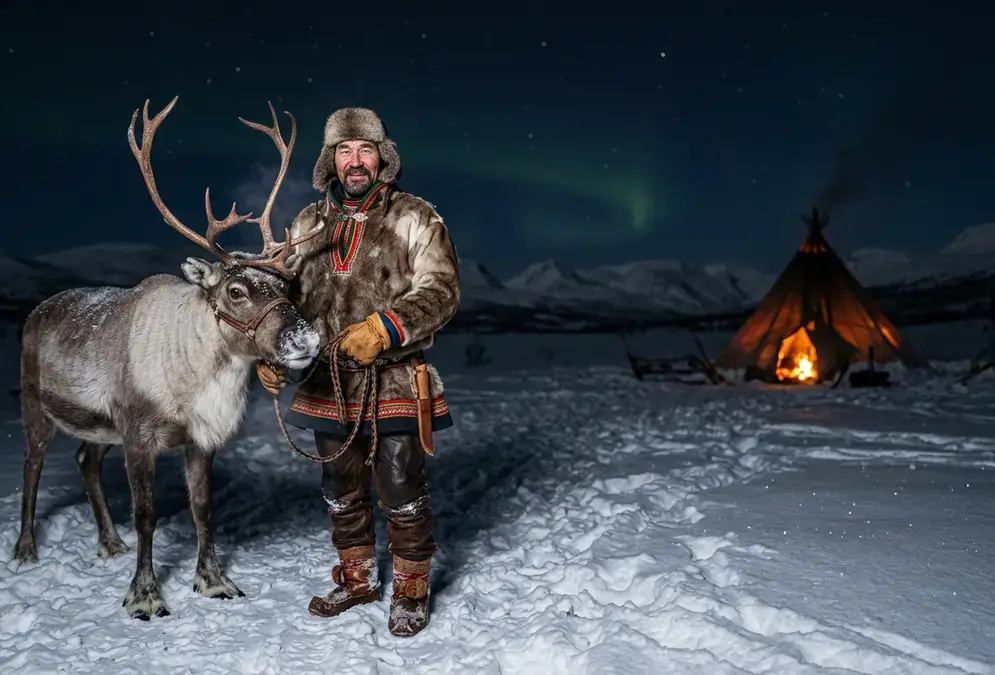
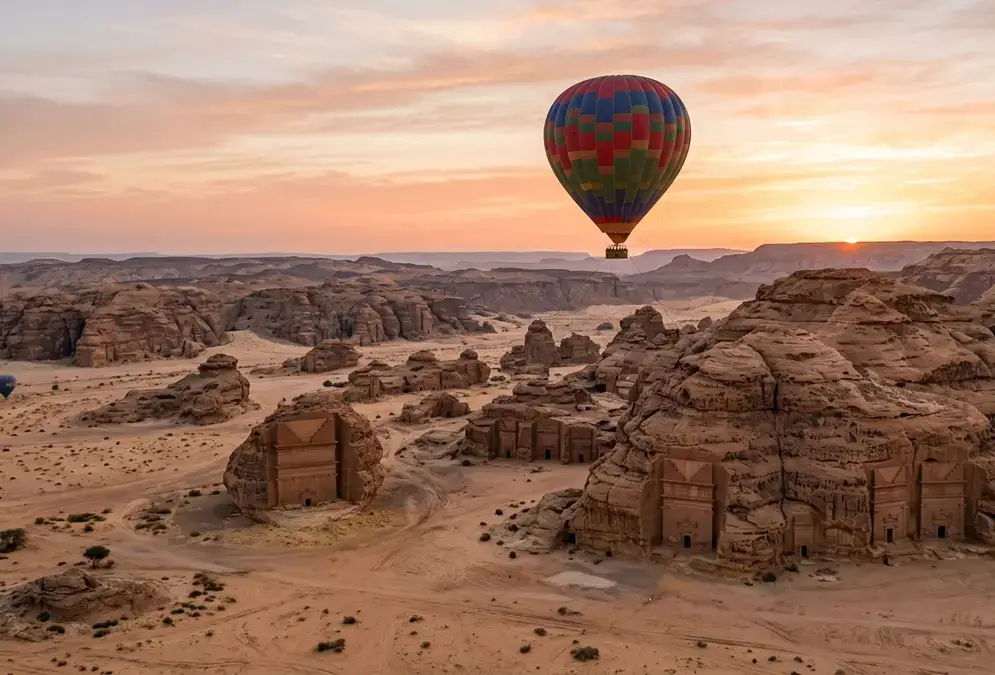
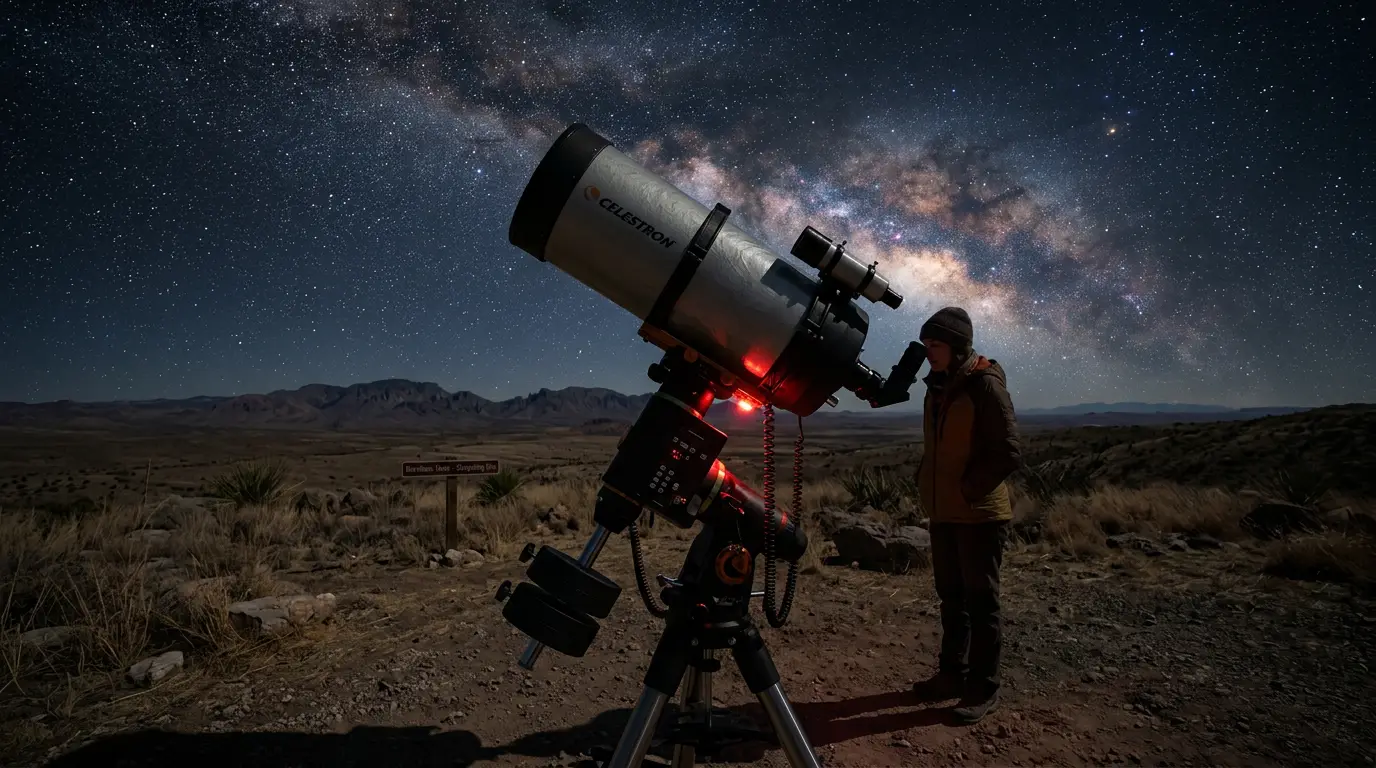
BrowseDinners, dog-sled runs, hot-air balloon flights, and cultural evenings built around a dark sky, for travelers who want the atmosphere of a night out under stars more than serious observing.
32 tours from €18
BrowseThe rhythm is the same almost everywhere, whatever kind of night you book.
Most tours pick up between 8pm and 10pm — later in summer at high latitudes. Aurora and Milky Way tours can run past midnight.
A guide drives you away from town glow to a genuinely dark spot. Journey time varies from a few minutes to over an hour.
Telescope observing, a constellation tour, an aurora watch, or a photography session — always weather-dependent, so check the cancellation policy.
You are back well after midnight. Standing still in the dark gets cold fast, so dress far warmer than the daytime temperature suggests.
A preview of tours in each region, with featured and directly-bookable options first. Open a region to see its full list, part of 87 tours worldwide.
Nothing matches these filters.
Type
Region
Price
For
The editor's shortlist
8 standouts across every kind of night — the ones worth planning a trip around.
We took these tours
Operators we booked and stood in the dark with. No OTA can tell you which guide actually knows the sky — 13 first-hand verdicts.
Uluru
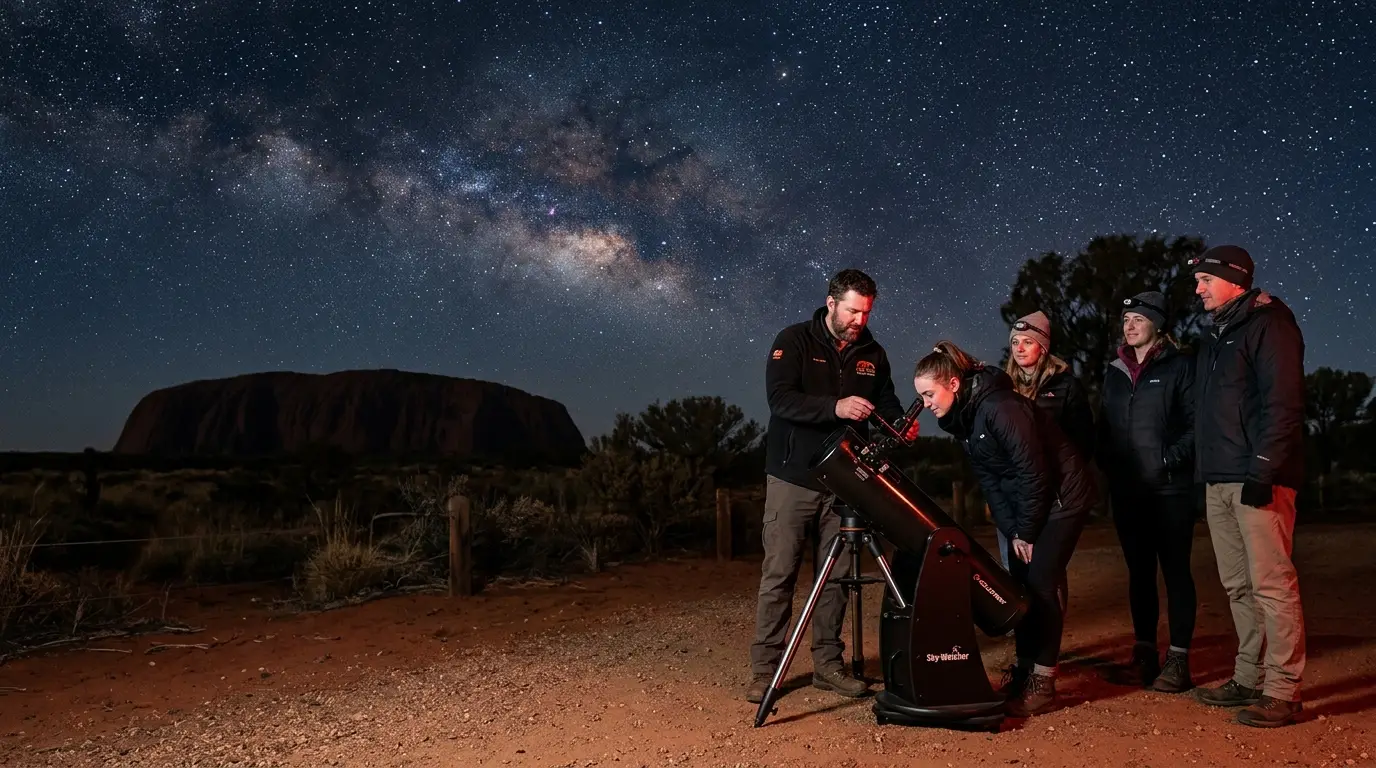
Uluru Astro Tours is the only operator licensed to take you inside the national park after dark, and it's worth timing your date near new moon.
Reviewed by Maya Okonkwo
Big Bend National Park
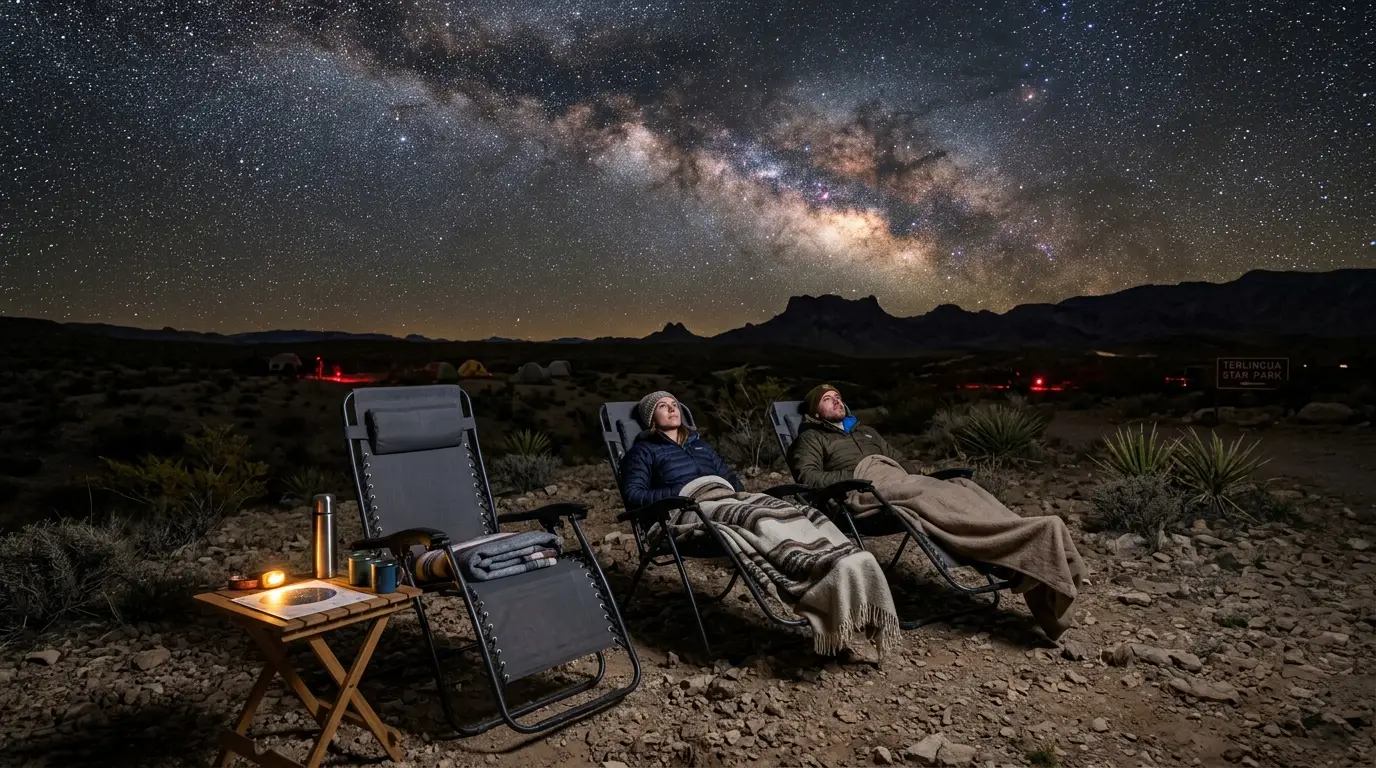
Try the $25 drop-in star party first: Astro Mucho's Big Bend sky is the same whether you pay $25 or $599 for a private astronomer.
Reviewed by Maya Okonkwo
Stargazing in Bryce Canyon National Park
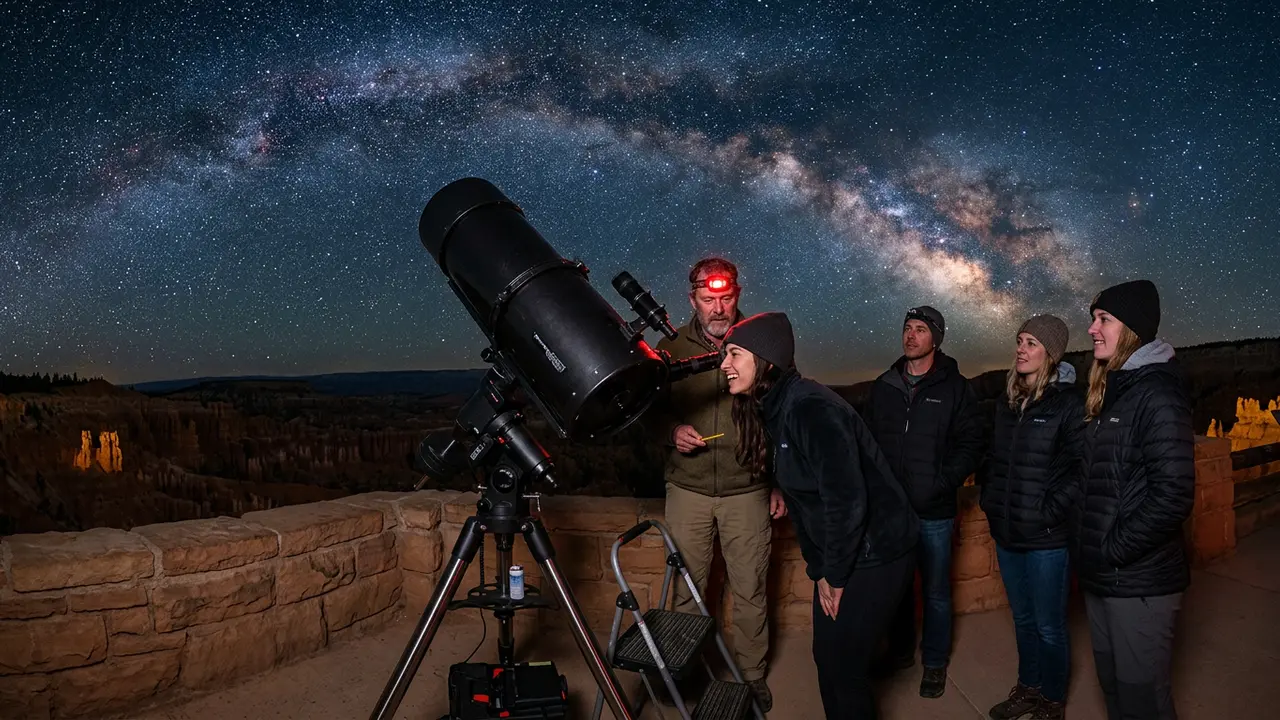
Dark Ranger caps groups at 42 with one telescope per five to seven guests, so you actually get eyepiece time instead of a ten-second peek.
Reviewed by Maya Okonkwo
Big Bend National Park
Ten dollars gets you observatory-grade telescopes in Marathon, the last real town before Big Bend, though Dark Texas Skies still won't post a fixed schedule.
Reviewed by Maya Okonkwo
Uluru
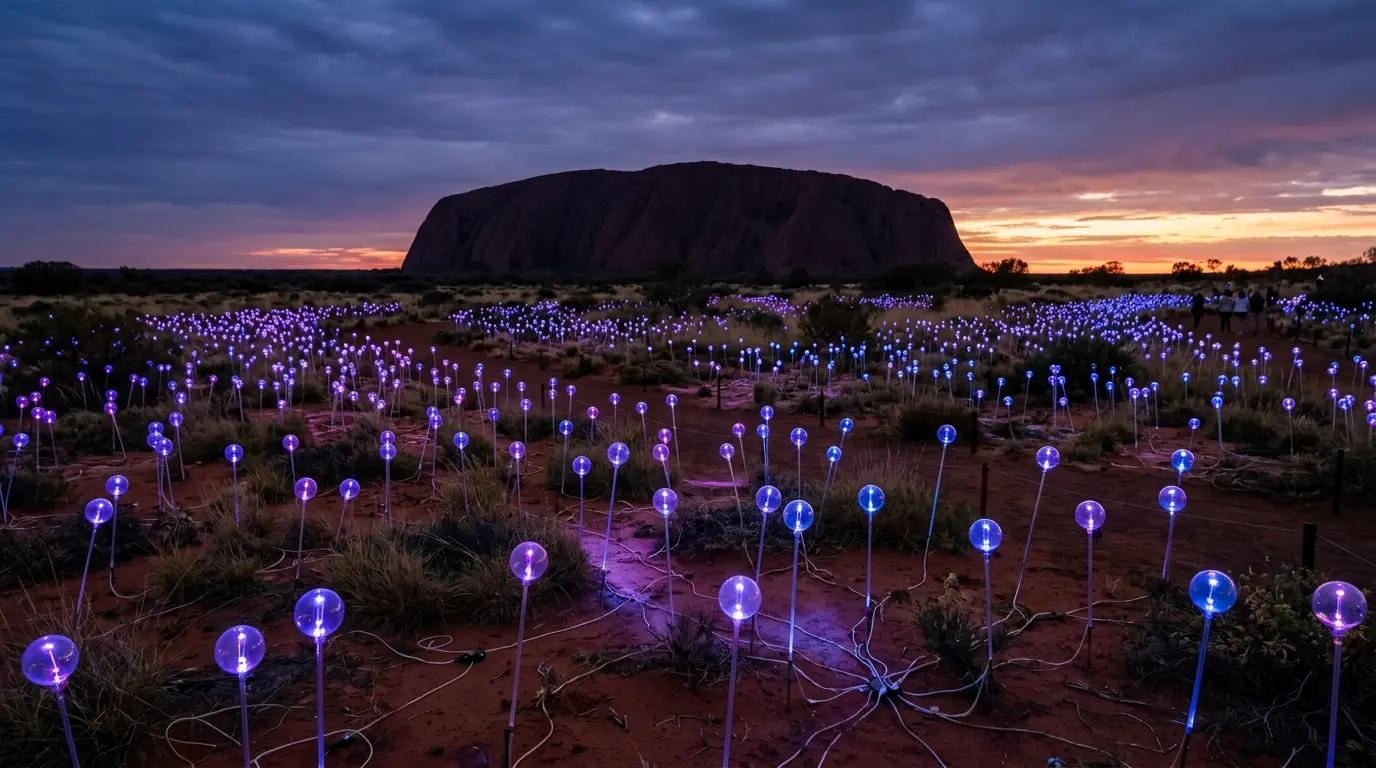
Field of Light is the desert light show, not a stargazing tour, book it on a separate night from your Uluru Astro Tours telescope session.
Reviewed by Maya Okonkwo
Mauna Kea
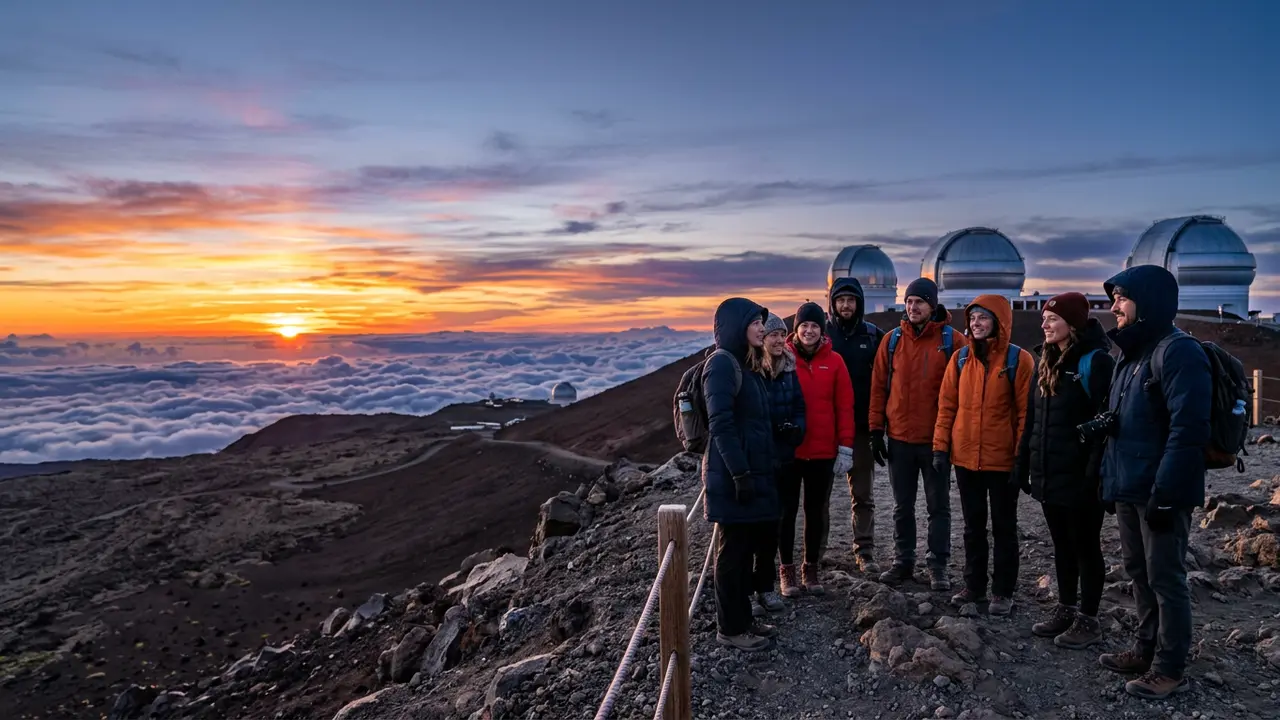
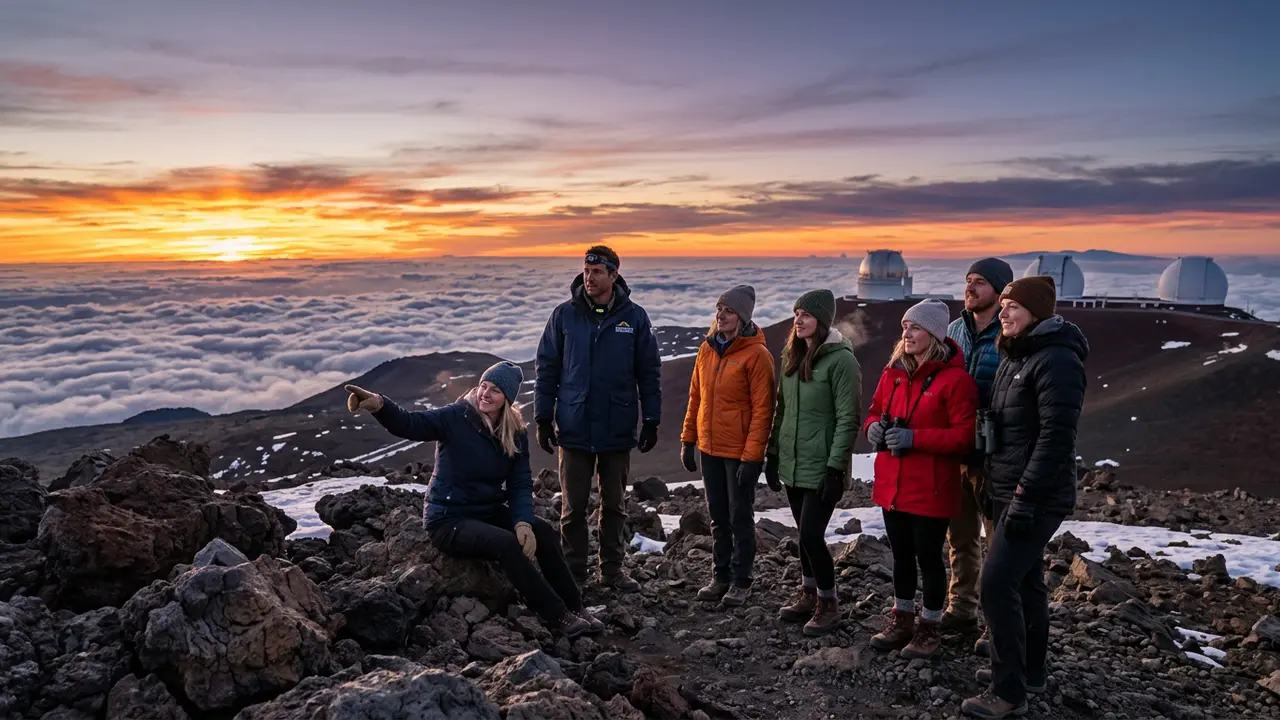
Hawaii Forest and Trail holds one of the few permits to actually reach Mauna Kea's summit, and its altitude-sickness warnings aren't boilerplate, they're real.
Reviewed by Maya Okonkwo
Joshua Tree National Park
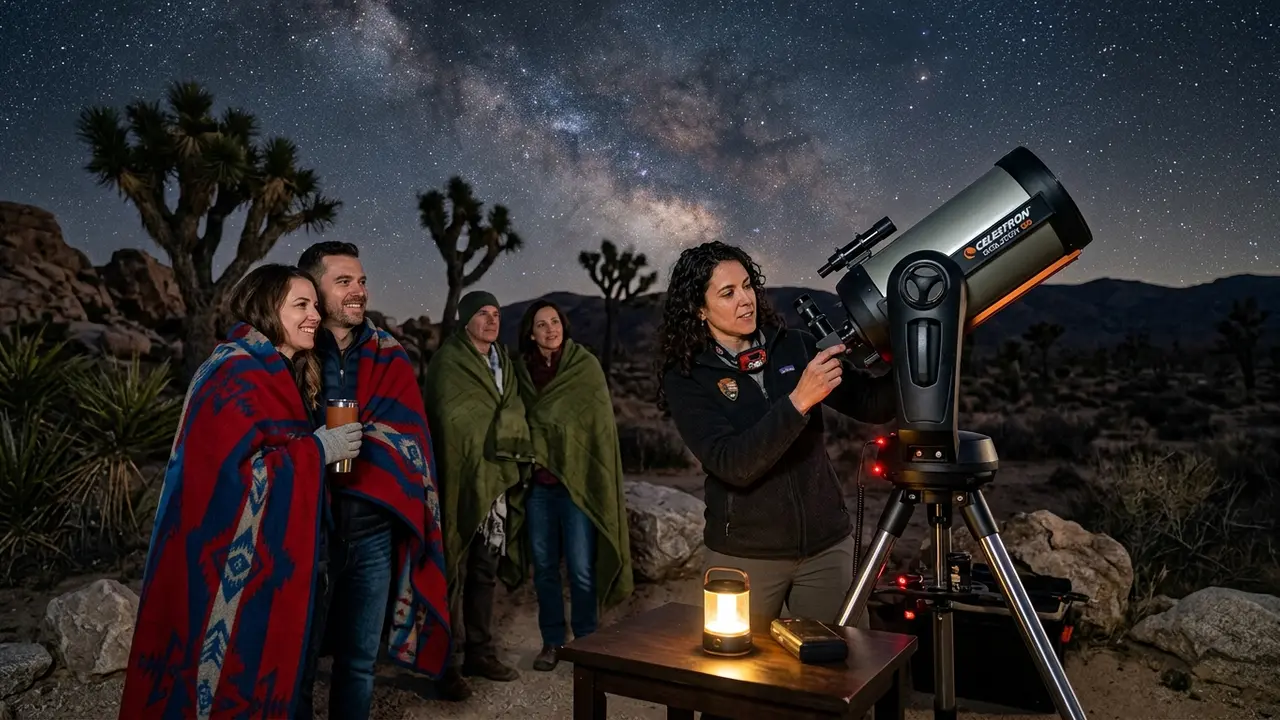
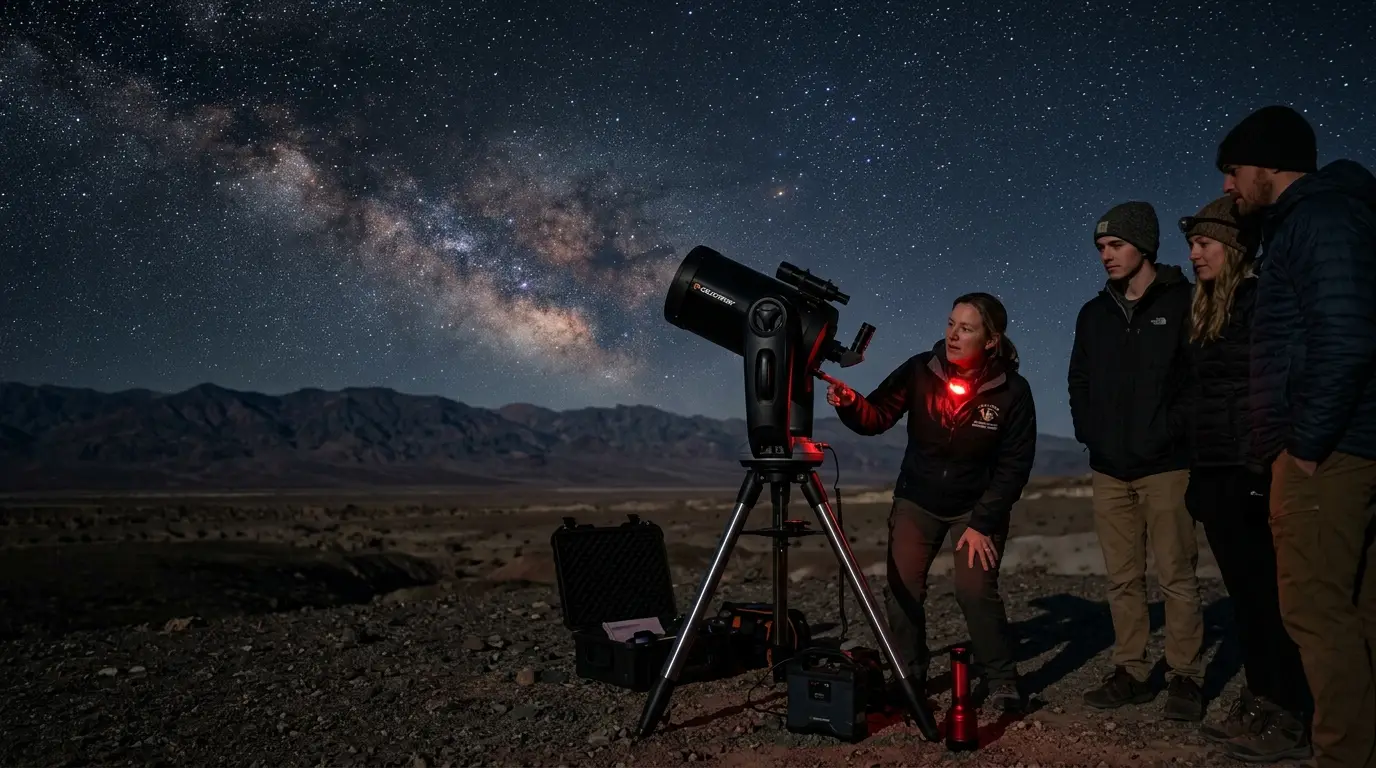
Joshua Tree Astronomy Adventures only launched in 2025, but the Celestron CPC 1100 and the ponchos-and-hot-drinks comfort setup make it feel more seasoned.
Reviewed by Maya Okonkwo
Joshua Tree National Park
At $2,700 flat for up to four guests, Joshua Tree Excursions is the splurge private hike-dinner-stargazing night, not a rival to the $95 group tours.
Reviewed by Maya Okonkwo
Mauna Kea
Mauna Kea Summit Adventures screens for altitude risk before you board, not just on a waiver, and reports a genuine 90 percent clear-sky success rate.
Reviewed by Maya Okonkwo
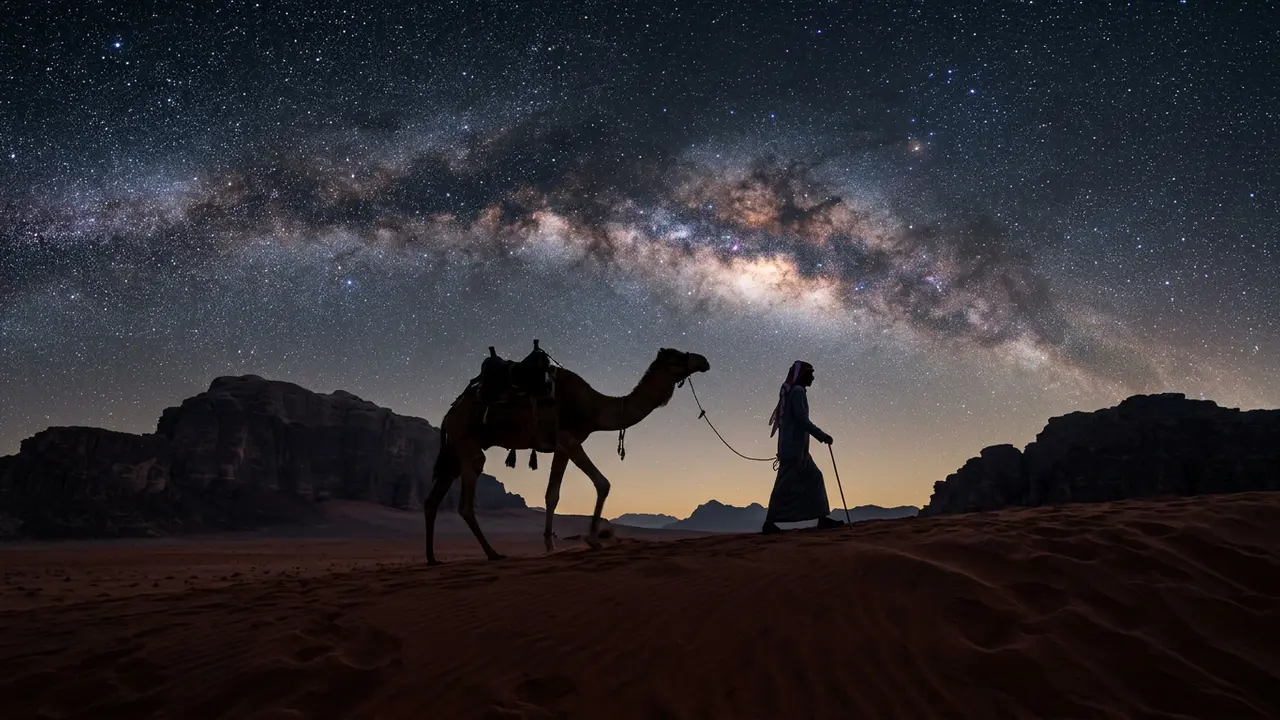
Wadi Rum
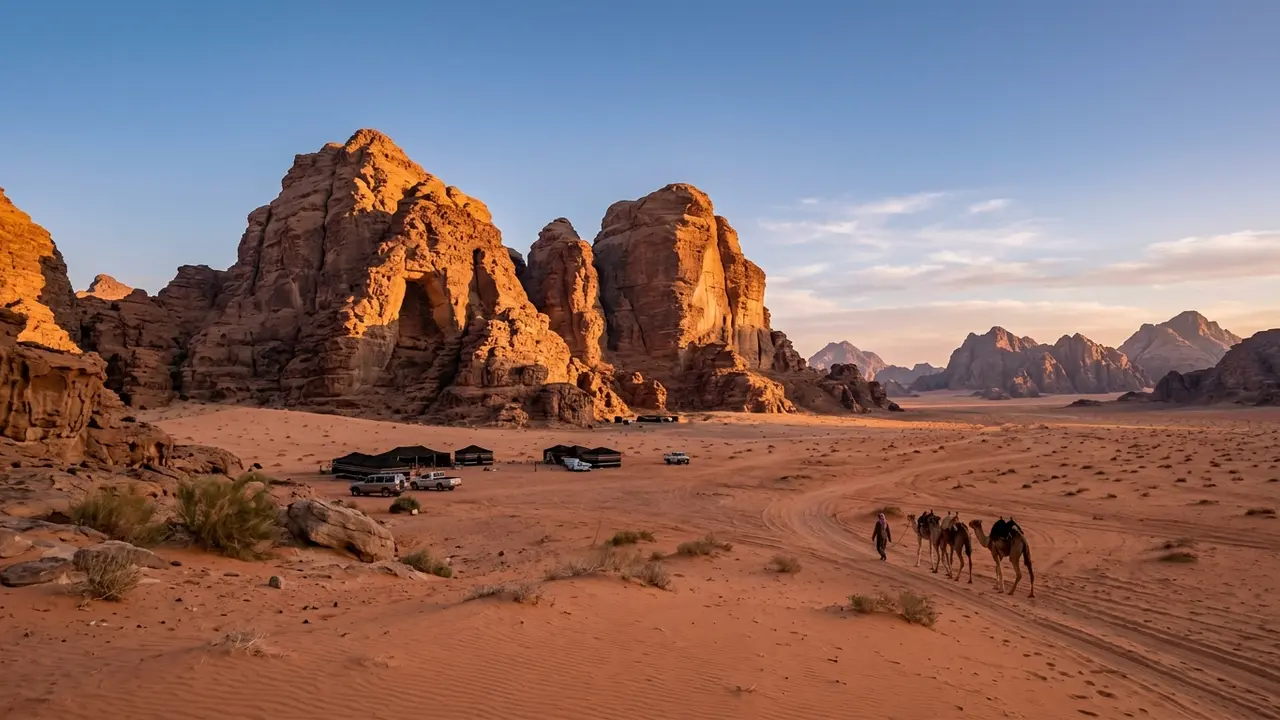
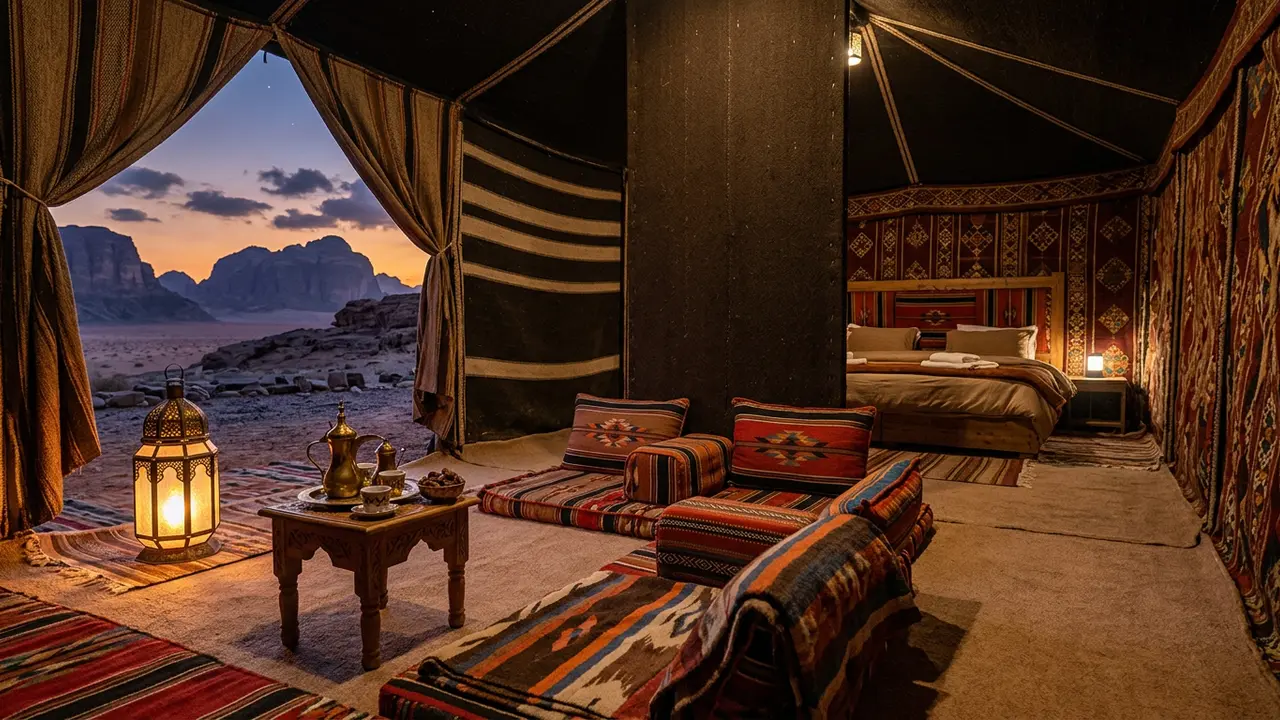
Rum Magic Nights won't teach you a constellation, it just puts a comfortable bed under Wadi Rum's genuinely dark sky and steps out of the way.
Reviewed by Maya Okonkwo
Death Valley
Stardust won't quote a flat rate before you call, but Death Valley's Bortle 2 sky near Furnace Creek is the real reason to book them anyway.
Reviewed by Maya Okonkwo
Joshua Tree National Park
Stargazing Joshua Tree's astrophotography coaching only pays off if you bring your own camera and tripod, this isn't a rental-gear tour at $175 a head.
Reviewed by Maya Okonkwo
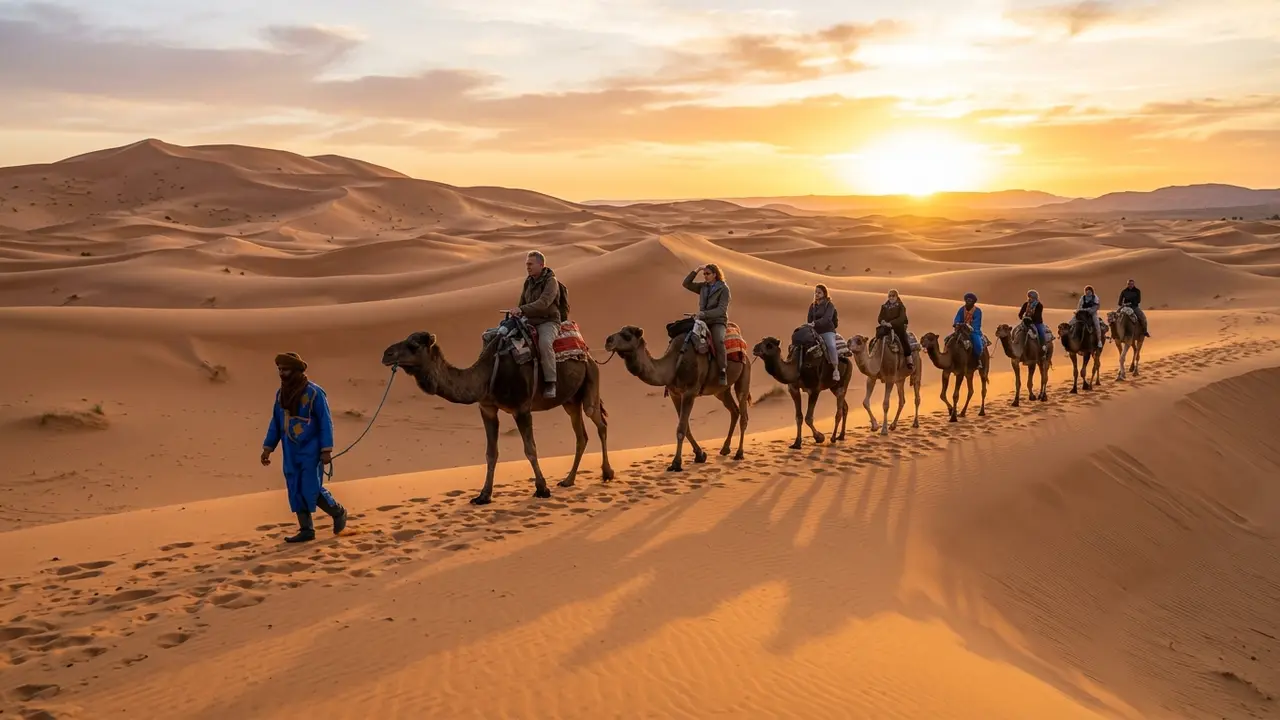
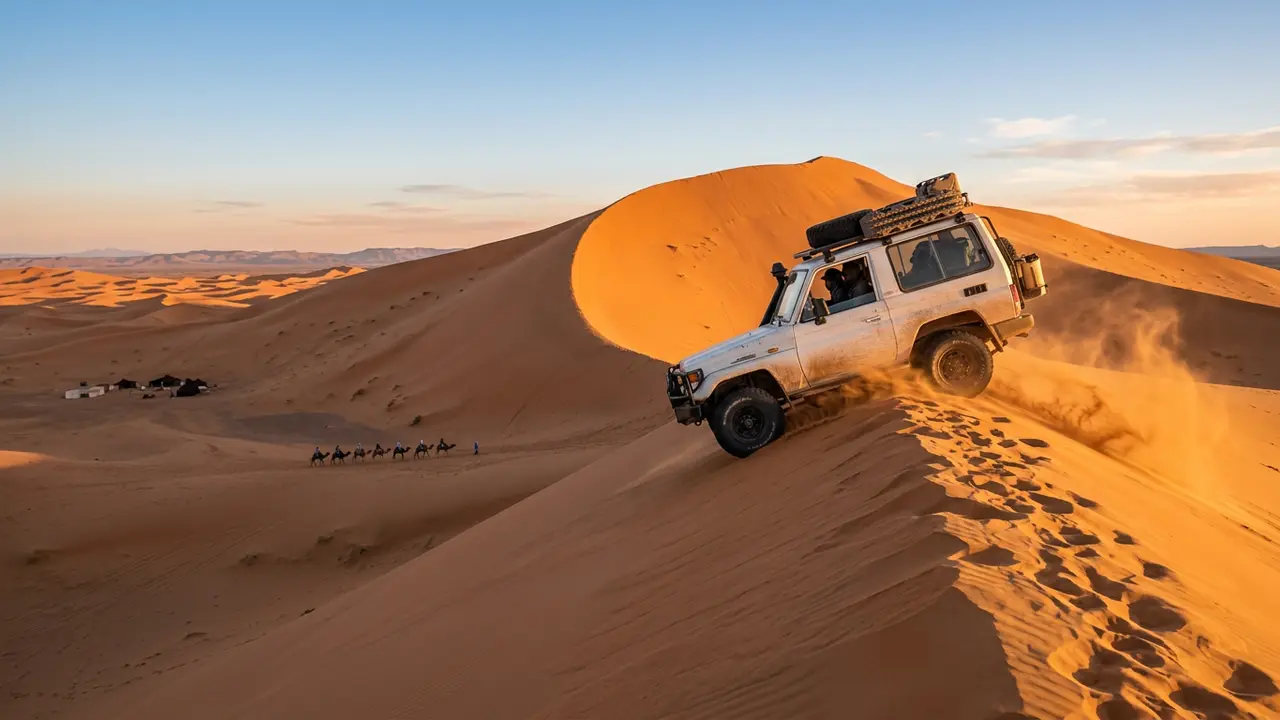
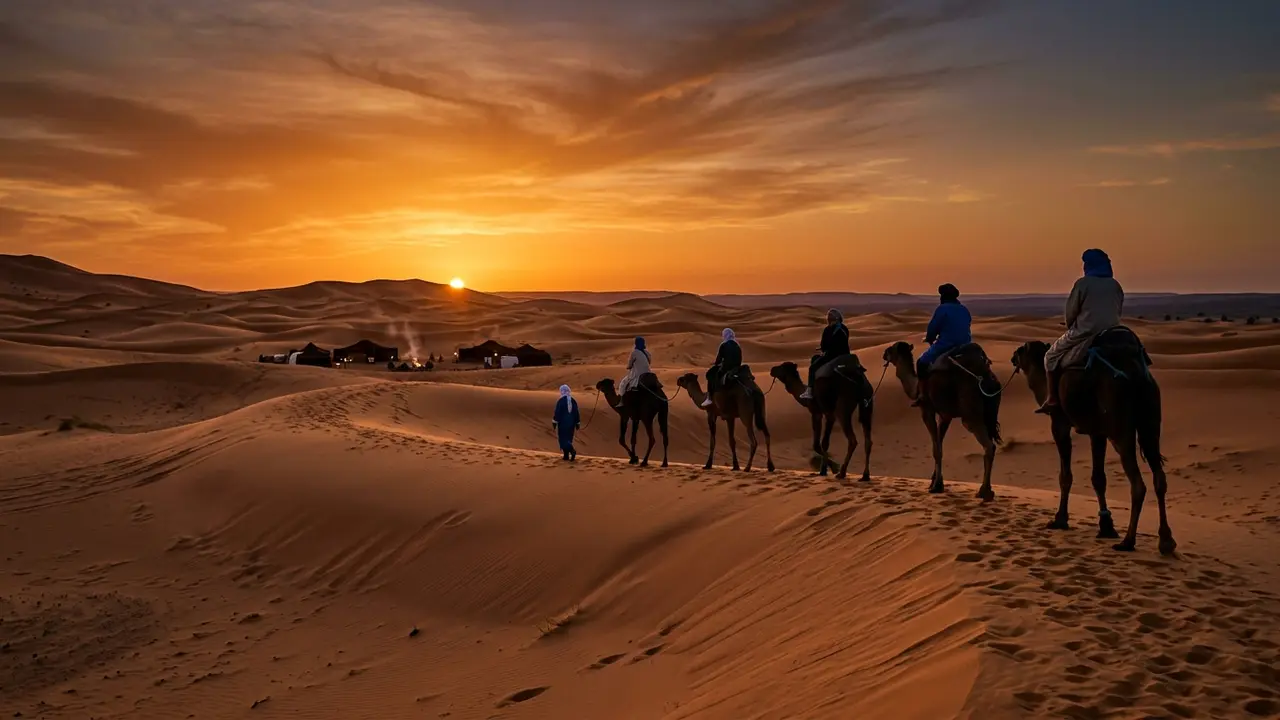
Wadi Rum
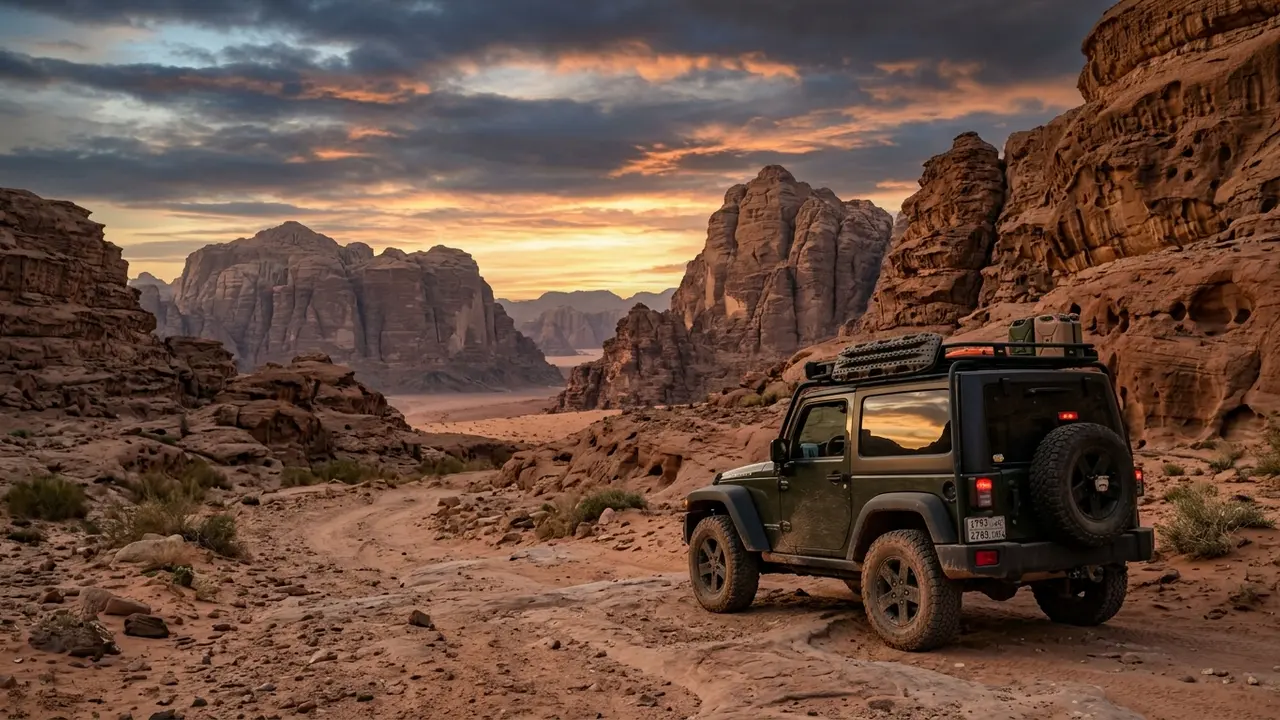
Wadi Rum Nomads sells jeep, camel, and trekking adventures, not stargazing, but every overnight stop drops you under a sky dark enough to reward a camera.
Reviewed by Maya Okonkwo
The honest question
A guided tour earns its price in three situations: the target is the aurora, where fast forecasting and moving to clear sky in minutes matters more than the spot itself; the site needs a 4x4, a boat, or local terrain knowledge to reach after dark; or you want telescope access and someone who can find the object, not just point at the sky. Tours also cover the safety side of unlit backroads at 1am, which matters in places like the Atacama altiplano or rural Iceland. DIY makes more sense if you already have a car, a dark-sky map or app, and you check the moon phase yourself. A public dark-sky park overlook needs no permit and no guide, just a blanket, a red flashlight, and patience. Budget travelers watching a clear forecast and a new moon can see the same sky for the price of gas.
Per-destination tour roundups (best northern lights tours in Tromsø, and the like) are on the way. Until then, browse tours by region:
It depends on what you're after. If you already own a car, check a light-pollution map, and plan around the moon phase, a self-guided night at a dark-sky park costs nothing but gas. A tour earns its money when the target is the aurora, when reaching the dark site alone is impractical, or when you want a telescope and a guide who can point out what you're looking at, not just a wide expanse of sky.
There's no single best month worldwide, it depends on the destination's latitude, weather pattern, and daylight hours. High-latitude spots like northern Norway, Iceland, and Alaska generally see their clearest, darkest skies from late autumn through early spring, once the aurora oval sits over land and nights are long enough for real viewing windows. Check the destination page for its specific season before booking.
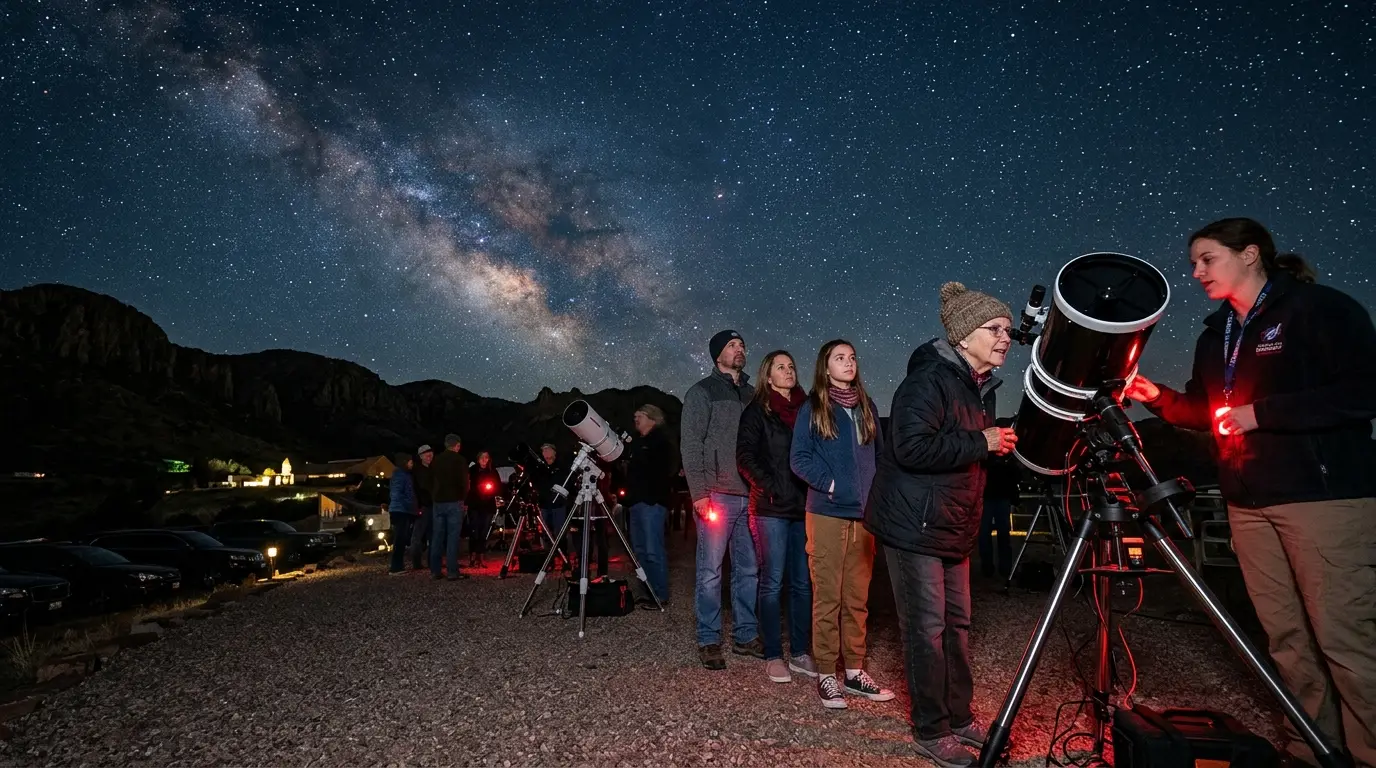
Most guided stargazing sessions welcome families, though cold-weather aurora tours late at night can be tough on younger children. Look for daytime observatory visits or early-evening stargazing sessions if you're traveling with kids under 8, and always check the operator's minimum age and the expected temperature, since standing outside at midnight in an Arctic winter is a different trip than a summer stargazing evening.
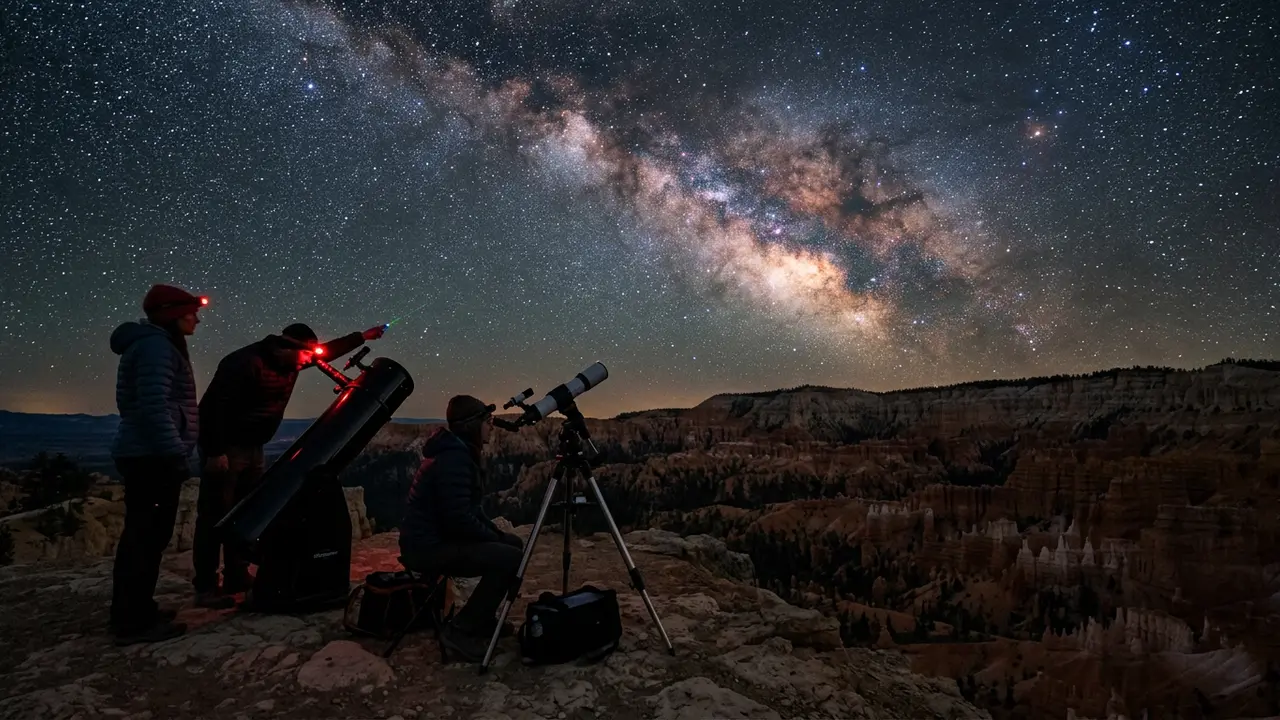
Yes. Most stargazing tours are built for beginners, not astronomers. The guide brings the telescope, points it at the target, and explains what you're seeing, whether that's Saturn's rings or a star cluster. You don't need to know the constellations or own any gear. Astrophotography workshops assume a bit more, usually that you can operate a camera in manual mode, so check the listing before booking one of those.
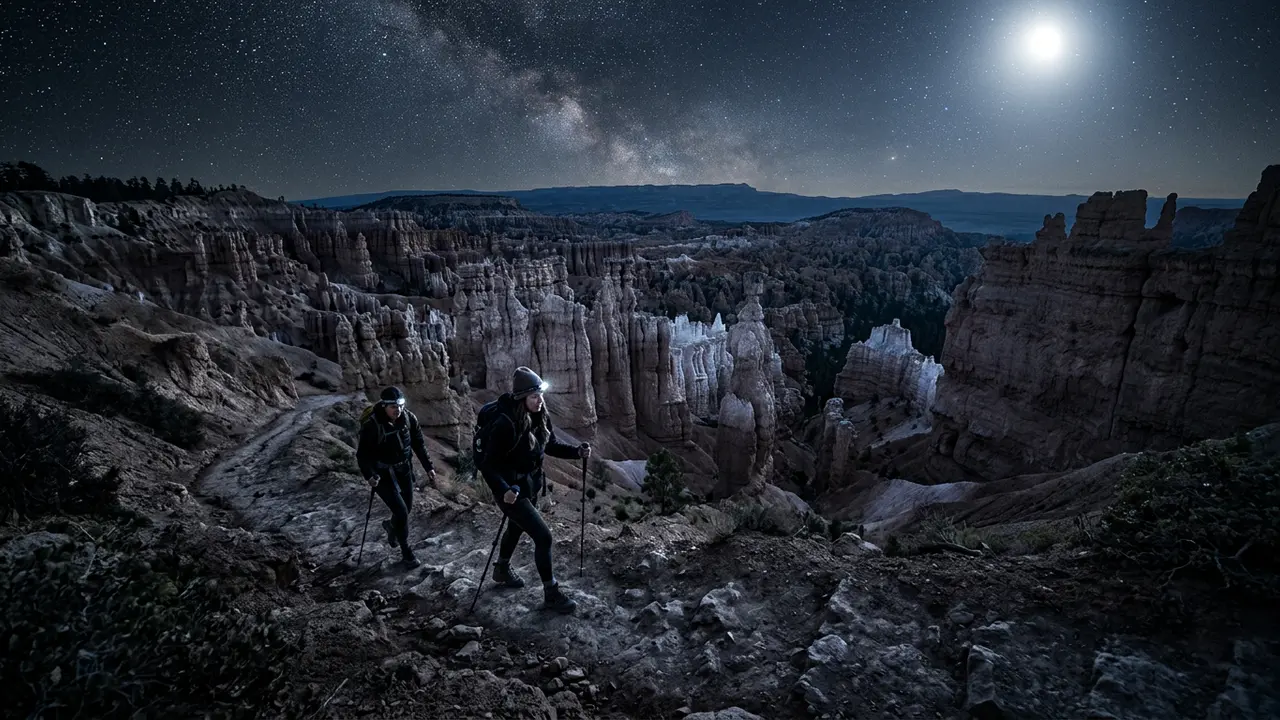
A stargazing tour is about looking, usually through a shared or personal telescope with a guide narrating what you're seeing. An astrophotography tour or workshop is about capturing it, with instruction on camera settings, tracking mounts, and processing the images afterward. If you just want to see Saturn's rings for yourself, book stargazing. If you want a photo you'll actually print, look for astrophotography.
Layers, always more than you think you need, since standing still for an hour in the cold is different from hiking in it. A red-light flashlight preserves night vision for you and everyone nearby. Spare camera batteries matter too, cold drains them fast. For aurora tours, bring something to sit or lean on during the wait, since the lights rarely show up the minute you arrive.