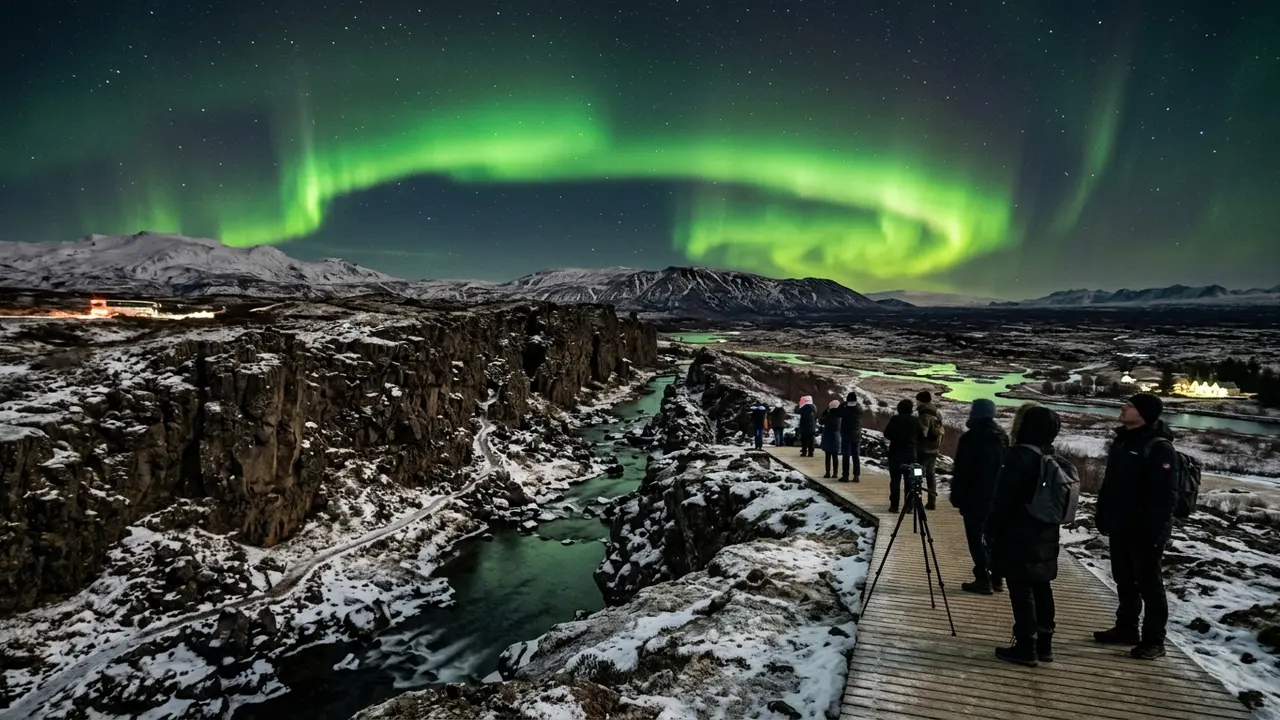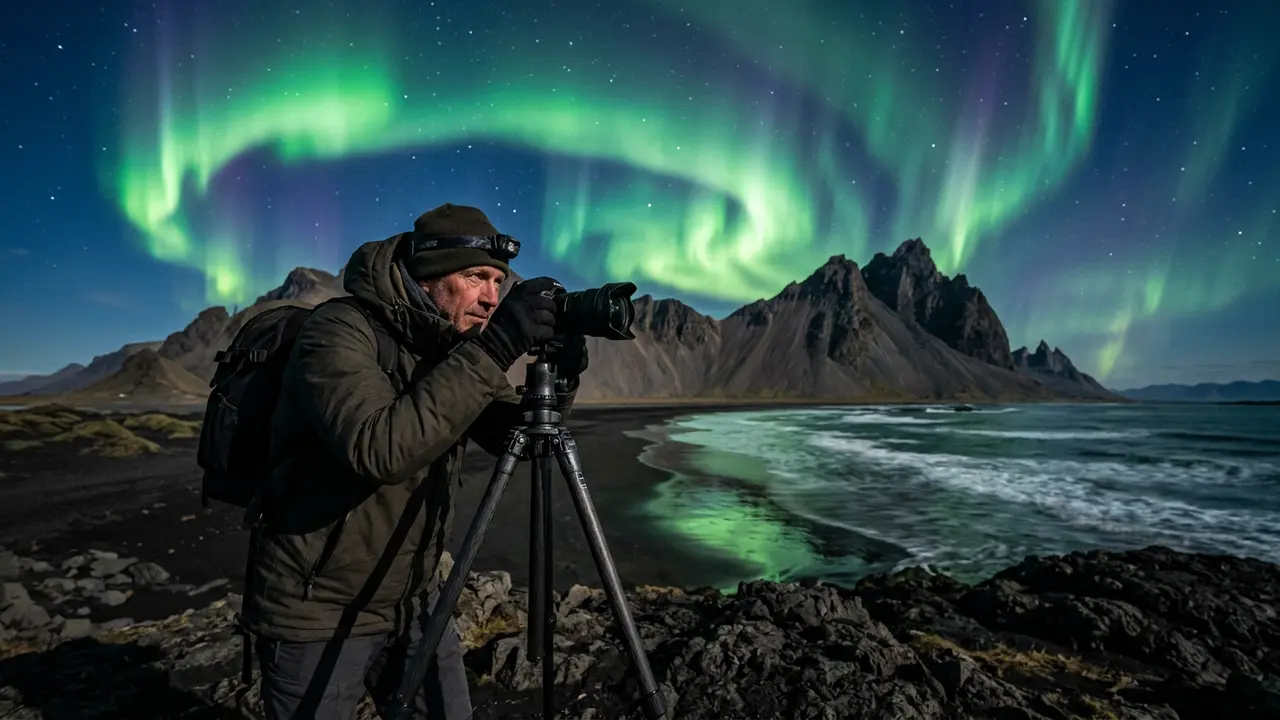
Photographer with tripod capturing green aurora borealis over an Icelandic landscape at night
Astrophotography

Guided Aurora Photography in Iceland

4–8 hours (evening tours); 4–8 days (multi-day photography workshops)
Nightly, August–April; peak season December–February
Hotel pickup in the Reykjavík Capital Region, or a designated meeting point downtown — confirm the exact spot with your operator after booking
All activities

Iceland's aurora season runs August through April, and a photography tour gets you somewhere darker than a hotel window with a guide who actually knows how to expose for a green band moving across the sky. The gap between a photograph that works and a smear of digital noise comes down to three camera settings and a steady tripod, adjusted in real time while the display is still shifting. If you just want timing and viewing odds without the camera lesson, Iceland's northern lights season covers that separately.

How the coaching works

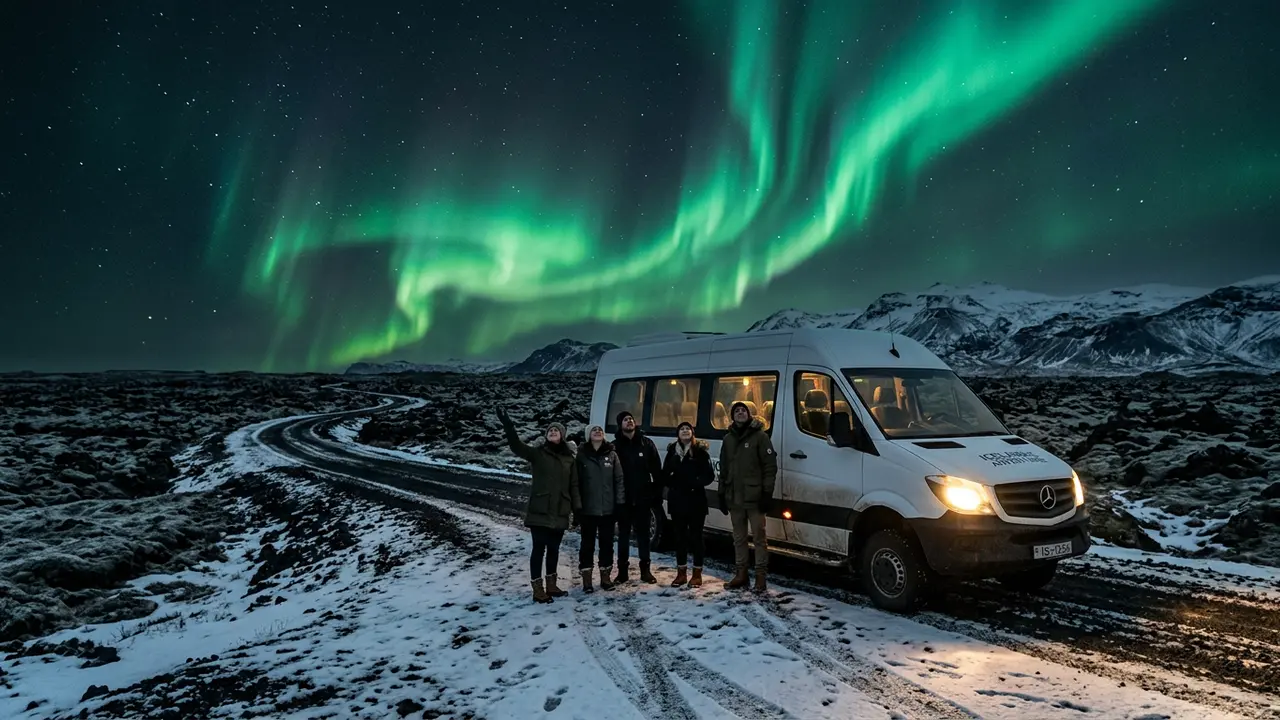
Tours typically leave Reykjavík around 8:00 PM and drive toward South Iceland, the Golden Circle, or the South Coast, wherever the sky is darkest that night. Guides are working photographers, not drivers reading from a script — Creative Iceland's team, for one, is certified by the Icelandic Tourist Board and includes veteran aurora hunters who shoot landscape and nightscape work for a living. They'll set your camera to manual mode: ISO 800 to 3200, an aperture of f/2.8 or wider, a shutter speed of 3 to 4 seconds, then adjust those numbers as the aurora brightens or fades. Manual focus locked at infinity matters more than any of it; a soft-focus aurora shot is the single most common failure on a first attempt.

Group tours versus private instruction

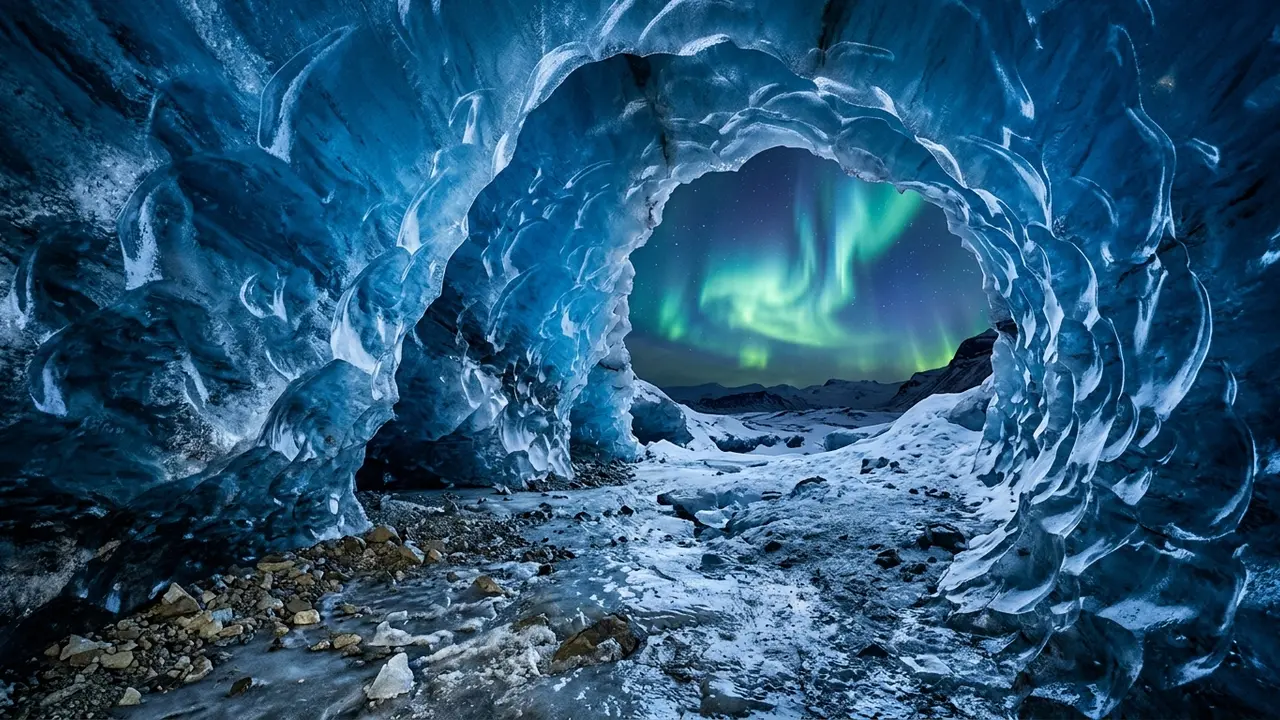
Standard tours run small, 2 to 12 guests sharing one guide and one location. Iceland Photo Tours caps its private option at 4 passengers, which changes the calculation if photography is the actual reason you're standing outside after dark rather than a bonus. A private group holds a composition as long as it needs to, works through a stuck exposure without five other people waiting their turn, and gets full attention for RAW processing questions back in the vehicle. Group tours start around $85 per person; private instruction runs closer to $200, more for multi-day workshops that fold in ice caves and waterfalls alongside the aurora work.

Gear, cold, and the return-night policy

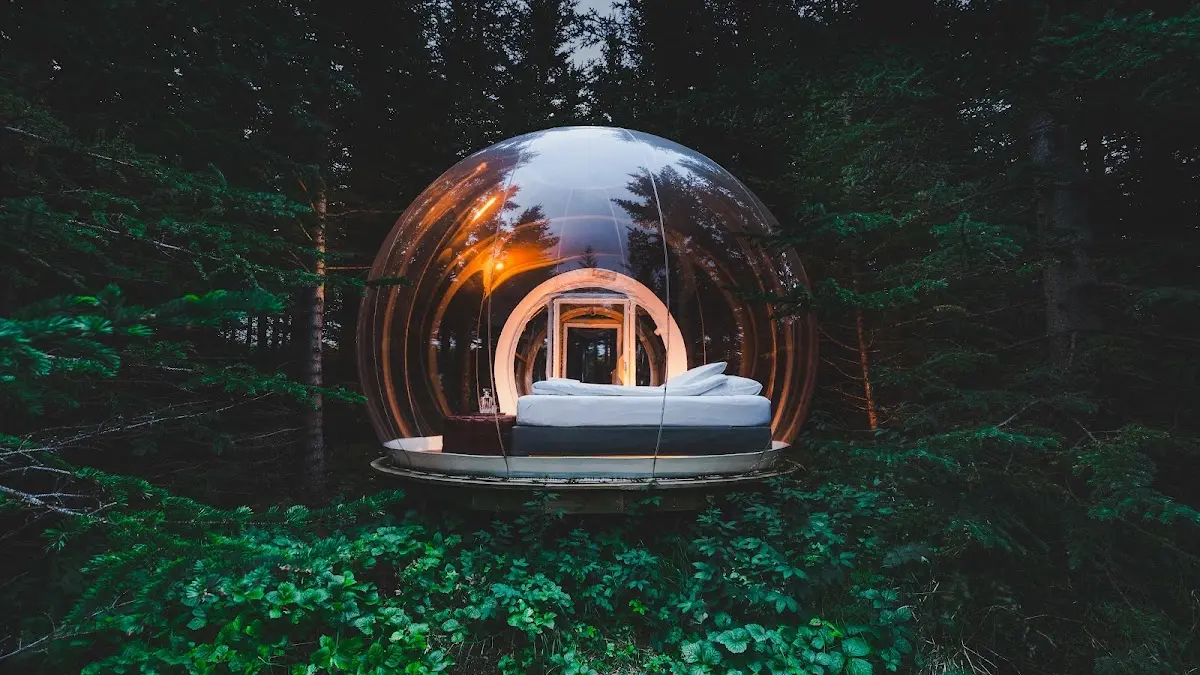
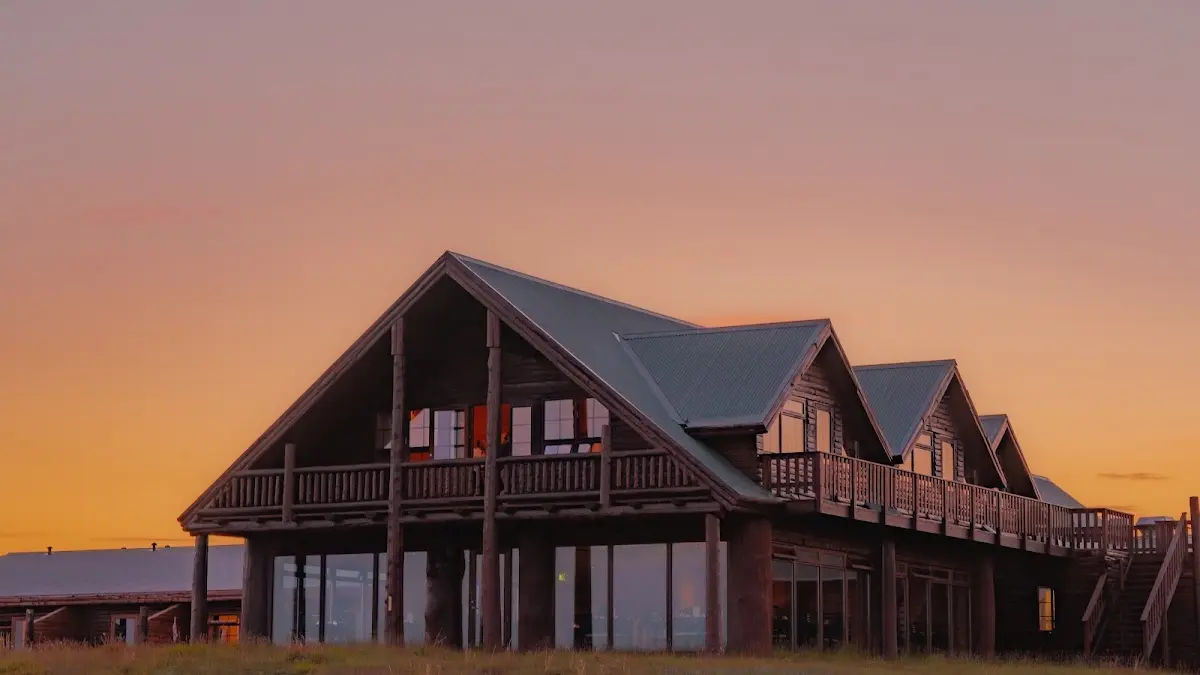
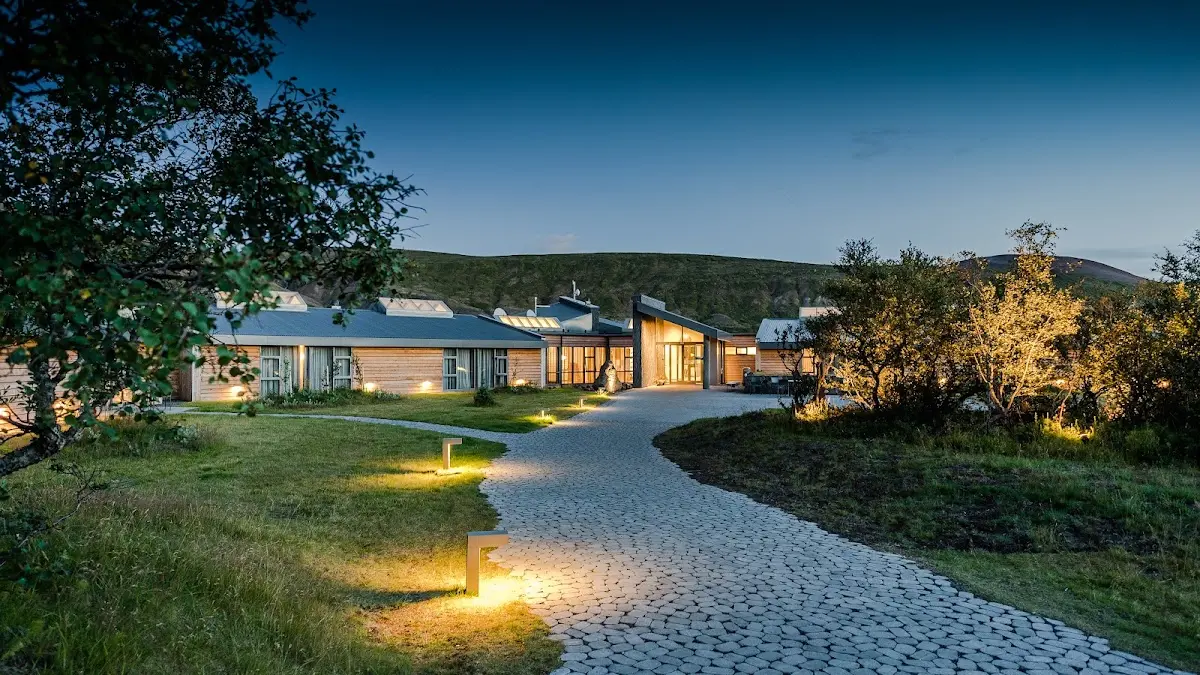
Tripod rental costs about ISK 2,500 (roughly $19) and should be booked ahead of time; availability disappears on clear-forecast nights. Bring your own DSLR or mirrorless body if you have one — guides work with anything, including a smartphone in manual mode, though a fast lens does far more for a faint aurora than any phone sensor can. Cold drains batteries quickly at Icelandic winter temperatures, so pack a spare and keep it in an inner coat pocket rather than a camera bag. For a full gear breakdown, see Iceland aurora photography gear. No operator can promise you'll see anything: solar activity and cloud cover sit outside anyone's control. Most build in a free return night if the sky doesn't cooperate, valid for several months up to two years depending on the operator. December through February gives the longest dark window and the coldest nights; September, October, and March trade a few hours of darkness for noticeably less shivering. If you'd rather shoot from a fixed, dark-sky base instead of a moving minibus, the transparent-pod Buubble Ölvisholt Bubble Hotel on the South Coast puts the whole sky over your bed instead.
Highlights

  • Real-time camera coaching from certified professional photographer-guides
  • Drives to darker sky away from Reykjavík — South Coast, Golden Circle, South Iceland
  • Tripod rental available; guides work with DSLRs, mirrorless cameras, and smartphones
  • Small groups of 2–12, or private tours capped at 4 for serious photographers
  • Free return night on most tours if the aurora doesn't show
  • Hotel pickup and drop-off included from the Reykjavík area

Included

  • Professional photographer-guide
  • Hotel pickup and drop-off (Reykjavík area)
  • Transportation to a dark-sky viewing site
  • Real-time camera settings and composition coaching
  • Hot drinks and traditional Icelandic snacks

Not included

  • Camera body (bring your own or arrange a rental in advance)
  • Tripod rental (about ISK 2,500 / $19; book ahead)
  • Meals beyond the provided snacks
  • Extreme cold-weather gear (parka, thermal layers, insulated boots)

Practical information

Languages

English, Icelandic

Group size

2–12 guests on standard tours; up to 4 on private tours

Good to know before booking

  • Age 16+ (confirm with individual operators)
  • Comfortable standing outdoors in temperatures of -5°C to -15°C (23°F to 5°F) for several hours
  • Basic manual-camera familiarity is helpful but not required — guides teach from scratch
  • Warm winter layers essential: insulated parka, thermal base layers, insulated boots, waterproof gloves, and a beanie

Prices & Booking

From €78 approx.

From $85 USD per person; private tours from about $200; multi-day workshops $2,000+

Nightly, August–April; peak season December–February

An editorial guide to this experience. Book directly with the operator when you plan your trip.

Tags

aurora photography guided tour iceland astrophotography small group night sky winter golden circle south coast reykjavik northern lights

Frequently asked questions

Do I need my own camera for an Iceland aurora photography tour?

No. Guides work with DSLRs, mirrorless cameras, and smartphones in manual mode, and some operators rent cameras on request. Tripod rental costs about ISK 2,500 (roughly $19); book it in advance since it sells out on clear-forecast nights.

What camera settings work for aurora photography in Iceland?

Start in manual mode: ISO 800 to 3200, aperture f/2.8 or wider (faster if the display is faint), shutter speed 3 to 4 seconds, and manual focus locked to infinity. Your guide adjusts these live as the aurora brightens, dims, or starts moving fast.

How cold does it get on an evening aurora photography tour?

Winter nights run -5°C to -15°C (23°F to 5°F), colder on the worst nights in December and January. Tours stay out for 4 to 8 hours, so an insulated parka, thermal base layers, insulated boots, gloves, and a beanie aren't optional. Hot drinks are provided, but they won't substitute for real gear.

Will the cold drain my camera battery faster?

Yes, noticeably. Below about -10°C, battery capacity can drop to 40-50% of its rated output. Carry at least two spares and keep them in an inner coat pocket rather than a camera bag, and swap batteries every 30 to 40 minutes to keep a warm one in the camera.

Are the northern lights guaranteed on a photography tour?

No, and be wary of any operator who implies otherwise. Aurora visibility depends on solar activity and cloud cover, neither of which a guide controls. Most operators offer a free return night, valid anywhere from several months to two years, if your first night comes up empty.

What's included in the price of an Iceland aurora photography tour?

Standard tours from about $85 include a professional photographer-guide, hotel pickup and drop-off, transportation to a dark viewing site, hot drinks, and snacks; some throw in professional photos of you under the aurora. Tripod rental and camera rental, where offered, cost extra.

Further reading

Sources