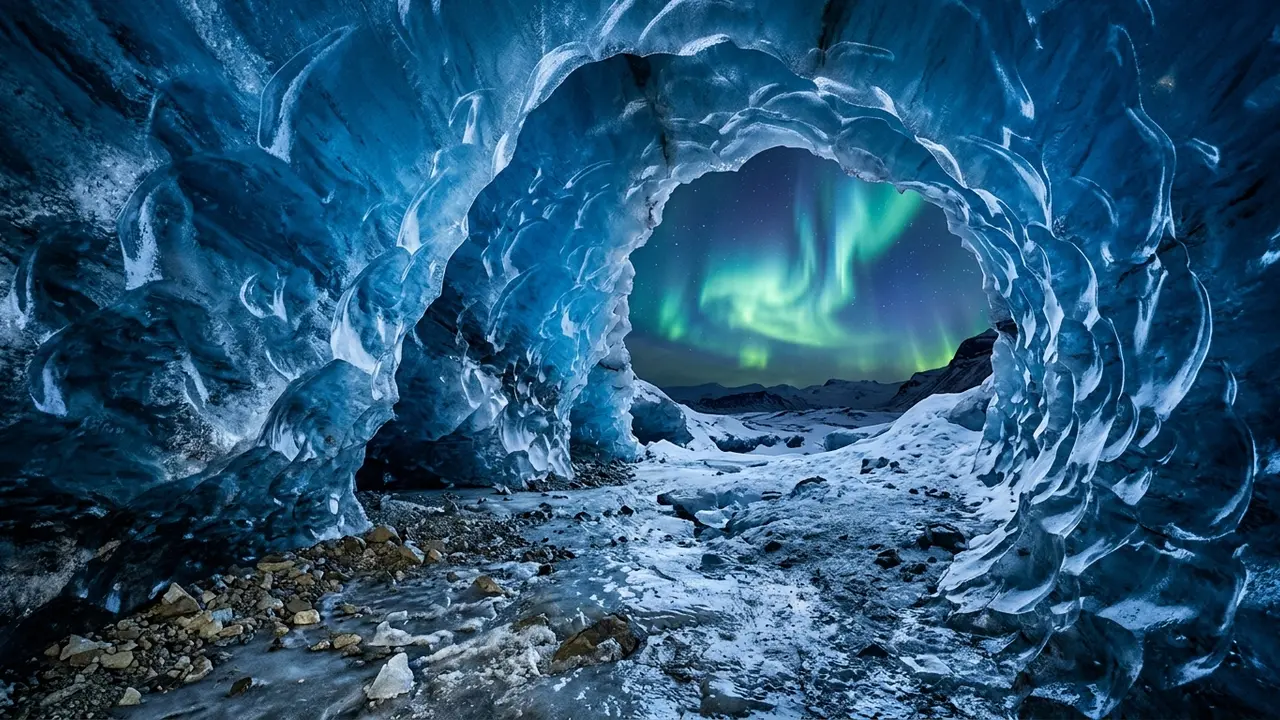
Glowing blue ice cave interior inside Vatnajökull Glacier with aurora borealis visible through the ice cave opening at night
Night-Sky Experience

Blue ice caves by day, aurora hunting by night at Vatnajökull

3–8 hours for a single cave-and-aurora day tour; 2–3 days for multi-day South Coast packages
Winter season only, mid-November through mid-March, weather and ice conditions permitting. Evening departures built around aurora hunting cluster December through February, when nights are longest.
Jökulsárlón Glacier Lagoon car park, southeast Iceland (about 5 hours from Reykjavik); some multi-day packages include Reykjavik hotel pickup
All activities

Vatnajökull covers roughly 8% of Iceland, and every autumn its retreating meltwater rivers leave behind a network of hollow blue-ice tunnels that guides spend weeks re-scouting before anyone is allowed inside. This tour pairs a guided descent into those ice caves with an evening aurora hunt from Jökulsárlón Glacier Lagoon, about 380 km (5 hours) southeast of Reykjavik. The whole experience runs winter only, mid-November through mid-March — outside that window the caves are either underwater or too unstable to enter, and operators close the routes completely until the following autumn.

Inside the ice: why the caves close every spring

Each summer, meltwater carves fresh tunnels and chambers through the glacier. Once the cold sets back in during October and November, that same water freezes solid and the caves stabilize enough for guides to enter. January and February typically hold the clearest, most saturated blue ice, because sunlight travels further through denser, compacted ice and comes out the other side as that deep glow. By April the melt starts again, the tunnels shift, and every reputable operator pulls out until autumn. No cave is the same two winters running — guides scout and select new routes annually, so a photo from last season won't match what you'll actually walk into.

A typical day (and night)

Meet at the Jökulsárlón car park and expect a 20–30 minute Super Jeep ride across the glacial outwash plain, since ordinary vehicles can't handle the terrain. From there it's a short 5–15 minute walk to the cave mouth, then 1 to 1.5 hours inside with crampons, a helmet, an ice axe, and a harness — all provided, none optional. Cave-only tours run 3–4 hours door to door; multi-day South Coast packages fold in Skaftafell glacier hiking, a Jökulsárlón boat tour among the icebergs, and one or more dedicated aurora-chasing nights.

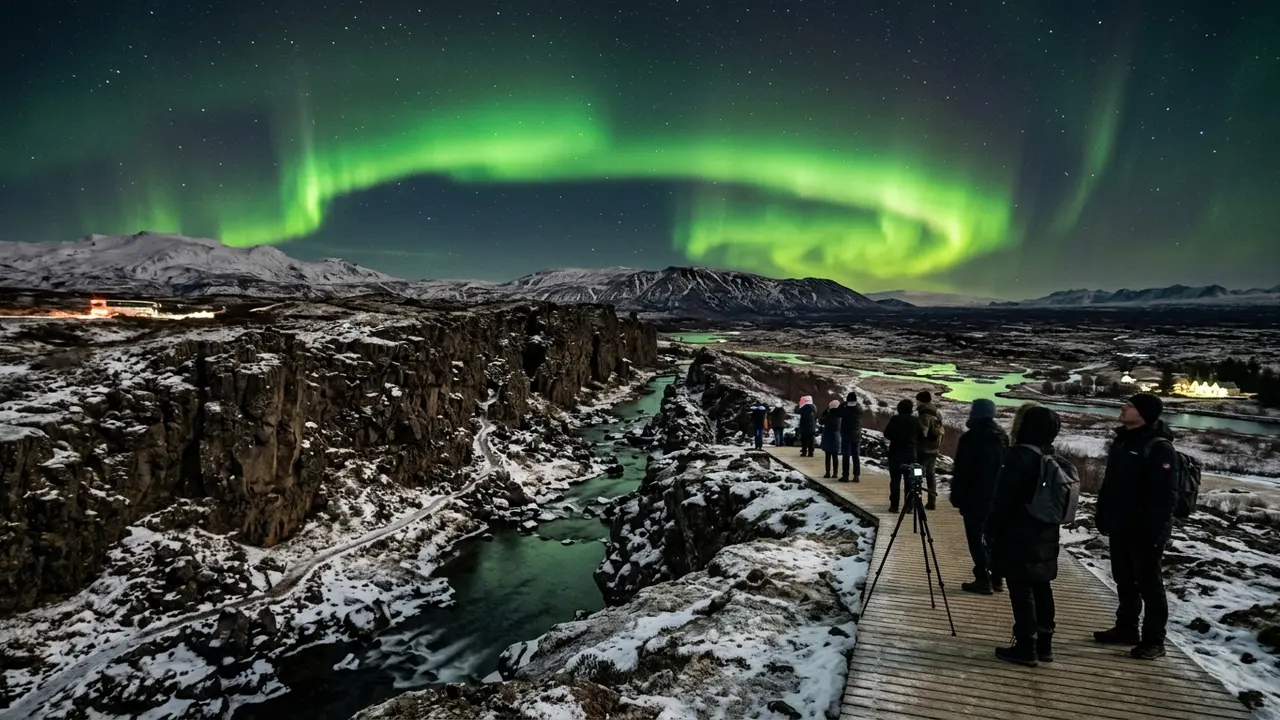
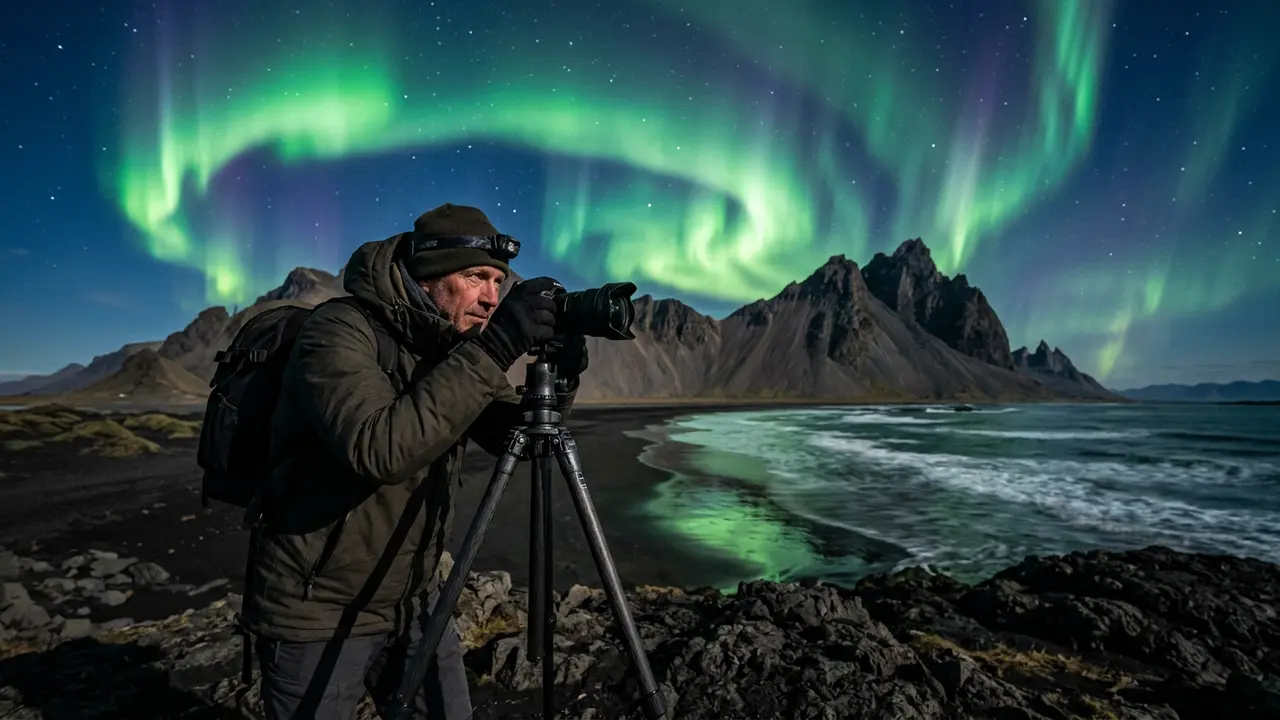
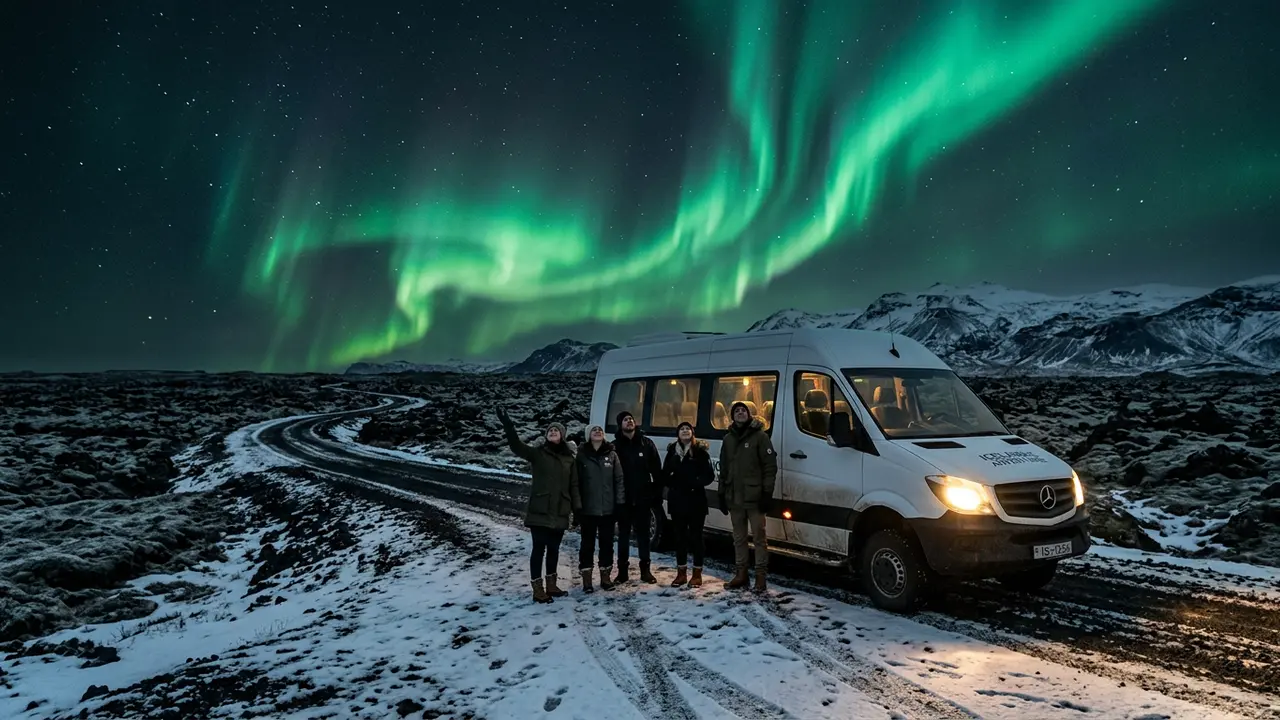
Evening departures add an aurora watch at the lagoon itself, where floating icebergs double as a foreground and the flat water throws back whatever's overhead. That part depends entirely on geomagnetic activity and clear skies — a Kp index of 3 or higher noticeably improves the odds, but no operator worth booking will promise a sighting.

Booking around two closures, not one

Two separate things can shut this tour down: ice instability (a warm spell, heavy rain, or the spring melt itself) and ordinary Icelandic winter weather (whiteouts, high wind). Most operators rebook for free if either forces a cancellation, but confirm the policy before you pay. December and January are the most requested months — book 6–8 weeks out if those dates matter to you — while late November and early March run milder and less crowded, at the cost of less stable ice.

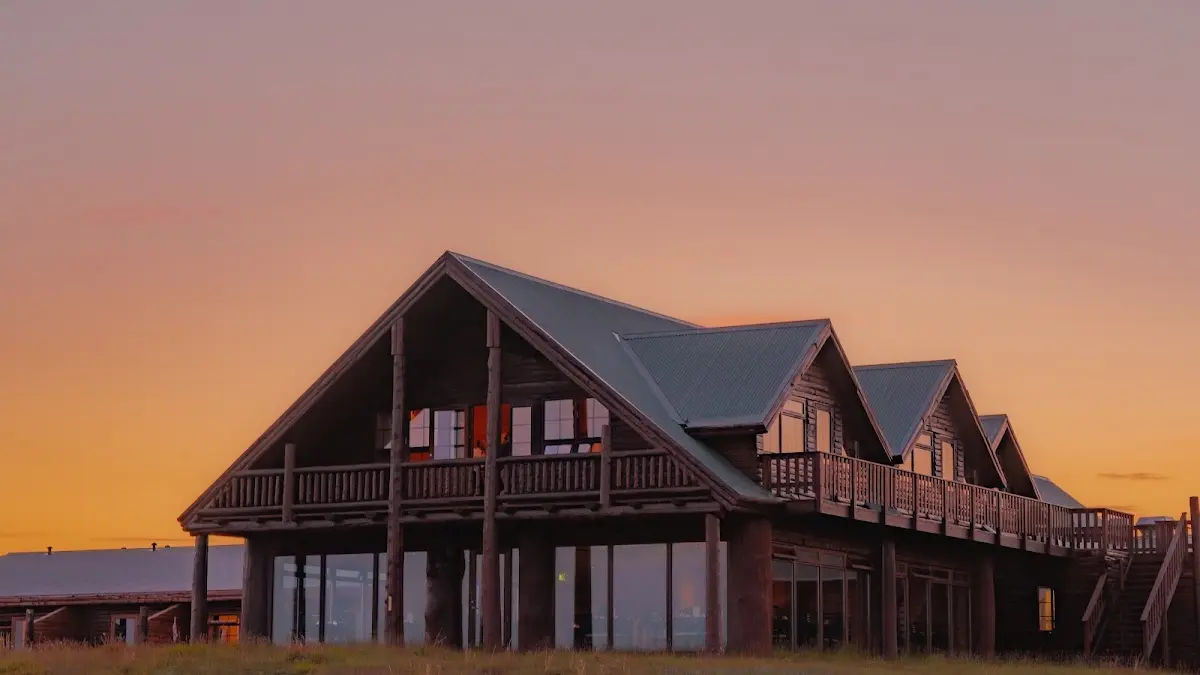
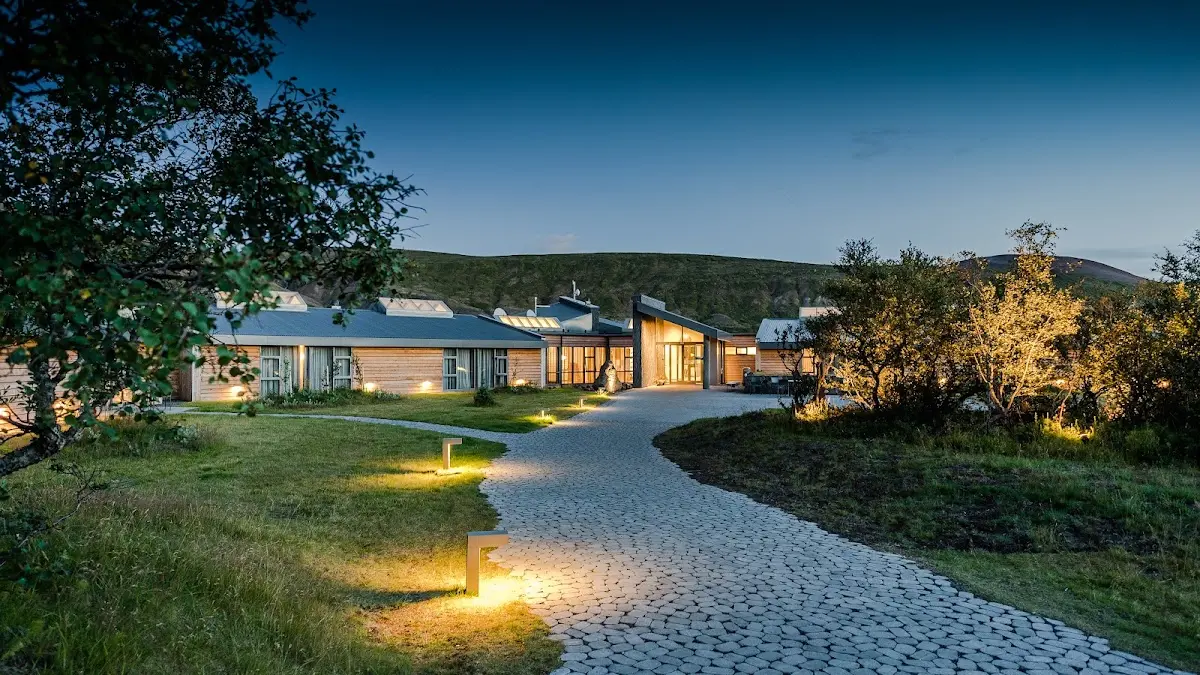
For the wider picture of Iceland's aurora season and where to base a South Coast trip around this tour, see Iceland's northern lights. Hotel Rangá, on the South Coast near Hella, sits close enough to Jökulsárlón to pair a night there with this cave-and-aurora day.
Highlights

  • A guided walk inside naturally carved blue-ice tunnels, open only from mid-November to mid-March
  • Small-group access led by glacier guides who re-scout cave routes every autumn
  • Evening aurora watch at Jökulsárlón Glacier Lagoon, where icebergs and still water double the display
  • Super Jeep transport across glacial terrain no ordinary vehicle can cross
  • Add-on access to Skaftafell hiking, Diamond Beach, and Jökulsárlón boat tours on multi-day packages
  • Every winter's caves are different — new tunnels form and old ones seal shut each year

Included

  • Professional glacier guide and safety briefing
  • Crampons, helmet, ice axe, and harness
  • Super Jeep or minibus transport from the meeting point to the glacier
  • Cave access permit and entrance fee where applicable
  • Basic aurora-viewing guidance on evening departures

Not included

  • Transport from Reykjavik (included on some multi-day packages; confirm when booking)
  • Meals — hot drinks or a light snack may be offered, but check with your operator
  • Personal photography gear or a tripod
  • Travel insurance

Practical information

Languages

English, Icelandic

Group size

Small groups, typically 6–15 people per tour

Good to know before booking

  • Heavy insulated parka, waterproof shell, and thermal base layers — temperatures on the glacier regularly drop below −15°C (5°F)
  • Insulated, waterproof hiking boots with solid ankle support for crampon use
  • Moderate to good fitness: uneven glacial terrain, climbing into and out of cave entrances, and hours outdoors
  • Comfort in tight, low-ceilinged spaces; some cave passages narrow considerably
  • Minimum age is typically 10, though some operators set the bar at 16 — confirm with your operator

Prices & Booking

From €138 approx.

From USD 150 per person for a 3–4 hour cave tour; multi-day South Coast packages with dedicated aurora nights run USD 400–800+

Winter season only, mid-November through mid-March, weather and ice conditions permitting. Evening departures built around aurora hunting cluster December through February, when nights are longest.

An editorial guide to this experience. Book directly with the operator when you plan your trip.

Tags

aurora tour ice cave glacier iceland winter adventure dark sky south coast

Frequently asked questions

Why can't I visit the Vatnajökull ice caves in summer?

Meltwater carves the tunnels each summer, and that same water is what makes them unsafe once it hasn't frozen solid. Cold temperatures from November onward stabilize the ice enough for guides to enter; by spring, warming meltwater shifts and weakens the structure again. Every reputable operator closes the caves completely from around April through October.

How far is Vatnajökull from Reykjavik?

About 380 km (236 miles) southeast, roughly a 5-hour drive along the Ring Road to Jökulsárlón. Most single-day tours meet you at the Jökulsárlón car park rather than departing from Reykjavik; multi-day South Coast packages usually include the drive south and back.

What does a typical ice cave and aurora day involve?

A 20–30 minute Super Jeep ride across the glacier's outwash plain, a 5–15 minute walk to the cave entrance, and 1 to 1.5 hours inside with crampons, helmet, ice axe, and harness. Cave-only tours run 3–4 hours total. Evening departures add an aurora watch at Jökulsárlón lagoon afterward.

When's the best time to combine ice caves with aurora?

December and January give the longest nights, but January and February usually have the most stable ice and the deepest blue color. Aurora itself is visible anywhere from September through mid-April, with the winter solstice offering the darkest skies. There's no single perfect week — it's a trade-off between ice quality, night length, and crowds.

Is the aurora sighting guaranteed on this tour?

No. Aurora depends on geomagnetic activity and clear skies, neither of which any guide controls. A Kp index of 3 or higher improves your odds meaningfully, but Iceland's winter cloud cover can still block a strong display. Staying two or more nights near Jökulsárlón, rather than one, is the most reliable way to raise your chances.

What should I wear inside the ice caves and on the aurora watch?

Heavy insulated outerwear over thermal base layers, waterproof boots with ankle support, thick gloves (bring a spare pair), and a warm hat. Temperatures on the glacier regularly fall below −15°C, and standing still during an aurora watch gets cold fast even with a heated vehicle nearby.

What happens if ice conditions or weather cancel my tour?

Cancellations happen most often from sudden meltwater instability or severe winter weather like whiteouts and high wind. Most operators offer free rebooking to the next available date rather than a refund, so check the specific policy before you book, especially if your Iceland trip is short.

Further reading

Sources