Best best design, golden circle base
ION Adventure Hotel
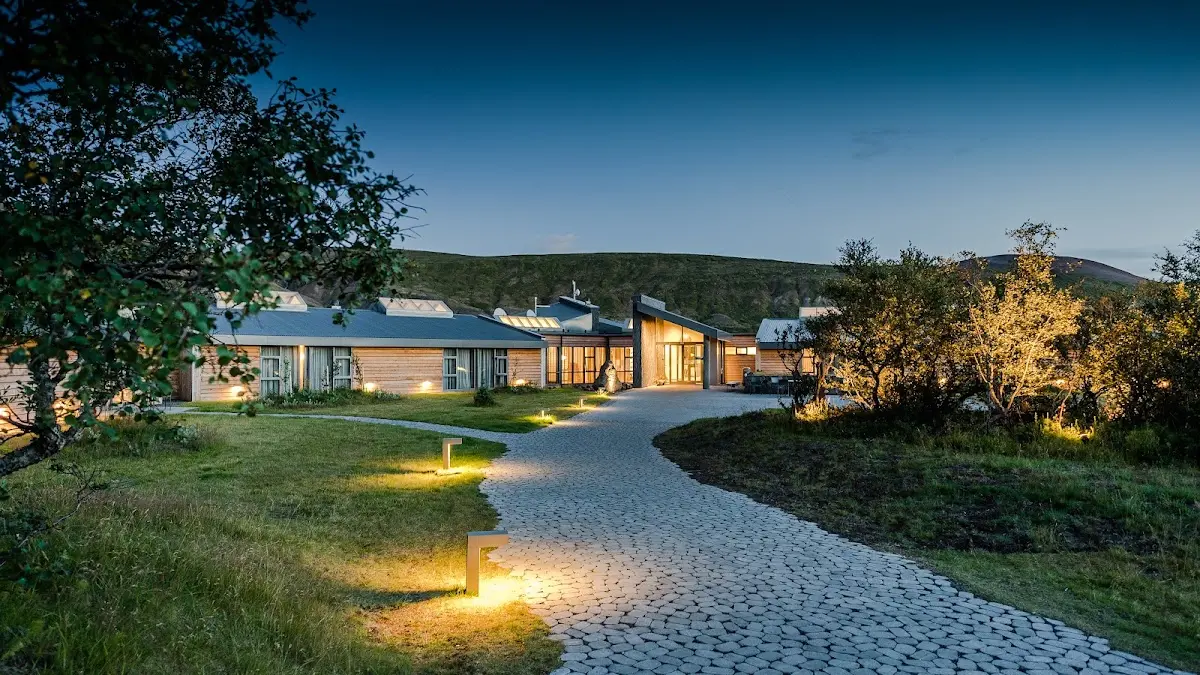
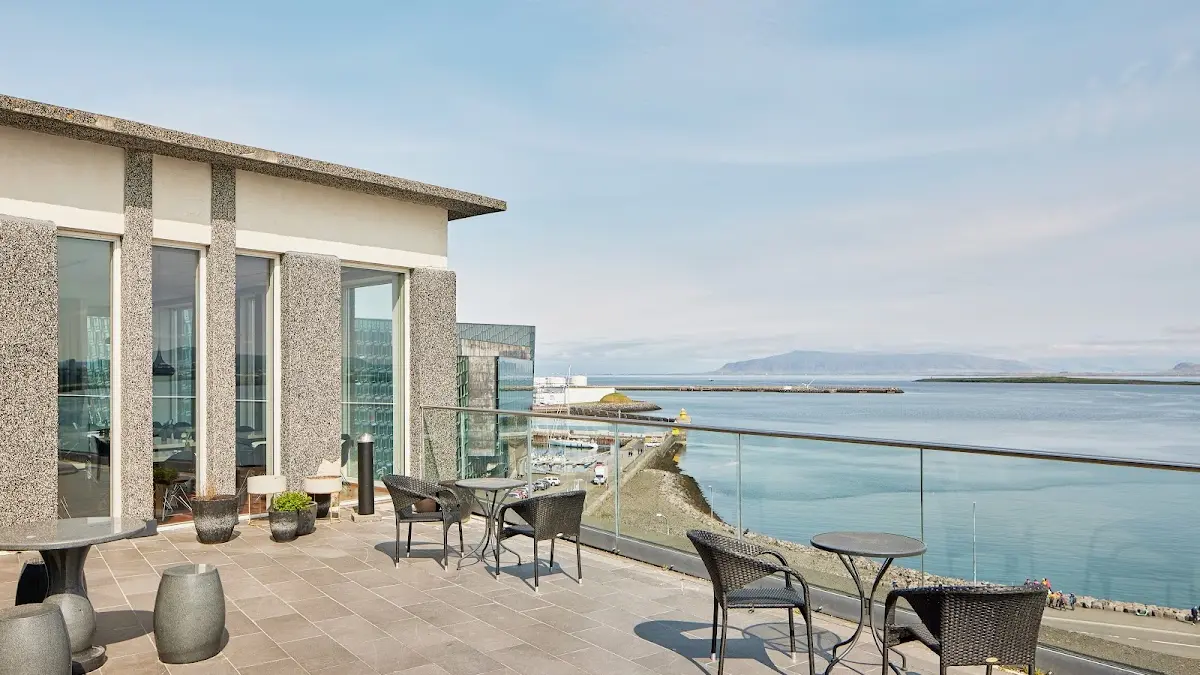
Floor-to-ceiling glass near Þingvellir NP, Design Hotels member, from $279/night
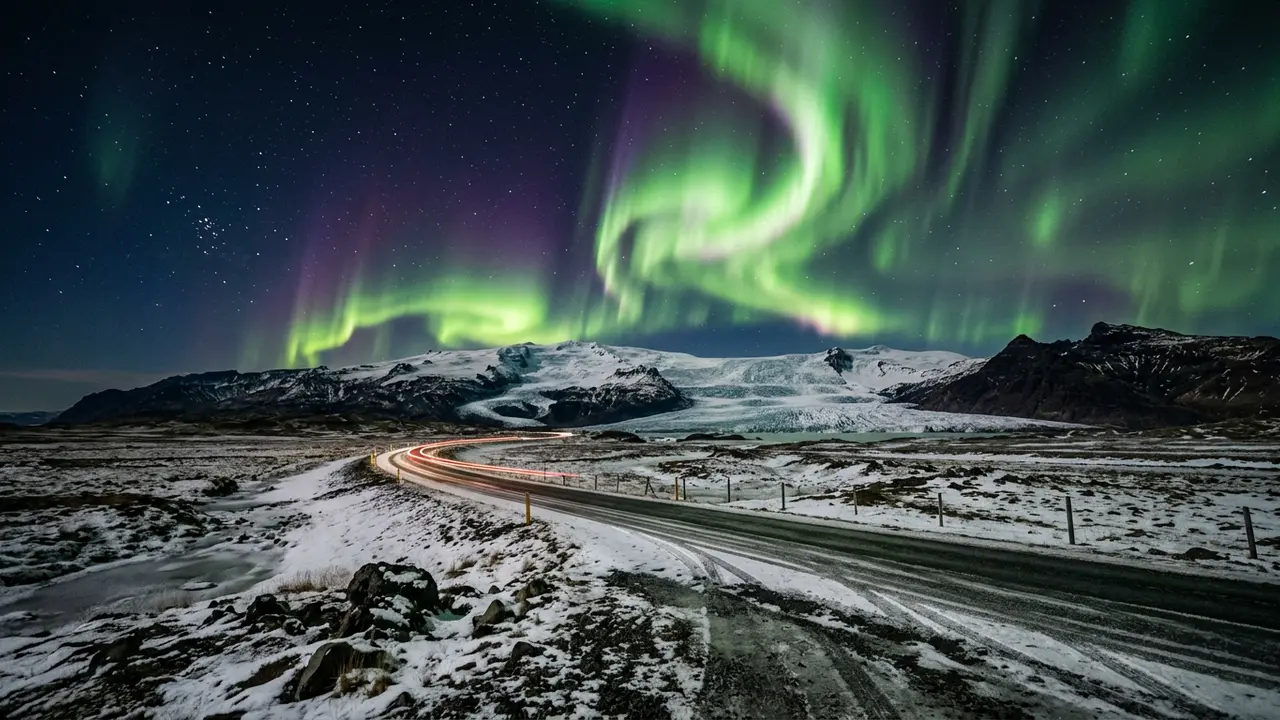
Iceland's whole-country aurora guide: best regions to base in, aurora season Sep–Mar, ice caves, winter driving reality, and where cloud cover ends every plan.
Photo tour of the lodges, night-sky trips, and guides for this destination.
Best best value & most immersive
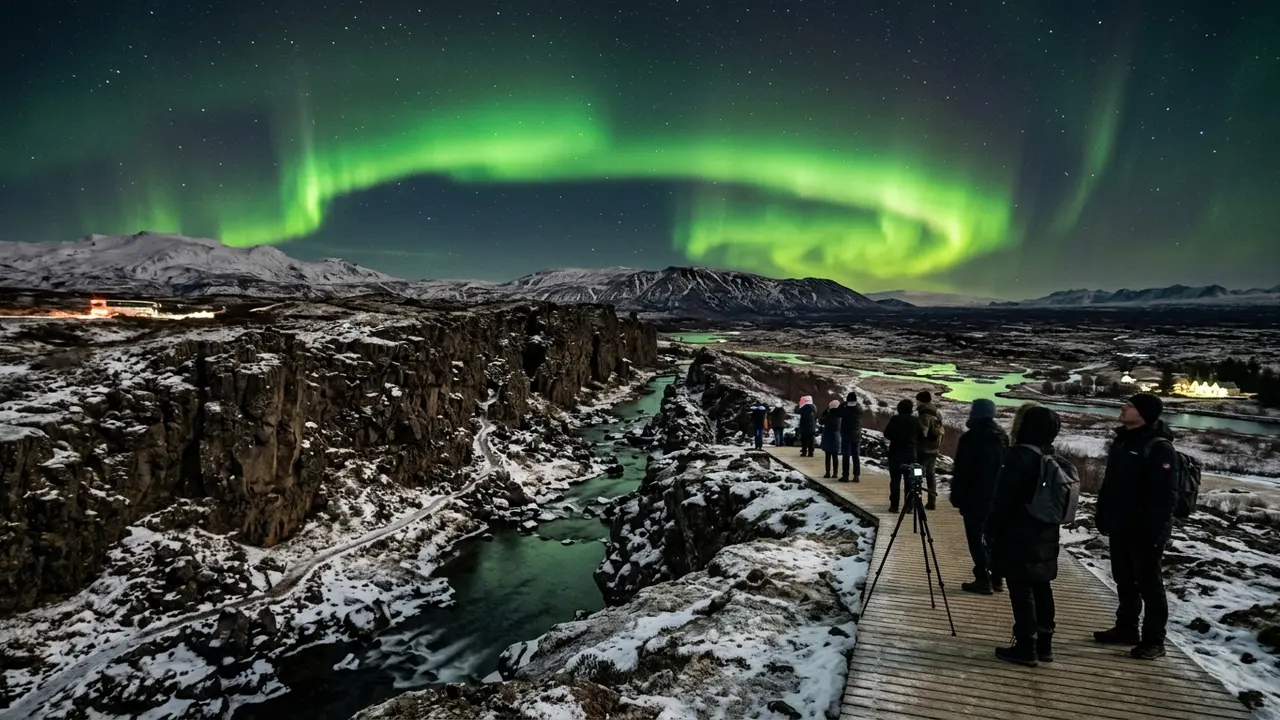
A 10.5-hour Reykjavik day trip: Þingvellir, Geysir, and Gullfoss, then a guided evening aurora hunt. From $100. No sighting guarantee; weather decides.
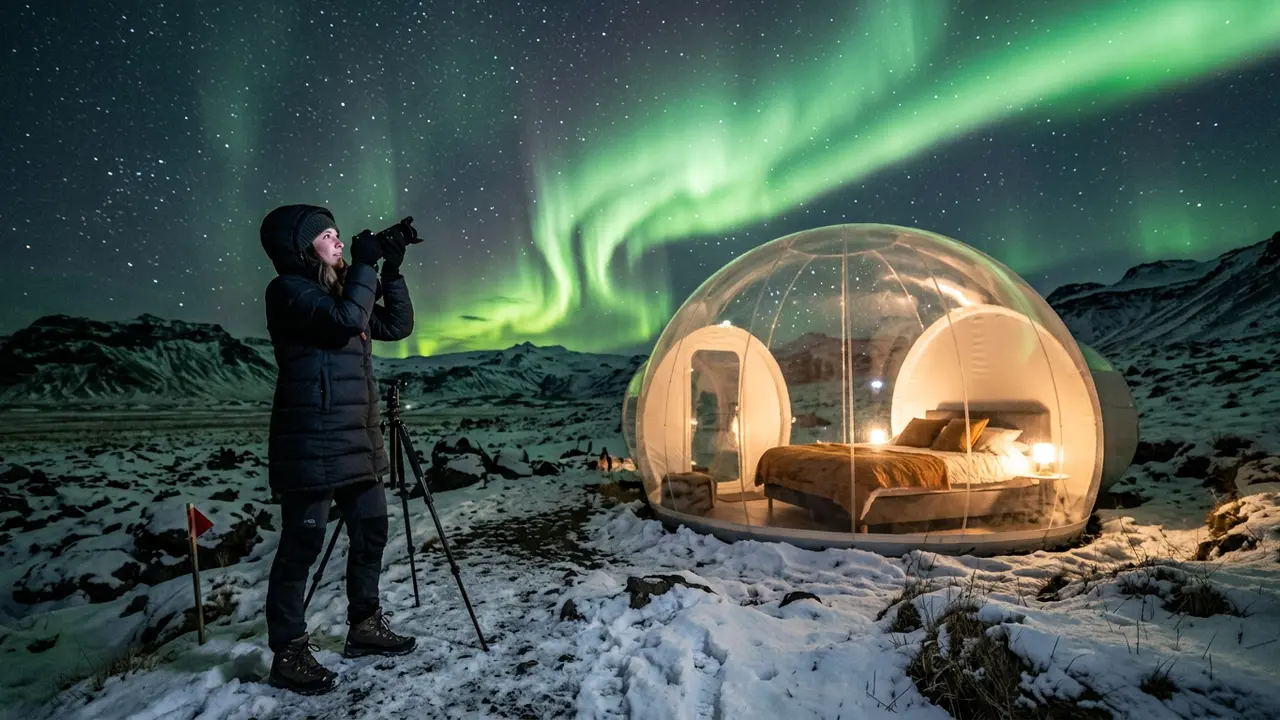
Five Iceland lodges ranked for northern lights: aurora wake-up calls, dark-sky access, and value. From a transparent bubble pod to a glacier-side retreat.
Iceland's aurora is bright enough for iPhone Night Mode and Samsung Pro Mode. Real settings, cold-weather battery fixes, and $15 tripod mounts that work.
Best best aurora programme
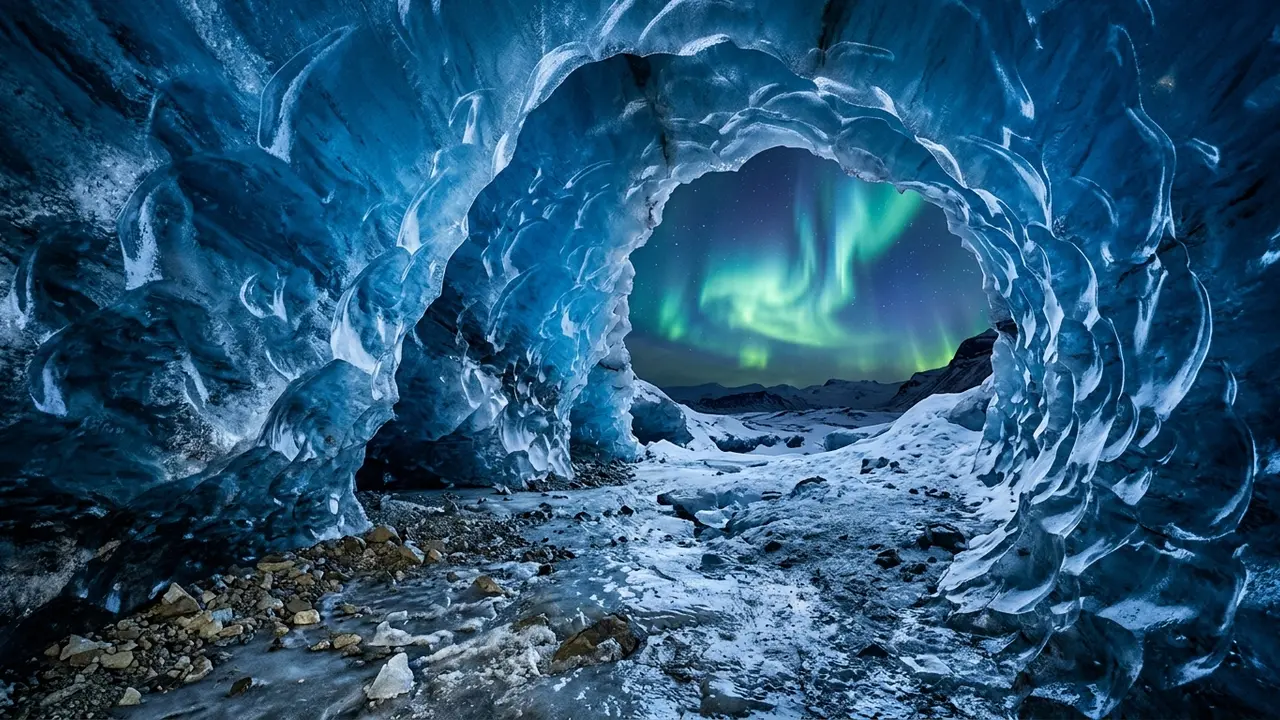
Guided tour of Vatnajökull's blue ice caves with an aurora hunt near Jökulsárlón. Winter-only, mid-November through March; weather and ice conditions apply.
Yellowknife, Abisko, Tromsø, Fairbanks, Iceland, and Finnish Lapland — ranked by aurora frequency, clear-sky odds, and how easy each one is to actually reach.
Lapland's dry climate beats Tromsø's clouds and Iceland's road closures, but glass igloos cost €300-1,200 a night. The honest verdict on weather odds and cost.
Weighing it against somewhere else? Iceland Northern Lights vs Norway: Which Fits Your Trip
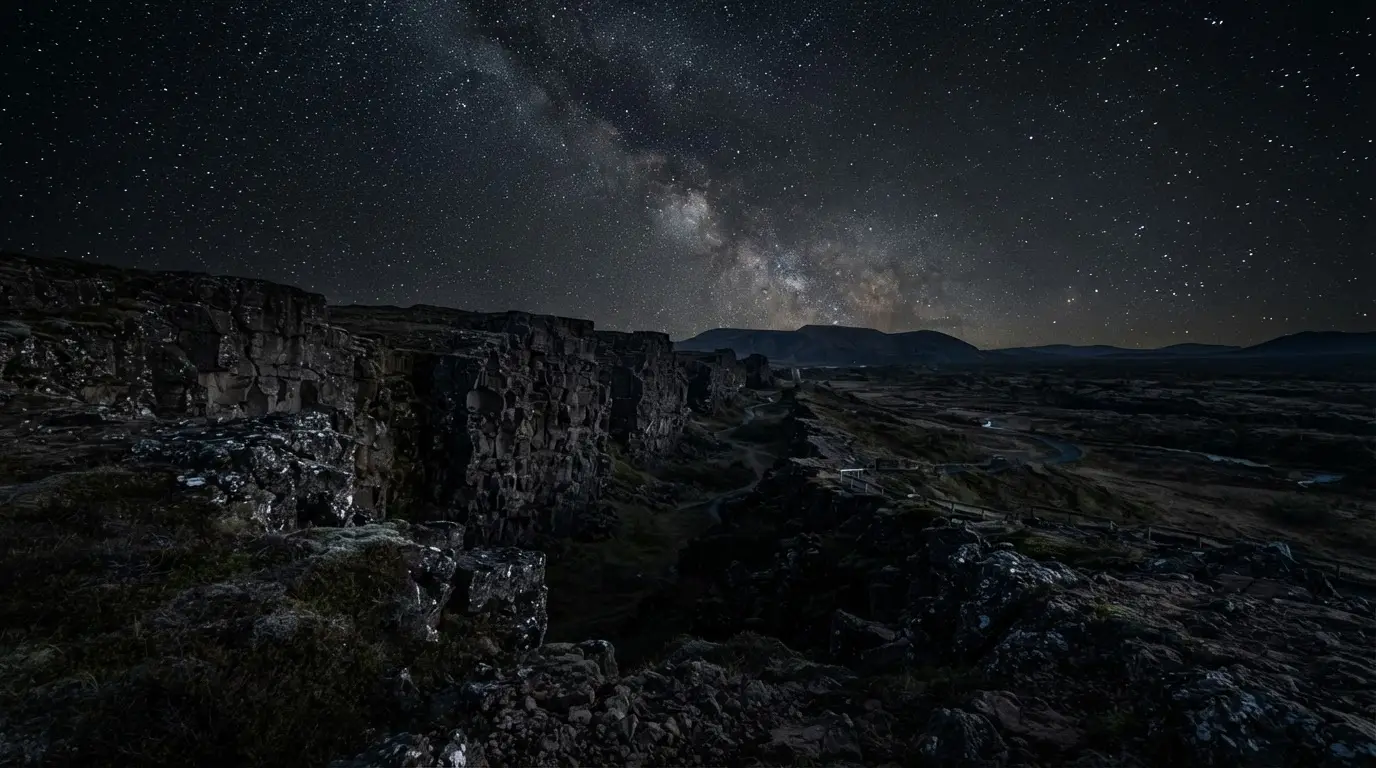
Bortle 2-5 sky
What the Bortle scale meansThe Milky Way is richly structured overhead; the Andromeda Galaxy is an easy naked-eye smudge.
This destination rates Bortle 2-5 on the 9-level Bortle dark-sky scale, where 1 is a pristine dark sky and 9 is an inner-city sky. The Milky Way is richly structured overhead; the Andromeda Galaxy is an easy naked-eye smudge.
On this page
Updated
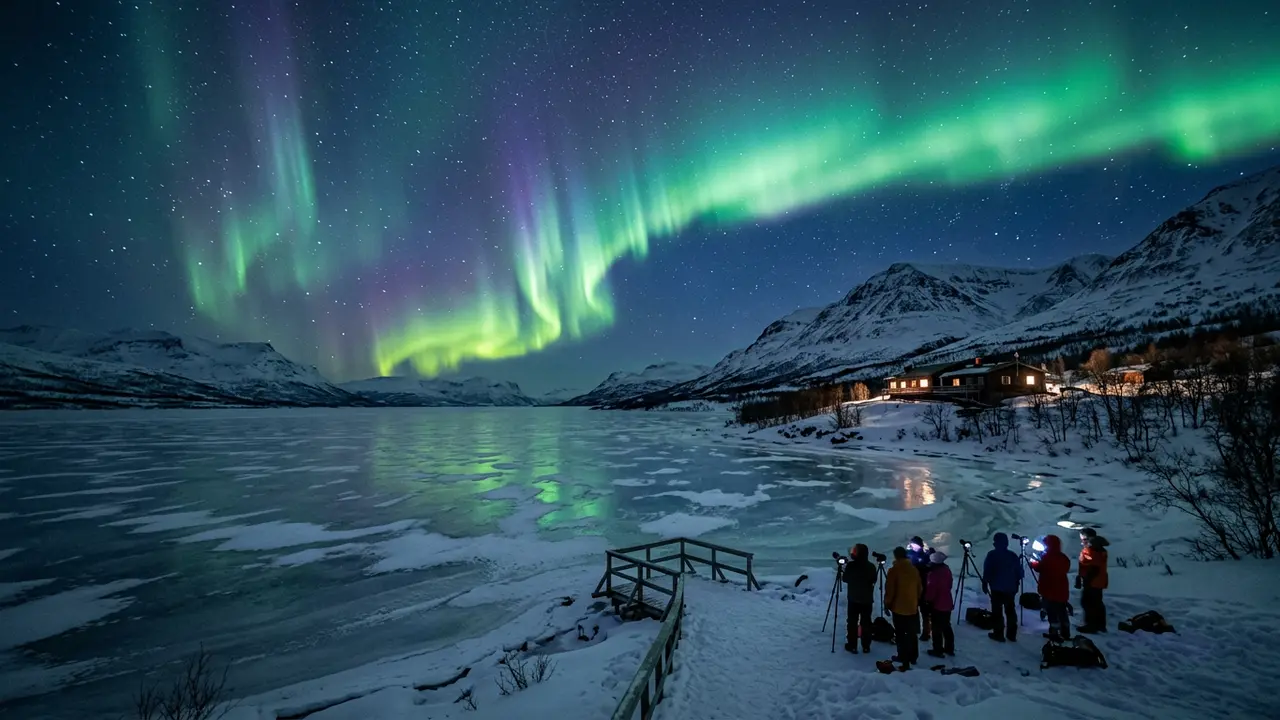
Most aurora destinations give you one city and a forecast. Iceland gives you an entire island — a ring road, three workable regions, and a hotel where you can watch the sky without leaving bed. That range is the whole appeal, and also the catch. Unlike Tromsø or Fairbanks, where a single dark patch outside town covers most of what a visitor needs, an Iceland aurora trip means choosing a base, a route, and a plan for the one thing this island can't promise: a clear sky.
Computed for Iceland at 65°N. Updates nightly.
First quarter tonight, 36% illuminated
Next new moon August 12. The nights either side of it are the darkest of the month.
No astronomical darkness right now
At 65°N the summer sun never sinks far enough below the horizon for a fully dark sky. Proper darkness returns in September.
Hours of astronomical darkness by month at Iceland: January 12 hours, February 10 hours, March 7 hours, April 0 hours, May 0 hours, June 0 hours, July 0 hours, August 0 hours, September 5 hours, October 9 hours, November 12 hours, December 13 hours.
Perseids active now
Peaks August 12. Up to 100 meteors per hour at maximum. The 2026 peak lands on a new moon — a dark-sky year with zero lunar washout.
See the Perseids guideAurora season resumes in September
Summer nights stay too bright for the aurora at this latitude. Book for the darker months and plan around the new moon.
Northern lights season guideWhere to go stargazing in July
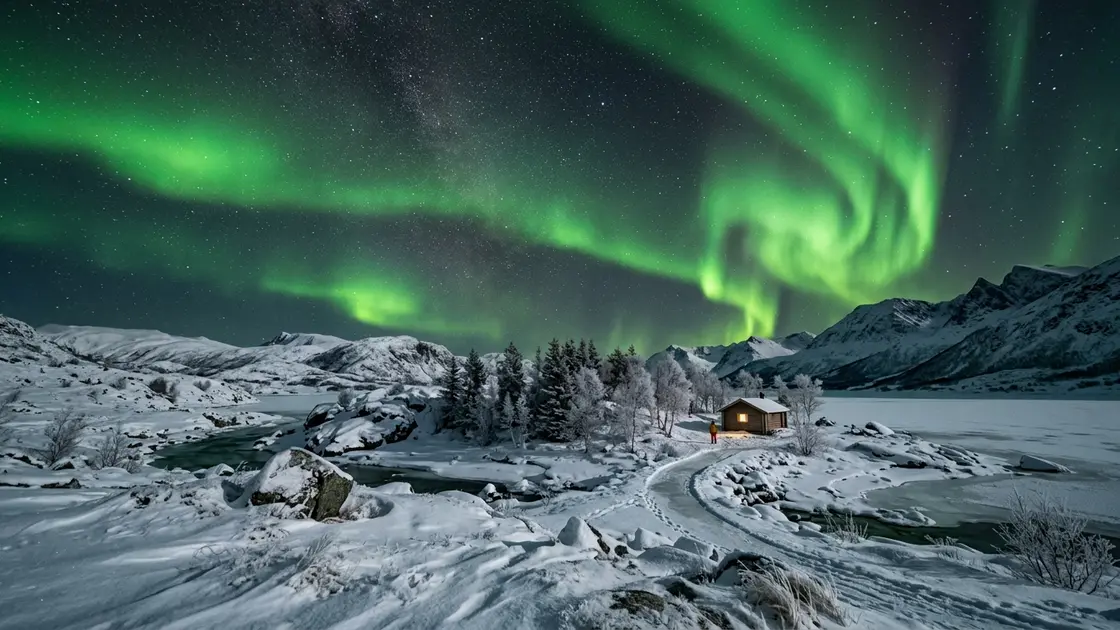
Iceland's mainland spans roughly 63.4–66.5°N, well inside the 60–70°N band that defines the auroral oval — the ring around the pole where aurora shows up on almost any clear, dark night. That places Iceland in the same geomagnetic neighborhood as Tromsø, but without the multi-leg flights that far-north Norway or interior Alaska usually require. Keflavík International Airport (KEF) takes direct service from Boston, New York, London, Berlin, and Copenhagen, and sits just 50 km, about 45 minutes, from Reykjavík. Rental cars, English-language signage, and hotel infrastructure at every budget make Iceland the easiest first aurora trip most Americans and Europeans will take.
What actually separates Iceland from a single-city base like Tromsø or Fairbanks isn't the sky. It's the geography. Tromsø gives you one reliable dark pocket 20–30 minutes outside a compact city; if it's cloudy there, you're mostly stuck. Iceland gives you an entire island — Reykjavík, the south coast, and the north around Akureyri — linked by a 1,330 km ring road you can drive in either direction to hunt for a gap in the cloud. That flexibility is genuinely useful, but it changes the planning problem. A Tromsø trip asks whether you're going outside tonight. An Iceland trip asks which region you should be in.
Reykjavík itself sits at Bortle 4–5, bright enough to blot out a faint aurora. Drive 30–45 minutes south to the Reykjanes peninsula or east to Þingvellir and the sky drops to Bortle 2–3. The south coast around Selfoss and Hella starts darker than the capital region to begin with, which is one reason most aurora tours base there rather than in the city.
The season runs September 15 through March 31. Inside that window, darkness and cloud cover move in opposite directions, and that trade-off is the single most important thing to understand before booking flights.
November through January is the deepest darkness Iceland offers: near-24-hour polar night in December, four to five hours of daylight in Reykjavík at the winter solstice. It's also the cloudiest stretch of the year. Atlantic storm systems and Iceland's maritime climate push persistent cloud cover across the island 60–70% of nights during these three months. A Kp 4 geomagnetic storm under solid cloud produces nothing. A Kp 2 event under clear sky produces a visible green arc.
September–October and February–March are the better bet for most visitors. Both windows catch the equinox effect — a well-documented 20–30% rise in geomagnetic activity around the March and September equinoxes, driven by the angle between Earth's magnetic field and the solar wind — and both see calmer weather than deep winter. September avoids the worst of winter driving; February–March avoids the highest prices and the darkest cold. Neither month gets you December's polar-night darkness, but both improve your odds of an actual clear-sky aurora night, which is the number that matters.
2026 has one thing going for it that isn't seasonal: Solar Cycle 25 is near maximum, meaning more frequent coronal mass ejections and a higher baseline of geomagnetic activity across the board. Tour operators are reporting 3–5 active nights per week rather than the usual 1–2. That doesn't fix the cloud problem, but it does mean more chances to catch a break in it. For how Iceland's season compares against five other aurora destinations worldwide, see Northern Lights Season 2026-27.
Iceland's aurora season runs from roughly late August through mid-April, whenever the nights are dark enough to see it. Midsummer (May-July) rules out viewing almost entirely: Iceland sits far enough north that the sky never gets properly dark. Geomagnetic activity itself doesn't follow a clean seasonal pattern, but statistically the weeks around the spring and autumn equinoxes see more frequent storms, a real effect tied to the angle between Earth's magnetic field and the solar wind. Cloud cover, not solar activity, is the biggest variable working against you in an Icelandic winter.
Going in January? See what else the sky offers that month
Iceland's aurora regions aren't equally convenient, and picking one changes what the rest of your trip looks like.
Reykjavík is the default base for a reason: every restaurant, museum, and airport shuttle you need is here, and Keflavík is 45 minutes away. The tradeoff is light pollution — Bortle 4–5 in the city center suppresses anything but a bright display. Plan to drive 30–45 minutes to Reykjanes or Þingvellir on any night you're serious about the aurora, and treat the Blue Lagoon and Golden Circle as daytime fillers between clear-sky attempts.
This is the region most guided tours actually use. Selfoss, Hella, and Hvolsvöllur sit 60–150 km from Reykjavík, one to two hours, in dark countryside (Bortle 2–3) that also happens to be the gateway to Vatnajökull's ice caves. It's the one region where dark sky and easy day activity overlap without a long drive between them.
Iceland's second city sits at 65.7°N, marginally higher than Reykjavík, and gets a quieter, less-touristed version of the same aurora odds. The catch is the drive: 450 km and five to six hours from the capital, on a stretch of ring road that closes more often in winter than the southern route. Most visitors on a first Iceland trip skip Akureyri for logistics, not because the sky is worse there.
Route 1 circles the island and stays open year-round, but open and easy aren't the same thing in an Icelandic winter. Expect ice, sudden gusts of 40–60 knots, temperatures down to −15°C, and closures that appear on road.is with little warning. A 4x4 is not optional. Most casual visitors let a tour operator handle the driving and the weather-chasing; if you're confident on winter roads and want the freedom to relocate at 9 PM when the forecast shifts, self-driving rewards that, but it demands real cold-weather driving experience, not just a rental agreement.
Tap a pin to open the lodge, tour, or destination page.
Where you sleep in Iceland can be part of the aurora-watching itself, or it can just be a base you drive out from. Both are legitimate; only one lets you see the sky from bed.
Buubble Hotel Ölvisholt, 90 minutes south of Reykjavík near Selfoss, calls itself the '5 Million Star Hotel' for a reason: heated, 360° transparent domes with real beds, positioned so guests can watch aurora directly overhead without getting dressed. It's not cheap, $400–600 a night in winter, but it's the one property on this island built specifically around the experience this whole guide is about.
A few other south-coast bases are worth knowing:
For a full side-by-side comparison, including which of these actually deliver on aurora access versus just proximity, see the best lodges for northern lights in Iceland.
Best best design, golden circle base
Floor-to-ceiling glass near Þingvellir NP, Design Hotels member, from $279/night
Best best dark-sky odds
Forbes-recognised aurora hotel near Langjökull Glacier, ~3 sightings/week, from $249/night
Best reykjavík city base, not a dark-sky pick
Old Harbour city hotel with a staff-run aurora wake-up call, from $135/night
Iceland's real differentiator against Tromsø or Fairbanks isn't the aurora at all. It's what you can do with the daylight hours the aurora doesn't need. Vatnajökull's ice caves, including the well-known Crystal Ice Cave, run guided tours from November through March, with the thickest, most stable ice, and the best light through it, in January and February. These are not solo-accessible; every operator requires a certified glacier guide, for good reason.
The south coast makes the pairing easy: ice cave tour by day, four to five hours round trip plus two to three hours underground, aurora hunt by night from the same base near Selfoss or Hella. It's the strongest argument for choosing the south coast over Reykjavík if your nights are unpredictable — you still have a full day planned regardless of what the sky does after dark.
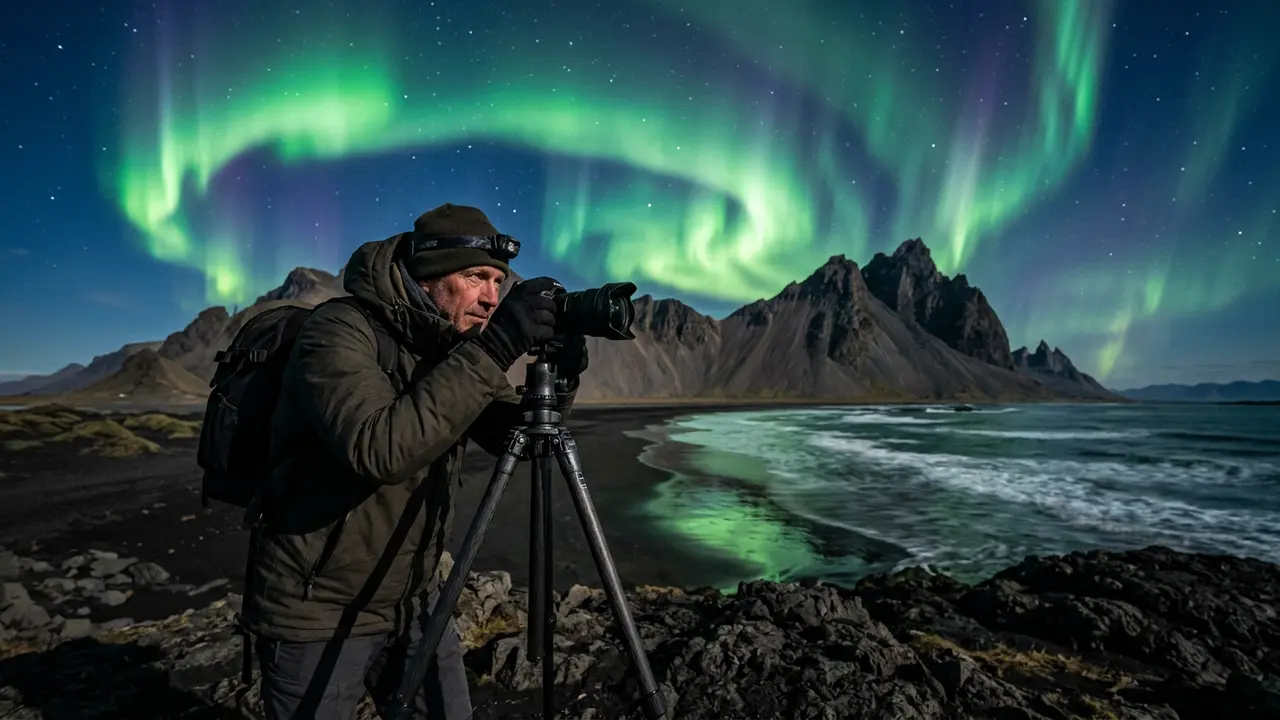
Guided aurora photography tours from Reykjavík teach camera settings, tripod technique, and RAW editing for beginners and enthusiasts. From $85, nightly Aug–Apr
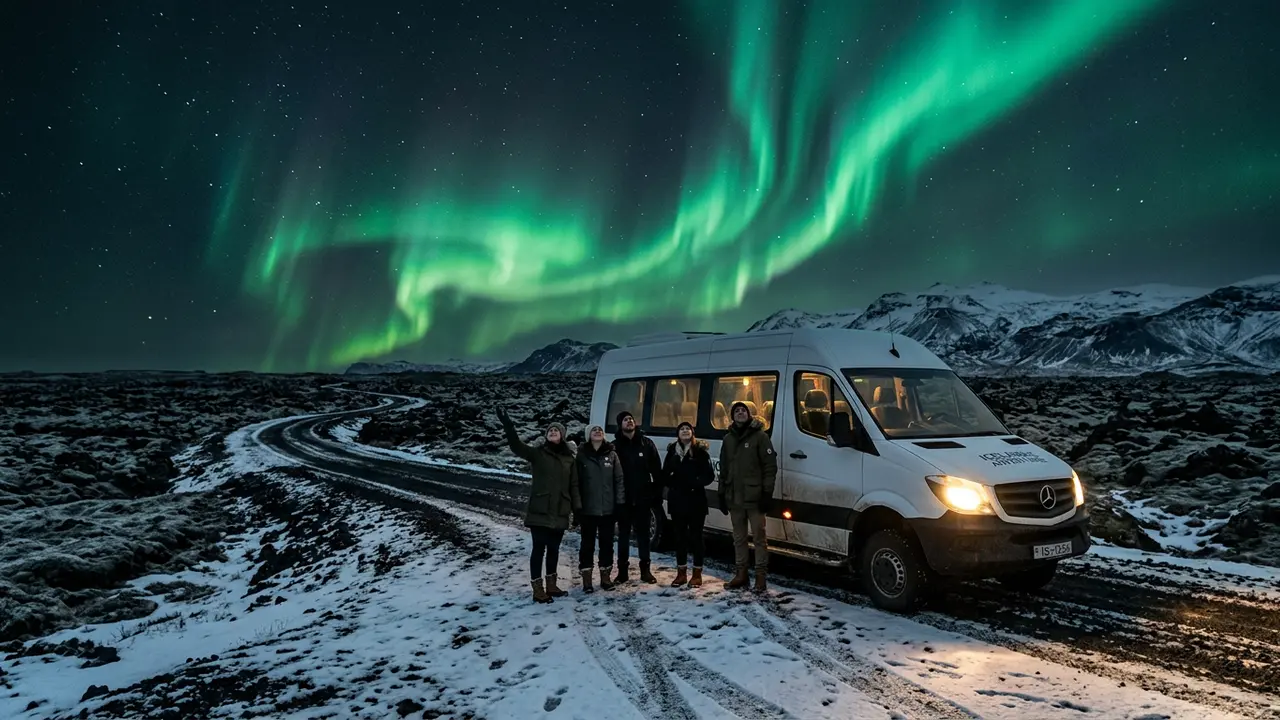
A 4–5 hour aurora chase from Reykjavik, Iceland, August–April. Guides track live weather to find clear sky. From $120, free rebook if lights don't show.
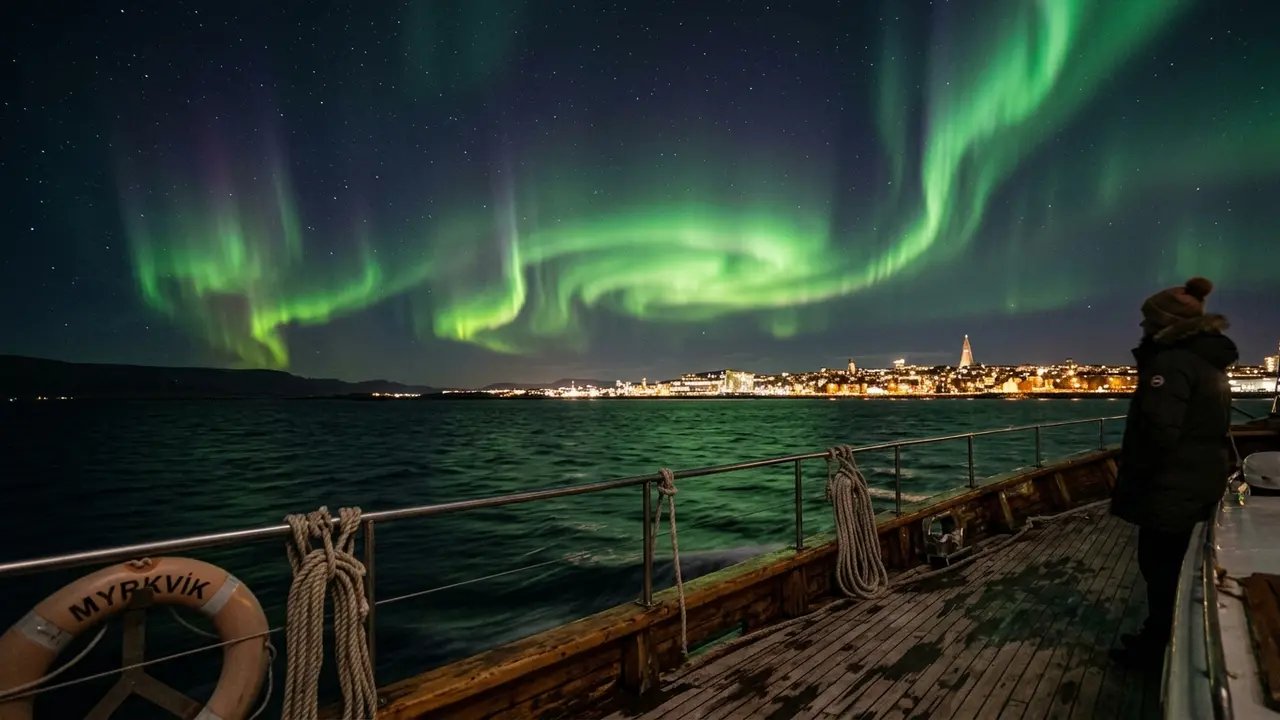
Sail 15-20 minutes into Faxaflói Bay from Reykjavík's Old Harbour for a 360-degree aurora view at sea — with no way to chase clouds that linger over the bay.
Winter travel runs 40–50% cheaper than Icelandic summer, which sounds like a bargain until you remember the summer baseline is already expensive. Realistic daily budgets: $150–250 for a budget traveler doing groceries and guesthouses, $300–500 mid-range, $600+ for anything approaching luxury. Car rental with the winter 4x4 premium runs $50–100/day; aurora tours run $80–150 per person; ice cave tours run $120–200 per person. Iceland in winter is more affordable than Iceland in July. It is not a budget destination in absolute terms.
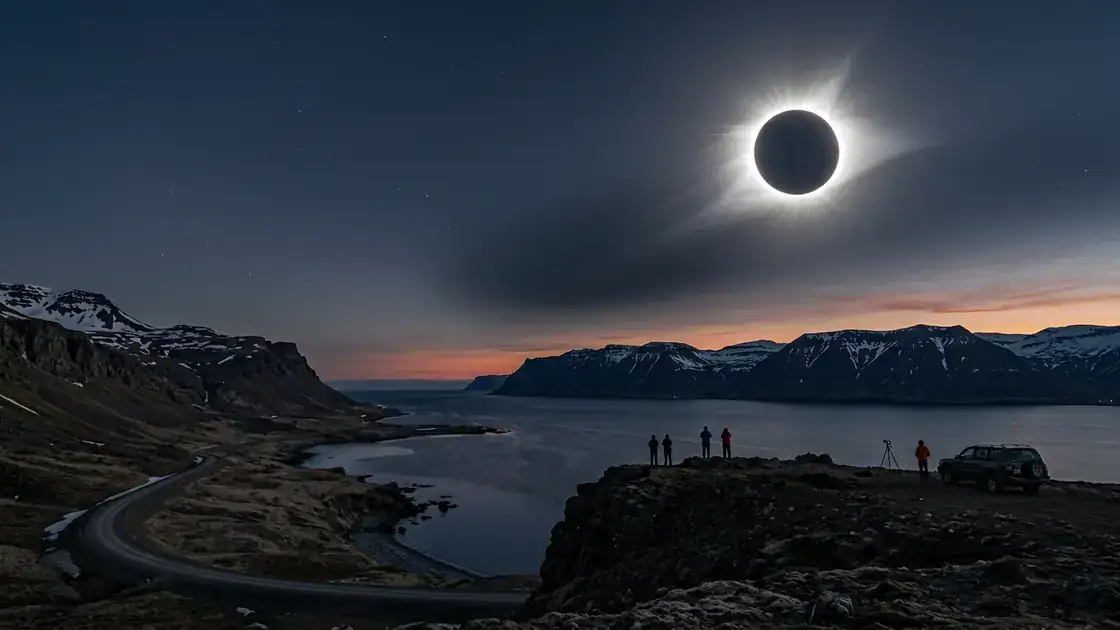
If your Iceland trip lands outside aurora season entirely, one date is worth building around instead: the Westfjords and Snæfellsnes sit inside the path of the August 12, 2026 total solar eclipse, Iceland's first total eclipse since 1954 and its only one this century.
Say this plainly: the aurora is not guaranteed, and Iceland is the destination where that caveat matters most. Seeing it requires three things at once — darkness, geomagnetic activity, and clear sky — and Iceland's maritime climate makes the third one the wildcard. A Kp 2 event under a clear sky beats a Kp 4 event under cloud every time. Book at least five nights if you want a real chance at multiple displays; three or fewer and a single bad weather system can shut you out entirely.
Check three sources every night before you commit to a plan:
A high Kp reading under 80% cloud is worse than a modest one under clear sky. Flexibility to move between regions, not a better forecast app, is what separates the visitors who see the aurora from the ones who don't.
For a month-by-month breakdown of exactly when to book, see the best time to see the northern lights in Iceland. And if you've already chased the aurora in Tromsø and are wondering whether Iceland is worth a second trip: Tromsø's dry Arctic climate gives it better clear-sky odds, full stop. Iceland trades some of that reliability for ice-cave expeditions, glass-dome hotels, and a landscape of glaciers, black-sand beaches, and geothermal fields that makes even a cloudy night worth having flown in for.
Best season
September–October and February–March for the best balance of darkness and clear-sky odds (the equinox effect); November–January is darkest but cloudiest, with 60–70% of nights obscured
Quietest hours
Post-midnight, once day-tour groups have returned to their hotels; independent aurora-watchers on the south coast get the roadside pull-offs largely to themselves after 11 PM
Visit duration
5–7 nights minimum — Iceland's cloud cover can shut out the aurora for two or three nights running, and fewer nights leaves no buffer for weather
Reporter notebook
December and January give you the most darkness in Iceland, but they're also the cloudiest months of the year — 60–70% of nights obscured. September–October and February–March catch the equinox effect, a real 20–30% jump in geomagnetic activity, with noticeably better weather odds. If you can only pick one window, pick one of these over the polar-night stretch.
Rental companies will happily hand you the keys to a 4x4 with studded tires, but the ice, crosswinds, and sudden closures on Route 1 punish drivers who haven't handled them before. If you don't drive on snow and ice regularly at home, book a guided aurora tour instead and let someone else read road.is at 4 PM before deciding tonight's route.
The glass-dome rooms at Buubble near Selfoss are the closest thing Iceland has to a hotel built specifically for aurora watching, and they sell out fast around new moon in the equinox months. If you want a bubble for a specific date, book at least four to five months out. If it's full, Hotel Ranga nearby runs nightly aurora-forecast briefings and is easier to get into on short notice.
Further reading
Plan your 2026-27 aurora trip: why September to April is prime season, when equinox storms peak, and which destinations worldwide offer the best viewing odds.
Where to watch the August 12, 2026 total solar eclipse: Iceland's Westfjords, northern Spain, plus a rare moonless Perseids meteor shower double-header.
Norway · Best October–March
At 69.6°N inside the auroral oval, Tromsø sees aurora at Kp 2. Peak season November–February. Best viewing spots, tour advice, and aurora forecast strategy.
Sweden · Best Aug-Apr
Abisko's rain-shadow microclimate keeps skies clear when nearby Arctic spots cloud over. Aurora season, the Sky Station, ICEHOTEL, and getting there by train.
Canada · Best mid-Aug to mid-Apr
Yellowknife sits beneath the auroral oval: up to 240 aurora nights per year. Guide to seasons, viewing spots, Indigenous-led tours, and cold-weather planning.