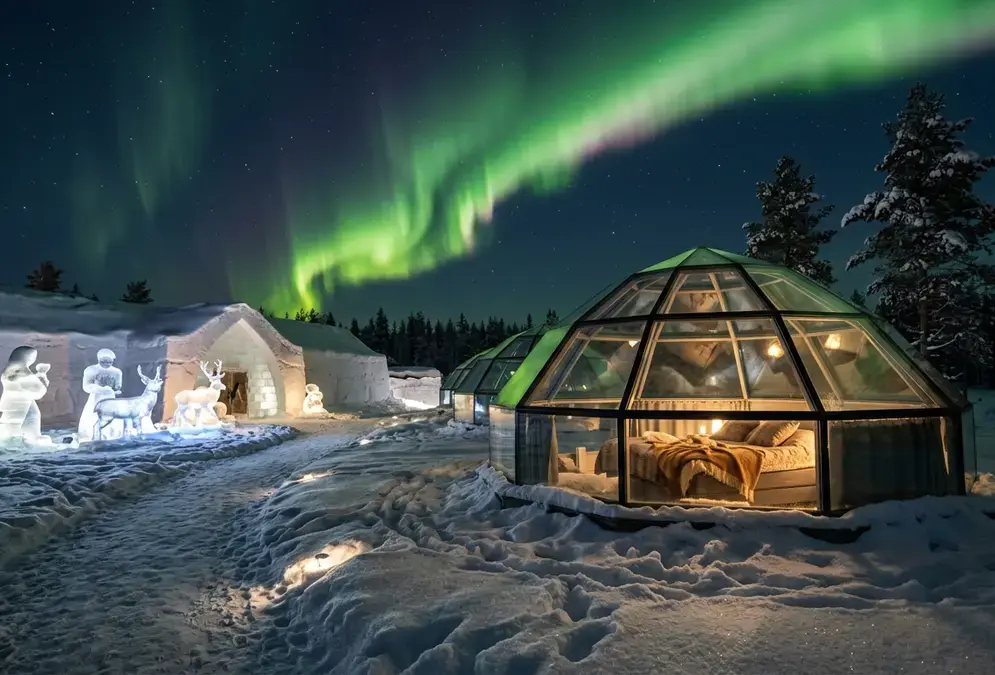
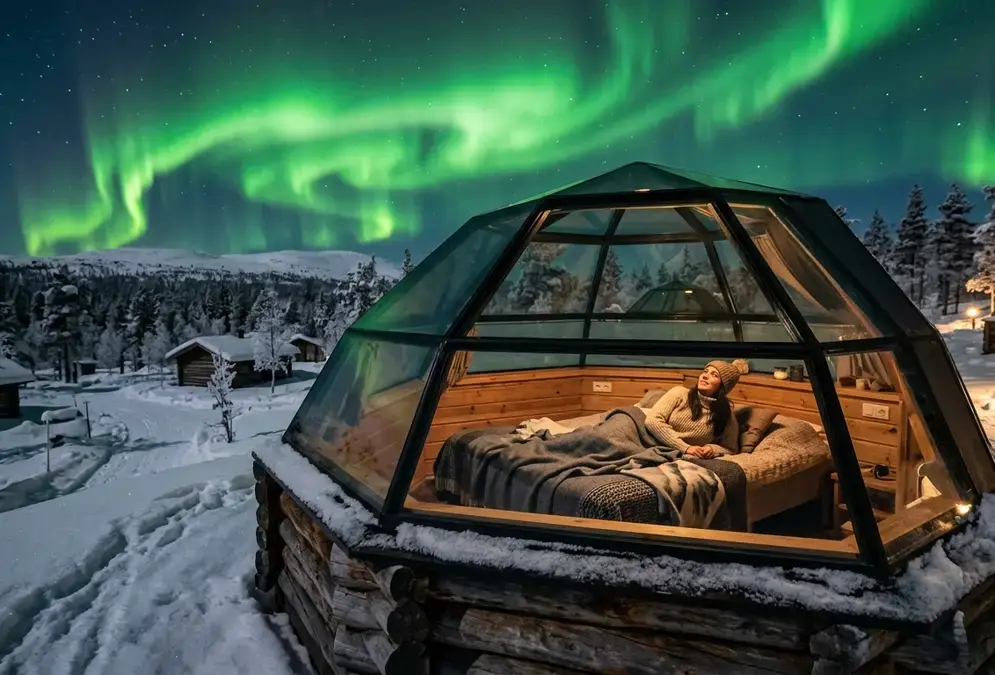
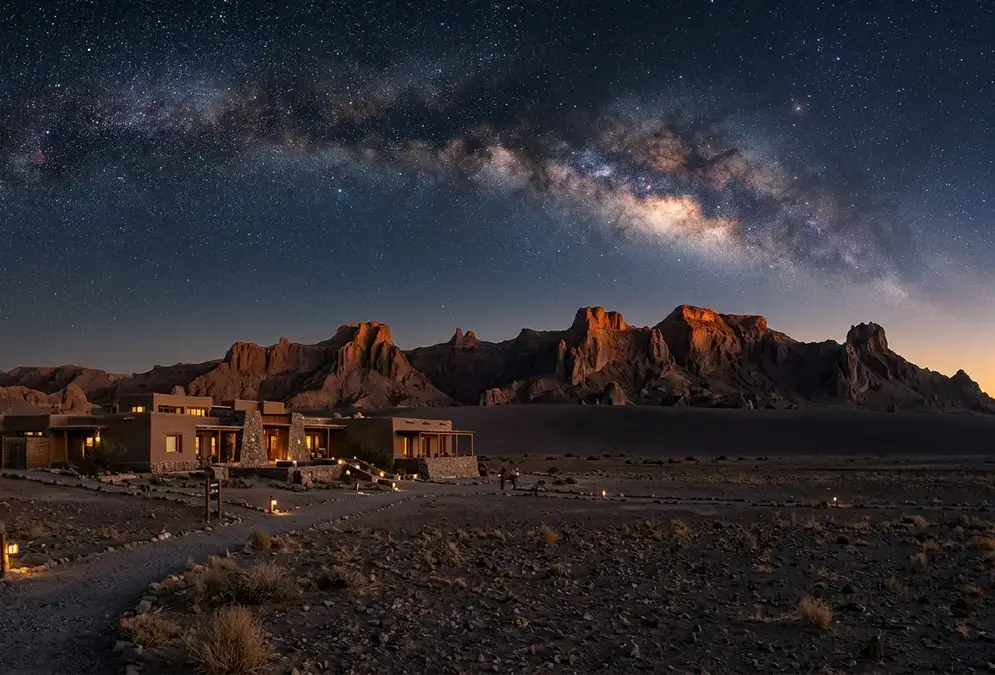
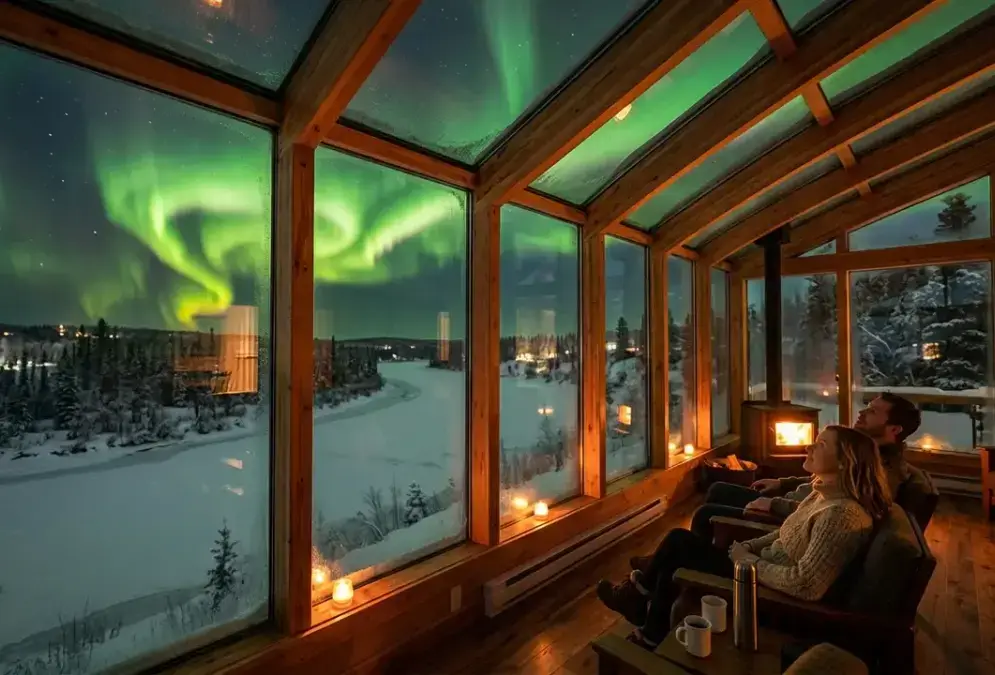
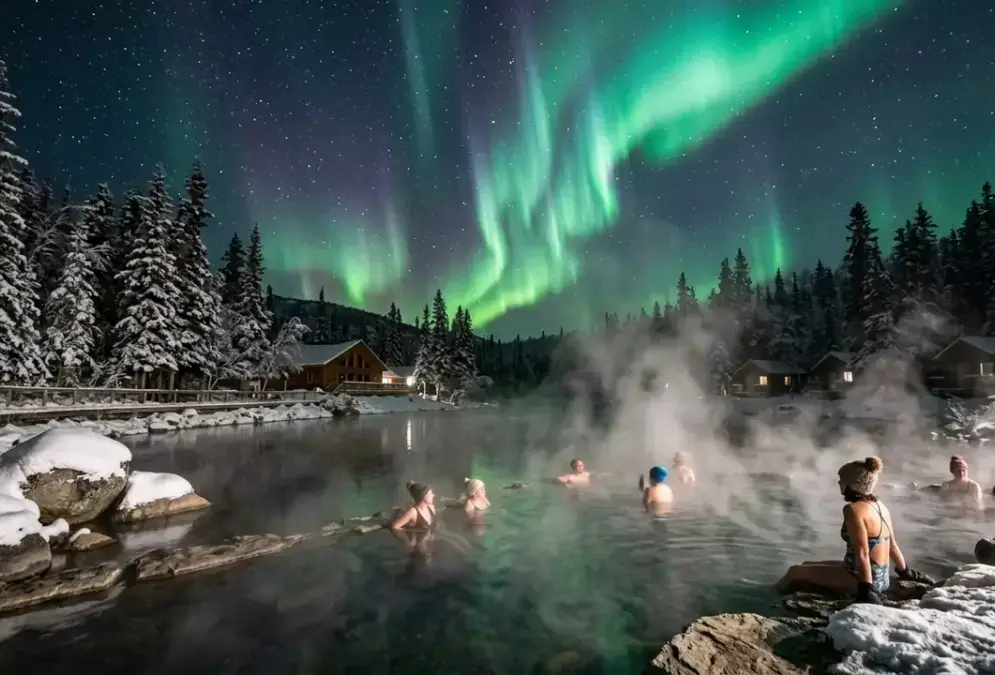
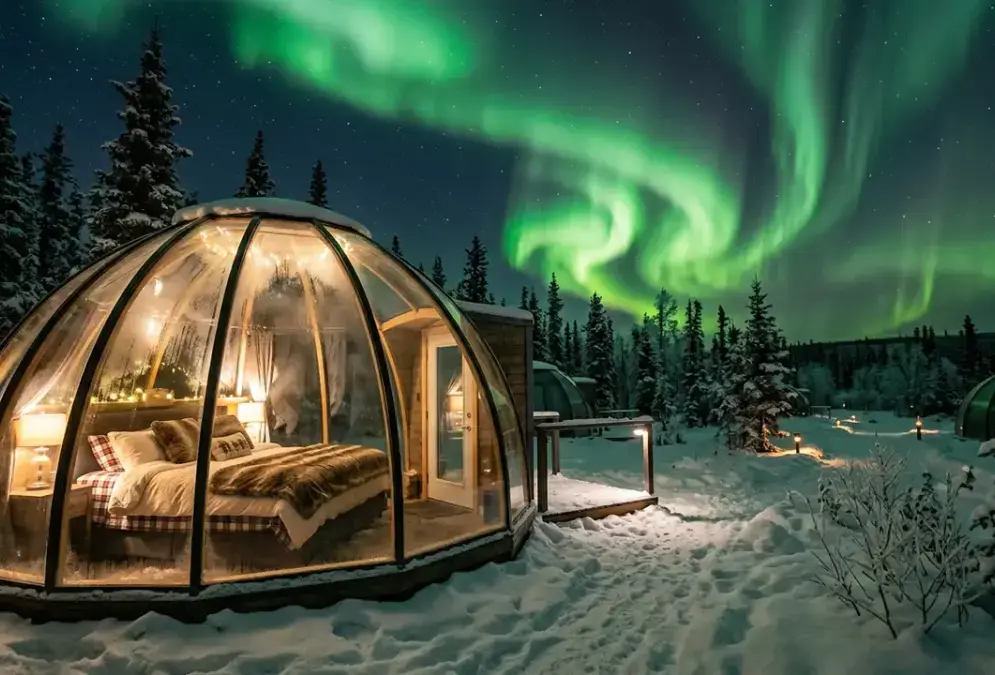
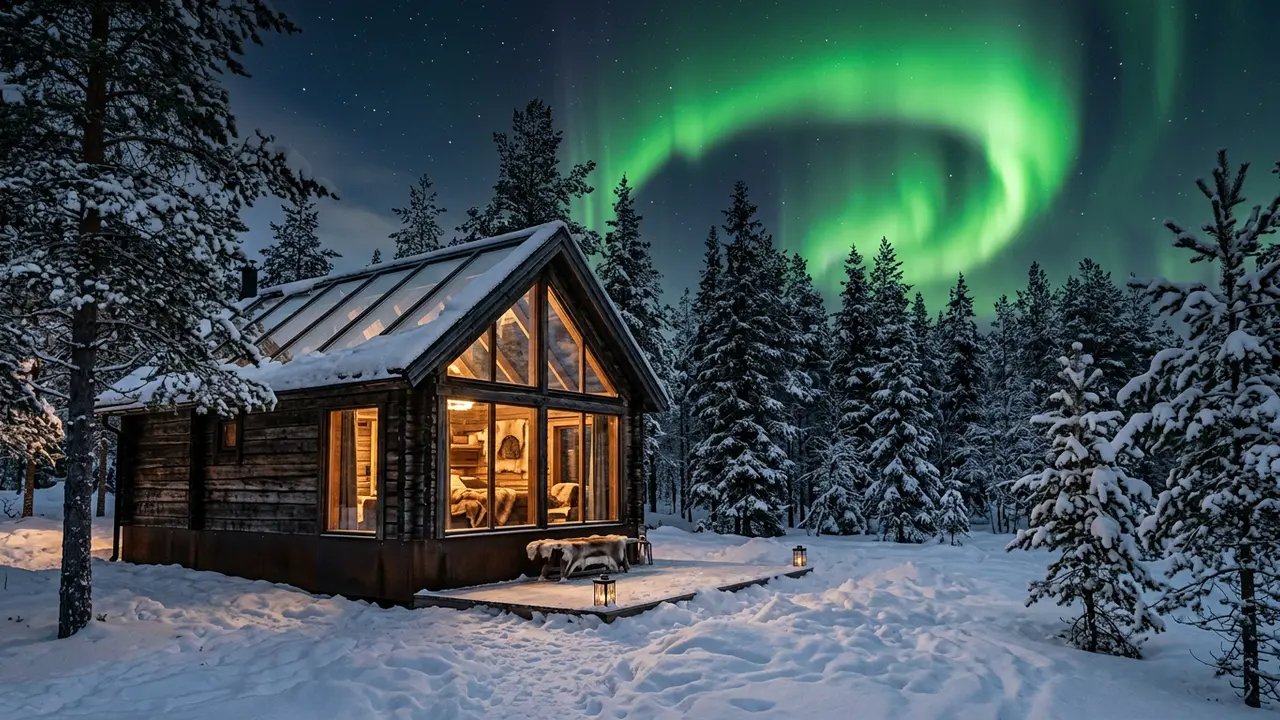
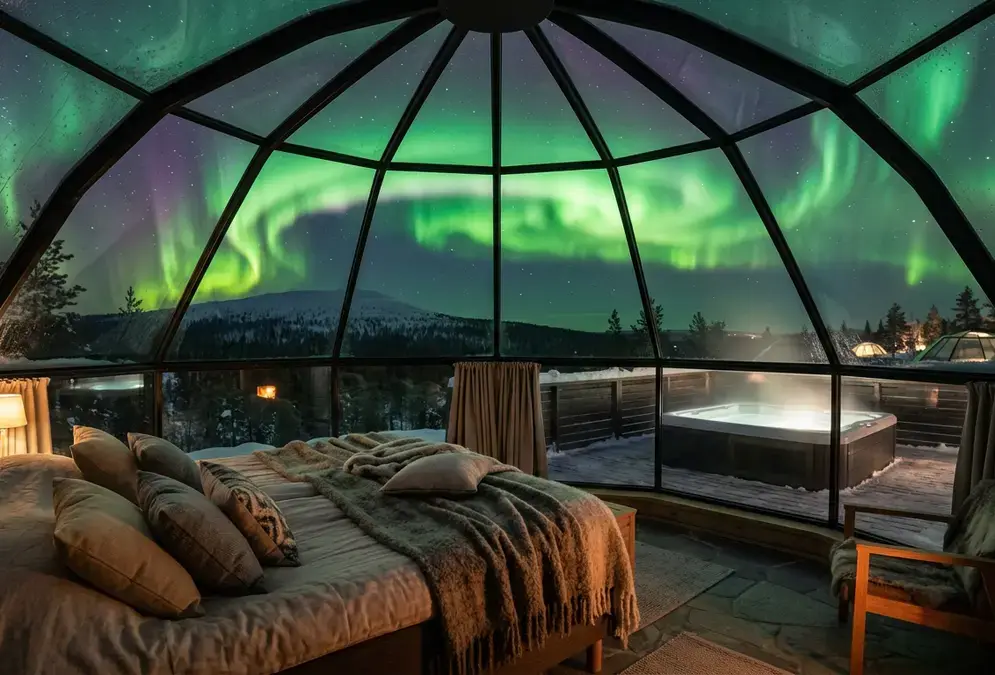
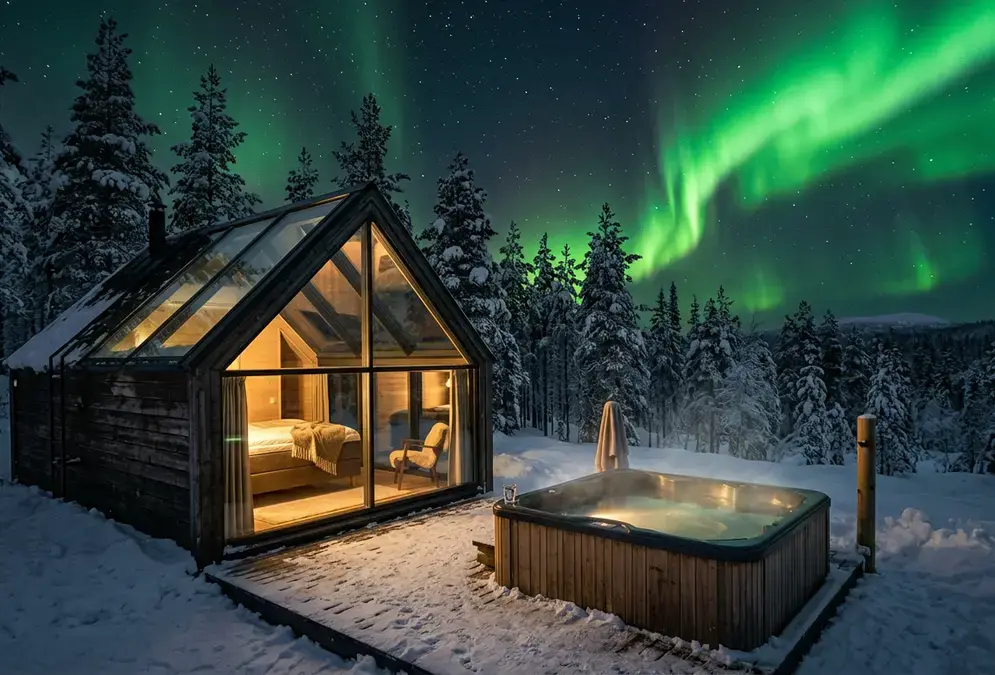
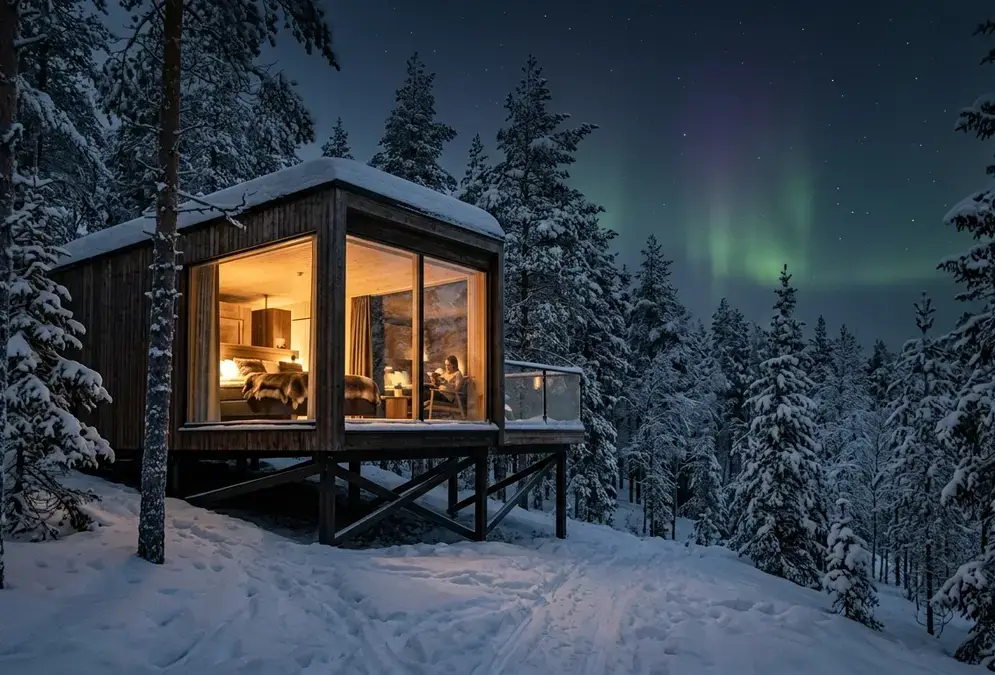
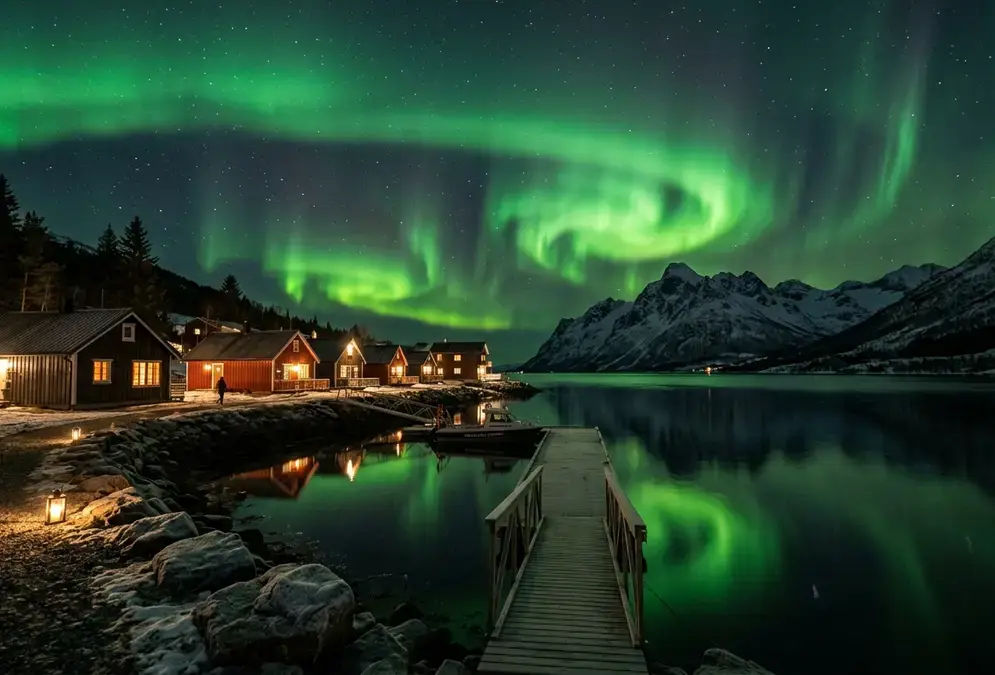
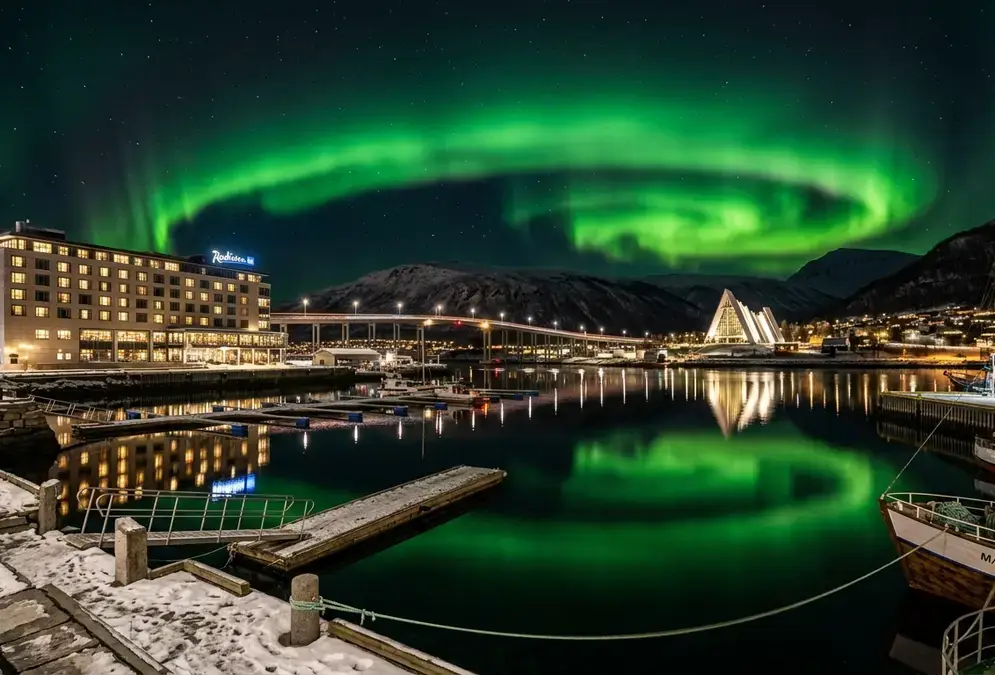
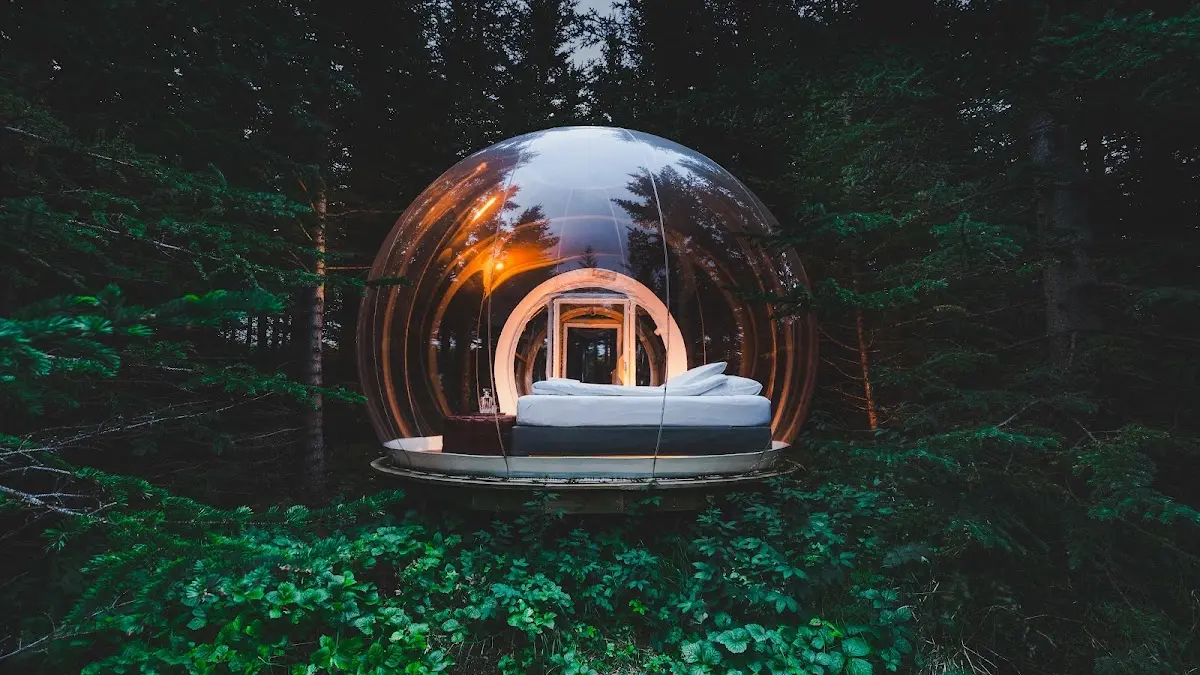
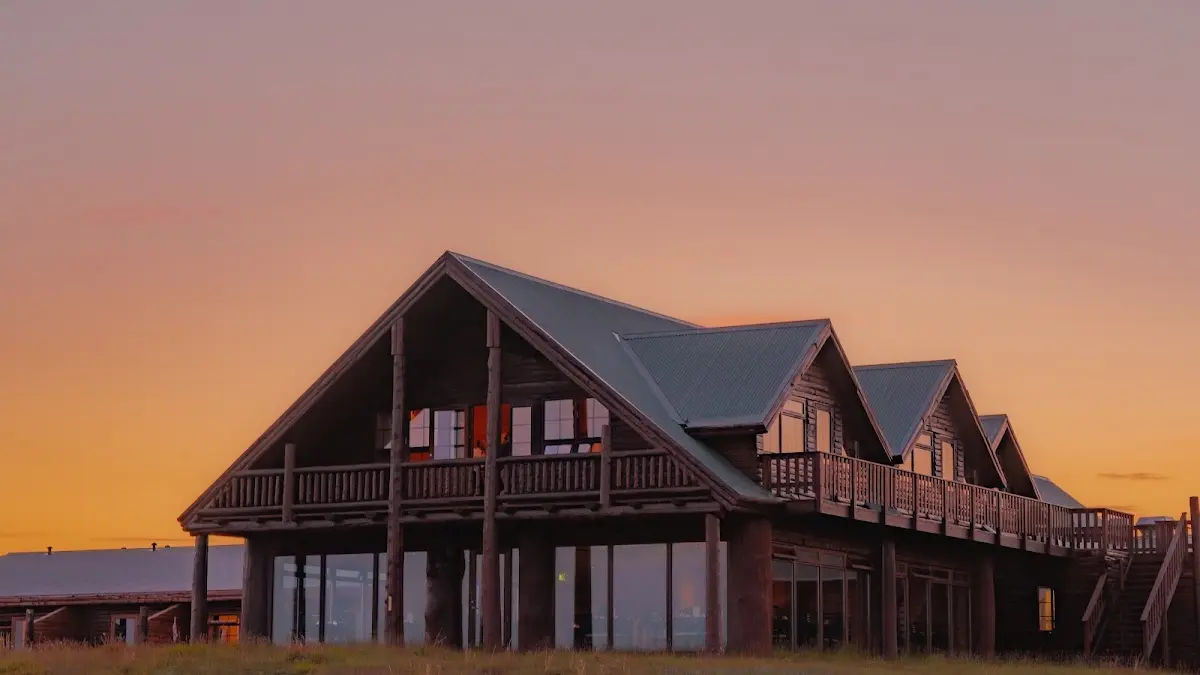
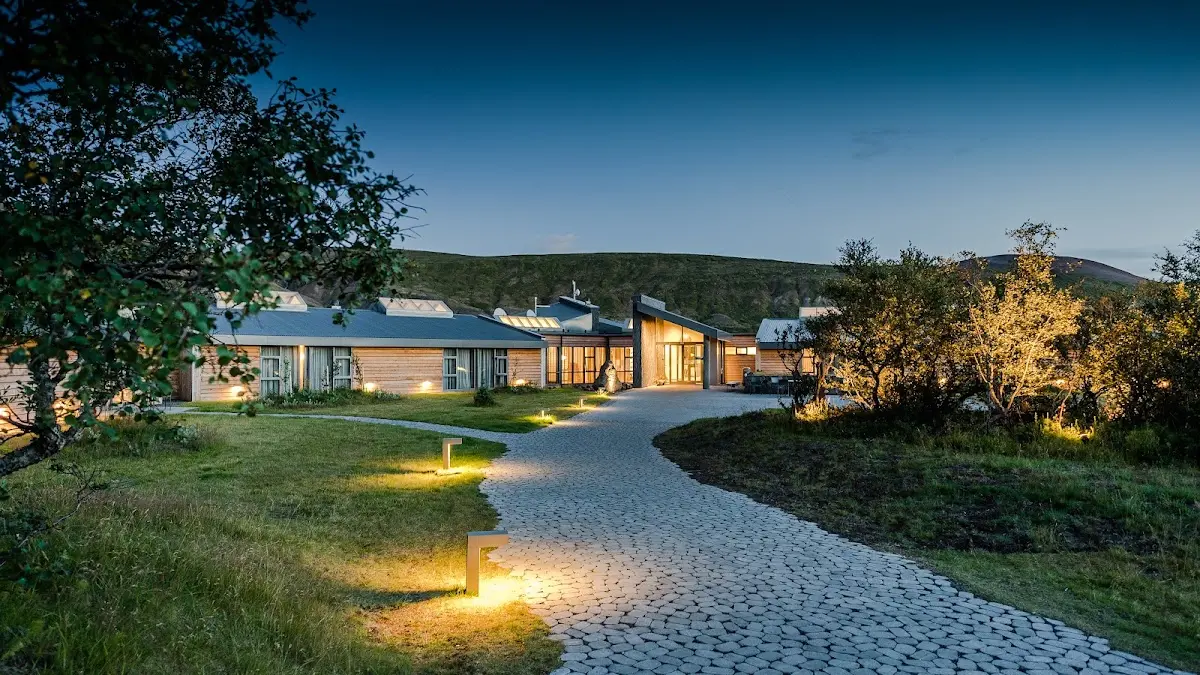
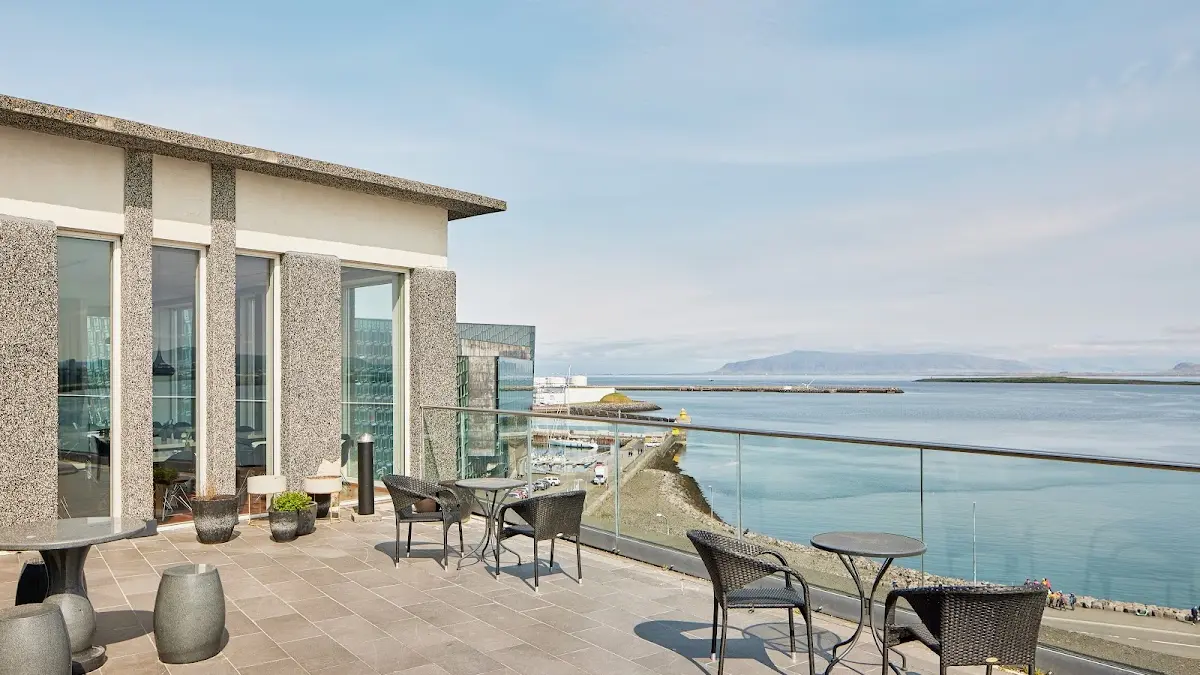
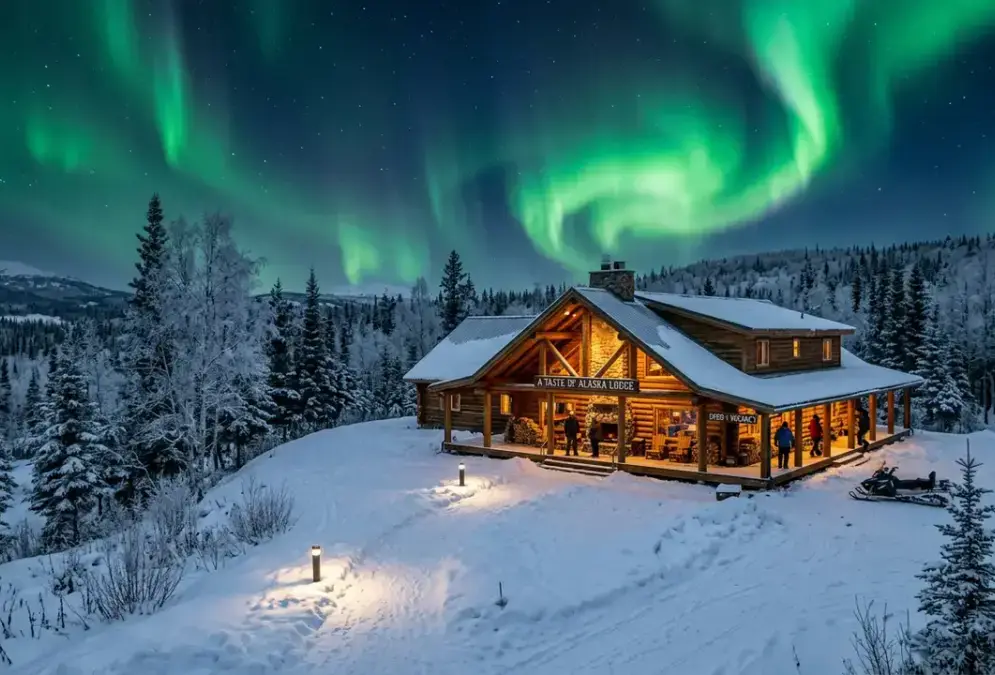
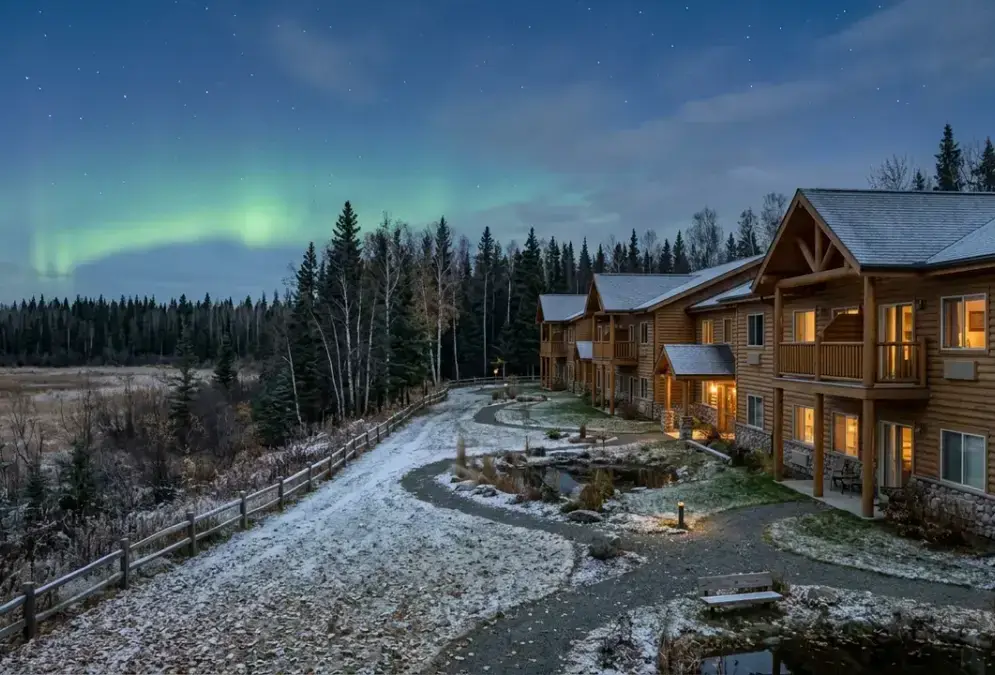
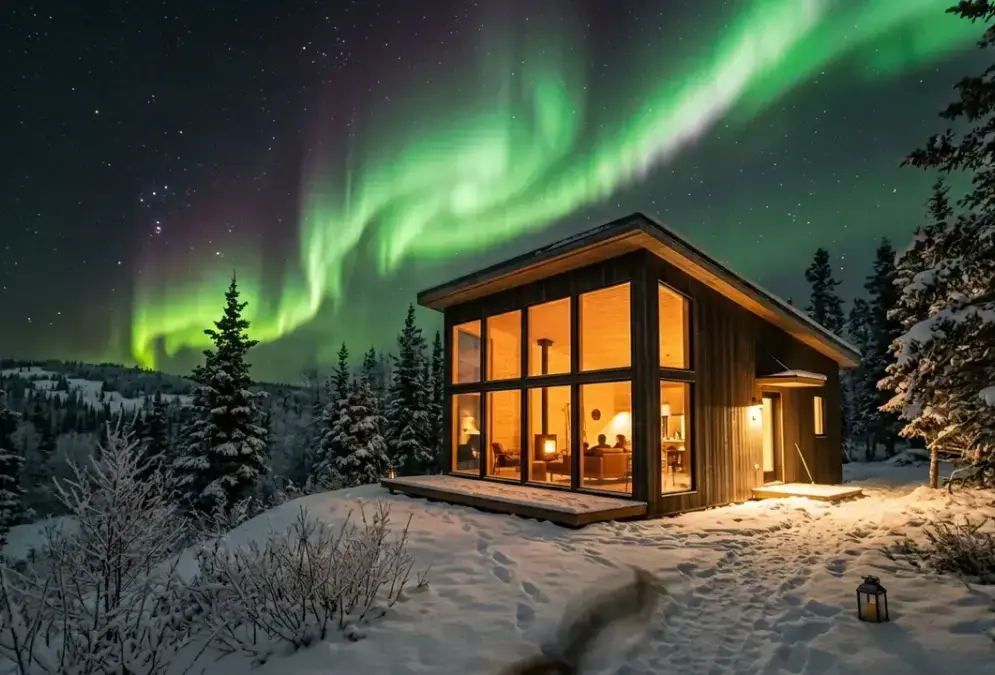
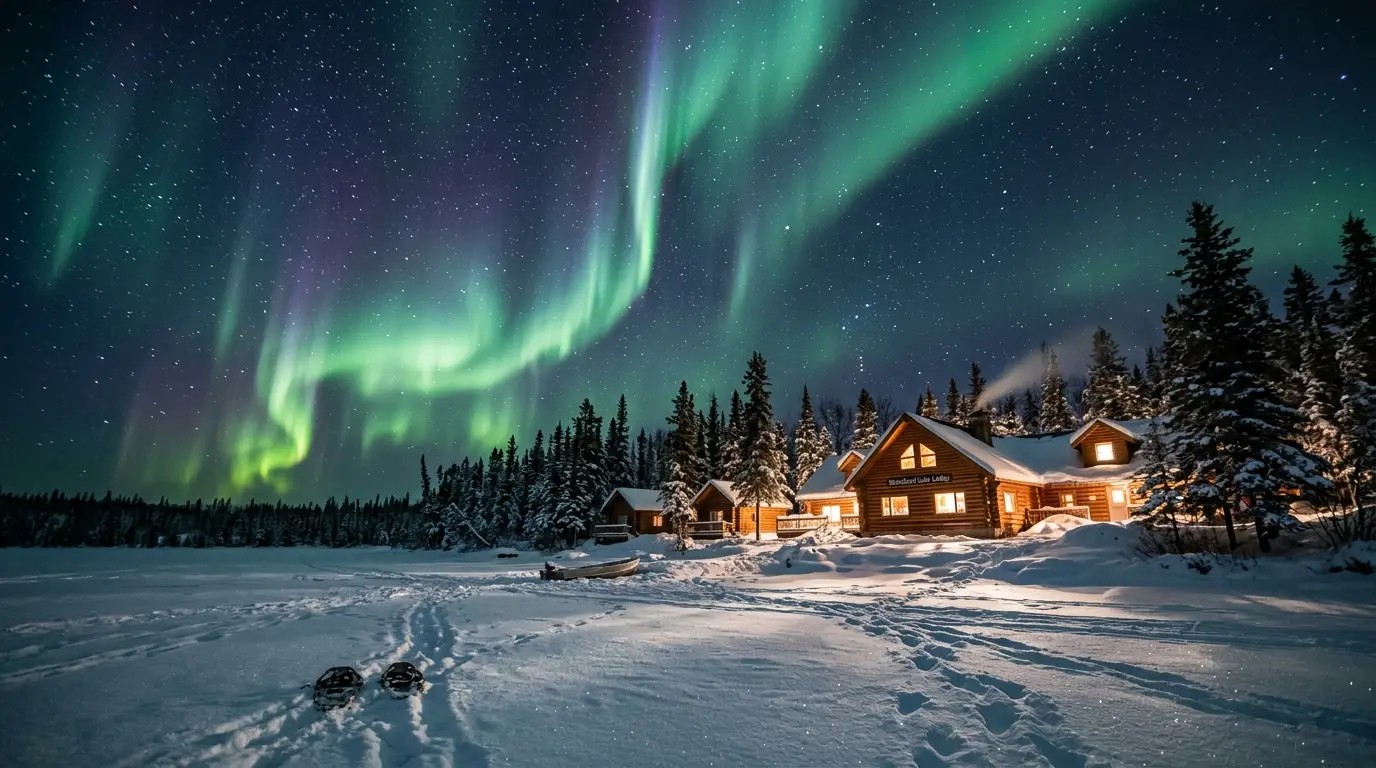
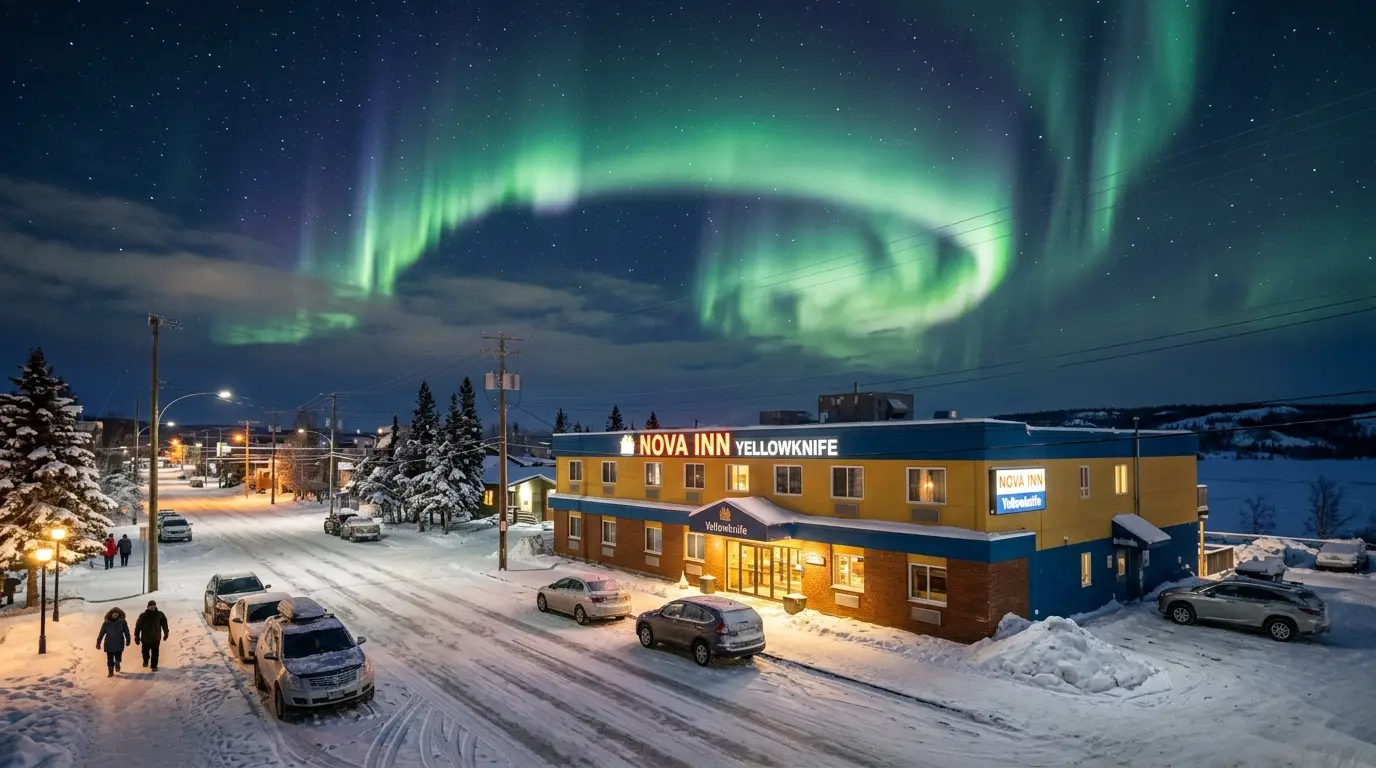
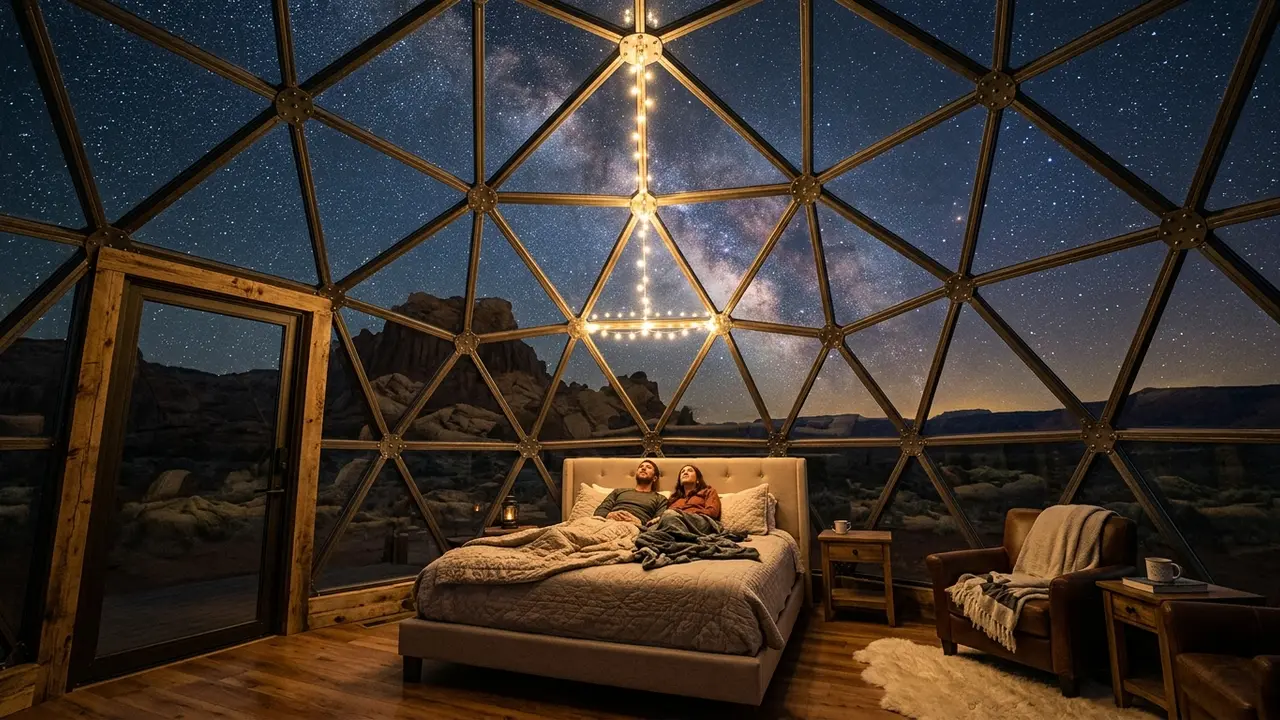
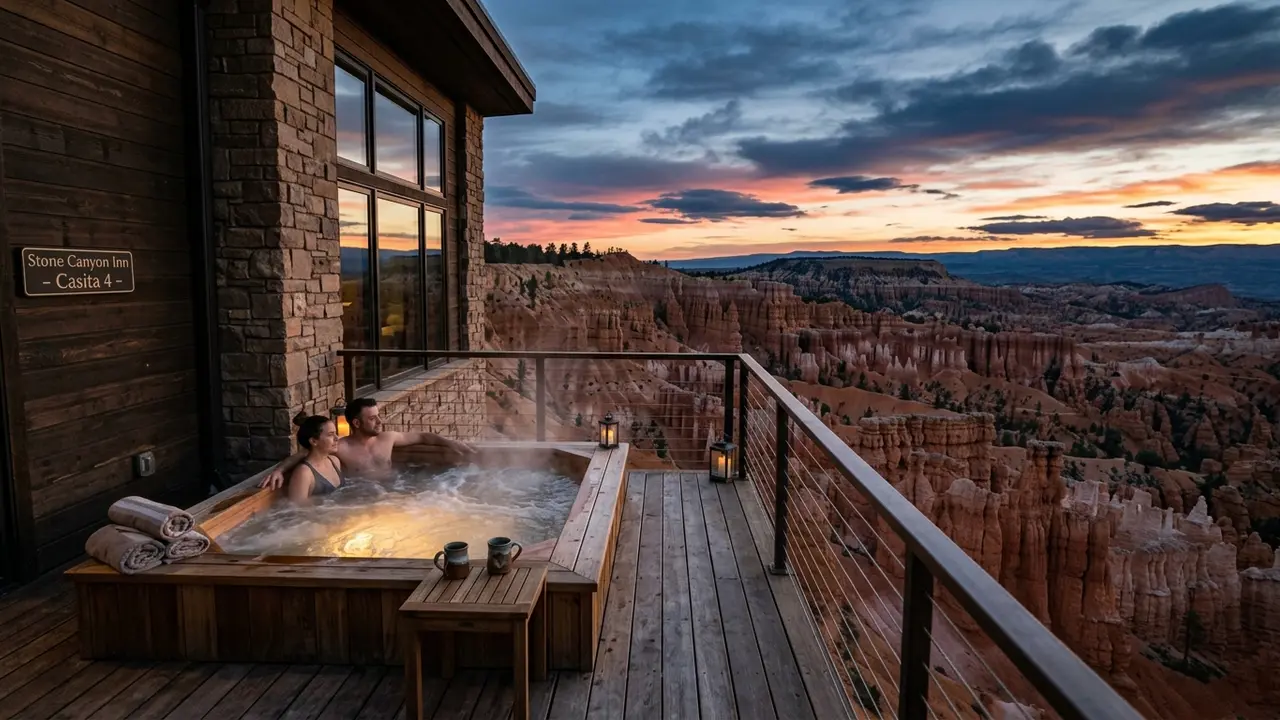
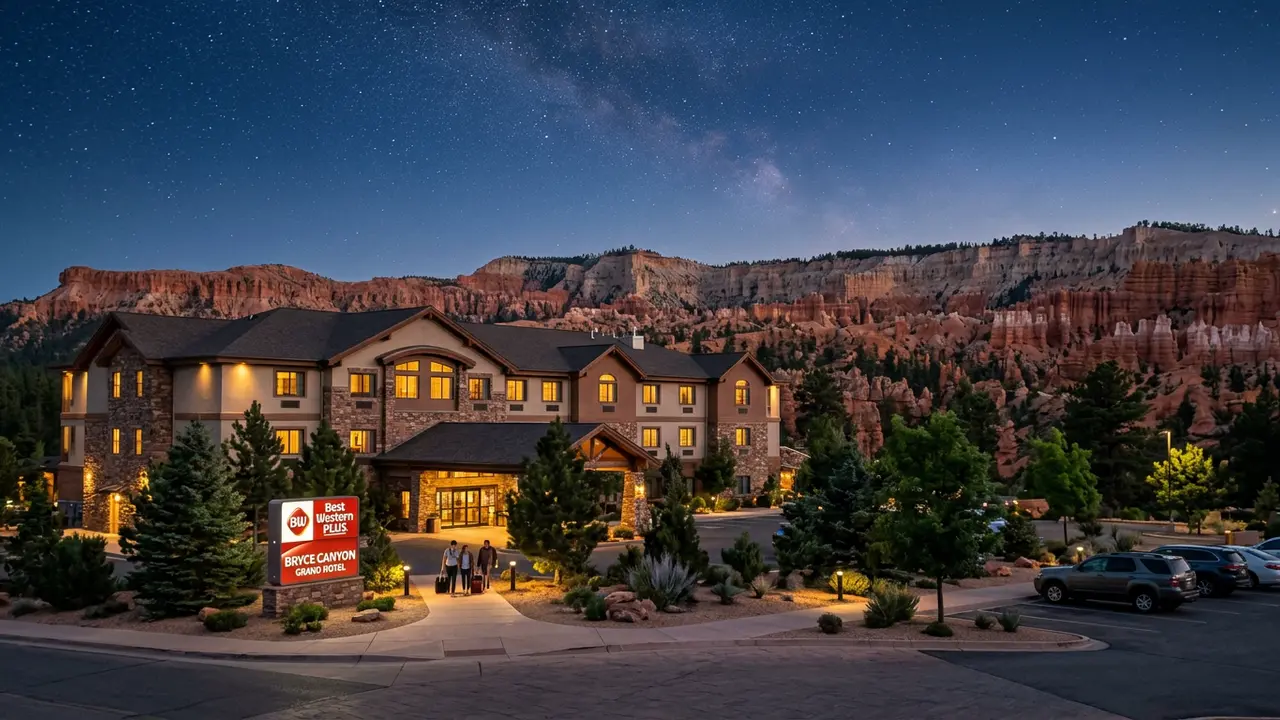
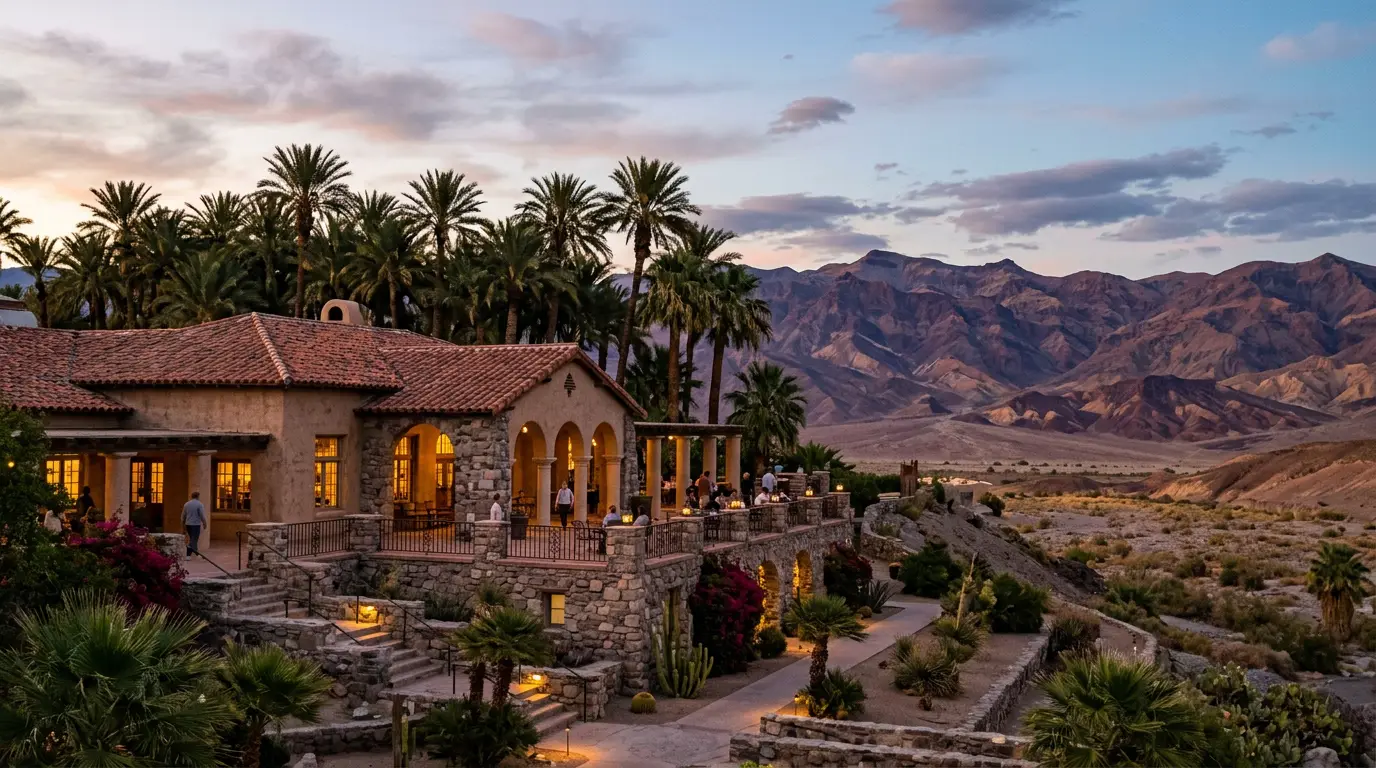
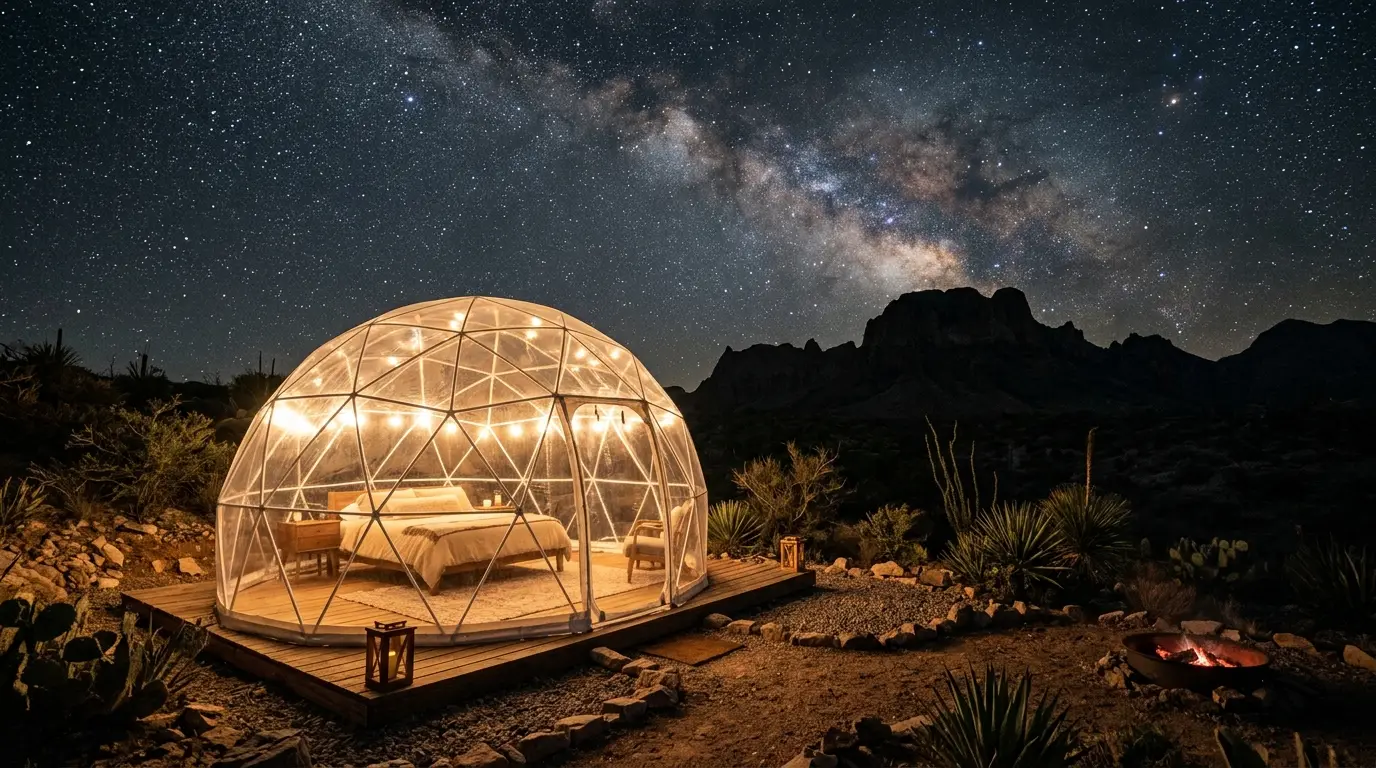
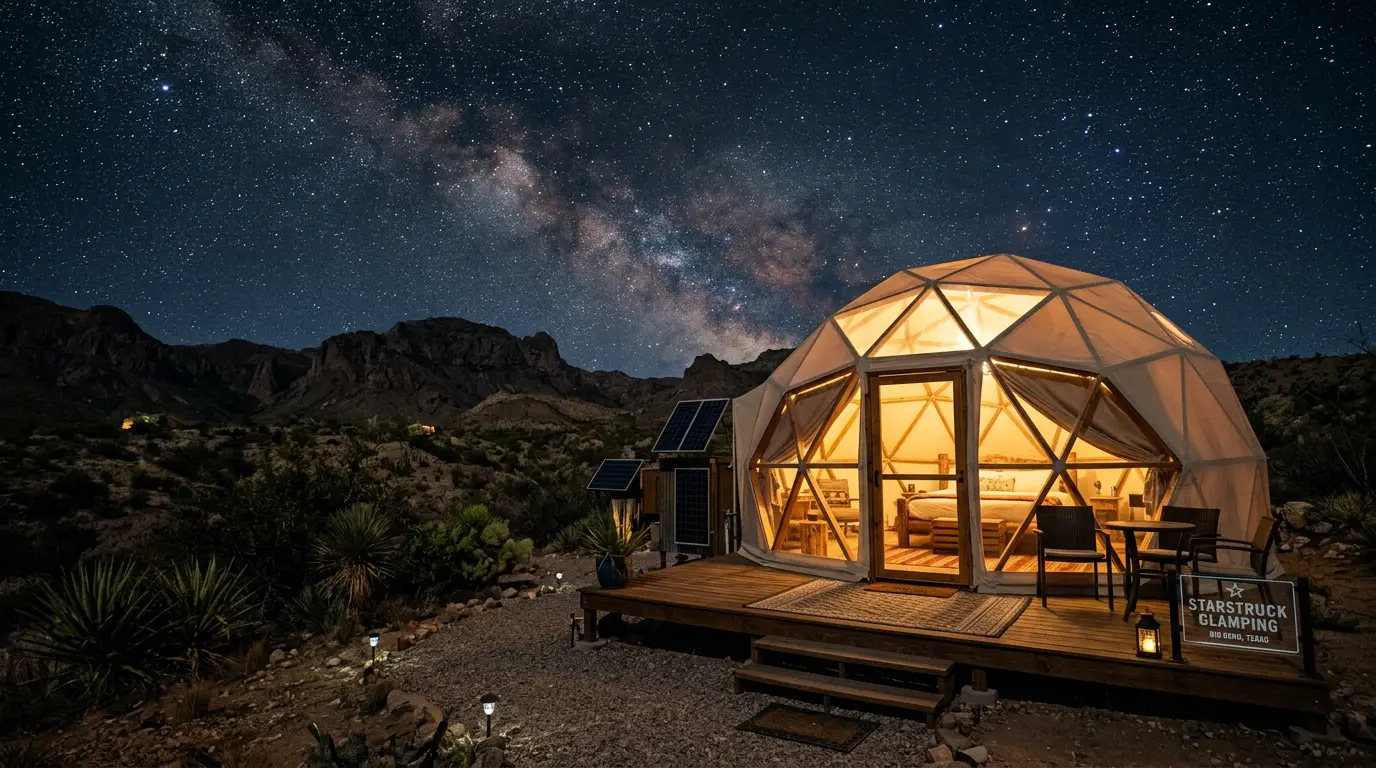
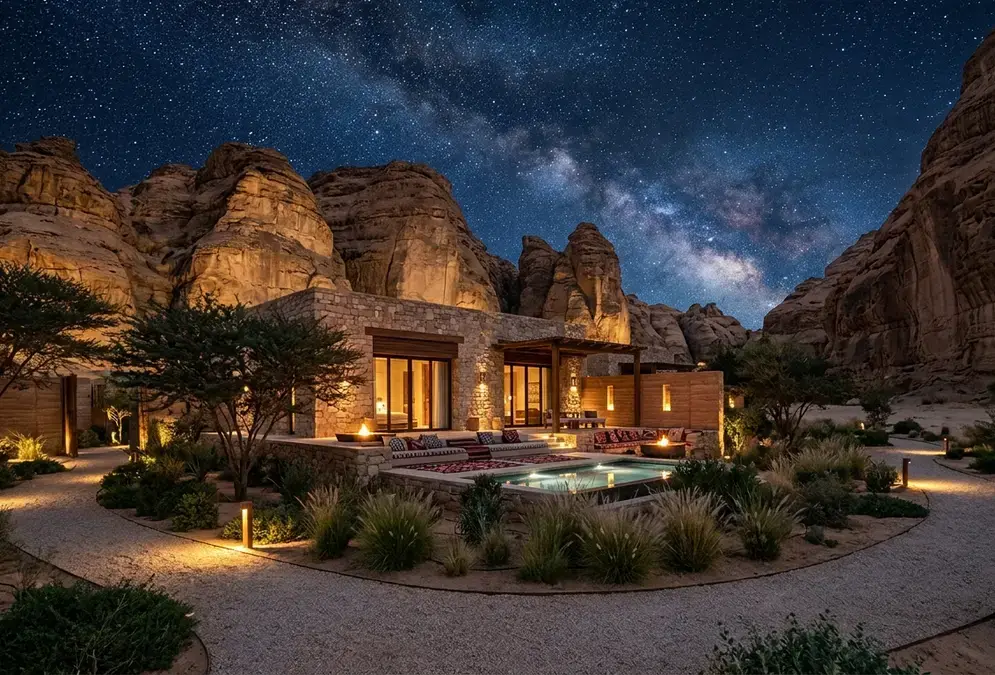
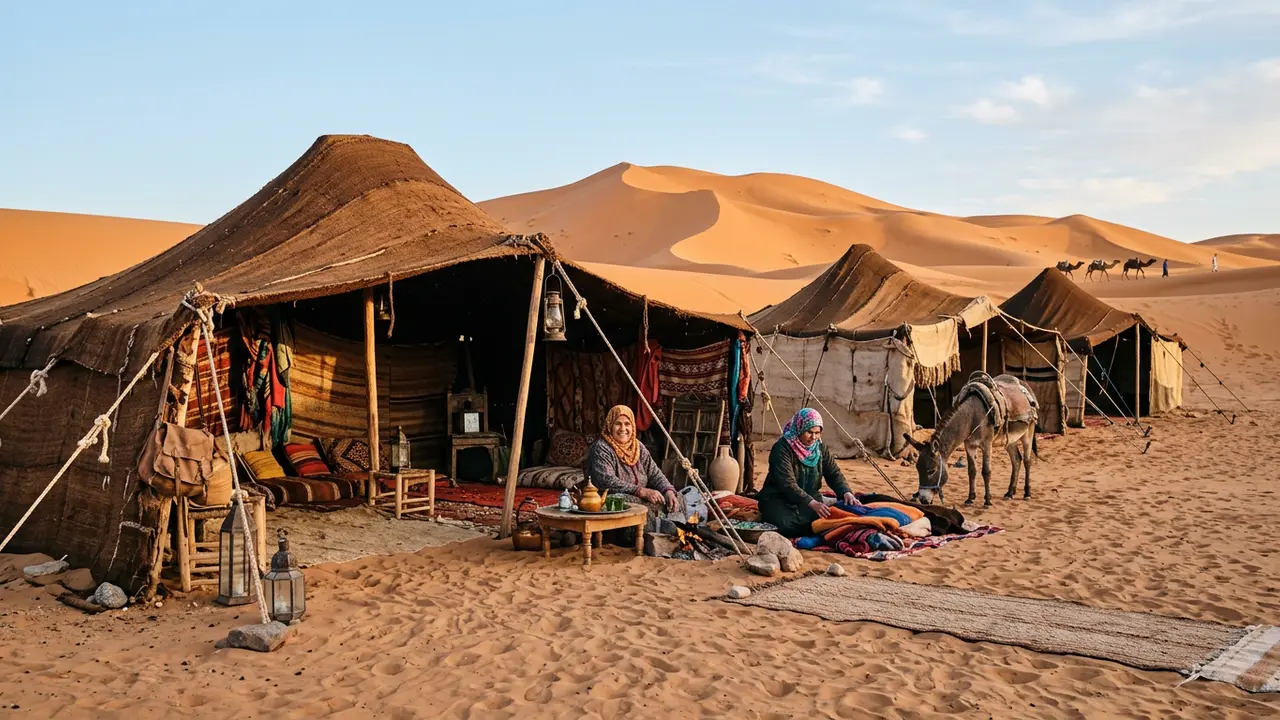
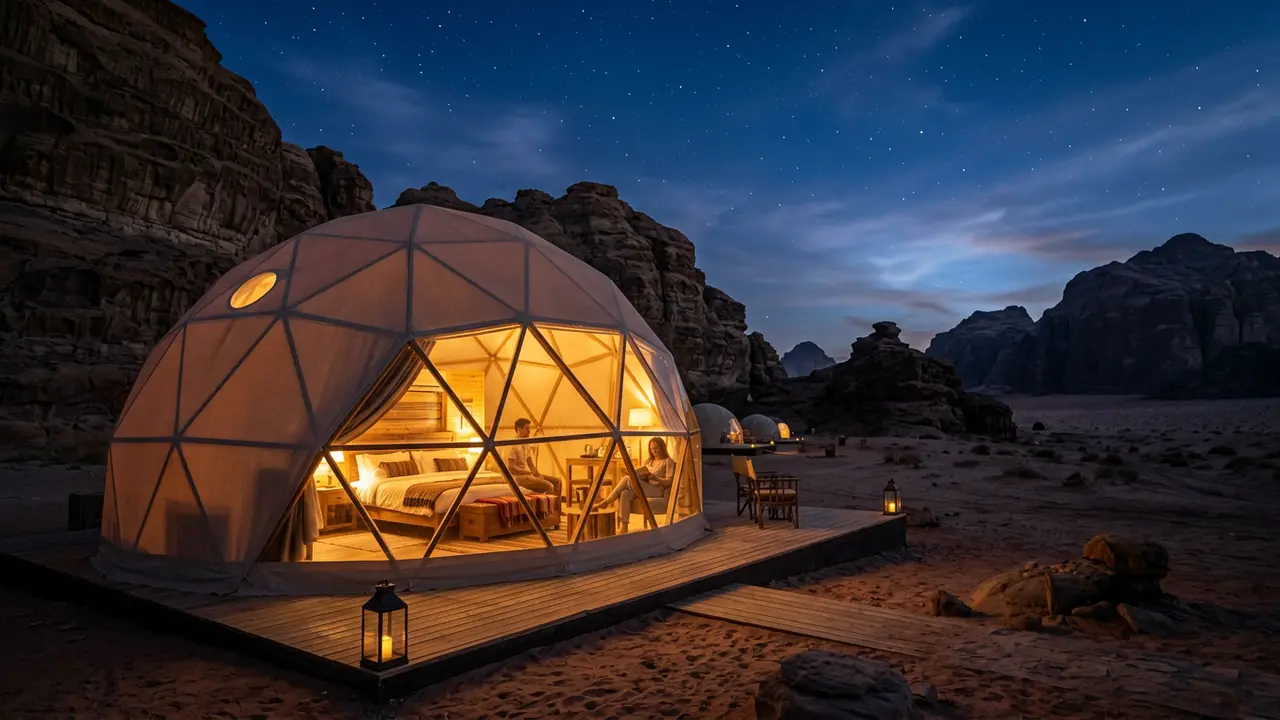
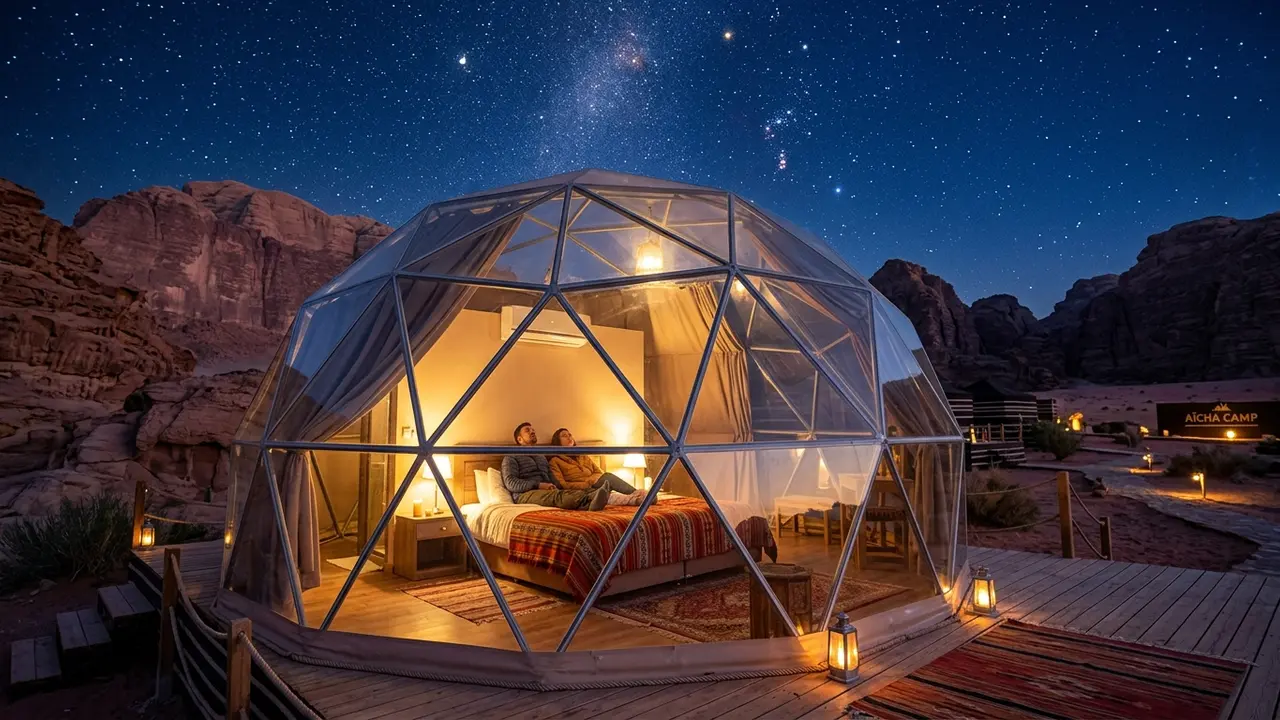
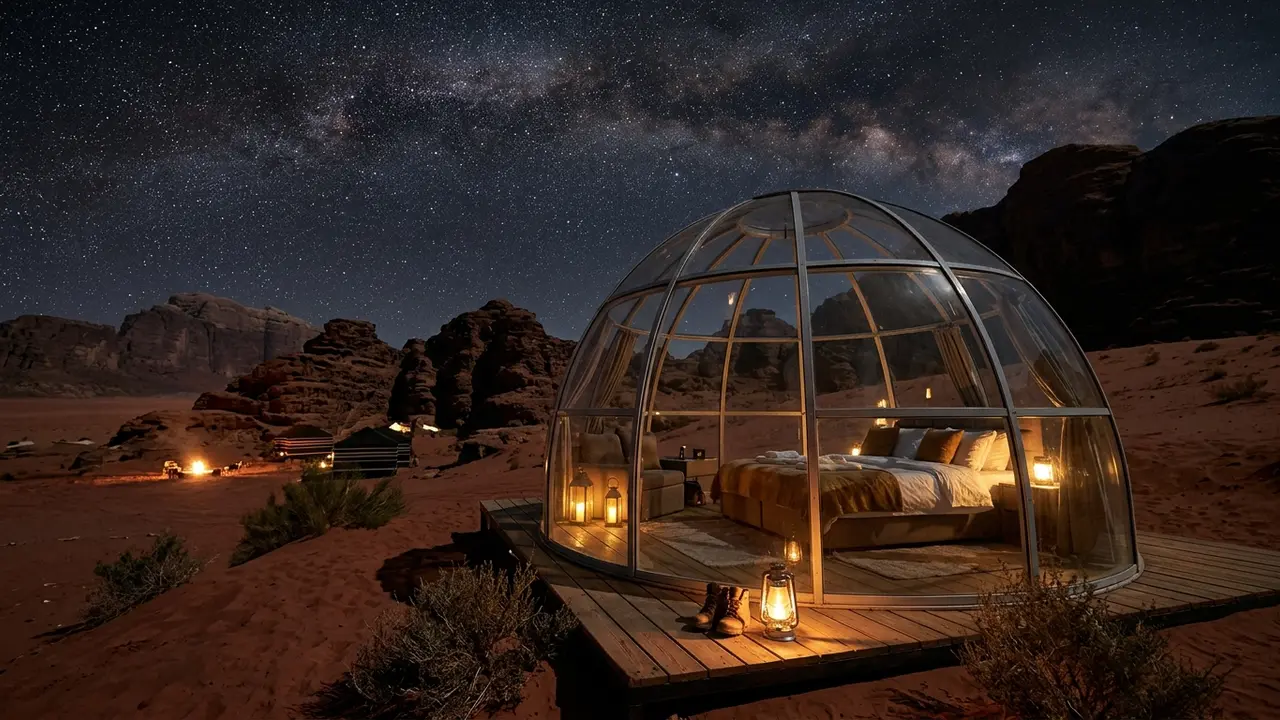
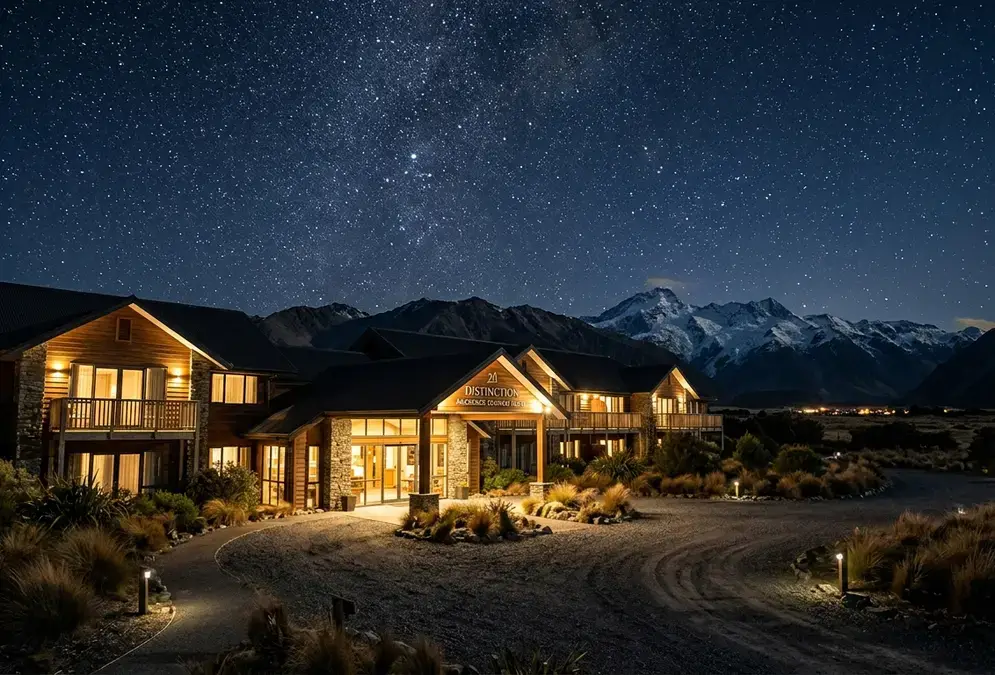
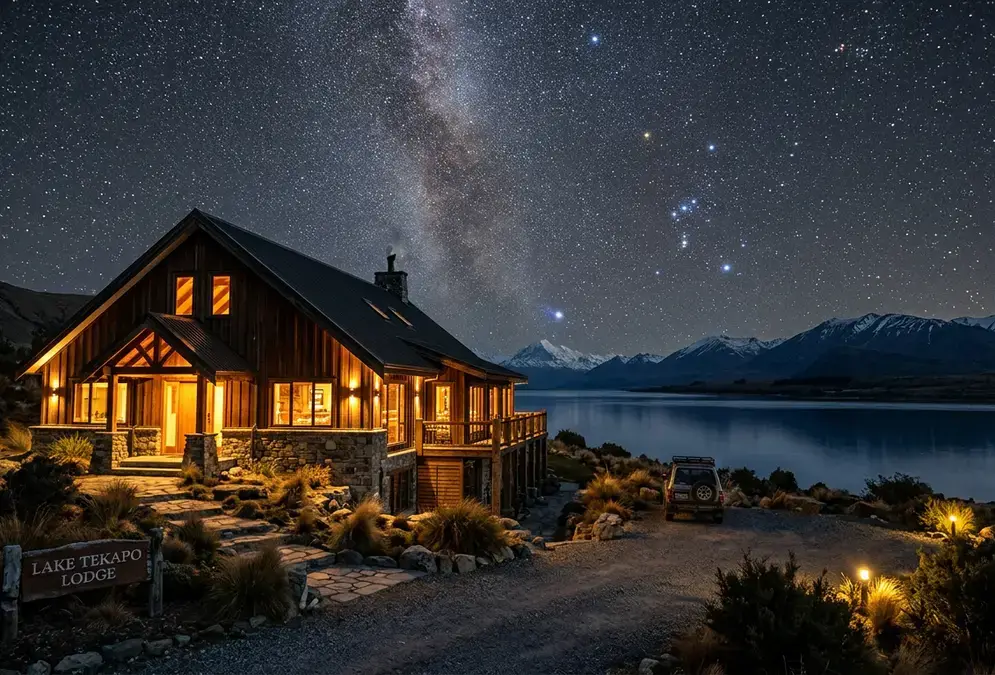
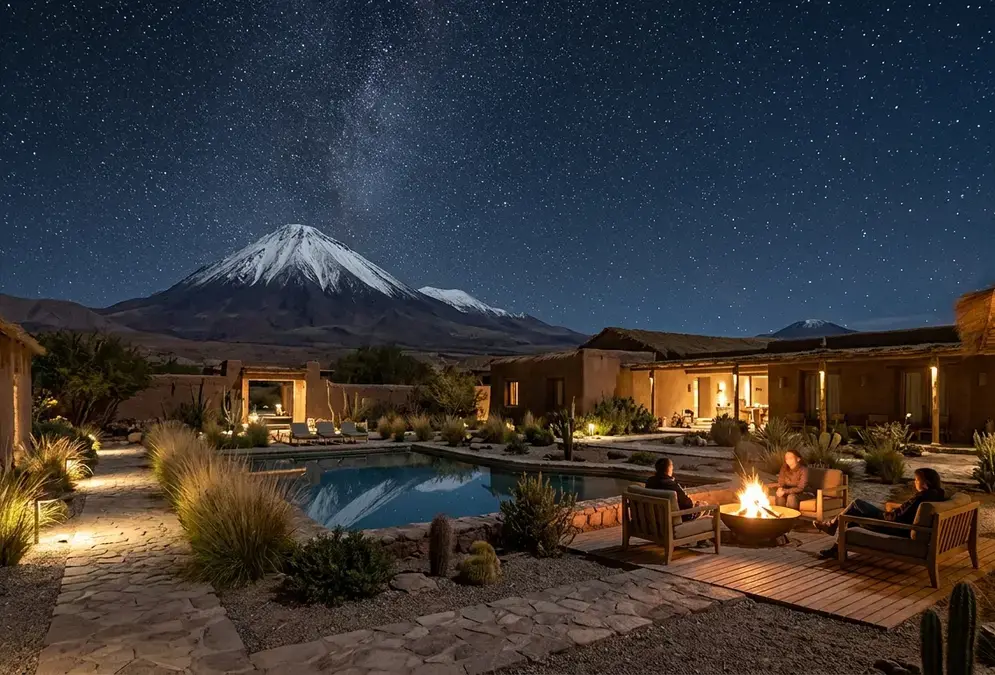
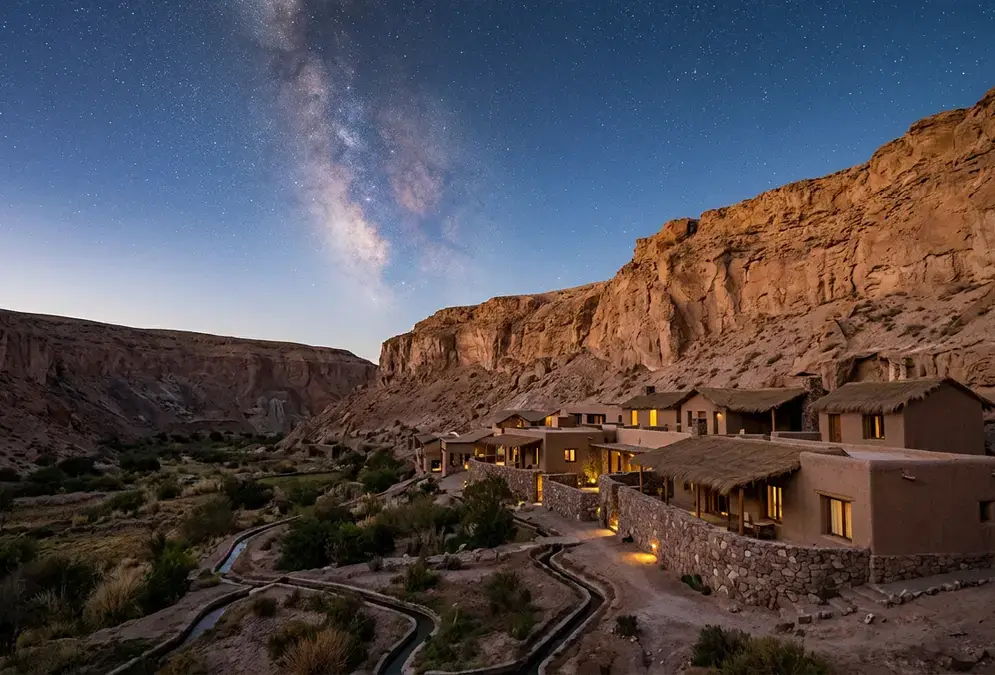
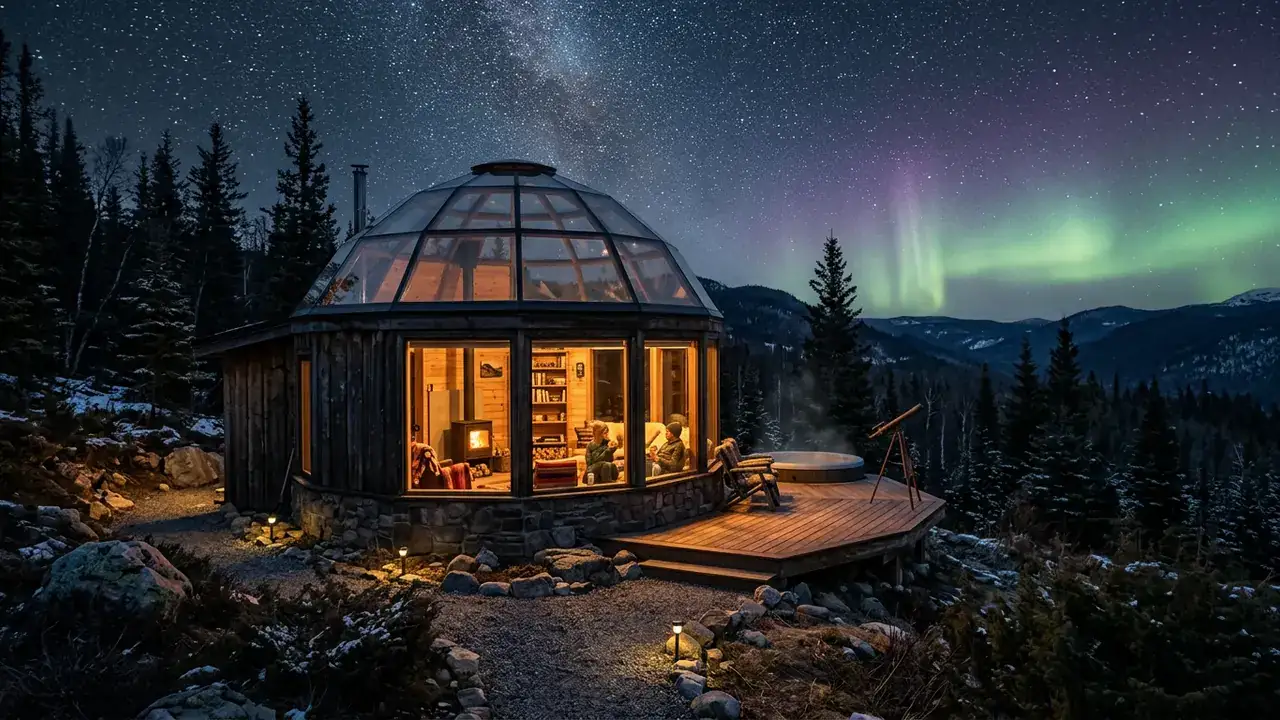
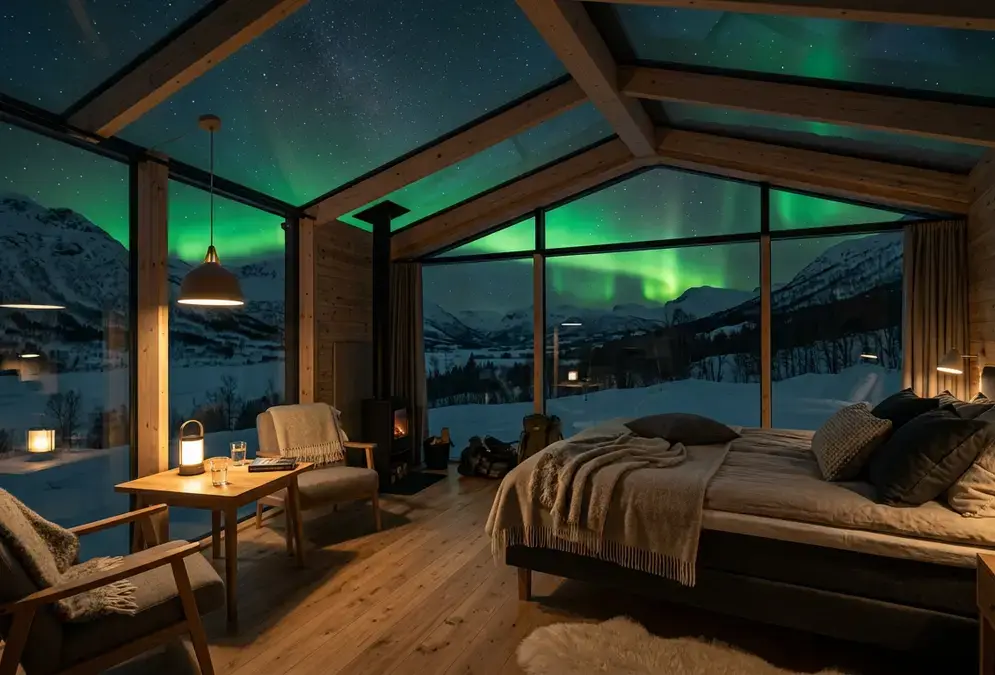
A glass-domed stargazing lodge glowing at night under a starry sky and aurora
Where to stay under dark skies

Dark-Sky Lodges & Stargazing Hotels Worldwide

93 lodges 21 destinations from €20/night Curated by Maya Okonkwo · Updated July 2026

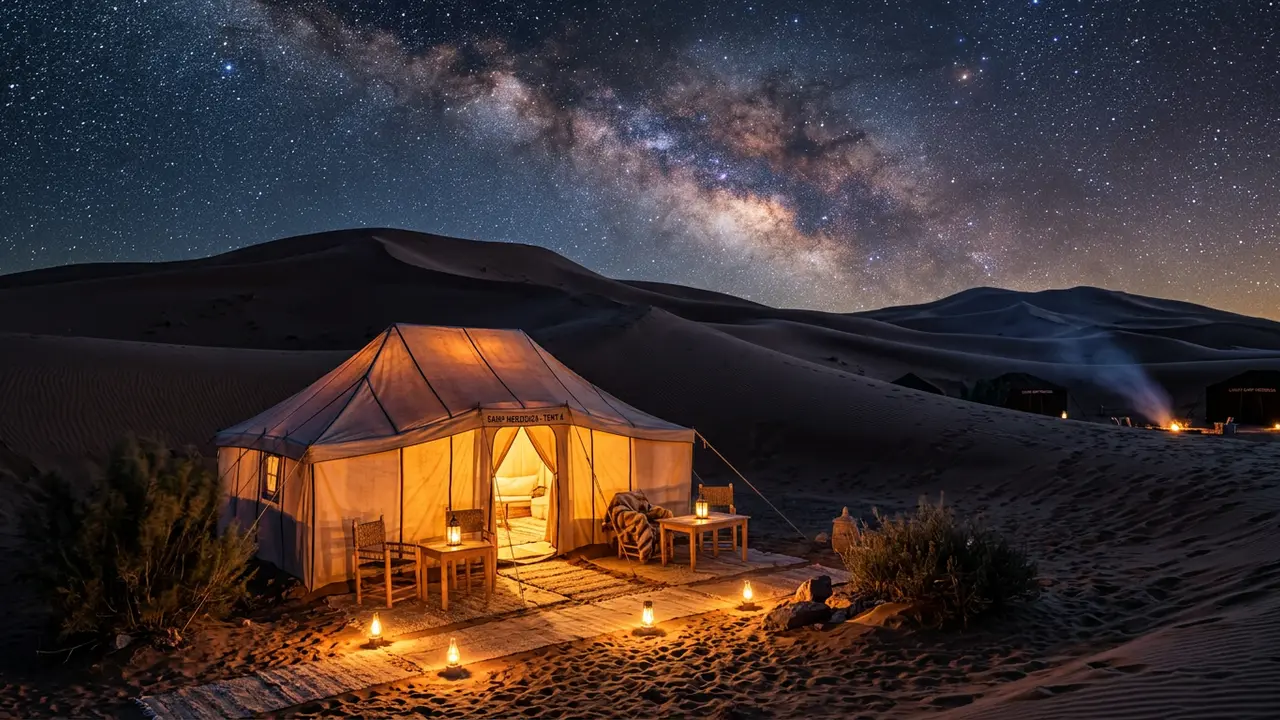
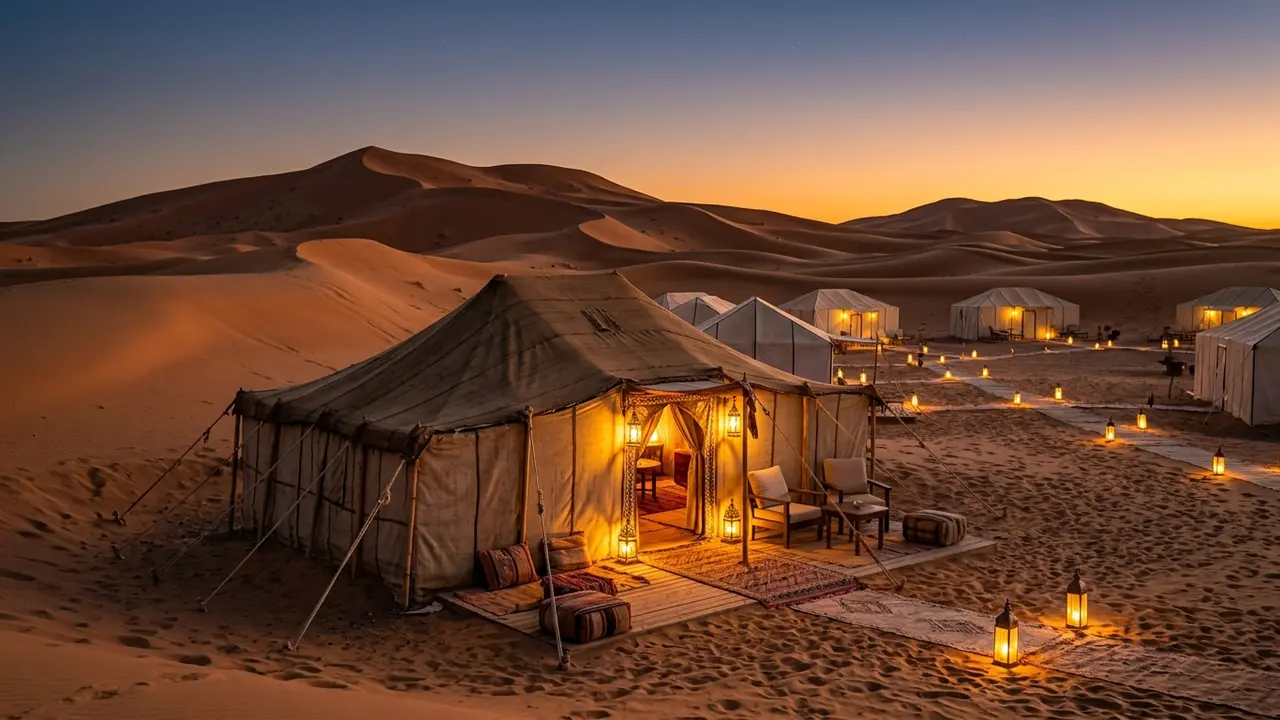
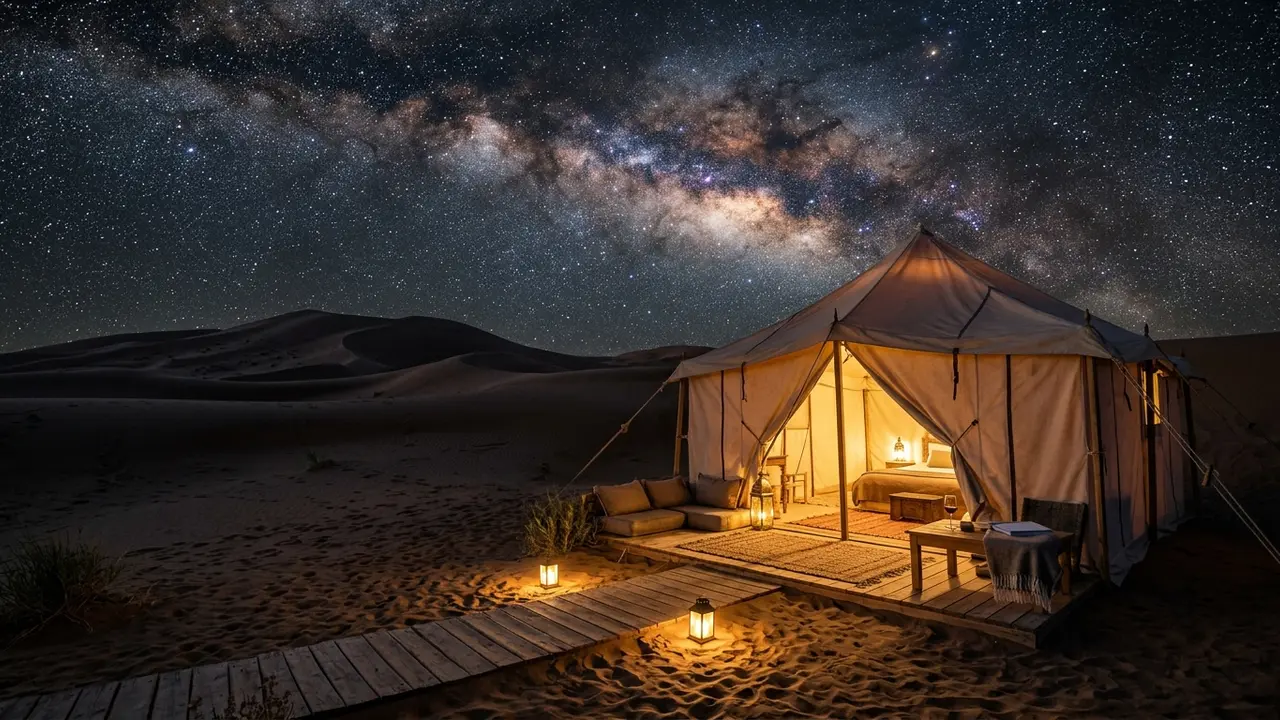
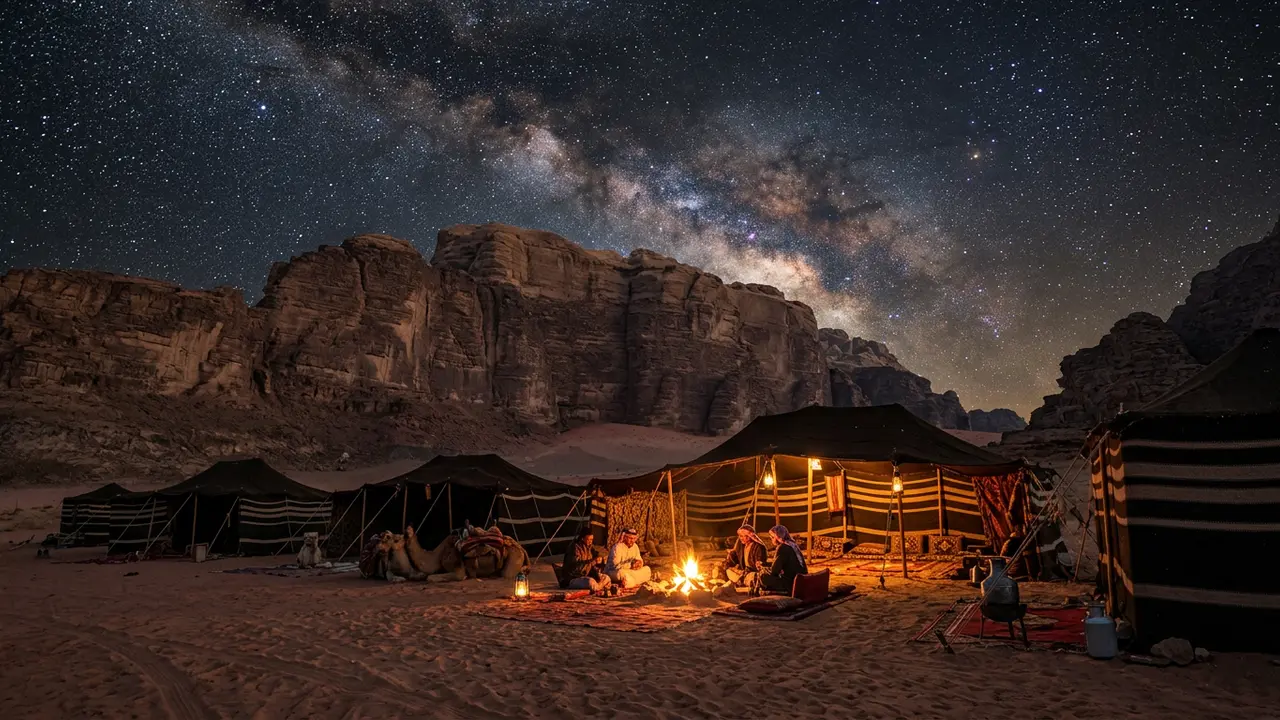
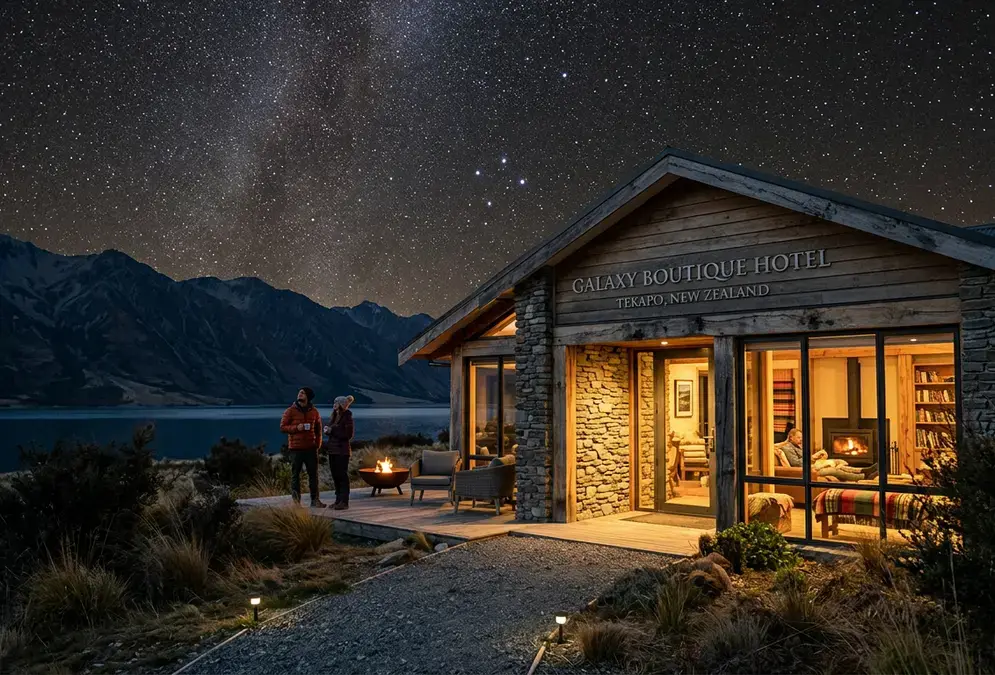
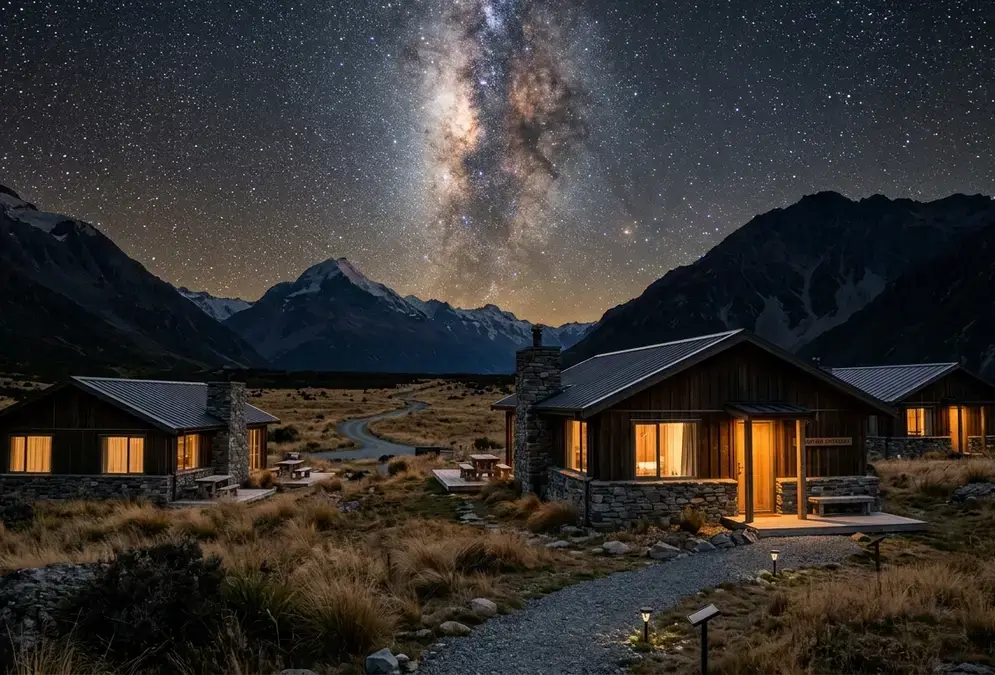
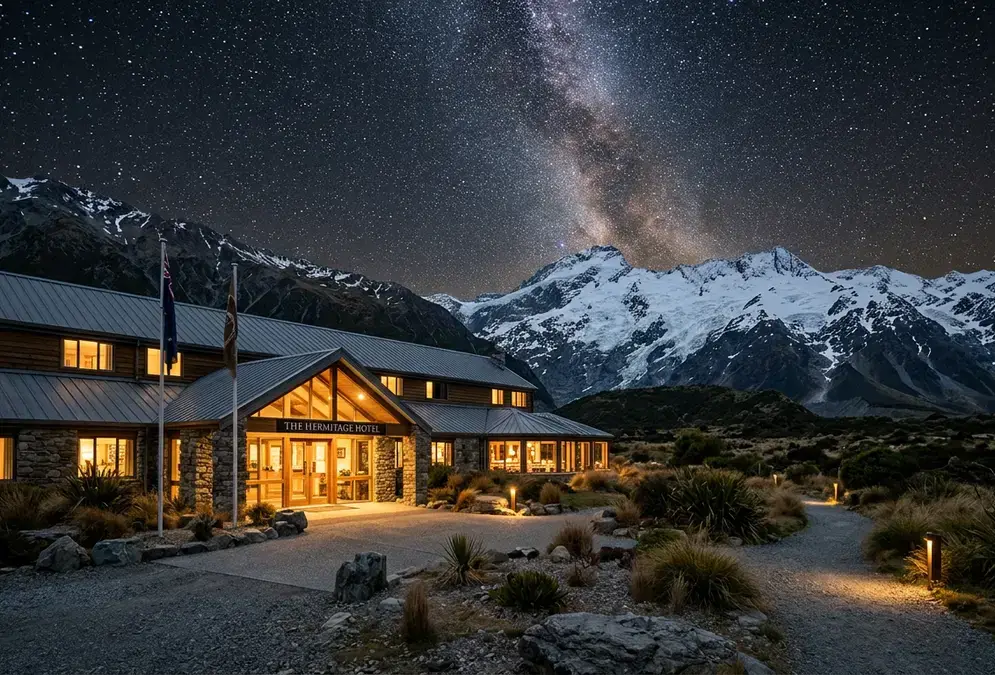
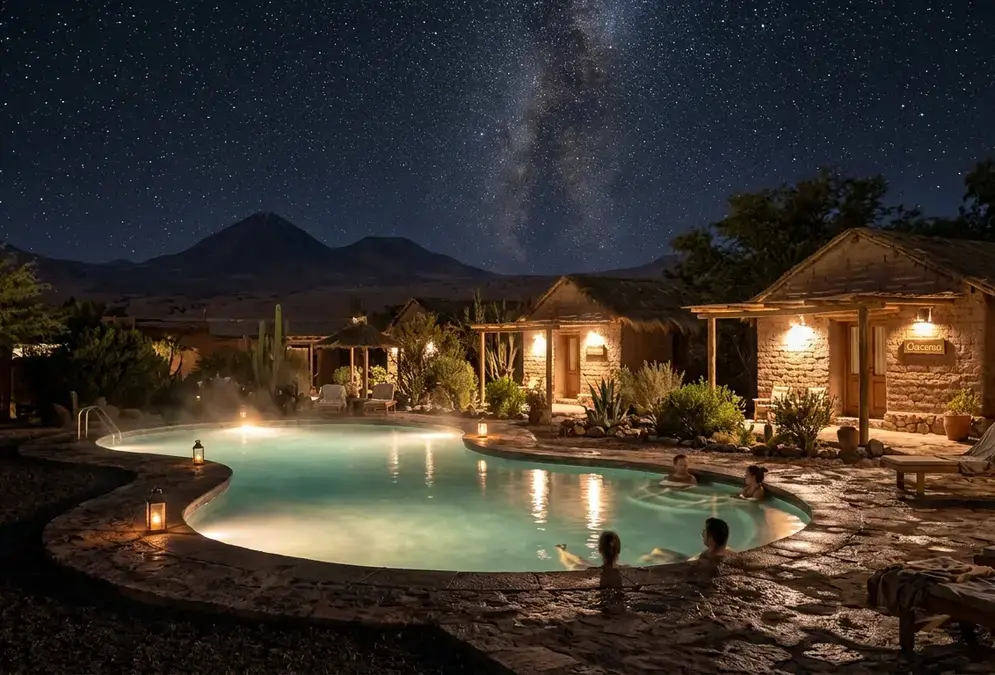
A dark-sky lodge is not just a hotel with a nice view. It is a place chosen for what happens after the sun goes down: a genuinely dark sky overhead, usually Bortle 1 to 4, and a property that protects it instead of fighting it with floodlit parking lots and unshielded porch lights. The best ones sit far enough from town glow that your eyes actually adjust, and they know it, because they curfew or shield their own outdoor lighting after dusk.

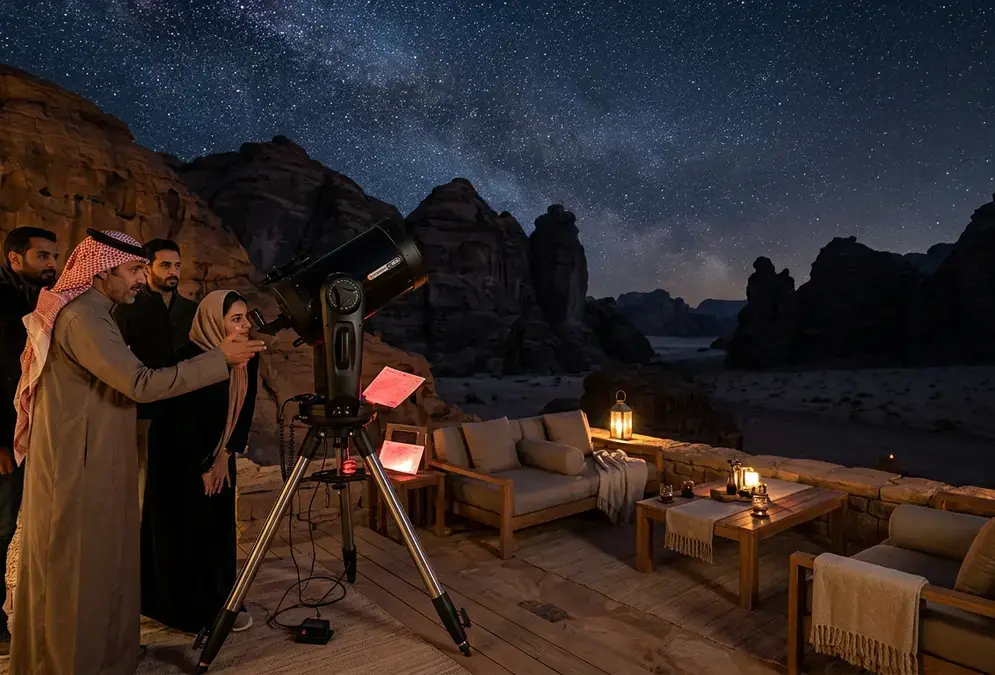
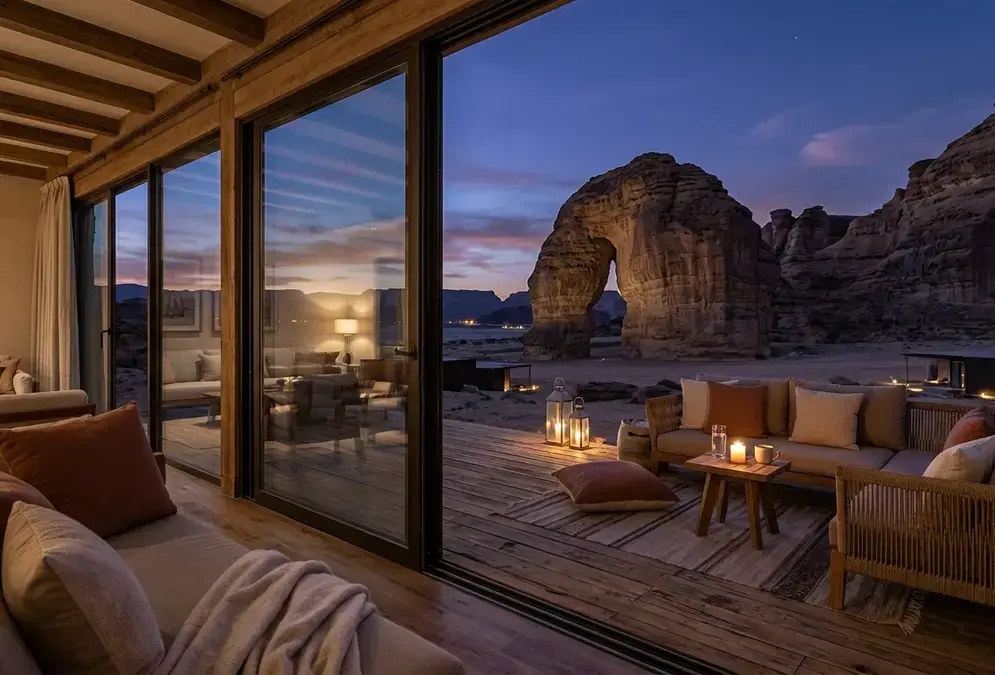
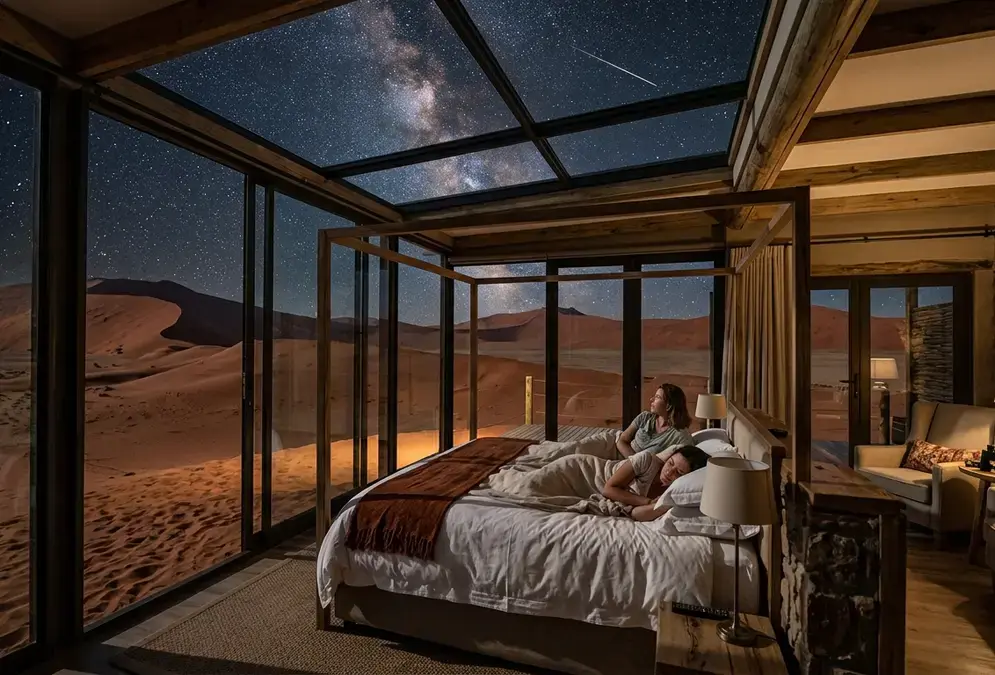
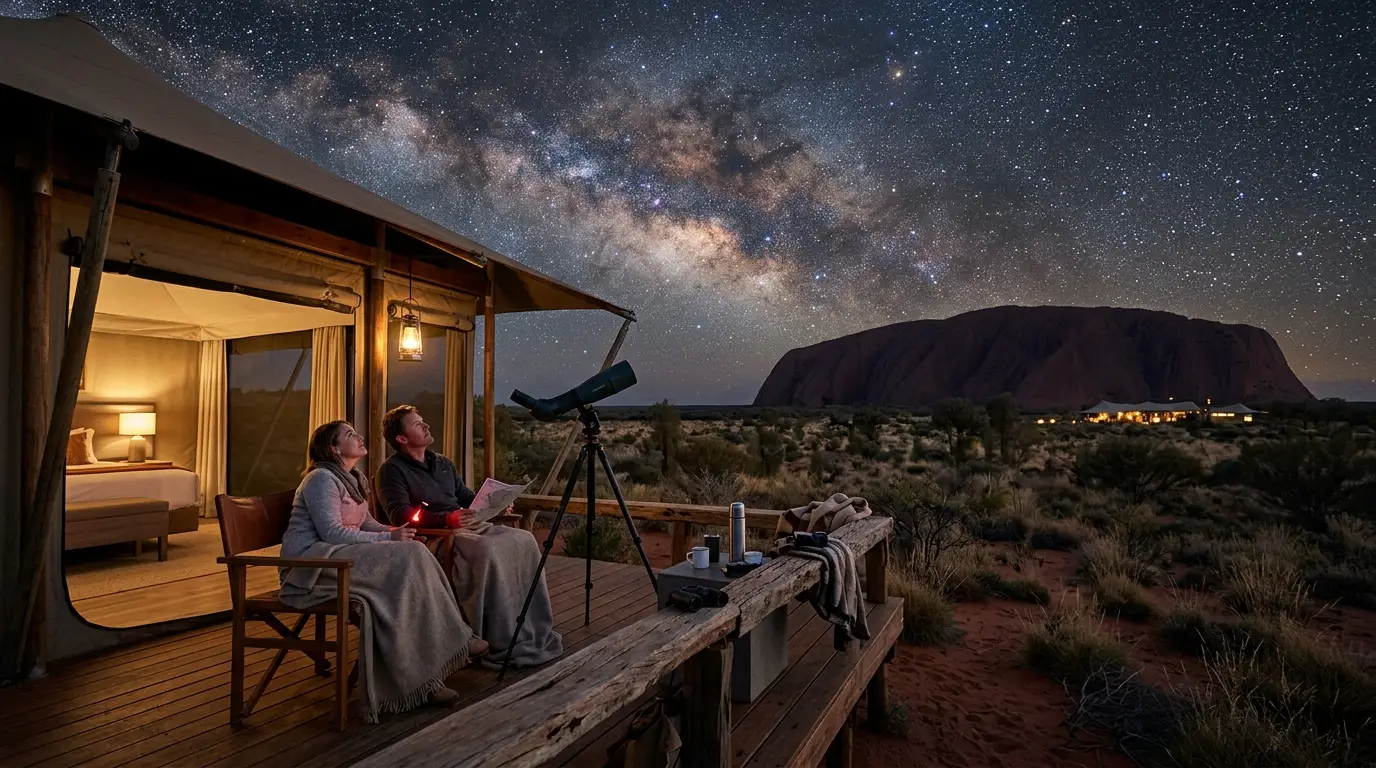
What separates a good dark-sky stay from a lucky one is access. A glass roof over the bed, a private deck angled at the horizon, an on-site telescope with someone who knows how to use it: these turn a dark sky into an evening you can actually plan around, instead of a hope that the porch light stays off and the clouds stay away.
Start with one question

Aurora or Milky Way?

The two trips barely overlap: opposite latitudes, opposite seasons, opposite lodges. Pick the sky you are chasing and start there.

Not sure? Answer 3 questions
1. Which sky are you chasing?
2. What is a night worth to you?
3. What kind of stay?

The editor's shortlist

Our one pick for each kind of traveller

Honest verdicts, not a sponsored ranking. One lodge per intent, and the real reason it wins.

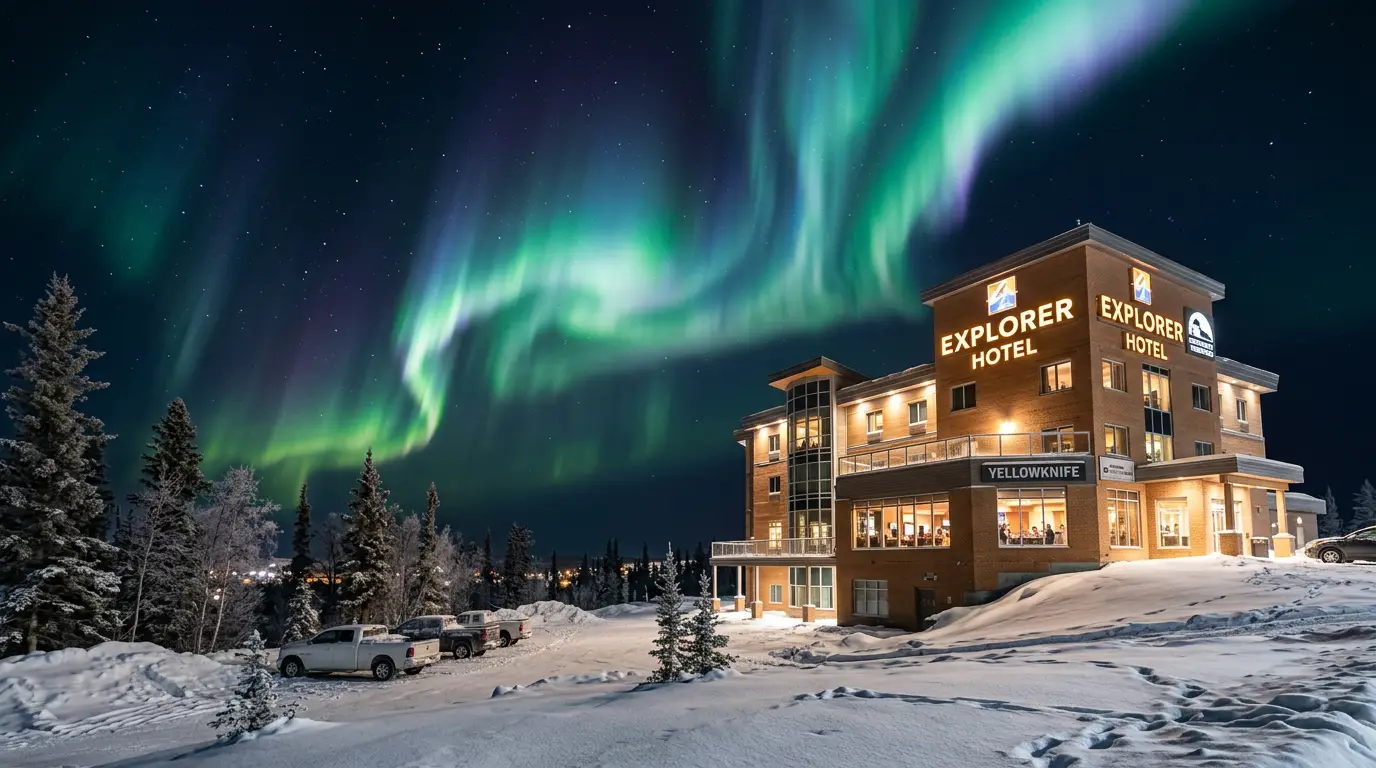
Best first aurora trip

The Explorer Hotel

Yellowknife's aurora hits 83% of nights, and this downtown hotel gets you there without a bush plane or a guide.

$$ · CAD $180–$350/night depending on room type and season — check Booking.com for live rates and free cancellation 4.1 (1,322)
View lodge

Best glass igloo or dome

Kakslauttanen Arctic Resort

Every Finnish glass igloo copies this one from 1973; skip the standard dome and pay up for the Kelo-Glass room.

$$$$ · from €424/night 4.1 (1,414)
View lodge

Best for astrophotographers

Explora Atacama

A real 16-inch telescope included nightly under Bortle 1-2 skies, no upsell, though the all-inclusive pace can crowd out solo shooting time.

$$$$ · all-inclusive from ~USD 700 PPPN (indicative 2025) 4.6 (340)
View lodge

Best budget pick

Pike's Waterfront Lodge

Cheapest full-service aurora lodge in Fairbanks, with a free heated glass room and wake-up calls, though airport lights dim the fainter displays.

$$ · $109-250/night (2026) 4.4 (1,359)
View lodge

Best family base

Chena Hot Springs Resort

A geothermal pool keeps kids happy between aurora checks, and 5,789 reviews back it up, though the ice museum costs extra.

$$$ · $169-300+/night (2026) 4.2 (5,789)
View lodge

Best pure-darkness splurge

Kwessi Dunes

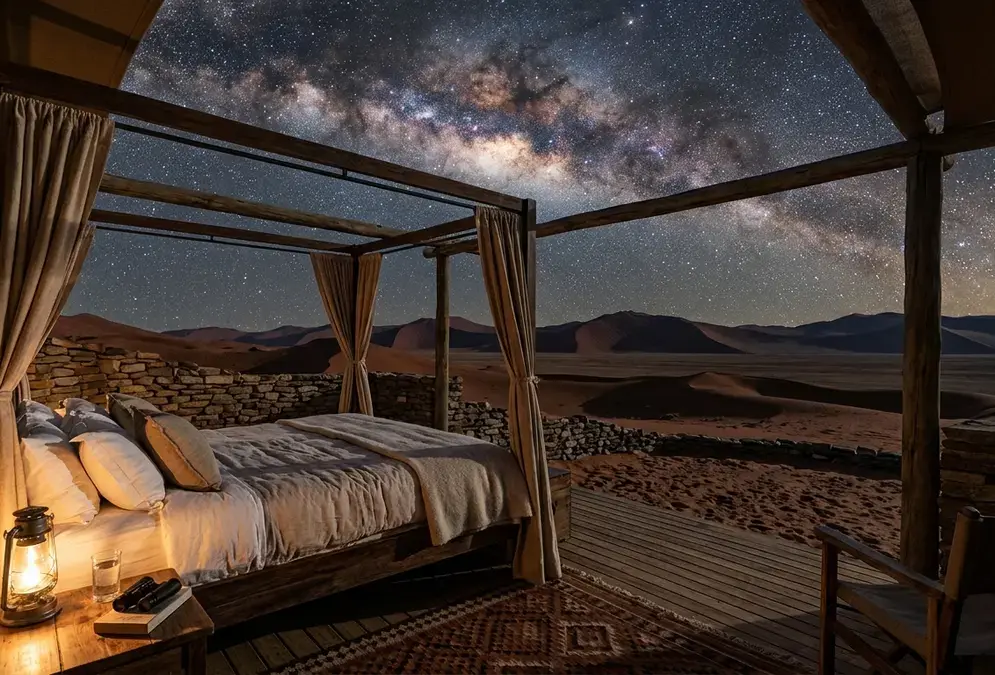
Every chalet has its own open-air star-gazer bedroom inside NamibRand's Gold Tier dark sky, priced like the splurge it is.

NAD 10,845–20,495 per night (all-inclusive)
View lodge

Easiest to reach / most accessible

NamibRand Family Hideout

Wheelchair-accessible Jupiter campsite and a normal 2x4 gets you into NamibRand's Gold Tier dark sky, no charter flight or 4x4 required.

Price on request · not published on the official site or third-party listings
View lodge

One pick per kind of trip

Our single strongest lodge for each intent, side by side.

  • Night Sky Cottages

    Boutique Dark-Sky Inns · Bortle 1–2

    Best overall
    From
    $$$ · from ~USD 220/night (Kahu Cottage, indicative — rates not published; compare Airbnb, Bookabach, and Expedia for current 2026 pricing)
    Why it stands out
    Cedar-clad gas-heated hot tub positioned for a straight-up night-sky view, no roofline or glass in the way
  • A Taste of Alaska Lodge

    Boutique Dark-Sky Inns · Bortle 3–5

    Top aurora
    From
    $$ · rates not published by the property — check Booking.com or Expedia for live pricing (indicative from ~$159/night, unconfirmed)
    Why it stands out
    Northern Lights alarm service — staff track geomagnetic activity and alert guests when the aurora is active
  • Casa El Colmenero

    Remote Rural Lodges · Bortle 1–2

    Top Milky Way
    From
    $ · from ~€31/person/night
    Why it stands out
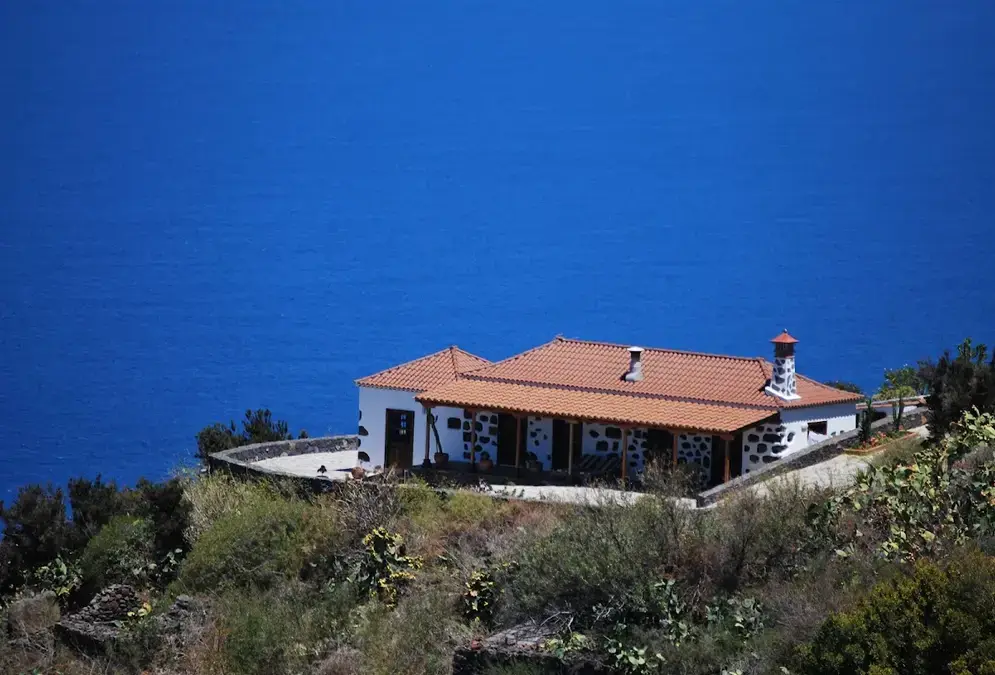
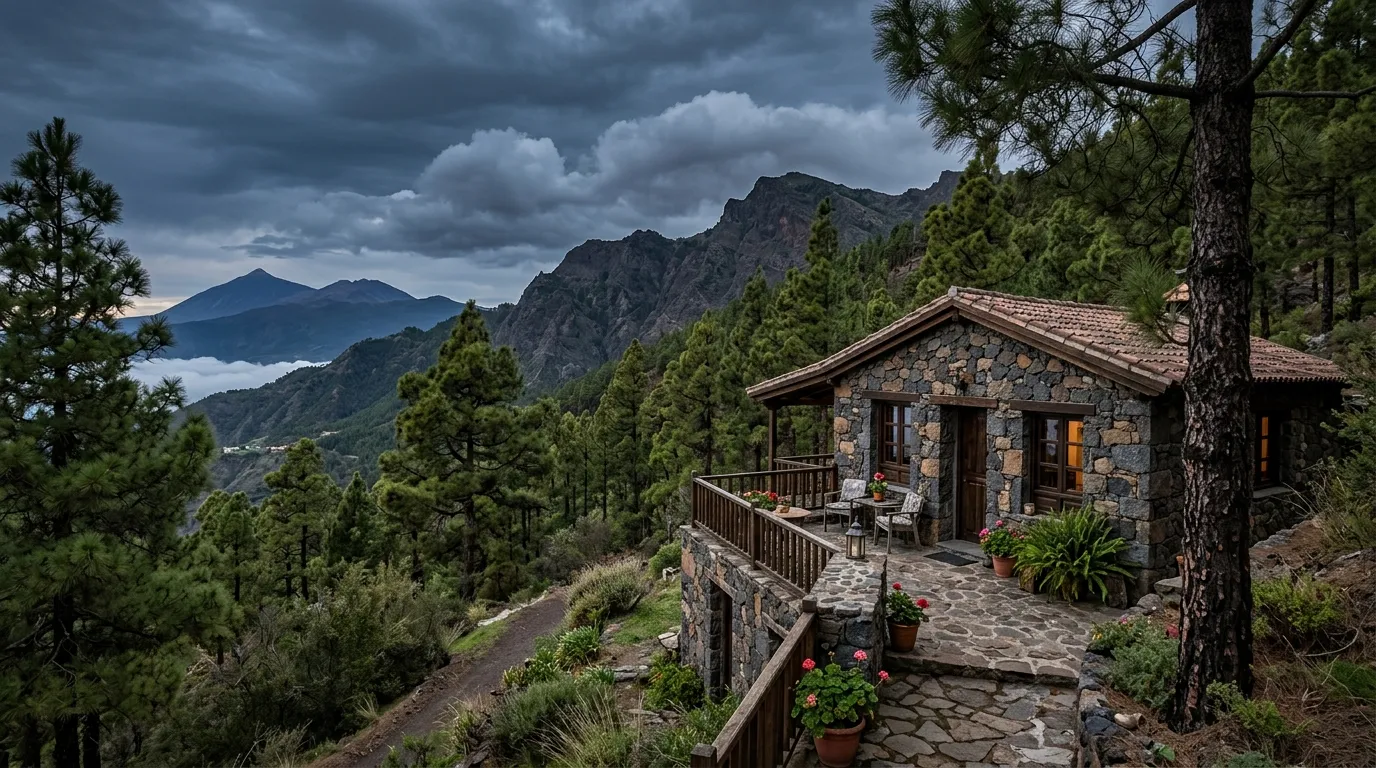
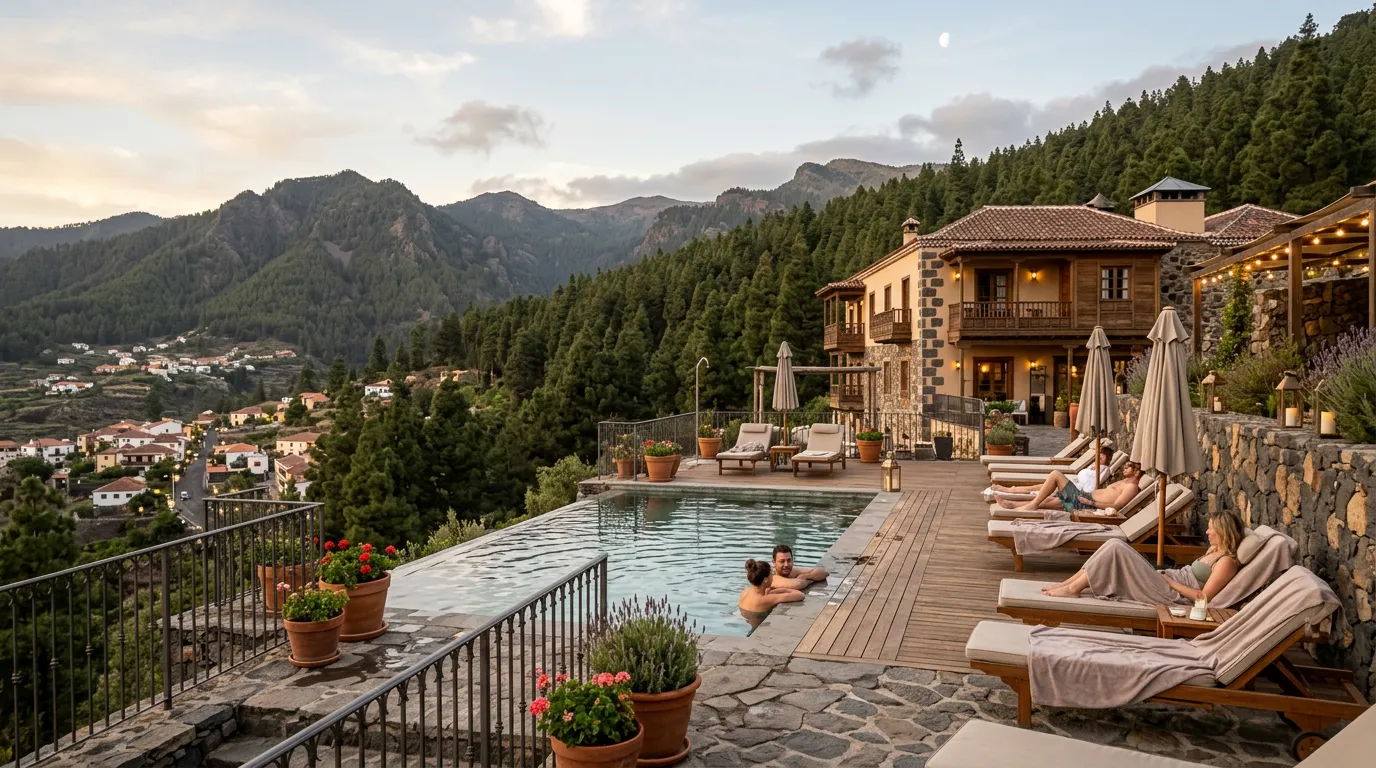
    Sits at 1,042 m above the Atlantic trade-wind cloud inversion layer that keeps La Palma's summit skies clear
  • Casa Rural Las Llanadas

    Budget Dark-Sky Stays · Bortle 2–3

    Best budget
    From
    $ · from €72/night
    Why it stands out
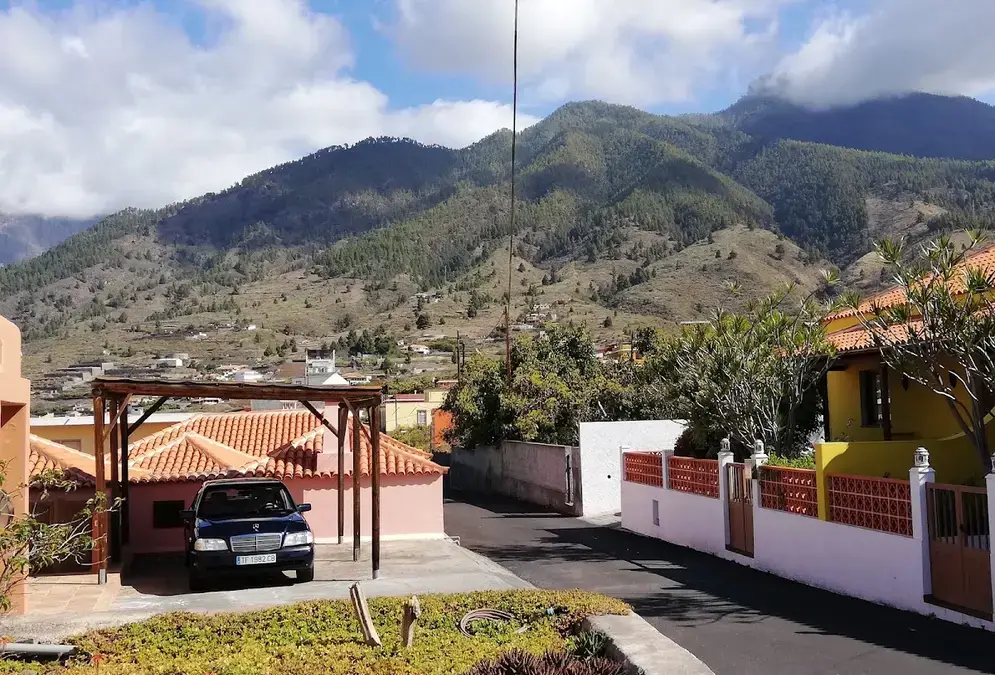
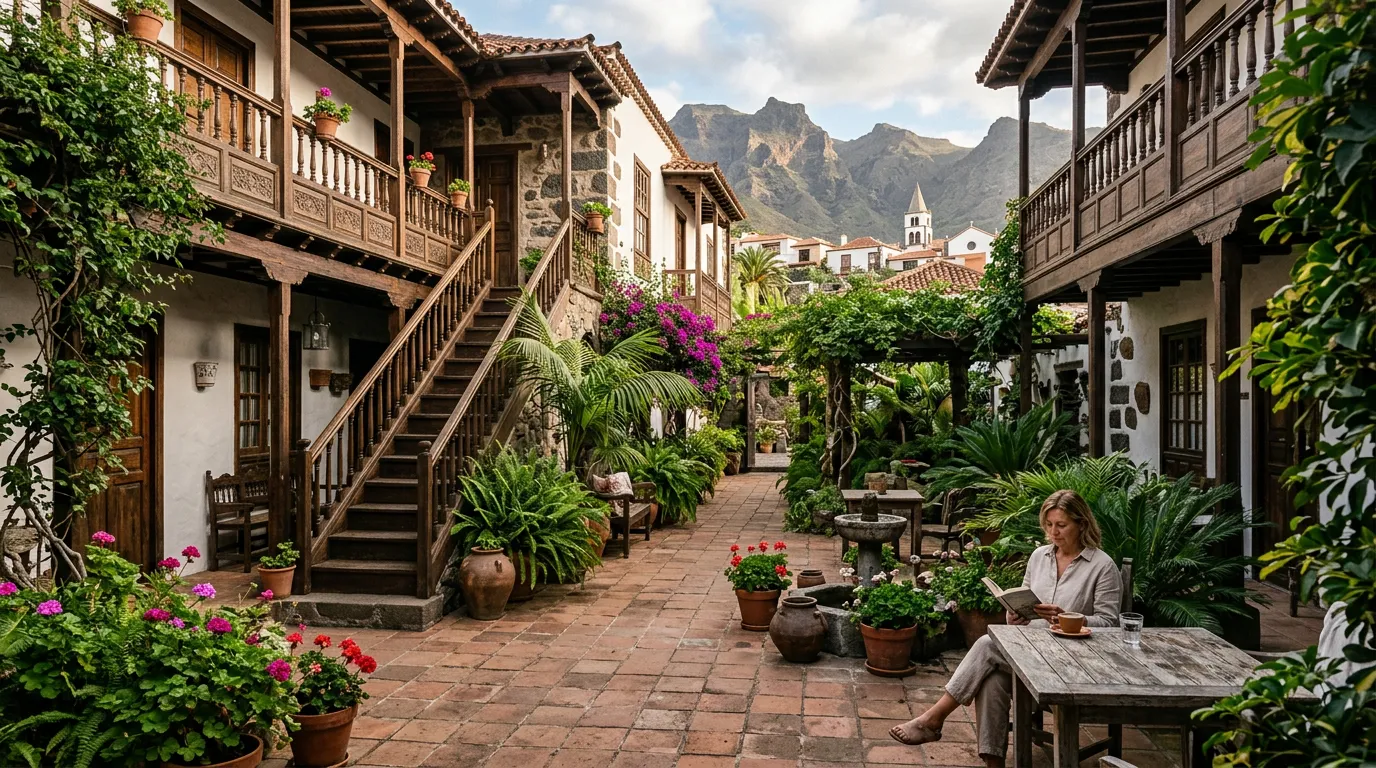
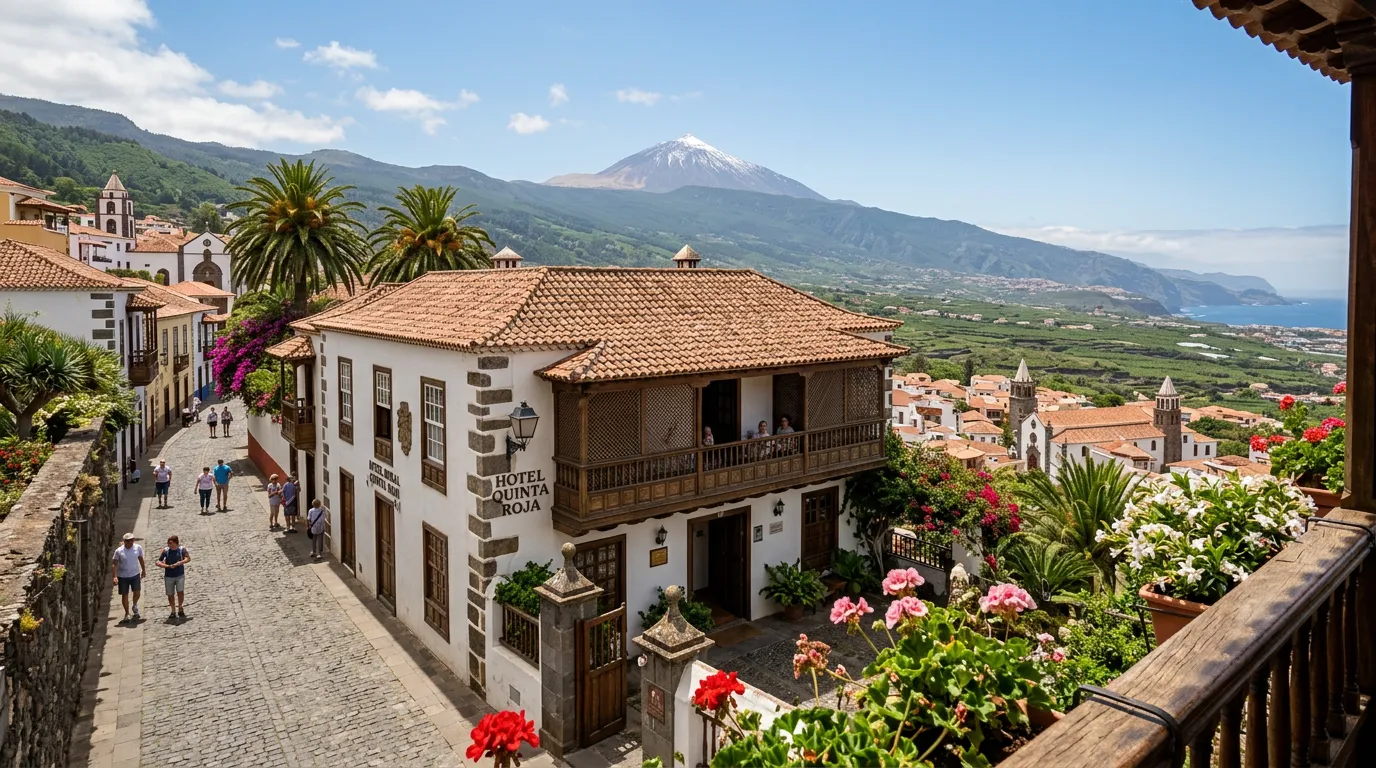
    Realejo Alto laurel-forest setting inside Parque Natural Chanajiga, roughly 891 m altitude on Tenerife's humid north slope
  • Æra Panorama Glass Lodge

    Glamping & Camps · Bortle 3–4

    Best glamping
    From
    $$$
    Why it stands out
    Glass ceiling from head to toe — aurora borealis visible from bed without sitting up

What a dark-sky night costs

Every 93 lodges by nightly starting price. Tap a bar to filter the browser below.

15 Under €100 37 €100–€200 23 €200–€400 18 €400+
15 lodges Under €100. 37 lodges €100–€200. 23 lodges €200–€400. 18 lodges €400+.

A dark-sky lodge does not have to cost a fortune. Price mostly tracks comfort and remoteness, not sky quality: of our 93 lodges, 15 sit under €100 a night, the cheapest around €20, and 56% come in under €200 (median €169). Some Bortle 1 desert camps cost less than a mid-range city hotel. Start with budget dark-sky stays, then check planning your trip for timing and logistics.

Median night, by region

  • Atlantic & Pacific Islands €99
  • US Southwest €150
  • Desert Belt €150
  • North American North €175
  • Nordic Aurora Belt €229
  • Southern Skies €330

All 93 lodges, by region

Grouped by where you'd base yourself. Featured stays first, then by guest rating.

Nordic Aurora Belt

Sweden, Finland, Norway and Iceland — high-latitude bases for the northern lights, Sep–Apr.

Abisko Stargazing

Ranked guide

Northern Lights in Finnish Lapland

Ranked guide

Northern Lights in Tromsø

Ranked guide

Northern Lights in Iceland

Ranked guide

North American North

Alaska and northern Canada — long dark winters under the auroral oval.

Fairbanks Northern Lights

Ranked guide

Stargazing in Jasper National Park

Ranked guide

US Southwest

America’s certified dark-sky parks — desert skies and Milky Way season, Apr–Sep.

Stargazing in Bryce Canyon National Park

Ranked guide

Big Bend National Park

Ranked guide

Atlantic & Pacific Islands

Canary Islands and Hawaii — high-altitude island observatories above the cloud layer.

La Palma Stargazing

Ranked guide

Tenerife Stargazing

Ranked guide

Desert Belt

Sahara, Arabian and Jordanian deserts — dry, high, and Bortle 1 once the sun drops.

AlUla Stargazing

Ranked guide

Merzouga Stargazing

Ranked guide

Southern Skies

New Zealand, Chile, Namibia and Australia — the Magellanic Clouds and the galactic core overhead.

Aoraki Mackenzie Stargazing

Ranked guide

NamibRand Nature Reserve

Ranked guide

When to go, by destination

The sky does not care about school holidays or long weekends, so here is when each region actually delivers its clearest, darkest nights.

Abisko Stargazing
  • January: Peak
  • February: Peak
  • March: Peak
  • April: Fair
  • May: Off-season
  • June: Off-season
  • July: Off-season
  • August: Fair
  • September: Good
  • October: Good
  • November: Peak
  • December: Peak
AlUla Stargazing
  • January: Peak
  • February: Peak
  • March: Peak
  • April: Good
  • May: Good
  • June: Fair
  • July: Fair
  • August: Off-season
  • September: Fair
  • October: Peak
  • November: Peak
  • December: Good
Aoraki Mackenzie Stargazing
  • January: Good
  • February: Good
  • March: Good
  • April: Fair
  • May: Good
  • June: Peak
  • July: Peak
  • August: Peak
  • September: Good
  • October: Fair
  • November: Fair
  • December: Good
Atacama Desert Stargazing
  • January: Fair
  • February: Fair
  • March: Good
  • April: Peak
  • May: Peak
  • June: Peak
  • July: Peak
  • August: Peak
  • September: Peak
  • October: Good
  • November: Good
  • December: Good
Big Bend National Park
  • January: Peak
  • February: Peak
  • March: Peak
  • April: Good
  • May: Fair
  • June: Fair
  • July: Off-season
  • August: Off-season
  • September: Fair
  • October: Peak
  • November: Peak
  • December: Peak
Stargazing in Bryce Canyon National Park
  • January: Fair
  • February: Fair
  • March: Good
  • April: Good
  • May: Peak
  • June: Good
  • July: Fair
  • August: Fair
  • September: Peak
  • October: Peak
  • November: Good
  • December: Fair
Death Valley
  • January: Peak
  • February: Peak
  • March: Peak
  • April: Good
  • May: Good
  • June: Fair
  • July: Fair
  • August: Fair
  • September: Fair
  • October: Good
  • November: Peak
  • December: Peak
Fairbanks Northern Lights
  • January: Peak
  • February: Peak
  • March: Peak
  • April: Good
  • May: Off-season
  • June: Off-season
  • July: Off-season
  • August: Fair
  • September: Good
  • October: Good
  • November: Peak
  • December: Peak
Northern Lights in Finnish Lapland
  • January: Peak
  • February: Peak
  • March: Peak
  • April: Fair
  • May: Off-season
  • June: Off-season
  • July: Off-season
  • August: Fair
  • September: Peak
  • October: Peak
  • November: Good
  • December: Peak
Northern Lights in Iceland
  • January: Peak
  • February: Peak
  • March: Peak
  • April: Good
  • May: Off-season
  • June: Off-season
  • July: Off-season
  • August: Fair
  • September: Good
  • October: Peak
  • November: Good
  • December: Peak
Stargazing in Jasper National Park
  • January: Good
  • February: Good
  • March: Good
  • April: Fair
  • May: Fair
  • June: Off-season
  • July: Off-season
  • August: Fair
  • September: Good
  • October: Peak
  • November: Peak
  • December: Good
Joshua Tree National Park
  • January: Good
  • February: Good
  • March: Peak
  • April: Good
  • May: Peak
  • June: Good
  • July: Fair
  • August: Good
  • September: Peak
  • October: Peak
  • November: Good
  • December: Good
La Palma Stargazing
  • January: Fair
  • February: Fair
  • March: Good
  • April: Good
  • May: Peak
  • June: Peak
  • July: Peak
  • August: Peak
  • September: Peak
  • October: Good
  • November: Fair
  • December: Good
Mauna Kea
  • January: Fair
  • February: Fair
  • March: Fair
  • April: Peak
  • May: Peak
  • June: Good
  • July: Good
  • August: Fair
  • September: Good
  • October: Peak
  • November: Good
  • December: Fair
Merzouga Stargazing
  • January: Peak
  • February: Peak
  • March: Good
  • April: Fair
  • May: Fair
  • June: Off-season
  • July: Off-season
  • August: Off-season
  • September: Fair
  • October: Good
  • November: Peak
  • December: Peak
NamibRand Nature Reserve
  • January: Fair
  • February: Fair
  • March: Good
  • April: Good
  • May: Good
  • June: Peak
  • July: Peak
  • August: Peak
  • September: Good
  • October: Fair
  • November: Fair
  • December: Fair
Tenerife Stargazing
  • January: Good
  • February: Good
  • March: Good
  • April: Good
  • May: Peak
  • June: Peak
  • July: Peak
  • August: Peak
  • September: Peak
  • October: Good
  • November: Fair
  • December: Good
Northern Lights in Tromsø
  • January: Peak
  • February: Peak
  • March: Good
  • April: Fair
  • May: Off-season
  • June: Off-season
  • July: Off-season
  • August: Fair
  • September: Good
  • October: Good
  • November: Peak
  • December: Peak
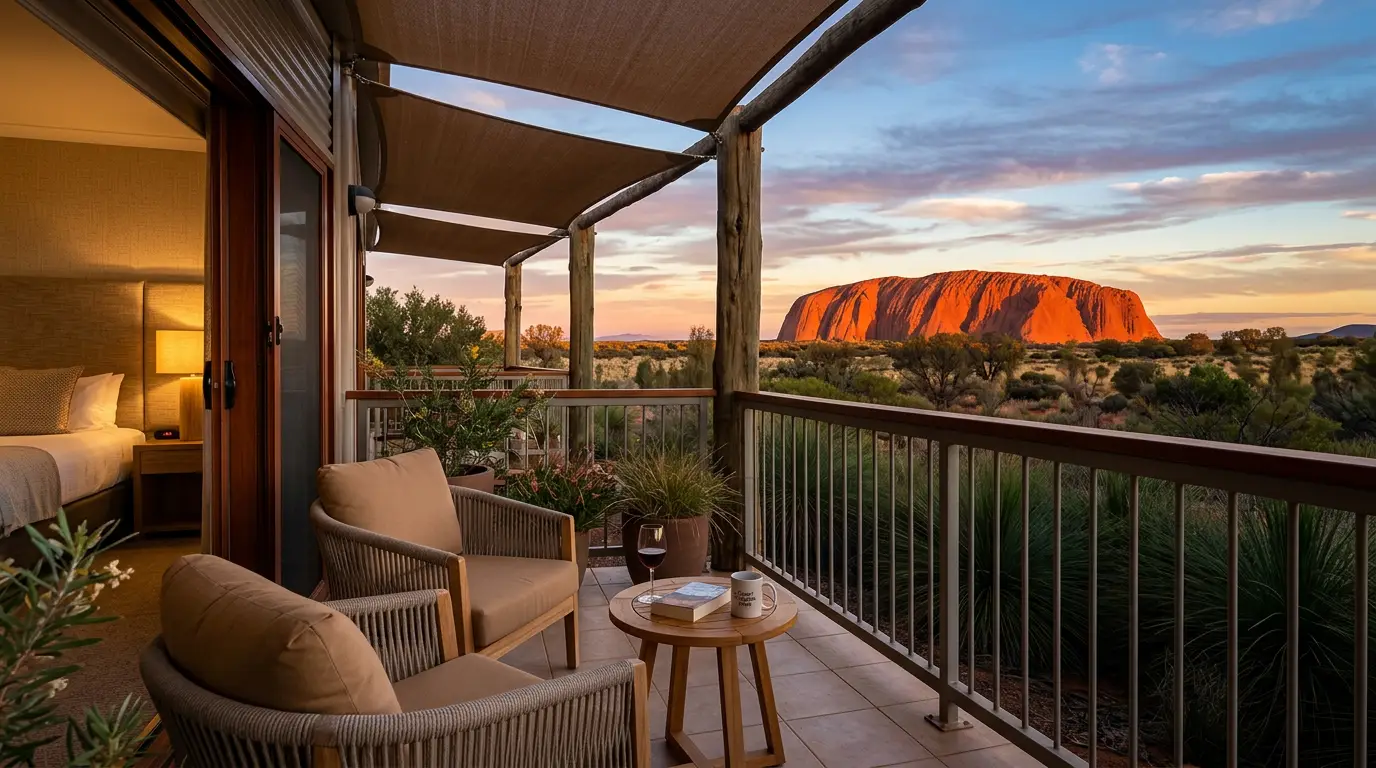
Uluru
  • January: Fair
  • February: Fair
  • March: Good
  • April: Peak
  • May: Peak
  • June: Peak
  • July: Peak
  • August: Peak
  • September: Peak
  • October: Good
  • November: Fair
  • December: Fair
Wadi Rum
  • January: Fair
  • February: Good
  • March: Peak
  • April: Peak
  • May: Good
  • June: Fair
  • July: Fair
  • August: Fair
  • September: Good
  • October: Peak
  • November: Peak
  • December: Fair
Yellowknife Northern Lights
  • January: Peak
  • February: Peak
  • March: Peak
  • April: Fair
  • May: Off-season
  • June: Off-season
  • July: Off-season
  • August: Good
  • September: Peak
  • October: Good
  • November: Good
  • December: Peak
Off-season Fair Good Peak

How we choose these lodges

Every lodge on this list is checked against three things before it earns a place: measured distance from the nearest significant light source, not marketing copy claiming "dark skies nearby"; verified shielded or curfewed outdoor lighting on the property itself; and honest sky access, whether that is a glass ceiling, a telescope deck, or simply a short unlit walk to open horizon. We are upfront about trade-offs. A Bortle 1 desert camp with the clearest sky on this site might mean a pit toilet and no power after 10pm. A comfortable hotel with room service might mean a 20-minute drive to get past its own town's glow. Neither is wrong. You should just know which one you are booking.

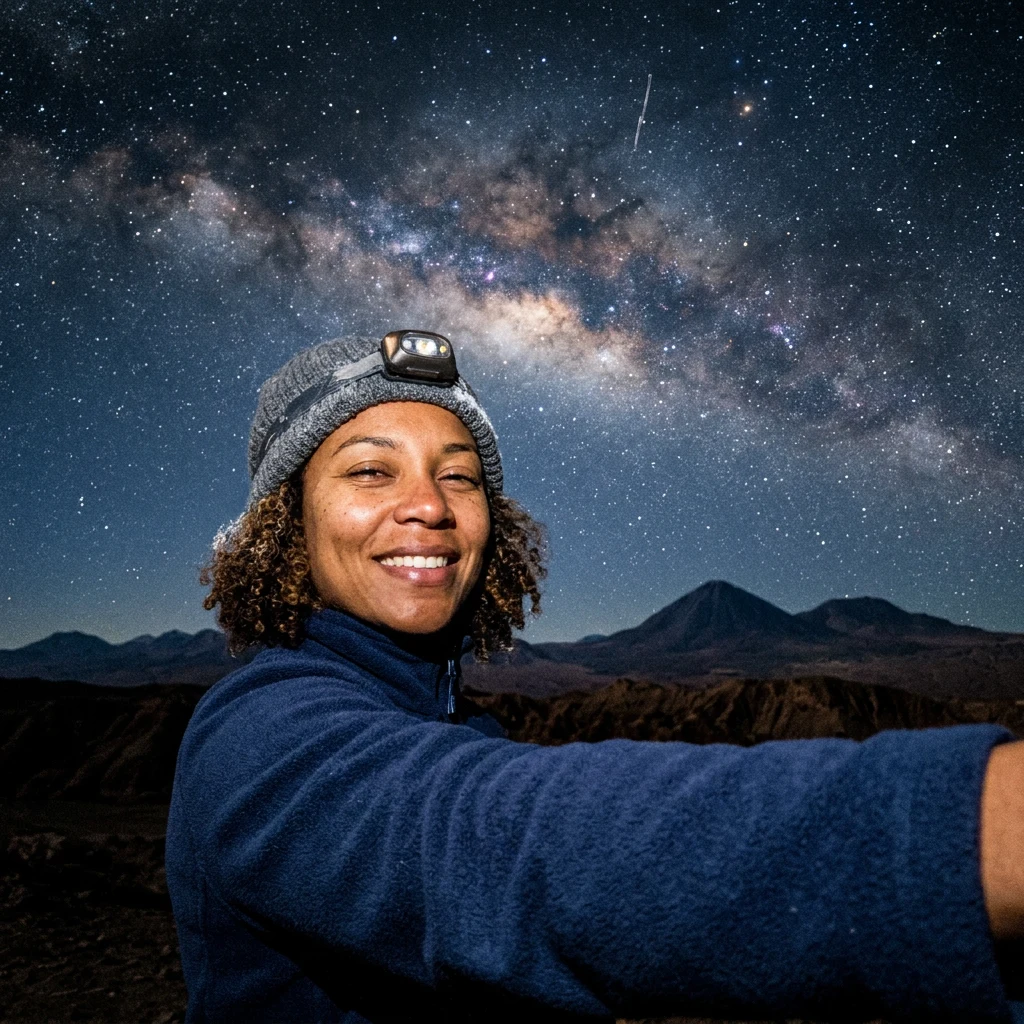
Portrait of Maya Okonkwo

Curated by

Maya Okonkwo

Maya Okonkwo has spent a decade chasing dark skies, from the Atacama altiplano in Chile to the Arctic coast of Norway, camera and tripod in the back of a rental car more nights than not. She's the editor and lead researcher at Dark Skies Atlas, where she reads the Kp index and moon-phase calendars to answer the question most stargazing guides skip: when, exactly, should you go. Her destination guides cover dark-sky parks across North America, Europe, and Oceania, with honest assessments of light pollution, weather windows, and accessibility — the same trade-offs she's weighed on her own trips. She vets lodges and tours for people planning their first real look at the Milky Way or aurora borealis, writing about what actually works rather than selling an experience. Her work also covers stargazing gear she's tested in the field, aurora forecasting for northern destinations, and practical trip-planning advice for independent travellers.

dark-sky destinations aurora forecasting astrophotography for beginners trip planning stargazing gear
View profile

Frequently asked questions

What actually makes a hotel a dark-sky lodge?

Three things: a measurably dark sky overhead, usually Bortle 1 to 4, shielded or curfewed outdoor lighting so the property is not undoing its own advantage, and real access to that sky from the room, a deck, or an on-site telescope. A dark-sky designation from a nearby park helps, but it does not replace a lodge actually managing its own lights.

How much does a dark-sky lodge cost?

About 56% of the lodges we track run under €200 a night, and the cheapest options start around €20 for a basic desert camp bed. Glass-roofed suites and lodges with a private observatory sit well above that, often €300 and up, for the convenience of not leaving your room.

Can you actually see the aurora from your room?

At a genuine glass igloo or dome, yes, that is the entire point of the design. At a standard hotel room with a window facing the wrong way, no, and you will be walking outside regardless. Check the room orientation and roof type before assuming your booking includes a view.

Are glass igloos and domes worth the extra cost?

If your priority is seeing the sky without dressing for outdoor cold at 2am, yes, they earn their premium. If you are comfortable stepping outside for ten minutes when the aurora forecast spikes, a standard room near a dark sky does the same job for less money.
Which US national parks have dark-sky lodges?

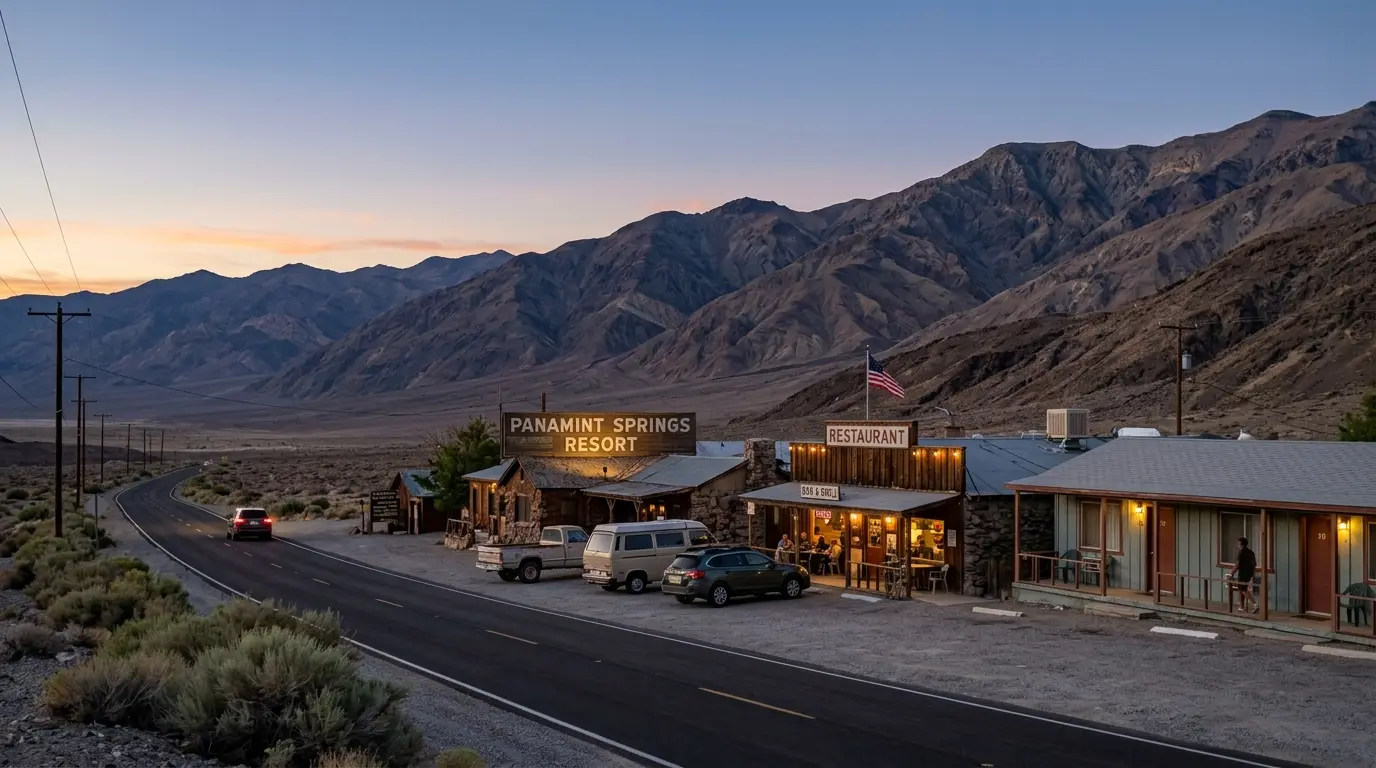
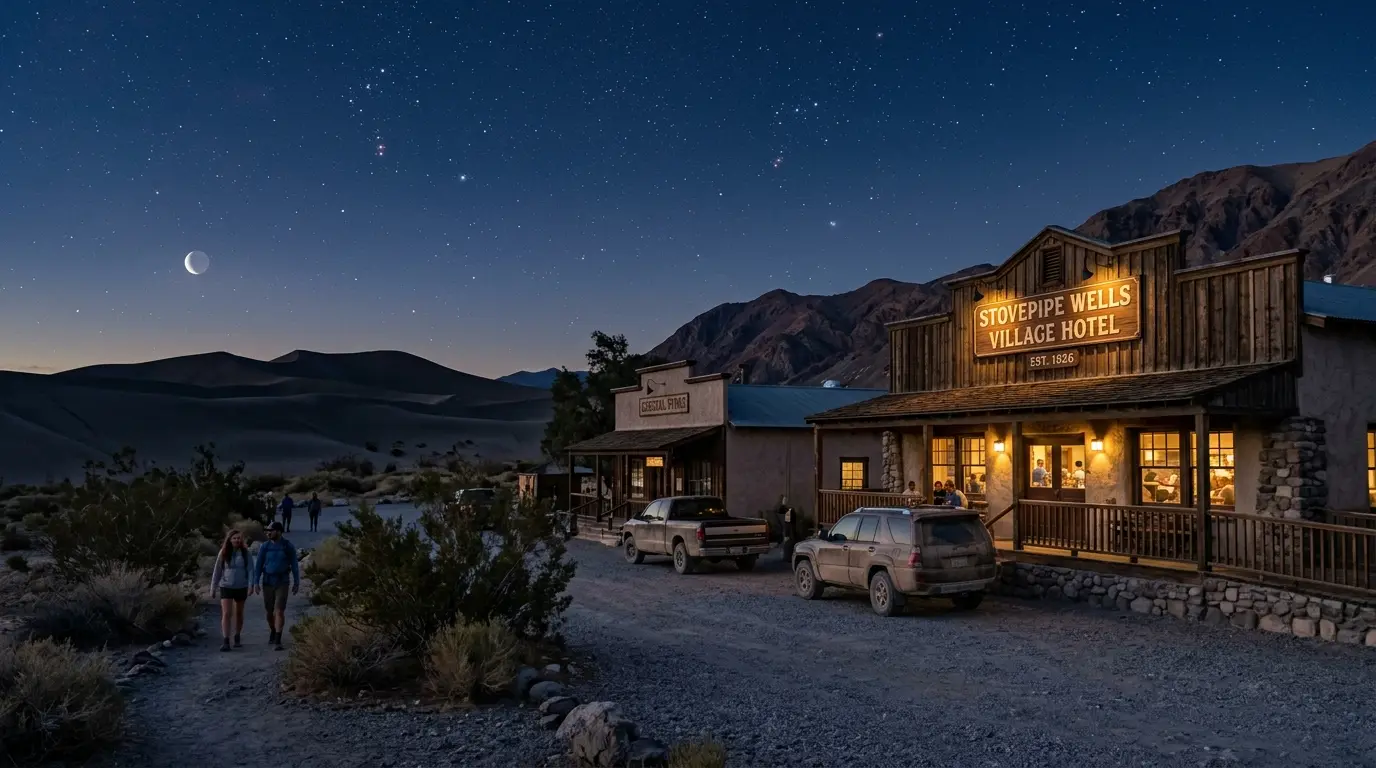
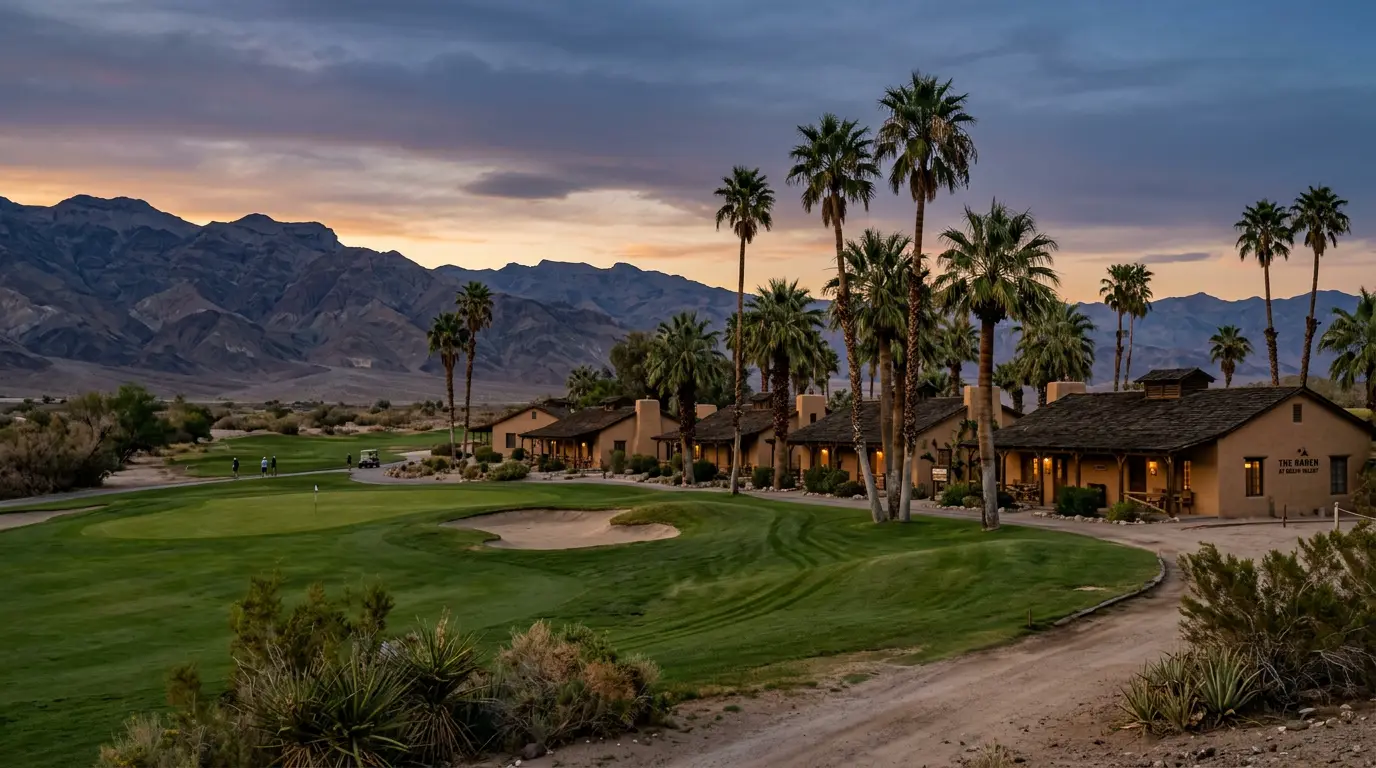
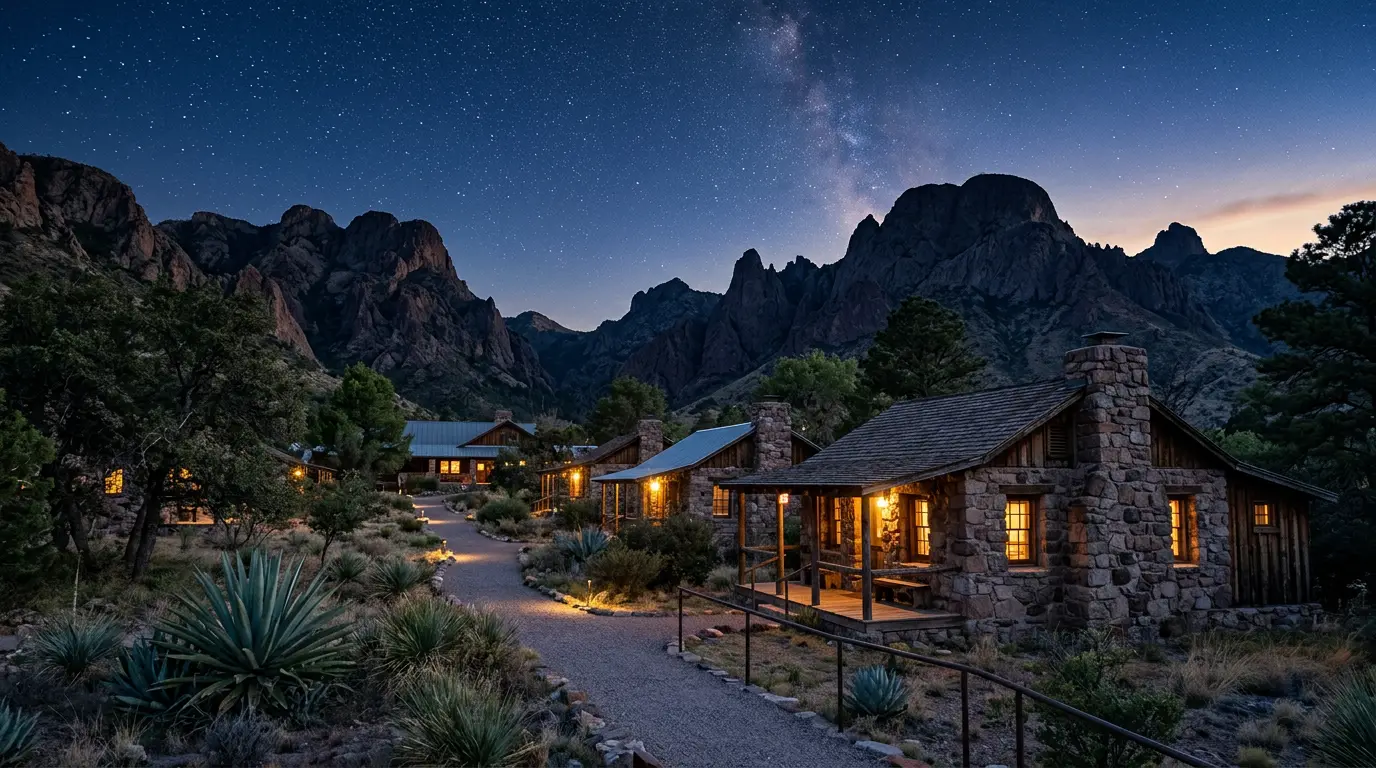
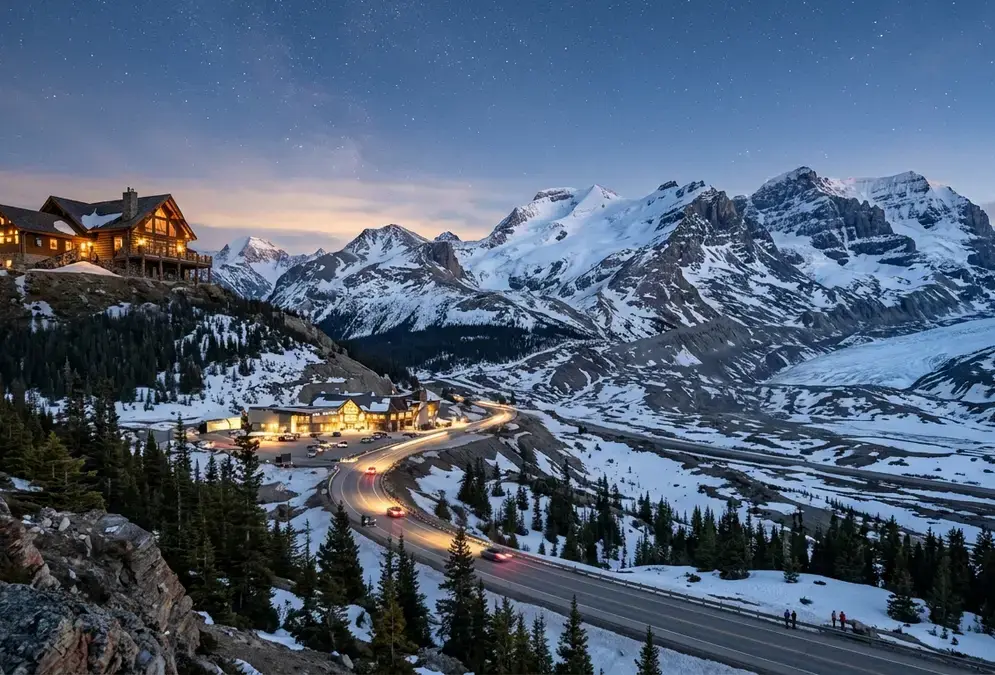
Death Valley, Bryce Canyon, and Big Bend all have on-site or gateway lodging within a short drive of certified or near-certified dark-sky areas, with minimal light pollution once you clear the parking lot. Availability during new-moon weekends books out months ahead in peak season.
When is the best time to book a dark-sky lodge?

For aurora lodges, aim for September through April and check the season's Kp forecasts before locking in dates. For Milky Way lodges, book around the new moon between April and September, when the galactic core clears the horizon after dark. Either way, book three to six months out if you want a specific room type.