Lodges by style

Glass Igloos, Domes & Bubble Stays Worldwide

15 transparent-structure stays worldwide

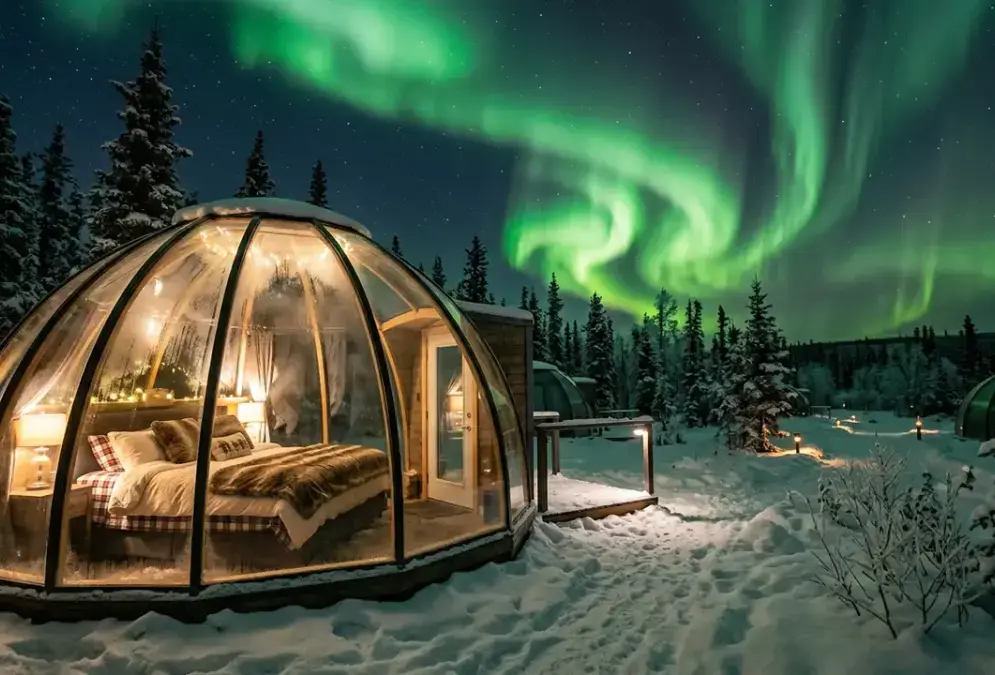
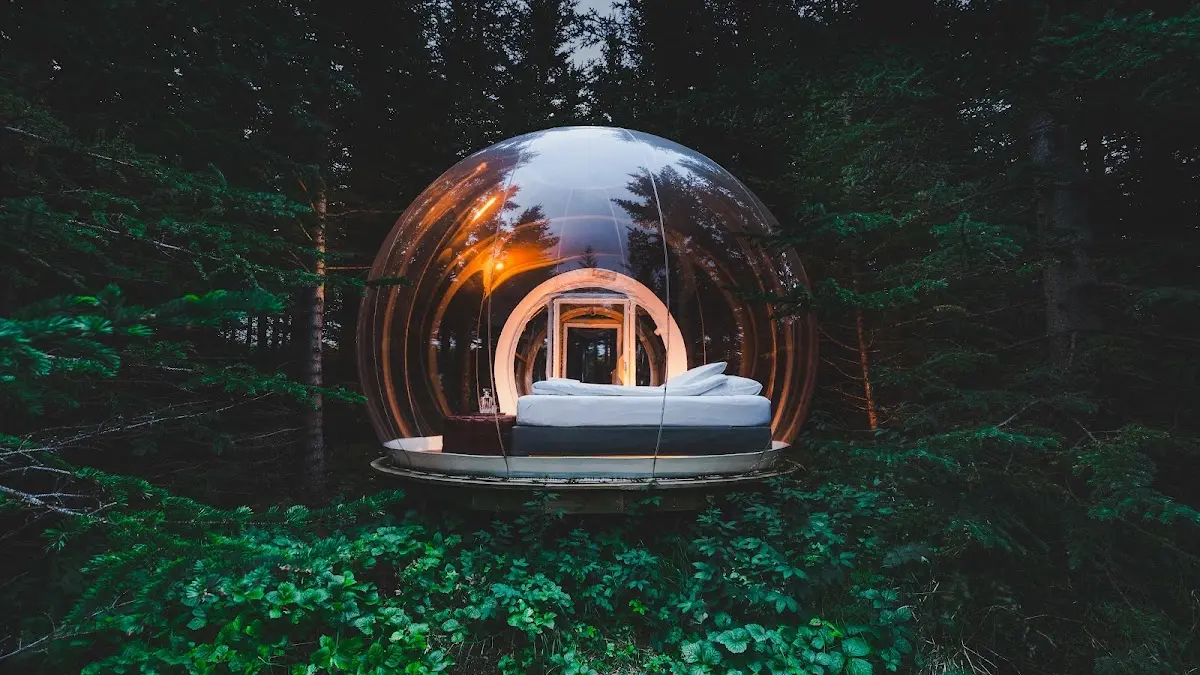
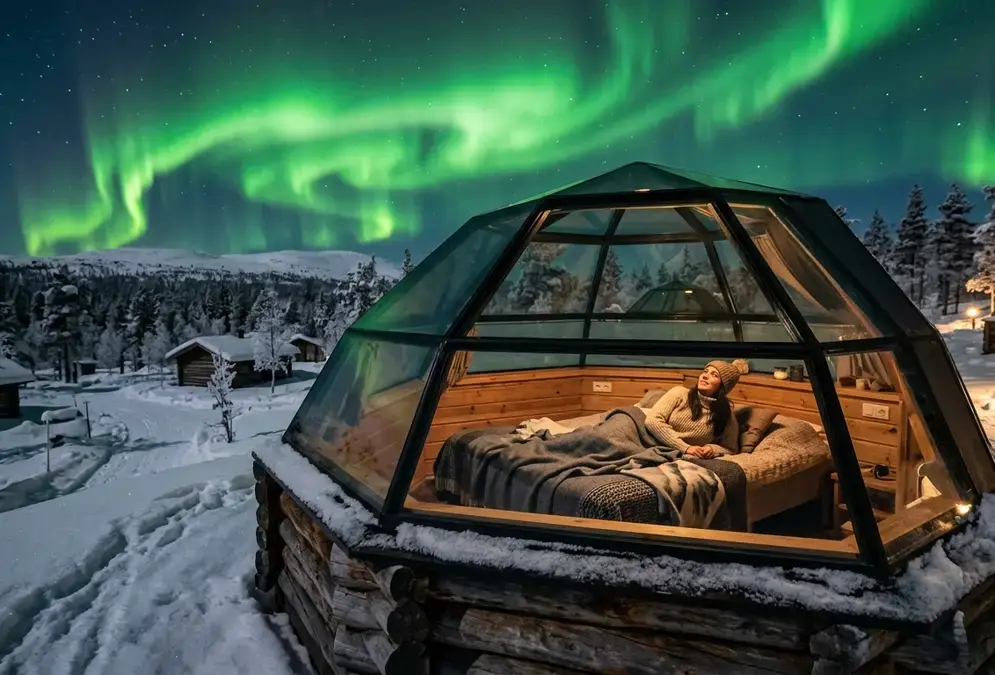
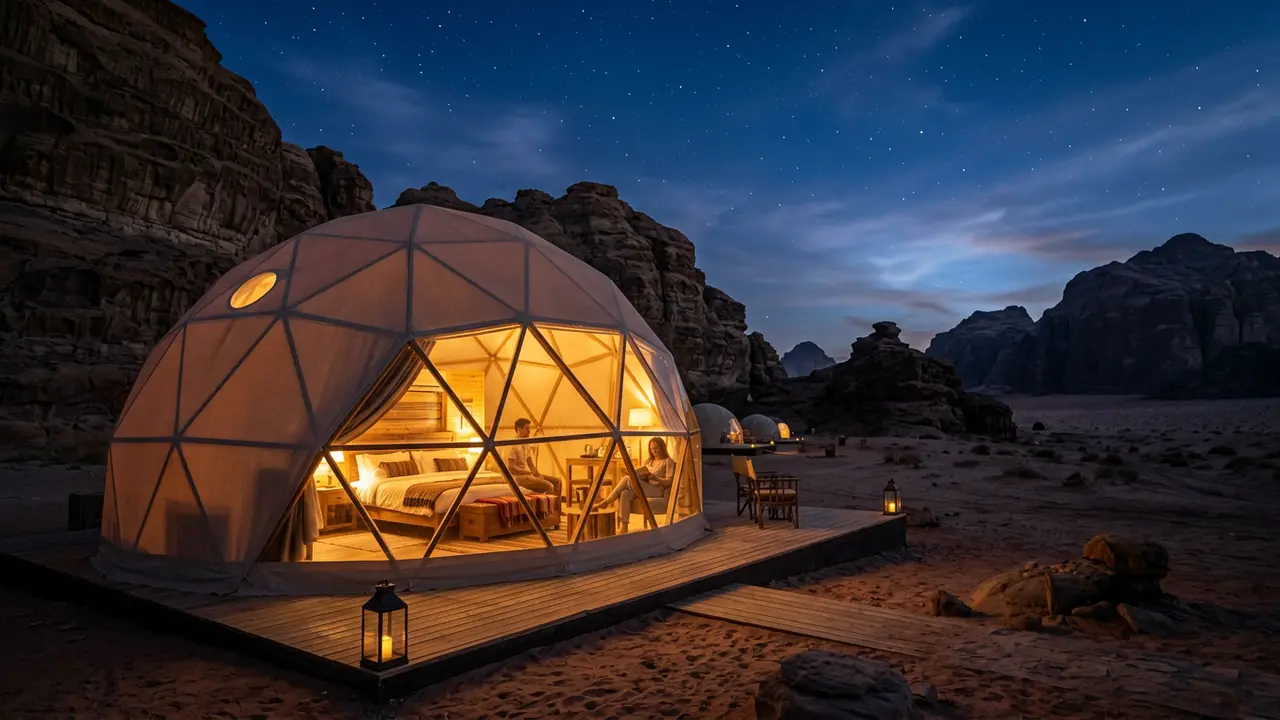
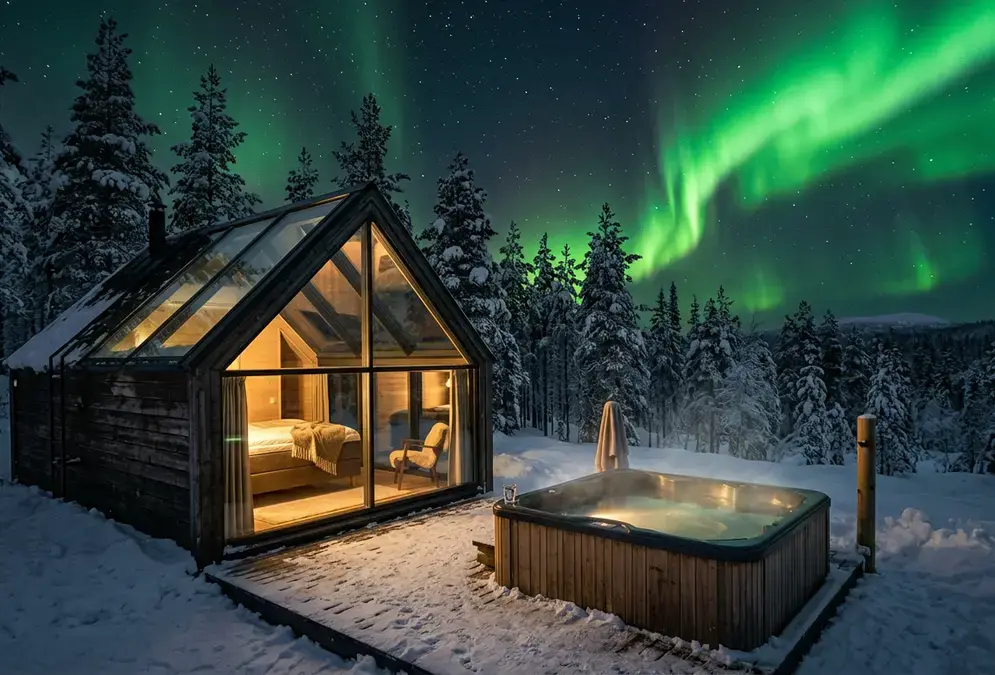
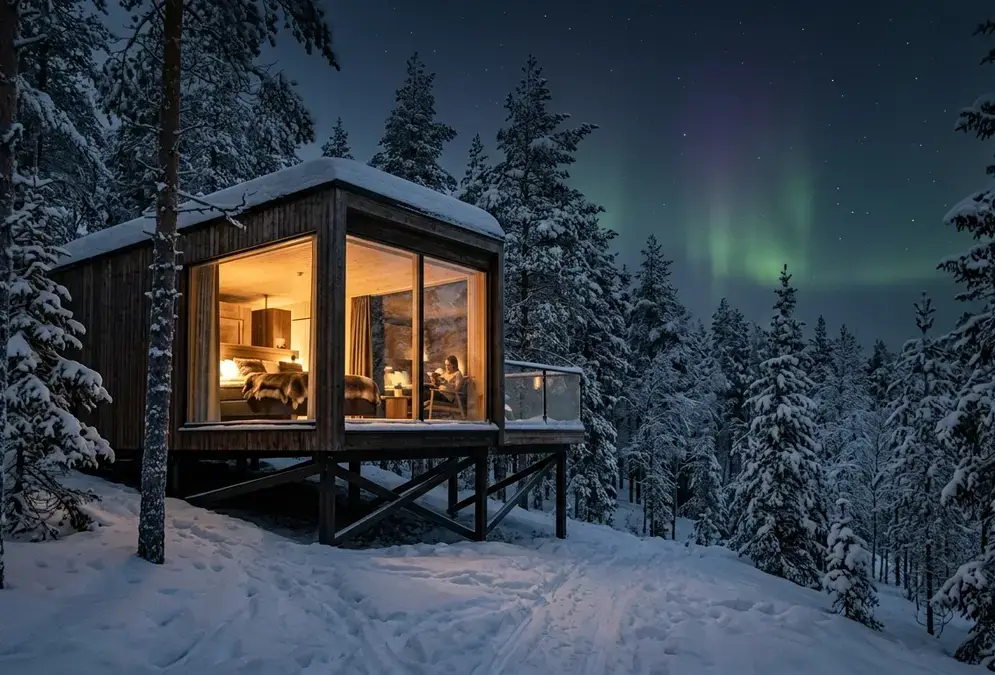
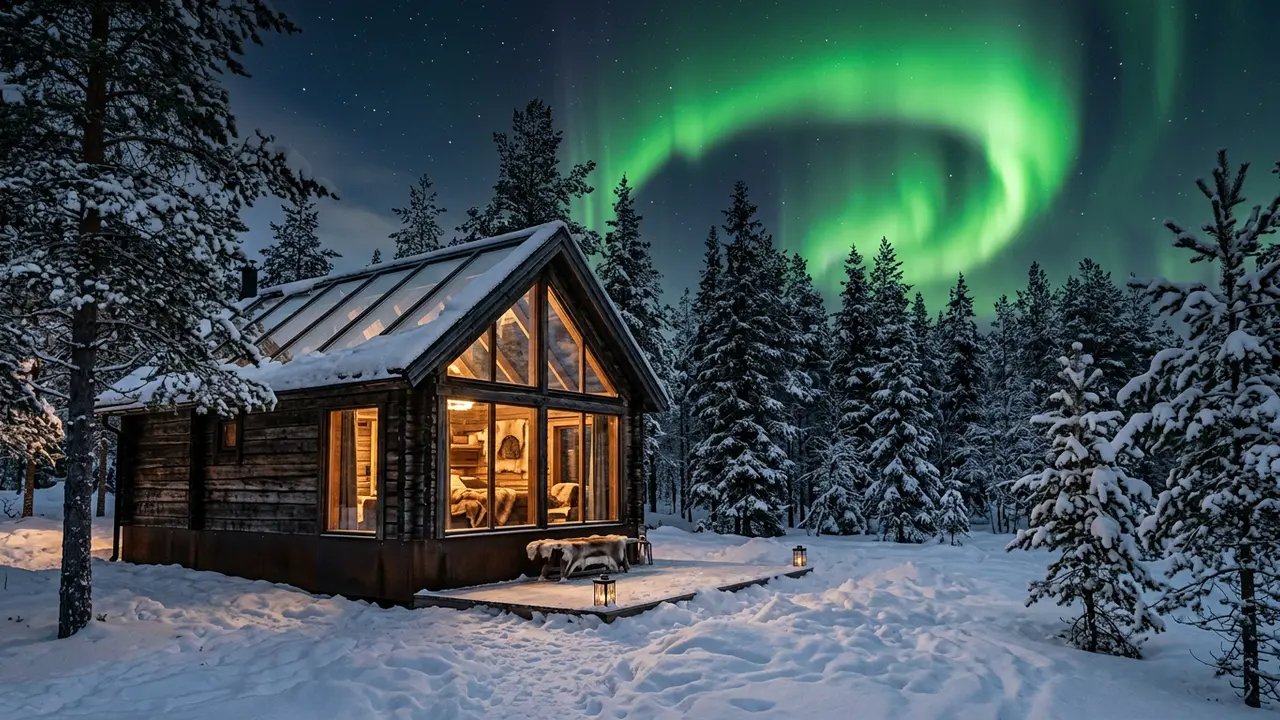
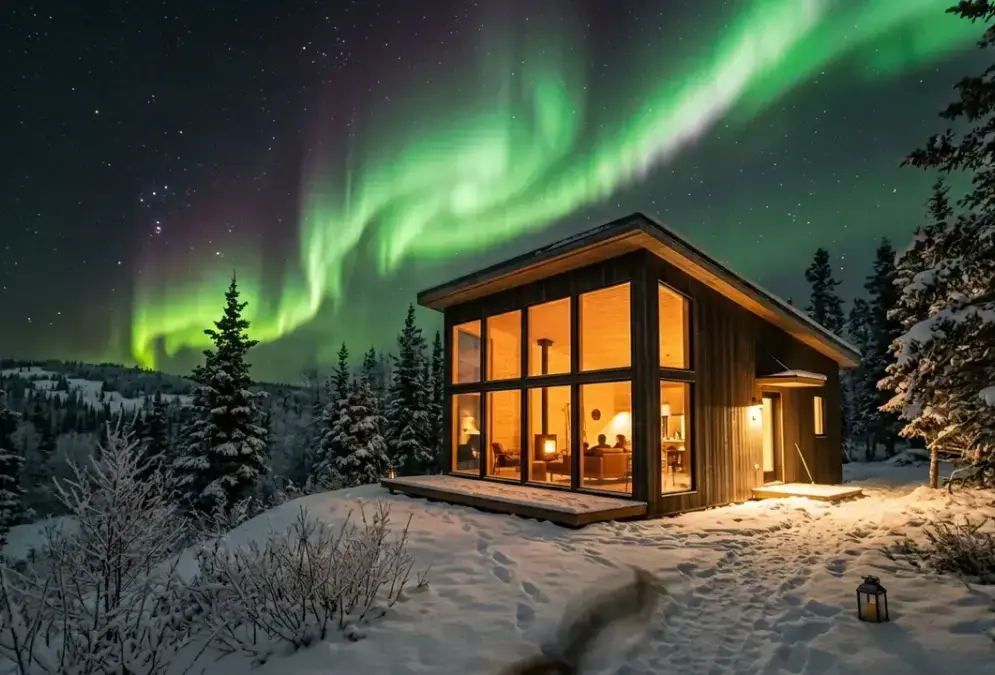
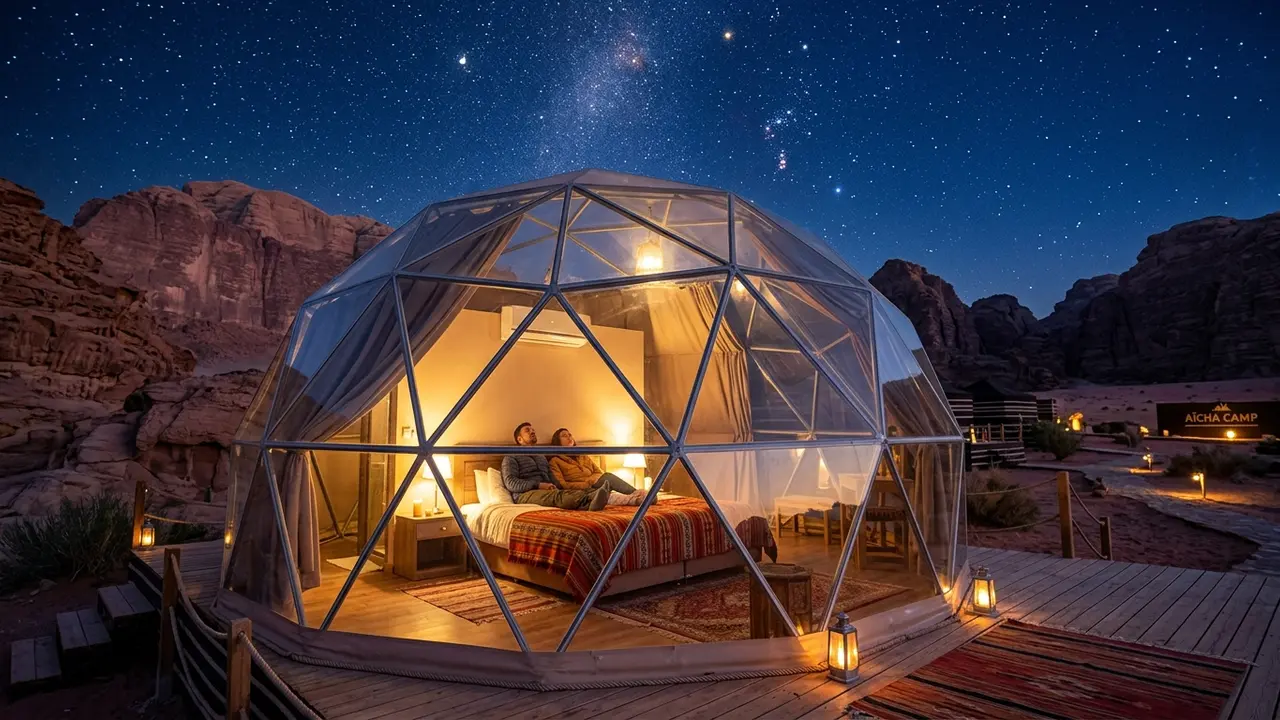
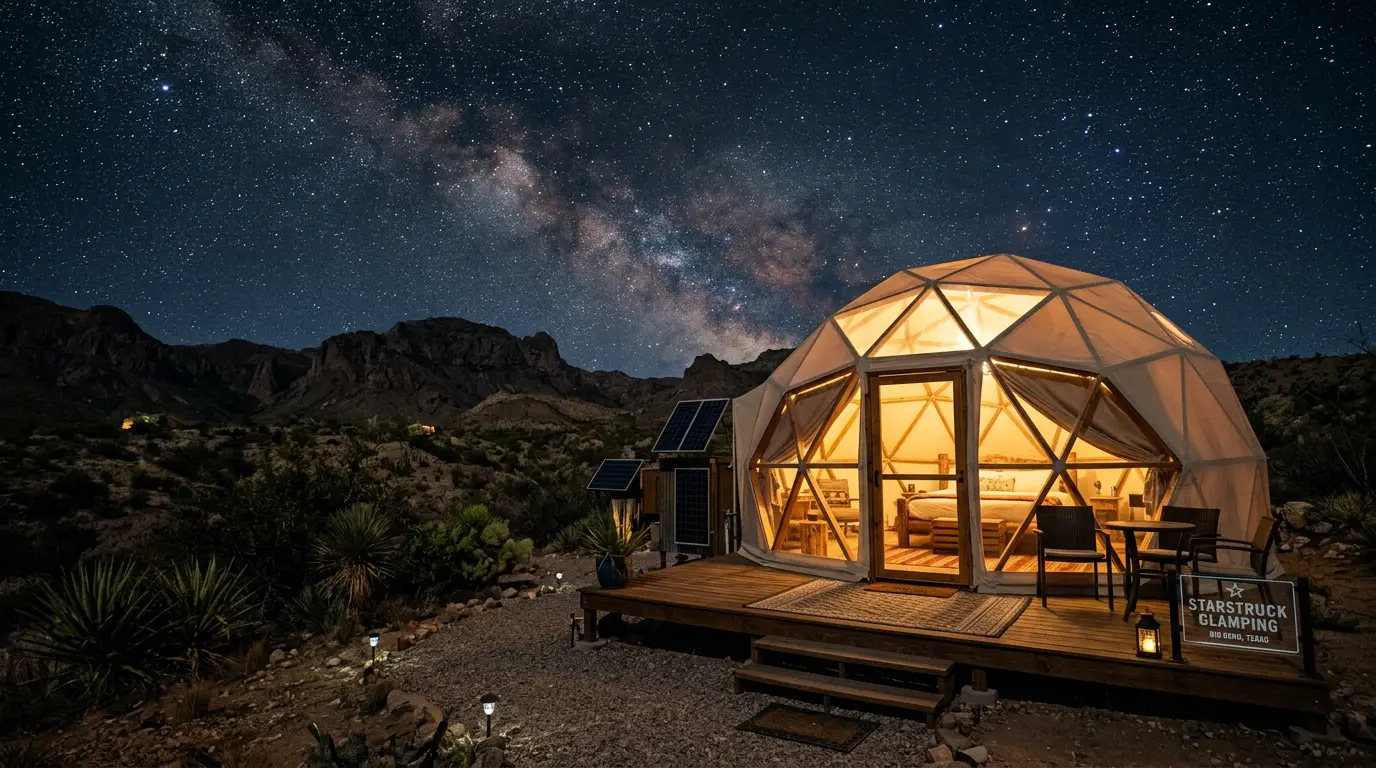
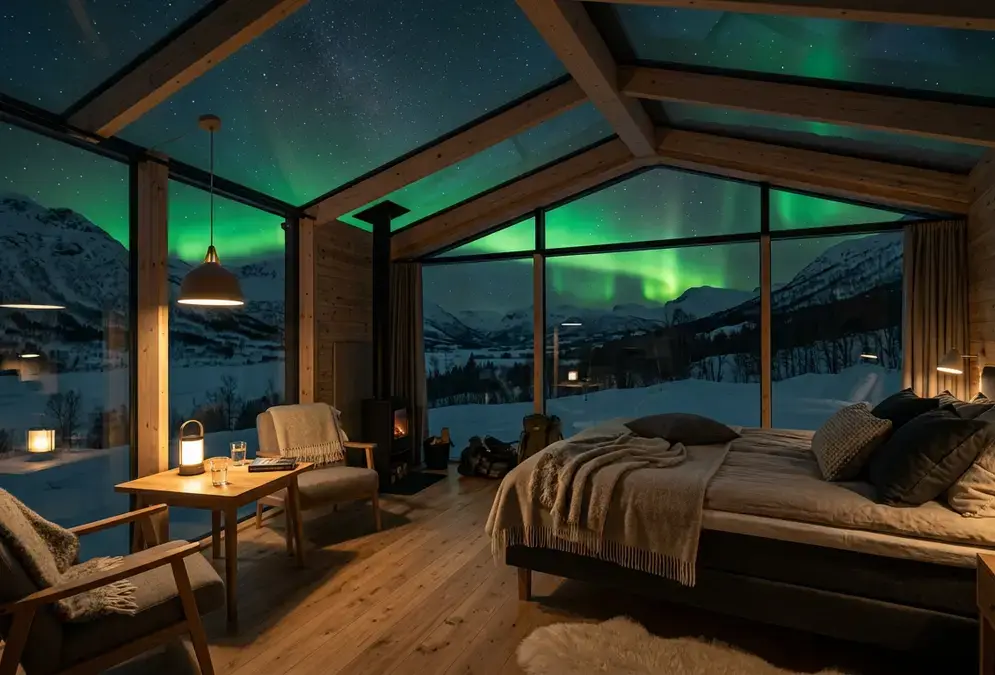
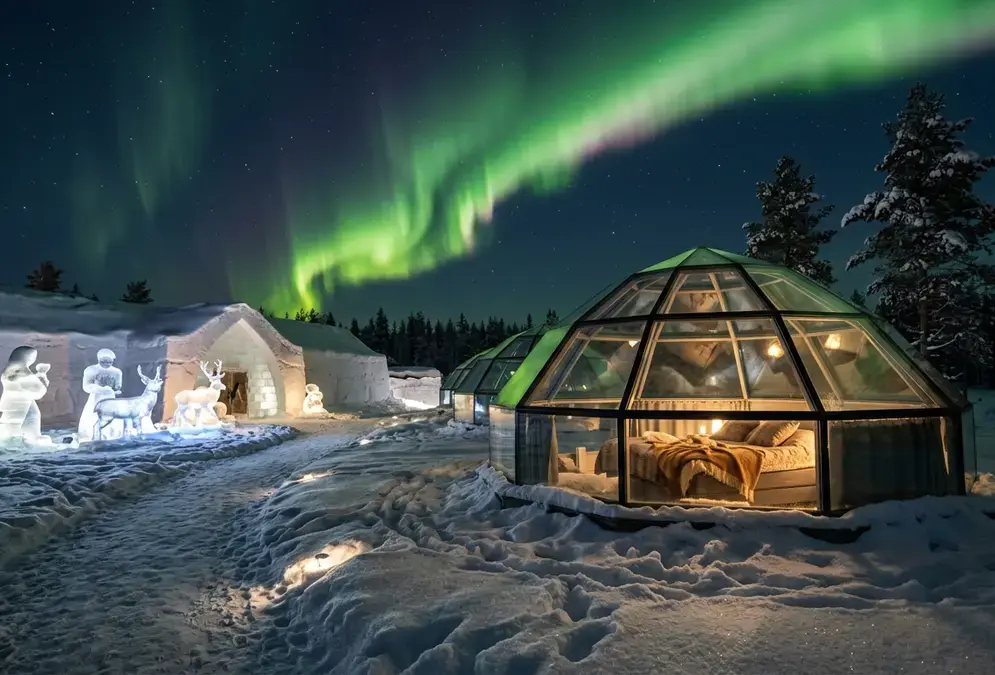
A glass igloo or dome solves one specific problem: getting a clear sky view without leaving your bed or standing outside in the cold. The format started with Arctic resorts in Finnish Lapland, but it's spread well past the Arctic. Geodesic domes and bubble rooms now show up in desert camps in Saudi Arabia's AlUla, glass-roofed cabins run through Iceland's ring road, and similar builds appear from Wadi Rum to the American Southwest. The idea travels because the problem it solves (cold nights, unpredictable weather, and the temptation to just go back inside) is universal, not specific to any one region or aurora zone.

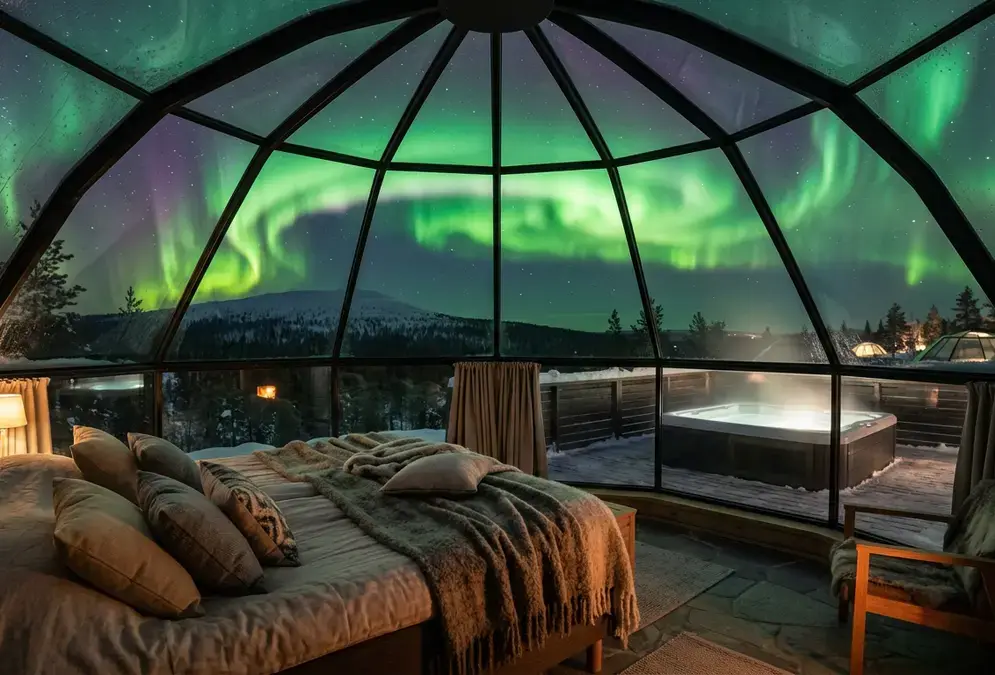
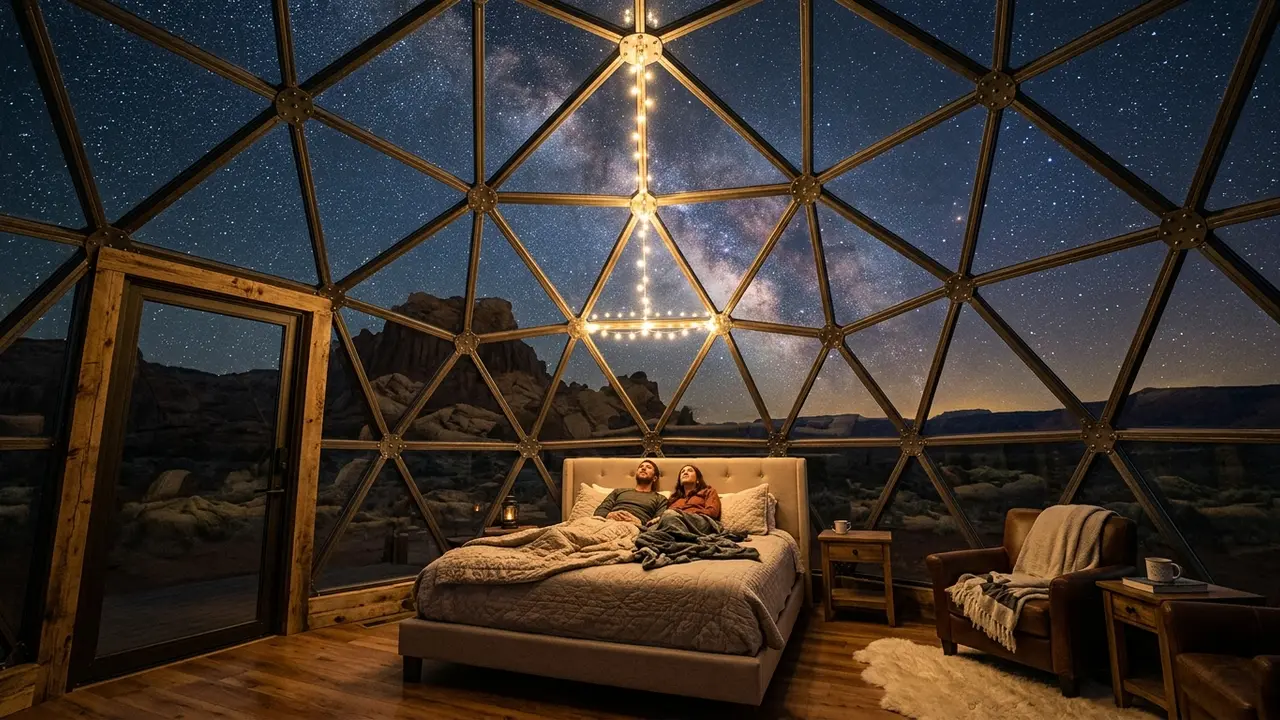
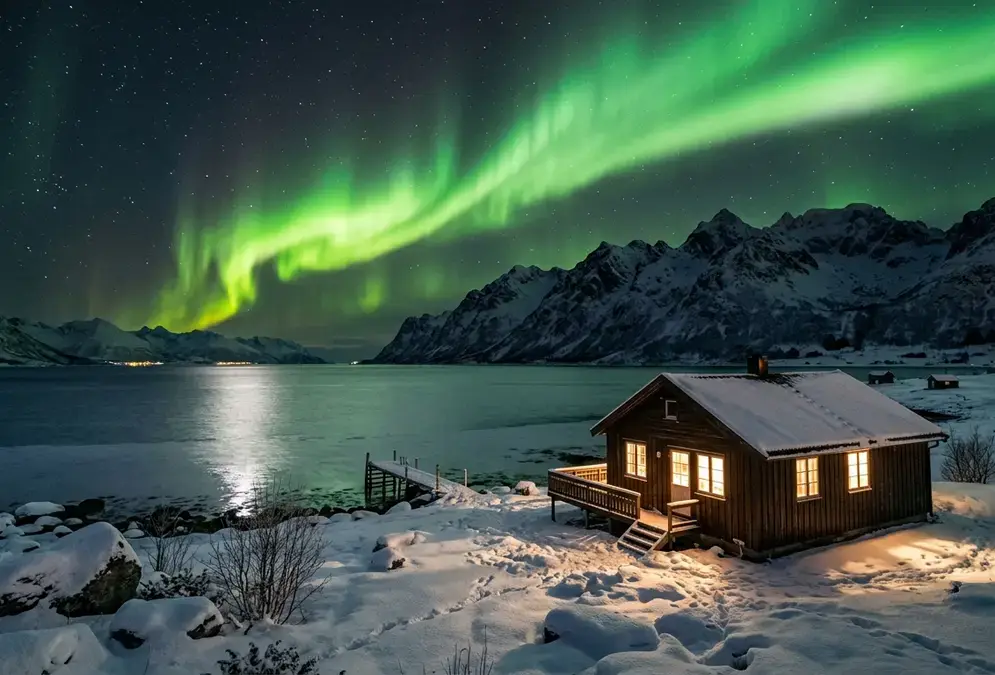
The trade-off is thermal comfort versus sky access, and it plays out differently depending on climate. Arctic glass igloos need serious insulation and heated glass to stop condensation from fogging the view, a real engineering problem in temperatures well below freezing. Desert domes face the opposite issue: keeping a transparent structure cool enough to sleep in during the day while still framing a dark sky at night. Aurora-zone properties sell the experience of watching green light move overhead from a warm bed, while desert and mid-latitude domes sell the Milky Way instead. Check which sky event a specific property is actually built around before booking.
Where you’ll find them

Glass-roofed stays cluster where the sky earns them. Each area has its own ranked roundup guide.

Browse by region

Frequently asked questions

What's the difference between a glass igloo and a geodesic dome?

A glass igloo is typically a rounded, thermal-glass structure built specifically for Arctic cold, with a curved ceiling designed to prevent snow buildup and fogging. A geodesic dome uses a triangulated frame structure and shows up in a wider range of climates, from Arctic Finland to desert camps in the Middle East. Both aim at the same result: an unobstructed view of the sky from inside a heated or climate-controlled room.

Are glass igloo and dome hotels only in Finnish Lapland?

No. Finnish Lapland popularized the format, but glass igloos, domes, and bubble rooms now operate in Iceland, Saudi Arabia's AlUla, Jordan's Wadi Rum, and desert regions in the American Southwest. Each region adapts the build to its own climate, whether that's insulating against Arctic cold or keeping a dome cool during hot desert days.

Do glass igloos get too cold, or domes too hot, to actually sleep in?

Well-built Arctic glass igloos use heated glass and proper insulation specifically to prevent the condensation and cold that would otherwise make them unlivable. Desert domes face the reverse problem and rely on ventilation, shading, and sometimes air conditioning to stay comfortable during the day. Ask a specific property how it handles its climate's particular challenge before booking, since quality varies.

Can you see the aurora or Milky Way from inside a glass room, or do you need to go outside?

Most glass igloos and domes are built so you can see the sky directly from bed, without stepping outside, which is the entire point of the format. Some properties do recommend heading outside briefly for the widest possible view or for photography, since glass can slightly limit the angle compared to open sky. Check a specific property's photos and reviews for how much of the sky its glass ceiling actually shows.