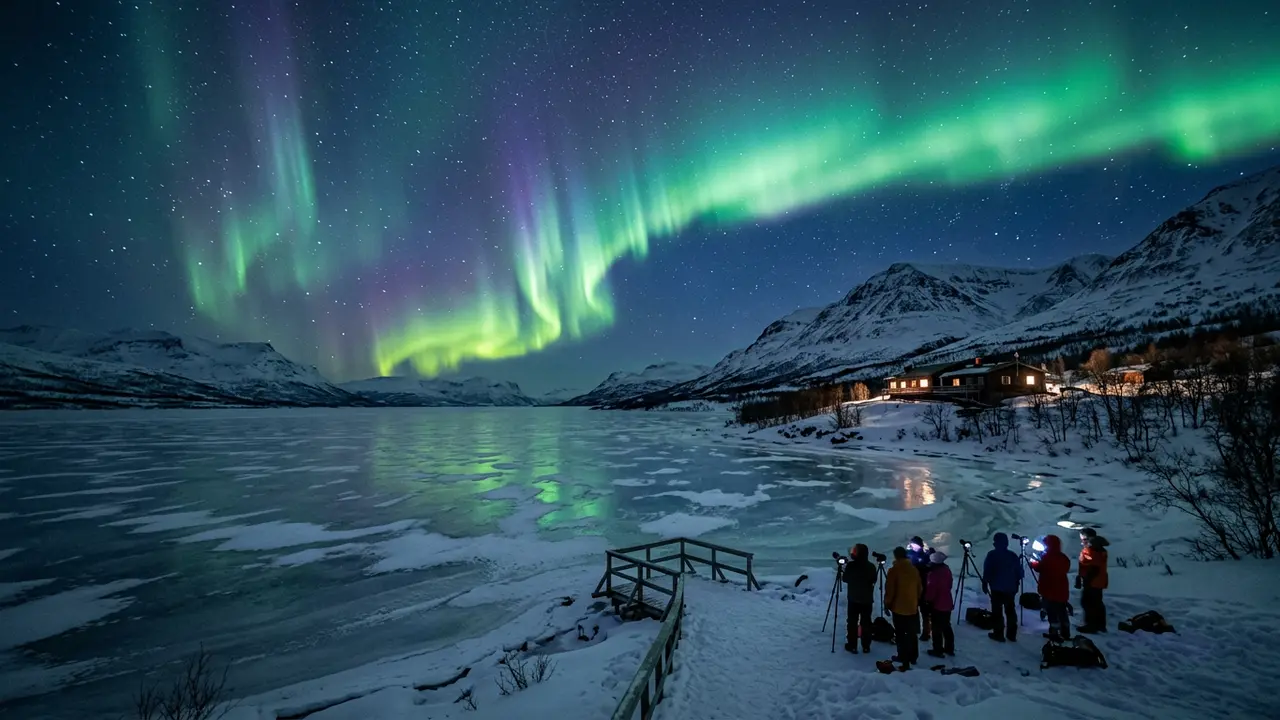
Sweden · Best Aug-Apr
Abisko Stargazing
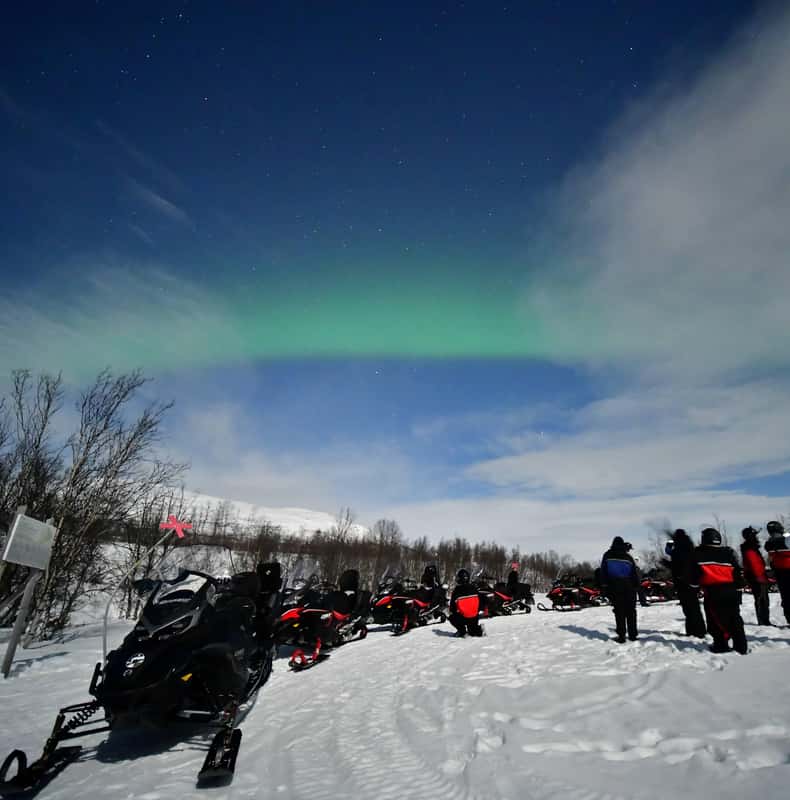
Abisko's rain-shadow microclimate keeps skies clear when nearby Arctic spots cloud over. Aurora season, the Sky Station, ICEHOTEL, and getting there by train.
Discover

Dark Skies Atlas is an astrotourism guide to 21 dark-sky destinations, 93 stargazing lodges, and 87 guided night-sky tours worldwide, each rated by Bortle class, timed to the moon, and costed for a real trip.
Most stargazing trips fail on timing, not location. I map skies genuinely dark enough to see the Milky Way, and the right night to go.
Last updated October 2026 By Maya Okonkwo
Tours are selected for quality, not commission. I earn a small fee if you book — at no extra cost to you.
Where to stargaze this month
The moon, the next meteor shower, and aurora season, weighed together to point at one destination worth the trip right now.
Next new moon November 9
The dark-sky window opens in 21 days. Time a trip for the nights either side.
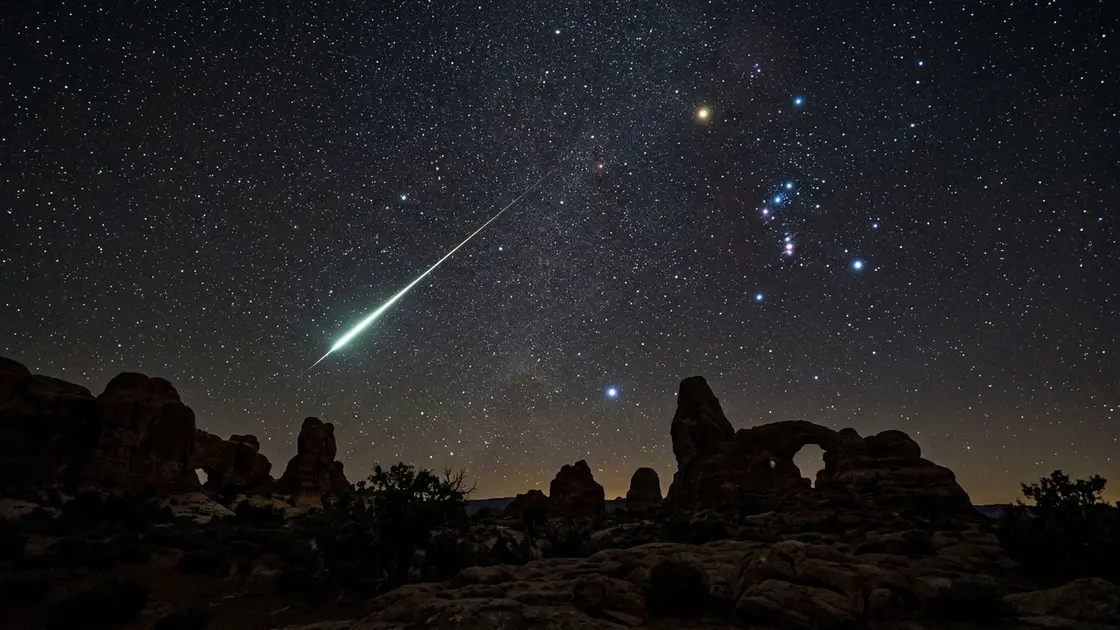
Orionids active now
Peaks October 21. ~20/hr at maximum. Fast, faint meteors from Halley's Comet, visible from both hemispheres.
Aurora season is on
High-latitude destinations are dark enough for the northern lights now — pair a clear-sky forecast with a strong Kp reading.
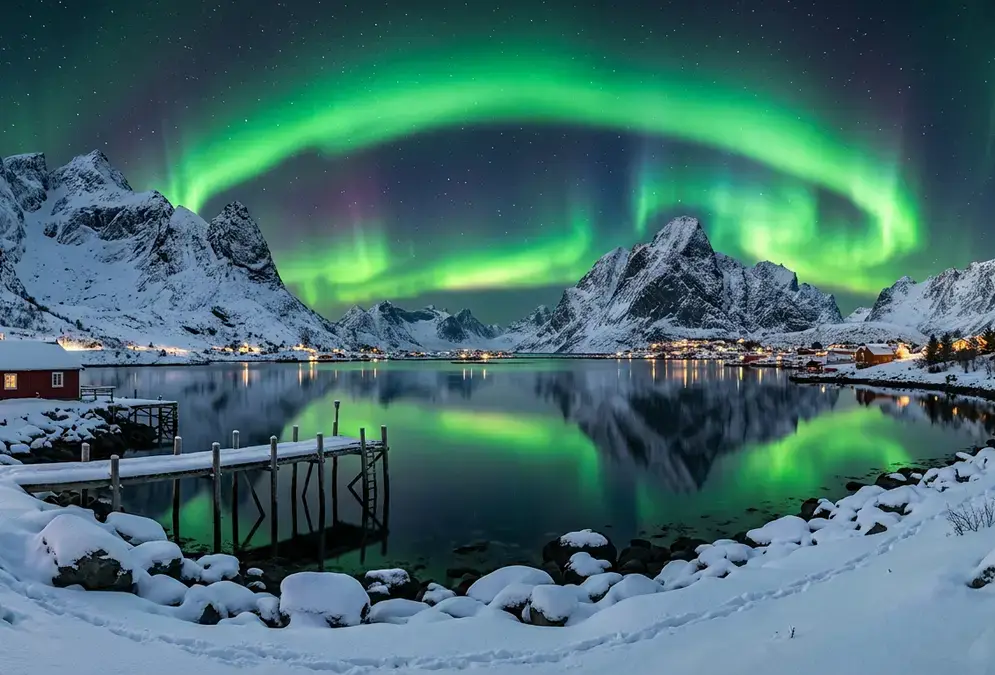
Go this month
October ramps up Tromsø's aurora nights while temperatures stay comfortable, before the polar night takes hold.
Mark the calendar
The next dates worth planning a trip around — fixed by orbital mechanics, not by anyone's marketing calendar.
Start with one question
Aurora and Milky Way trips pull in opposite directions — different latitudes, different seasons, and almost nothing in common except the dark. Pick the one you're chasing.
Chase the lights
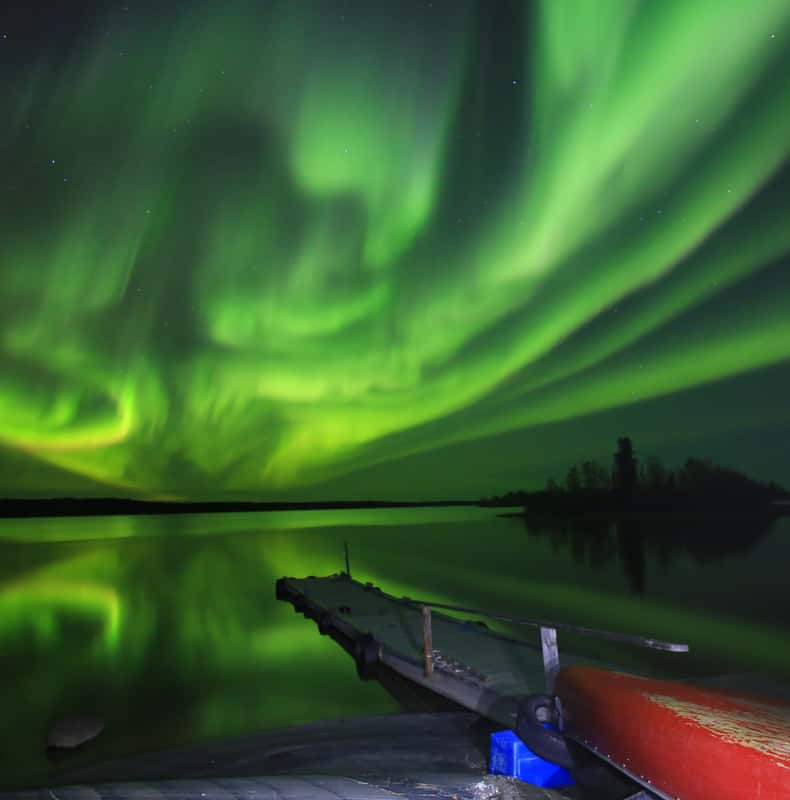
The northern lights over snow — high-latitude trips built around darkness, cold, and a strong solar forecast.
Best months: September – April
Sweden · Best Aug-Apr
Abisko's rain-shadow microclimate keeps skies clear when nearby Arctic spots cloud over. Aurora season, the Sky Station, ICEHOTEL, and getting there by train.
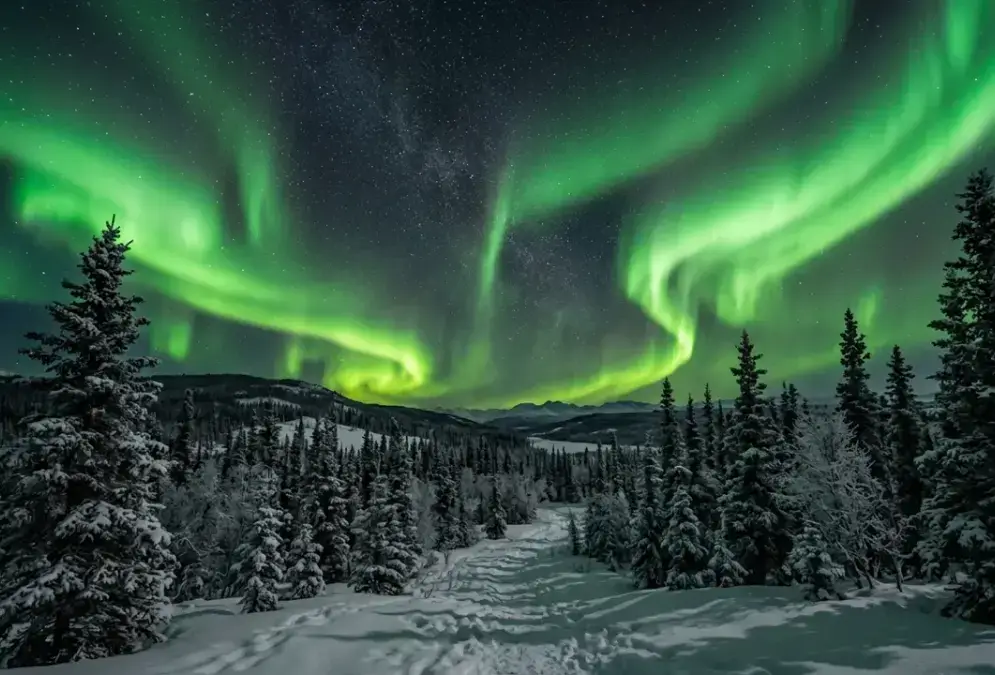
United States · Best Aug–Apr (Feb–Mar peak)
Fairbanks sits directly under the auroral oval at 64.8°N. Aurora season runs Aug 21–Apr 21, peaking Feb–Mar, with roughly 90% odds if you stay 3+ nights.
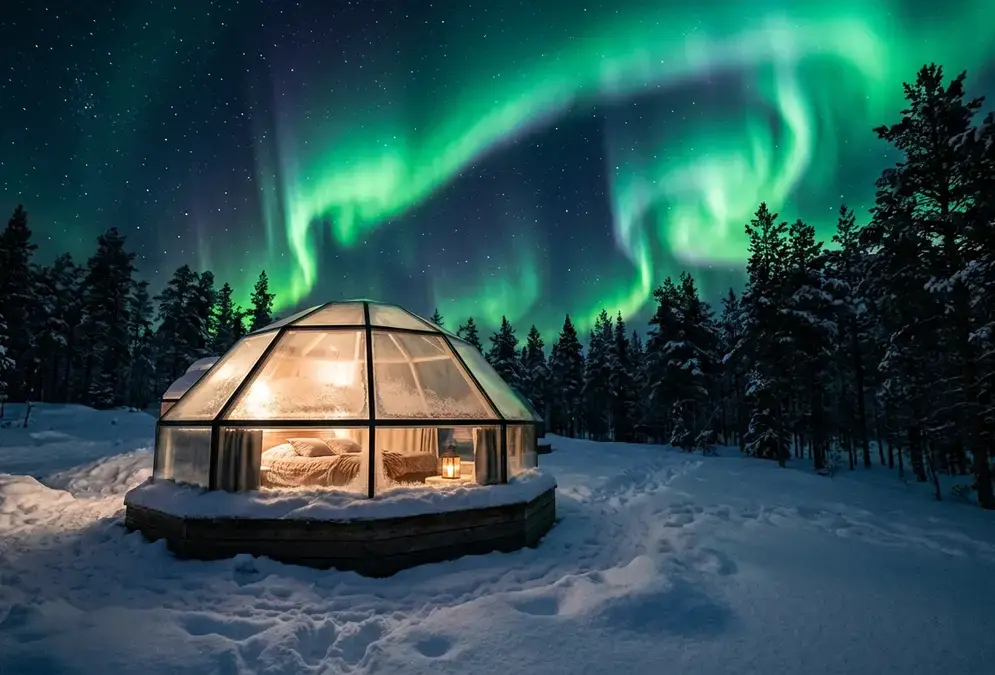
Finland · Best Sep–Oct & Feb–Mar
Finnish Lapland's whole-region aurora guide: glass igloos, Santa Claus Village, six bases from Rovaniemi to Inari, aurora season Sep–Mar, no road drama.
More aurora destinations
See the galaxy
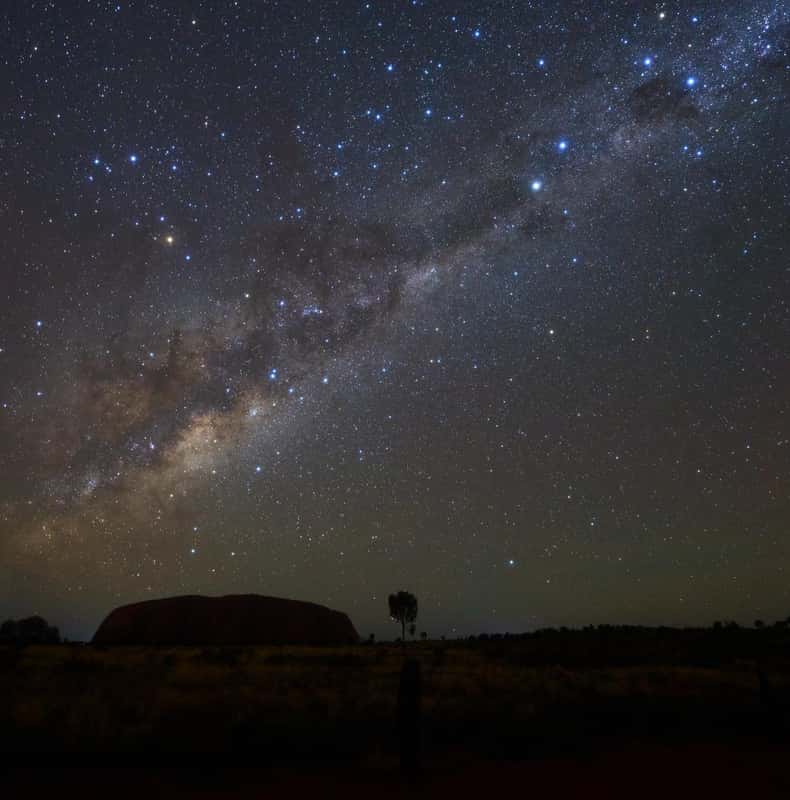
The galactic core overhead in true Bortle 1 darkness — trips built around the new moon and a dry, clear season.
Best months: April – September
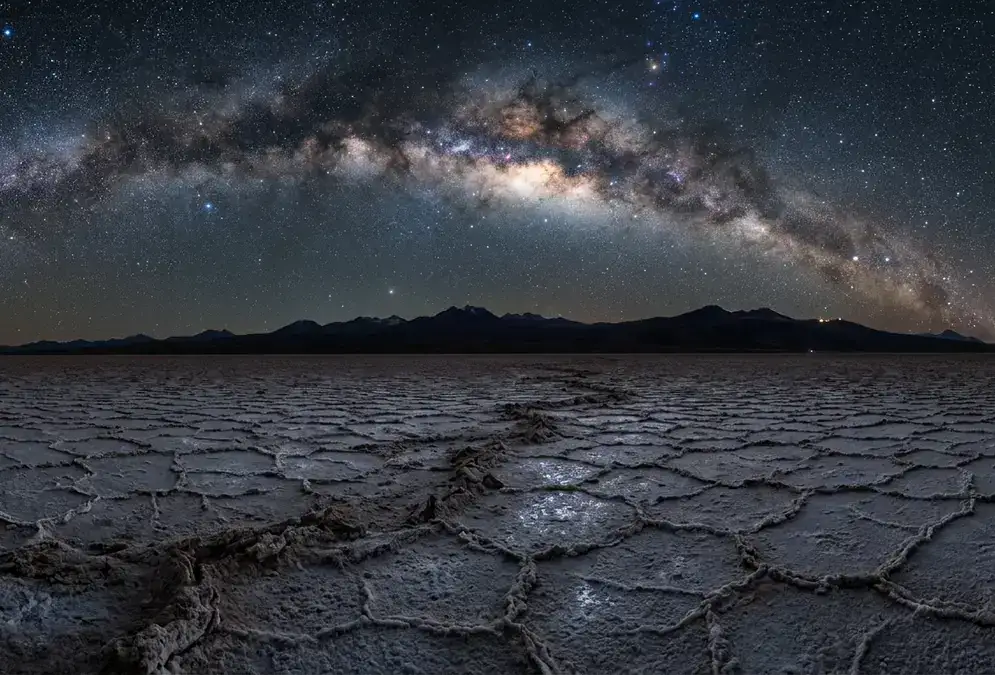
Chile · Best Apr–Sep
Earth's driest desert delivers Bortle 1–2 skies, 330+ clear nights a year, and the galactic core almost overhead. Guide: tours, lodges, season, getting there.
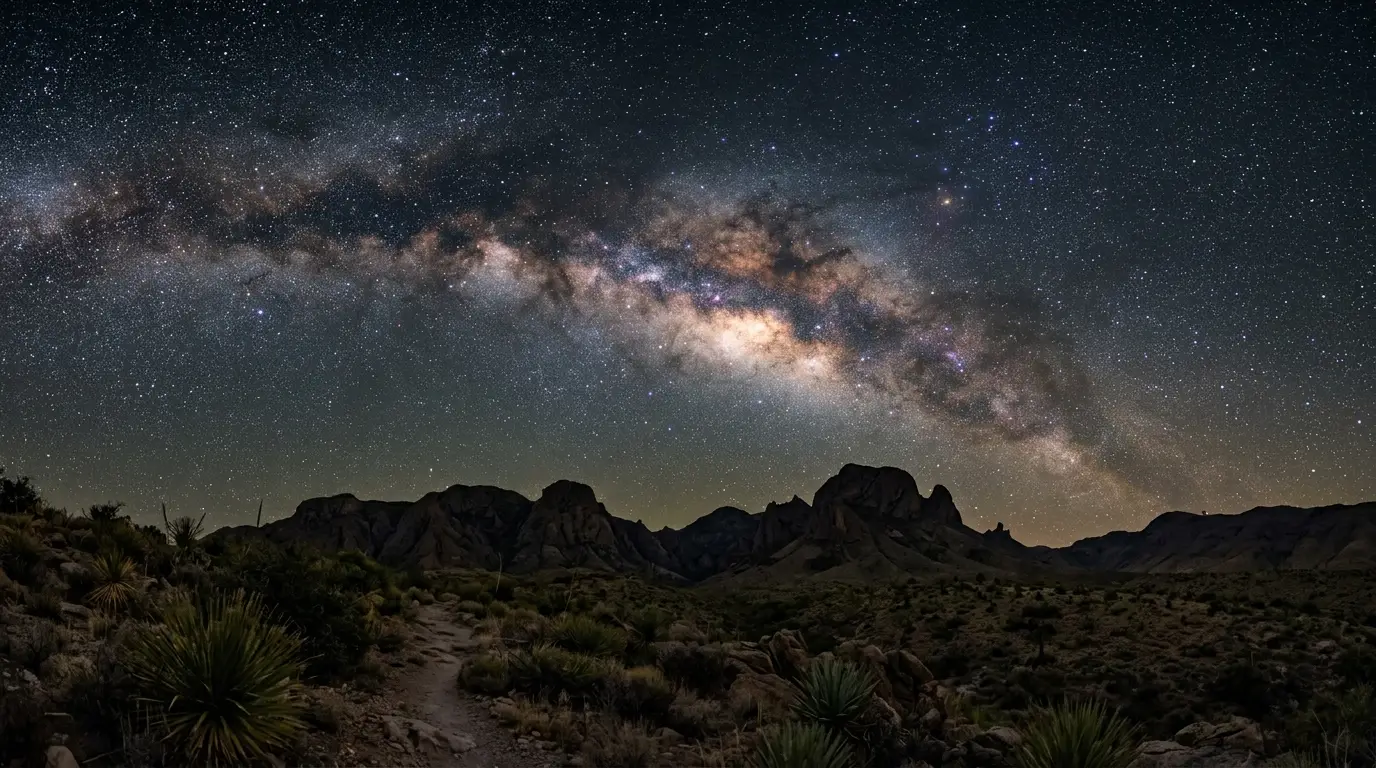
United States · Best Year-round (avoid summer heat)
Big Bend National Park is Bortle Class 1, the darkest rating the Bortle scale has. What that dark sky rating means on the ground, and the best months to go.
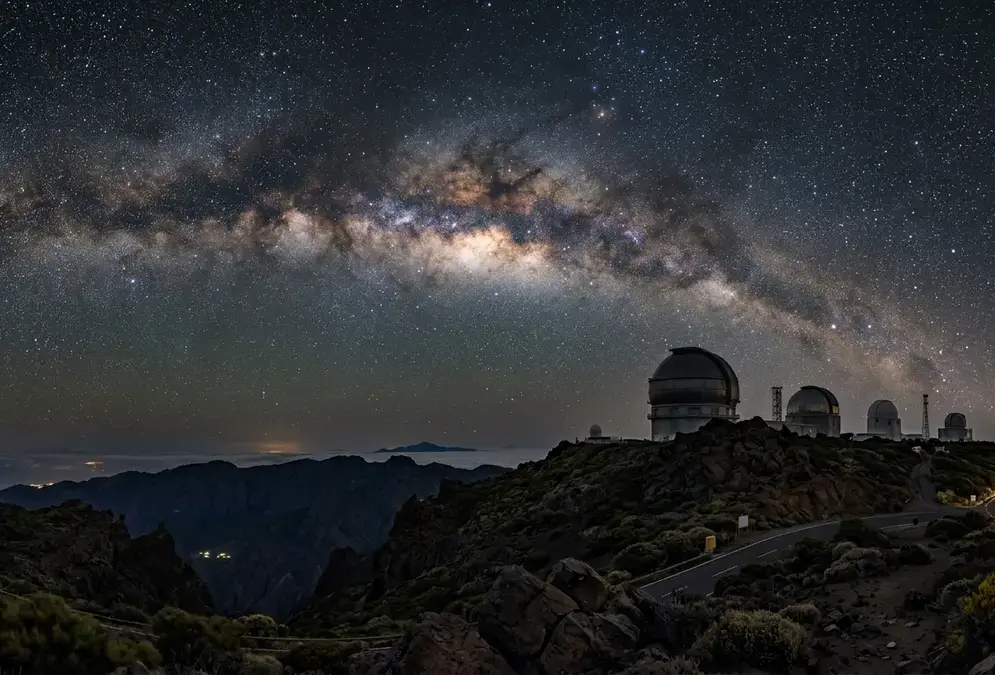
Spain · Best Year-round
La Palma stargazing guide: the world's first Starlight Reserve since 2012, Bortle 1-2 skies above Roque de los Muchachos, plus where to stay and go year-round.
Every destination I cover, plotted against real light-pollution data. Toggle the sky-darkness overlay to see where the night still goes properly black.
Tap a pin to open that destination.
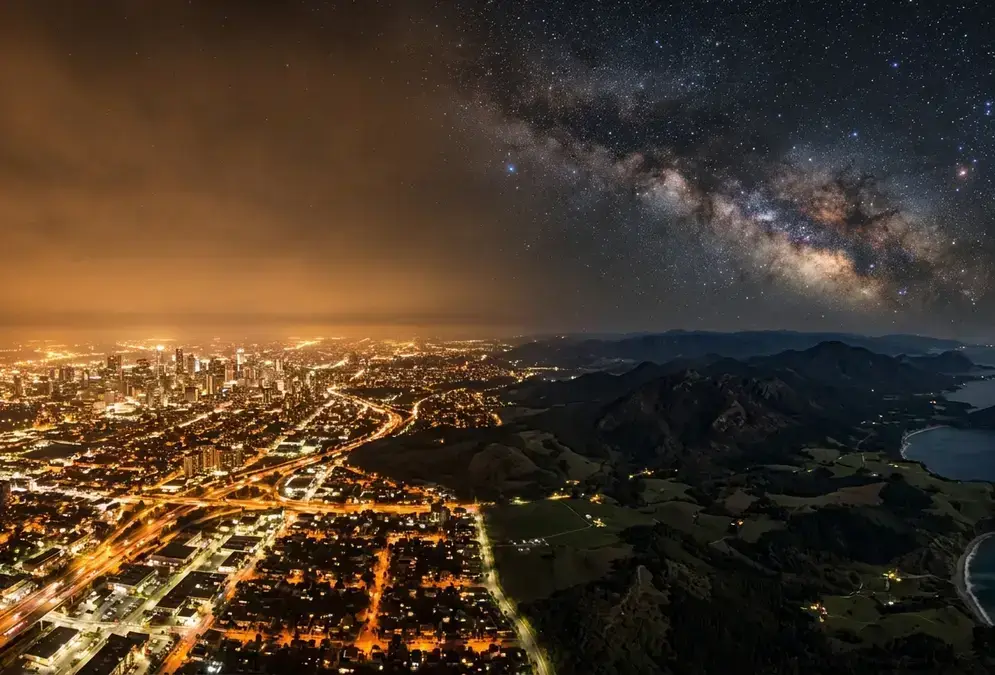
Darkness is the whole game. The same sky that shows a washed-out smear from the suburbs turns into a shadow-casting Milky Way at a genuinely dark site. Here's where my destinations land, and what each level looks like overhead.
| Class | Sky | What you can see |
|---|---|---|
| 1 | Excellent dark sky | The Milky Way casts a faint shadow. Zodiacal light and airglow are obvious. |
| 2 | Truly dark sky | The Milky Way is richly structured overhead; the Andromeda Galaxy is an easy naked-eye smudge. |
| 3 | Rural sky | The Milky Way still shows real detail. Light domes glow low over distant towns. |
| 4 | Rural–suburban transition | The Milky Way is clearly there overhead but fades toward town-lit horizons. |
| 5 | Suburban sky | The Milky Way is faint and washed out. Only the brighter deep-sky objects survive. |
| 6 | Bright suburban sky | No Milky Way to speak of. You still pick out constellations and bright planets. |
| 7 | Suburban–urban transition | A grey glow fills the sky. Only the brightest stars and planets punch through. |
| 8 | City sky | Familiar constellations lose their fainter stars. The sky never goes properly dark. |
| 9 | Inner-city sky | Only the Moon, planets, and a handful of the brightest stars are visible. |
The full Bortle scale explained
How I rate skies: the Bortle scale (John E. Bortle, Sky & Telescope, 2001), the standard reference used by DarkSky International. Values are drawn from published sky-quality measurements for each site.
The honest brackets for three trips worth taking: lodging per night, a guided night, and a realistic length of stay. Per person, before flights.
| Trip | Lodging / night | Guided night | Stay | From / person | Where to stay |
|---|---|---|---|---|---|
| Atacama Desert Chile | $220–$750 | from $50 stargazing tour | 4–5 nights | ≈$1,000 | Where to stay in the Atacama for stargazing |
| Fairbanks Alaska, USA | $110–$300 | from $95 aurora tour | 3–4 nights | ≈$450 | Best aurora lodges in Fairbanks |
| Tromsø Norway | $105–$250 | from $90 aurora chase | 3–4 nights | ≈$420 | Where to stay in Tromsø for the northern lights |
Figures updated October 2026. Indicative USD, per person, excluding international flights. Prices are drawn from the lodge and tour listings on this site and move with season and exchange rate. Confirm live rates at booking.
The guided experiences worth booking ahead: night-sky tours, astrophotography workshops, aurora expeditions, and telescope sessions.
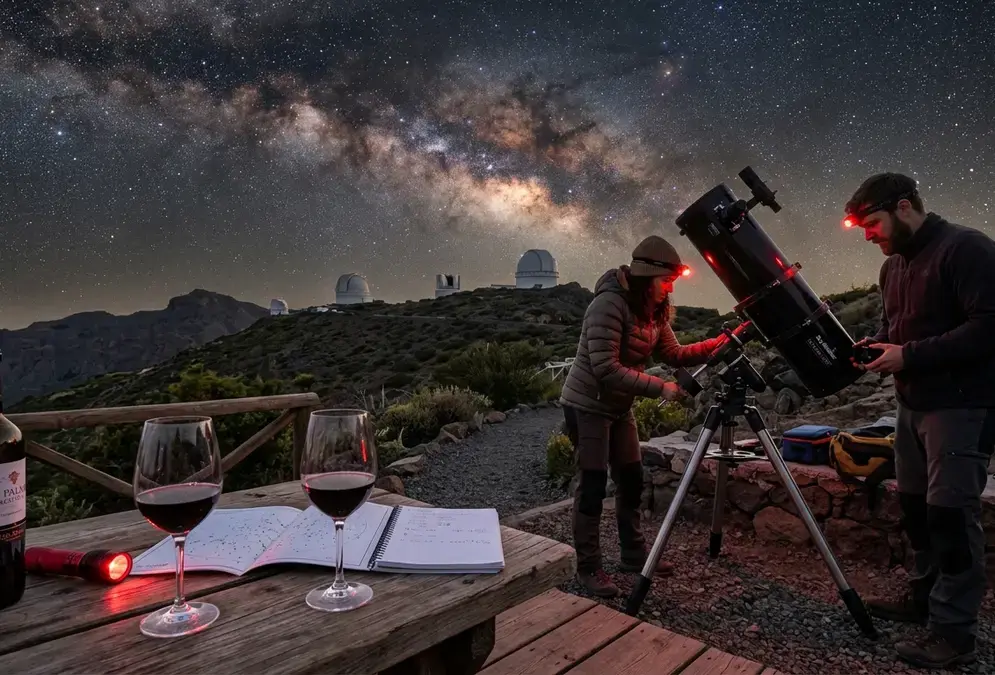
Compare La Palma's best stargazing tours — the popular Roque de los Muchachos tour with wine tasting, plus independent operators, prices, and booking tips.
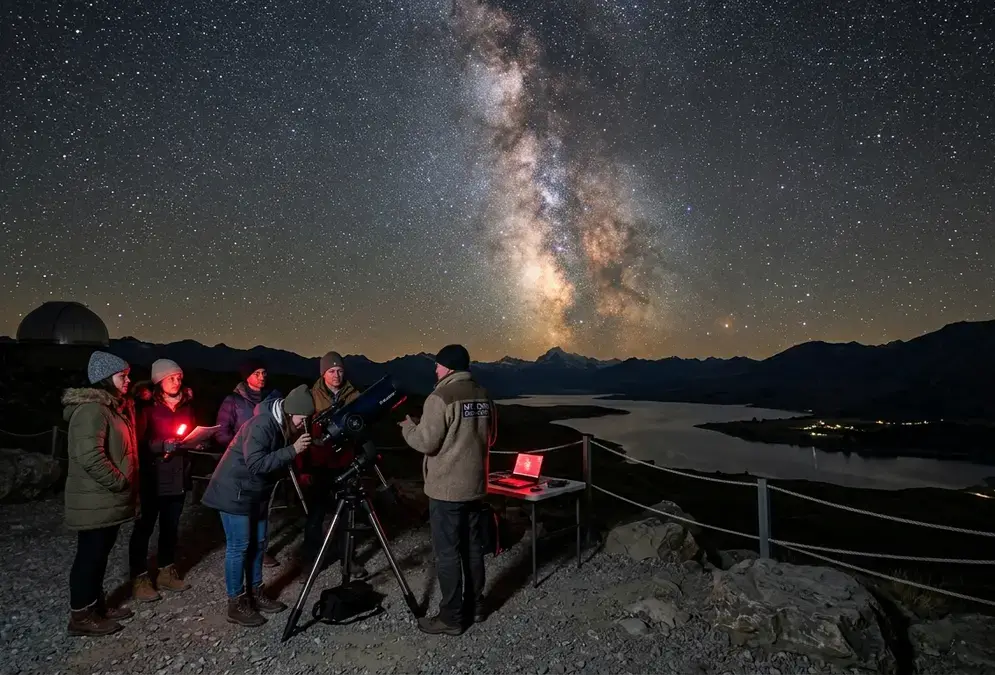
Private astrophotography tuition in New Zealand's Gold Tier dark sky reserve: camera coaching, star tracking, and Milky Way composition near Lake Tekapo.
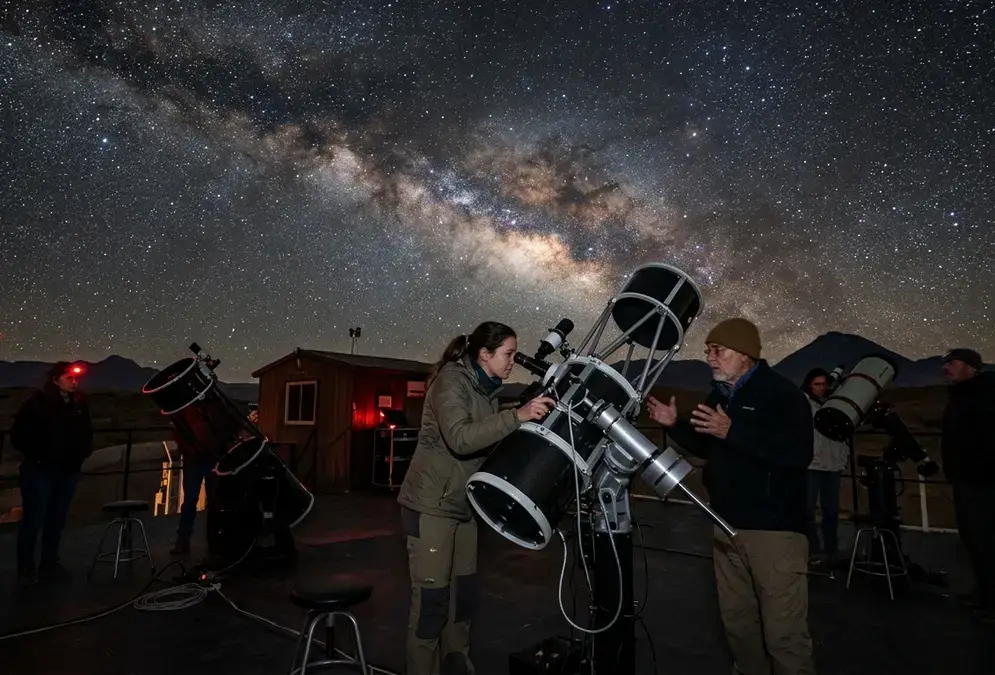
Evening telescope session under the world's clearest skies. Book near new moon, avoid full moon. SPACE Observatory, San Pedro de Atacama — CLP 45,000.
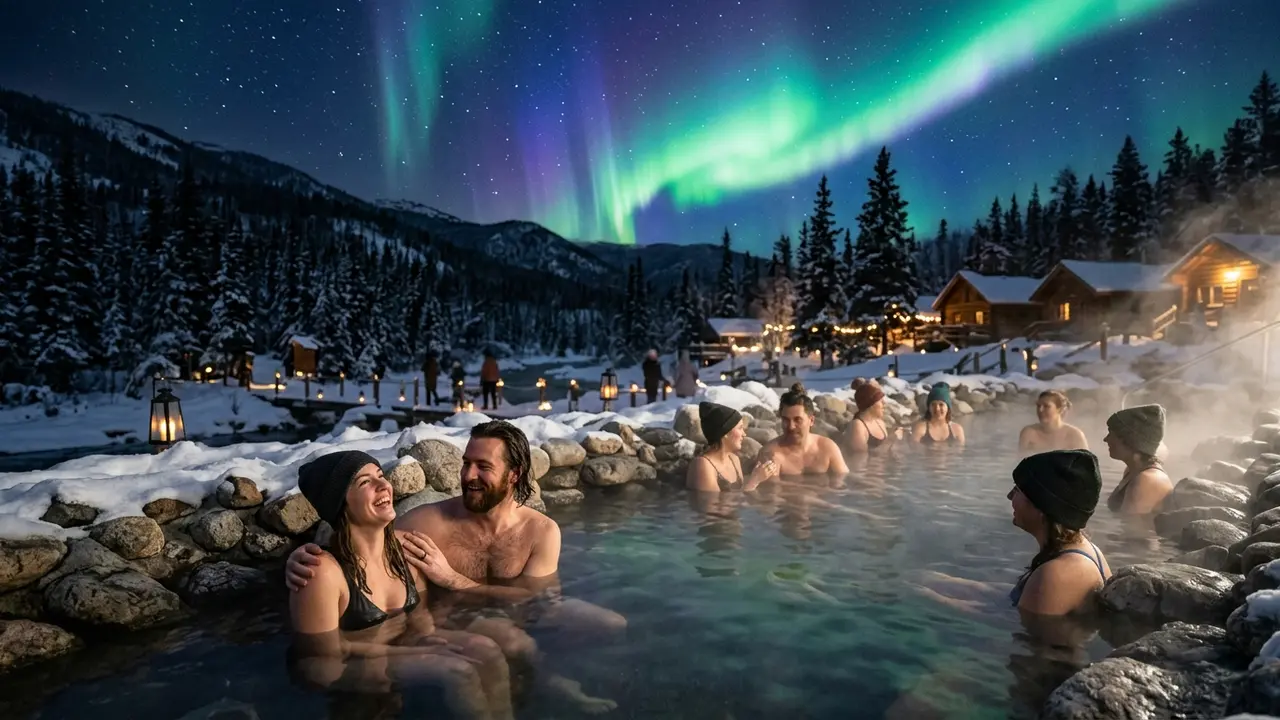
Night tour from Fairbanks: aurora hunting plus a soak in 90–110°F geothermal pools at Chena Hot Springs Resort, 60 miles northeast. Aurora Ice Museum included.
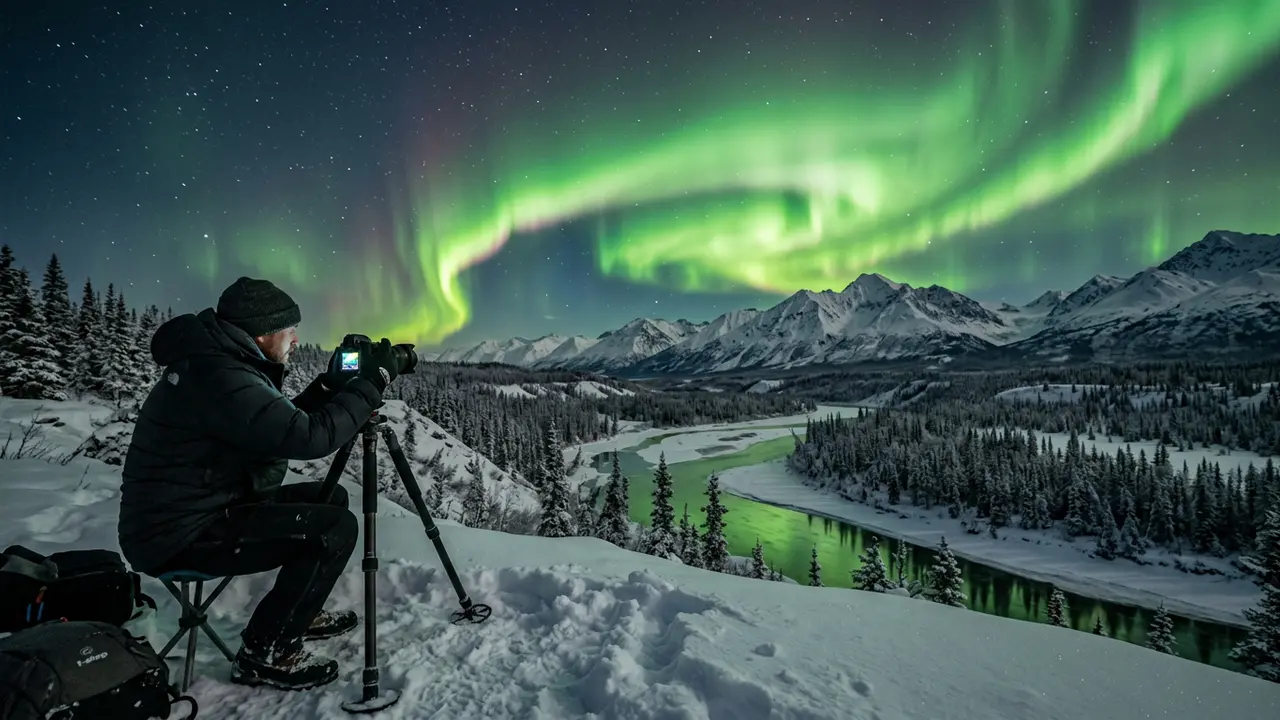
Guided aurora photography tours in Fairbanks with hands-on camera coaching, tripod rental, and remote dark-sky sites up to 100 miles from city lights. From $95.
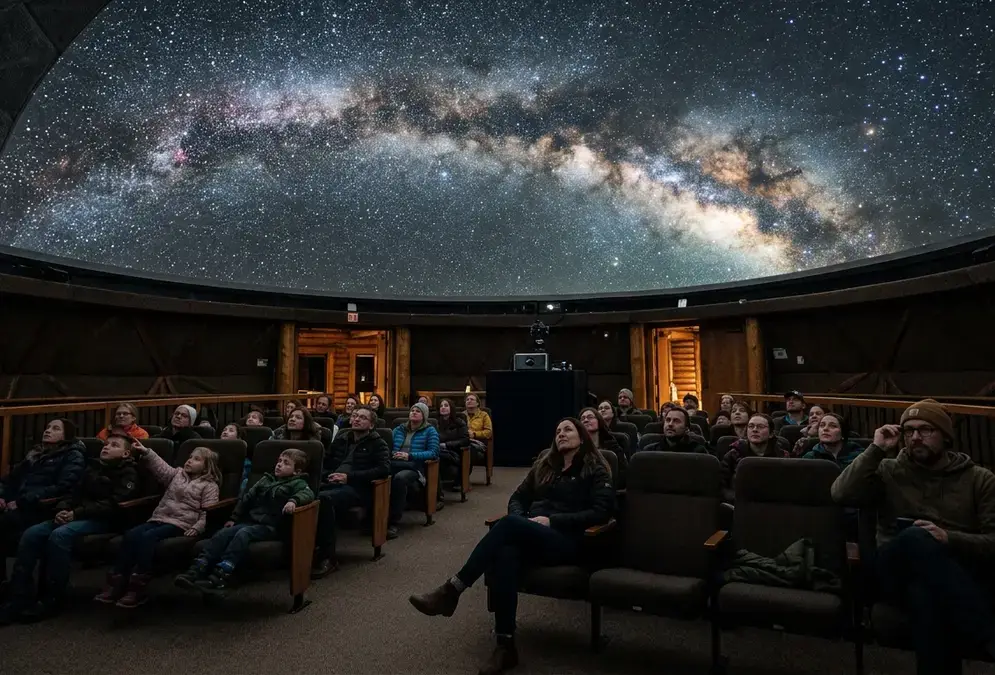
Jasper Planetarium's dome show and telescope session under Dark Sky Preserve skies, from $99. First Nations sky stories and a 2-year clear-night raincheck.
Book a guided stargazing experience
From Marrakech: 3-Day Merzouga and Sahara Desert Tour: rated 4.9/5 by 21,773 visitors.
Remote lodges, dark-sky glamping, and observatory stays, all picked for distance from town light and skies dark enough to see by.
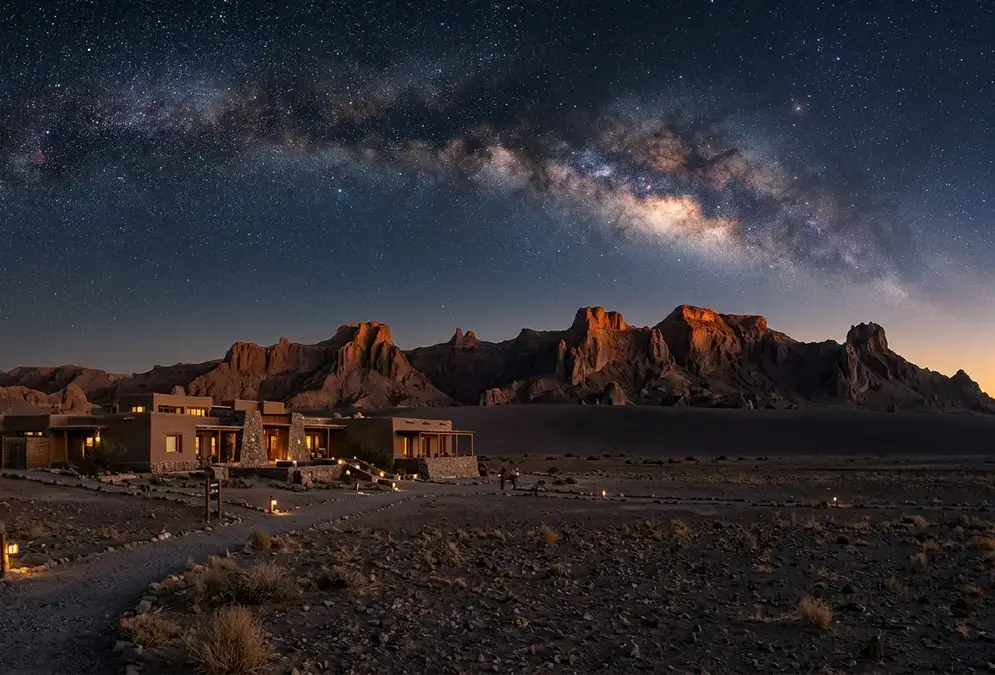
Explora Atacama: Bortle 1-2 skies at 2,408 m, a 16-inch telescope included, and 300+ clear nights a year. The Atacama's only all-inclusive astronomy lodge.
Indicative 2025.
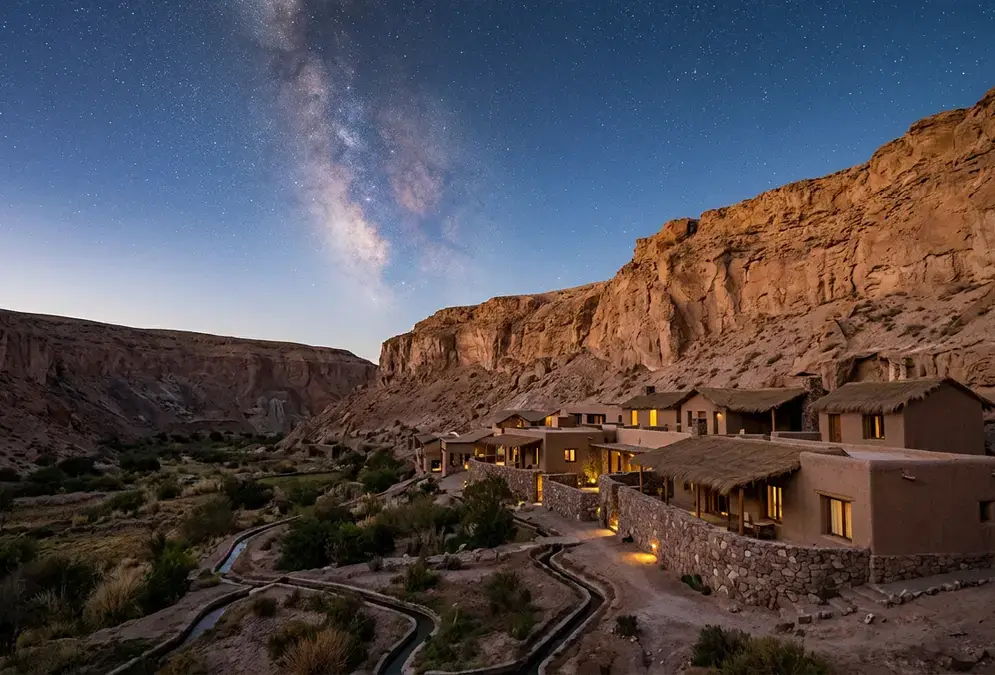
Luxury canyon lodge in Atacama's Quitor valley. Private Ckepi observatory, 42 terraced rooms, all-inclusive astronomy sessions, and 330+ clear nights a year.
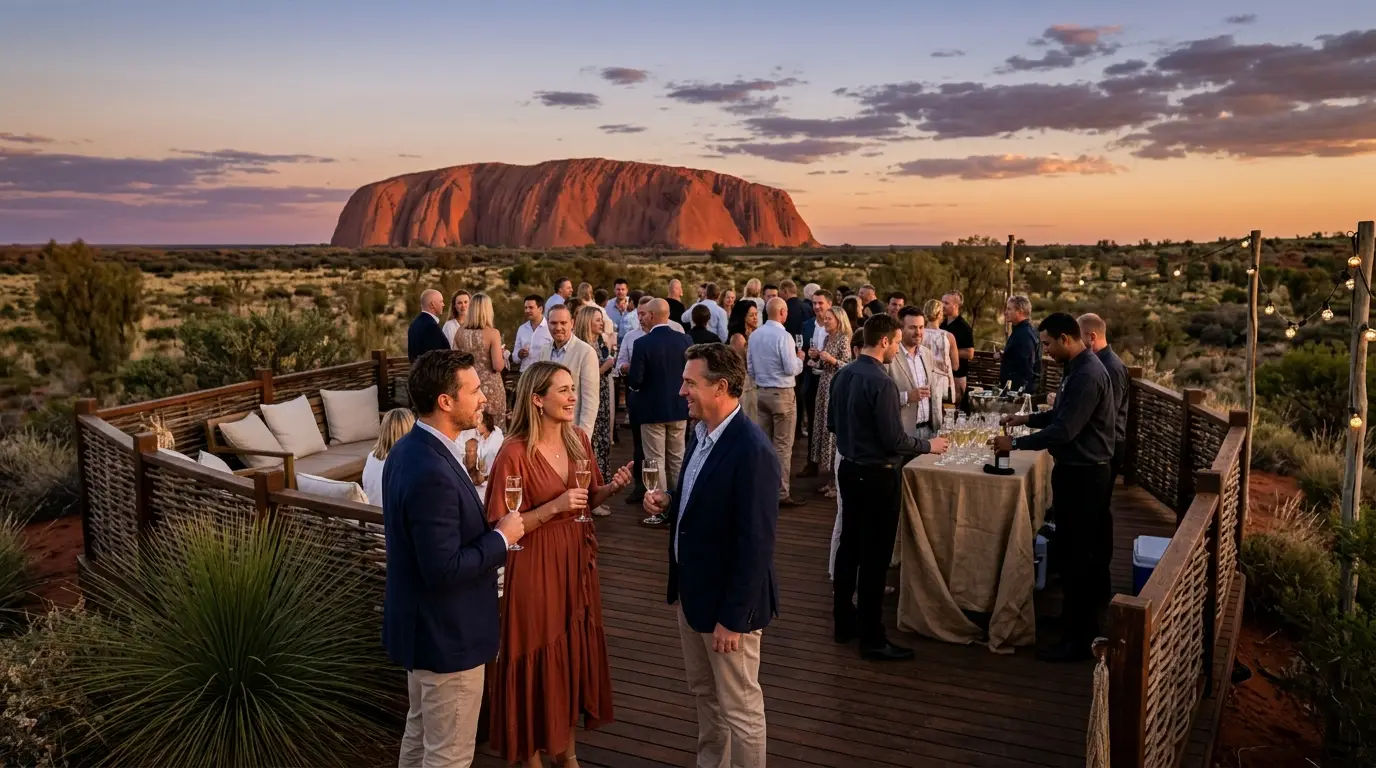
Sails in the Desert is Ayers Rock Resort's five-star flagship hotel, home to the Sounds of Silence stargazing dinner beneath Uluru's dark Red Centre sky.
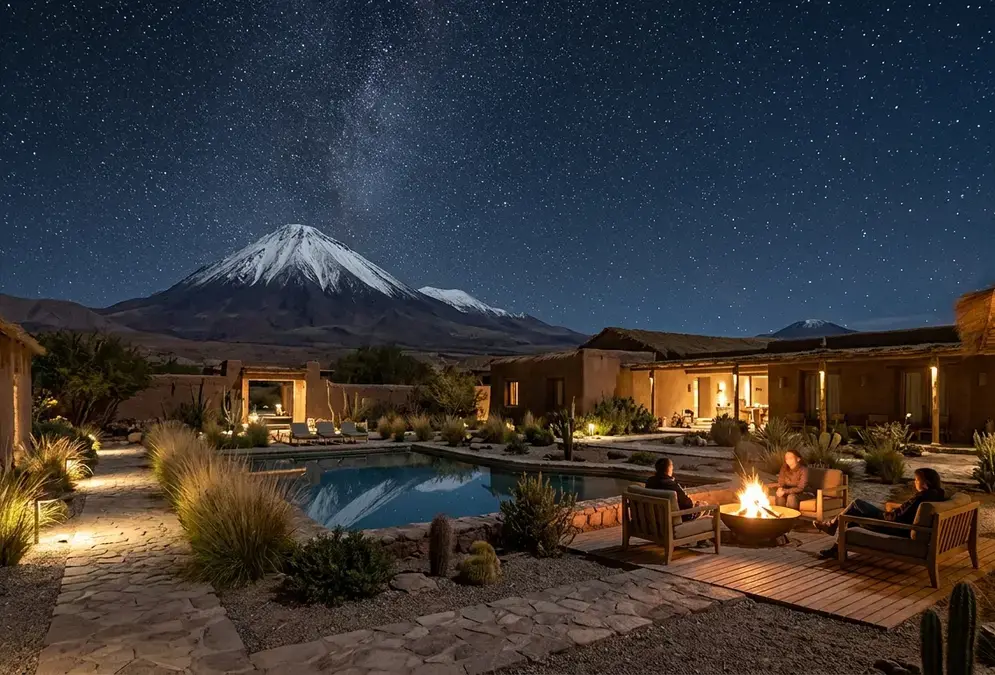
Tierra Atacama stargazing lodge, reopened April 2025. All-inclusive at 2,400 m: Bortle 1 dark skies, guided astronomy excursions, Licancabur volcano views.
All-inclusive packages from ~USD 750 PPPN.
Skip the hubs and jump to the exact kind of trip you're after — by where you'll sleep, what you'll shoot, or what you'll spend.
The four guides that answer the first questions every stargazing trip raises: where to go, how to read the aurora, what to pack, and how to begin.
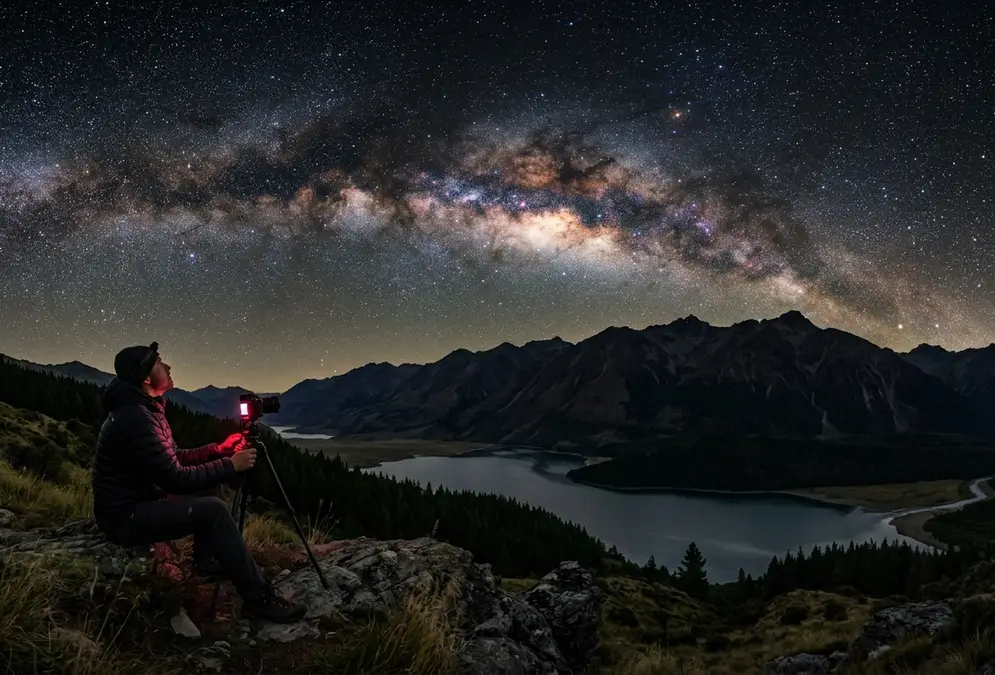
Twelve certified reserves worth planning a trip around, from the Atacama to the Scottish Highlands.
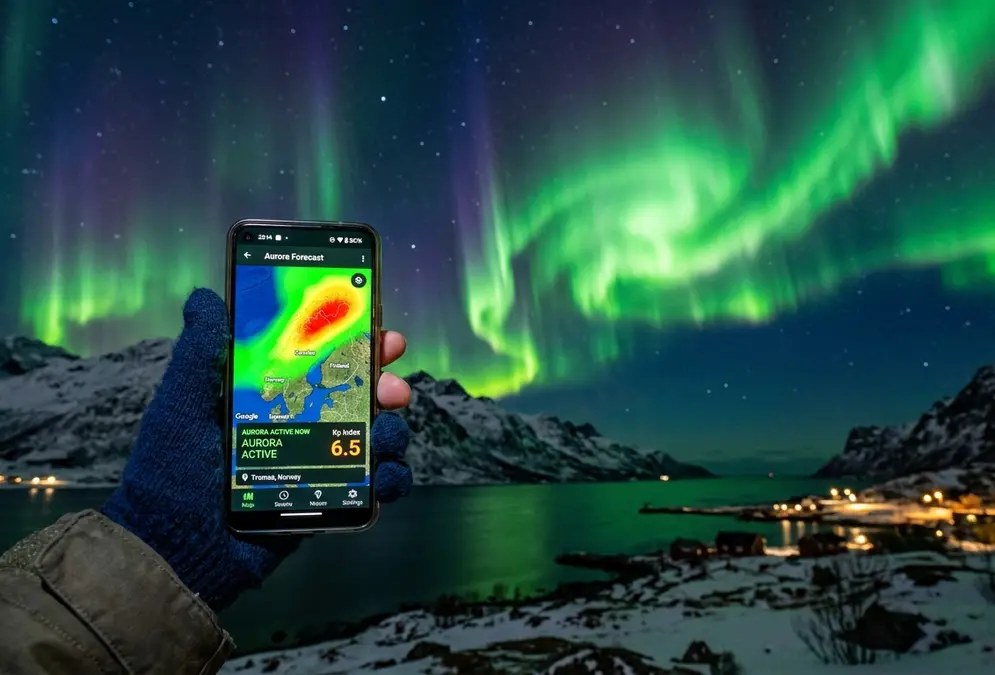
The apps that actually predict a display, and how to read Kp, cloud cover, and probability together.
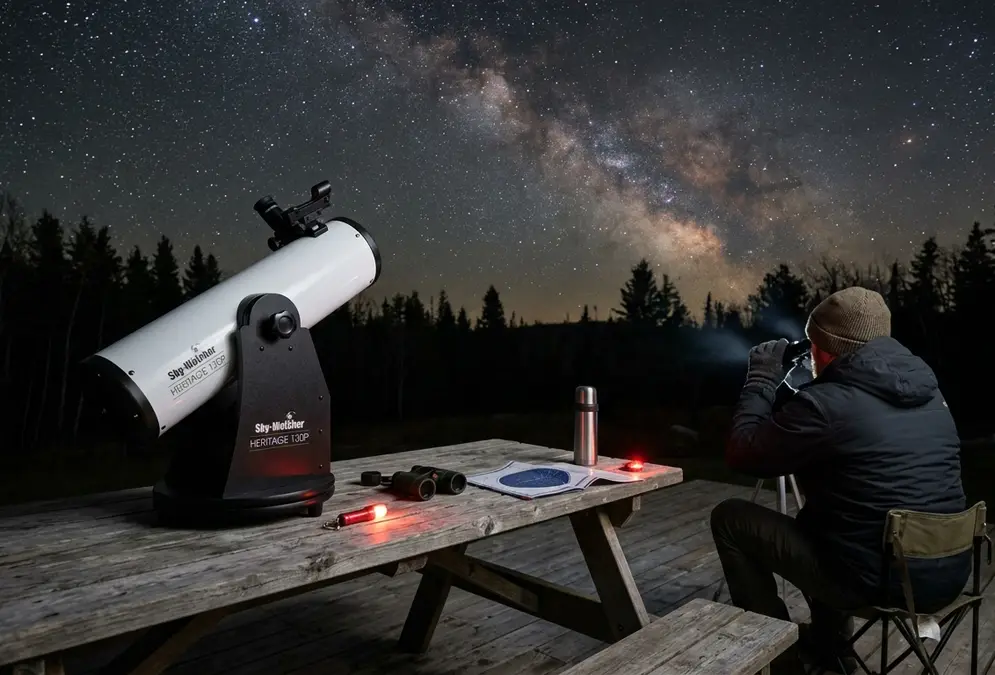
What a first telescope should actually do, and the specs that matter more than the price tag.
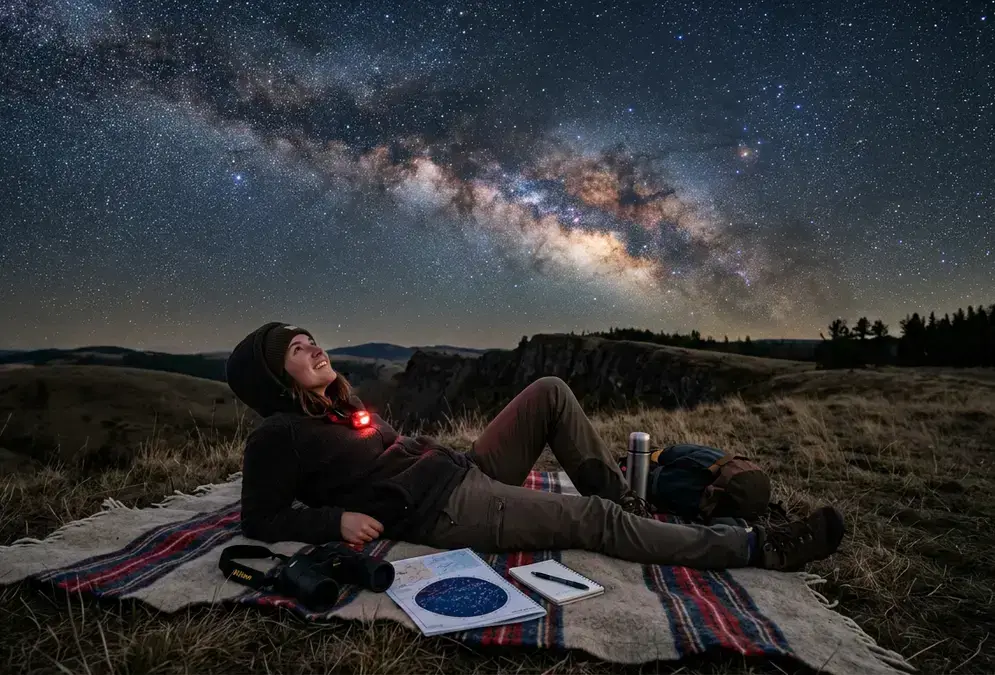
No gear, no jargon: how to see the Milky Way, planets, and meteors with just your eyes.
Long-form guides on dark-sky travel: aurora forecasting, astrophotography basics, gear, and destination deep-dives.
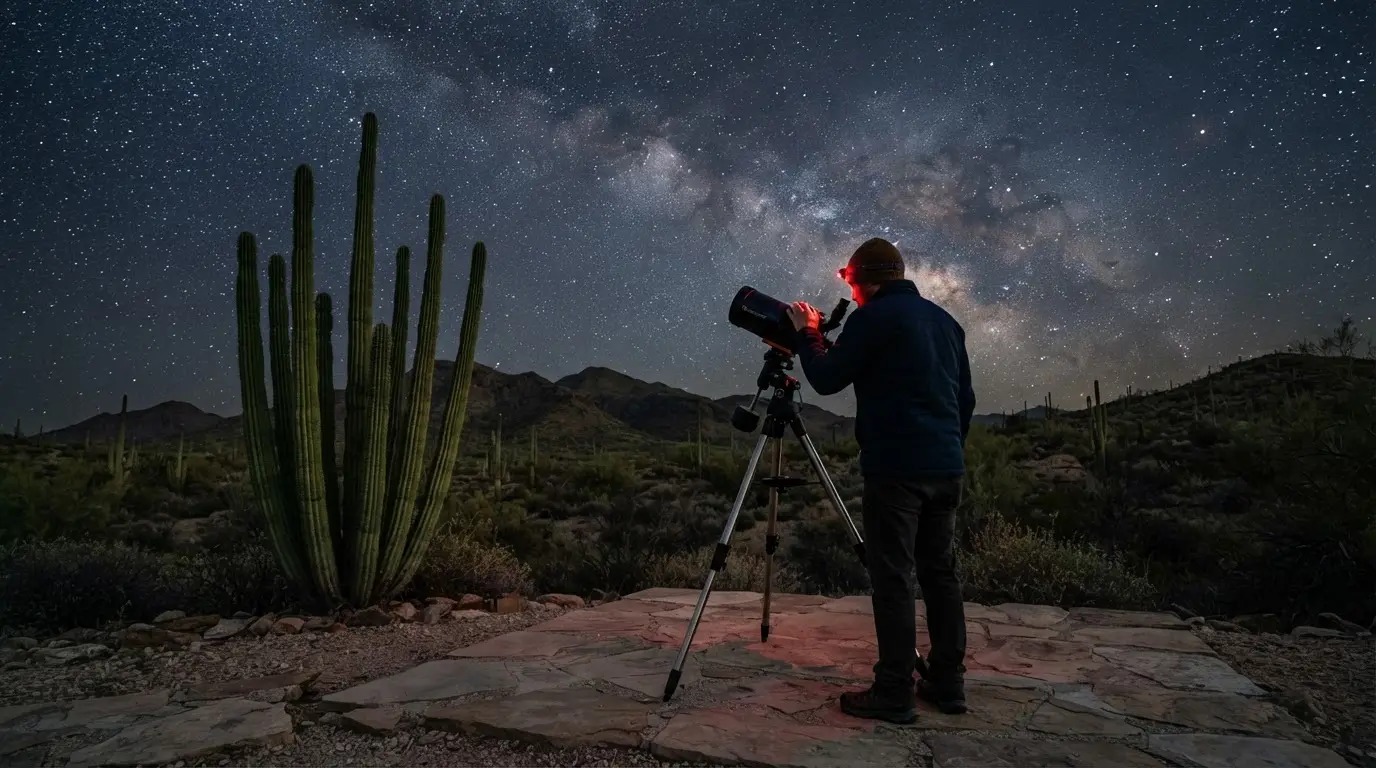
Maya Okonkwo 5 min read
Organ Pipe Cactus became an International Dark Sky Park in 2026. Where to set up a telescope, when rangers run programs, and what to check before you drive.
Read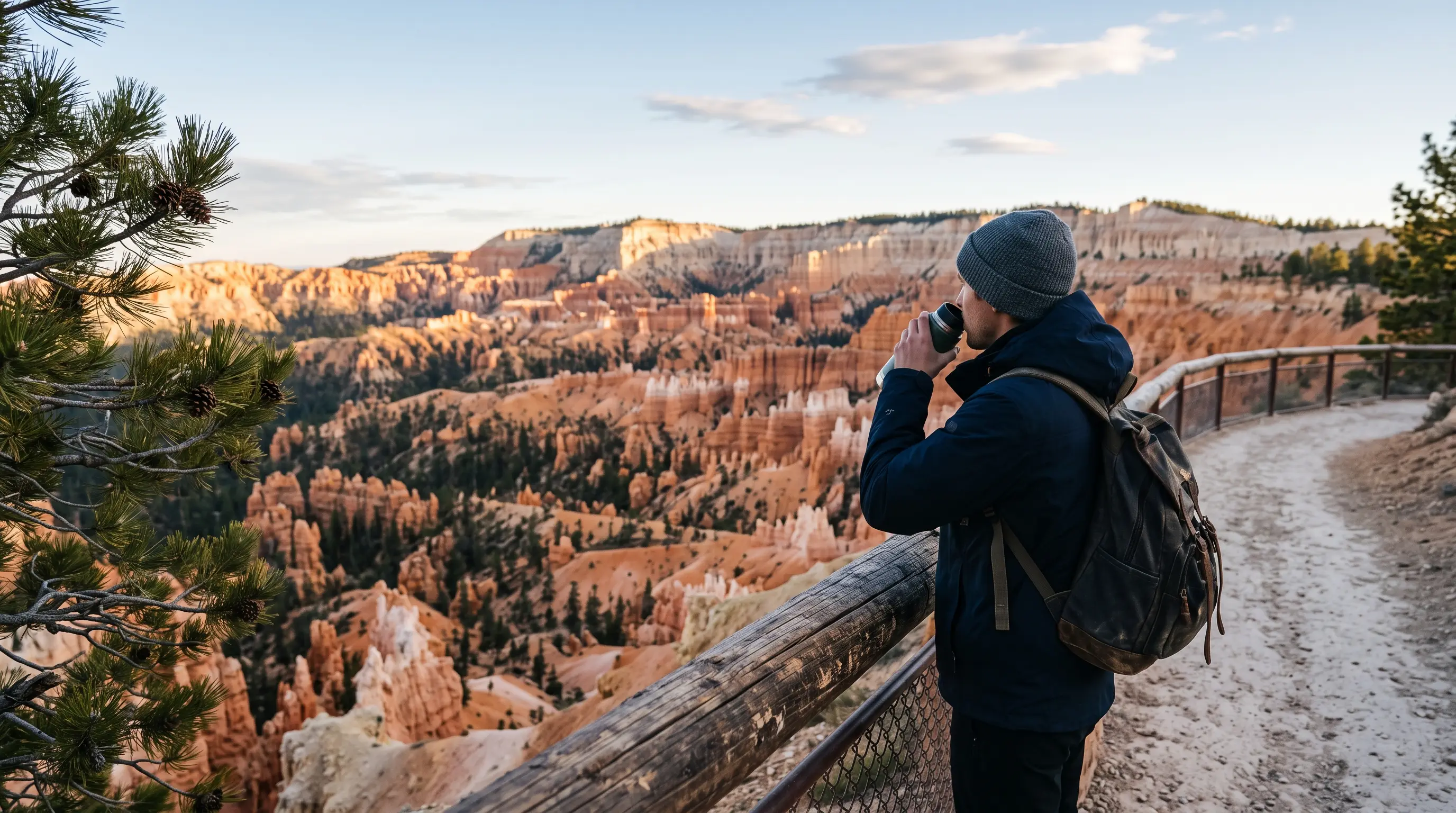
Maya Okonkwo Updated 3 min read
Bryce Canyon is named for Ebenezer Bryce, a Scottish-born Mormon pioneer who built a timber road into the cliffs, then left. Here is how his name stayed.
Read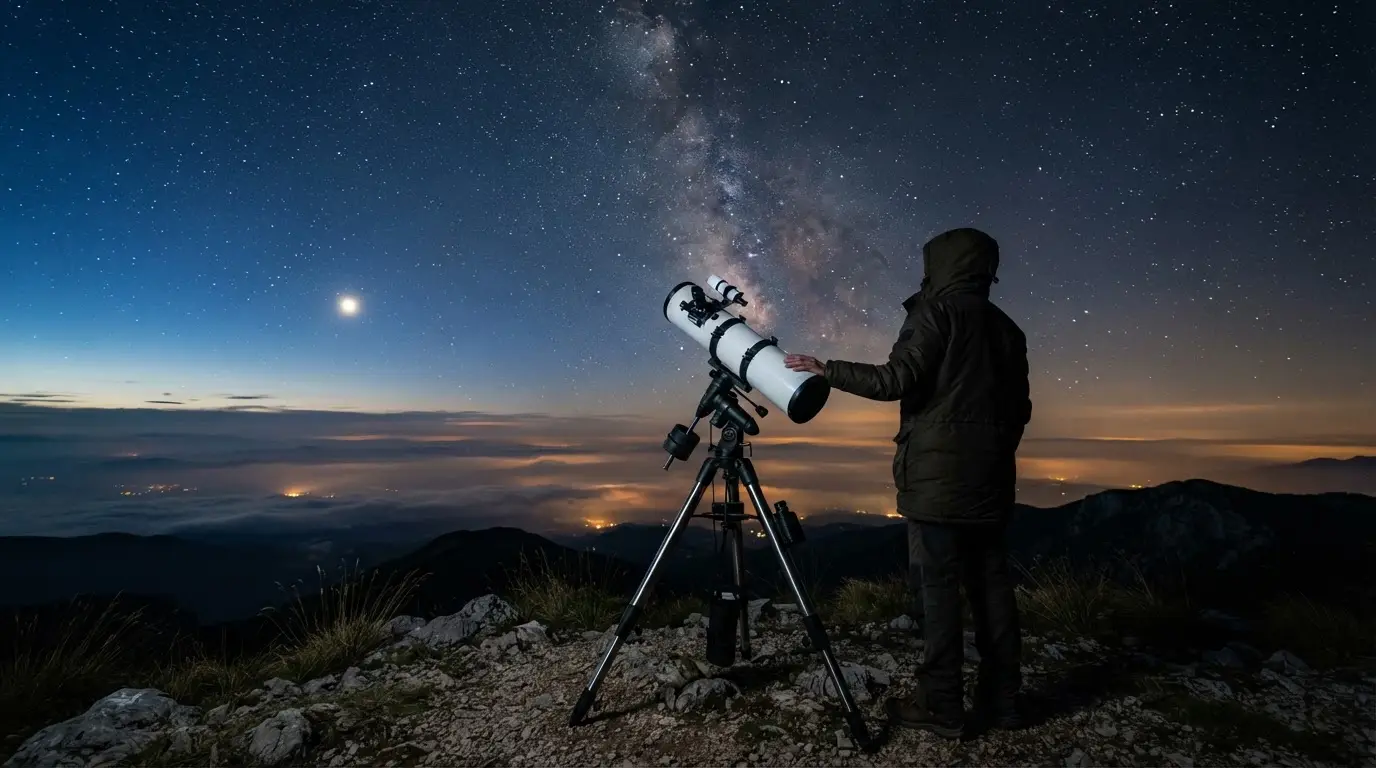
Maya Okonkwo 6 min read
Dark skies don't guarantee a sharp view. Astronomical seeing vs transparency, why they trade off, and how to match the night to Saturn or faint galaxies.
ReadEvery destination, lodge, and tour on Dark Skies Atlas is researched and vetted by one editor, so the advice stays consistent and someone stands behind it.
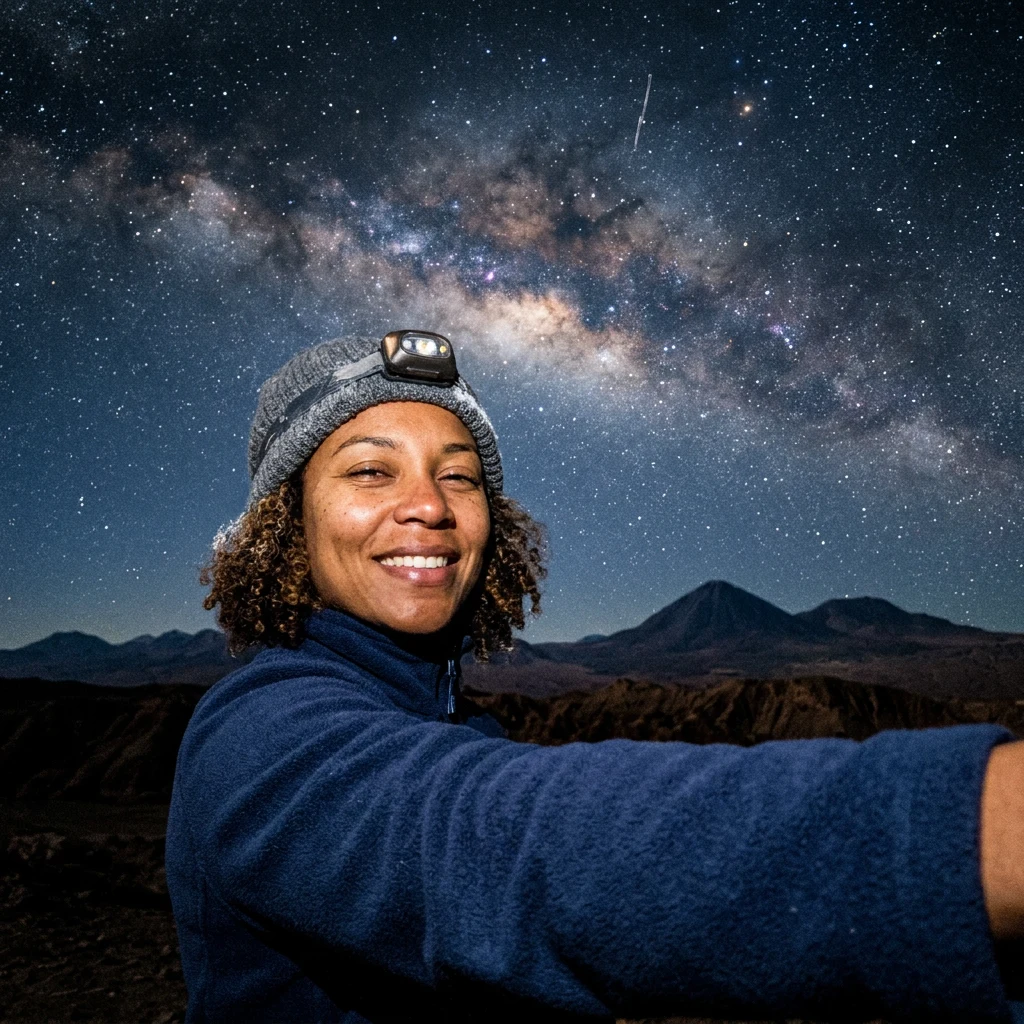
Atacama altiplano, 2 a.m.
Dark-sky travel writer
I'm Nigerian-born and have spent years writing about dark-sky travel. In person, I've stood under three skies: the Atacama altiplano in Chile, NamibRand Nature Reserve in Namibia, and the dunes at Merzouga on the edge of the Sahara. Everything else I cover, from Arctic aurora coasts and Pacific dark-sky reserves to desert observatories at Wadi Rum and AlUla, I document rather than claim to have seen. That means measured Bortle class and SQM readings, cloud-cover climatology, moon-phase calendars, Kp index and space-weather data, operator-confirmed prices, and access rules and drive times pulled from park services, dark-sky reserve authorities, the International Dark-Sky Association, and the lodges and observatories themselves, not aggregator sites. I still lead with the question most guides skip: when, exactly, should you go. I vet lodges and tours for first-timers and say plainly when a trip is likely to get clouded out, whether I've stood there myself or not.
I've seen dark skies firsthand in the Atacama altiplano, Namibia's NamibRand Nature Reserve, and Morocco's Merzouga dunes; every other destination I write about is built from measured Bortle and SQM data, cloud climatology, and primary sources like park services and the International Dark-Sky Association.
Answers to the most common questions about planning a dark-sky trip.
Yes, but not from most cities. The Milky Way's bright core needs roughly a Bortle 4 sky or darker, and light pollution now hides it from about a third of the world's population. Travel to a certified dark-sky destination during Milky Way season and it returns in full, bright enough to cast a faint shadow at the darkest sites.
A guided stargazing or aurora night starts around $50–95 per person, and dark-sky lodging runs from about $105 a night for a city hotel to $750 or more for an all-inclusive desert lodge. Plan on three to five nights, and budget flights separately; these figures cover the trip itself only.
Yes. Solar Cycle 25 peaked in late 2024, so 2026 sits in the declining phase, with geomagnetic activity gradually easing but still producing frequent strong displays at high latitudes. Fairbanks and Tromsø are the reliable bases, especially through aurora season; learn to read the forecast with my Kp index guide.
No. Your eyes alone show the Milky Way, meteor showers, and the aurora from a dark site; the main thing you need is 20 to 30 minutes to dark-adapt. Binoculars add star clusters and detail, and a telescope adds planets and galaxies. My gear guide covers what is worth carrying and what to leave at home.
About 20 to 30 minutes away from white light, and a single glance at a phone screen resets it. Bring a red-light torch, switch your phone to red or night mode, and give yourself half an hour before expecting to see faint detail.
Distance from town light, no floodlighting near the rooms, and flexible or late check-out so you can stay up for the sky. Red-lit paths, telescope hire, and a host who tracks the forecast are the extras worth paying for.
Plan around the sky
From certified dark-sky parks to remote wilderness lodges, the right location makes the difference between a sky full of stars and a sky full of haze.