Best couples who want a private hot tub inside the igloo
Levin Iglut Golden Crown
Premium Kelo-glass igloos, private in-igloo hot tubs in select units, extra-large king beds, on the Levi fell
Finnish Lapland's whole-region aurora guide: glass igloos, Santa Claus Village, six bases from Rovaniemi to Inari, aurora season Sep–Mar, no road drama.
Photo tour of the lodges, night-sky trips, and guides for this destination.
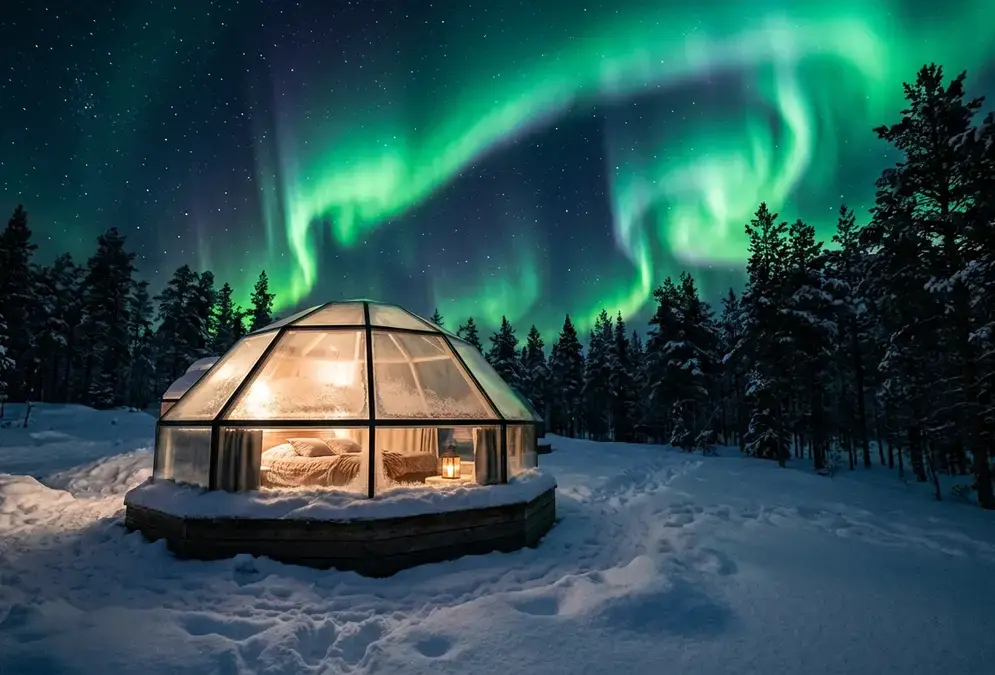
Best aurora purists who want the original glass igloo
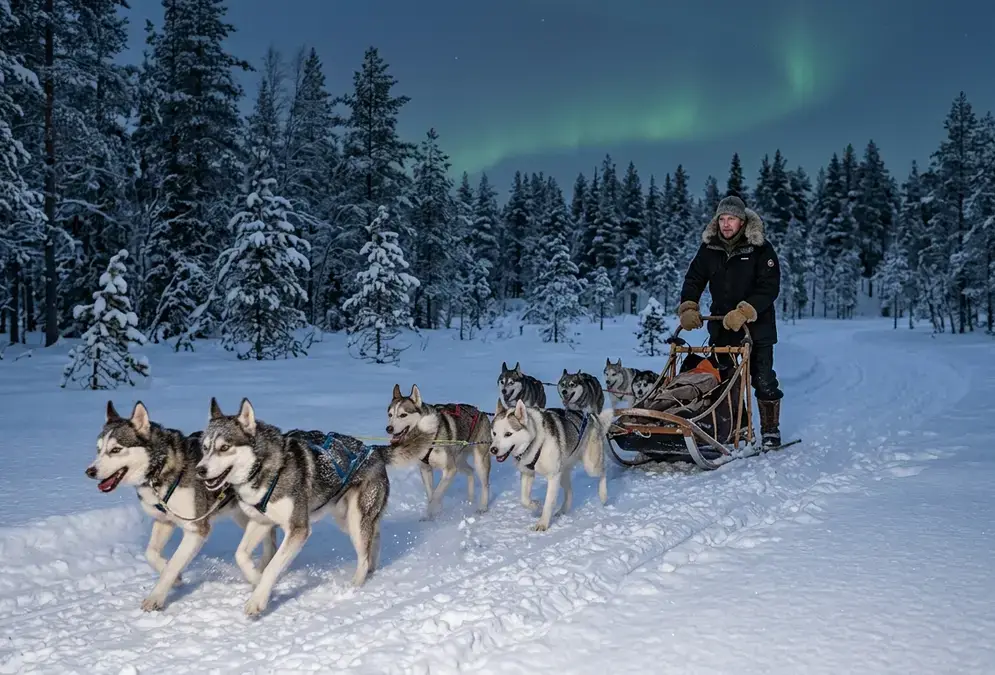
Drive your own husky sled through Arctic forest near Rovaniemi, then join a guided aurora hunt. 4-8 hours total, from €200 per person, aurora never guaranteed.
Six Finnish Lapland glass igloos ranked for northern lights: aurora-view roofs, dark-sky access, and authenticity, with Kakslauttanen the clear leader.
Six named spots across Finnish Lapland, from Rovaniemi's Ounasvaara fell to Lake Inari's frozen shore, ranked by aurora frequency, access, and facilities.
Best highest-rated stay, for travelers who want luxury without the crowds
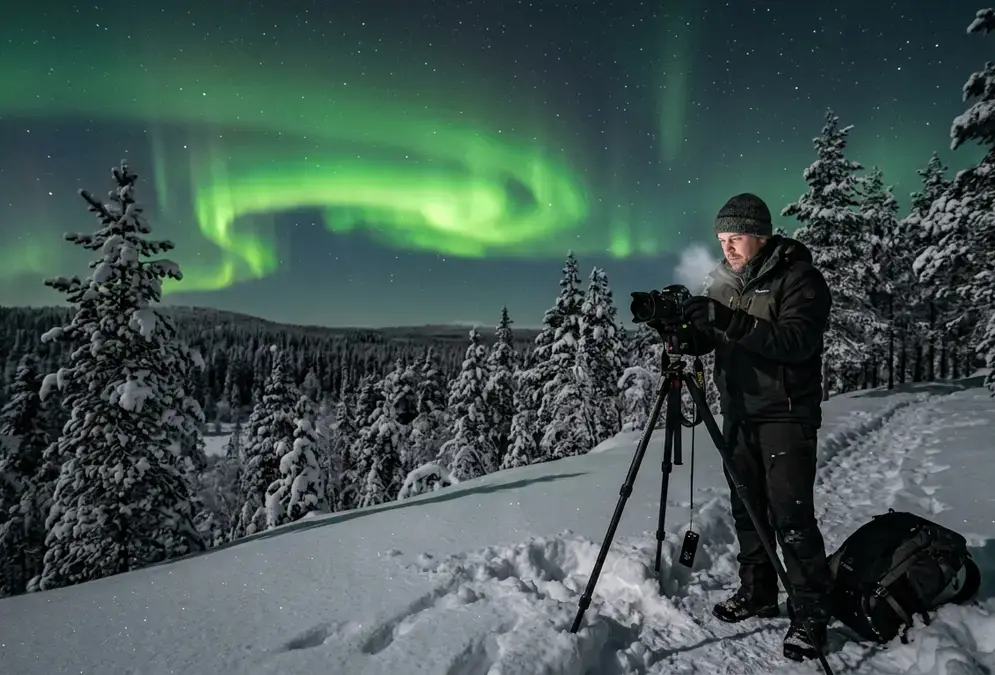
Guided aurora photography tour from Rovaniemi, Finnish Lapland. Small groups, camera coaching, cold-weather battery tips. From €240, 7–10 hours, Sep–Mar.
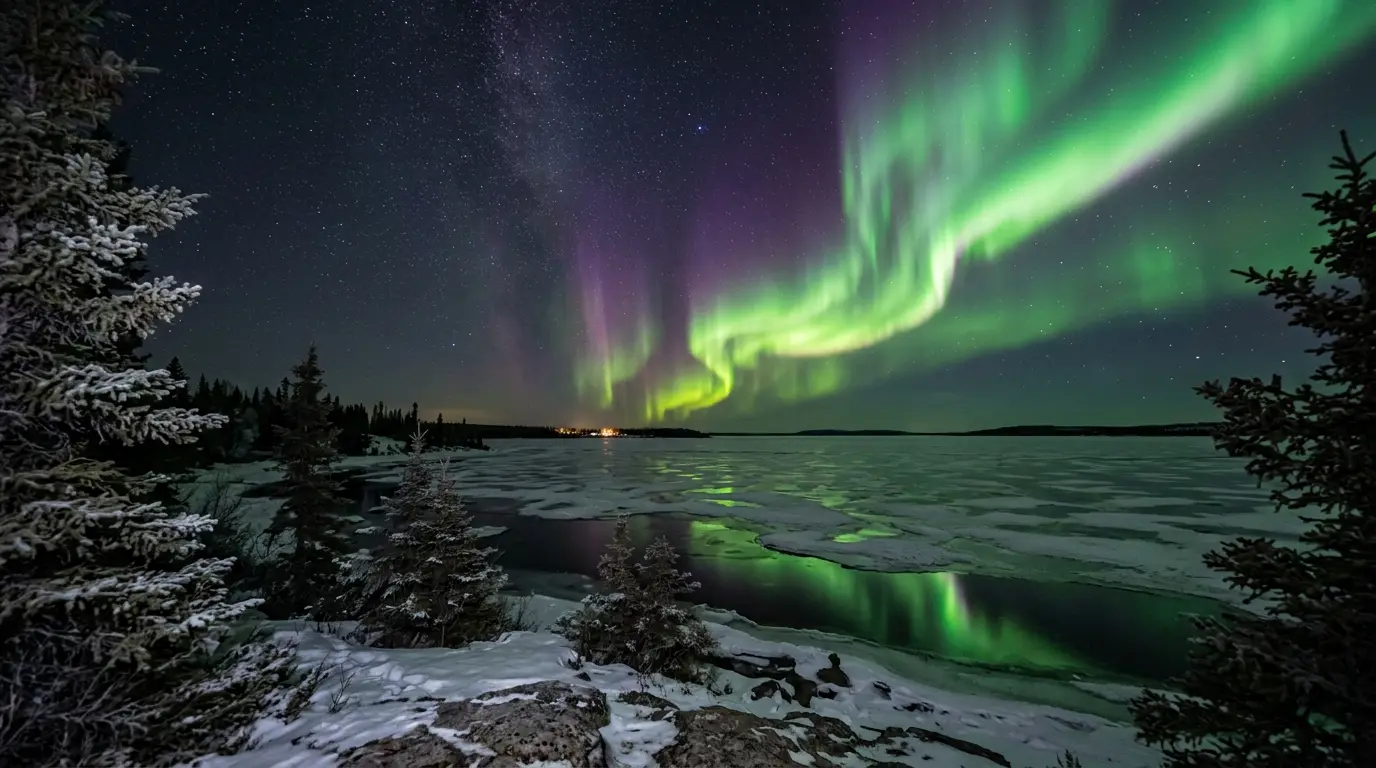
Yellowknife, Abisko, Tromsø, Fairbanks, Iceland, and Finnish Lapland — ranked by aurora frequency, clear-sky odds, and how easy each one is to actually reach.
Three nights in Lapland covers one base and one aurora hunt. Five nights adds Saariselkä's higher frequency. Seven spans three regions for the best odds.
Weighing it against somewhere else? Finnish Lapland vs Norway Northern Lights: Choose Your Style
Bortle 1-5 sky
What the Bortle scale meansThe Milky Way casts a faint shadow. Zodiacal light and airglow are obvious.
This destination rates Bortle 1-5 on the 9-level Bortle dark-sky scale, where 1 is a pristine dark sky and 9 is an inner-city sky. The Milky Way casts a faint shadow. Zodiacal light and airglow are obvious.
On this page
Updated
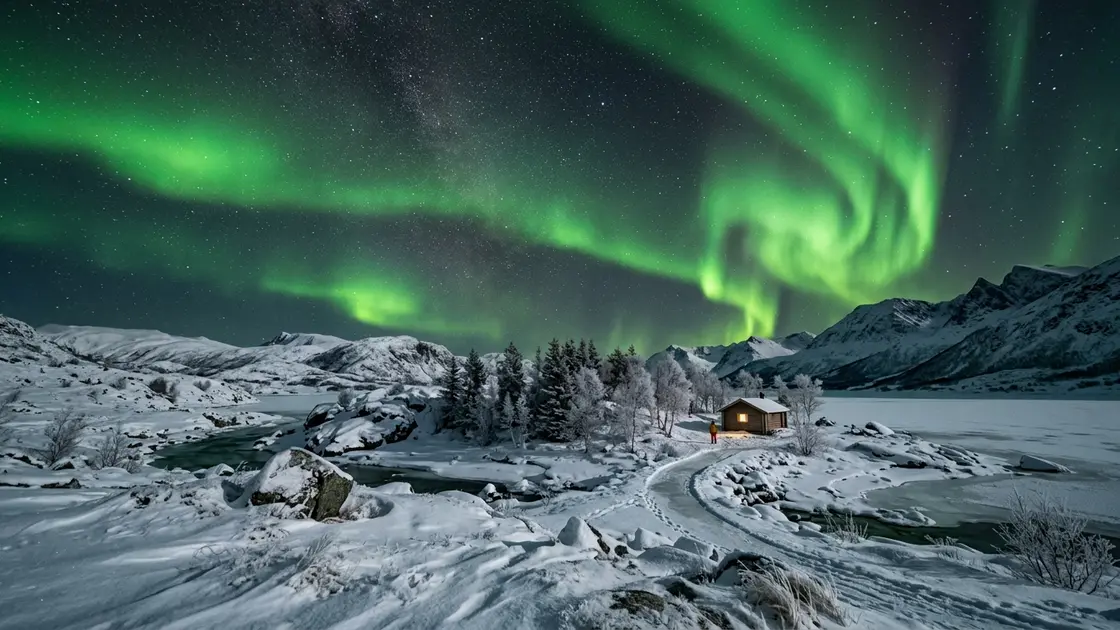
Most aurora destinations give you one city and a weather app. Finnish Lapland gives you six bases spread across a region the size of Portugal, a Christmas theme park sitting directly on the Arctic Circle, and a hotel where the ceiling itself doubles as the aurora forecast. Rovaniemi, Levi, Saariselkä, Ylläs, Inari, and Pyhä each deliver a genuinely different version of the same Arctic winter, and the region's signature stay, the glass igloo, turns aurora-watching into something you can do without getting out of bed.
What actually separates Lapland from Tromsø's pure-adventure model or Iceland's road-trip sprawl isn't better odds of seeing the lights. It's the crossover audience. Santa Claus Village sits directly on the Arctic Circle line just outside Rovaniemi, a year-round draw that pulls multi-generational family groups onto an aurora trip in a way Tromsø and Iceland rarely see. Pair that with Kakslauttanen Arctic Resort, 250 km further north, and you have a region built as much around kids crossing an imaginary line on a map as around a Kp forecast.
Computed for Finnish Lapland at 67°N. Updates nightly.
First quarter tonight, 36% illuminated
Next new moon August 12. The nights either side of it are the darkest of the month.
No astronomical darkness right now
At 67°N the summer sun never sinks far enough below the horizon for a fully dark sky. Proper darkness returns in September.
Hours of astronomical darkness by month at Finnish Lapland: January 12 hours, February 10 hours, March 7 hours, April 0 hours, May 0 hours, June 0 hours, July 0 hours, August 0 hours, September 4 hours, October 9 hours, November 12 hours, December 13 hours.
Perseids active now
Peaks August 12. Up to 100 meteors per hour at maximum. The 2026 peak lands on a new moon — a dark-sky year with zero lunar washout.
See the Perseids guideAurora season resumes in September
Summer nights stay too bright for the aurora at this latitude. Book for the darker months and plan around the new moon.
Northern lights season guideWhere to go stargazing in July
The season runs from late August through April, though September to March is where the real viewing happens. Inside that window, three distinct stretches trade off darkness, cold, and crowds.
September–October rides the autumn equinox, which reliably lifts solar activity and geomagnetic storm frequency. Temperatures hover around −10°C (14°F), the ground still carries autumn color, dark nights are long enough to hunt in, and crowds are thin. If you want the best balance of viewing conditions and visitor comfort, this is it.
December–January is kaamos, the polar night, when the sun stays below the horizon and some days see close to zero hours of direct daylight. That darkness is an asset for aurora-hunting, since the viewing window effectively runs all day, but the cold is real: −20°C to −30°C (−4°F to −22°F), colder on a bad night. It's also the busiest and most expensive stretch, driven by Christmas-market tourism as much as aurora demand.
February–March catches the spring equinox boost and brings daylight back fast enough for daytime activities, while keeping temperatures around −15°C to −20°C (5°F to −4°F) and snow conditions at their best. Crowds thin out after the holiday rush. This is the pick for visitors who want strong odds without booking around Christmas. For how these three stretches compare with five other aurora destinations across the full season, see Northern Lights Season 2026-27.
Say this plainly: the aurora is never guaranteed. Even in the best window, on the clearest night, it might not show. Seeing it depends on three things landing together, a dark sky, a clear one, and enough solar activity, and local guides watch Kp forecasts and cloud cover in real time to decide where to point the snowmobile. Aurora most commonly appears between 10 PM and 2 AM, though it can start as early as 7 PM and run for minutes or hours. For a month-by-month breakdown of temperature, crowds, and viewing odds, see the best time to see the northern lights in Finnish Lapland.
Finnish Lapland's aurora season runs late August through April, though the two clearest windows sit around the September-October and February-March equinoxes, when solar activity tends to spike and temperatures stay more manageable than deep winter. December and January bring the kaamos, or polar night, with the longest stretches of darkness of the year but also the coldest temperatures, sometimes -20°C to -30°C. Cloud cover, not solar activity, is the biggest variable working against you on any given night.
Going in January? See what else the sky offers that month
Lapland's six main bases aren't interchangeable, and picking one shapes the rest of the trip.
For a closer look at which base gives the darkest sky and the best odds, see the best places to see the northern lights in Finnish Lapland. Most first-time visitors base in Rovaniemi and day-trip or overnight into one of the others. Kakslauttanen, the region's hero property, is three hours by bus from Rovaniemi and worth the trip regardless of where you're staying.
Tap a pin to open the lodge, tour, or destination page.
Kakslauttanen Arctic Resort is the reason Finnish Lapland has a distinct identity in aurora tourism. It sits 250 km above the Arctic Circle, far enough into low-light-pollution territory that the resort built its reputation on one simple promise: watch the northern lights from a heated bed without leaving your room. The property runs several igloo tiers, Small Glass Igloos, Large Glass Igloos, and Kelo-Glass Igloos built from Lapland's distinctive kelo pinewood, all with en-suite sauna. It costs considerably more than a standard hotel room, and it's booked out for peak dates months in advance, but it delivers the one experience most people picture when they imagine an aurora trip to Finland.
If Kakslauttanen is full or the three-hour bus ride from Rovaniemi doesn't fit your itinerary, Levi has its own glass-igloo tier: Northern Lights Ranch carries the highest guest rating in the region, and Levin Iglut's Golden Crown adds a private hot tub for couples. Closer to Rovaniemi itself, Arctic TreeHouse Hotel trades the igloo shape for a design-forward glasshouse a short walk from Santa Claus Village, and Arctic SnowHotel & Glass Igloos lets you pair a glass igloo night with a genuine ice-hotel stay. Standard hotels, guesthouses, and cabins exist in every one of the six bases at a fraction of the igloo price, and they're the more practical choice if the room itself isn't the point of the trip.
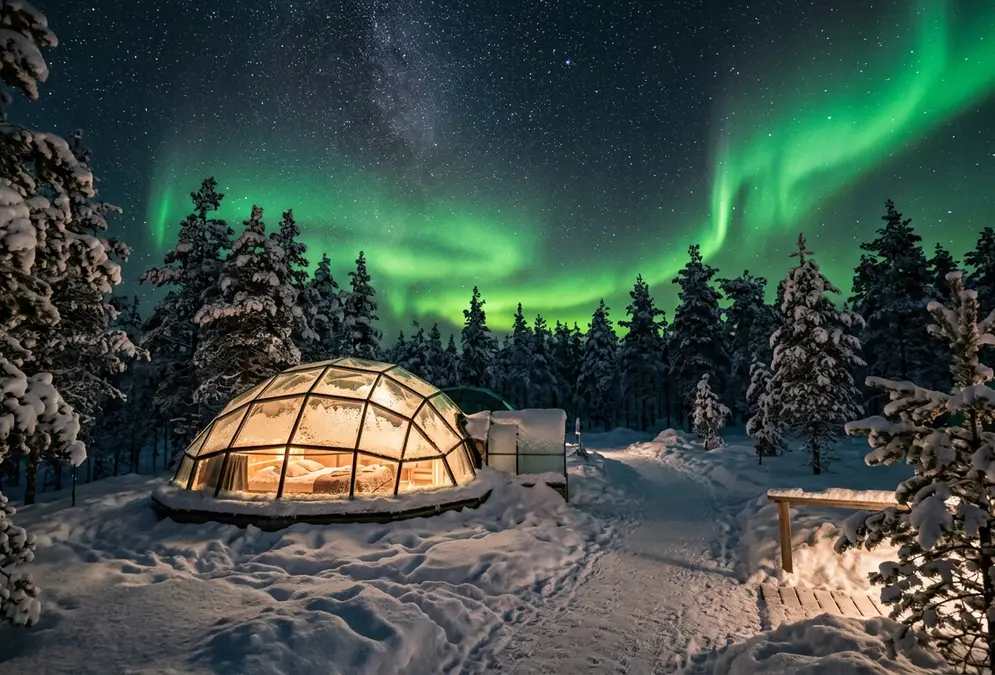
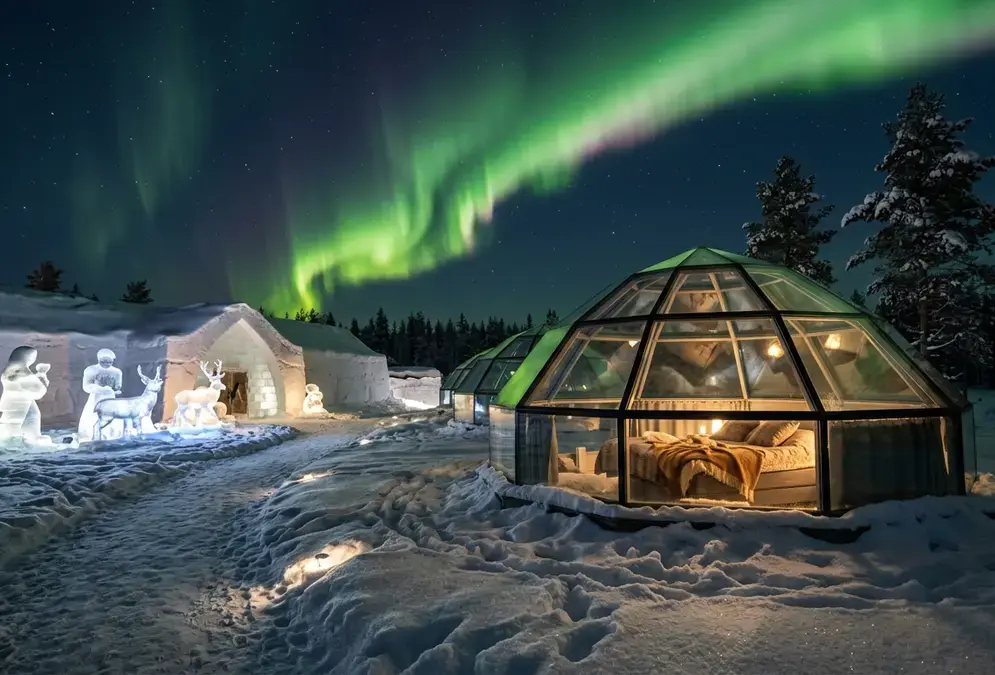
Best couples who want a private hot tub inside the igloo
Premium Kelo-glass igloos, private in-igloo hot tubs in select units, extra-large king beds, on the Levi fell
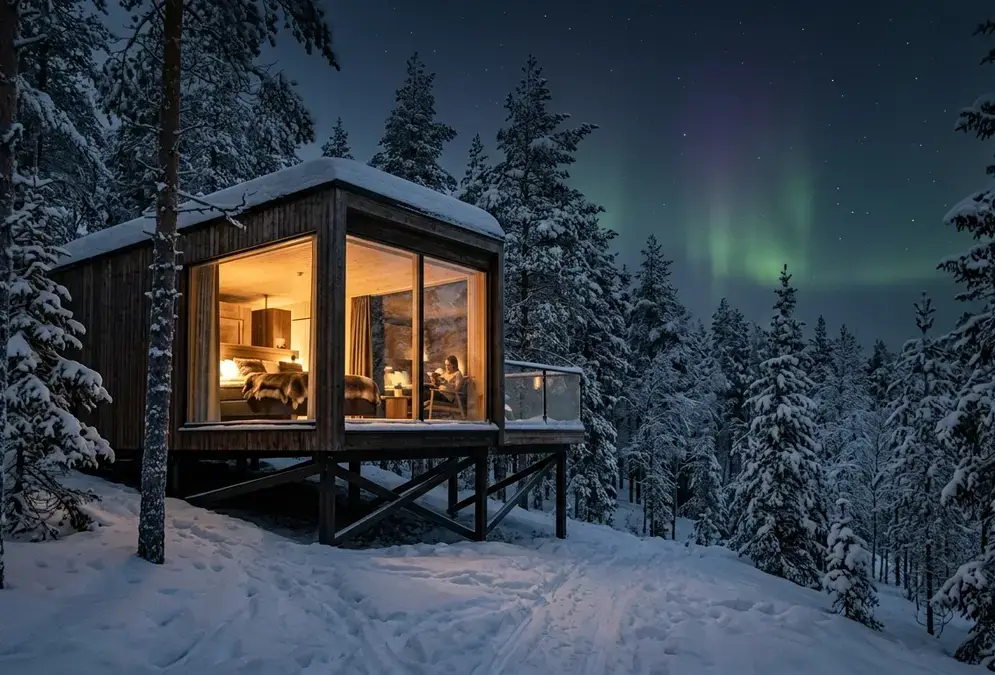
Best design-focused travelers who treat the aurora as a bonus, not the goal
Modern glasshouse cabins with forest views, private sauna, fireplace, and kitchenette in every unit, adjacent to Santa Claus Village
Best budget-conscious travelers who want two experiences in one stay
Hybrid snow-hotel rooms plus glass igloos, 360-degree glass roofs, on-site aurora alarm, Icebar and sauna, 30 minutes from Rovaniemi
Guided aurora hunts are the backbone of the region's tour economy. Guides drive snowmobiles, mush huskies, or lead reindeer sleighs to dark-sky spots, checking Kp forecasts and cloud cover as they go, at prices from about €129 to €700+ depending on vehicle and duration. Photographers can book a dedicated aurora photography tour with camera coaching instead of a general chase; see our Lapland aurora photography gear guide or, if you're travelling light, can you photograph the aurora on a phone for what actually works in the cold.
Beyond the aurora hunt itself:
For more on filling daylight hours beyond the aurora hunt, see what to do in Finnish Lapland beyond the northern lights.
Ski fells at Levi, Ylläs, and Pyhä add a winter-sports layer that neither Iceland nor Tromsø match at the same scale, letting a single trip combine daytime skiing with nighttime aurora-hunting.
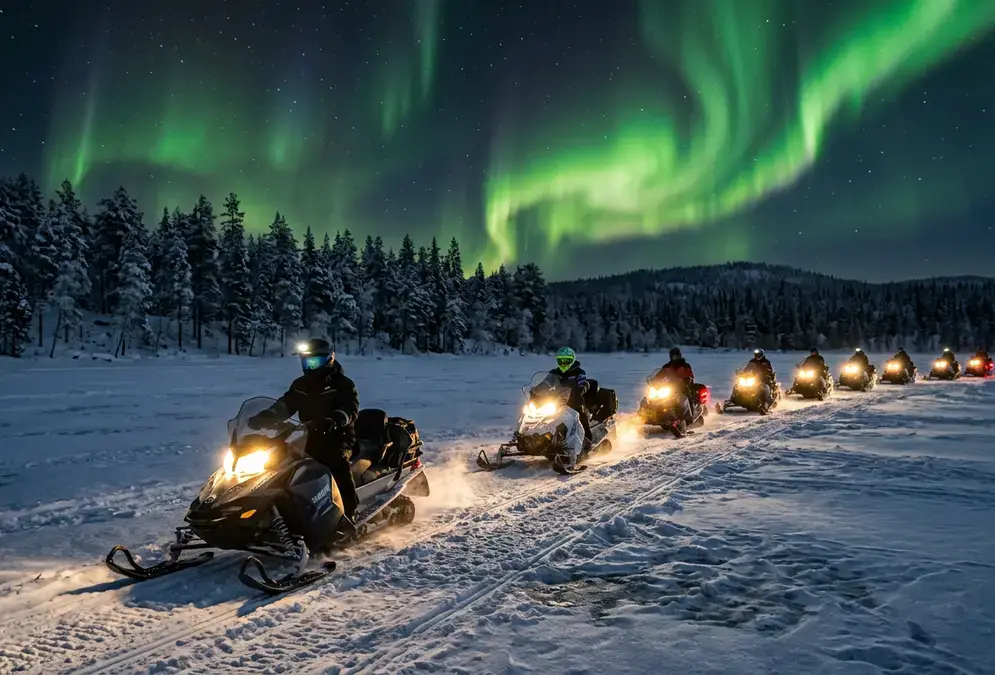
A 5–8 hour snowmobile aurora hunt deep into Lapland's wilderness. Valid license required, campfire break included, guide tracks aurora forecasts. From €200.
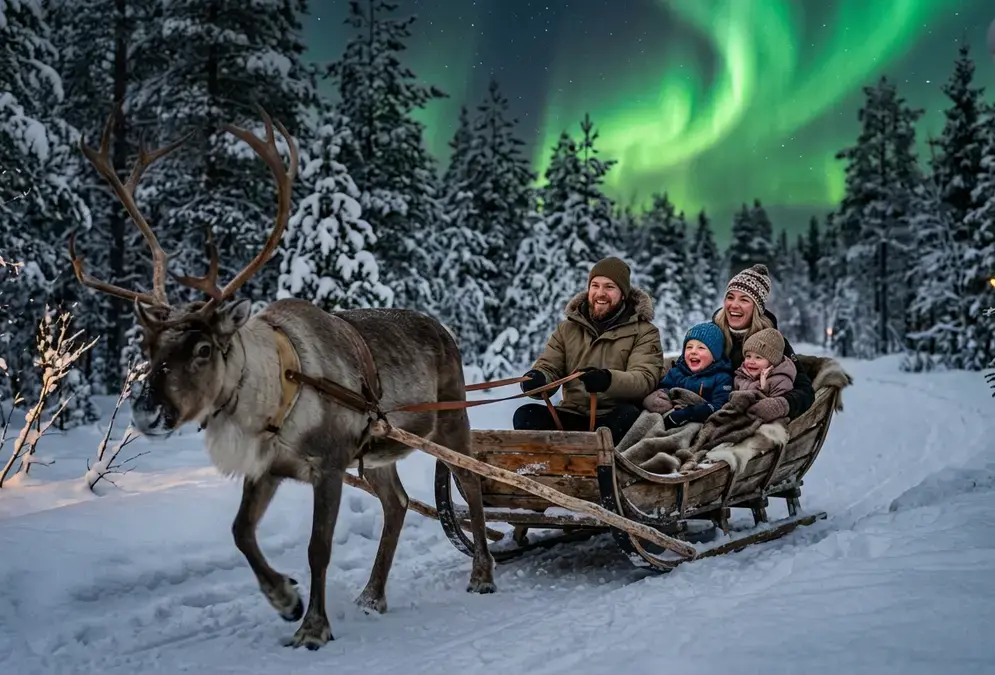
Gentle reindeer sleigh ride at a family-run Rovaniemi farm, then an evening aurora hunt in Finnish Lapland. Family-friendly from age 2, €180–300 per person.
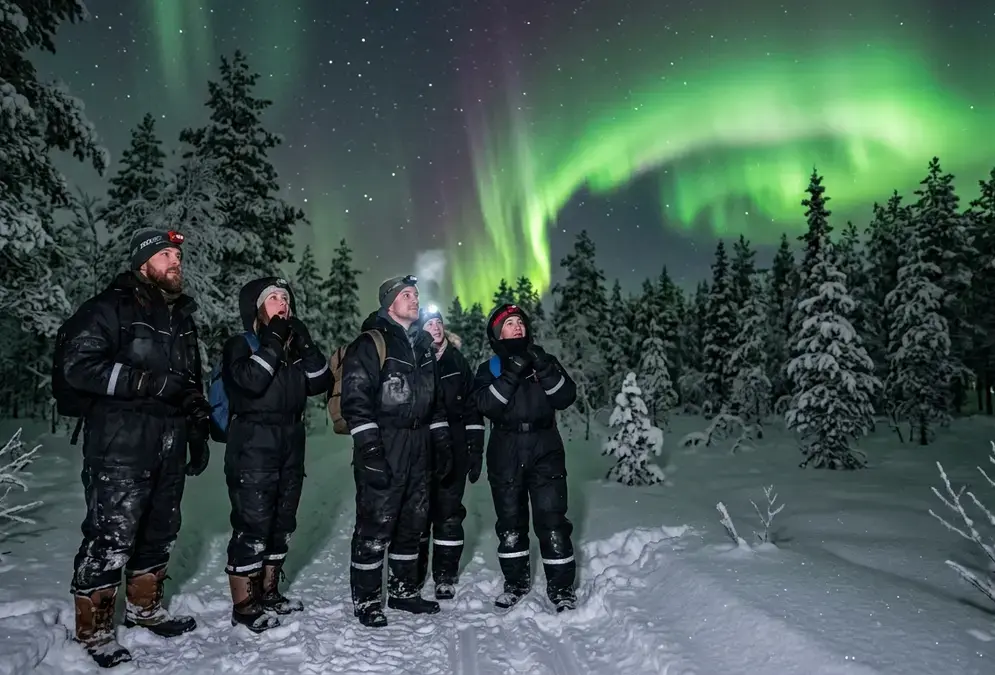
A 6–12 hour aurora chase from Rovaniemi, Finnish Lapland. Small groups of 8, real-time cloud tracking, September–March. From €120, no sighting guarantee.
Fly into Rovaniemi Airport (RVN) via Helsinki (HEL); the connecting flight runs about 1.5 to 2 hours, and most North American and UK routes transit Helsinki regardless (full details in getting to Rovaniemi). The overnight Santa Claus Express train from Helsinki is the romantic alternative, arriving with its own Christmas-themed amenities. From the airport, shuttle buses, taxis, and rental cars all run into Rovaniemi in well under an hour.
Compared to Iceland, the logistics here are simpler. There's no Ring Road drama, no sudden closures posted to a weather site at 4 PM, and no white-knuckle drive through crosswinds to reach a dark-sky spot. Finland's continental climate means reliable snow across six months of winter and roads that stay predictable. The real logistical concern is different: deep cold and short daylight. In December and January, that means planning outdoor time around a handful of usable daylight hours and dressing for −30°C, not just booking a rental car and hoping for clear skies. See our Finnish Lapland winter packing list for the full layering plan.
Budget a minimum of three to four days for one aurora hunt and one signature activity (see how many days you actually need in Finnish Lapland for a longer breakdown). A week to ten days lets you combine a Rovaniemi base with excursions to Saariselkä or Inari, work in ski time, and give the weather room to cooperate on at least one clear night. Compare this against Iceland's aurora season or Tromsø's polar-night window if you're weighing where a first Arctic trip should go: Iceland trades certainty for ice caves and glass-dome hotels of its own, Tromsø trades the family angle for the highest single-city odds in Europe, and Lapland trades some of both for a Christmas theme park on the Arctic Circle and a bed with a glass ceiling. For a direct head-to-head, see Finnish Lapland vs Norway for the northern lights; if you're still weighing whether this is the right Arctic trip at all, see is Finnish Lapland worth it for the northern lights, or browse the Finnish Lapland northern lights FAQ for quick answers.
Best season
September–October and February–March for the best balance of equinox-driven aurora activity and manageable conditions; December–January (kaamos) is darkest but coldest and busiest
Quietest hours
Post-midnight, after guided tour groups return to their hotels; aurora most commonly appears between 10 PM and 2 AM
Visit duration
3–4 nights minimum for one aurora hunt and one signature activity; 7–10 nights to combine a Rovaniemi base with Saariselkä or Inari and give the weather room to cooperate
Reporter notebook
December and January give you kaamos, the longest darkness of the year, but they're also the coldest stretch (−20°C to −30°C) and the busiest, driven as much by Christmas-market tourism as by aurora demand. September–October catches the same equinox-driven activity boost with milder cold (around −10°C) and a fraction of the crowds. If comfort and budget matter more than maximum darkness, skip December.
The glass igloos at Kakslauttanen Arctic Resort book out months ahead for the September–October and February–March windows, when equinox activity and manageable weather overlap. If you want a specific date, book as early as you can. If it's full, Levi Igloos offers a comparable glass-ceiling stay at a ski resort base with easier access from Rovaniemi.
A single cold snap can drop temperatures 10°C below the seasonal average, and most aurora-watching happens standing still for an hour or more. Bring a thermal base layer, an insulated mid-layer, and an outer shell rated well below what the forecast says, plus real winter boots. Tour operators sometimes supply outer suits, but your own thermal layers underneath work better than borrowed layers alone.
Further reading
Plan your 2026-27 aurora trip: why September to April is prime season, when equinox storms peak, and which destinations worldwide offer the best viewing odds.
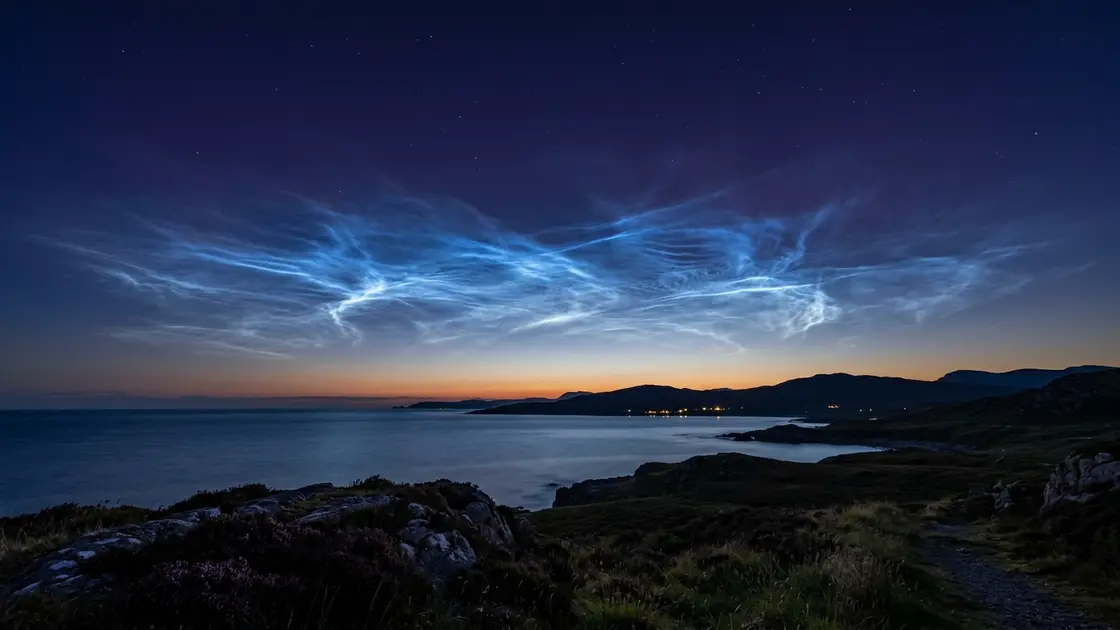
Noctilucent clouds glow silvery-blue over high-latitude skies mid-May through August, peaking in July. Here's when and where to see summer's aurora alternative.
United States · Best Aug–Apr (Feb–Mar peak)
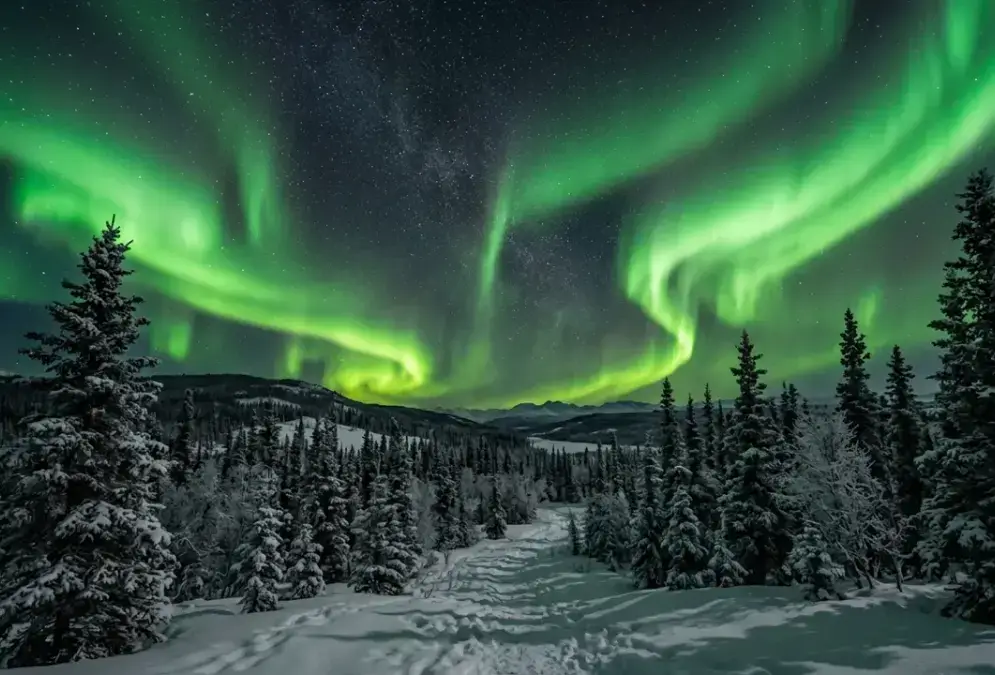
Fairbanks sits directly under the auroral oval at 64.8°N. Aurora season runs Aug 21–Apr 21, peaking Feb–Mar, with roughly 90% odds if you stay 3+ nights.
Sweden · Best Aug-Apr
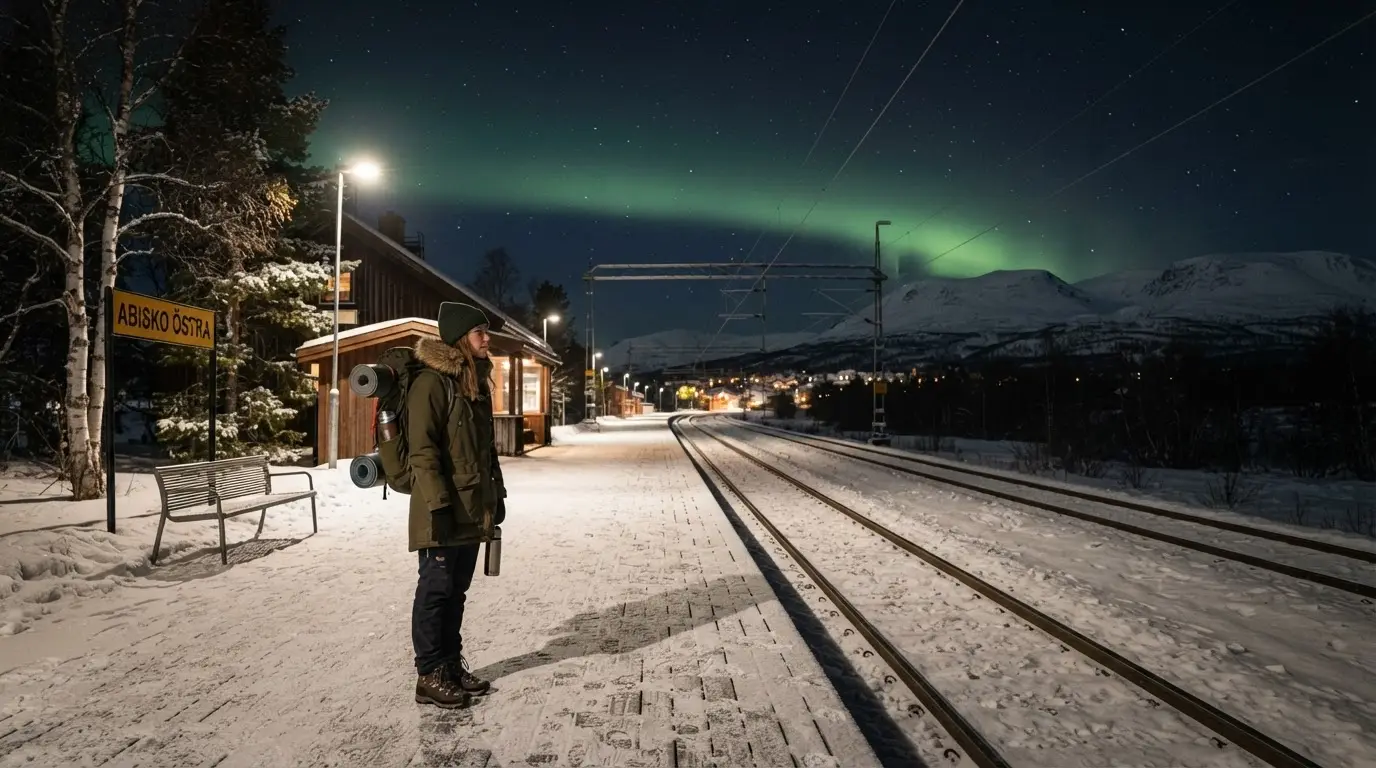
Abisko's rain-shadow microclimate keeps skies clear when nearby Arctic spots cloud over. Aurora season, the Sky Station, ICEHOTEL, and getting there by train.
Iceland · Best Sep–Oct & Feb–Mar
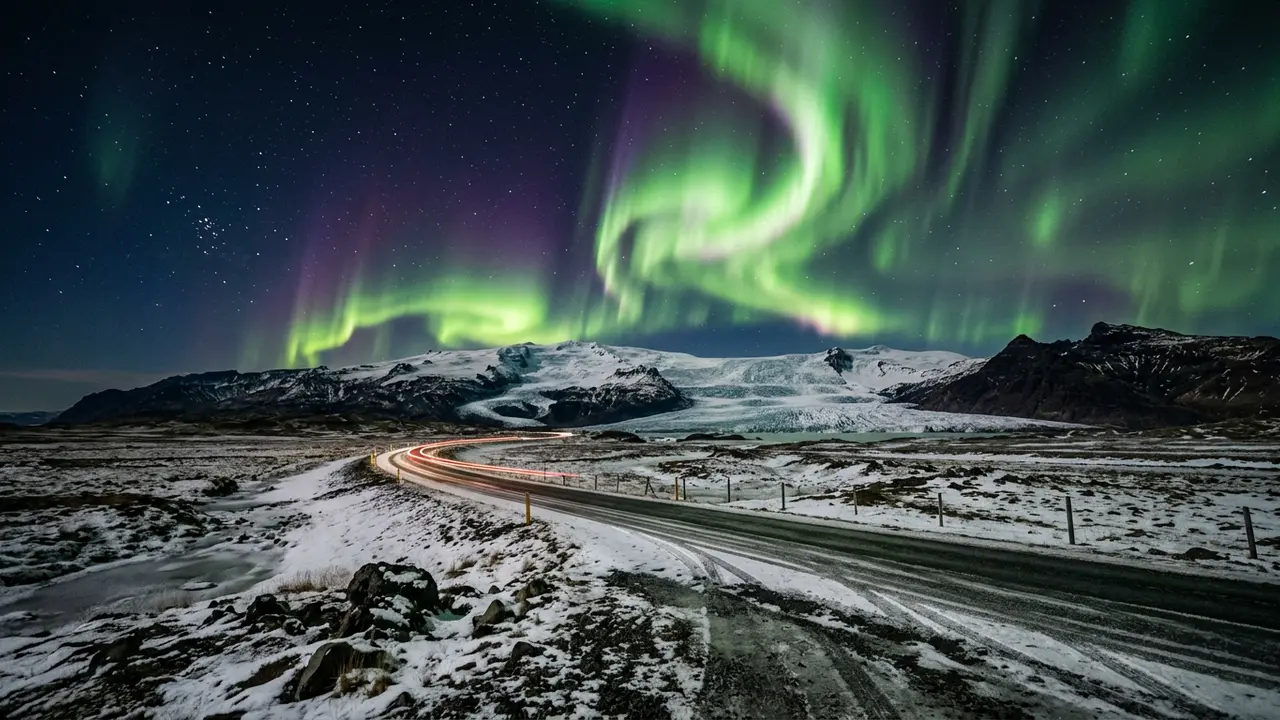
Iceland's whole-country aurora guide: best regions to base in, aurora season Sep–Mar, ice caves, winter driving reality, and where cloud cover ends every plan.