Northern Lights Chase Tour in Tromsø
A 5–6 hour minibus aurora chase from Tromsø, November–March. Expert guides track real-time weather to find clear skies. From €120. No sighting guarantee.
At 69.6°N inside the auroral oval, Tromsø sees aurora at Kp 2. Peak season November–February. Best viewing spots, tour advice, and aurora forecast strategy.
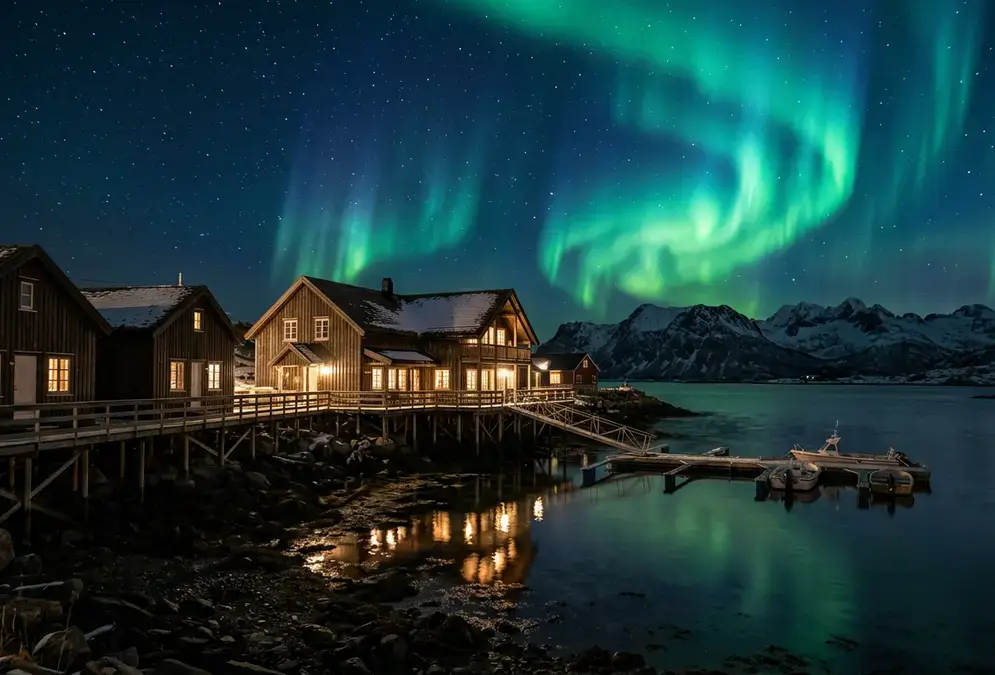
Photo tour of the lodges, night-sky trips, and guides for this destination.
Best best overall
Small-group aurora chase in Tromsø with a free rebook if no lights appear. Unlimited mileage, expert guides, and thermal suits included. Nov–Mar, from 950 NOK.
Seven aurora viewing spots ranked near Tromsø, rated Bortle 2-6, from a 25-30 minute walk to Telegrafbukta to a 90-minute drive to Lyngenfjord's clearer sky.
Lapland's dry climate beats Tromsø's clouds and Iceland's road closures, but glass igloos cost €300-1,200 a night. The honest verdict on weather odds and cost.
Best best for darkest sky
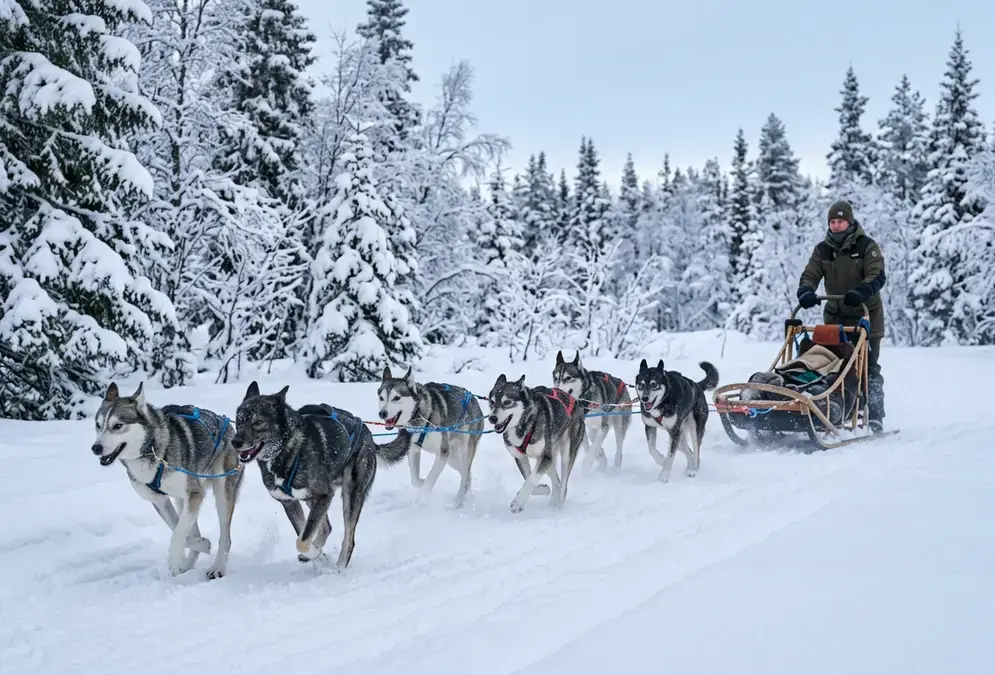
Drive your own dog team through Arctic forest outside Tromsø. Hotel pickup and thermal suits included. November–April, pairs with aurora hunting. From €150.
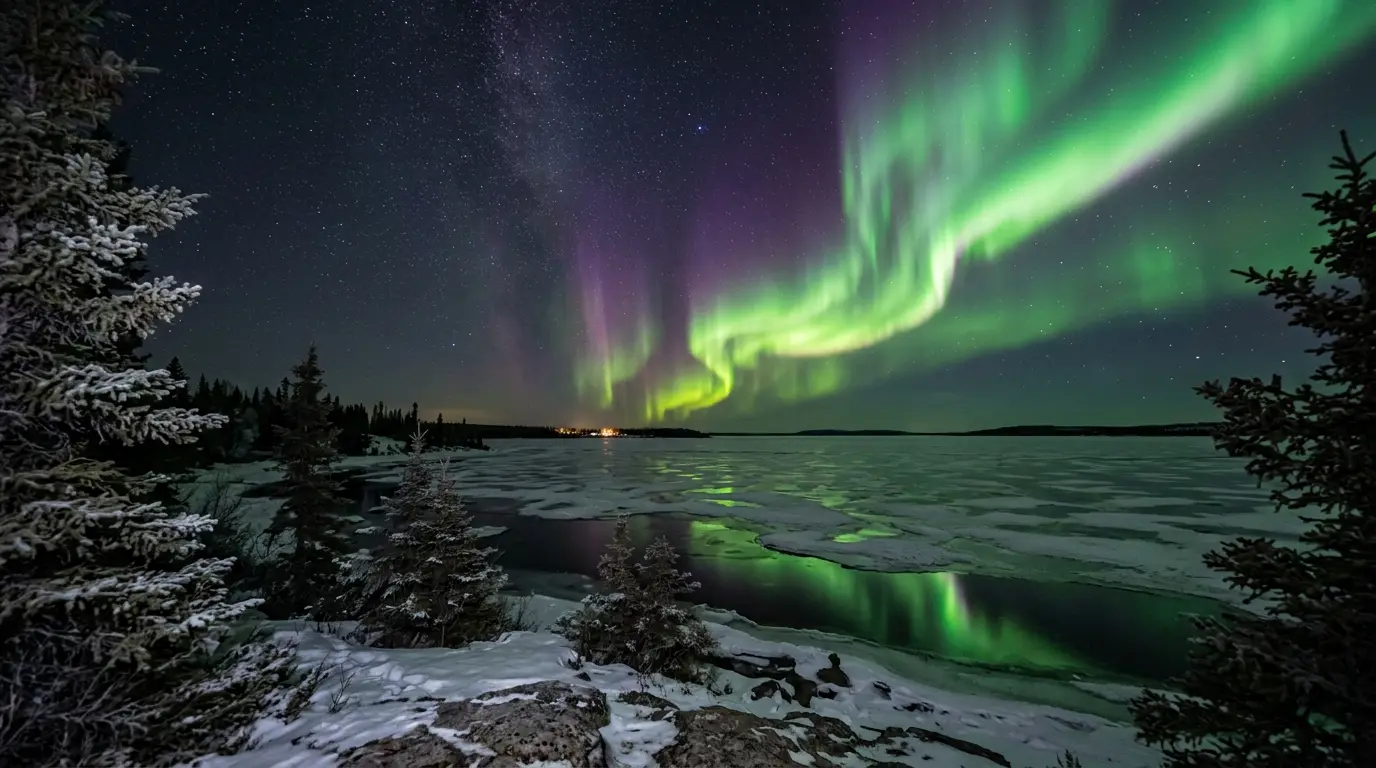
Yellowknife, Abisko, Tromsø, Fairbanks, Iceland, and Finnish Lapland — ranked by aurora frequency, clear-sky odds, and how easy each one is to actually reach.
Iceland costs 1.5 to 2 times Tromsø, and cloud cover controls your odds either way. An honest look at cost, crowds, and who should actually book this trip.
Weighing it against somewhere else? Abisko vs Tromsø for Stargazing — Which Is Right for You Iceland Northern Lights vs Norway: Which Fits Your Trip
Bortle 3 sky
What the Bortle scale meansThe Milky Way still shows real detail. Light domes glow low over distant towns.
This destination rates Bortle 3 on the 9-level Bortle dark-sky scale, where 1 is a pristine dark sky and 9 is an inner-city sky. The Milky Way still shows real detail. Light domes glow low over distant towns.
On this page
Updated
Tromsø sits at 69.6°N in Arctic Norway, inside the auroral oval — the latitude band where aurora borealis activity is most intense on Earth. The auroral oval runs between magnetic latitudes of 65° and 72°N; Tromsø's magnetic latitude is 67.4°N, near the center. That geography has one practical consequence for trip planning: aurora becomes visible here at a Kp index of just 2. At that threshold, most of Europe is still waiting for a significant geomagnetic storm. Norway's largest city above the Arctic Circle, home to around 75,000 people, has built its tourism economy on that advantage.
Computed for Tromsø at 70°N. Updates nightly.
First quarter tonight, 36% illuminated
Next new moon August 12. The nights either side of it are the darkest of the month.
No astronomical darkness right now
At 70°N the summer sun never sinks far enough below the horizon for a fully dark sky. Proper darkness returns in October.
Hours of astronomical darkness by month at Tromsø: January 13 hours, February 10 hours, March 6 hours, April 0 hours, May 0 hours, June 0 hours, July 0 hours, August 0 hours, September 0 hours, October 8 hours, November 12 hours, December 13 hours.
Perseids active now
Peaks August 12. Up to 100 meteors per hour at maximum. The 2026 peak lands on a new moon — a dark-sky year with zero lunar washout.
See the Perseids guideAurora season resumes in September
Summer nights stay too bright for the aurora at this latitude. Book for the darker months and plan around the new moon.
Northern lights season guideWhere to go stargazing in July
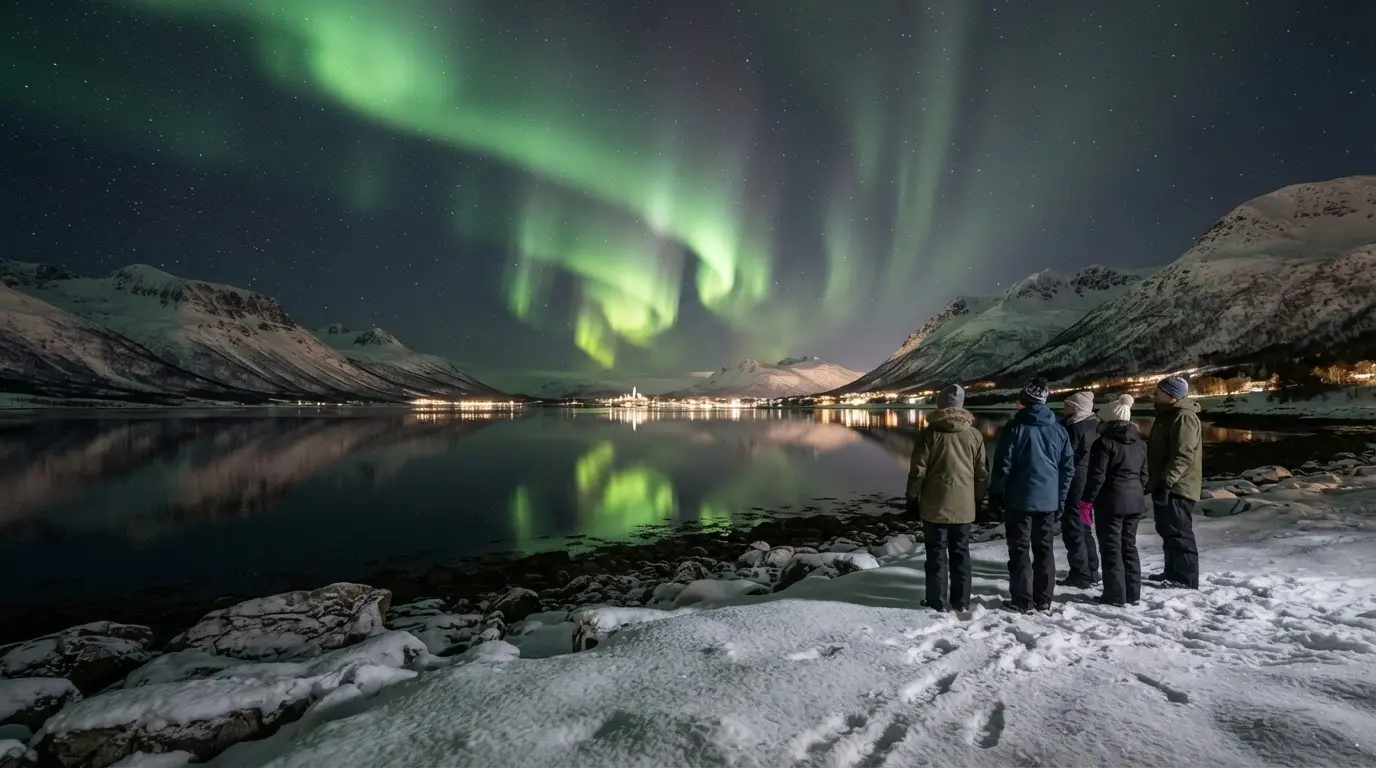
The Kp index measures global geomagnetic disturbance on a 0–9 scale. From Tromsø's magnetic latitude, Kp 2–3 produces a clear green arc across the northern sky. Events at Kp 2–3 occur on roughly 3–5 nights per week during peak season. You are not waiting for a rare storm; you are waiting for clouds to clear.
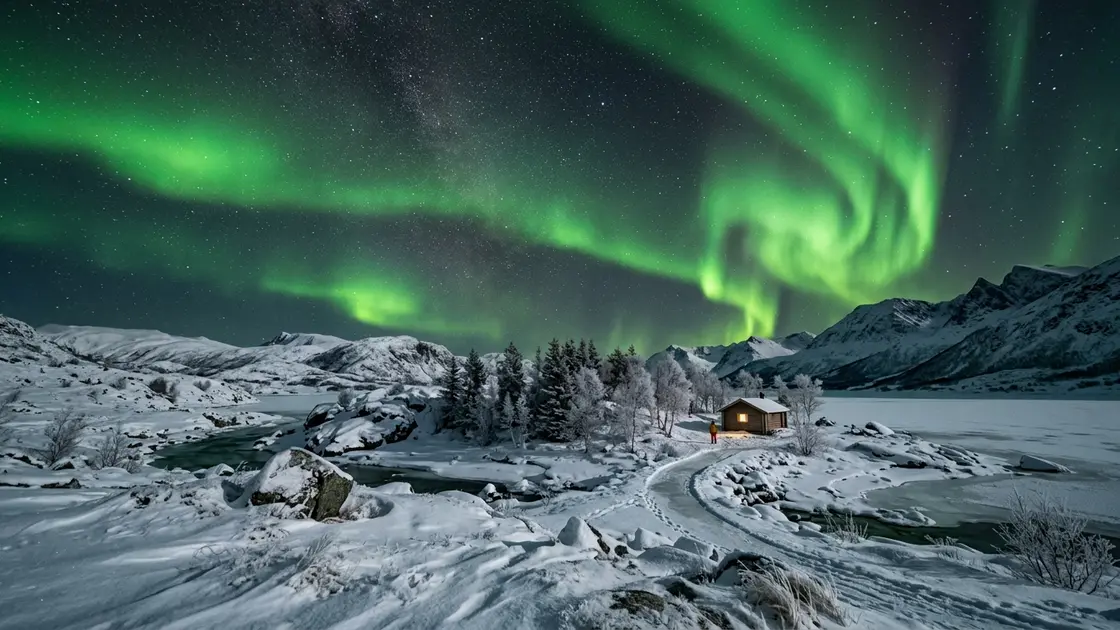
Kp 4 sends aurora moving overhead with visible motion and brightness changes. At Kp 6 or above, the display expands south and fills the sky with rapid color shifts. The critical planning number is Kp 2: at that level, a clear night from Ersfjordbotn or Kvaløya shows you aurora.
Solar Cycle 25 is at or near maximum in 2026. Solar maximum years produce more frequent coronal mass ejections (CMEs) and higher baseline solar wind activity, which means more nights with Kp 2+ readings. Outside solar maximum, aurora on 1–2 nights per week is typical; during solar maximum, 3–5 nights per week under clear skies is realistic.
The season runs September 15 to April 14. Each month behaves differently.
September benefits from the autumn equinox effect: Earth's magnetic field geometry during equinox statistically raises geomagnetic storm frequency by 20–30%. Dark windows run 4–5 hours per night from around 10 PM. Prices are lower than winter and crowds are smaller. The equinox window is genuinely underrated.
October brings 8–9 hours of darkness and aurora frequency near seasonal baseline after the equinox boost. Good odds and fewer visitors than peak winter months.
November through February is polar-night territory. From mid-November, the sun stays below the horizon in Tromsø. December and January bring 24-hour darkness, with aurora windows running from mid-afternoon through morning. Average aurora frequency: 3–5 nights per week. December is the most crowded and expensive month. January runs colder (−15 to −20°C on clear nights) but can be quieter.
February typically delivers the best balance: 18–20 hours of darkness, elevated solar activity, and lower crowds than December. The approaching spring equinox begins to boost geomagnetic conditions toward month's end.
March catches the spring equinox effect. Daylight returns and shrinks the viewing window, but per-night aurora odds on clear evenings stay solid.
April sees rapidly increasing daylight. The season ends April 14. Prices are lowest and solitude is available, but aurora odds drop significantly each week. For how these six months stack up against five other aurora destinations worldwide, see our Northern Lights Season 2026-27 guide.
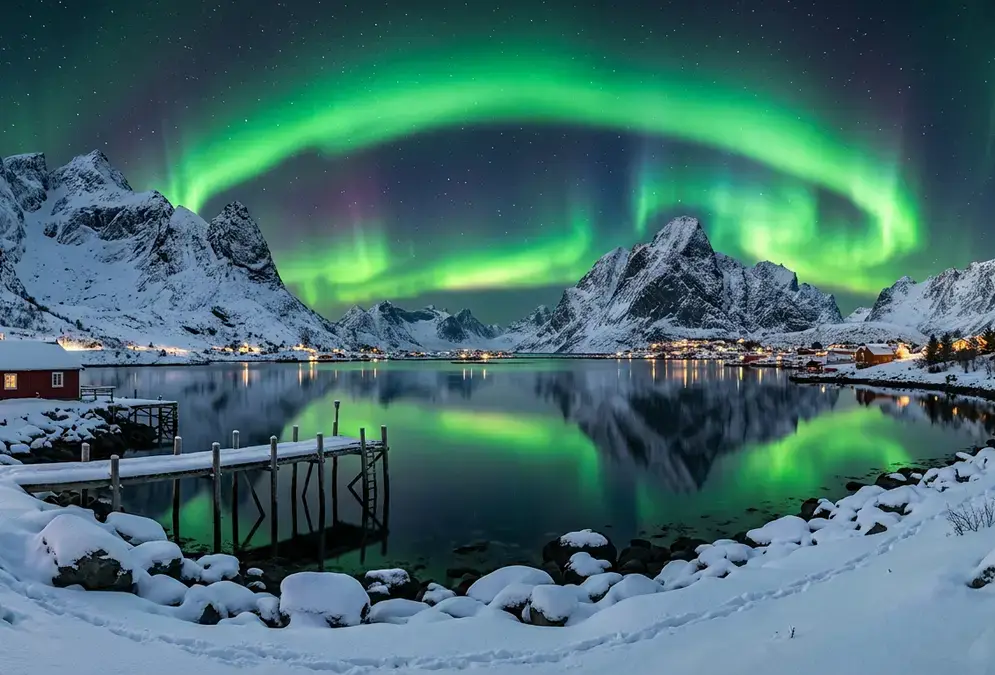
Tromsø sits directly on the auroral oval, so the northern lights appear on most clear nights across the wider region without needing an unusual Kp reading. Darkness is the limiting factor: the midnight sun rules out viewing in the summer months, while November through February brings the longest nights and the region's peak guided-tour season.
Going in January? See what else the sky offers that month
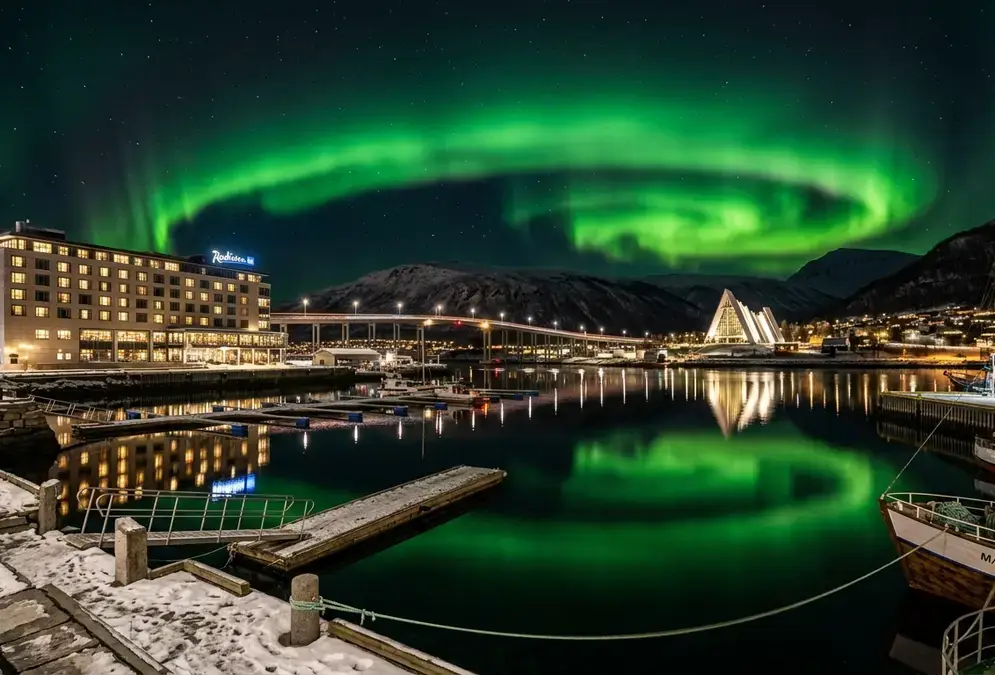
The city itself runs at Bortle 5–6, moderate light pollution that suppresses faint aurora. A bright display at Kp 4+ punches through, and the Tromsø Bridge offers a recognizable urban composition during strong events. For anything below Kp 4, drive out.
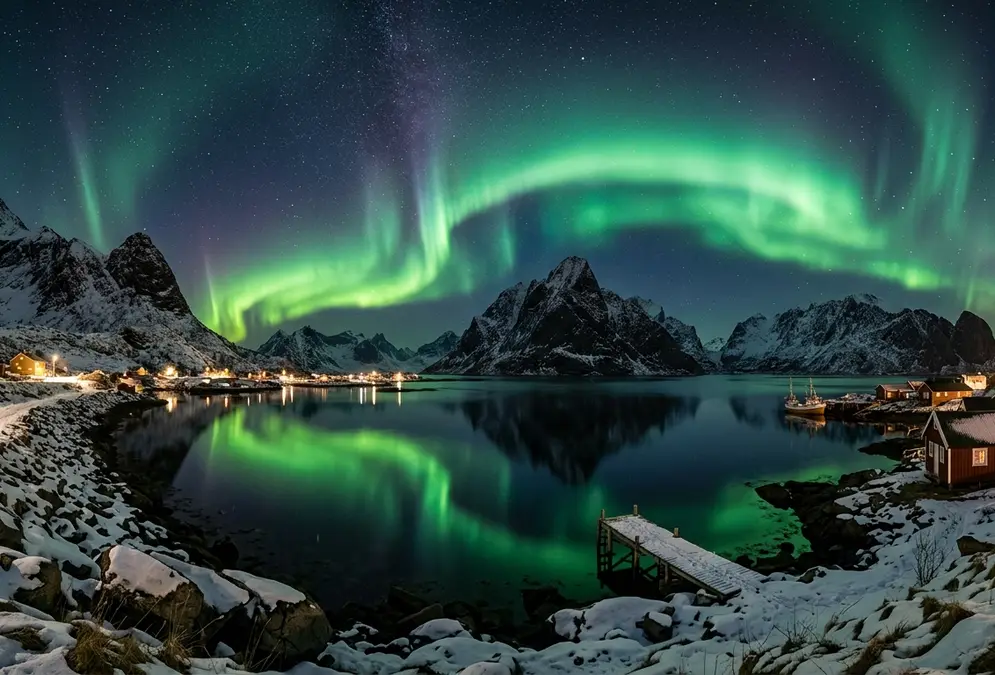
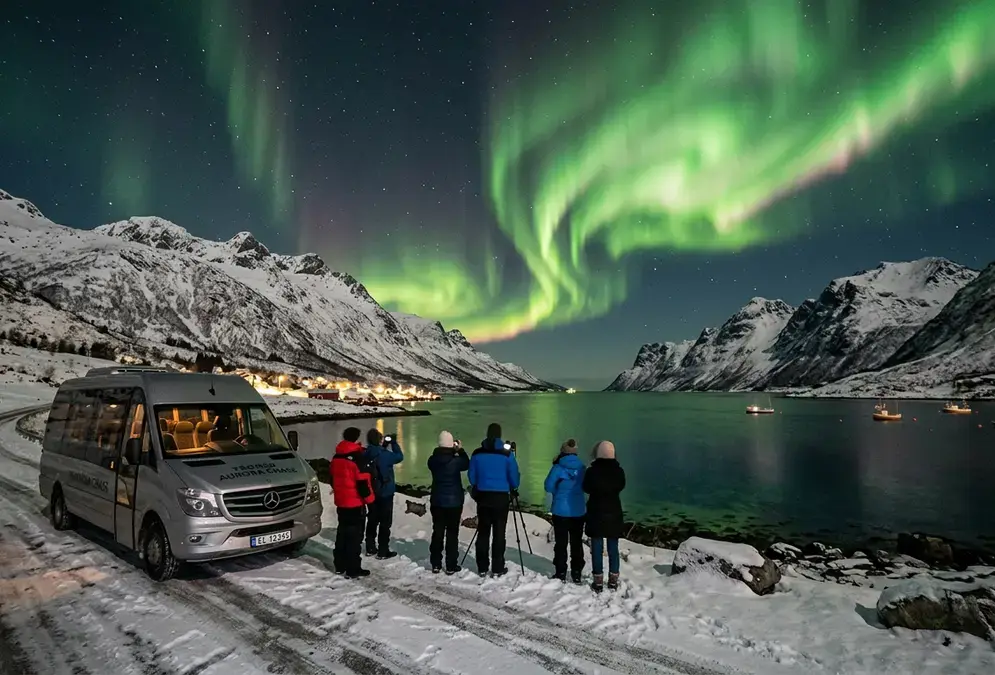
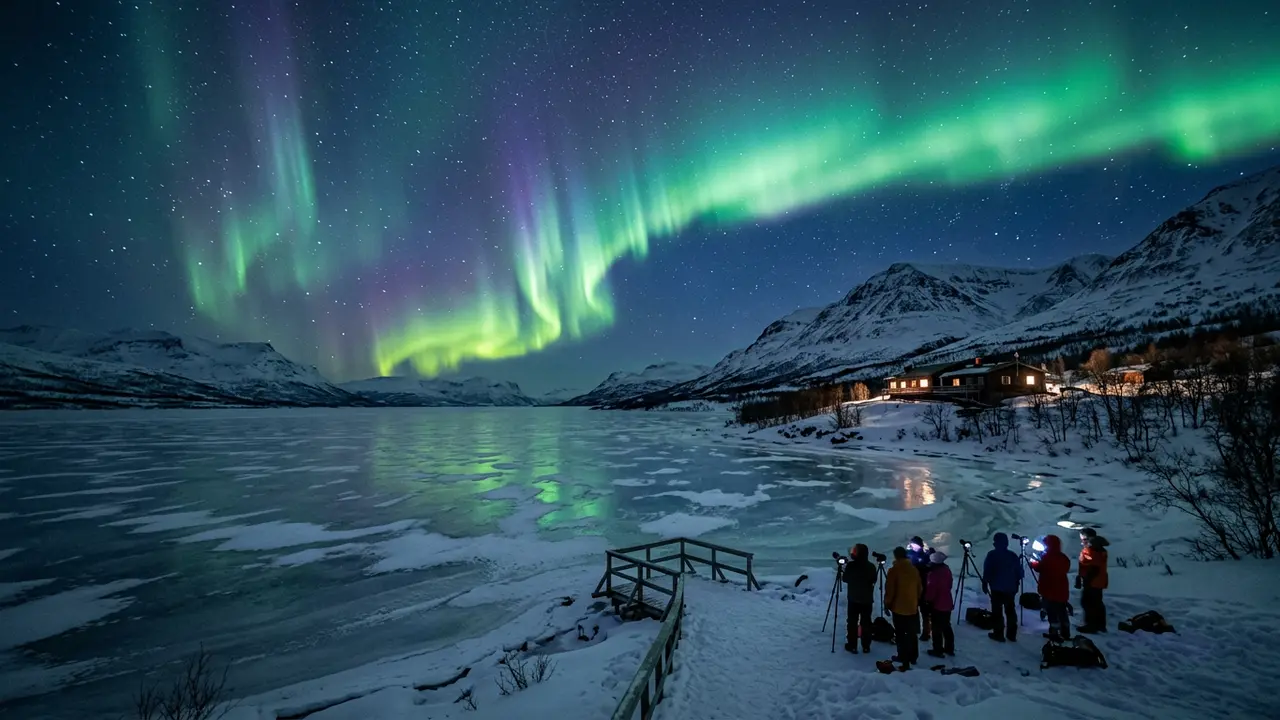
Ersfjordbotn (30 minutes from the city center) sits at Bortle 3. A fjord enclosed by mountains blocks stray light, and flat water produces clear reflections when aurora appears overhead. Most tour operators include this location; it is the most consistent accessible spot in the area.
Kvaløya Island (20–40 minutes): drive west and darkness increases. Storelva, Kattfjord, and Grotfjord reach Bortle 2–3 with varied terrain — frozen lakes, ridgelines, open valleys — that rewards photographers who scout locations in daylight before dark.
Lyngen Alps (1.5–2.5 hours): Bortle 1–2 skies against sharp peaks and snowfields. Most visitors reach this area via overnight tour packages rather than self-driving. The visual payoff is substantial, but the time and cold commitment is real.
Self-driving gives flexibility to chase cloud gaps across multiple spots in one night — the same strategy guides use. For astrophotographers, scouting locations in daylight before dark is worth the effort.
Tap a pin to open the lodge, tour, or destination page.
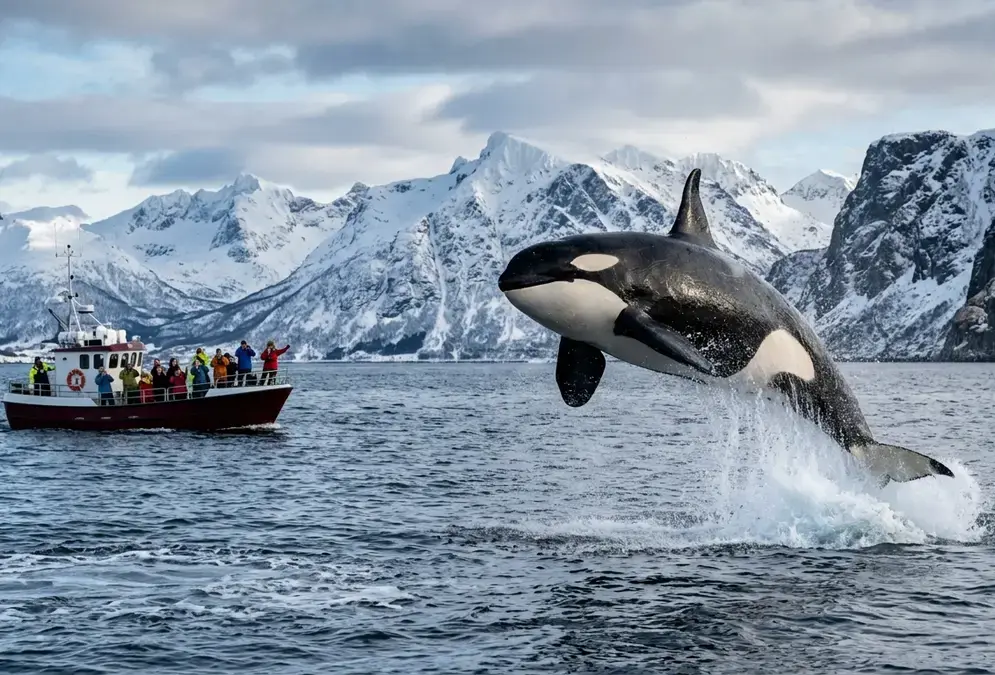
Whale watching runs November through January. Killer whales and humpbacks follow herring into the inner fjords, making this one of Norway's most productive winter seasons for cetacean sightings. Several operators combine whale-watching and aurora-chasing on the same evening.
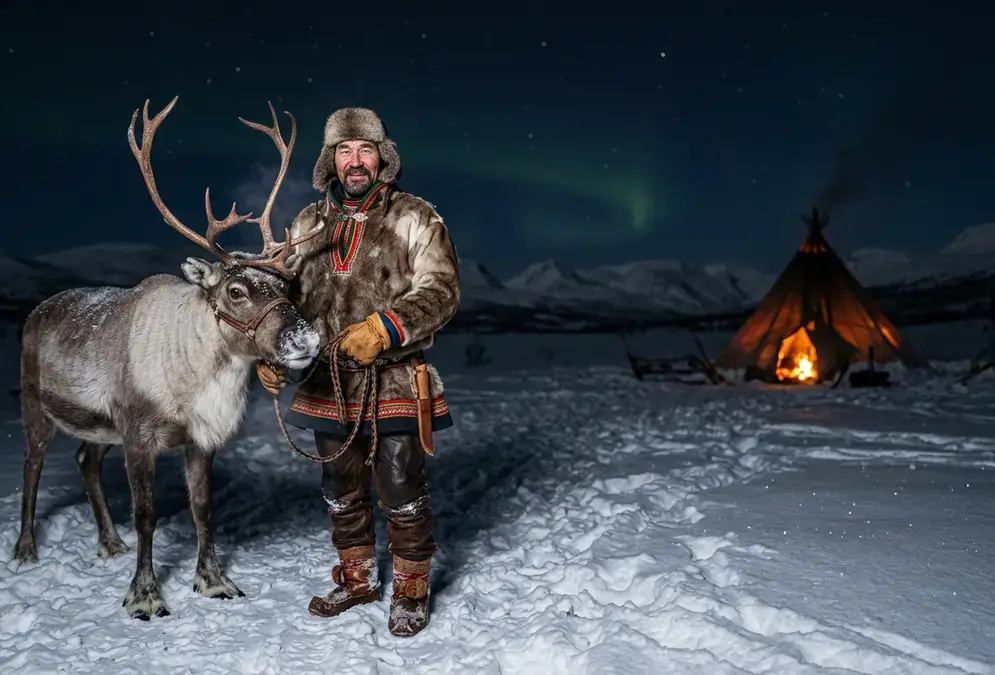
Dog sledding and reindeer encounters connect visitors with the Sami cultural landscape of Troms og Finnmark. Several Sami-led operations offer more than a photo stop: traditional reindeer herding practices and a relationship with this Arctic landscape that predates modern tourism.
Sea kayaking is possible in September and early October before freeze-up. Darkness starts around 10 PM; paddling under active aurora is a feasible and unusual option at the start of the season.
The Tromsø Museum covers Sami ethnography and Arctic natural history; the Polar Museum documents Norwegian polar expeditions from the early 20th century. On a clouded-out evening, both deserve several hours.
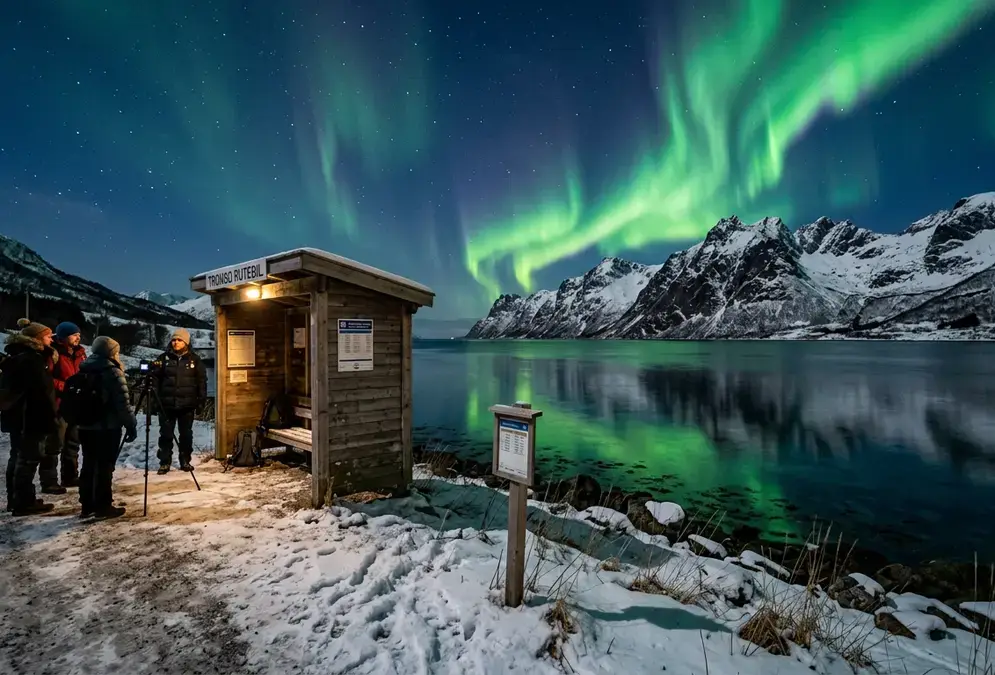
A 5–6 hour minibus aurora chase from Tromsø, November–March. Expert guides track real-time weather to find clear skies. From €120. No sighting guarantee.
Evening reindeer sledding tour from Tromsø into Tamok Valley. Sami family guides share their heritage around the lavvu fire; full three-course dinner included.
Full-day whale watching from Tromsø, November–January. Orca and humpback whales follow the herring migration into Skjervøy fjords. Aurora possible at sea.
Fly into Tromsø Airport (TOS), 5 km from the city center. Most routes connect via Oslo on SAS, Norwegian, or Widerøe. From October 23, 2026 through late March 2027, Icelandair operates twice-weekly service to TOS — the first transatlantic route to Tromsø during aurora season. The Flybussen airport shuttle reaches major hotels in 10–15 minutes.
Four nights is the practical minimum. Cloud cover can shut down viewing for 2–3 consecutive nights in any winter month; six or seven nights substantially improves your odds of catching multiple displays. Book with flexible cancellation where possible.
Standard aurora tours run about 5 hours (typically 7:30 PM to 12:30 AM), guides adjusting routes in real time based on cloud cover and Kp forecast. Per-person prices run roughly NOK 950–2,000, depending on operator and format. Guides drive 1–2 hours when needed to find clear skies. For December–January travel, book 2–4 weeks ahead. Tours provide warm outer clothing; bring your own thermal base and mid layers for conditions that can reach −20°C.
For self-drive astrophotography: tripod, wide-angle lens at f/2.8 or faster, manual focus to infinity, ISO 1600–3200, 15–20 second exposures. This setup handles aurora from Kp 2 upward. Smartphone night modes work on brighter displays; a dedicated camera with a fast prime lens performs better on faint or fast-moving aurora.
Best best independent viewing
Camp Nikka gives an independent, unguided dark-sky viewing site
Best best value
Open water on three sides; Kp 2+ visible, strong value versus glass cabins
Best best for guided tours
Most-booked pickup point for guided aurora tours, central harbour location
Best season
November–February for polar night and peak aurora frequency; September and March for the equinox effect boost with lower crowds
Quietest hours
Post-midnight when day-trip groups have dispersed; aurora activity is unpredictable but late-night Kp spikes between midnight and 3 AM are common
Visit duration
4 nights minimum; 6–7 nights recommended to absorb cloud-cover gaps and improve odds of catching multiple displays
Reporter notebook
The autumn equinox in late September statistically raises geomagnetic activity by 20–30% — more aurora nights than the October baseline. Prices are lower than winter, the tourist rush has not arrived, and you still get 4–5 hours of solid darkness per night from around 10 PM. The tradeoff is a smaller viewing window than November–February. If crowds or budget matter, September delivers.
Fjord reflections are the strongest composition at Ersfjordbotn, but they depend on calm water and a low aurora arc. Arrive before dark, walk the fjord edge, and identify your foreground — a spot 15–20 metres from the waterline with clear sky to the north. When aurora starts, you will not be scrambling for position. The inner end of the fjord stays calmer; the outer end has a wider sky view but more surface turbulence.
Aurora tours mean standing still outside for 3–5 hours. Wind chill at open viewing spots drops perceived temperature well below the city forecast, and the clear skies that make aurora visible also make nights colder. A Merino wool base layer, mid-layer fleece, and a down jacket rated to −20°C are the minimum. Tours provide outer suits if you do not have them, but your own thermal layers under a borrowed suit work better than borrowed layers alone.
Further reading
Plan your 2026-27 aurora trip: why September to April is prime season, when equinox storms peak, and which destinations worldwide offer the best viewing odds.
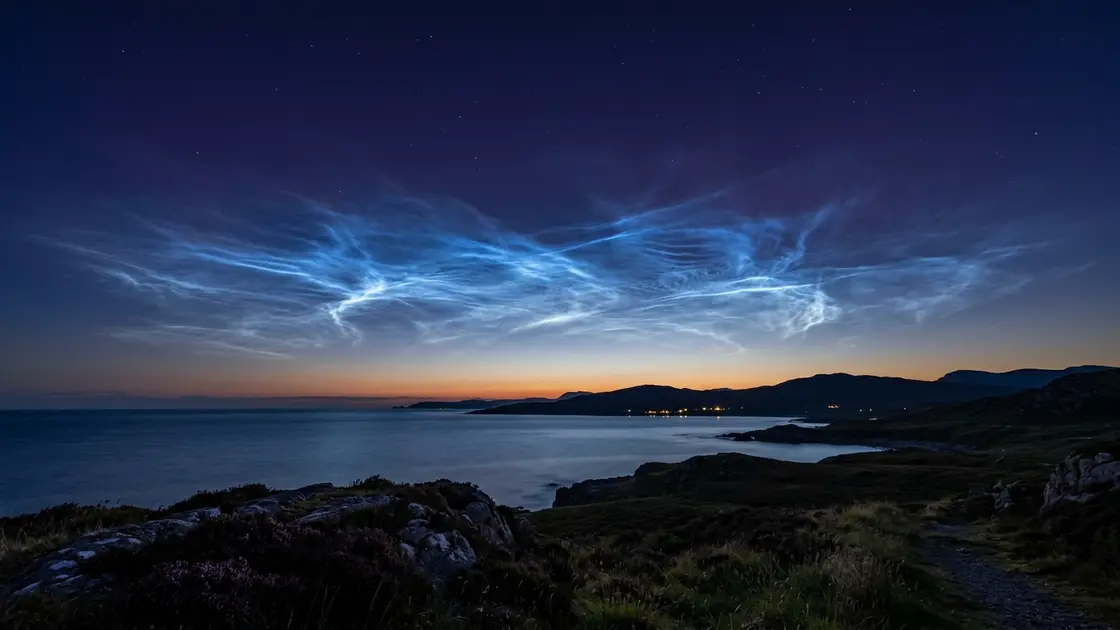
Noctilucent clouds glow silvery-blue over high-latitude skies mid-May through August, peaking in July. Here's when and where to see summer's aurora alternative.
Head to head
Sweden · Best Aug-Apr
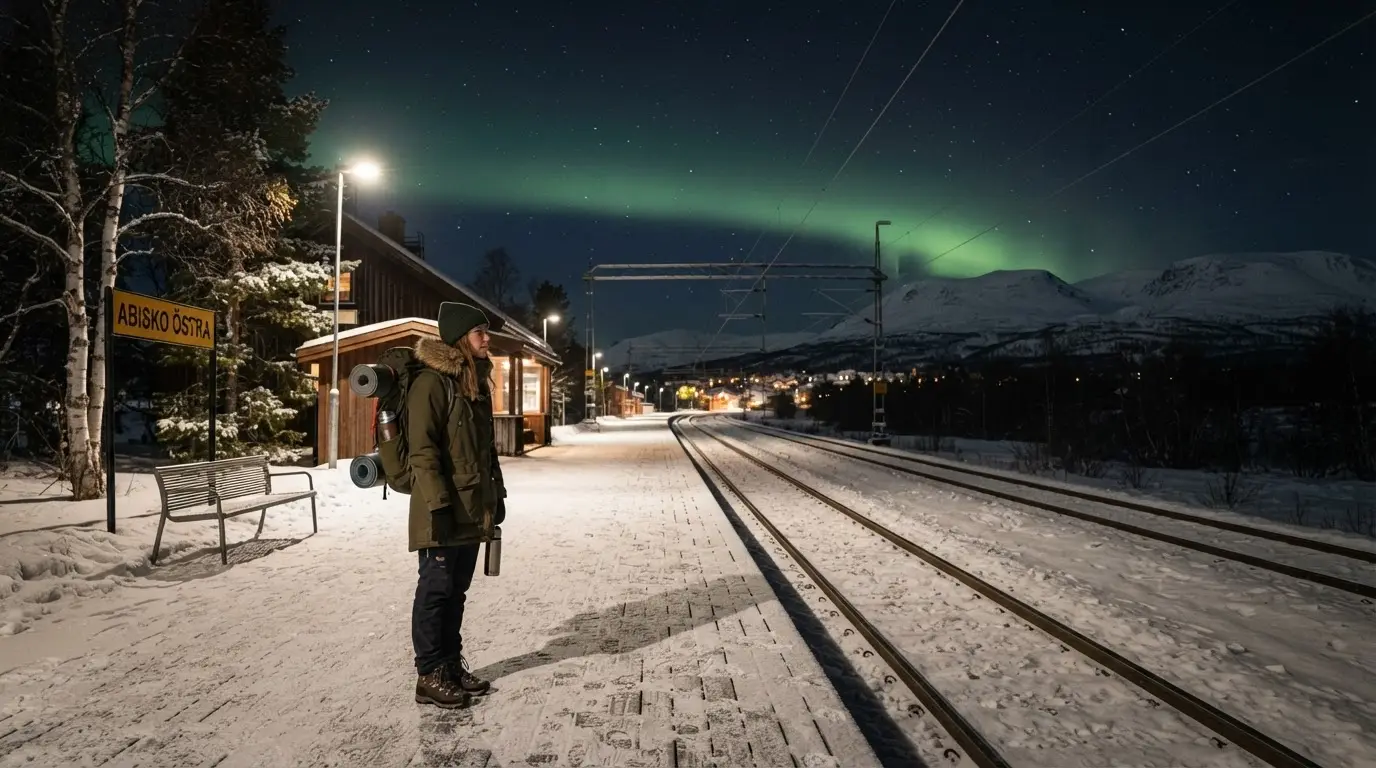
Abisko's rain-shadow microclimate keeps skies clear when nearby Arctic spots cloud over. Aurora season, the Sky Station, ICEHOTEL, and getting there by train.
Canada · Best mid-Aug to mid-Apr
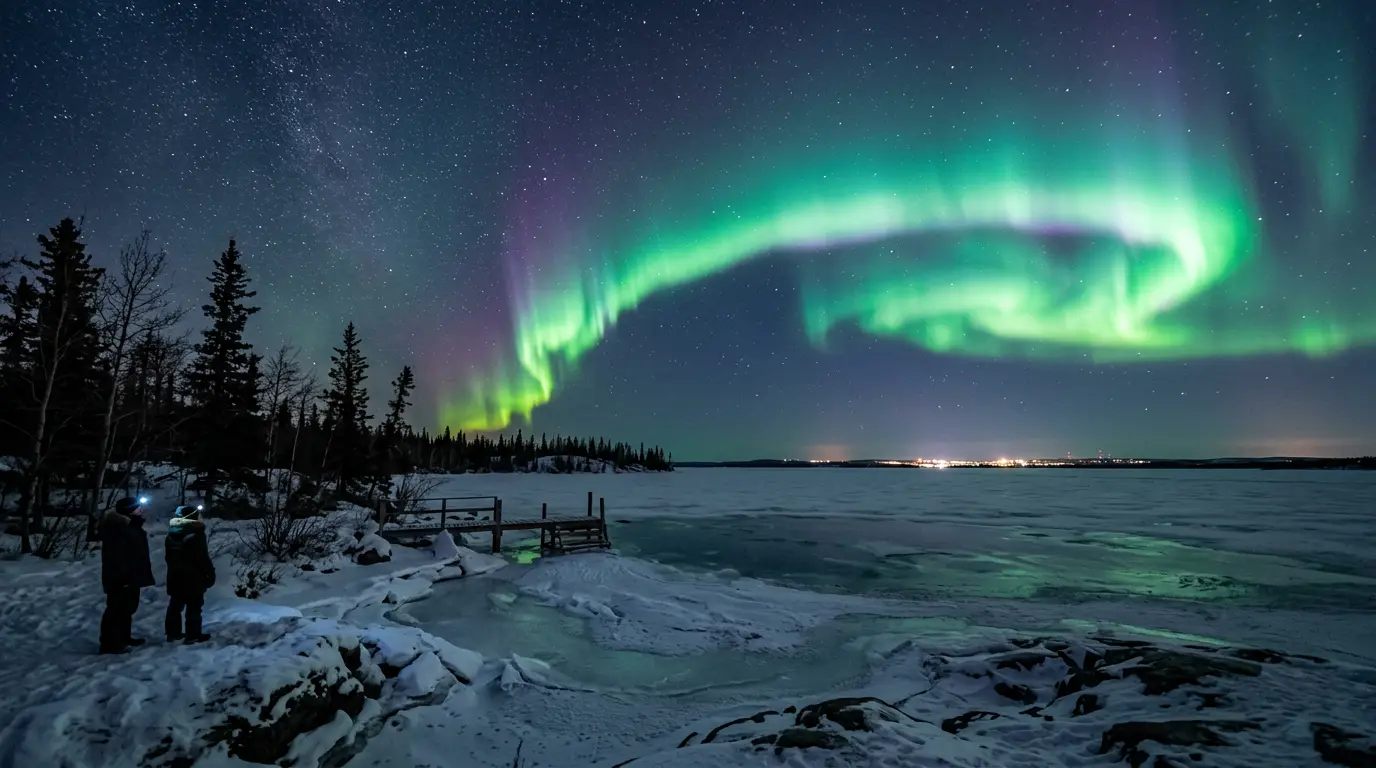
Yellowknife sits beneath the auroral oval: up to 240 aurora nights per year. Guide to seasons, viewing spots, Indigenous-led tours, and cold-weather planning.
Iceland · Best Sep–Oct & Feb–Mar
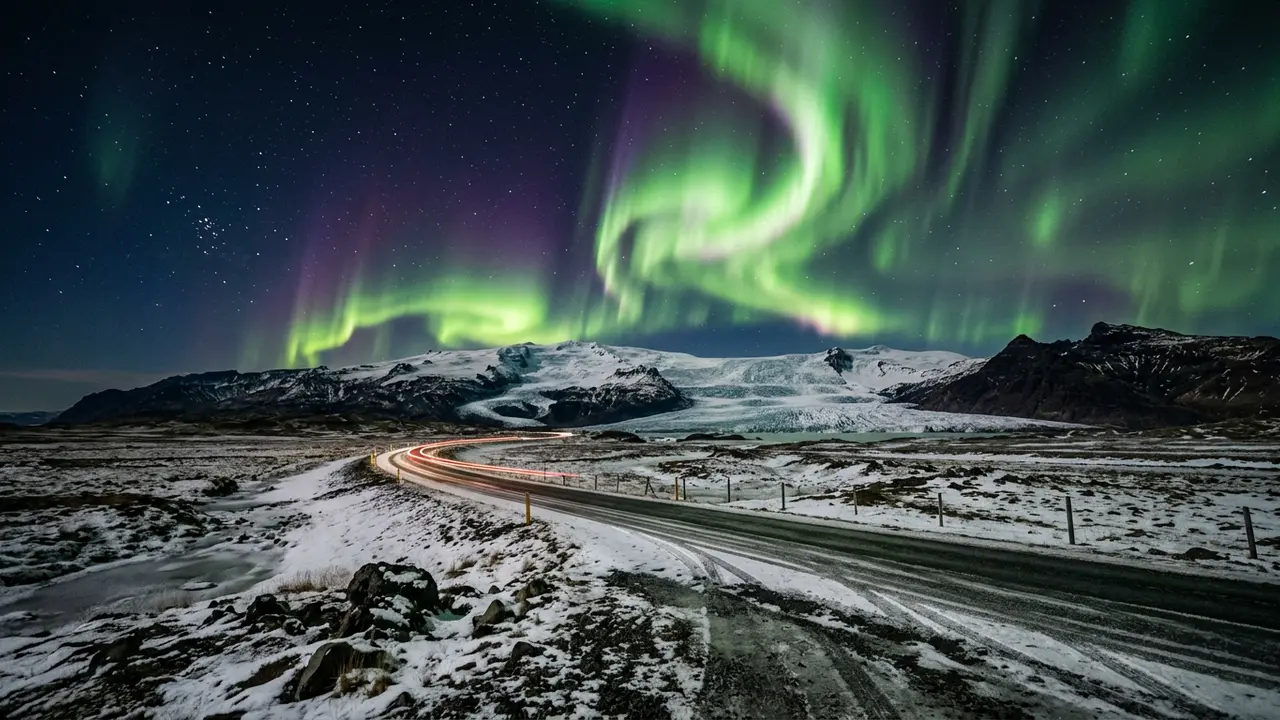
Iceland's whole-country aurora guide: best regions to base in, aurora season Sep–Mar, ice caves, winter driving reality, and where cloud cover ends every plan.