Articles · Culture & heritage
Star Lore, Indigenous Astronomy and the History of the Night Sky
Sami aurora legends, Guanche star myths, Hawaiian wayfinding and Indigenous astronomy in Jasper, alongside eclipse chasers, dark-sky history and etiquette for sacred sites. It is for travelers who want the stories and the rules of a place before they look up.
24 articles
Culture & heritage: the big picture

Written by
Maya Okonkwo I've seen dark skies firsthand in the Atacama altiplano, Namibia's NamibRand Nature Reserve, and Morocco's Merzouga dunes; every other destination I write about is built from measured Bortle and SQM data, cloud climatology, and primary sources like park services and the International Dark-Sky Association.
Most dark-sky advice stops at the Bortle number. This category covers what it leaves out: whose land the sky sits over, and what a visitor owes it. I haven't visited these places, so everything here rests on official sources and the researchers' own published findings.
Start with Uluru cultural significance and visitor etiquette. The climb closed permanently on 26 October 2019, the same date the park was handed back to its Traditional Owners in 1985, and it is settled policy, not a pause. Mauna Kea cultural significance is the harder case. Hawaiian tradition regards the mountain as a shrine and the piko of Hawaiʻi Island, 33 kūpuna were arrested during the 2019 protests, and practitioner Lanakila Mangauil has described staying off the summit as a form of practice.
The sky itself is cultural heritage too. Hawaiian star navigation explains a star compass of 32 houses and Hōkūleʻa's 1976 sail to Tahiti without instruments. Hegra's tomb builders are the ancient version: eight of 22 dated tombs name the month Nisan, odds under 2 percent by chance.
For habits that apply everywhere, dark sky etiquette is the short read. Eyes need roughly 20 to 30 minutes to dark-adapt, and one white light undoes it for everyone nearby.
More culture & heritage articles
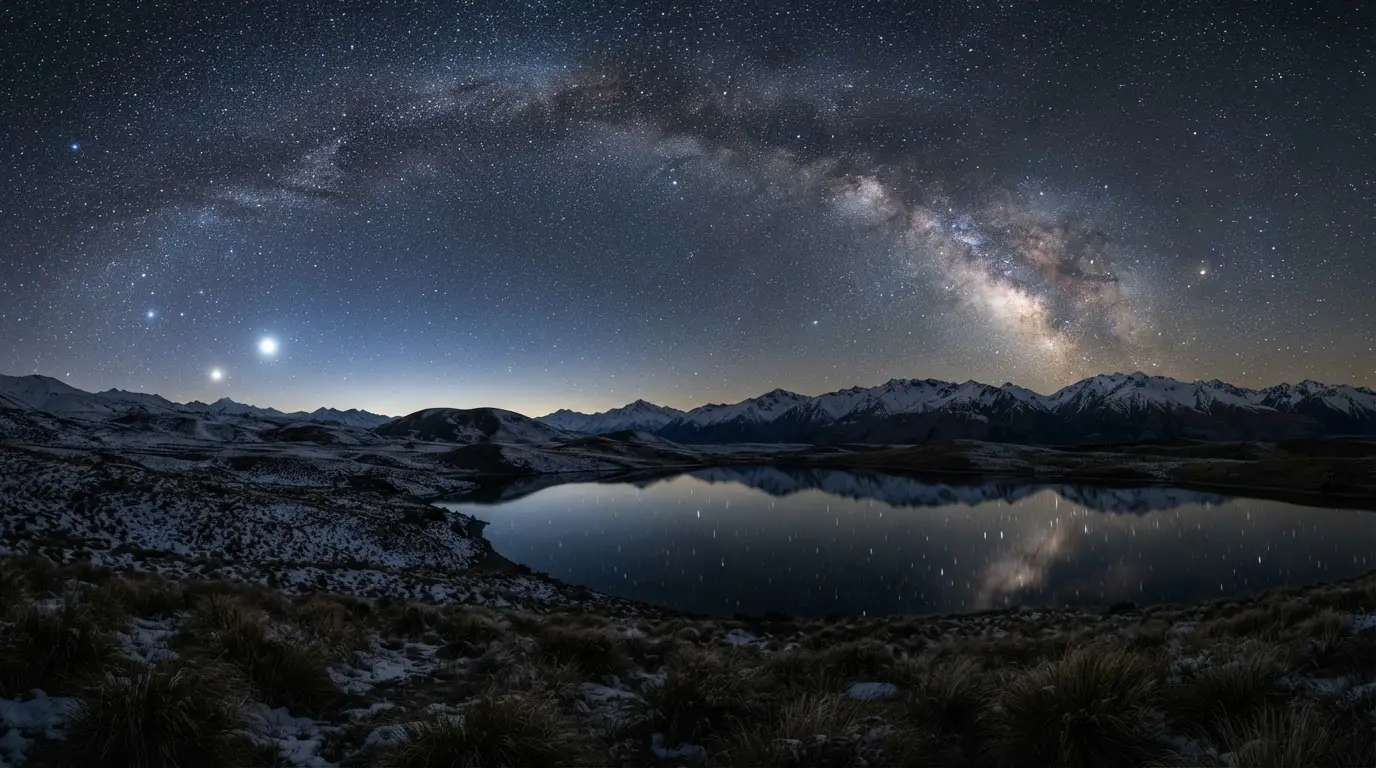
Aoraki Mackenzie Māori Astronomy: Ngāi Tahu Star Lore
Maya Okonkwo 5 min read
Aoraki Mackenzie Māori astronomy is Ngāi Tahu's: Puaka as the frost star, moon-timed eel harvests, and how visitors meet the lore at Takapō. Sources flagged.
Read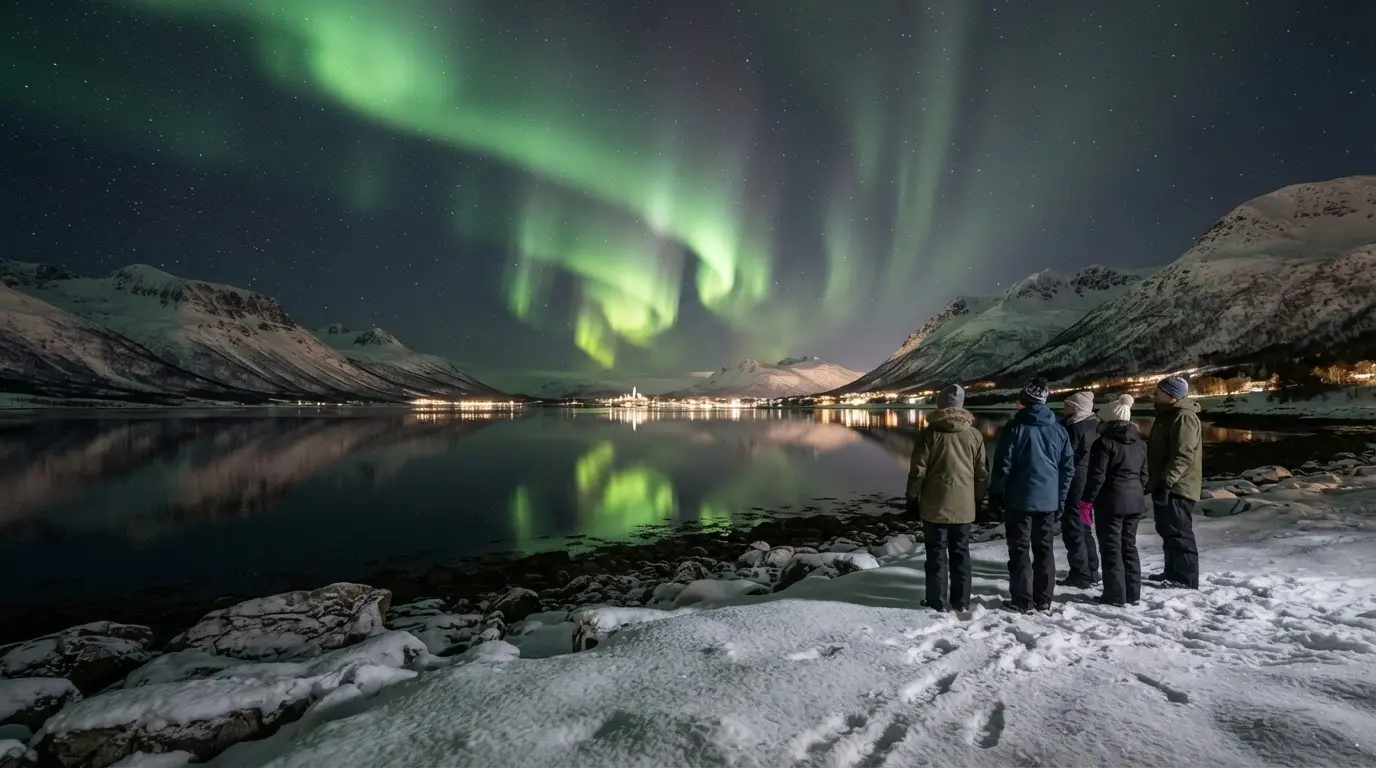
Sami Myth of the Northern Lights: Whistle, Point, Wave?
Maya Okonkwo 5 min read
The warning not to wave at the northern lights is shorthand. Here is what Sami sources say about pointing, whistling and noise, and what to do in Tromsø.
Read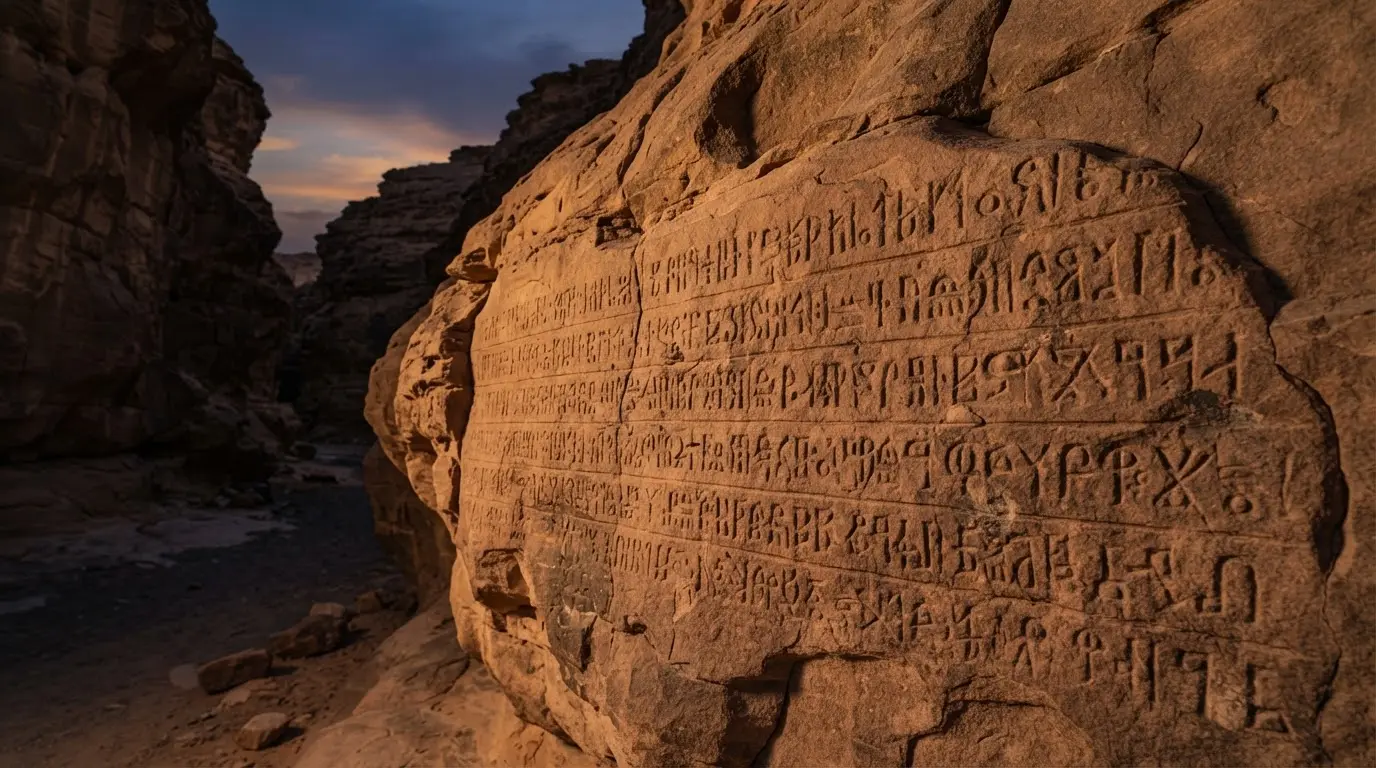
Jabal Ikmah Inscriptions and the Ancient AlUla Sky
Maya Okonkwo 4 min read
Jabal Ikmah's nearly 300 inscriptions cover ritual, farming and memorials. No source ties them to the stars; here is what they say, and where to look instead.
Read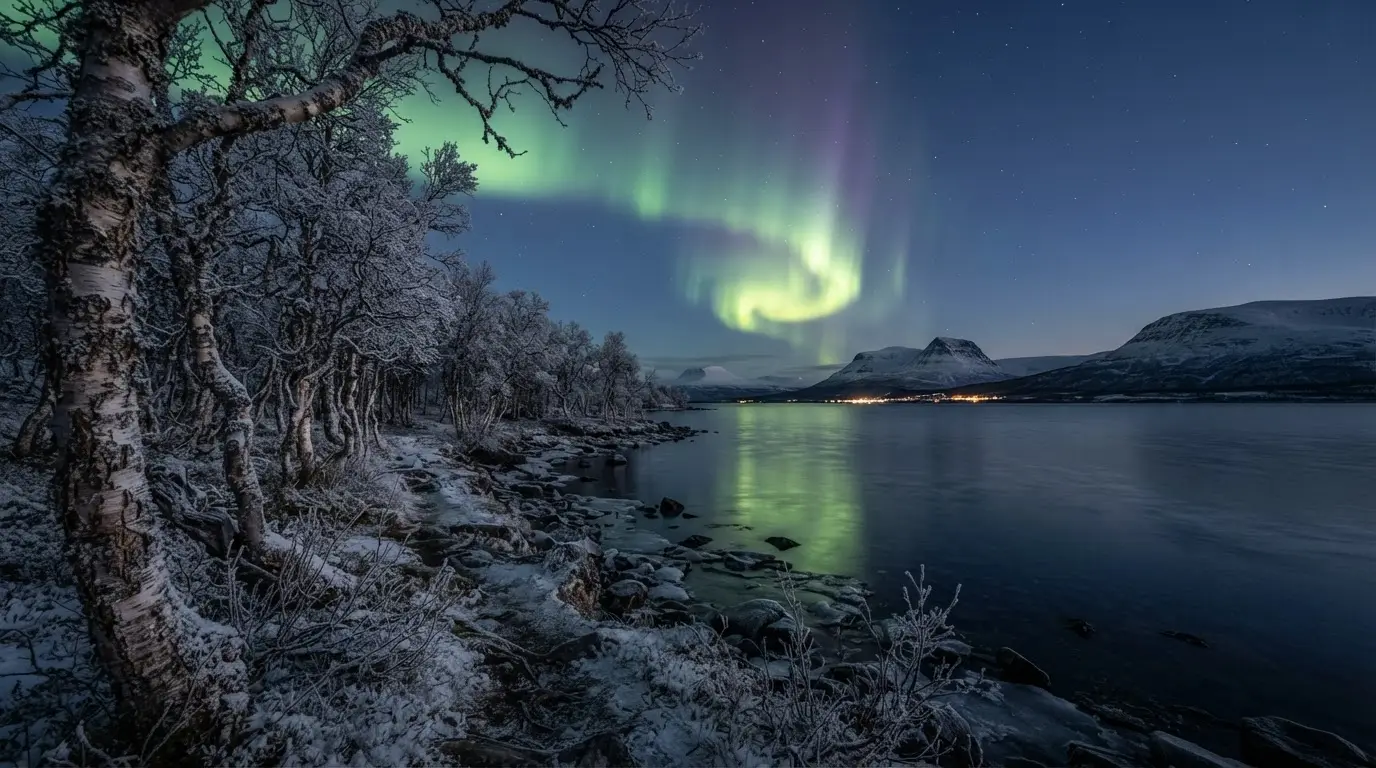
Abisko Name Meaning: The Sami Story Behind It
Maya Okonkwo 4 min read
Abisko's name comes from Abeskovvu, Northern Sami meaning 'forest by the big lake,' the Torneträsk lakeshore that also gives it famously clear aurora skies.
Read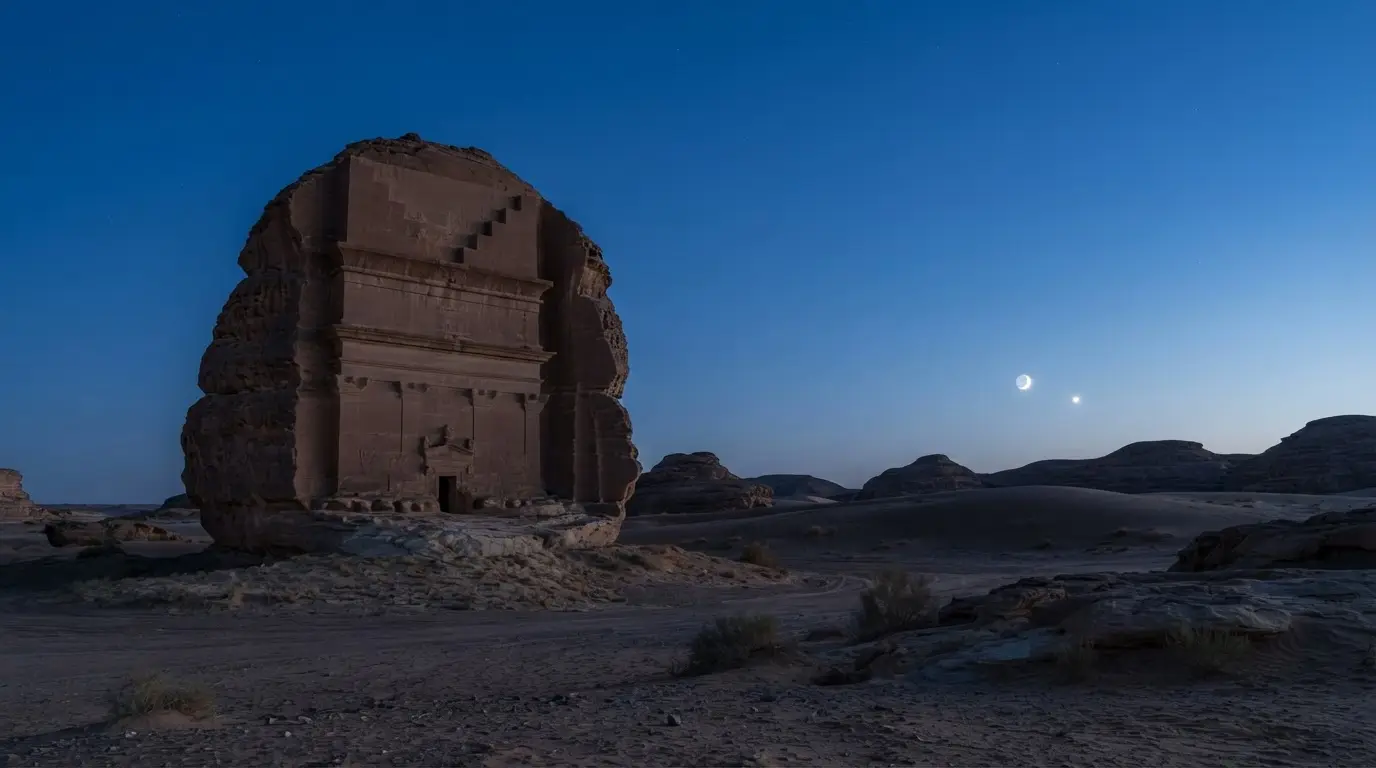
Hegra's Tomb Builders Kept Choosing the Same Month. Why?
Maya Okonkwo 5 min read
Eight of Hegra's 22 dated tombs name the month Nisan, a pattern under 2% likely by chance. A 2023 survey of 113 tombs finally tested what the sky explains.
Read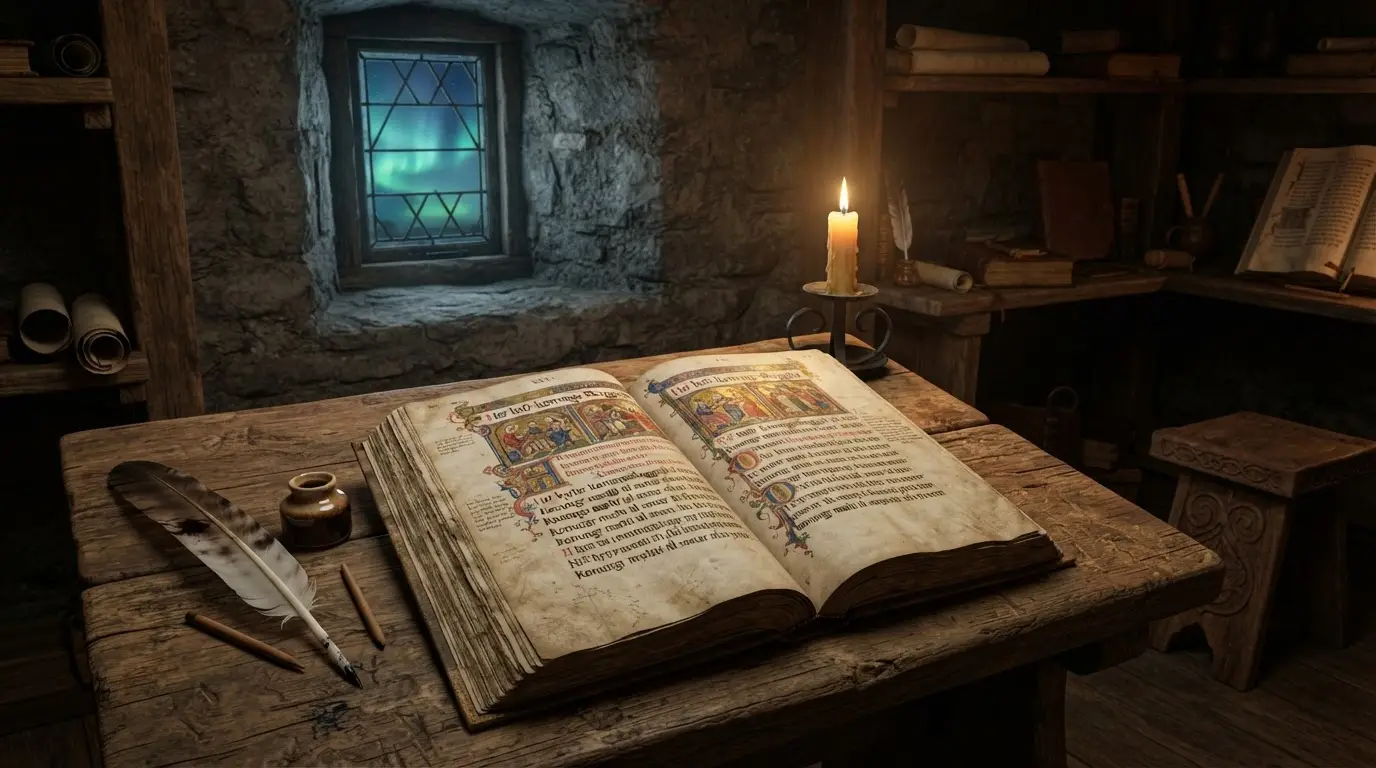
The Medieval Northern Lights Theory Everyone Calls Icelandic
Maya Okonkwo 6 min read
Konungs Skuggsjá, the King's Mirror, is Norwegian, not Icelandic. Its 13th-century northern-lights passage weighs three natural theories for Greenland's lights.
Read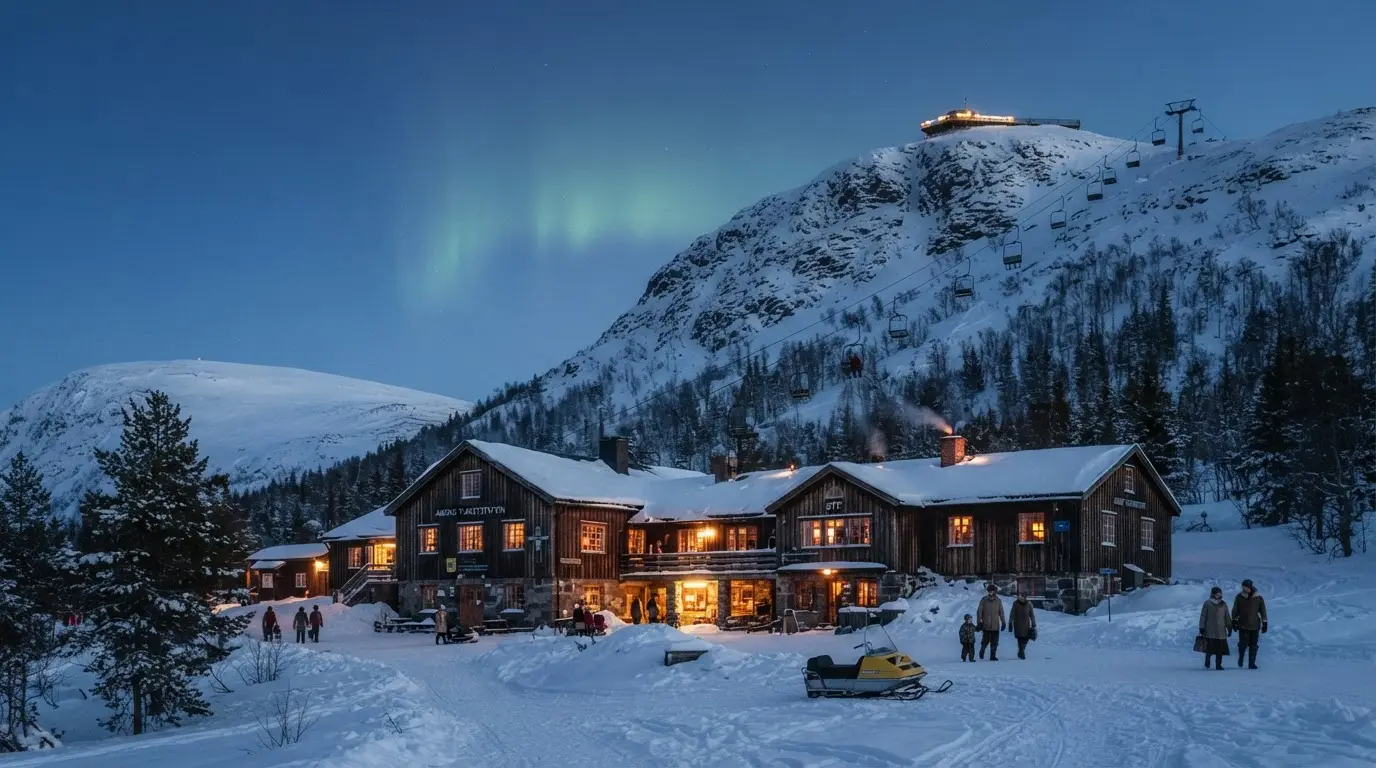
Abisko's Aurora Fame Has Two Founders. Only One Is Named.
Maya Okonkwo 3 min read
Abisko's aurora fame is usually pinned on a 2004 Japanese TV broadcast. The venue's own history credits a second, unnamed visitor as the real trigger.
Read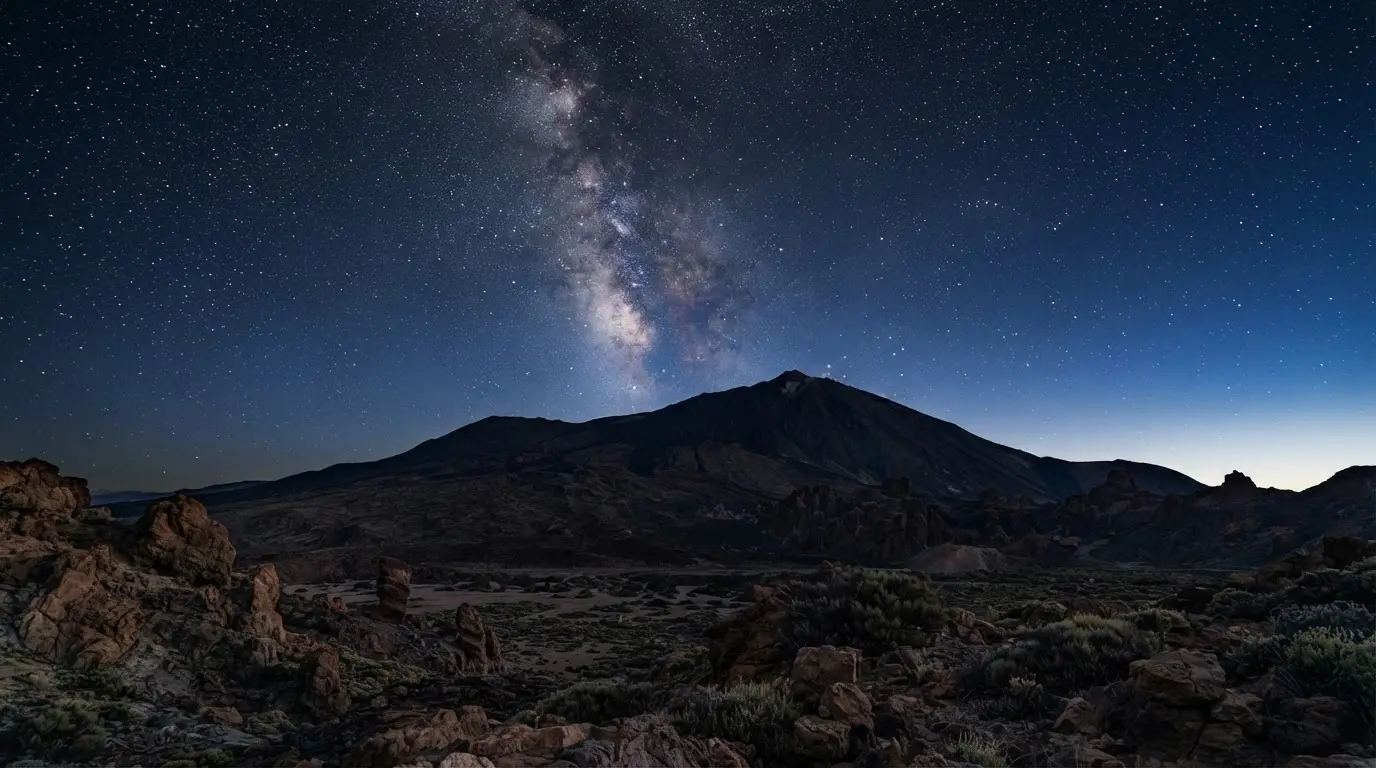
Guanche Star Myths of Tenerife: Guayota and Achamán
Maya Okonkwo 6 min read
Guayota, Achamán and Chaxiraxi: the Guanche cosmology that made Tenerife's Teide the gate to hell, and why the volcano it named guards a protected dark sky.
Read
Tirpitz Sinking at Tromsø: Inside the RAF's Final Raid
Maya Okonkwo 5 min read
On 12 November 1944, 32 RAF Lancasters sank the battleship Tirpitz off Tromsø with Tallboy bombs, after six earlier attempts had failed to finish her.
Read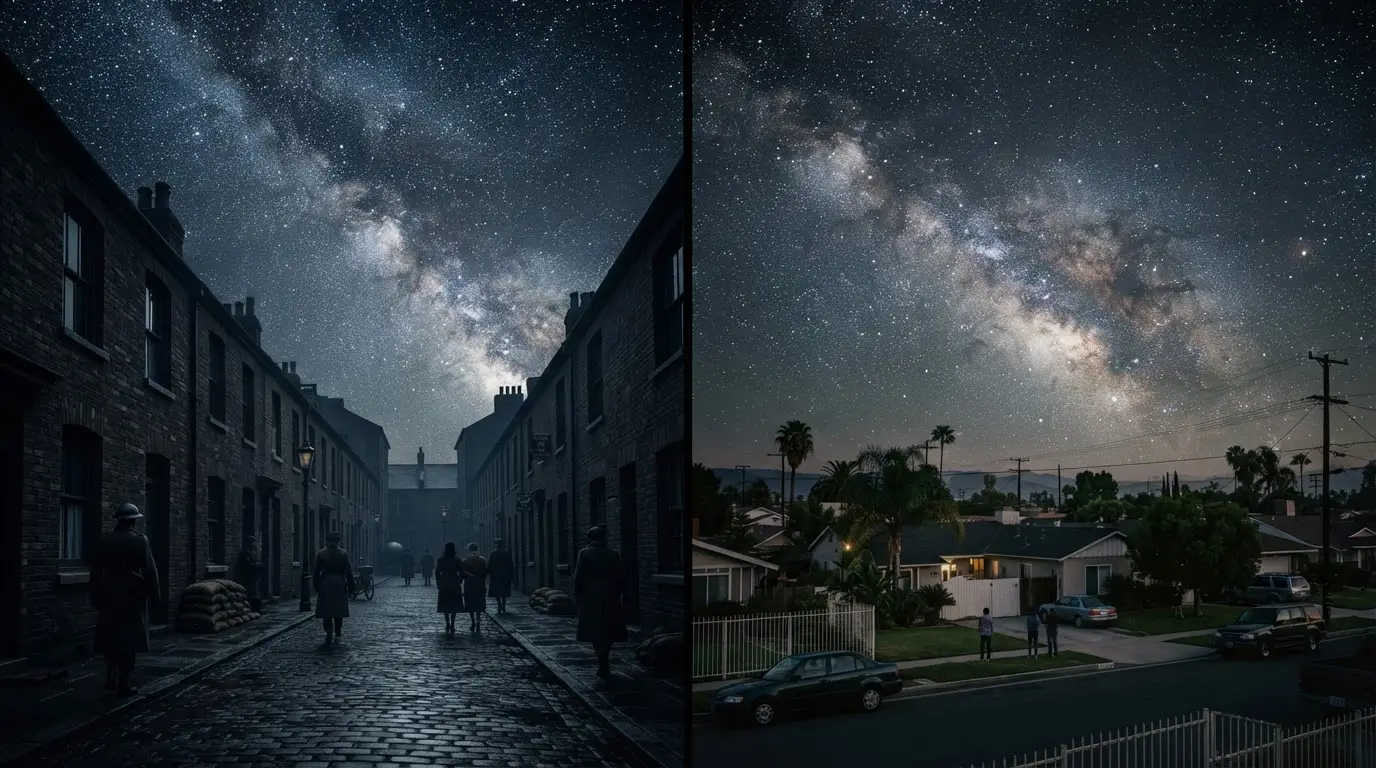
WWII Blackouts Rediscovered the Stars: The 1994 LA Encore
Maya Okonkwo Updated 6 min read
Britain blacked out for five years in WWII and no one wrote about the stars. In 1994 LA lost power for one night and people called 911 about the Milky Way.
Read
Eclipse Chasers and Umbraphile Culture: Inside Totality
Maya Okonkwo 8 min read
Umbraphile means shadow-lover. Meet the eclipse chasers who've logged 35 total eclipses, and the psychologist explaining why they can't stop chasing shadows.
Read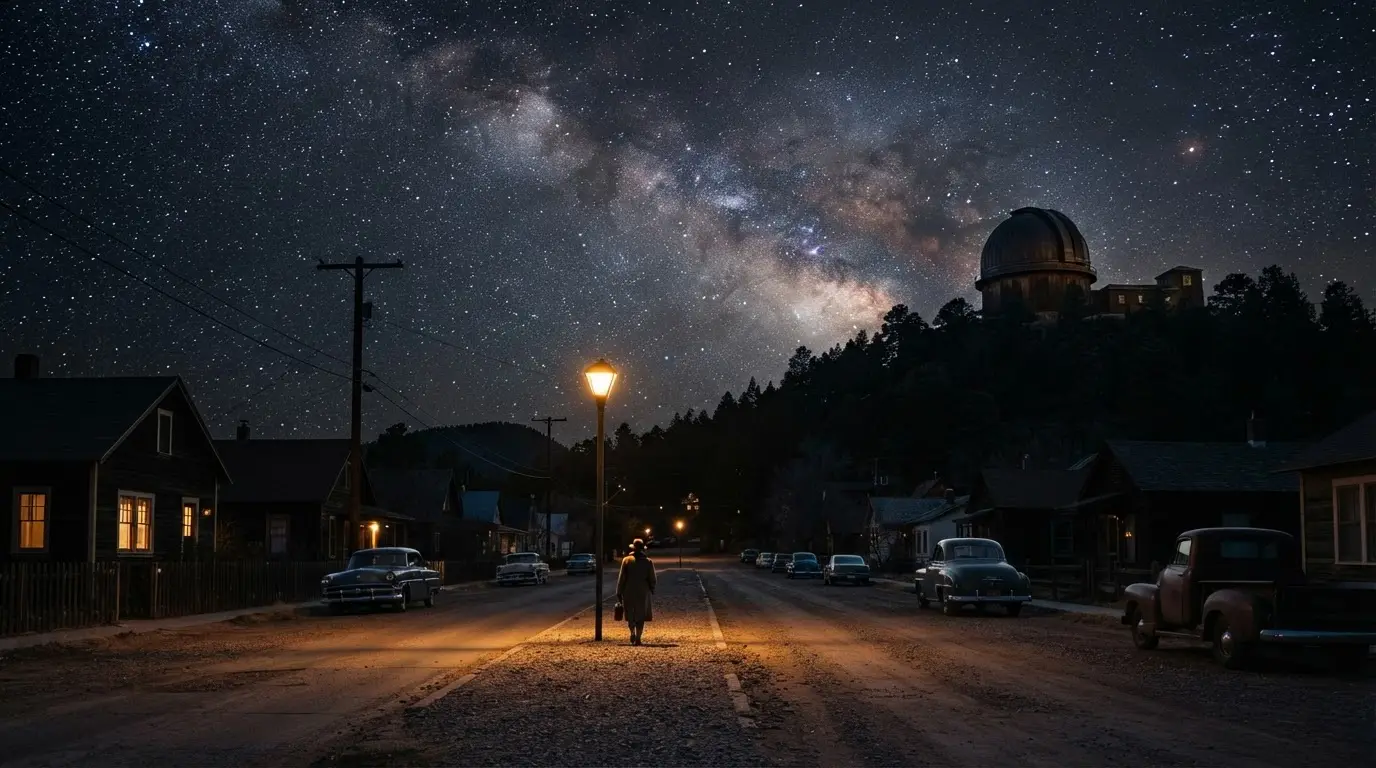
How Flagstaff Began Protecting Its Night Sky in 1958
Maya Okonkwo Updated 3 min read
A searchlight dispute pushed Flagstaff to regulate outdoor lighting in 1958. Decades of further decisions made it the first International Dark Sky City.
ReadFrequently asked questions
Where does Uluru ask photographers to hold back?
Parks Australia asks visitors not to enter or photograph restricted areas, including sacred sites, ceremonial sites, burial grounds and people's homes. These are marked with on-site signage and visitor maps rather than a public list. On Uluru's north-east face, Anangu ask photographers to take only wide shots from a distance and avoid detail on the top-left side of the rock.
How long do eyes take to adapt, and why do sites insist on red light?
Eyes need roughly 20 to 30 minutes of uninterrupted darkness to fully dark-adapt, and one burst of white light resets that for you and everyone near you. Use a headlamp with a red-light mode, or put your phone on a red or night-mode filter at low brightness. Better still, leave it in your pocket.
Where should most visitors go on Mauna Kea instead of the summit?
Most visitors are better served at the Visitor Information Station, well below the true summit. The Onizuka Center Visitor Station program is where the free public stargazing programs happen. Anyone with a specific, legitimate reason to go higher should book a permitted operator such as Hawaii Forest & Trail rather than going self-guided.
How did Hawaiian navigators find their way without instruments?
They held a star compass in memory. It divides the horizon into 32 houses of 11.25 degrees each, marking the bearing where a star climbs out of the ocean or sinks back into it. Navigators also read ocean swells and bird flight paths. Hōkūleʻa proved the method in 1976, sailing to Tahiti with no instruments aboard.
Did the Nabataeans plan their tombs around the sky?
Probably, but not conclusively. A February 2023 survey of 113 tombs and sanctuaries at Hegra found they were not randomly orientated but followed patterns the authors argue mainly reflect what the sky showed from each tomb. Nothing published so far claims an alignment to a solstice sunrise or a named star, and the full results table stays behind a paywall.