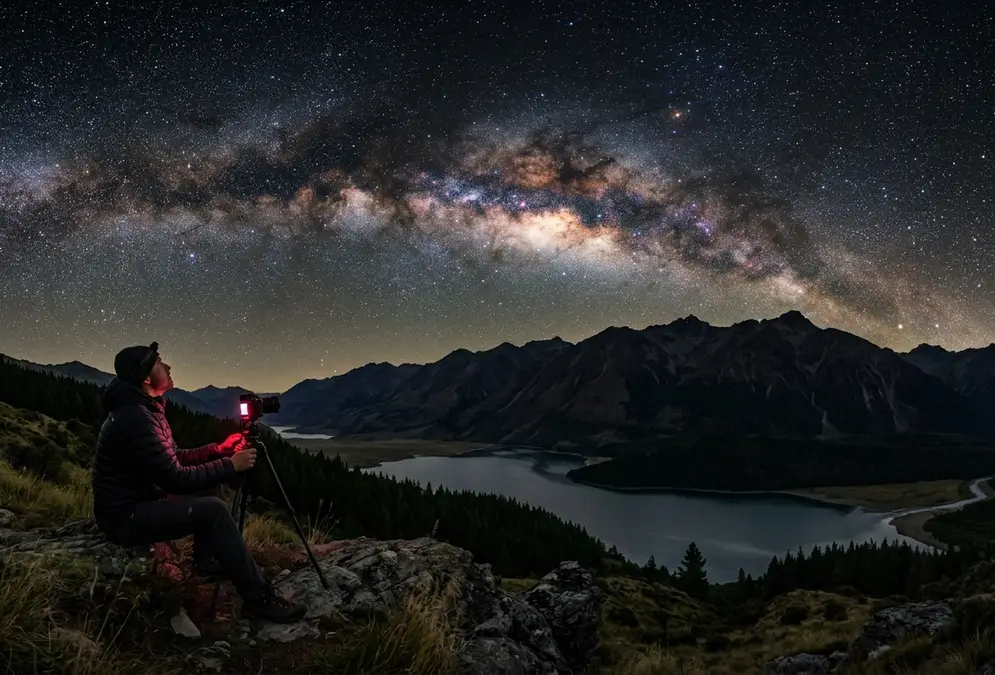
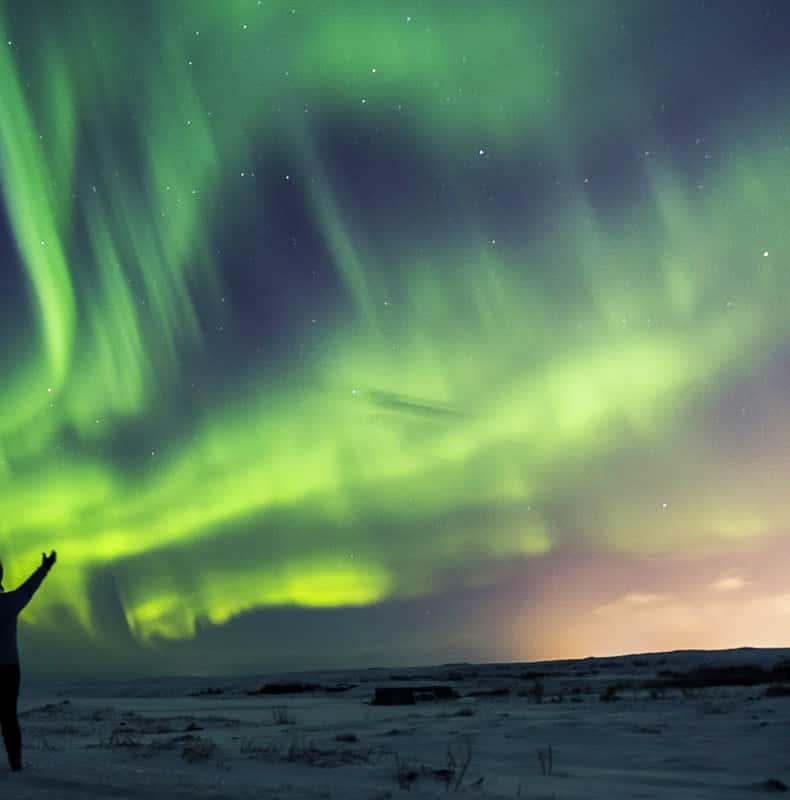
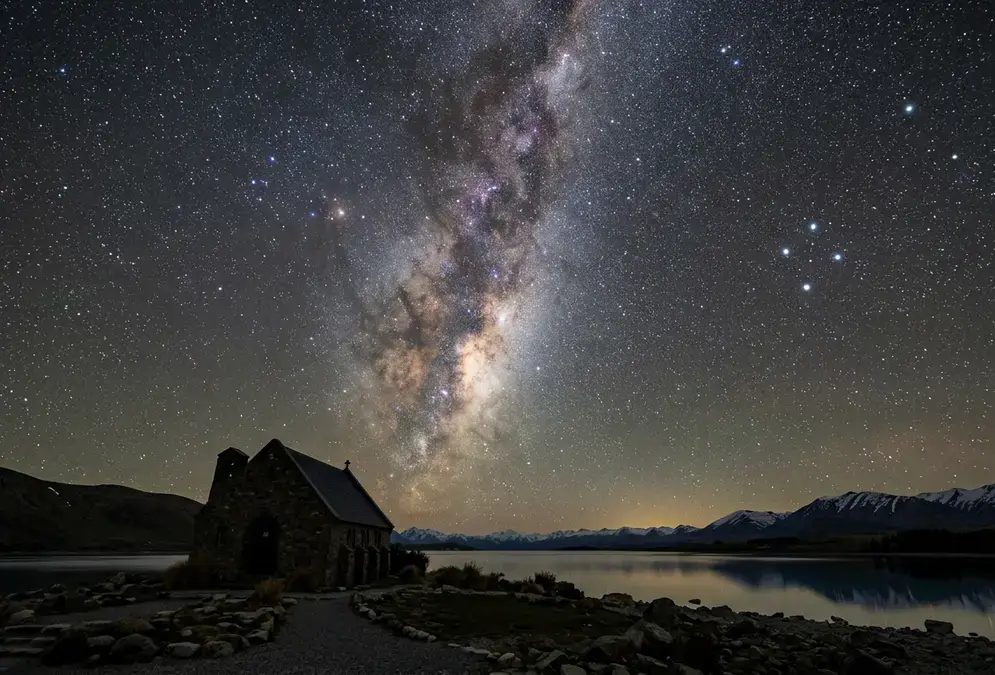
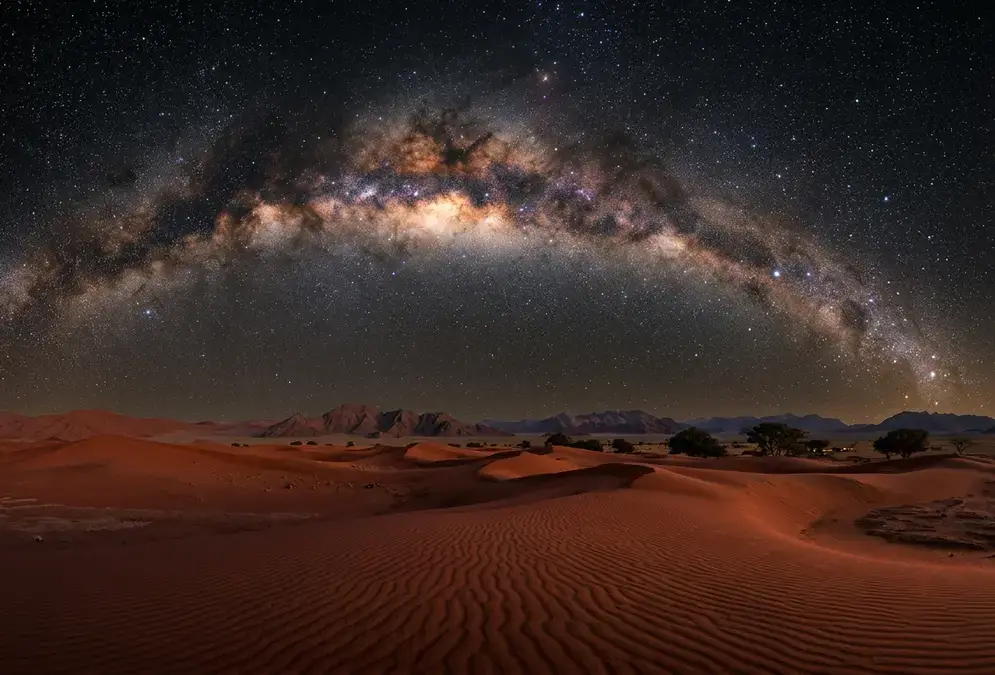
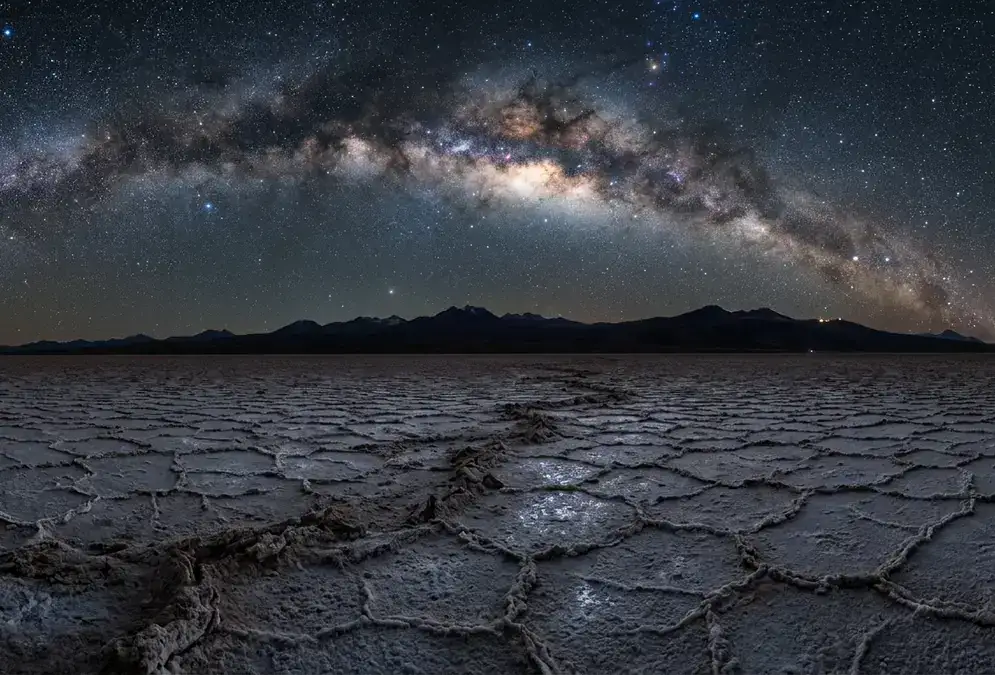
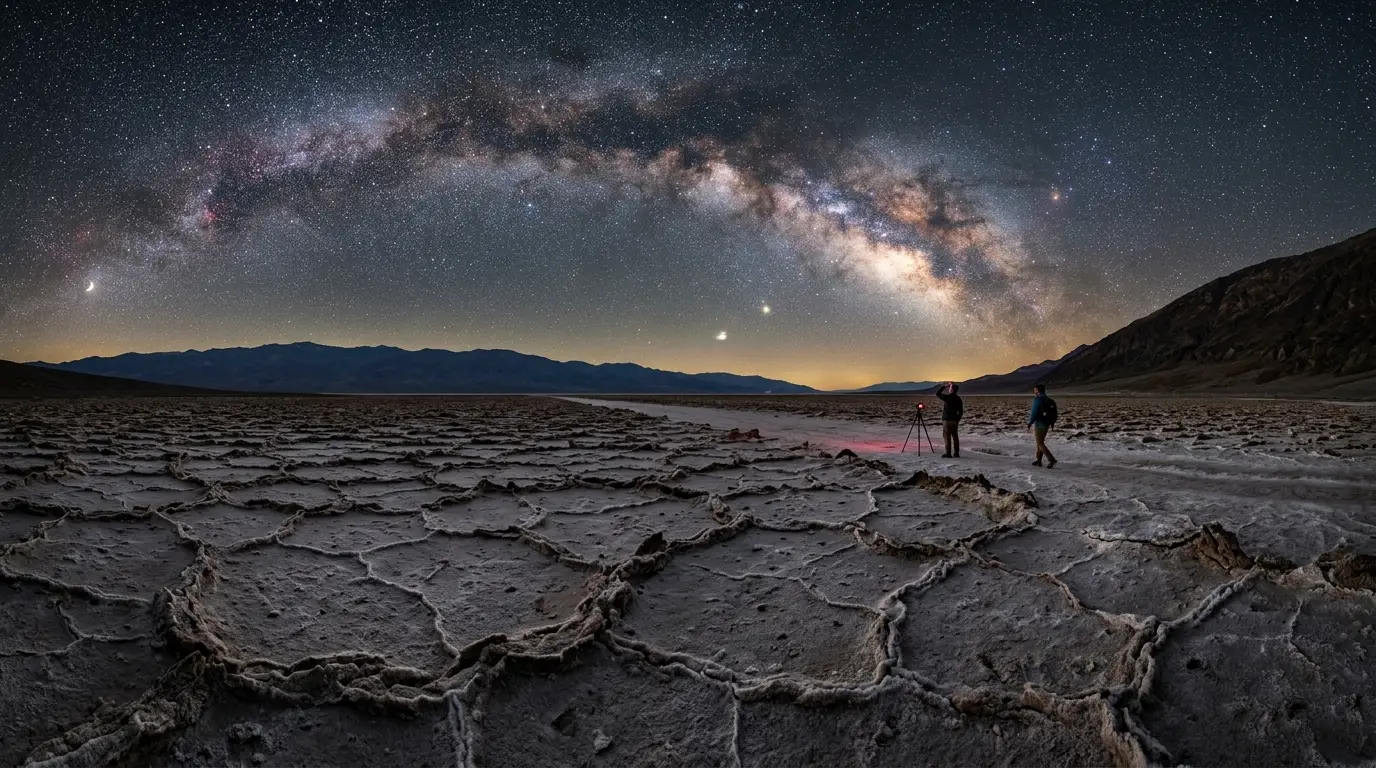
The best dark sky parks in the world share four things: real distance from artificial light, an official designation from DarkSky International or a national equivalent, a predictable galactic-core season, and enough infrastructure to actually get there and sleep somewhere nearby. Twelve places meet that bar across every inhabited continent, from Chile's observatory-studded Atacama plateau to a Welsh reserve you can drive to from Cardiff in ninety minutes. Hawaii's Mauna Kea follows the same observatory-driven logic as the Atacama, on ground that's also sacred to Native Hawaiians and remains actively contested; see Mauna Kea stargazing for what visiting there responsibly involves.
DarkSky International, formerly the International Dark-Sky Association, has certified more than 250 International Dark Sky Places across six continents, sorted into four tiers: Sanctuary (the most remote and pristine skies), Reserve (a large protected core ringed by a buffer zone with enforced lighting rules), Park (public or private land smaller than a reserve, usually with a visitor center or ranger programs), and Community (an inhabited town that rewrote its lighting ordinances). None of those tiers describe how the sky actually looks on a given night. That's what the Bortle scale measures instead, from Bortle 1, dark enough that starlight alone casts faint shadows, to Bortle 9, the orange glow of a dense city core. That orange glow is one type of light pollution—to understand why dark-sky parks exist in the first place, what is light pollution explains the four types, how they're measured, and how they're reversed.
The ranking below runs by hemisphere and season first, then by how much real infrastructure, an access road, a place to sleep, a bookable guide or ranger program, each site actually offers rather than by which patch of land measures darkest on a map. For specific spot-by-spot advice within a park, see the best stargazing spots in Joshua Tree as an example of how the park-level detail below breaks down.