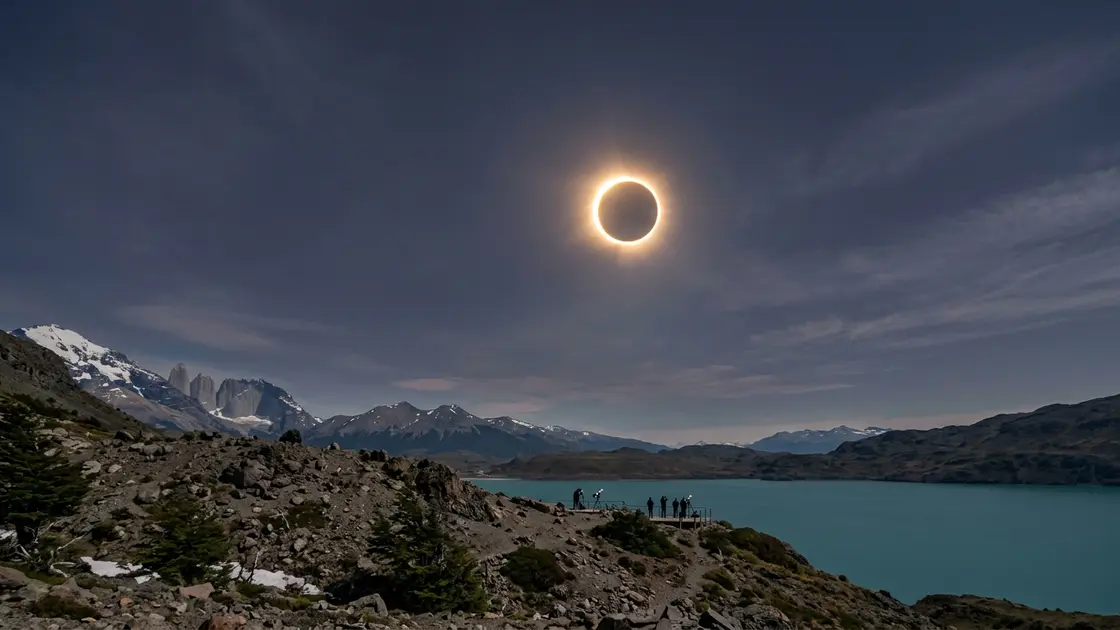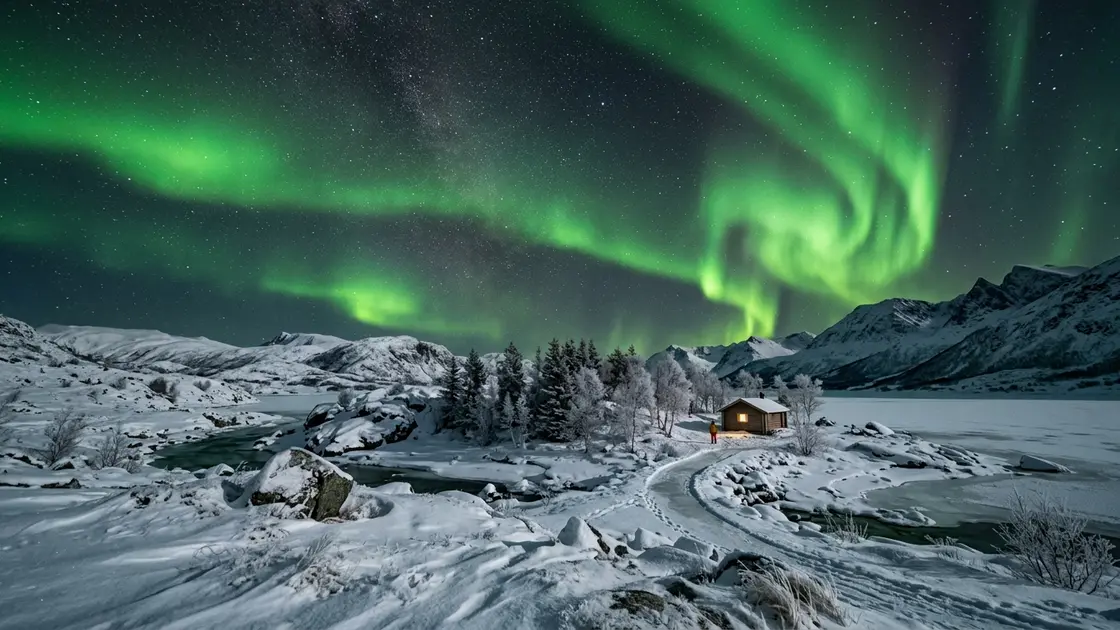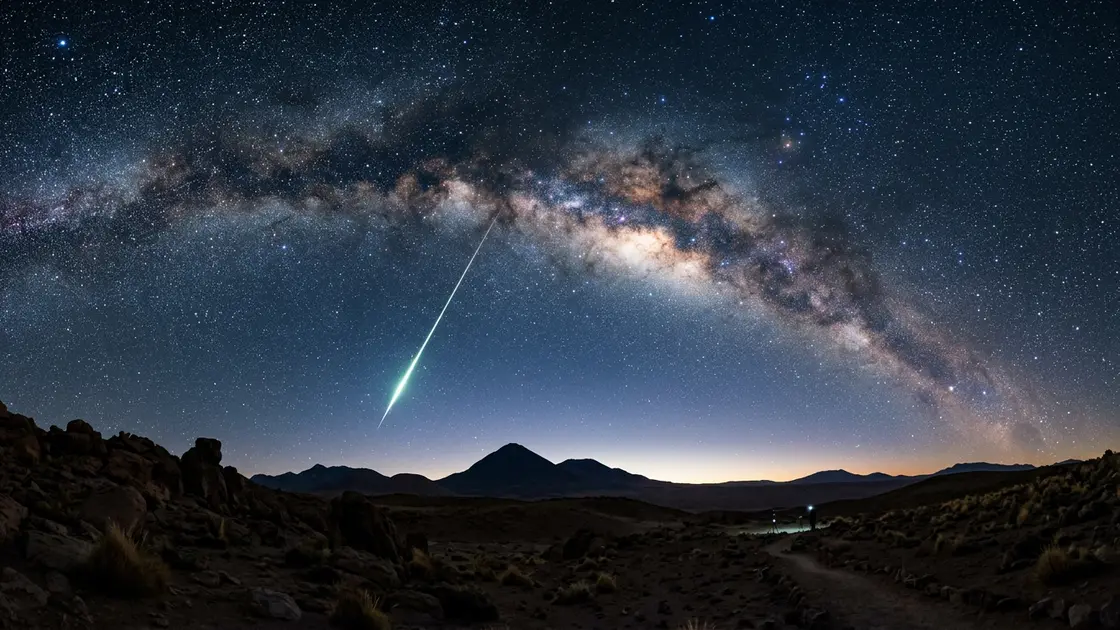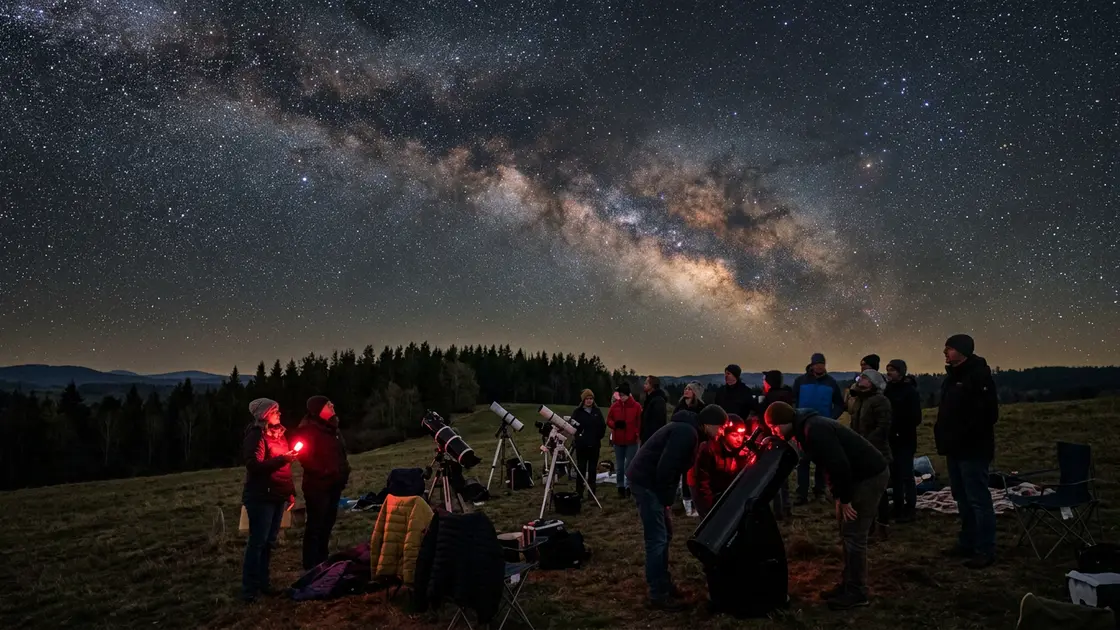
International Dark Sky Week is the one week a year built entirely around looking up. Millions of people worldwide dim a porch light, join a local star party, or just step outside after dark and notice how much of the sky light pollution has already taken from them. There's no gate to pass through and no ticket to buy: it happens everywhere from a schoolyard telescope night to a certified Dark Sky Reserve, timed each spring to the one week when the moon gets out of the way and the sky goes properly dark.
A student's idea, still running two decades on
The event started small. In 2003, high-school student Jennifer Barlow created International Dark Sky Week as a way to get her community looking up and talking about what artificial light was doing to the night sky. It's grown into a fixture of the astronomy calendar since, now organized by DarkSky International (formerly the International Dark-Sky Association) and folded into Global Astronomy Month, the broader April campaign that also covers solar observing, astrophotography contests, and public star parties worldwide.
When International Dark Sky Week happens
The event runs each April, timed to the new moon so the sky is at its darkest for anyone stepping outside to look. The 2026 edition ran April 13–20, 2026. Official 2027 dates had not been announced by DarkSky International as of this writing; the organization's own coverage of the event describes it as held "each April, timed around the April new moon," and April 2027's new moon falls on April 6. A calendar-aggregator site lists April 12–19, 2027 as a projected date, matching that pattern, but that figure is not an independently confirmed announcement from DarkSky International, and it's worth checking darksky.org directly before building travel or event plans around it.
The certification system behind the week
Part of what Dark Sky Week promotes is the network of places that have already done something about light pollution. DarkSky International has certified more than 250 International Dark Sky Places worldwide, sorted into five categories:
- International Dark Sky Sanctuaries — the most remote and often darkest places on Earth, and typically the most fragile to protect
- International Dark Sky Parks — public or private land protected for conservation, with outdoor lighting rules and visitor programs
- International Dark Sky Reserves — a dark core zone surrounded by a populated periphery where lighting policy protects the core
- International Dark Sky Communities — towns and cities that have adopted quality outdoor lighting ordinances and educate residents on why it matters
- Urban Night Sky Places — sites inside or near cities that preserve an authentic night-sky experience despite nearby artificial light
Each tier represents a place that changed its lighting policy on purpose, which is the exact behavior Dark Sky Week is trying to spread to everywhere else.
How to actually participate
Participation doesn't require travel. DarkSky International's own suggestions center on three things: sign the organization's online pledge, push your local government toward better outdoor lighting policy, and share what you're doing with the #IDSW hashtag. Community events are the other half of it: in 2026, a record 255 community events were submitted to the International Dark Sky Week event map, ranging from astronomy festivals and stargazing gatherings to nighttime ecology walks, educational workshops, and film screenings. Hosting or joining one of those is the fastest way to turn a week of awareness into an actual night under a darker sky.
Where to go if a week isn't enough
Dark Sky Week is about noticing the problem; it doesn't rank where to actually go stargaze. For that, the best dark sky parks in the world covers 12 certified parks and reserves worth building a real trip around, tiered by darkness and season. If light pollution itself is the part you want to understand properly, what is light pollution breaks down the four types and how they're measured and reversed. And if the plan is simply to get under the darkest sky possible on the nearest new moon, Milky Way season covers the annual window when that darkness pays off the most. For a different kind of observance, World Space Week is a UN-recognized observance held 4–10 October.