Articles · Where to go
Best Stargazing Spots and Dark-Sky Destination Comparisons
Named viewing spots in places from Uluru to Abisko, head-to-head comparisons such as La Palma vs Tenerife and Merzouga vs Wadi Rum, and explainers on dark-sky certification and observatories. It is for travelers choosing between destinations before they book a flight.
44 articles
Where to go: the big picture

Written by
Maya Okonkwo I've seen dark skies firsthand in the Atacama altiplano, Namibia's NamibRand Nature Reserve, and Morocco's Merzouga dunes; every other destination I write about is built from measured Bortle and SQM data, cloud climatology, and primary sources like park services and the International Dark-Sky Association.
Most where-to-go questions on this site come down to one trade: how much darkness you want against how hard you are willing to work to reach it. The comparisons here all turn on it, and I would read one before booking flights.
The clearest case is La Palma vs Tenerife. La Palma has roughly 84,000 residents against Tenerife's close to 964,000, and that gap shows up in traffic on the summit road and the number of cars at a pull-off. Tenerife answers with two airports and an official, year-round night-tour program. Neither island is the right answer for everyone.
The same trade runs through Joshua Tree vs Big Bend. Joshua Tree sits roughly 130 miles east of Los Angeles, close enough for a weekend, but light pollution from surrounding communities reaches into the park. Big Bend has the darkest night skies of any national park in the lower 48 according to the National Park Service, and its nearest major-airline airports are 235 and 330 miles away.
Aurora trips shift the question to weather. In Iceland vs Norway, travel-industry estimates put clear-sky odds at around 80% of nights in Tromsø against roughly 60% in Iceland, though neither number is a formal measurement. Pick the trade-off you can live with first, then the place.
More where to go articles
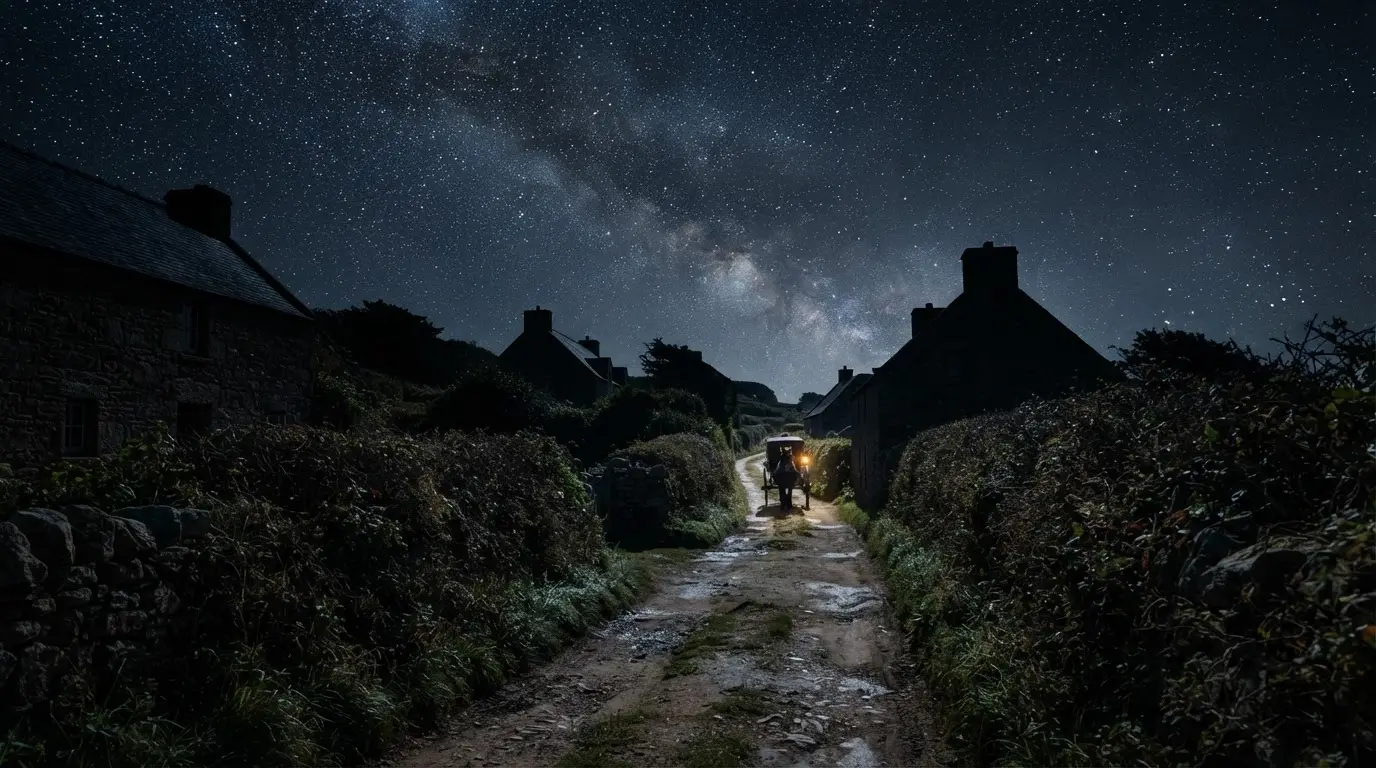
No Cars, No Streetlights: Sark, the World's First Dark Sky Island
Maya Okonkwo 5 min read
Sark has zero cars and zero streetlights by law. In 2011 it became known as the world's first Dark Sky Island, though the real certification tier is Community.
Read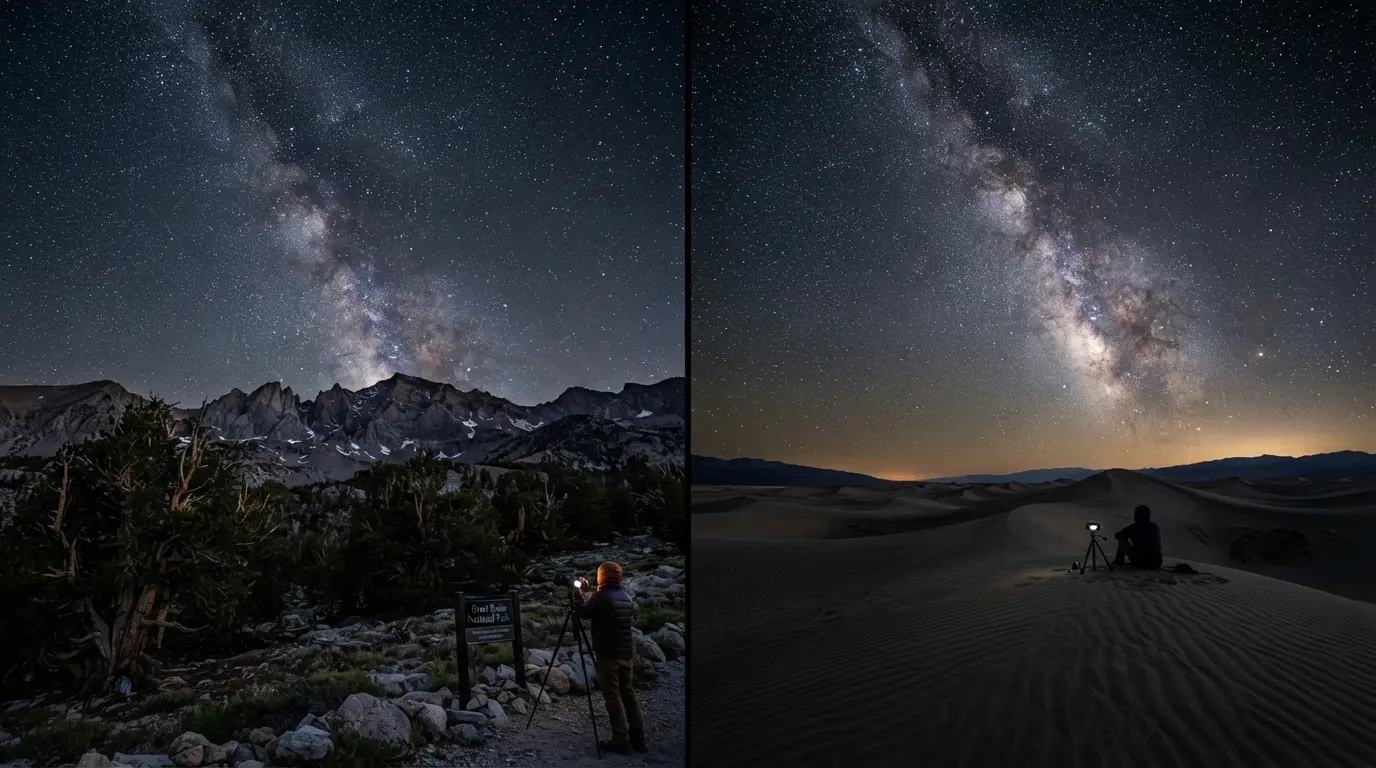
Death Valley vs Great Basin: Which Nevada Dark Sky Wins
Maya Okonkwo 7 min read
Both hold Gold Tier status. Great Basin trades a 5.5-hour drive for altitude and an observatory; Death Valley trades heat for Bortle 1 skies 2 hours from Vegas.
Read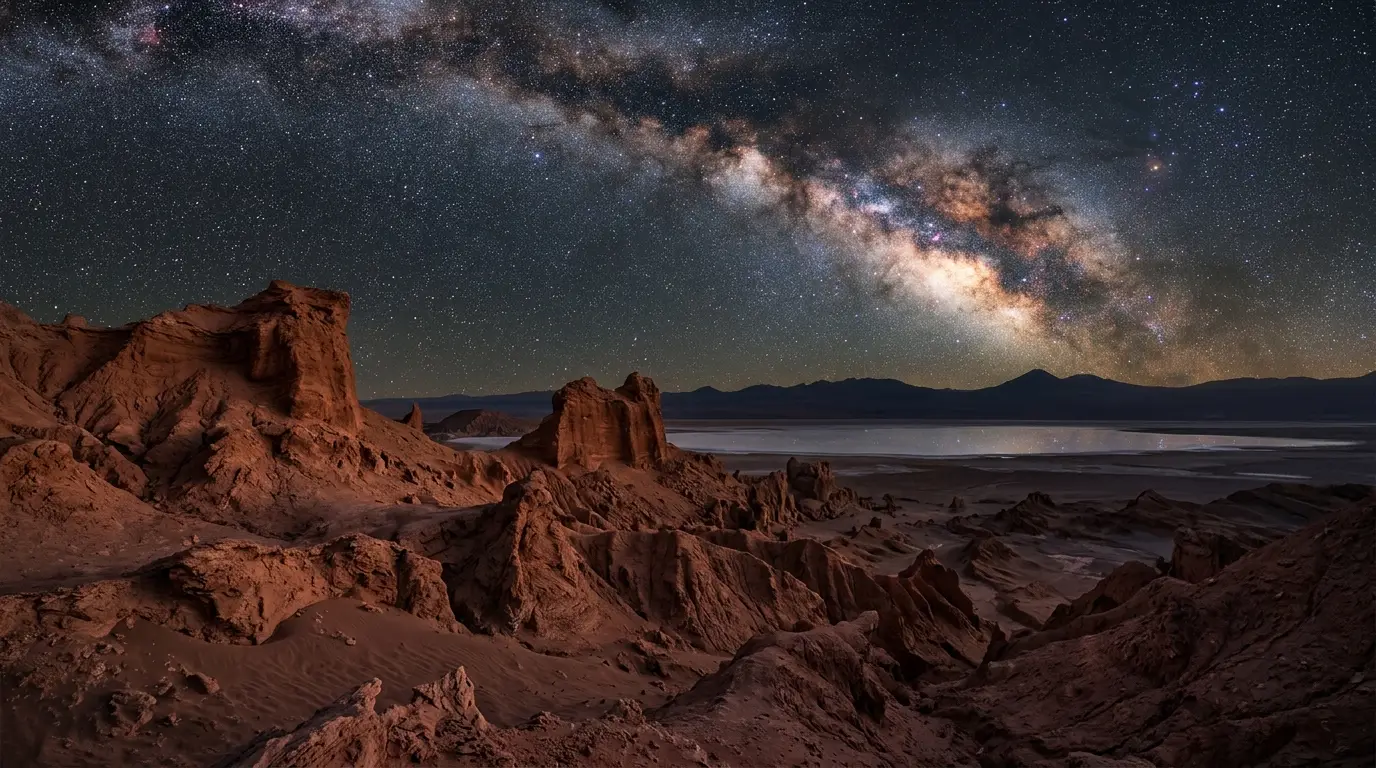
Best Stargazing Spots in the Atacama Desert
Maya Okonkwo Updated 7 min read
Six named spots split the Atacama's sky differently: Valle de la Luna's horizon, the Salar's reflection, Piedras Rojas at 4,300m, and what ALMA lets you see.
Read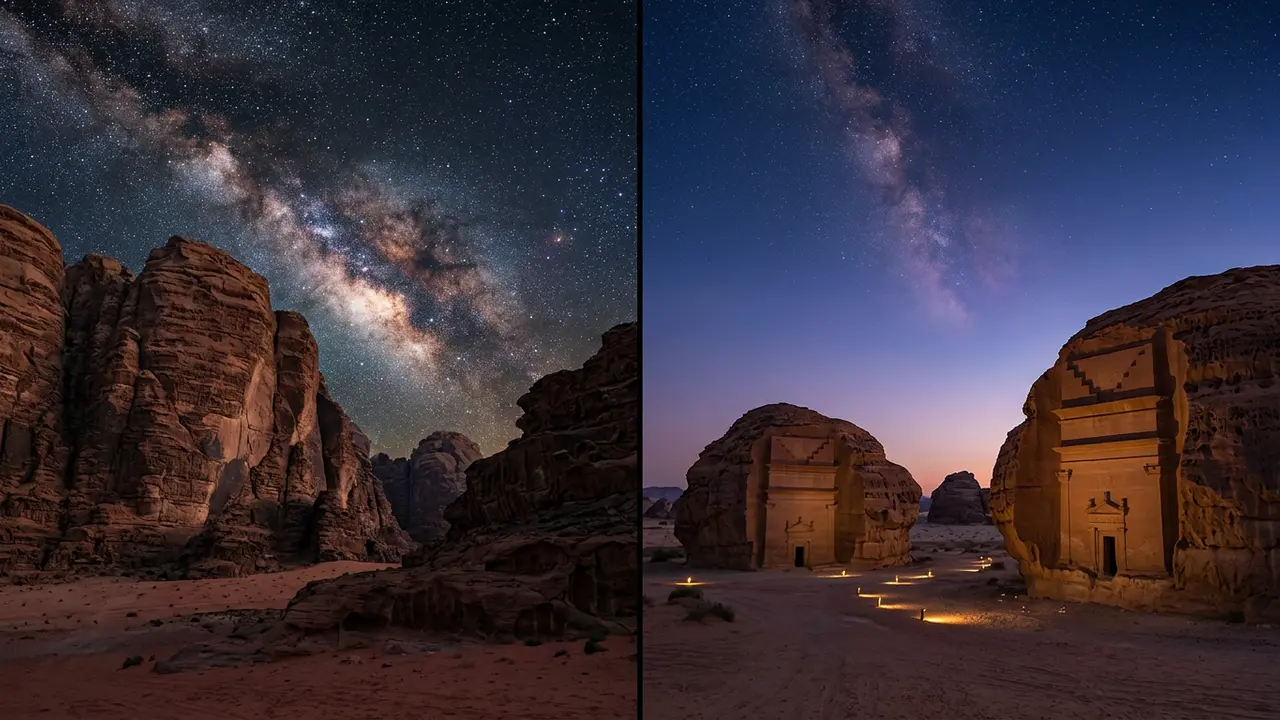
Wadi Rum vs AlUla Stargazing: Which Desert Wins?
Maya Okonkwo Updated 7 min read
Wadi Rum's UNESCO valley and Bedouin camps vs AlUla's Dark Sky Park and ancient Hegra ruins: an honest comparison for planning either desert stargazing trip.
Read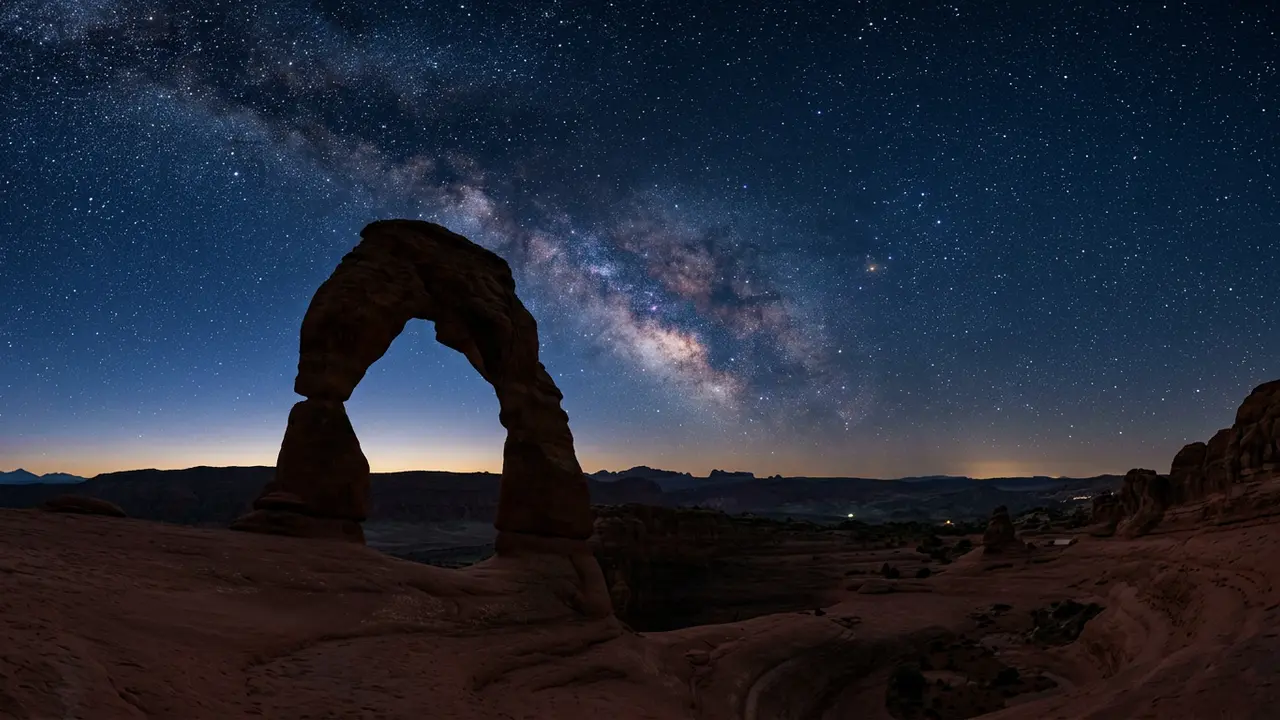
Best Stargazing Spots in Wadi Rum: 4 Places to Know
Maya Okonkwo Updated 8 min read
Four named spots make Wadi Rum's UNESCO desert worth a night out: Um Frouth's arch, Barrah Canyon, Lawrence's House ruin, and dunes with no city glow.
Read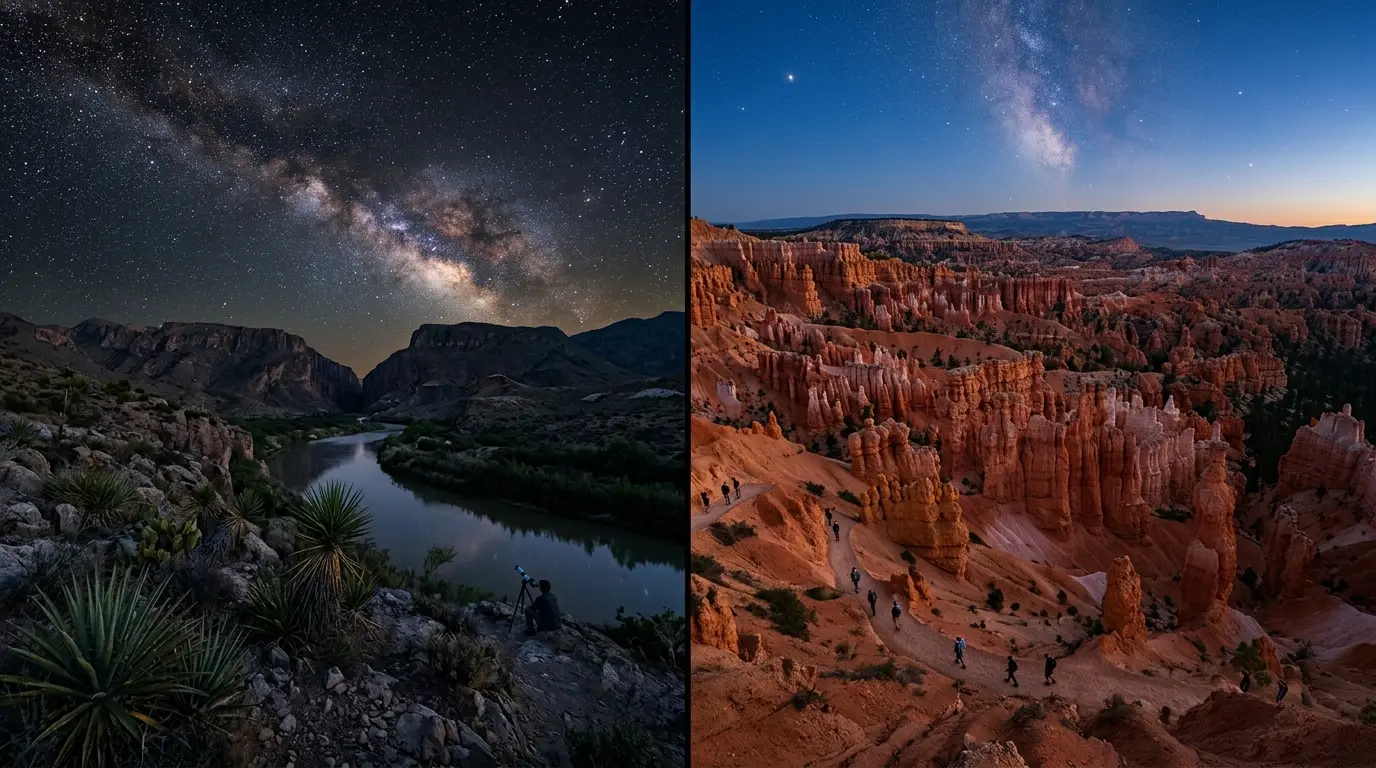
Big Bend vs Bryce Canyon Stargazing: How They Compare
Maya Okonkwo Updated 7 min read
Big Bend's NPS-confirmed darkest skies in the lower 48 face Bryce Canyon's Gold-Tier IDA certification: an honest comparison for planning your dark-sky trip.
Read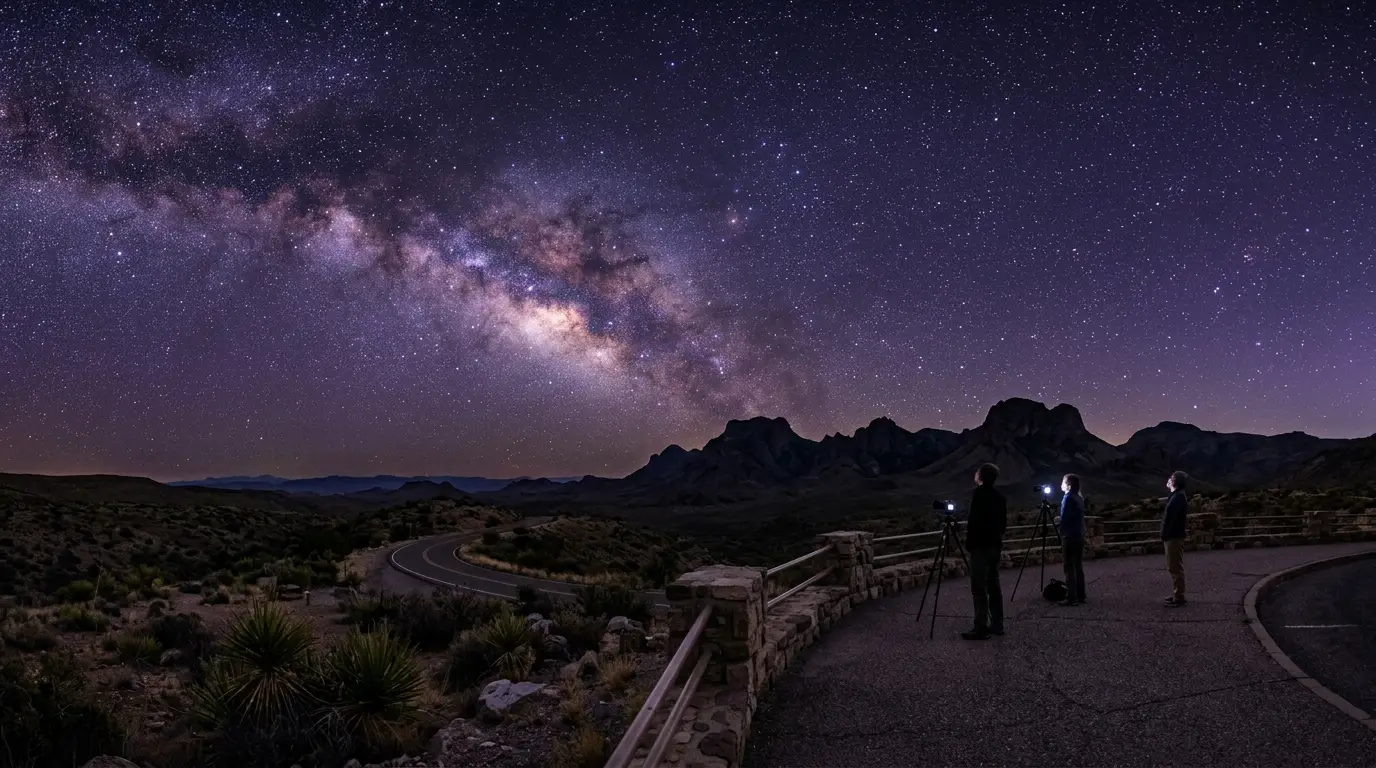
Best Stargazing Spots in Big Bend: 6 Places to Know
Maya Okonkwo Updated 7 min read
NPS names Sotol Vista and the Rio Grande overlook for stargazing, not Chisos Basin or Santa Elena Canyon. Here's what each of Big Bend's six spots offers.
Read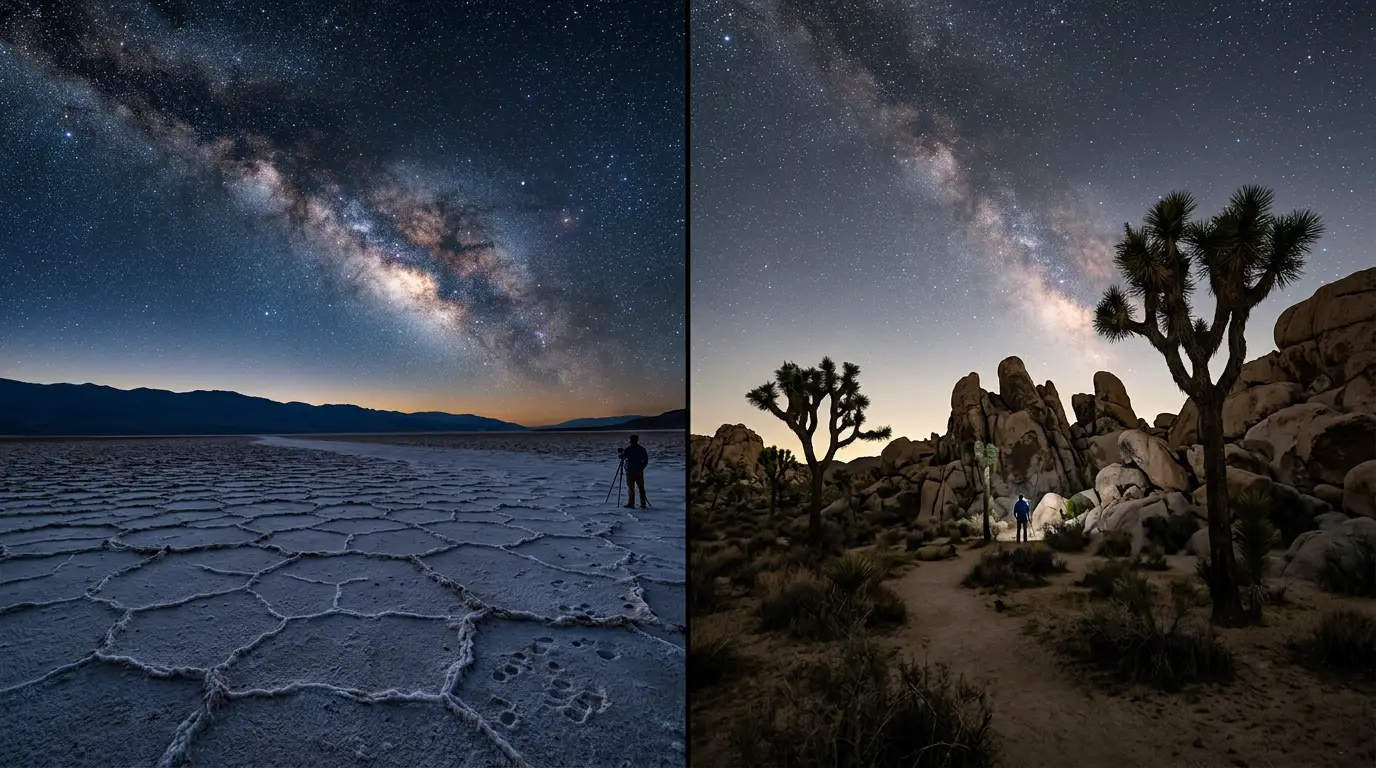
Death Valley vs Joshua Tree Stargazing: Which Fits Your Trip
Maya Okonkwo Updated 7 min read
Death Valley's Gold-Tier Bortle 1 sky demands heat, distance, and planning. Joshua Tree trades some darkness for an easy LA weekend. Here's which trip fits you.
Read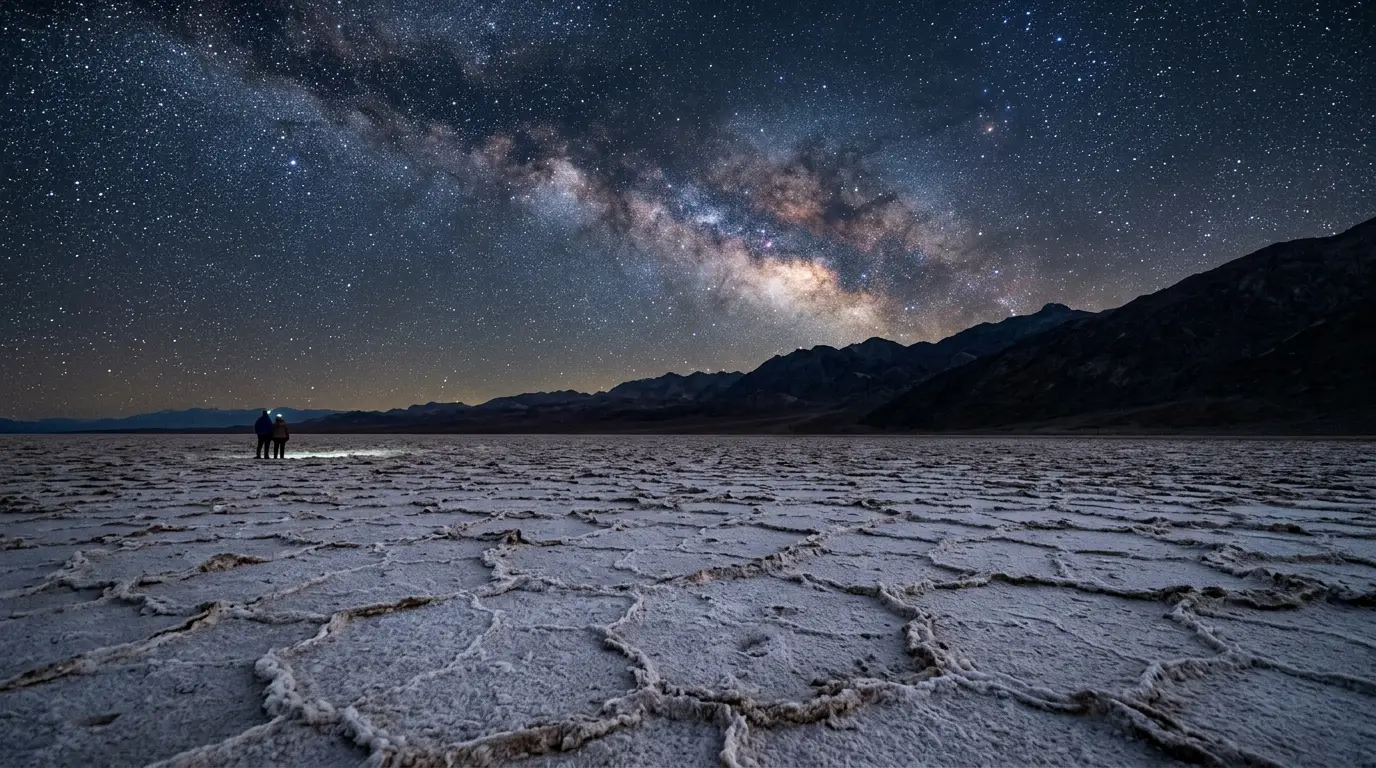
Best Stargazing Spots in Death Valley: 4 Places to Know
Maya Okonkwo Updated 7 min read
Four named spots handle Death Valley's Gold Tier sky differently: Badwater's horizon, Zabriskie's overlook, Mesquite Flat's dunes, Ubehebe's isolation.
Read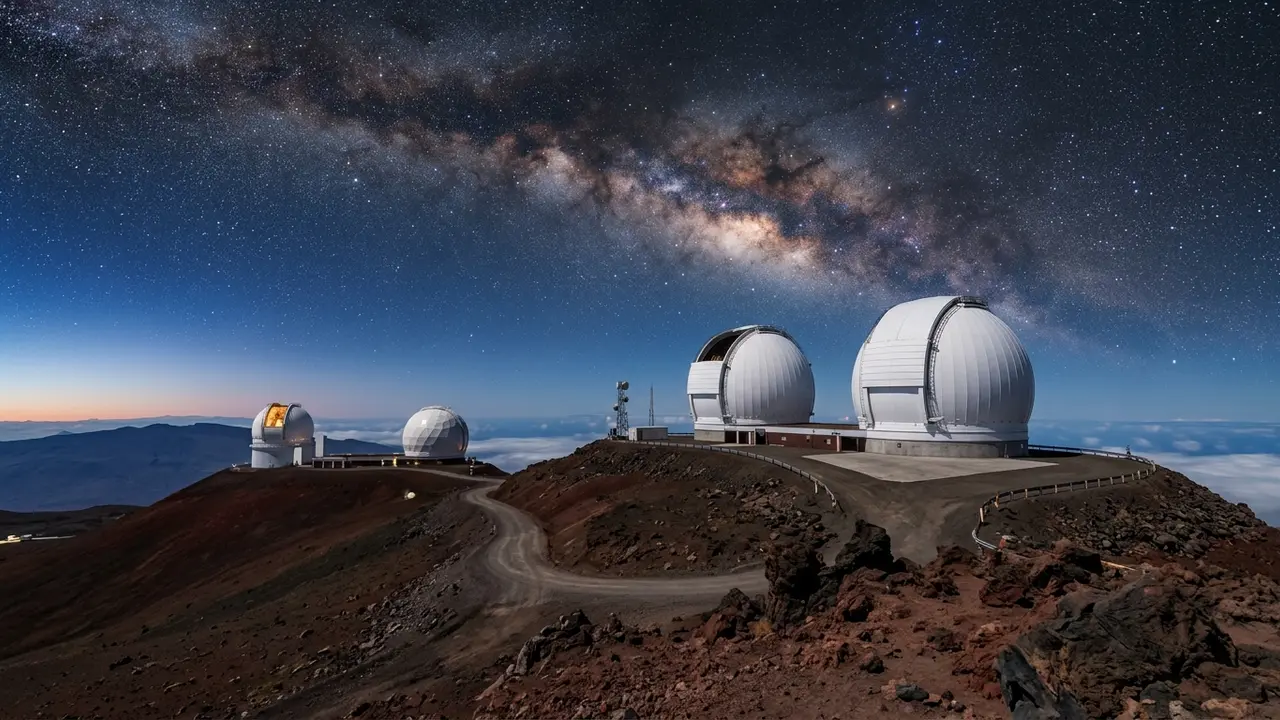
Mauna Kea Observatories Explained: Why the Summit Works
Maya Okonkwo Updated 7 min read
Mauna Kea's 13,796-foot summit sits above 40% of Earth's atmosphere, home to Keck's twin domes, Subaru, and Gemini North, on land sacred to Native Hawaiians.
Read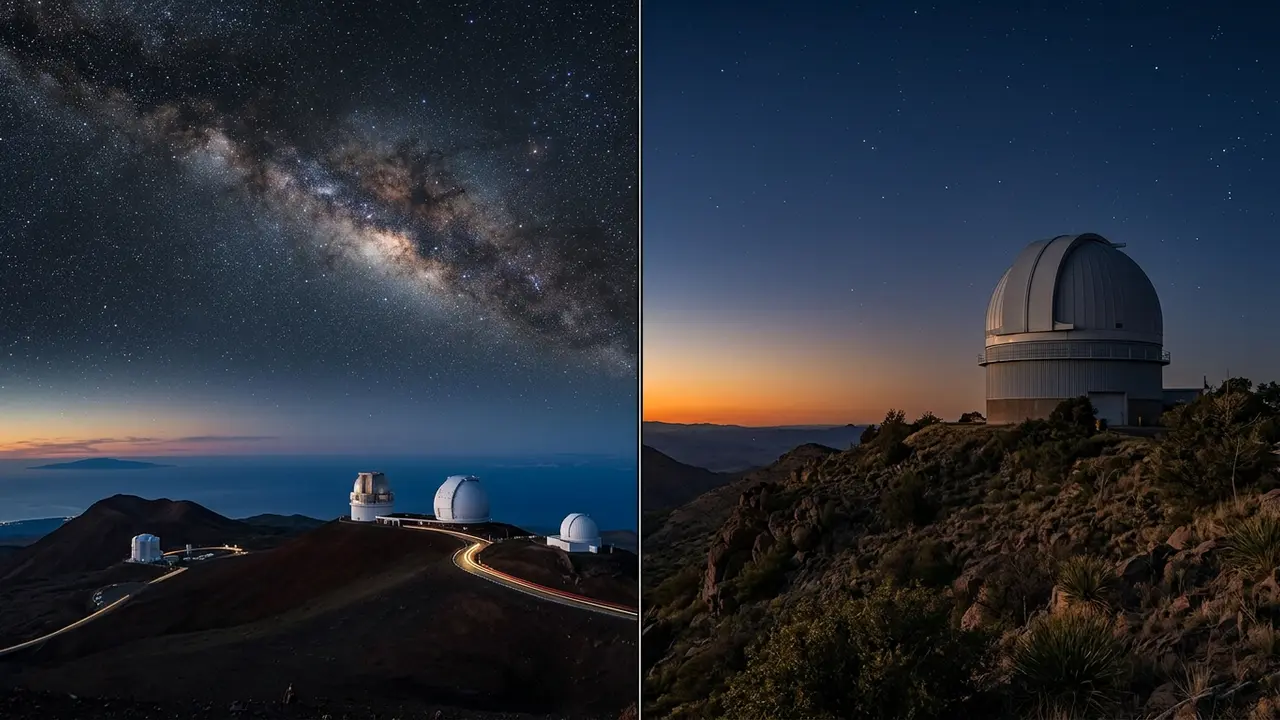
Mauna Kea vs Big Bend Stargazing: Which Fits Your Trip?
Maya Okonkwo 7 min read
Mauna Kea's summit is sacred and access-limited; Big Bend's McDonald Observatory welcomes everyone. Here's which stargazing trip actually fits you best.
Read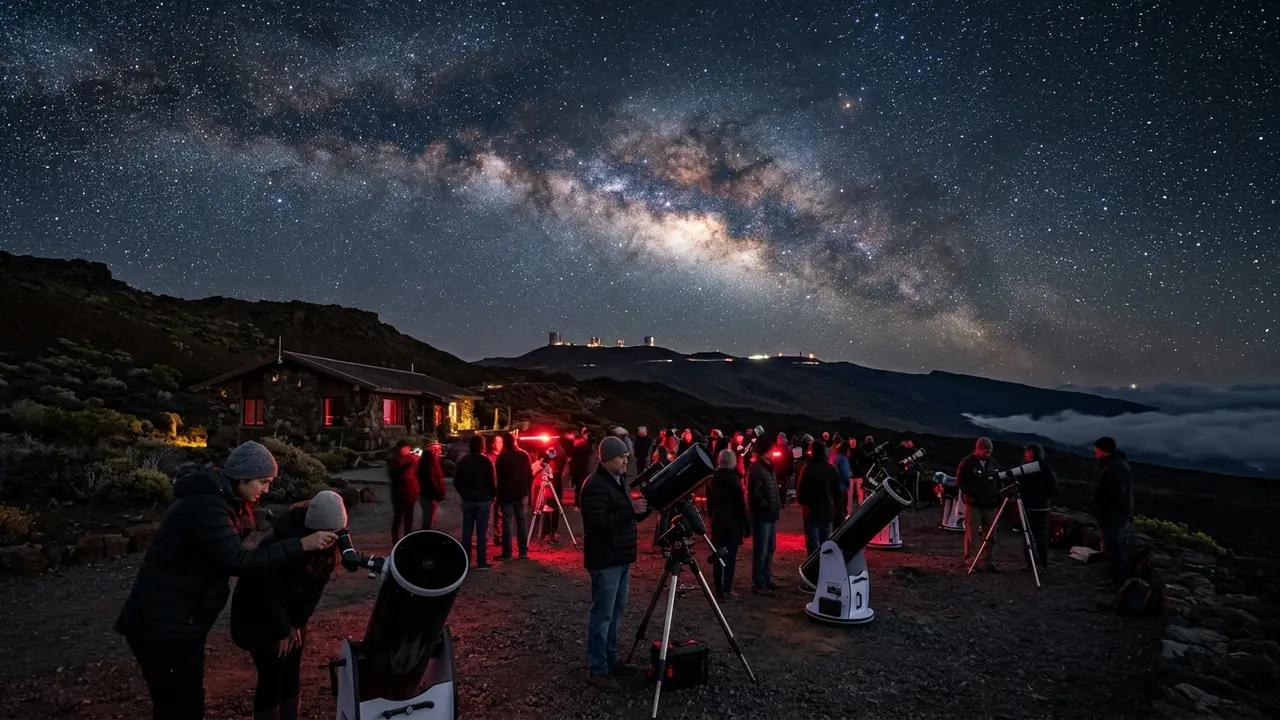
Best Stargazing Spots on Mauna Kea, Beyond the Summit
Maya Okonkwo Updated 8 min read
Mauna Kea's best stargazing spot isn't the summit; it's the Onizuka Visitor Station at 9,200 feet, plus four dark-sky alternatives across the Big Island.
ReadFrequently asked questions
Why can't I look through the big Canary Islands telescopes at night?
Neither flagship observatory is open to the public at night. Both are working research facilities, and stray light or vehicle traffic from a night tour would compromise a live observation run. Visits happen by day, and Teide Observatory's daytime visits pause entirely between December and March. For a night session on Tenerife, you book a commercial stargazing tour on the caldera floor instead.
Is Joshua Tree dark enough for a first stargazing trip?
Yes, with a caveat about where you stand. NPS frames the park as a place where many visitors see the Milky Way core overhead for the first time in their lives. The western half, nearest Palm Springs and Palm Desert, absorbs the most glow, while the eastern wilderness stays noticeably darker. Cottonwood Campground is consistently the darkest of the official campgrounds.
Can I get to Big Bend without driving my own car?
Not easily. There is no public transportation to or within Big Bend National Park. The nearest Amtrak station and Greyhound stop are both in Alpine, Texas, itself 100 miles from park headquarters. NPS says the isolation is a draw for many visitors but also means your trip must be well prepared, so plan the transport before anything else.
Do I need a car to reach stargazing sites in the Canary Islands?
Yes. A rental car is essential on both La Palma and Tenerife, because neither has public transport reaching its stargazing sites. The driving differs: Tenerife's TF-21 and TF-24 are wide, well-signed mountain roads built for tour buses, while La Palma's climb into Garafía is narrower, with tighter switchbacks that take longer to drive than the map distance suggests.
Why does Tromsø show aurora on weaker geomagnetic nights than Iceland?
It comes down to position relative to the auroral oval. Tromsø sits at 69.6°N, deep inside the high-magnetic-latitude zone, while Iceland spans roughly 64 to 67°N, nearer the edge. SpaceWeatherLive's visibility table puts Tromsø at Kp 0 and Reykjavík at Kp 1, so a weak night that stays invisible from Reykjavík can still be a solid display in Tromsø.