An island that never got around to streetlights
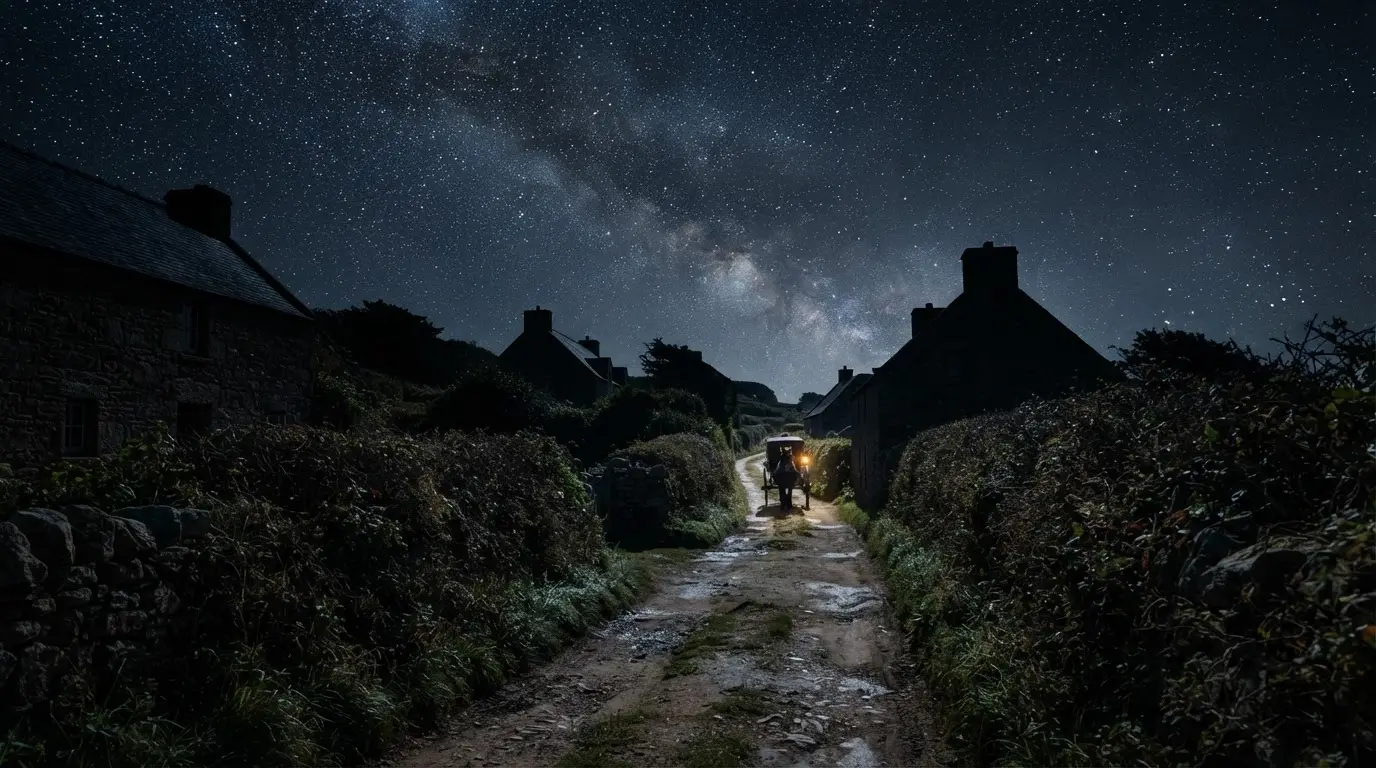
Sark, one of the Channel Islands sitting between Guernsey and the French coast, has no public street lighting and no paved roads built for cars. The only motor vehicles allowed are tractors, used for farming and freight; everyone else gets around by bicycle, on foot, or by horse-drawn carriage[1]. That's not a heritage stunt staged for tourists. It's just how the island runs, and it happens to be exactly the set of conditions a dark-sky assessor wants to see.
In January 2011, the International Dark-Sky Association recognized that and gave Sark a designation that made international news: the world's first Dark Sky Island[1]. DarkSky International's own current listing for the place still leans on that framing, calling Sark "Europe's first International Dark Sky Community" — a 5.4 km² island that pulls in up to 40,000 visitors a year despite having almost nothing built for cars to use[2].
Featured · Destination
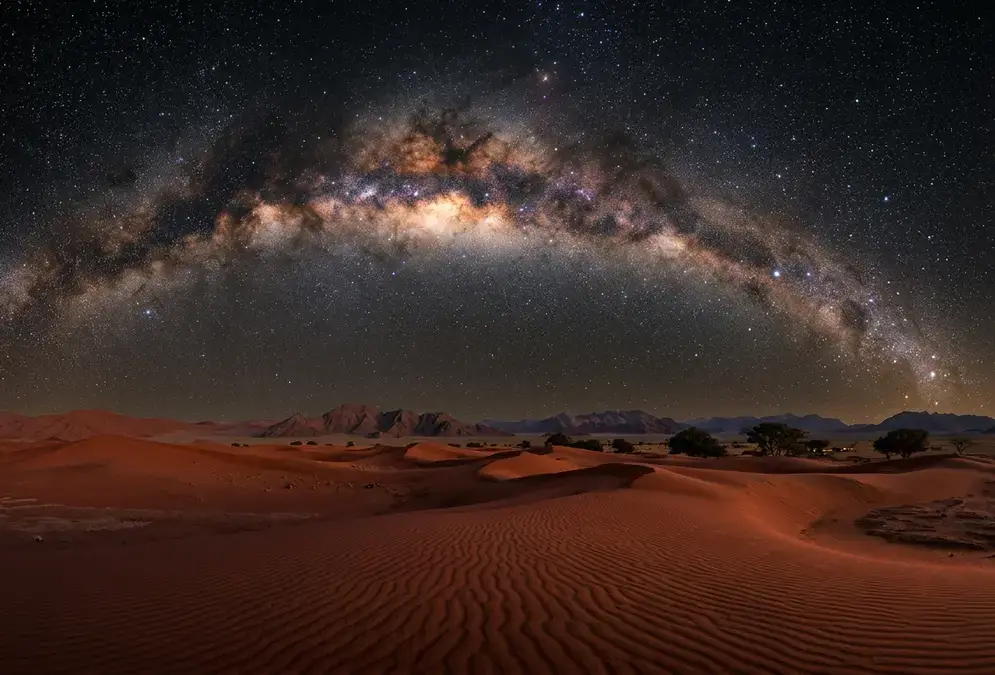
NamibRand Nature Reserve
NamibRand is Africa's only Gold Tier Dark Sky Reserve: extreme Namib Desert isolation, the Southern Cross, Magellanic Clouds, and luxury safari lodges.
None of this happened by accident. Getting a place this small onto a list otherwise dominated by national parks and desert reserves took a specific, deliberate process, one worth separating from the popular headline before going any further.
What 'Dark Sky Island' actually means, and doesn't
Here's the nuance most retellings skip: DarkSky International, the organization that runs the whole certification system, doesn't have a category called "Dark Sky Island." It never has. The five active tiers are Sanctuary, Reserve, Park, Community, and Urban Night Sky Place — Development of Distinction was a separate, sixth category, discontinued since 2020 — and Sark's actual designation sits in the Community tier, the same one used for towns and municipalities anywhere in the world that clean up their lighting[4].
A Dark Sky Community is defined as a town, city, or legally organized community that has shown "exceptional dedication to the preservation of the night sky through the implementation and enforcement of a quality outdoor lighting ordinance, dark sky education, and citizen support of dark skies"[4]. That's a behavioral standard: change how you light your streets, prove you'll keep doing it, and get your neighbors on board. It has nothing to do with how remote the location is.
| Tier | What it requires | Example |
|---|---|---|
| Community (Sark) | A town or community upgrades outdoor lighting and enforces it | Sark, Channel Islands |
| Reserve | A protected core area plus a peripheral buffer, run by multiple land managers | NamibRand, Namibia |
| Sanctuary | An exceptionally dark, very remote site with almost no nearby light-pollution threats | Gabriela Mistral, Chile |
"World's first Dark Sky Island" is what the Royal Astronomical Society called it in its own 2011 press release, and Sark's own tourism board still uses that exact phrase today[1][5]. It's not wrong, exactly. It's a nickname the certification earned, not the certification's own name for itself, and the distinction matters most once you compare Sark to the kind of remote desert site a Bortle scale reading of 1 usually describes: those get certified under a different tier entirely, for different reasons.
The audit that got Sark there
The 2011 award followed a genuinely unglamorous process: a community consultation, an assessment of how dark the sky actually was, and an audit of every external light fixture on the island[1]. Jim Patterson of the Institute of Lighting Engineers built the lighting management plan that came out of it, and Sark's residents and business owners went and changed their fixtures to match, shielding them so less light spilled upward, where it drowns out stars[1].
Steve Owens, who held the title "dark sky development officer" and led Sark's application to the IDA, was blunt about what he expected the designation to do for the island[1].
“This is an ideal opportunity to bring stargazers to the island throughout the year, and I think that Sark is about to see a boom in astro-tourism, especially in the winter months.”
The island's own government backed it publicly. Conseilleur Paul Williams, who chaired the committee overseeing environmental matters, called it "a tremendous feather in our environmental cap"[1], and the Royal Astronomical Society's then-president framed it as good news for public interest in astronomy generally, not just for Sark[1]. It's the same basic playbook AlUla followed years later on the other side of the world, chasing a different Dark Sky Place designation for reasons that had nothing to do with copying a Channel Island. The mechanics of getting a place certified just tend to look alike.
What the label actually built
The certification did roughly what Owens predicted. It helped establish SAstroS, the Sark Astronomy Society, which now funds and runs the island's Observatory and hosts an annual Starfest with guest speakers each autumn or spring[5].
You don't need your own gear to use any of it. Visitors without a telescope can borrow one from SAstroS, or use the Observatory itself, which offers shelter and a screen showing whatever the telescope is pointed at[6]. La Coupée, the narrow ridge connecting Sark to Little Sark, is the spot locals point stargazers toward first[6].
Featured · Article
What Is Astrotourism? The Complete Beginner's Guide
Astrotourism means travel built around dark skies: meteor showers, auroras, the Milky Way. What it means, where to go, and how to plan your first trip.
Recommended tours
Tours are selected for quality, not commission. I earn a small fee if you book — at no extra cost to you.
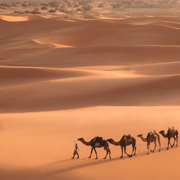
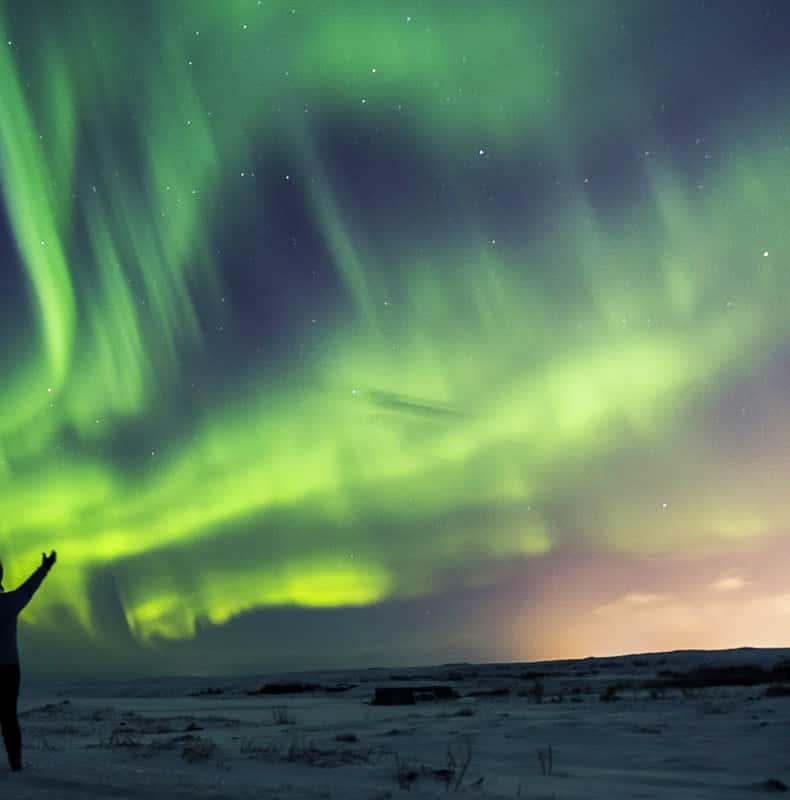
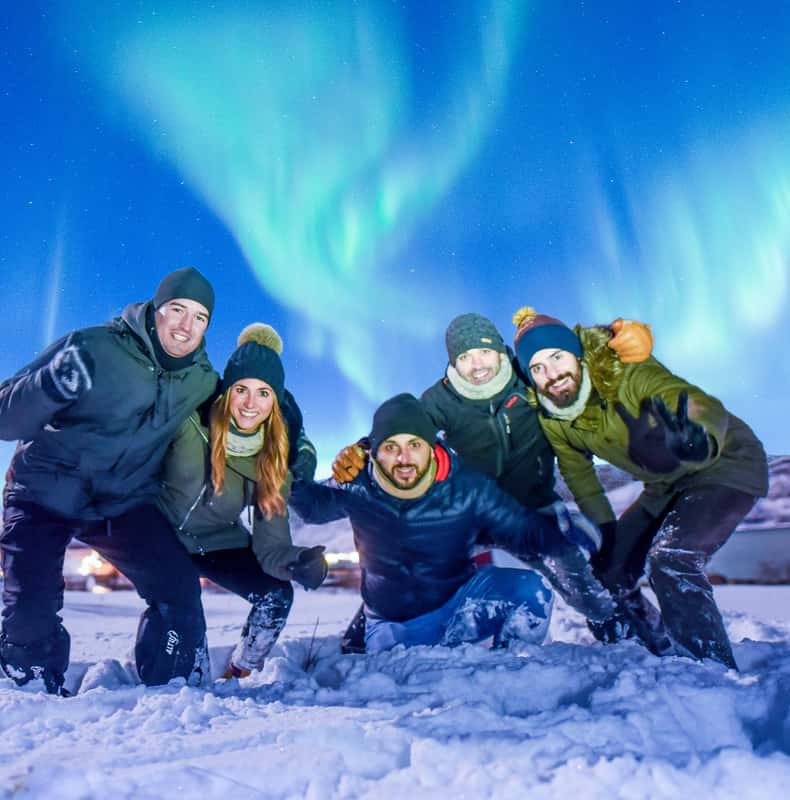
This is astro-tourism working about as directly as it can: a place changes how it manages light, and within a few years that decision has built its own infrastructure, a society, an observatory, an annual event calendar, instead of a plaque nobody visits.
Sark versus the desert: a different kind of dark
Compare Sark to the two places most stargazing writers reach for as reference points, and the contrast is instructive. NamibRand Nature Reserve, one of Africa's largest private reserves, earned Dark Sky Reserve status in 2012 by protecting a large, naturally dark stretch of the Namib Desert[7]. The Gabriela Mistral Dark Sky Sanctuary, in Chile's Elqui Valley, sits on a 36,000-hectare site that a consortium of universities has restricted to astronomical research since the 1960s[8].
Both of those earned their tier through remoteness and land-use control: keep people and development away, and the sky takes care of itself. Sark got its tier the opposite way. A small, inhabited, actively visited island simply changed its lighting and proved it would keep doing so[4].
The practical upshot for a reader deciding where to go: NamibRand and Atacama demand a long-haul flight and, usually, a guided or lodge-based stay built around genuine wilderness. Sark asks for a flight to Guernsey and a 50-minute ferry[3]. You give up the record-setting sky-quality numbers those desert sites can claim, and you get a Tuesday-night stargazing trip that doesn't require a fortnight of planning. I think that trade is underrated.