What astrotourism means
What separates astrotourism from a hobby with a travel budget is the money now organized around it.
Astrotourism vs. space tourism: not the same industry
| Astrotourism | Space tourism |
|---|---|
| Ground-based: viewing the sky from Earth's surface | Includes suborbital and orbital spaceflight, launches, and space museums |
| Typically costs a park fee, gear, and a trip to a dark-sky region | Suborbital flight seats run into six figures |
| Bookable by most travelers this year | A small, exclusive list of paying passengers to date |
The core activities: what an astrotourism trip looks like
- Meteor-shower chasing: timed to annual showers like the Perseids in August or the Geminids in December, best watched under a new moon away from city glow.
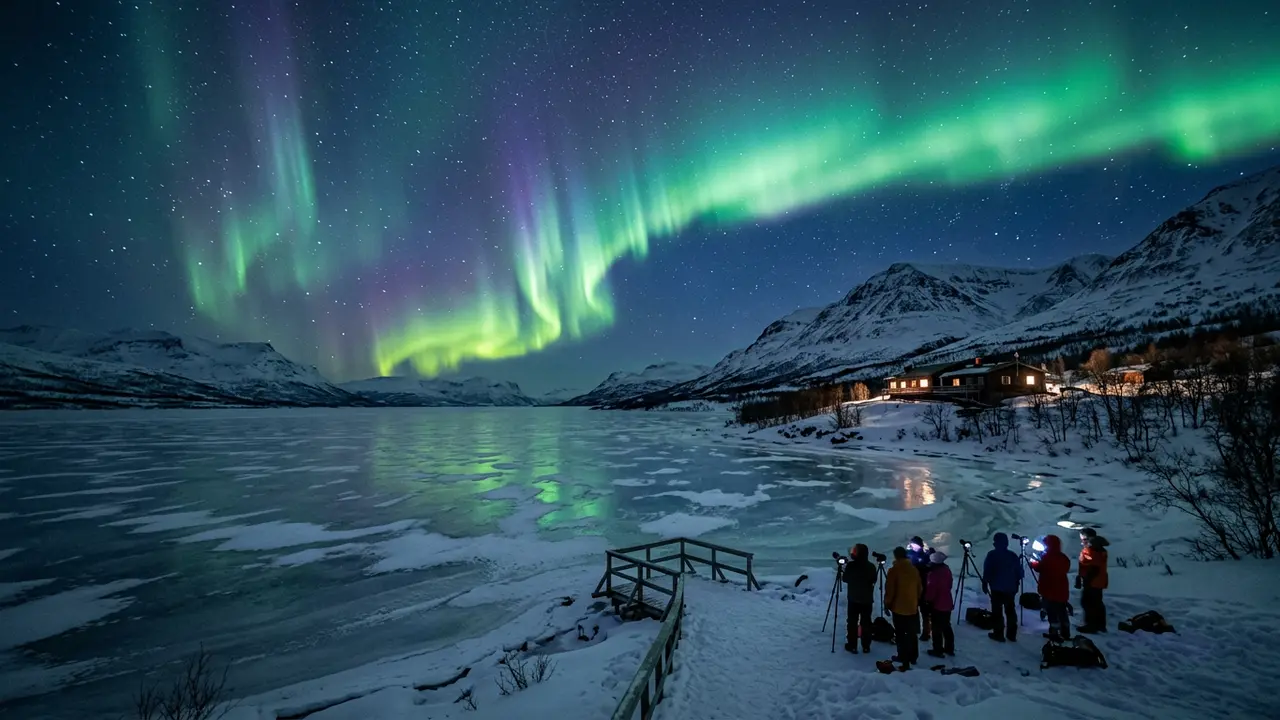
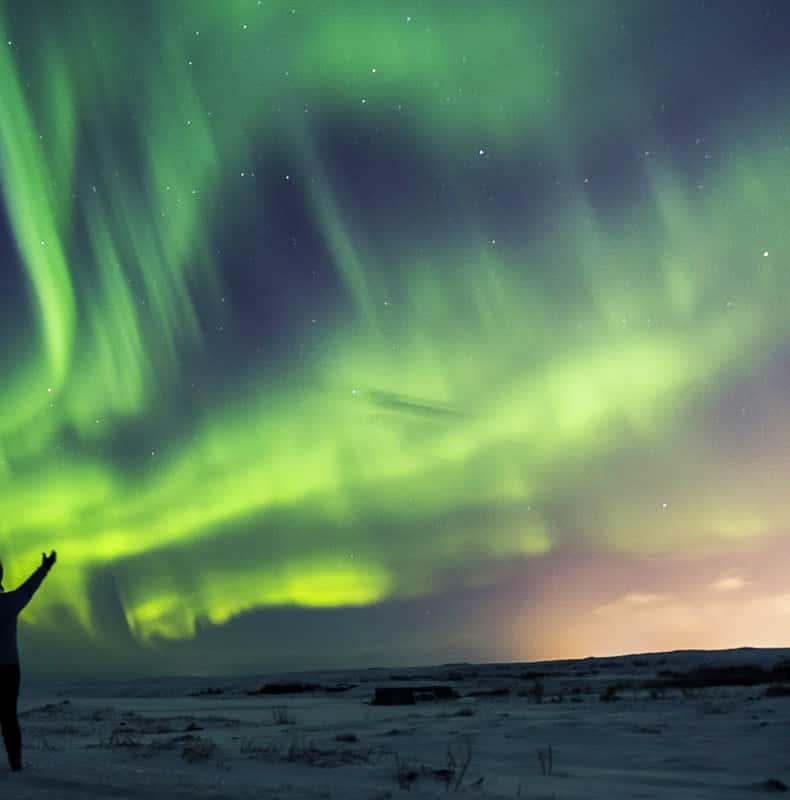
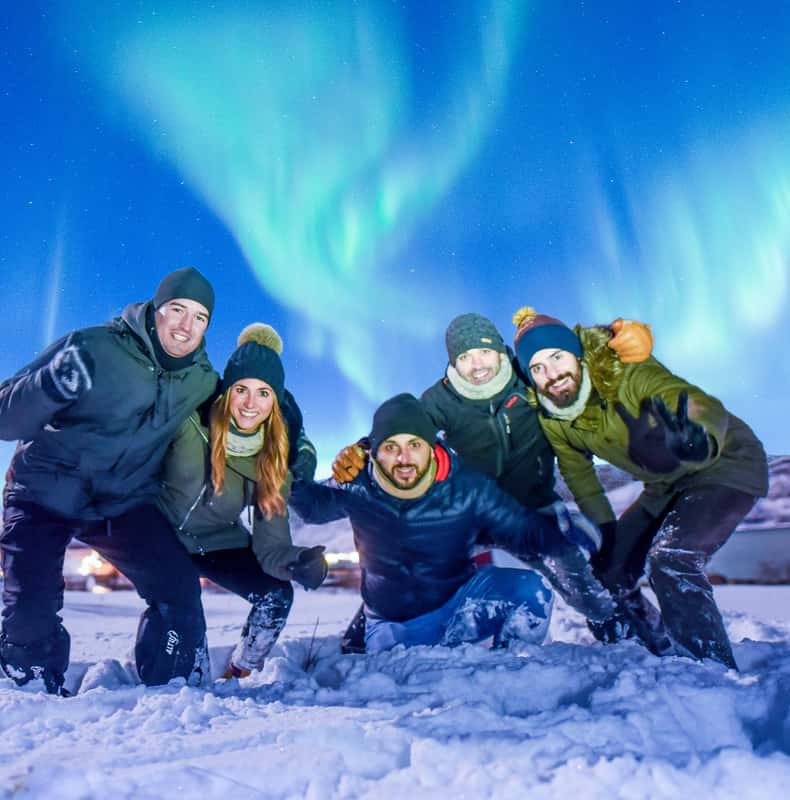
- Aurora chasing: borealis in the north, australis in the south, tracked against the solar cycle and the Kp index rather than a fixed calendar date. It's also the single biggest slice of the market; northern lights tourism alone was valued at roughly $834.5 million in 2023[4].
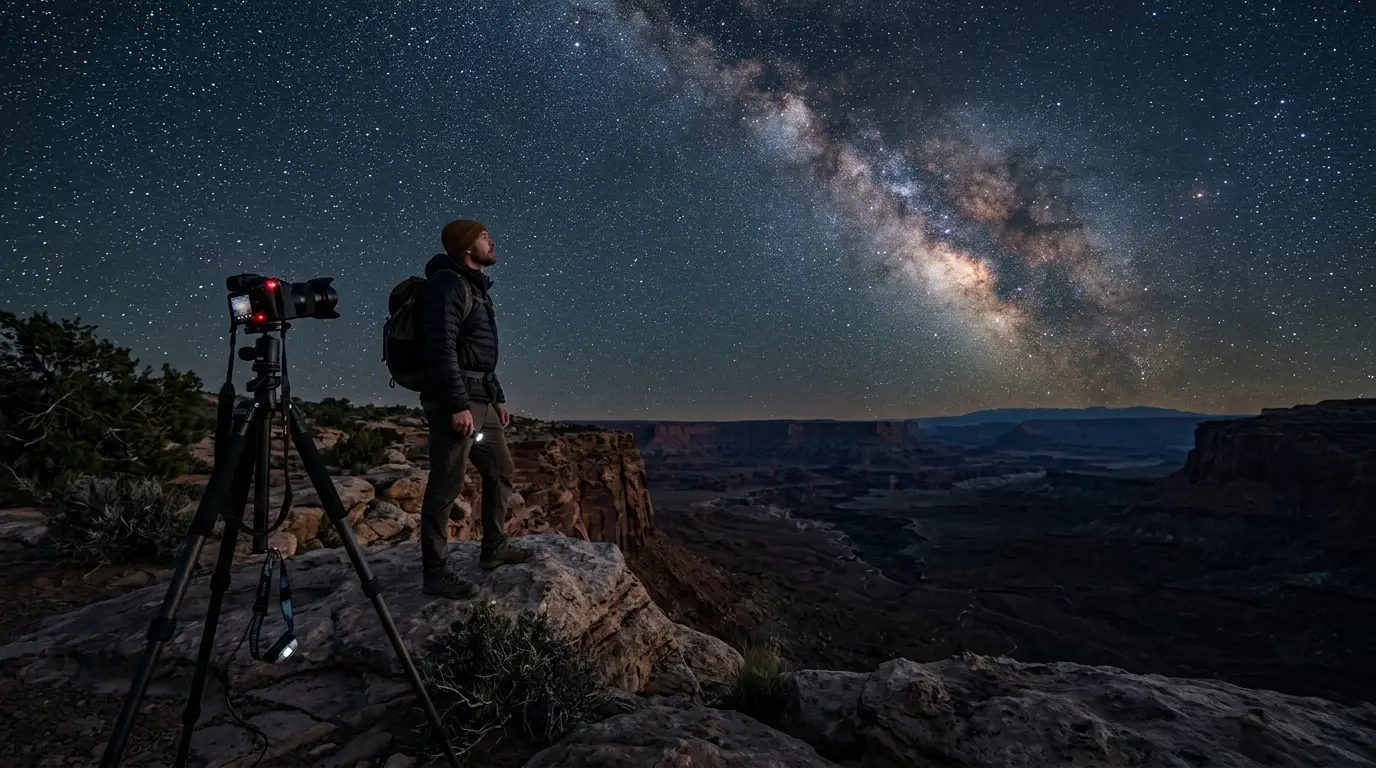
- Astrophotography trips: built specifically around capturing the Milky Way, star trails, or the aurora, often the entire stated purpose of a guided tour rather than a byproduct of one.
- Dark-sky reserve and International Dark Sky Place visits: trips to destinations certified for measurably low light pollution rather than places that simply market themselves as remote; the best dark sky parks in the world is a practical shortlist to start from.
- Observatory and ranger-led programs: public observatories, planetariums, and night-sky-quality programs run inside national parks, aimed at travelers who want an expert pointing the telescope rather than doing it solo.
- Eclipse travel: chasing a solar or lunar eclipse's path, often planned years ahead of the date itself.
Featured · Destination
Abisko Stargazing
Abisko's rain-shadow microclimate keeps skies clear when nearby Arctic spots cloud over. Aurora season, the Sky Station, ICEHOTEL, and getting there by train.
How to plan your first astrotourism trip
- Pick the phenomenon first. A meteor shower's peak date, an aurora season tied to the solar cycle, an eclipse path, or simply "the darkest sky I can reach" drives the destination and the date, not the other way round.
- Check the Bortle scale. It's a nine-point scale astronomers use to rate how much light pollution washes out a sky, running from Bortle 1 (essentially no artificial light) to Bortle 9 (a saturated city sky). Lower is better, and plenty of certified dark-sky reserves publish or are rated on this number.
- Plan around the new-moon window. A bright moon washes out faint detail, from the Milky Way's core to a dim meteor shower to a weak aurora, so serious sky-watchers build trips around the nights the moon is smallest or absent, not around a convenient weekend.
- Look for real certification, not a marketing claim. An International Dark Sky Place or Starlight Reserve designation means an outside body measured the sky and the lighting before signing off. It isn't cosmetic: destinations certified by DarkSky International report a 30-40% jump in tourist footfall after certification[6], which suggests travelers have learned to trust the badge over the brochure.
- Budget an extra night or two. Cloud cover, not light pollution, ruins the most single-night sky-watching trips. A three-night trip with one clear sky beats a one-night trip with none.
Gear you don't need yet
Why astrotourism is becoming a conservation strategy
Recommended tours
Tours are selected for quality, not commission. I earn a small fee if you book — at no extra cost to you.
- 1988
International Dark-Sky Association founded
The advocacy group behind most of the dark-sky certification that followed.
- 2001
International Dark Sky Places Program established
Formalized astrotourism certification for the first time, giving destinations a standard to meet rather than a marketing claim.
- 2024
Over 220 certified sites worldwide
DarkSky International's tally of certified sites had grown past 220 worldwide.
Where to start: picking your first astrotourism destination
Featured · Article
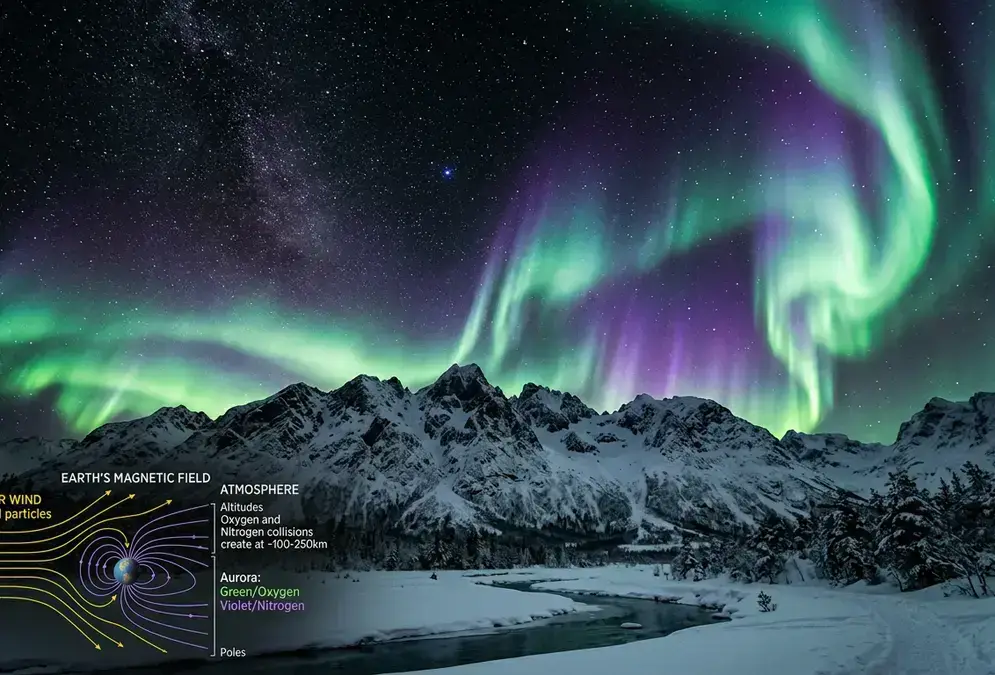
What Causes the Northern Lights? The Science Explained
Solar wind collides with Earth's magnetic field, funneling charged particles toward the poles, where they excite oxygen and nitrogen into glowing color.