Articles · Trip planning
Dark-Sky Trip Planning: Getting There, How Long to Stay, What Else to Do
Logistics for stargazing trips: flights and transfers, how many nights each place deserves, whether it is worth the journey, and what to do beyond the sky. It is for travelers deciding where to commit time and money, with straight answers on safety, altitude and access.
101 articles
Trip planning: the big picture

Written by
Maya Okonkwo I've seen dark skies firsthand in the Atacama altiplano, Namibia's NamibRand Nature Reserve, and Morocco's Merzouga dunes; every other destination I write about is built from measured Bortle and SQM data, cloud climatology, and primary sources like park services and the International Dark-Sky Association.
Trip planning here starts with one decision: what you're chasing. What Is Astrotourism? The Complete Beginner's Guide says to pick the phenomenon first, whether that's a meteor shower peak, an aurora season, an eclipse path or simply the darkest sky you can reach, because the destination and the dates follow from it. A meteor-shower trip and an aurora trip have almost nothing in common beyond dark and clear, and planning them the same way is how people end up disappointed.
Next comes the number people get wrong: how many nights. How Many Days in La Palma for Stargazing treats two nights as a gamble, three as the point where the odds turn favorable, and five as what it takes to add the Caldera de Taburiente and the Tajogaite lava field. Is Uluru Worth It for Stargazing? puts the honest minimum at two or three nights. Cloud, not light pollution, ruins most single-night trips, so a spare night is the cheapest insurance on the table. Set dates by the moon as well: the genuinely dark window is roughly five nights either side of new moon.
Then there's the getting there. Getting to Yellowknife opens with the fact that no passenger train reaches the city and the multi-day drive isn't a plan most aurora travellers should attempt, so you fly in. Cost belongs in the plan too: at Uluru the three-day park pass is $38 AUD, the smallest line in a budget that also covers the flight and a proper night tour.
More trip planning articles
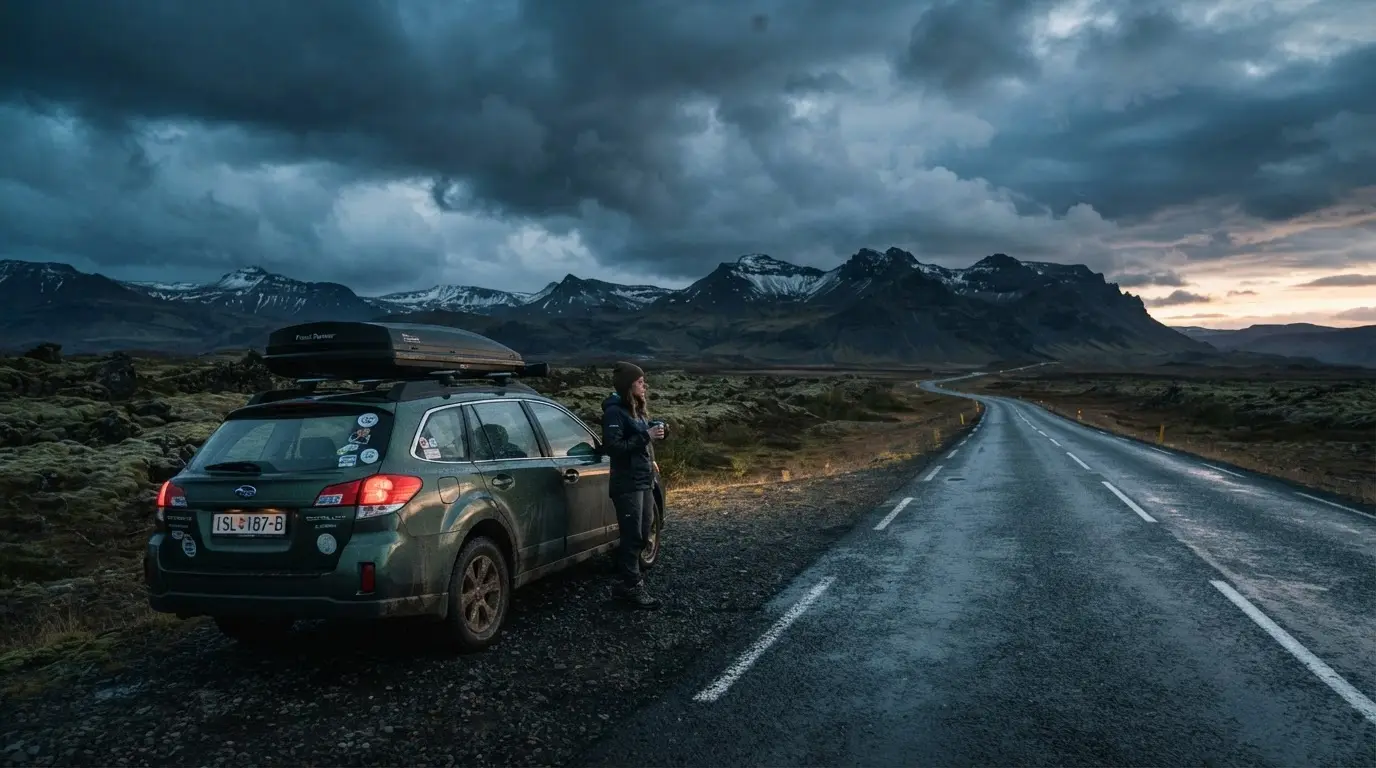
Iceland Ring Road October Solo: Is 10-14 Days Too Long?
Maya Okonkwo 6 min read
Is 10-14 days too long for Iceland's Ring Road alone in October? Daylight, closure risk on the East and North route, and a real solo pacing framework.
Read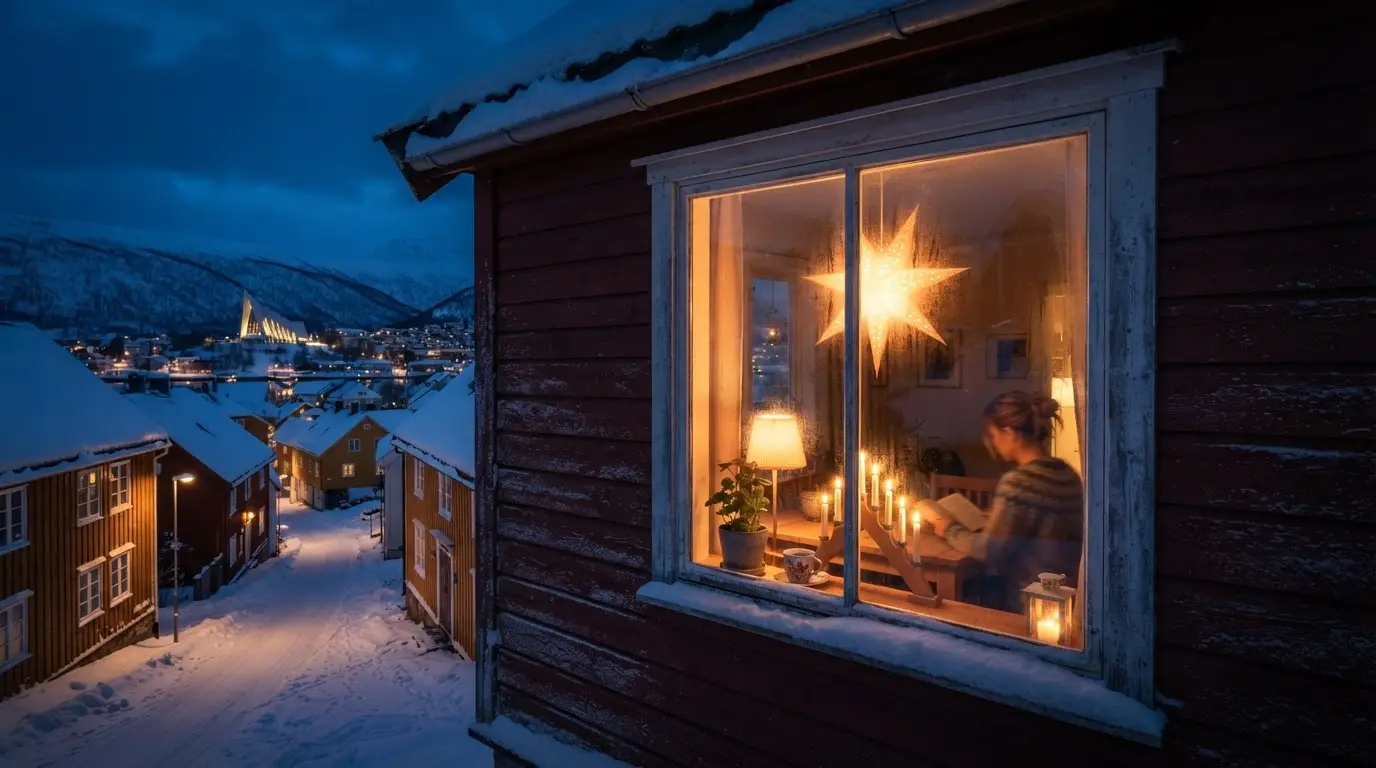
How Do People Survive Polar Night in Tromsø? The Mindset Science
Maya Okonkwo 5 min read
Tromsø's polar night lasts two months with no sunrise, yet locals don't dread it. A Stanford psychologist's peer-reviewed study explains the science behind it.
Read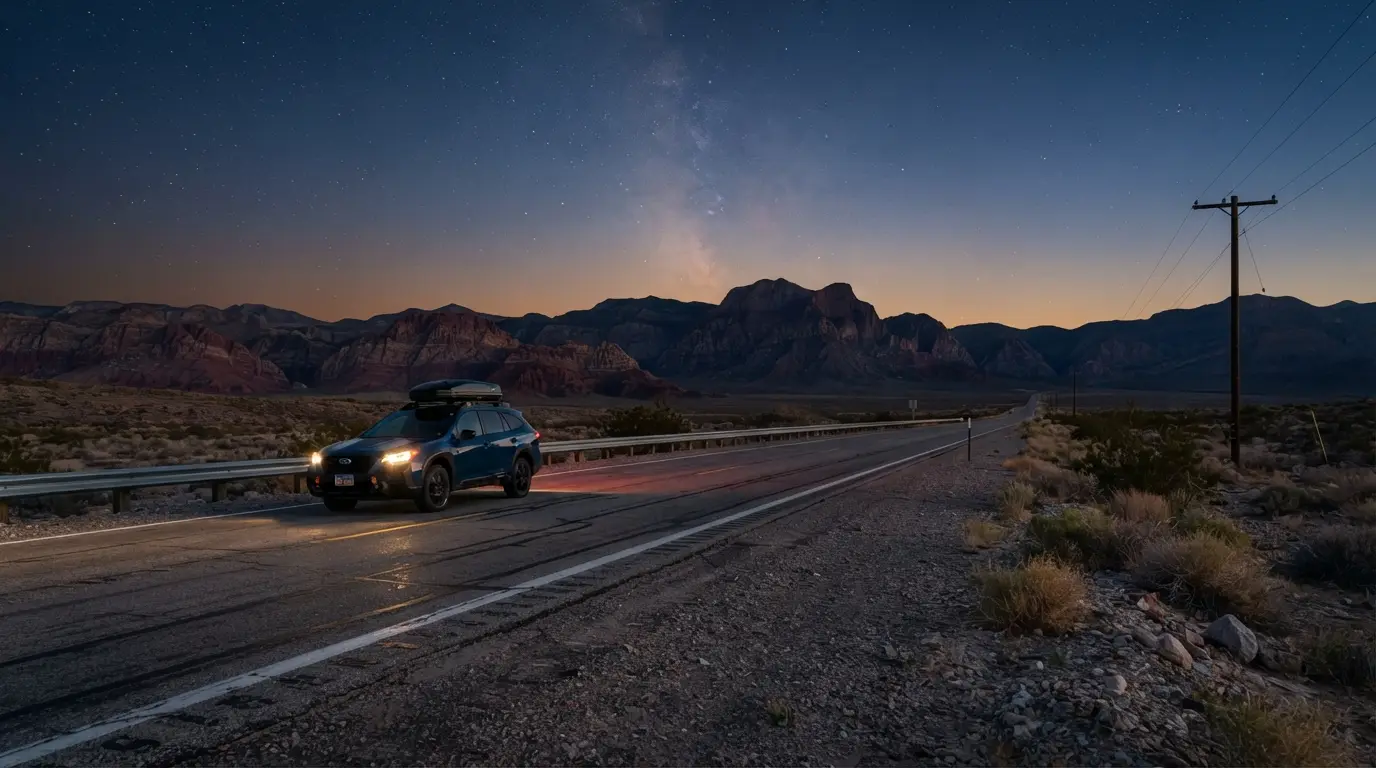
Las Vegas to Death Valley to Joshua Tree Road Trip
Maya Okonkwo 11 min read
The Vegas–Death Valley–Joshua Tree loop as one trip: per-leg drive times, the Barstow overnight, and how to split nights so each park gets its best sky.
Read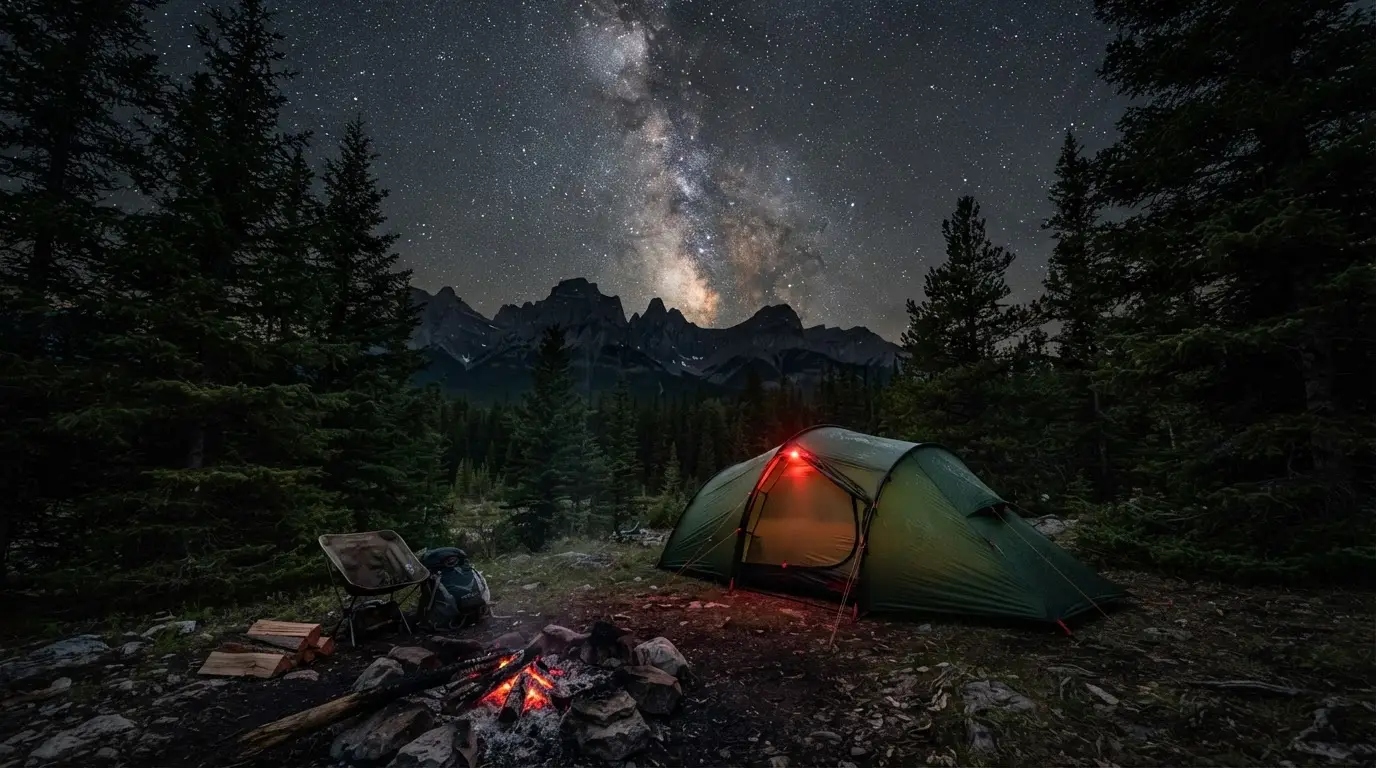
Camping for Jasper National Park Stargazing: A Budget Guide
Maya Okonkwo 6 min read
Camping in Jasper National Park for stargazing costs $19.50 a night versus $935+ at the lodge. Where to camp, when to book, and the October festival window.
Read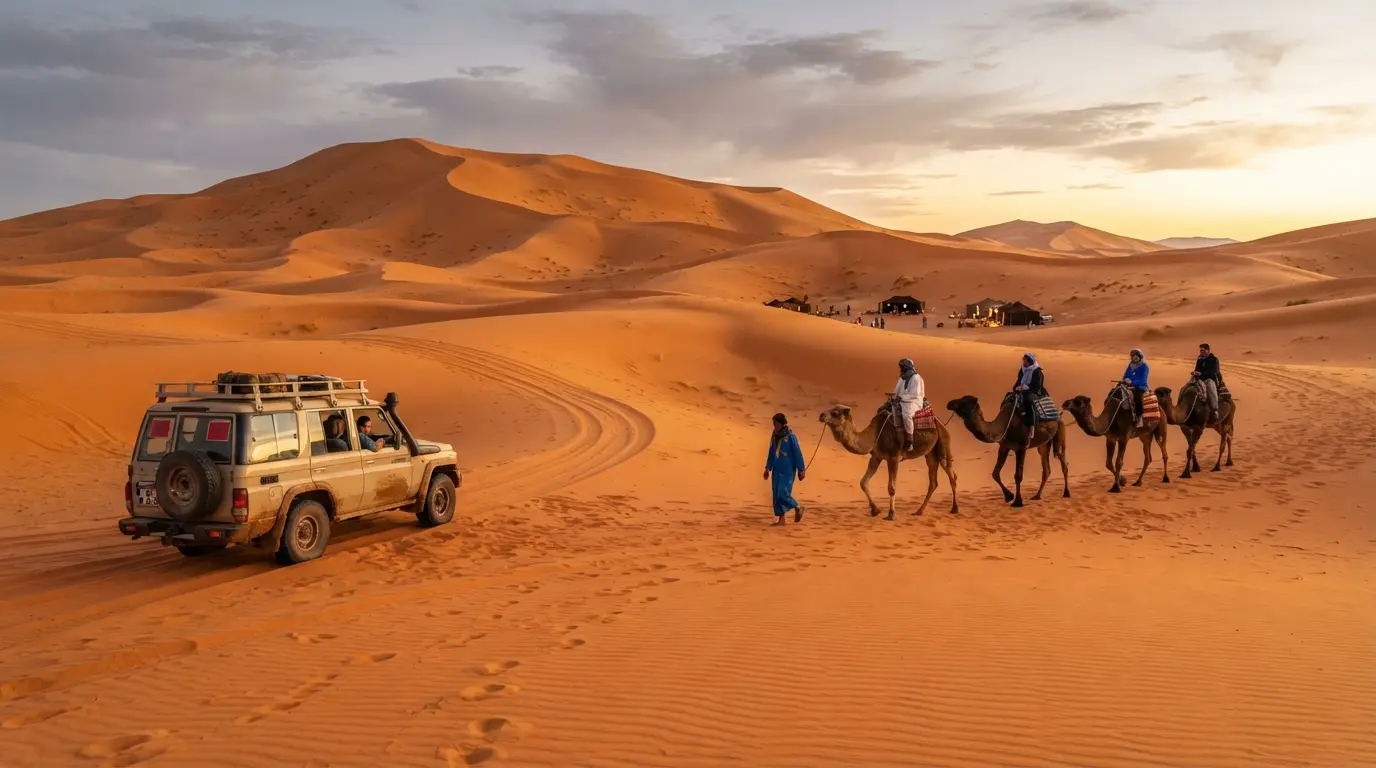
Is a Merzouga Desert Tour Safe? Advisories and Incidents
Maya Okonkwo 6 min read
A due-diligence read on Merzouga desert tour safety: operator licensing, quad-bike insurance gaps, and the one fatal 2025 crash, minus the fear-mongering.
Read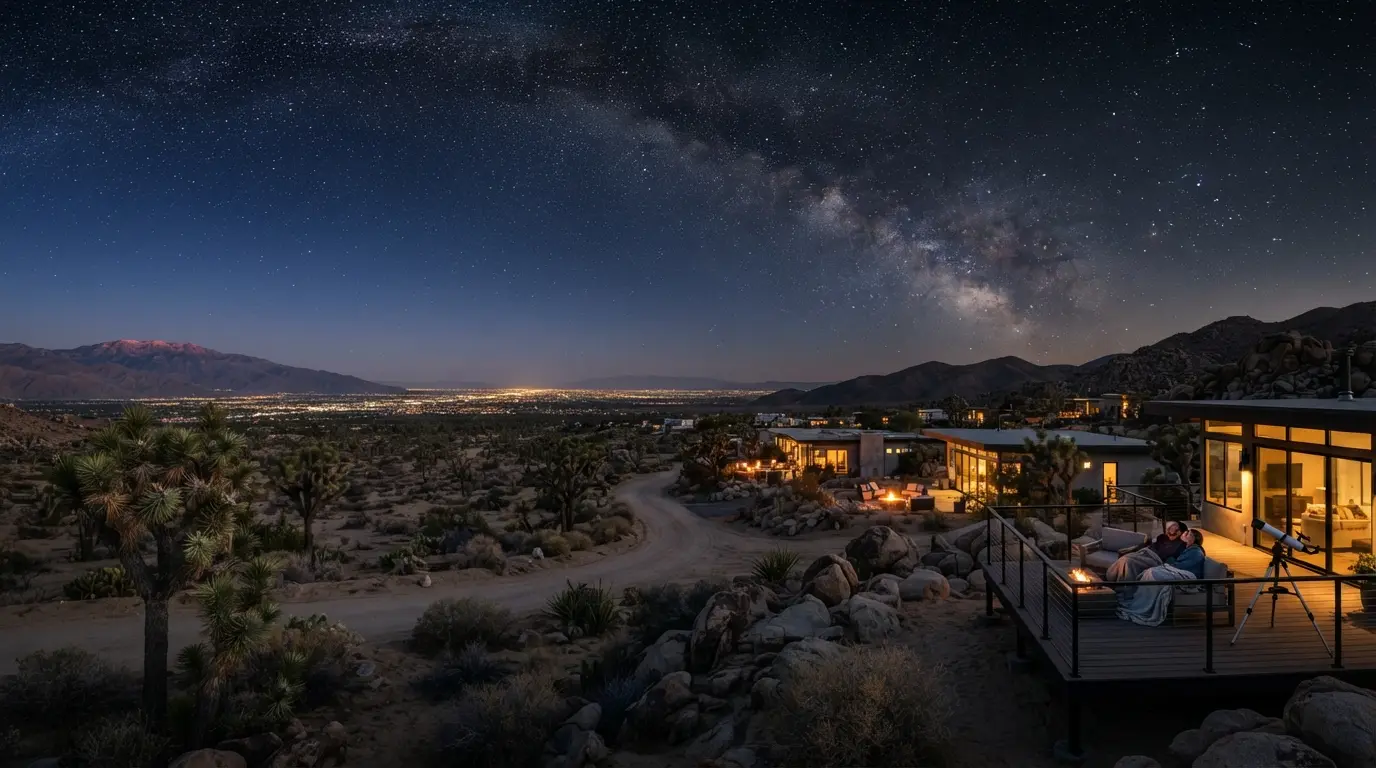
Where to Stay for Joshua Tree Stargazing
Maya Okonkwo 5 min read
Palm Springs sits inside the Coachella Valley's light dome, but Twentynine Palms and Wonder Valley sit far darker, closer to Joshua Tree's north entrance.
Read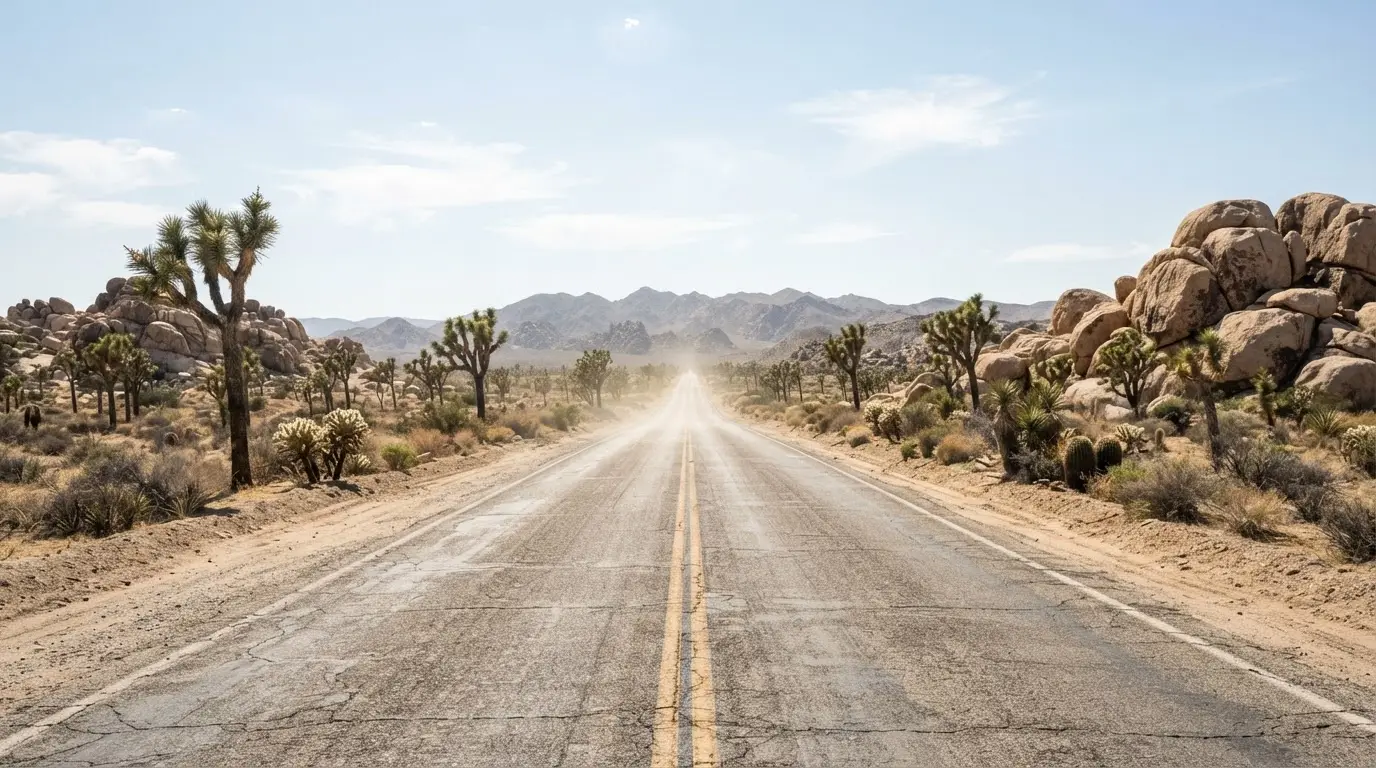
Joshua Tree Road Trip in September Heat: Keep, Cut, or Move It?
Maya Okonkwo 7 min read
Death Valley's September heat is the real problem on a Big Sur to Joshua Tree road trip. Here's what to cut, what to keep, and where the saved days go instead.
Read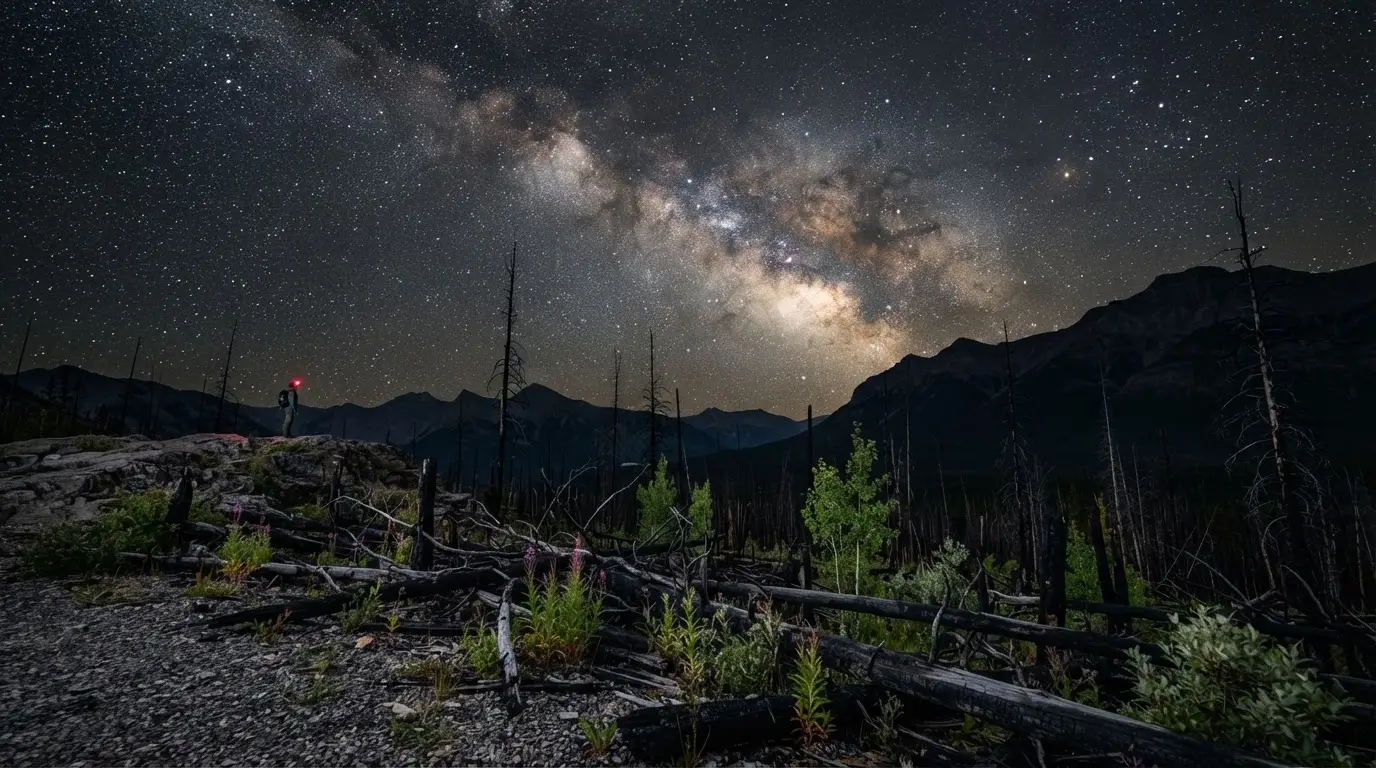
How the 2024 Wildfire Changed Jasper's Dark Sky Preserve
Maya Okonkwo 7 min read
Jasper Dark Sky Preserve survived the 2024 wildfire that burned 32,722 ha. Stargazing spots, the planetarium, and the October festival are all back for 2026.
Read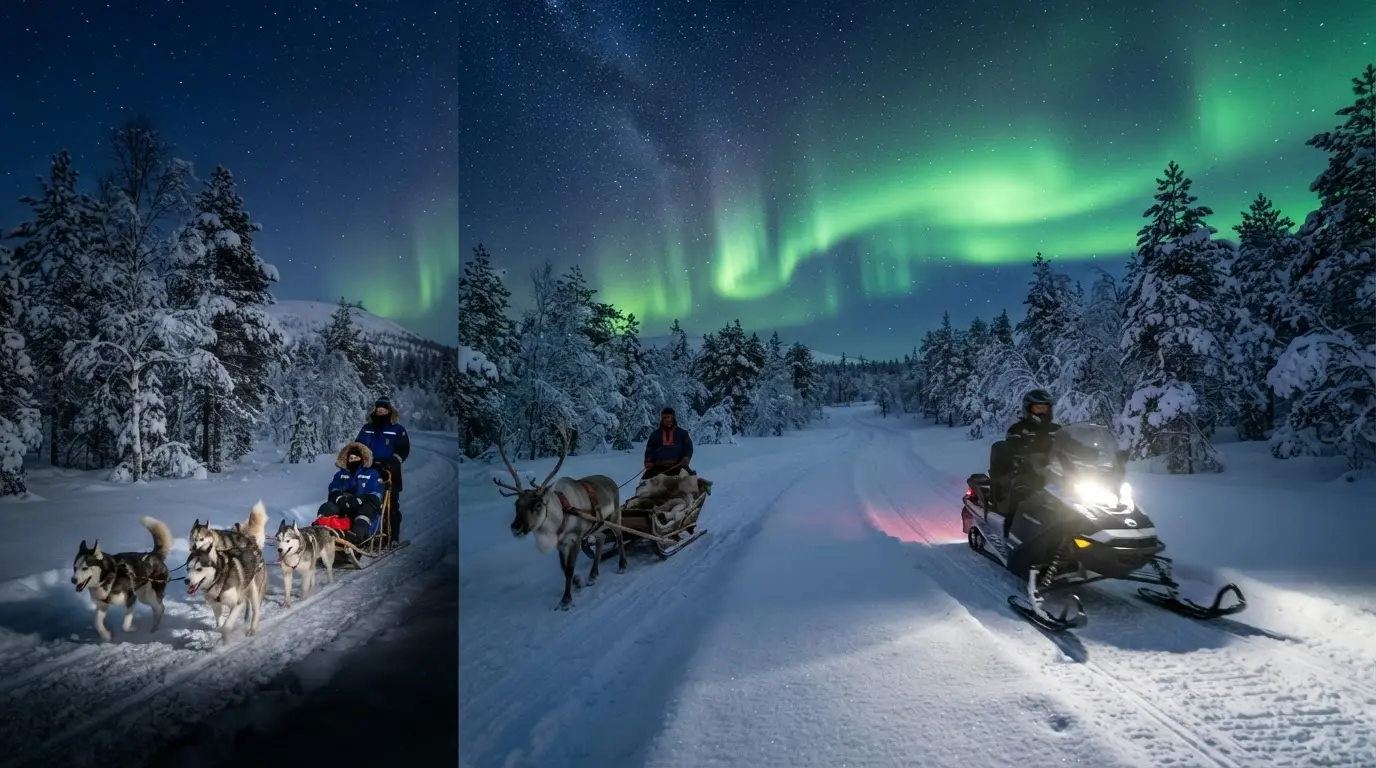
Husky, Reindeer, Snowmobile, or Aurora Tour: One Lapland Night
Maya Okonkwo 7 min read
Husky, reindeer, snowmobile, or aurora photography tour: a decision framework for your one Lapland aurora night by budget, cold tolerance, and photo priority.
Read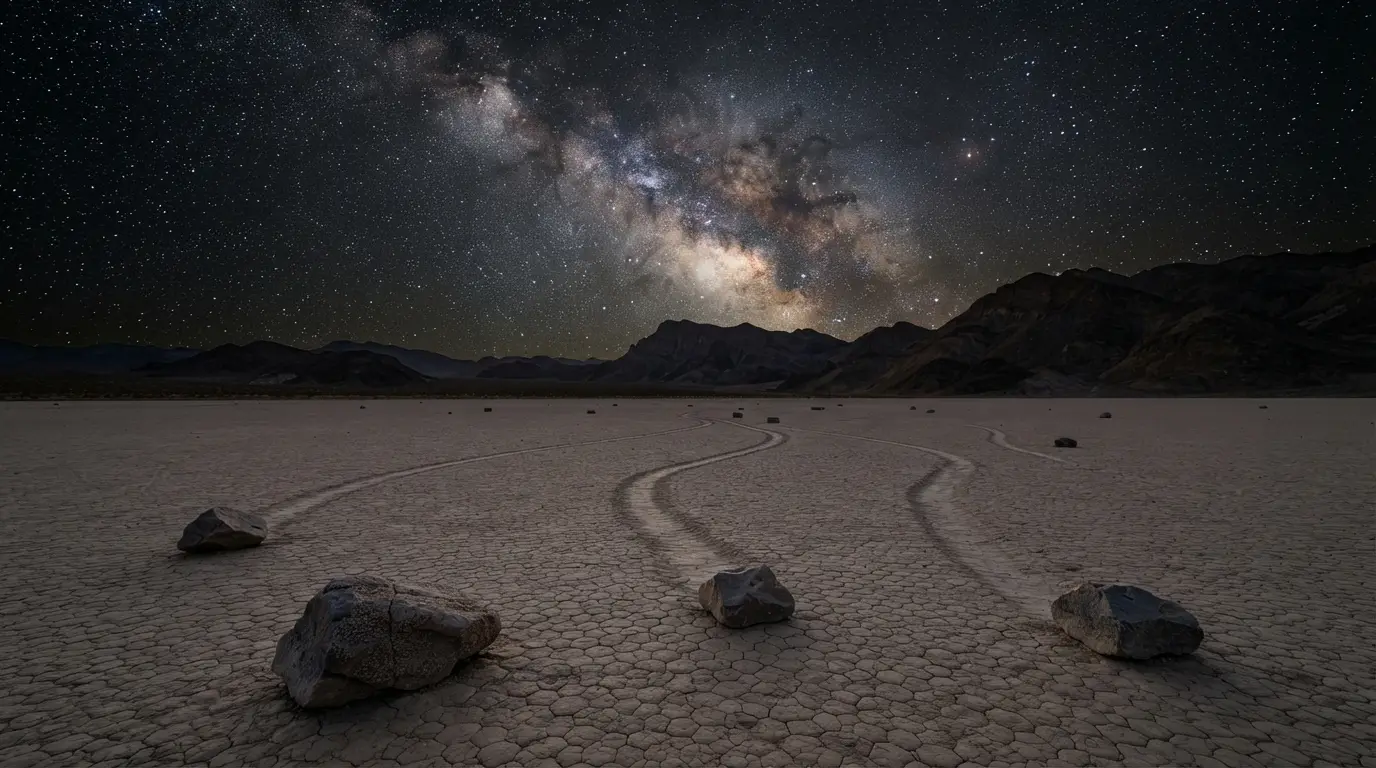
Racetrack Playa Stargazing: Sailing Stones at Night
Maya Okonkwo Updated 6 min read
Racetrack Playa's sailing stones stumped scientists for a century, until GPS-tracked stones proved thin ice pushed them in 2013. Camping and photo tips follow.
Read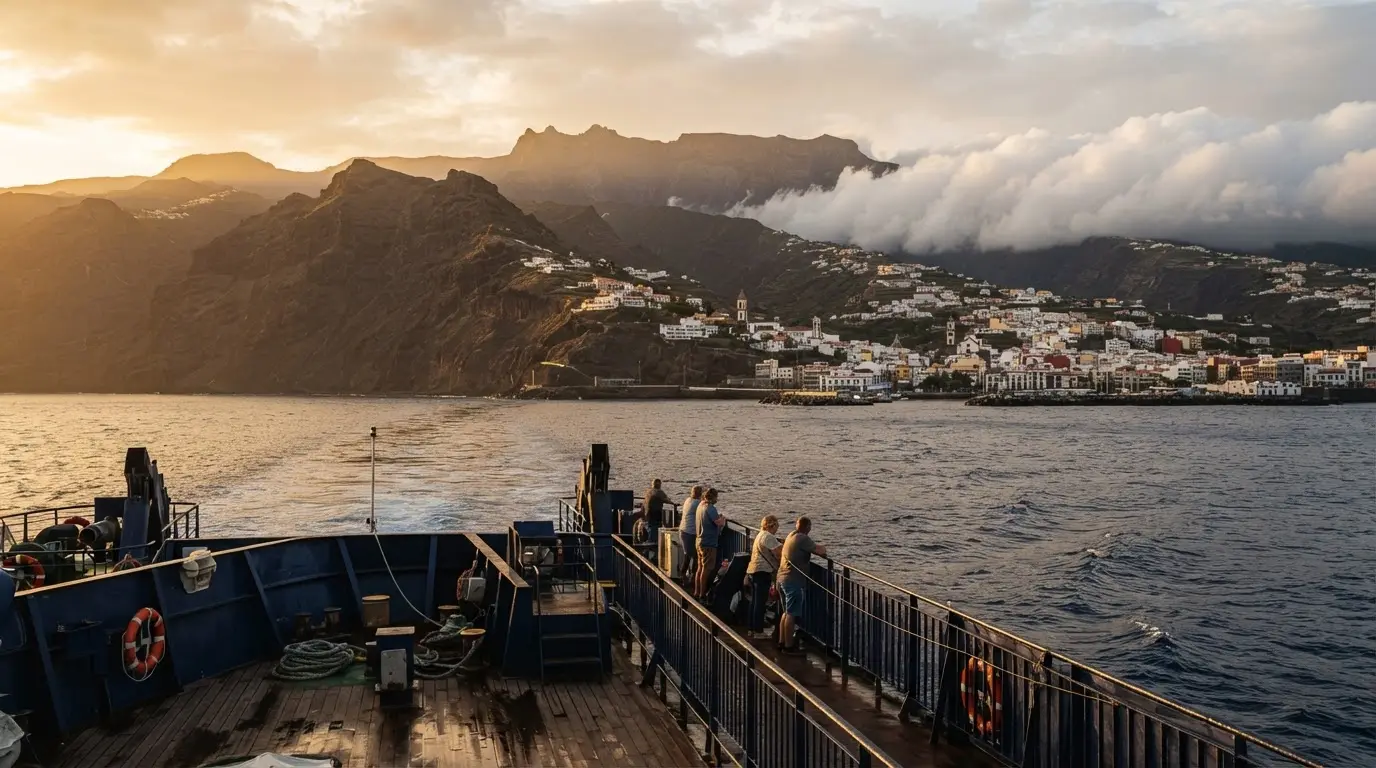
Can You Day-Trip to La Palma for Stargazing?
Maya Okonkwo Updated 10 min read
A day trip to La Palma for stargazing from Tenerife doesn't work: ferries burn 5-6.5h, flights lose 4h+, and the ORM road closes to the public at night.
Read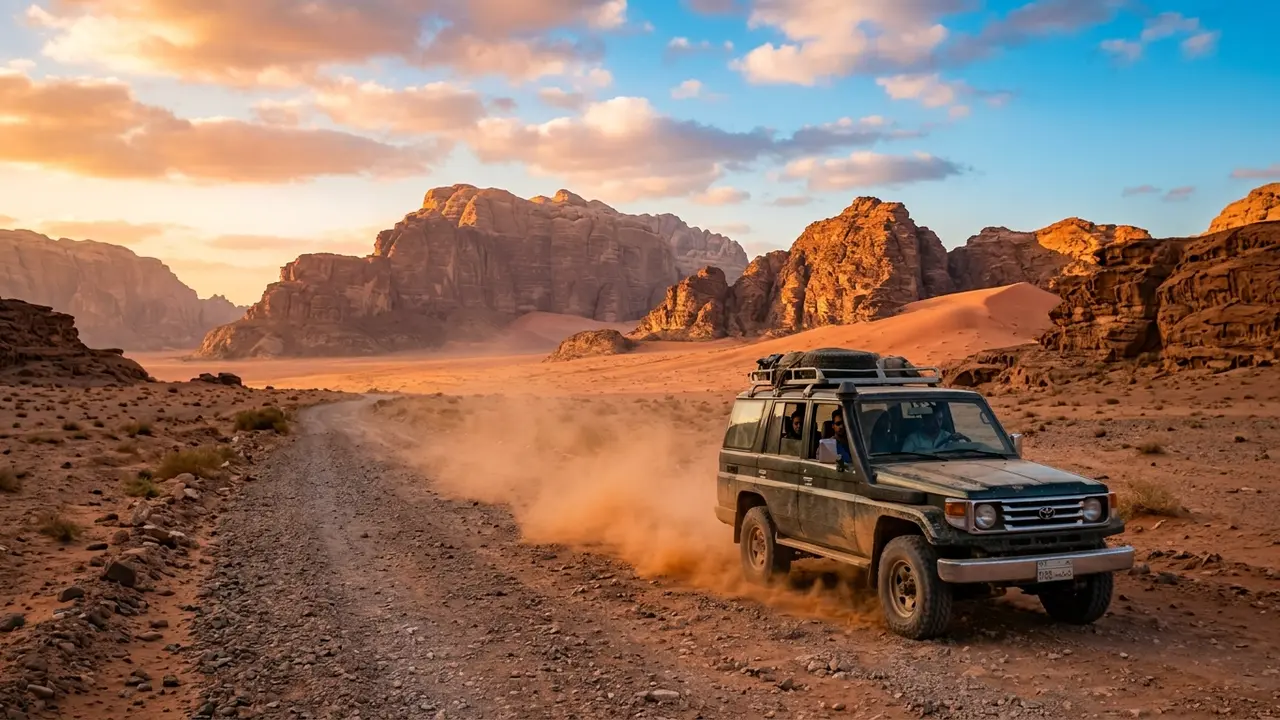
Getting to Wadi Rum: Airports, Drive Times & Visa Info
Maya Okonkwo Updated 6 min read
How to reach Wadi Rum: nearest airports at Aqaba and Amman, drive times from Petra, and Jordan's e-visa and Jordan Pass rules explained for stargazers.
ReadFrequently asked questions
How many nights do I need for a stargazing trip?
Three nights is a sensible minimum for a dedicated trip. At La Palma, two nights can work but leave no room to recover from cloud, a full moon or Saharan dust, while three gives you arrival, a main session and a backup. The Uluru article puts the honest minimum at two or three nights. Cloud cover ruins more single-night trips than light pollution does.
How should I time a stargazing trip around the moon?
Aim for the roughly five nights either side of new moon. A lunar cycle runs about 29.5 days, and a bright moon washes out faint detail, from the Milky Way's core to a dim meteor shower to a weak aurora. Book your dates around the new-moon calendar first, then decide how many nights to spend inside that window.
How do I tell if a dark-sky claim is real?
Look for an International Dark Sky Place or Starlight Reserve designation, which means an outside body measured the sky and the lighting before signing off. DarkSky International had designated more than 220 sites by 2024. Where no certified rating exists, as at Uluru, treat any specific Bortle number you read elsewhere with some skepticism.
How do I get to a remote destination like Yellowknife?
Fly. Yellowknife has no passenger train, and the multi-day drive from Alberta isn't a plan most aurora travellers should attempt. Every flight is domestic, so international passengers clear customs at a Canadian gateway first. Edmonton is the busiest and generally cheapest gateway, at roughly 112 direct flights a month. Book the Edmonton leg 6 to 8 weeks out.
Is a long-haul stargazing trip worth the cost?
It depends on how many nights you can commit. The Uluru article says that if you can't spend at least two nights near the rock, the flight cost outweighs what a single cloudy evening might give you. It also calls the $38 AUD three-day park pass the smallest line in the budget, next to the flight and a night tour.