Articles · Sky science
Sky Science: Light Pollution, the Bortle Scale and Why Skies Stay Dark
Plain-English explainers on how light pollution is measured, what each Bortle class means, how the Kp index feeds aurora forecasts, and why places like Merzouga, Uluru and the Atacama stay so dark. It is for travelers who want to understand a sky before they chase it.
25 articles
Sky science: the big picture

Written by
Maya Okonkwo I've seen dark skies firsthand in the Atacama altiplano, Namibia's NamibRand Nature Reserve, and Morocco's Merzouga dunes; every other destination I write about is built from measured Bortle and SQM data, cloud climatology, and primary sources like park services and the International Dark-Sky Association.
Sky science here is the measurement side of dark-sky travel: how bright a sky is, how that brightness becomes a number, and what the number can and cannot promise you. I'd learn it before booking anything, because an adjective like "dark" can't be checked and a figure can.
Start with what light pollution is. The 2016 World Atlas of Artificial Night Sky Brightness found that more than 80 percent of the world's population lives under light-polluted skies, and 99 percent in the United States and Europe. It comes in four components: glare, sky glow, light trespass and clutter, each with a different fix.
Then learn the two scales every destination page leans on. The Bortle scale is a nine-level system, from Class 1 to Class 9, that John E. Bortle published in Sky & Telescope in February 2001. A Sky Quality Meter reads in magnitudes per square arcsecond, typically around 16 for bright urban skies up to 22 for the darkest on Earth. How sky darkness actually gets measured explains why your own reading rarely matches a reserve's published one: the protocol takes at least six readings per visit and discards the first, while yours is a single instant.
Aurora has its own number. The Kp index runs from 0 to 9, and Kp 5 or above counts as a geomagnetic storm. Tromsø can see aurora at Kp 1 or 2 on a clear, dark night, while Scotland typically needs Kp 5 or above. None of it matters under cloud, so treat Kp as one input of several.
More sky science articles
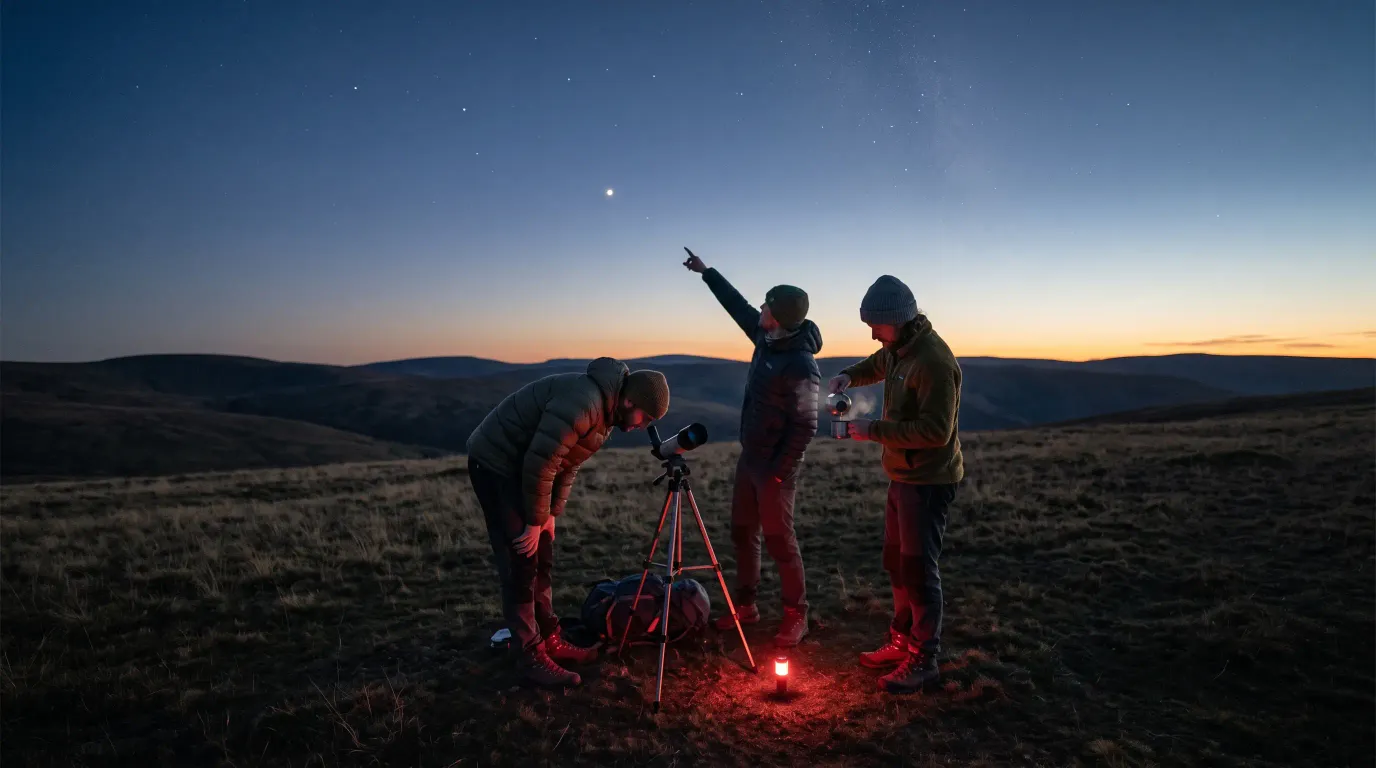
Where to Stargaze for World Space Week: October Dark Sky Picks
Maya Okonkwo 4 min read
Plan a World Space Week stargazing night: how to choose the Moon-smart evening, red-light etiquette, and 3 dark-sky sites with visitor access in October.
Read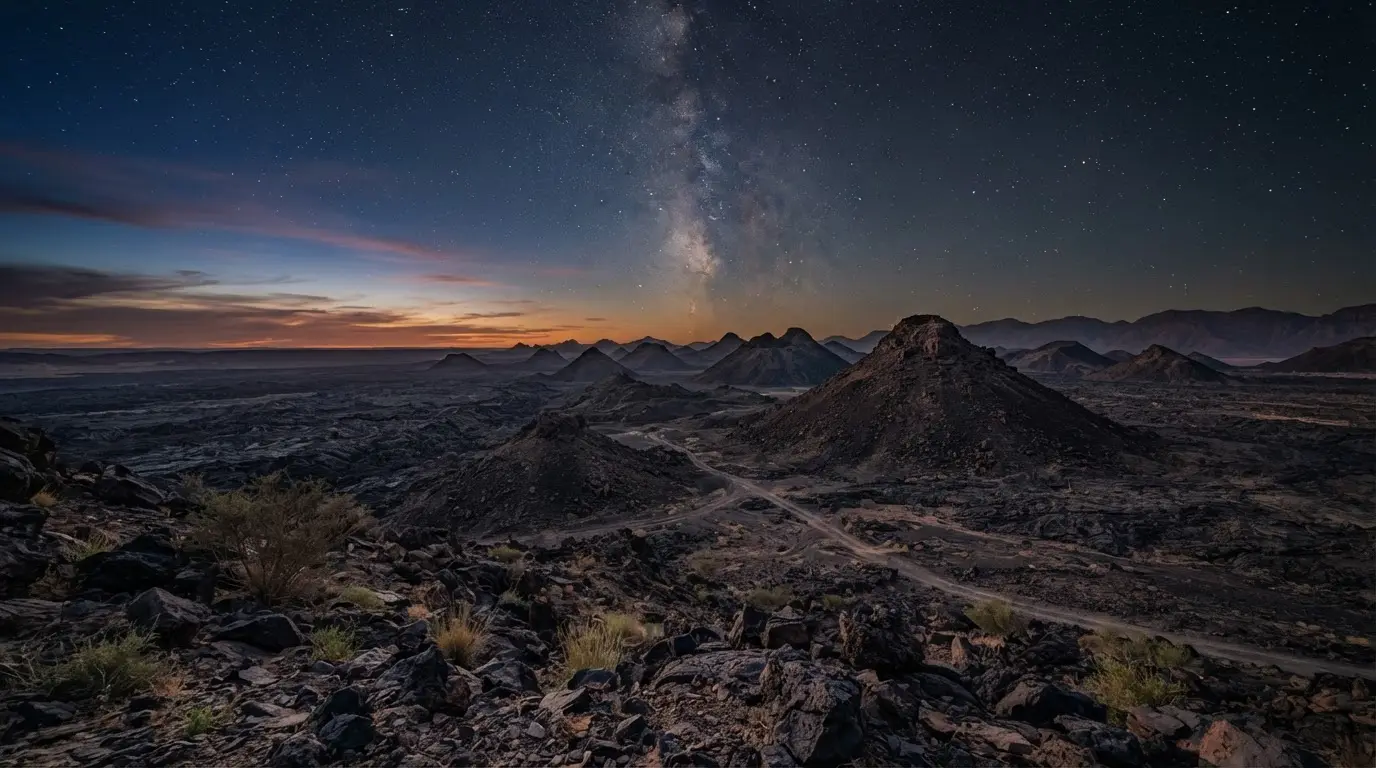
Harrat Uwayrid Volcano near AlUla: Legend vs the Record
Maya Okonkwo 5 min read
Harrat Uwayrid is a lava field near AlUla with a Bedouin legend of fire and stones. The 640 CE eruption date is contested, so here is what the record supports.
Read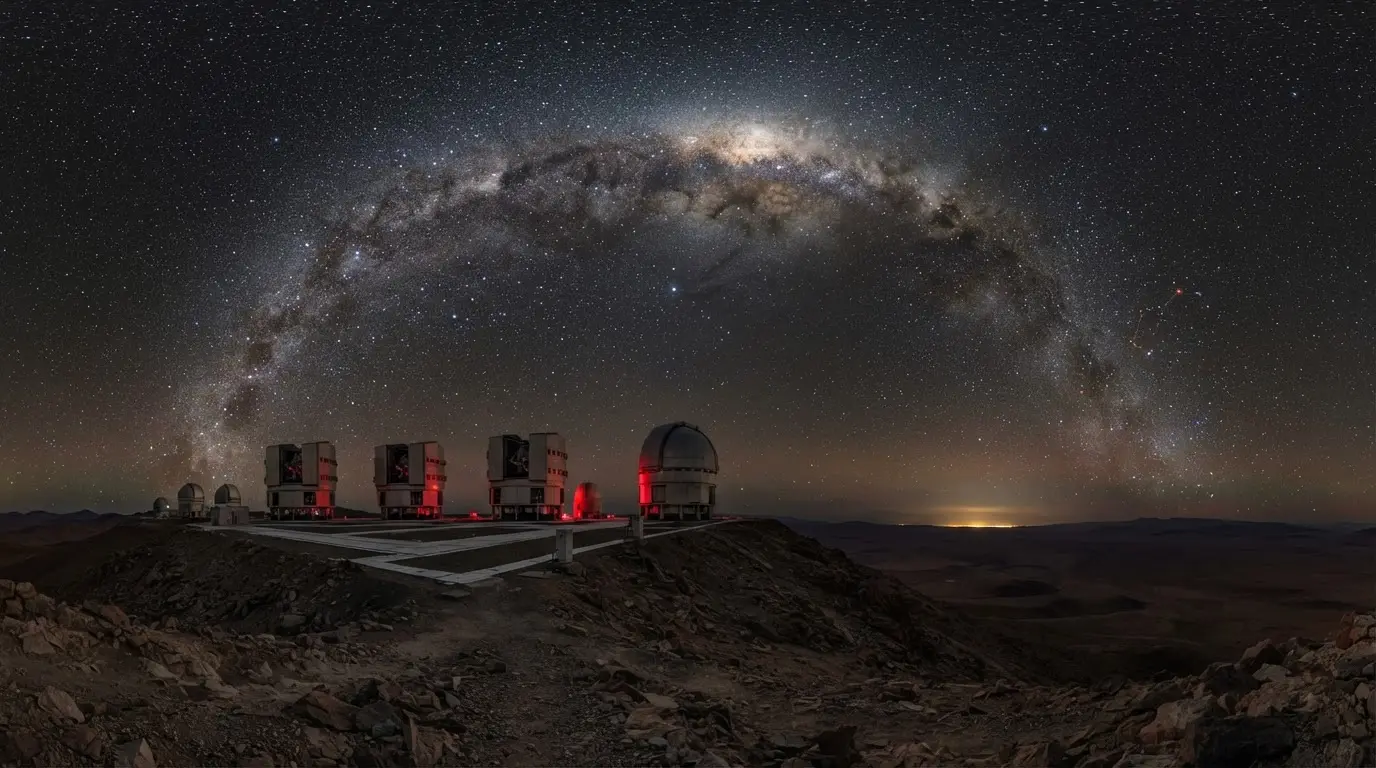
Atacama Desert Light Pollution Threat: What Happened at Paranal
Maya Okonkwo 5 min read
A hydrogen and ammonia complex planned near Paranal was withdrawn in 2026. Here is what that means for Atacama's dark skies and the national lighting rules.
Read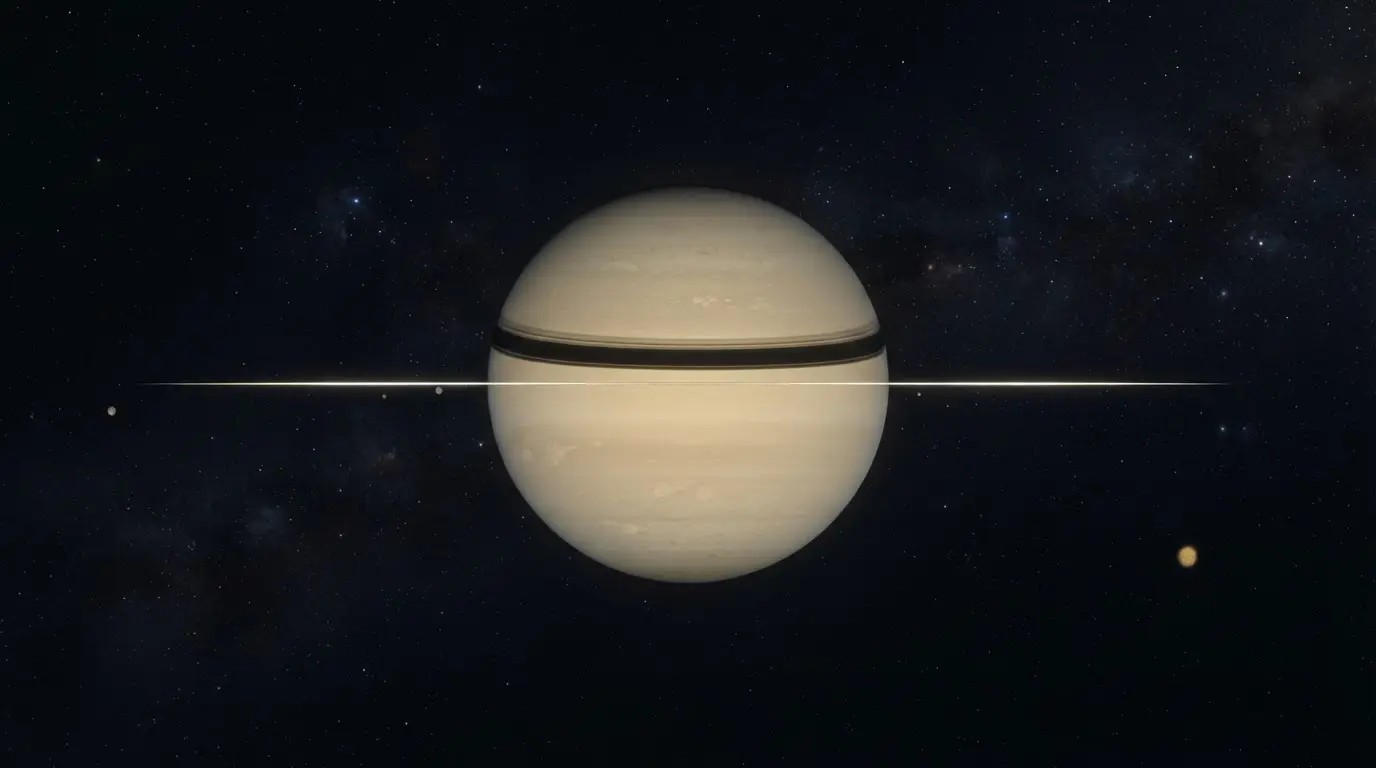
Saturn Is Losing Its Rings, Just Not the Way You Think
Maya Okonkwo 5 min read
Saturn's rings vanished in March 2025, as they did for Galileo in 1612. That was geometry. Ring rain is the real loss, and scientists still argue their age.
Read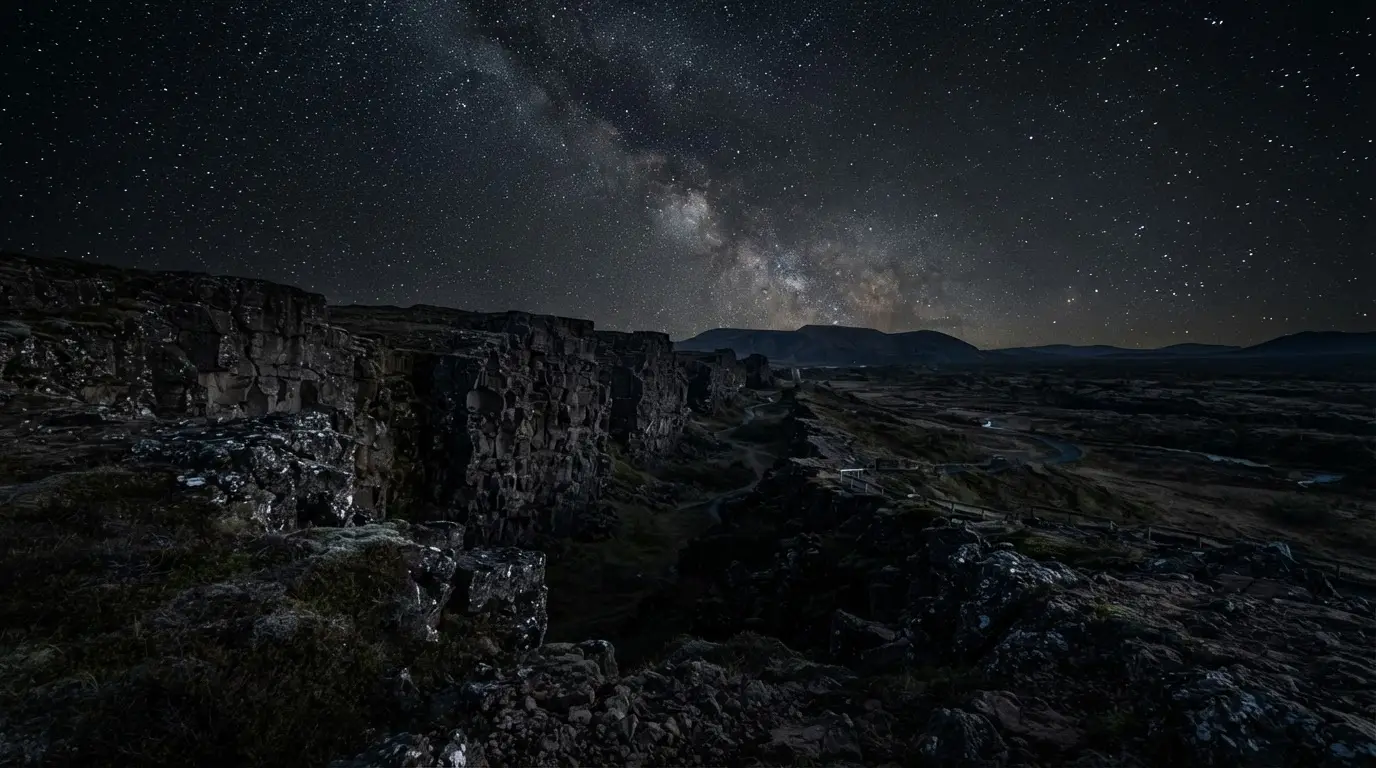
Iceland's Volcanic Landscape and Why Its Sky Stays Dark
Maya Okonkwo Updated 4 min read
Sparse population, not volcanic landscape, keeps Iceland's sky dark. The rift valley opens the view; no Iceland site is publicly listed as dark-sky certified.
Read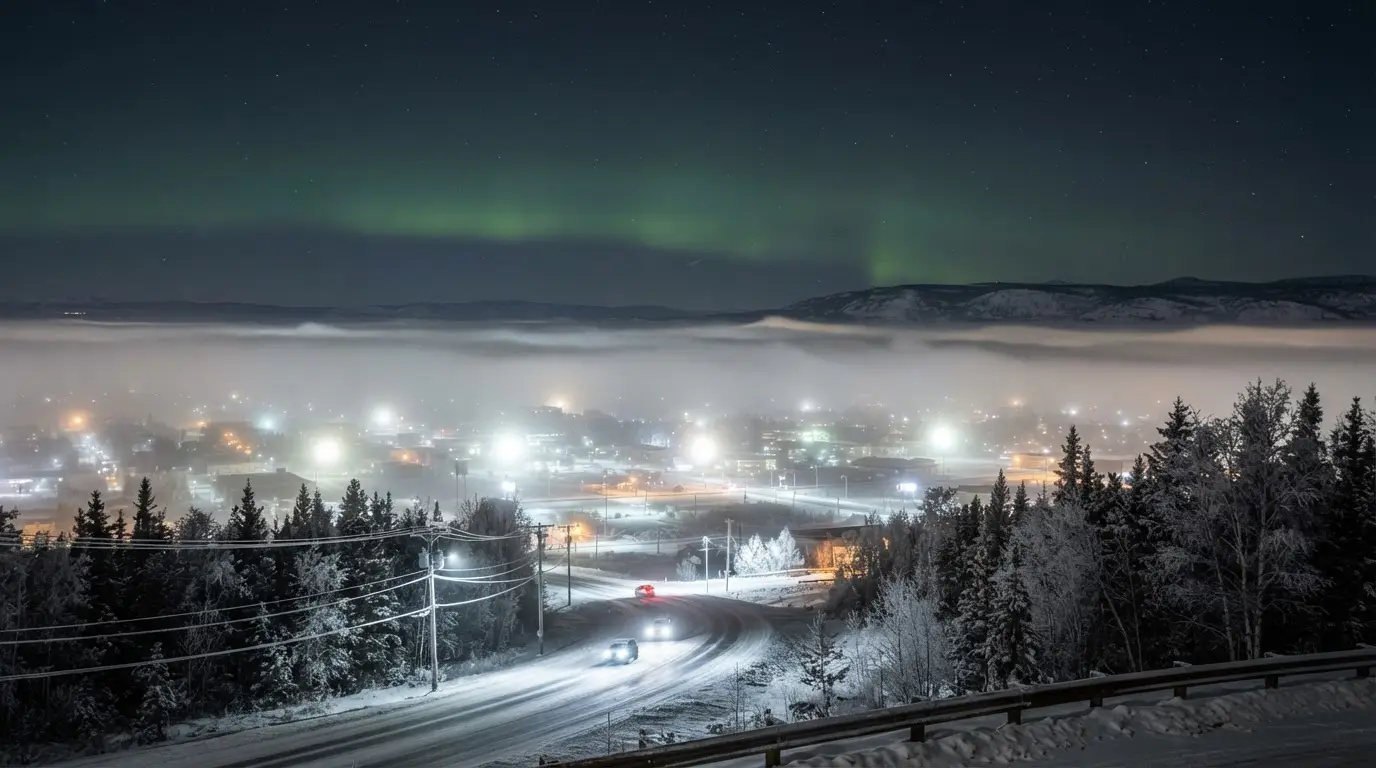
Fairbanks Ice Fog Aurora: Why It Hides on Clear Nights
Maya Okonkwo 7 min read
A clear Kp forecast doesn't guarantee a visible Fairbanks aurora. Below -30°F, ice fog and extreme temperature inversions can hide it from the valley floor.
Read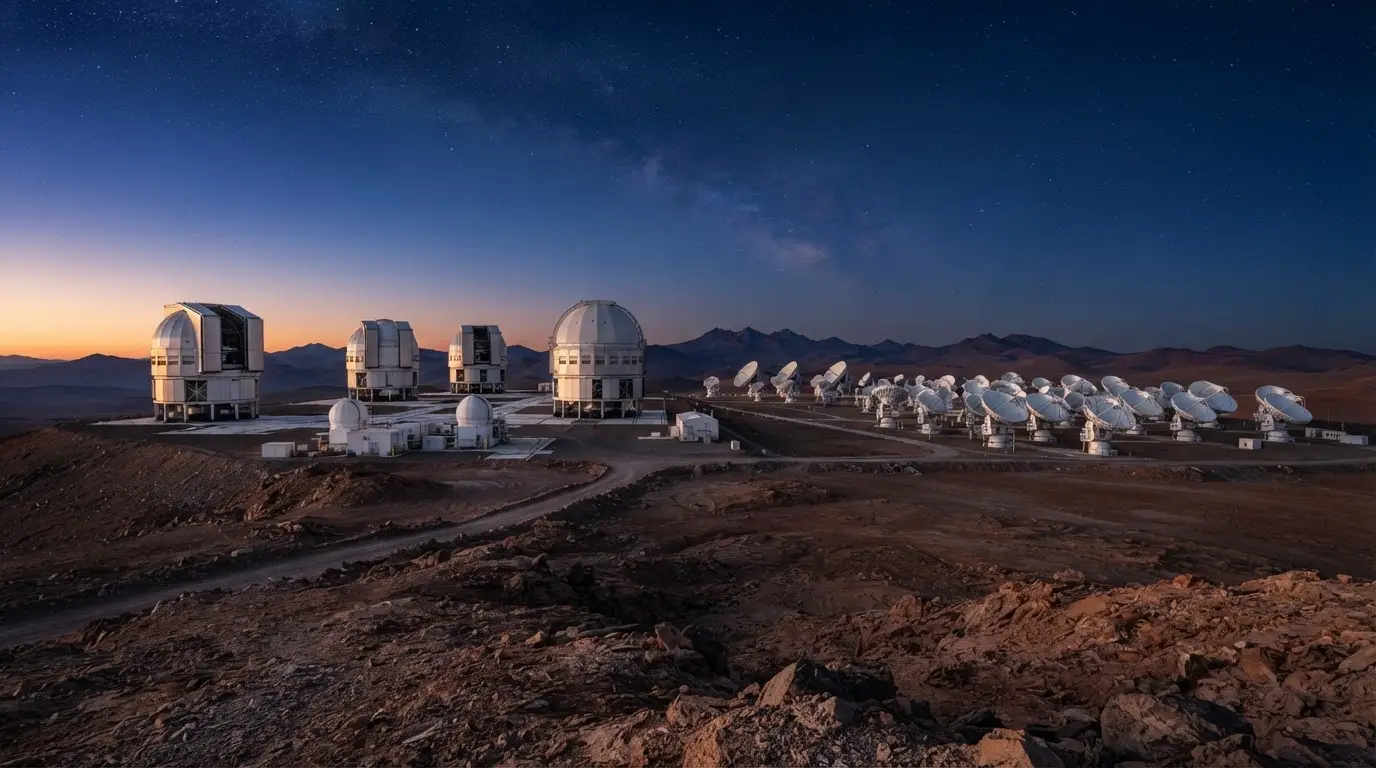
Atacama Observatories Explained: ALMA, Paranal & the ELT
Maya Okonkwo 8 min read
ALMA's 66 antennas, Paranal's VLT, and the 39 m Extremely Large Telescope under construction: how Atacama's observatories work, and how to visit for free.
Read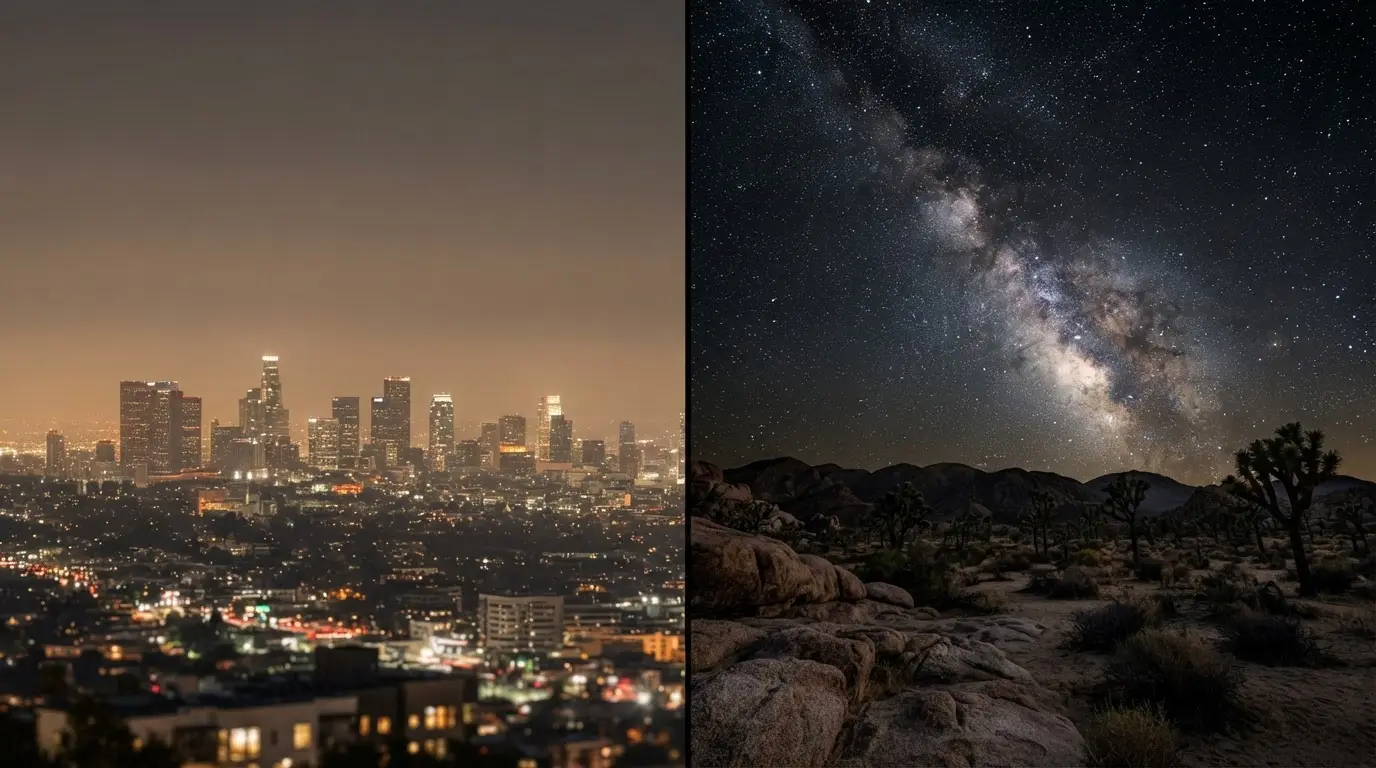
Why We Can't See the Milky Way Anymore
Maya Okonkwo Updated 3 min read
The Milky Way hasn't gone anywhere. A 2016 atlas mapped its disappearance from view; later observations reveal how artificial light changes the sky we see.
Read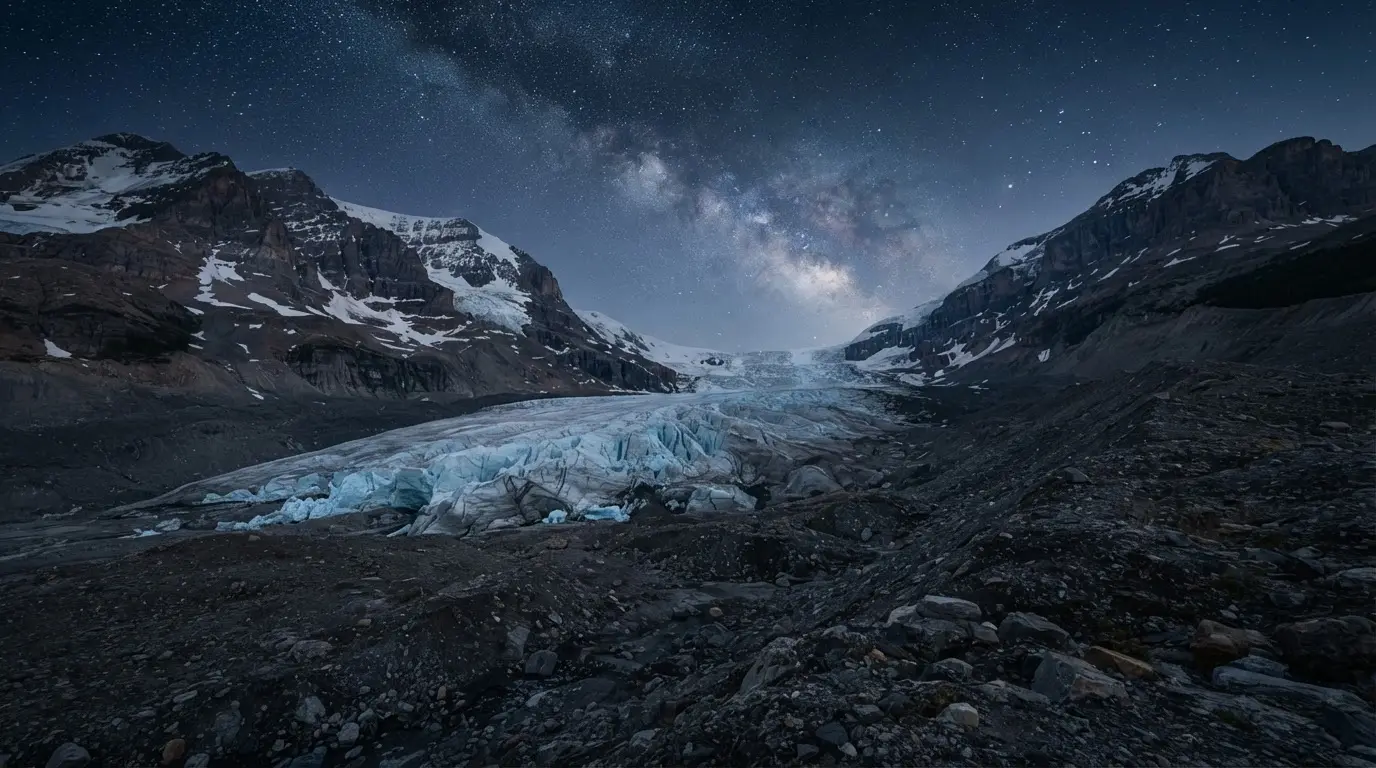
Athabasca Glacier Retreating: What It Means for Your Photos
Maya Okonkwo Updated 5 min read
The Athabasca Glacier loses about 5 meters of depth yearly and has retreated 1.5 km in 125 years, reshaping the foreground for anyone framing a night shot.
Read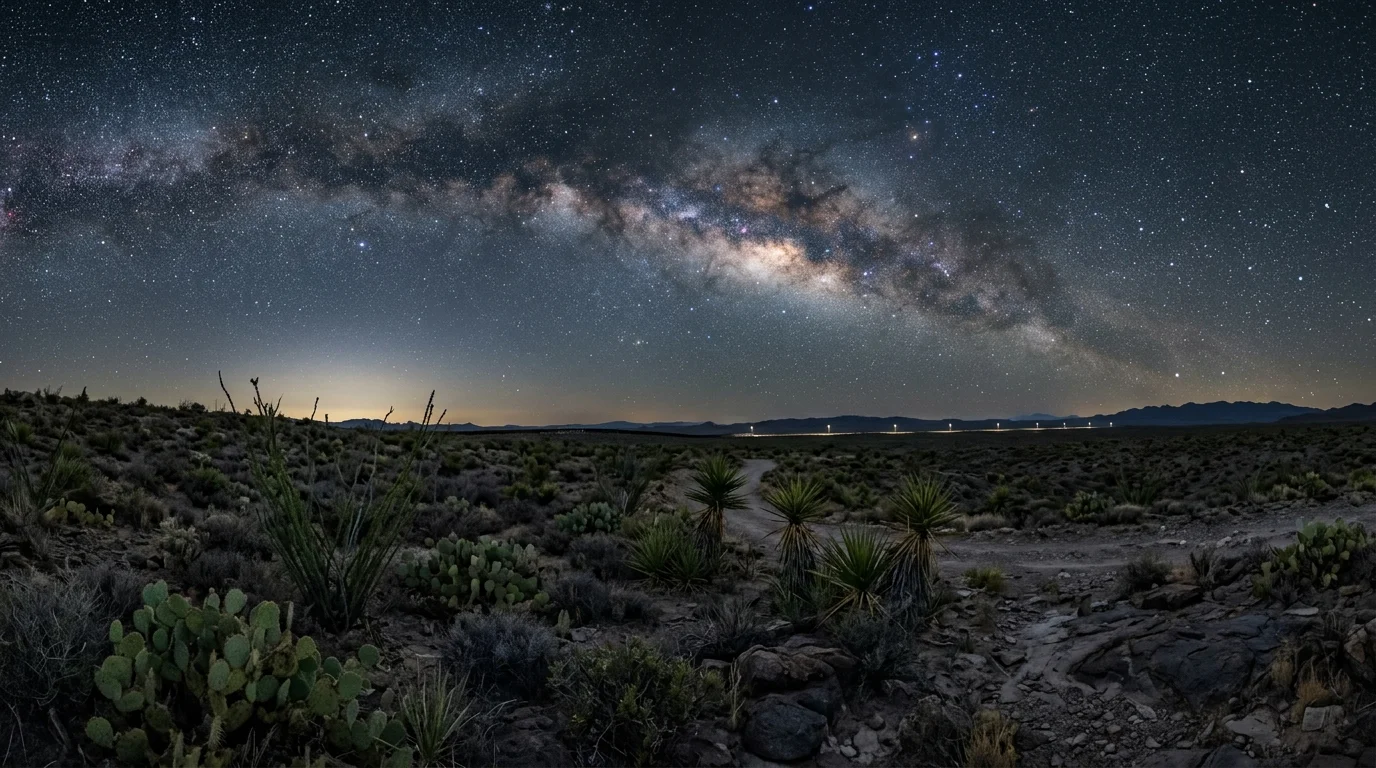
Big Bend National Park Light Pollution: The Border Wall Threat
Maya Okonkwo Updated 9 min read
Big Bend's dark sky faces two distinct threats: a 175-mile wall outside the park and CBP surveillance lighting inside it. What stargazers need to know.
Read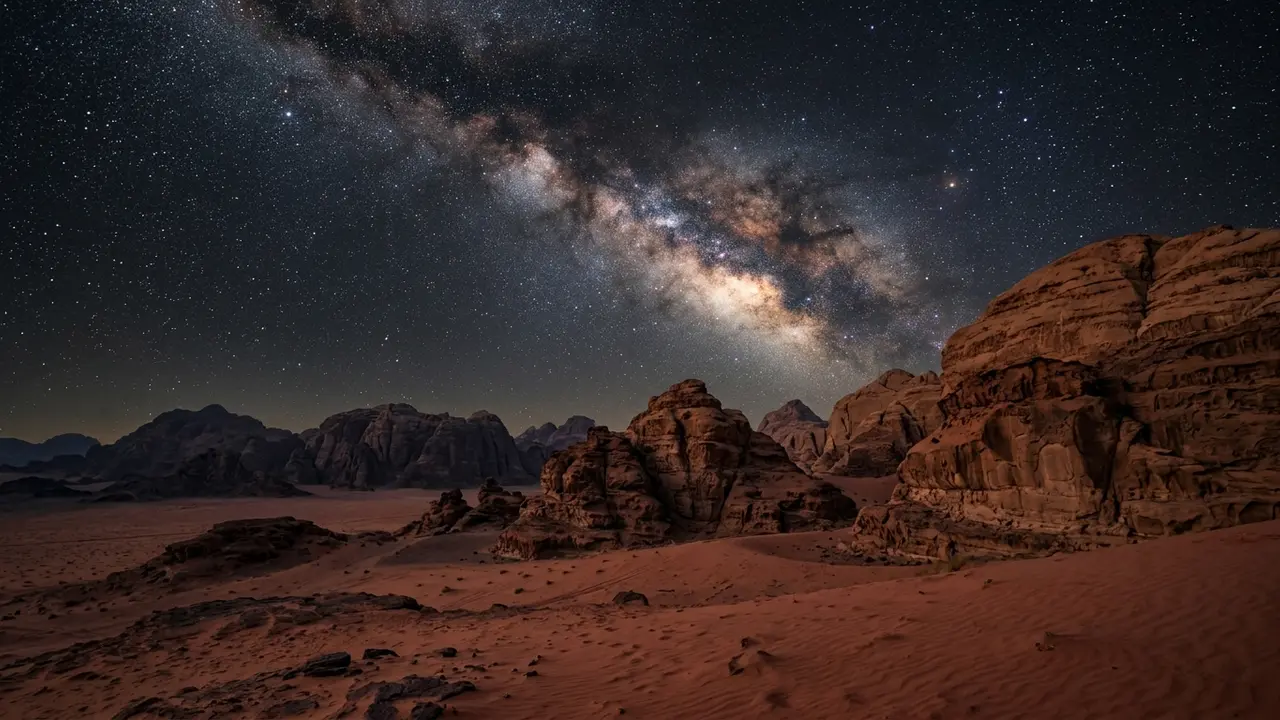
Wadi Rum's UNESCO Dark Sky Status, Explained
Maya Okonkwo Updated 9 min read
Wadi Rum is a UNESCO World Heritage site, not a DarkSky-certified reserve. Here's what the 2011 designation protects, and why its desert sky stays this dark.
Read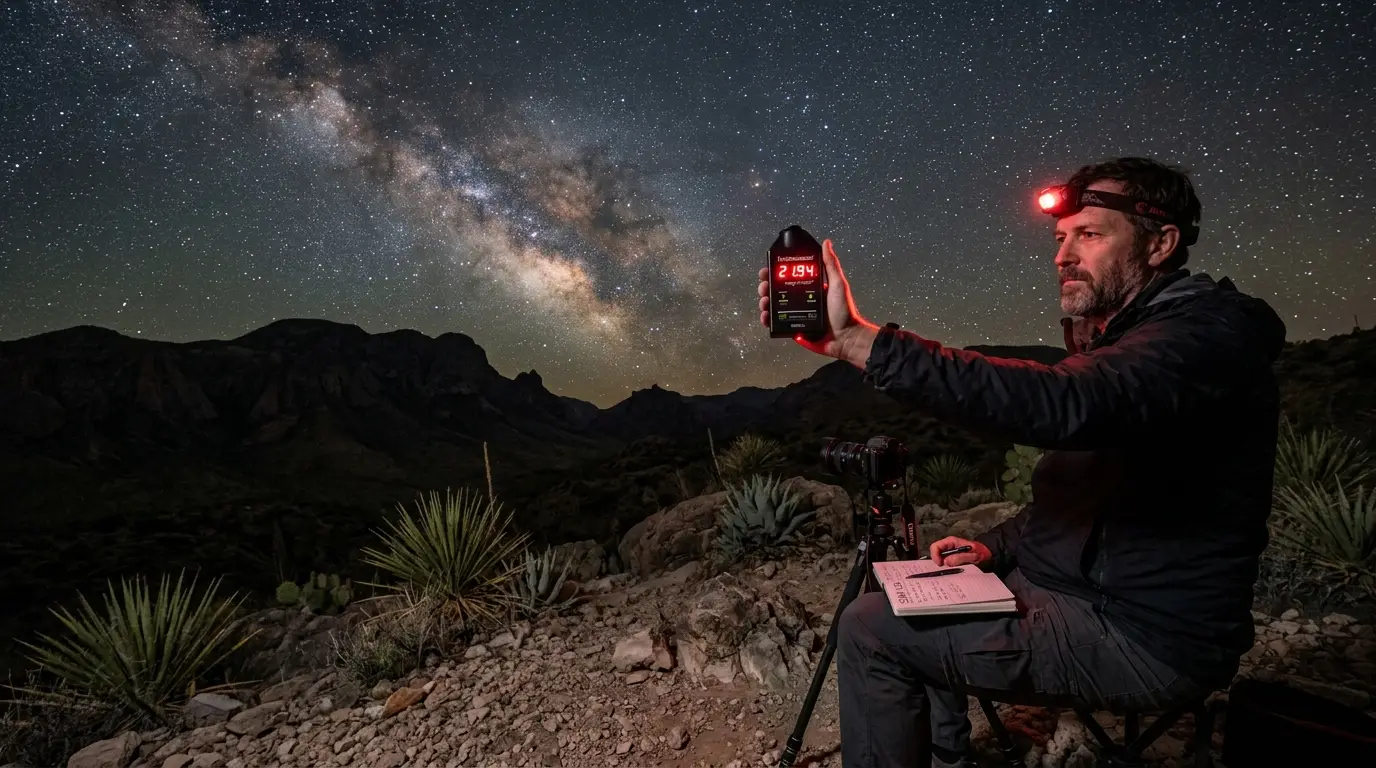
Big Bend Dark Sky Certification: The Bortle Class 1 Science
Maya Okonkwo Updated 8 min read
Big Bend is rated Bortle Class 1, the darkest sky classification. The Sky Quality Meter data, IDA certification, and McDonald Observatory's role, explained.
ReadFrequently asked questions
How do dark-sky reserves arrive at their published sky-brightness figure?
It is a protocol average, not one lucky night. DarkSky's survey protocol calls for at least six measurements per location per visit, discarding the first and reporting all of them, often repeated across several visits before a designation is granted. Surveys also wait for the moon to be down. Your single reading is one instant, so expect it to differ.
Does moonlight change my Bortle class?
It changes what you see, so judge your sky near new moon. Under a bright moon even a genuine Class 2 sky reads closer to Class 4 or 5, which is why the naked-eye test works best on a night close to new moon. Serious sky-brightness surveys follow the same logic and wait until the moon is down before taking a reading.
Why does a high Kp sometimes produce no aurora?
Kp is only one of five variables. Cloud cover blocks aurora completely at any Kp level, so check local cloud on the day. The Bz component of the solar wind matters too: a southward Bz, particularly below -10 nanoTesla, couples with Earth's field and raises Kp, while a northward Bz can leave even fast solar wind with little effect.
Should I trust a lodge that advertises "SQM 21"?
Check the number against the usual range first. Readings run from around 16 for bright urban skies to 22 for the darkest on Earth, and very few places anywhere measure above 22, so a figure outside that band deserves suspicion. Inside it, differences matter: a half-point gap between 21 and 21.5 is a real, visible difference in how sharply the Milky Way's dust lanes stand out.
What does a Bortle class actually change about a trip?
The jump that matters most is between Class 4 and Class 3. At Class 3 the zodiacal light is striking in spring and autumn and the Milky Way still appears complex, so an evening stops being nice and starts being memorable. Above Class 5 you are mostly trading a slightly better view for a slightly longer drive. Check the published Bortle rating, not the phrase "dark sky".