Articles · Sky science
Sky Science: Light Pollution, the Bortle Scale and Why Skies Stay Dark (Page 2)
Plain-English explainers on how light pollution is measured, what each Bortle class means, how the Kp index feeds aurora forecasts, and why places like Merzouga, Uluru and the Atacama stay so dark. It is for travelers who want to understand a sky before they chase it.
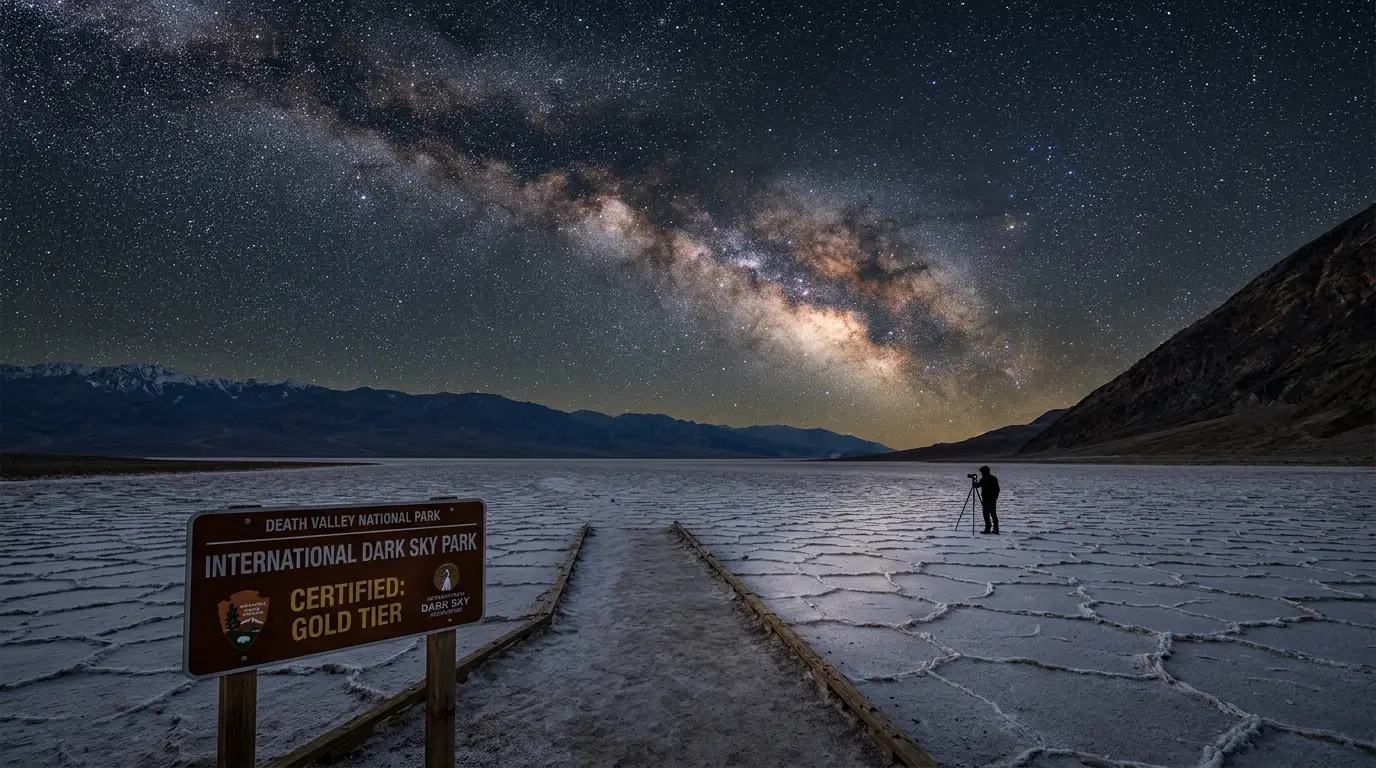
Death Valley Dark Sky Certification, Explained
Maya Okonkwo Updated 6 min read
Death Valley's Gold Tier certification covers one of Earth's largest dark-sky areas, 3.4 million acres, kept clear by extreme aridity, not its elevation.
Read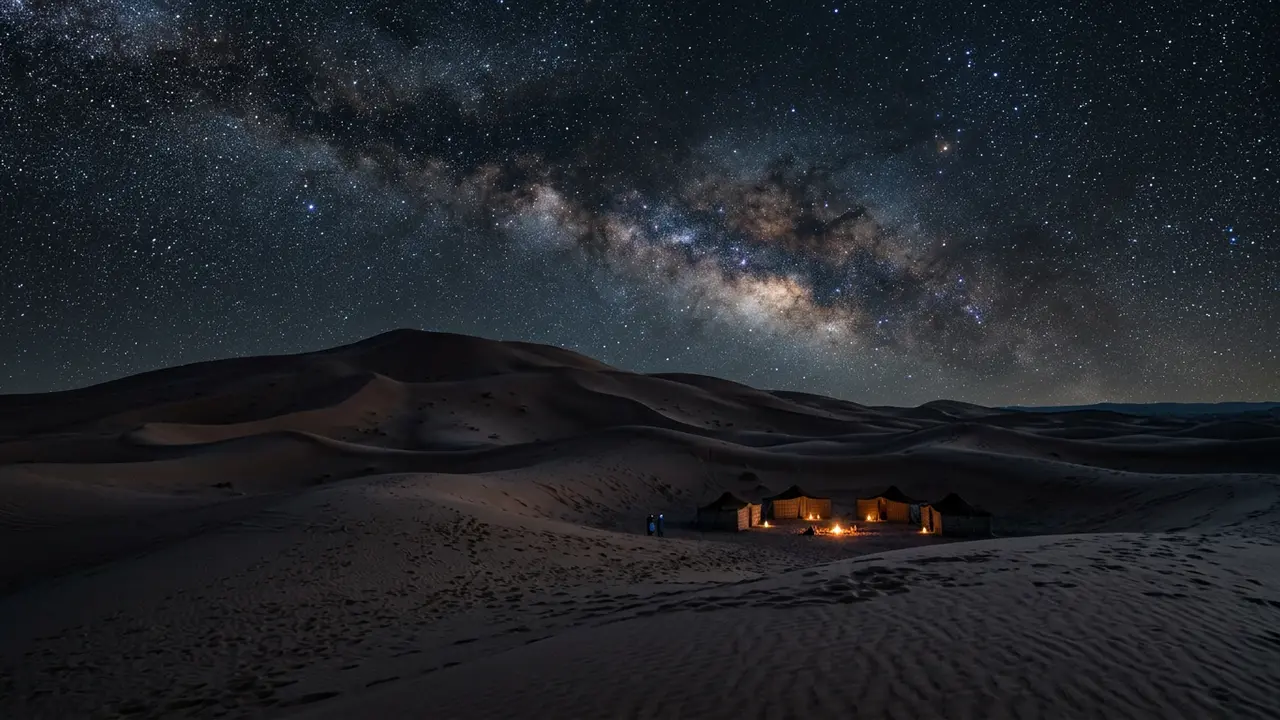
Why Merzouga Is So Dark: The Science Explained
Maya Okonkwo Updated 5 min read
Merzouga has no dark-sky certification. Its darkness comes from distance, not a badge, hundreds of kilometers from Morocco's nearest cities. Here's the science.
Read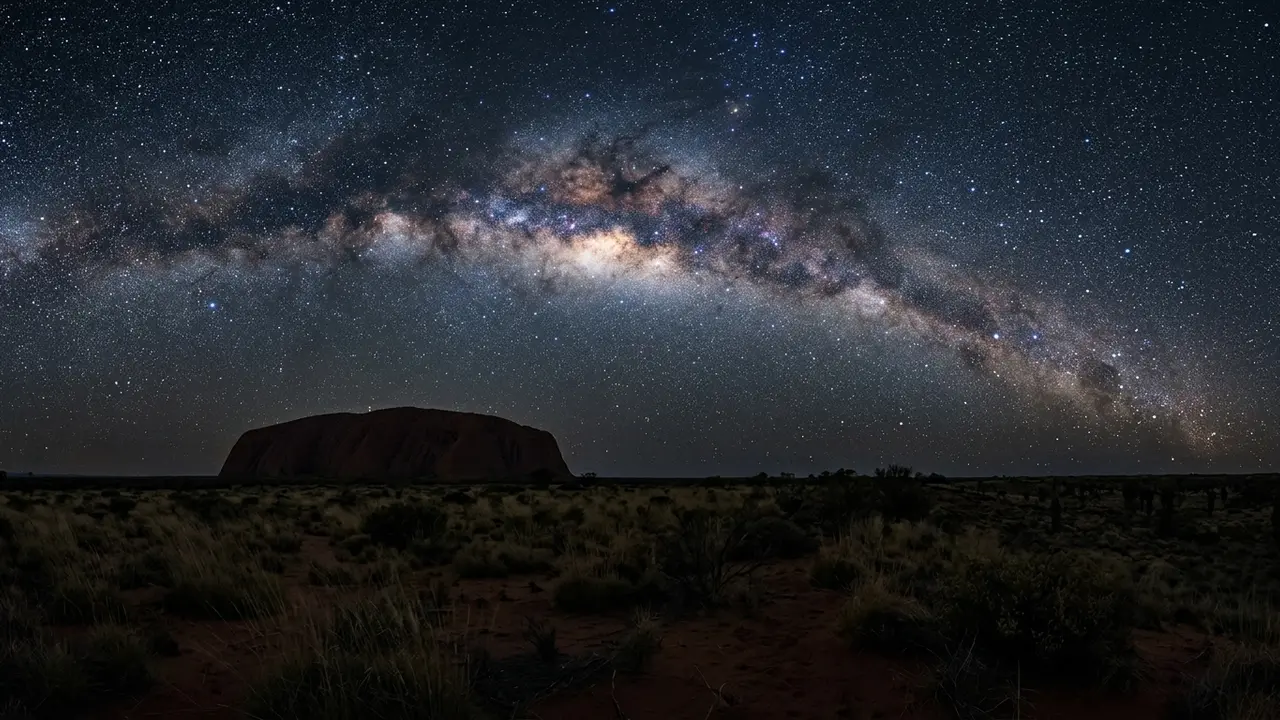
Uluru Dark Sky Explained: Why the Outback Stays So Dark
Maya Okonkwo Updated 6 min read
Uluru has no DarkSky certification. Its night sky stays dark thanks to 465km of remote desert and Anangu-led joint management, not a formal designation.
Read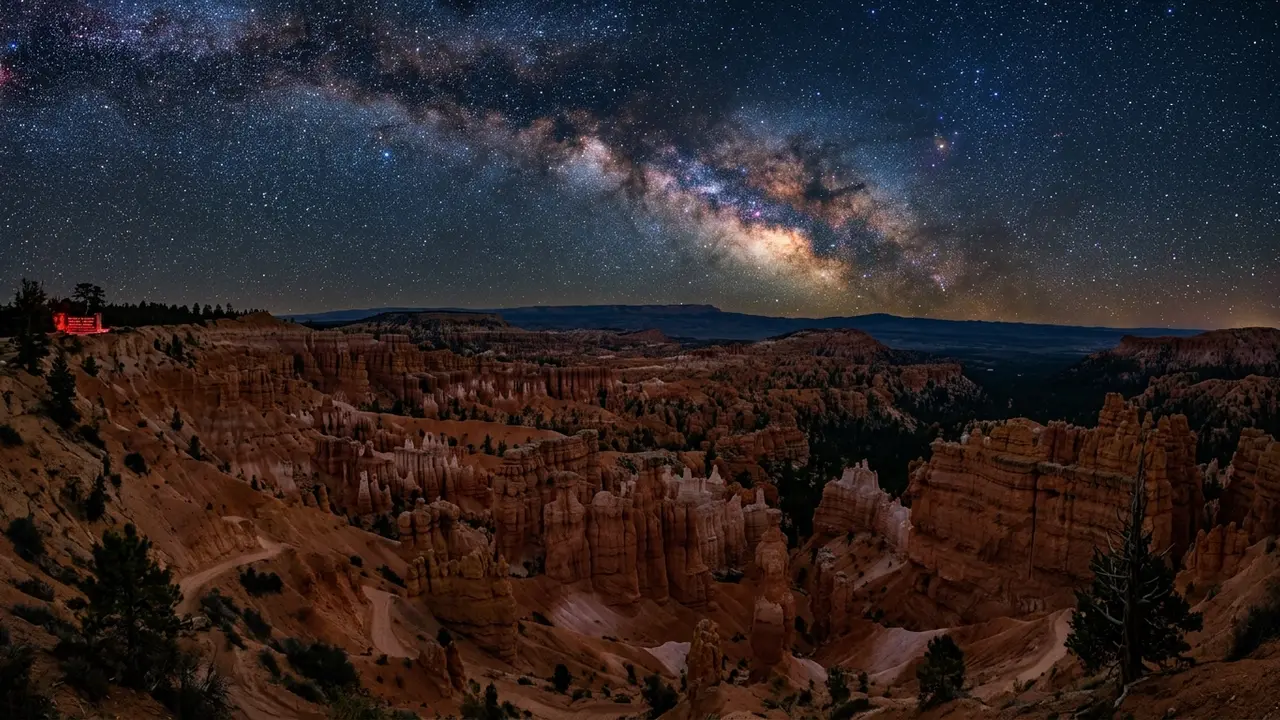
Bryce Canyon Dark Sky Certification, Explained
Maya Okonkwo Updated 6 min read
Bryce Canyon earned Gold Tier International Dark Sky Park certification in 2019. Here's exactly what that rating requires, and why elevation seals the deal.
Read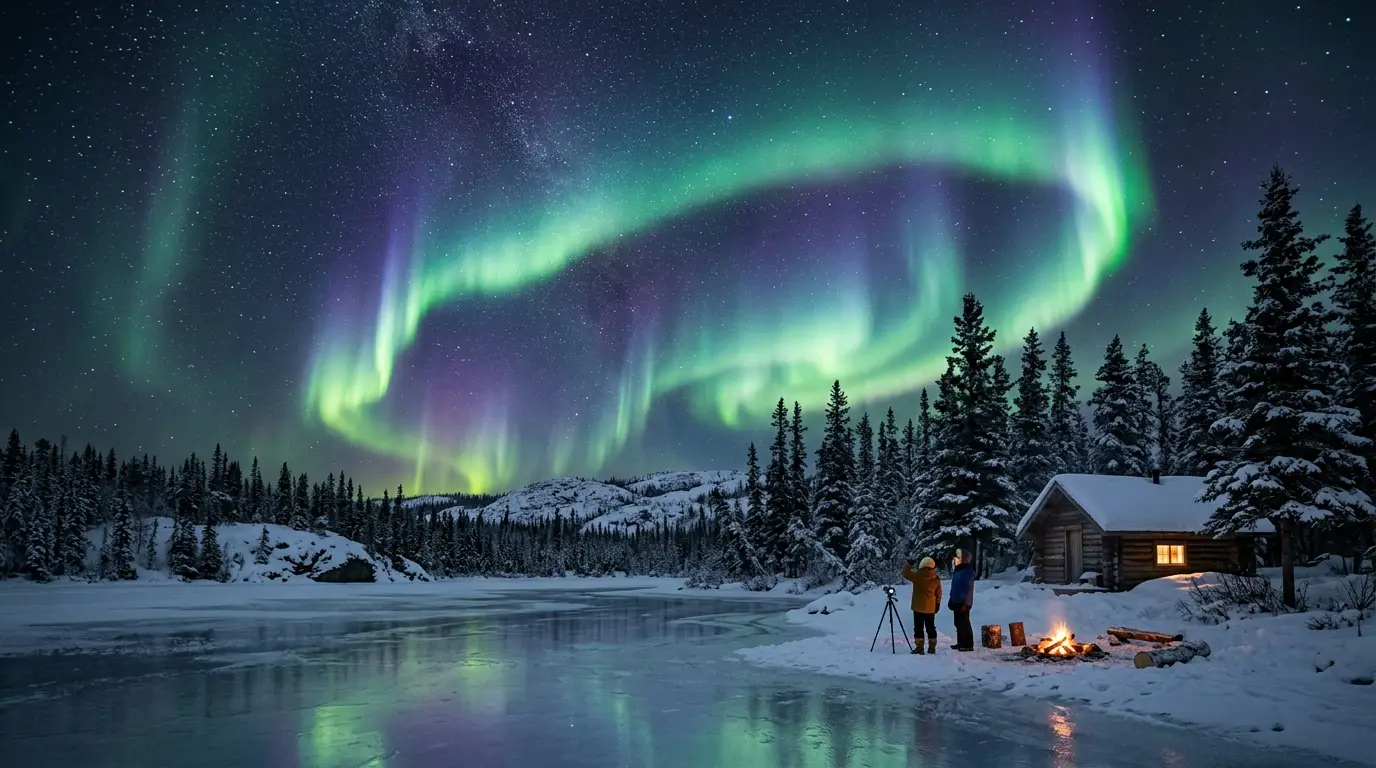
Yellowknife Auroral Oval Explained — Why It Matters
Maya Okonkwo Updated 9 min read
Earth's magnetic pole tilts the auroral oval south over Yellowknife. A magnetic latitude of 68°N plus a dry subarctic climate explain the NWT advantage.
Read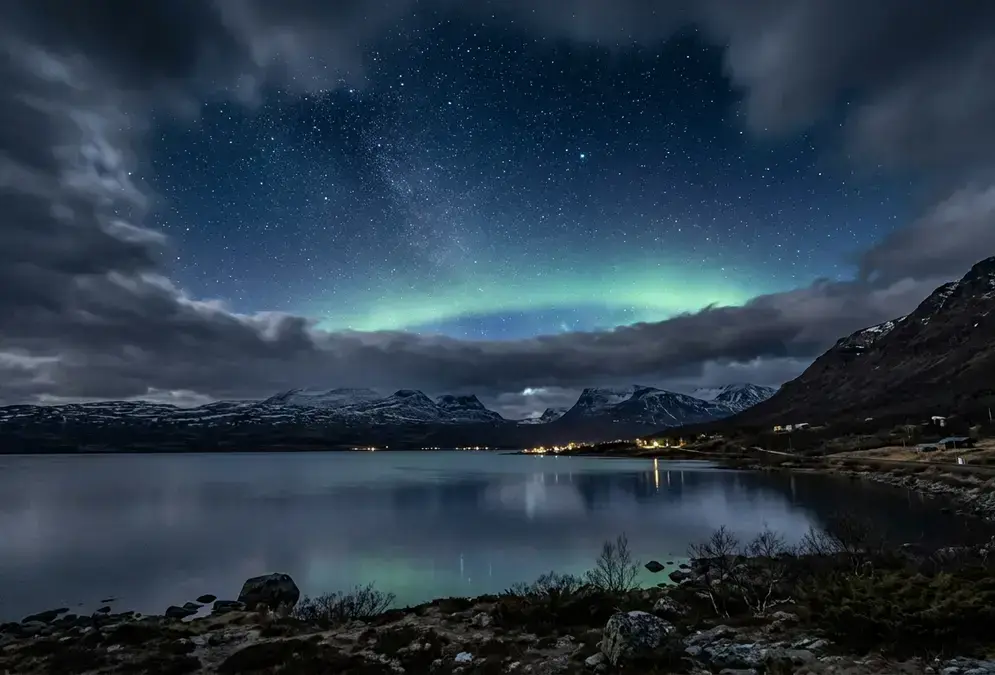
The Science Behind Abisko's Clear-Sky Microclimate
Maya Okonkwo Updated 6 min read
Abisko's clear skies aren't luck: SMHI names the village Sweden's driest, thanks to a documented rain shadow, explained here with real numbers and sources.
Read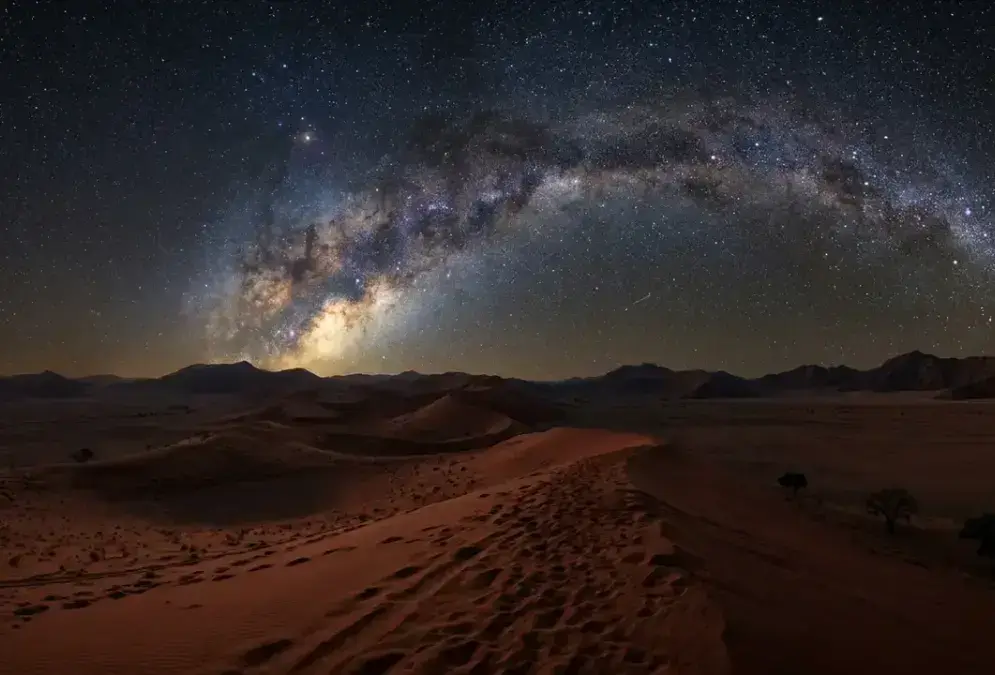
Namib Desert Dark Sky Conservation Explained
Maya Okonkwo Updated 6 min read
What Gold Tier certification actually requires, and how NamibRand fused conservation with strict lighting rules across 200,000 hectares of Namib Desert land.
Read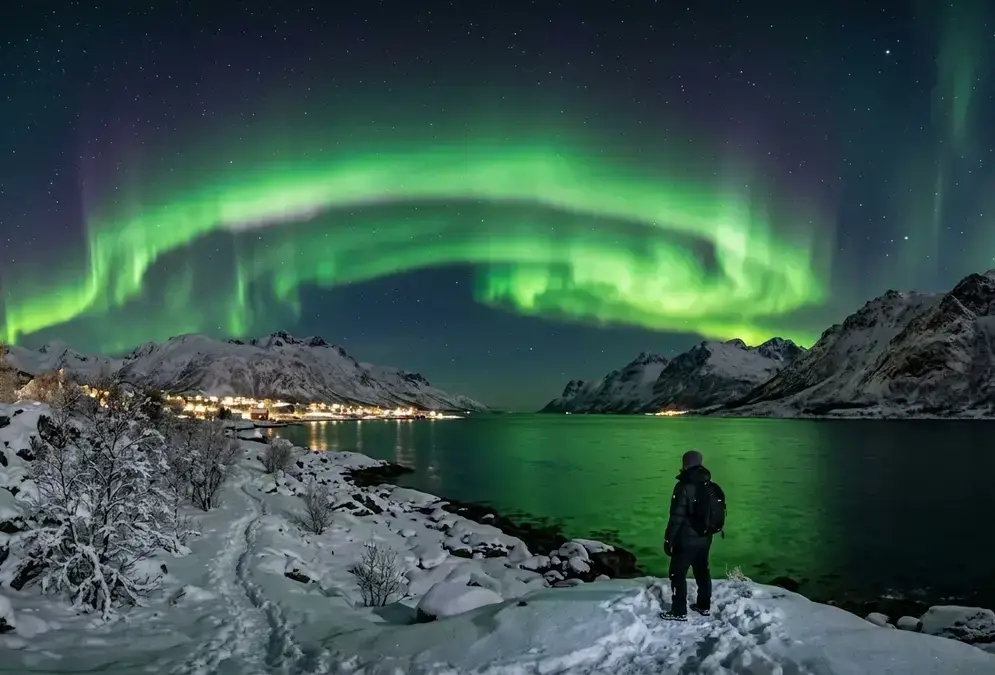
Kp Index Explained: How to Read Northern Lights Forecasts
Maya Okonkwo Updated 8 min read
The Kp index runs from 0 to 9, a geomagnetic scale that tells you when aurora is likely. Learn what each value means for your latitude and how to track it.
Read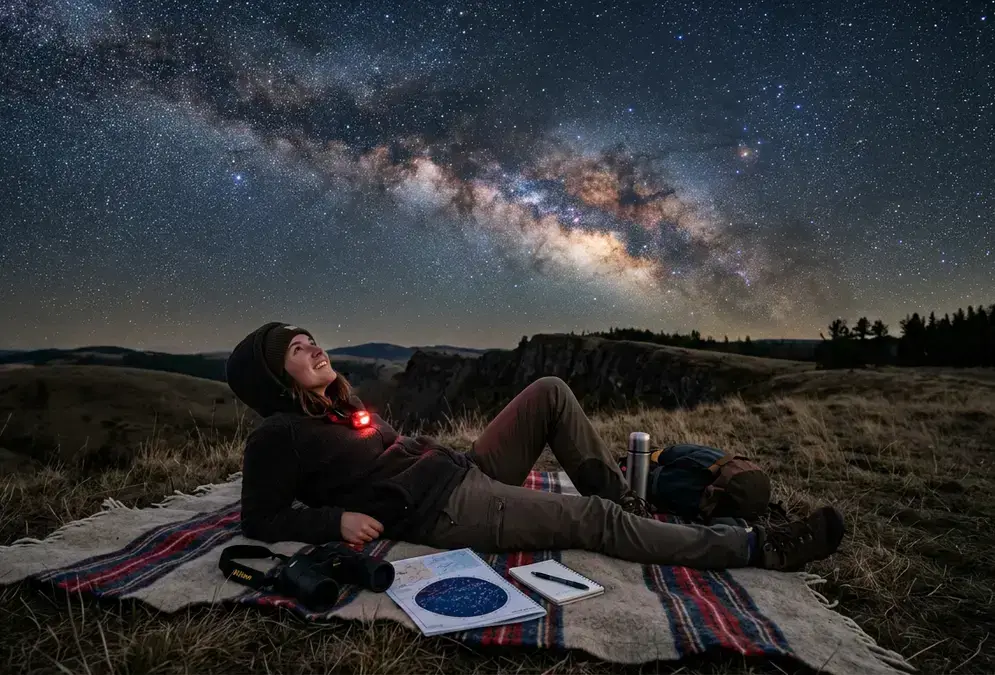
Stargazing for Beginners: How to Start with Your Eyes
Maya Okonkwo Updated 10 min read
Learn stargazing for beginners: dark adaptation, the Bortle scale, best times to go, what to spot first, and why binoculars beat a telescope on night one.
Read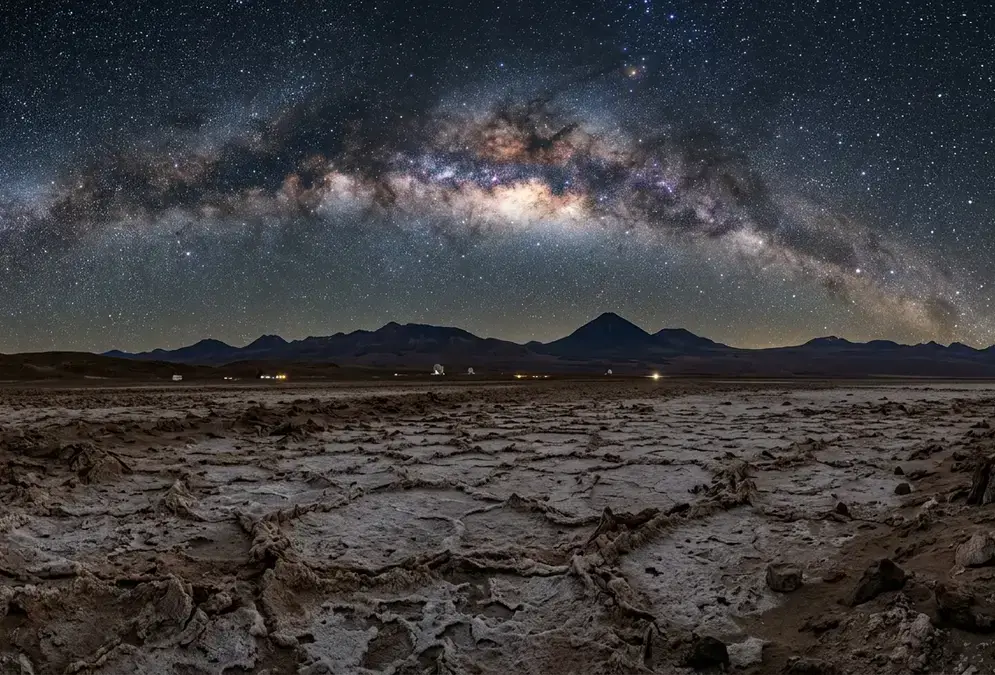
Why Is the Atacama Desert the Driest on Earth?
Maya Okonkwo Updated 9 min read
Three forces starve the Atacama of rain: the Andes rain shadow, the Humboldt Current, and subtropical high pressure — clearing its skies 330 nights a year.
Read