Articles · When to go
When to Go Stargazing: Seasons, Forecasts, Moon Phase and Meteor Showers
Season-by-season timing for destinations from Mauna Kea to Yellowknife, plus how to read local sky and aurora forecasts, what a full moon does, and a calendar of meteor showers. It is for travelers who want to pick the right week, not just the right place.
44 articles
When to go: the big picture

Written by
Maya Okonkwo I've seen dark skies firsthand in the Atacama altiplano, Namibia's NamibRand Nature Reserve, and Morocco's Merzouga dunes; every other destination I write about is built from measured Bortle and SQM data, cloud climatology, and primary sources like park services and the International Dark-Sky Association.
Most of the articles in this section answer one question: given a place and a date, will the sky cooperate? Four variables decide it, and when to stargaze names them: lunar phase, galactic-core season, atmospheric transparency, and the cloud forecast for your exact coordinates. Nail the moon and skip the forecast, and you can still drive home under overcast.
The moon comes first. Roughly four to five nights centered on new moon are commonly cited as reliably dark, and a well-timed crescent can stretch that window. Season comes second: June and July are the strongest months for the Milky Way's core from either hemisphere, and from the south it climbs much higher. For a worked example, best time to visit Atacama for stargazing lands on new-moon nights between May and August and flags January and February as unreliable.
Events follow the same logic with a hard calendar attached. The meteor showers guide treats a shower's ZHR as a theoretical ceiling, since a shower rated 100 might show 20 to 40 meteors an hour from a decent site. The night sky calendar 2027 then checks every peak against the moon: the Geminids land on a full moon, while the August 2 total solar eclipse offers up to 6 minutes 23 seconds of totality.
Aurora is the exception to the moon rule. A full moon washes out a faint display but not a strong one, and full moon northern lights in Lapland puts the line at roughly Kp 5.
More when to go articles
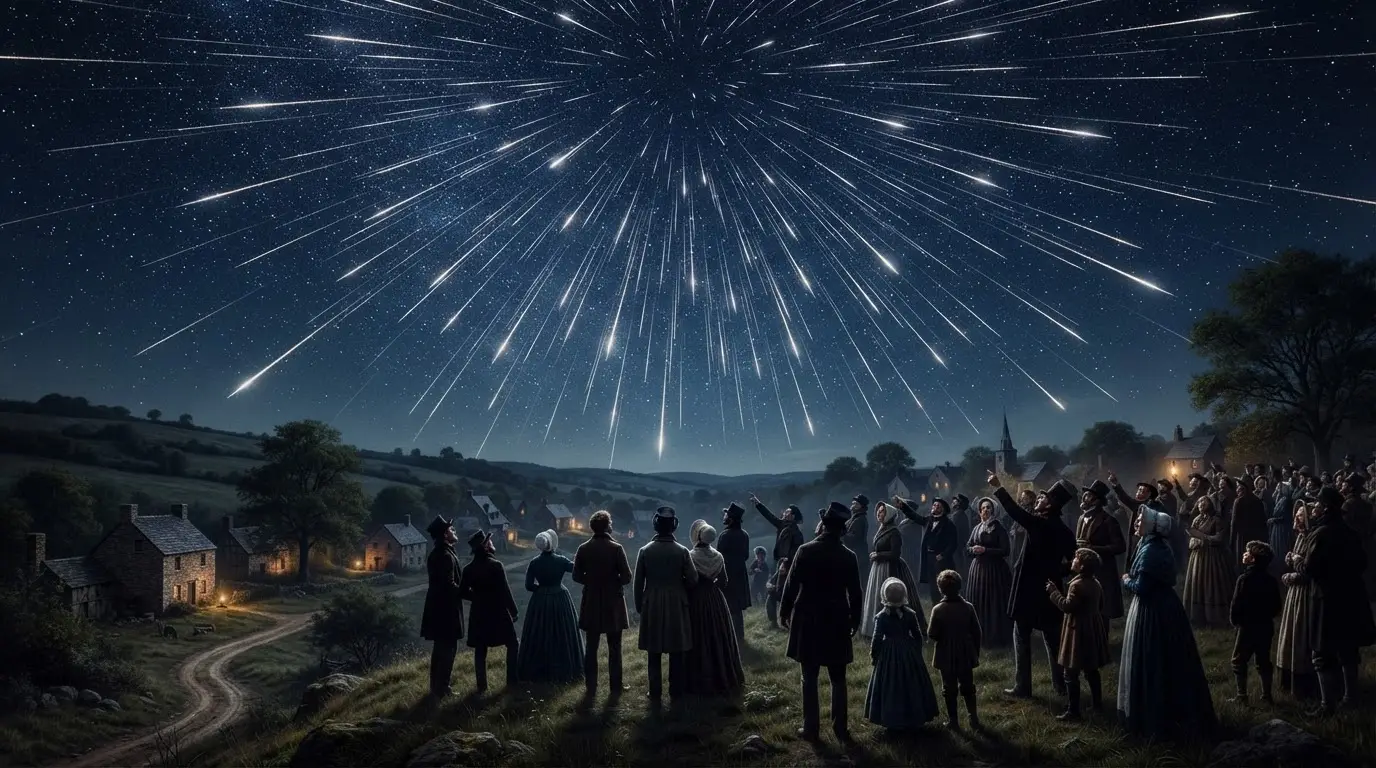
The 1833 Leonid Meteor Storm That Proved Meteors Come From Space
Maya Okonkwo 5 min read
On November 12-13, 1833, over 240,000 meteors fell across North America in nine hours, convincing a Yale professor meteors come from space, not the atmosphere.
Read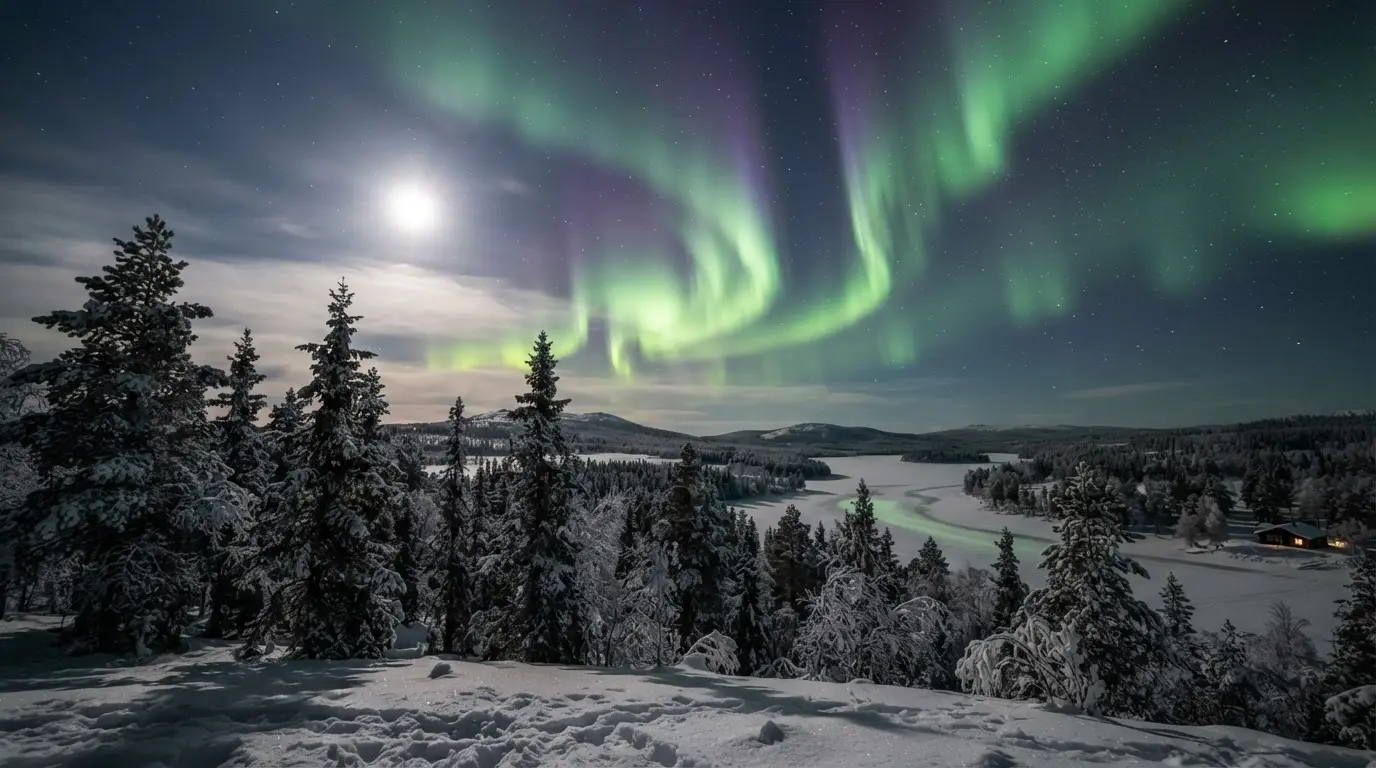
Does a Full Moon Ruin the Northern Lights in Finnish Lapland?
Maya Okonkwo 6 min read
A full moon can wash out a faint Lapland aurora, but a strong Kp5+ display cuts through it. FMI's forecast ignores moon phase — here's how to plan around it.
Read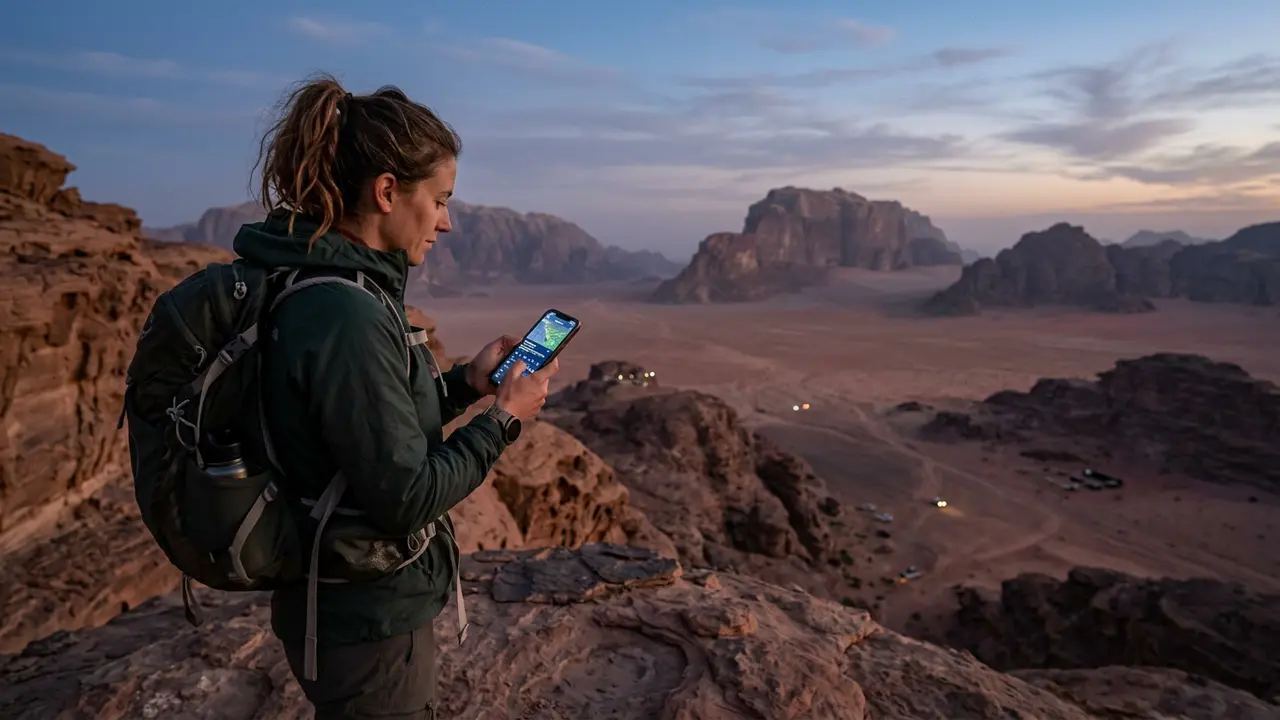
Wadi Rum Stargazing Forecast: How to Check Sky Clarity
Maya Okonkwo 7 min read
Wadi Rum has no dedicated stargazing forecast app. Here's how dust-storm season, moon phase, and Clear Outside predict a genuinely clear desert night sky.
Read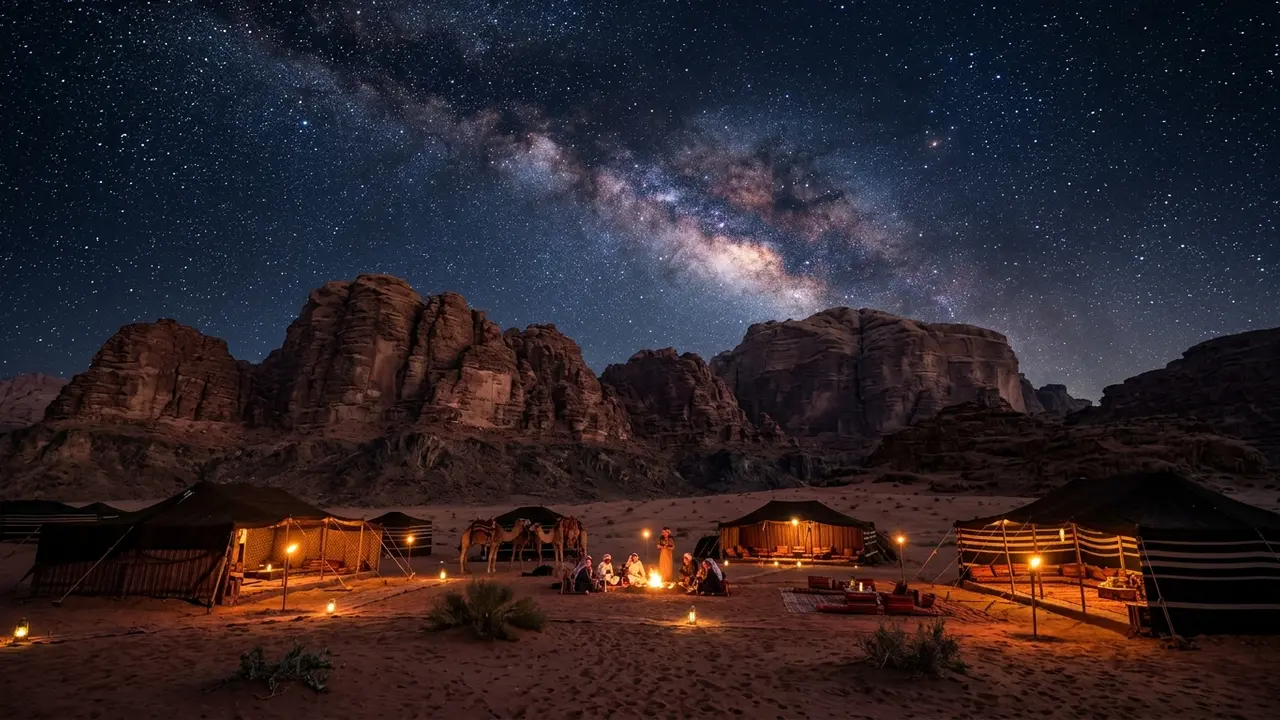
Best Time for Stargazing in Wadi Rum
Maya Okonkwo Updated 8 min read
Wadi Rum's dark skies hold up year-round, but comfort swings hard: mild spring and autumn, scorching summer days with cool nights, and near-freezing winter.
Read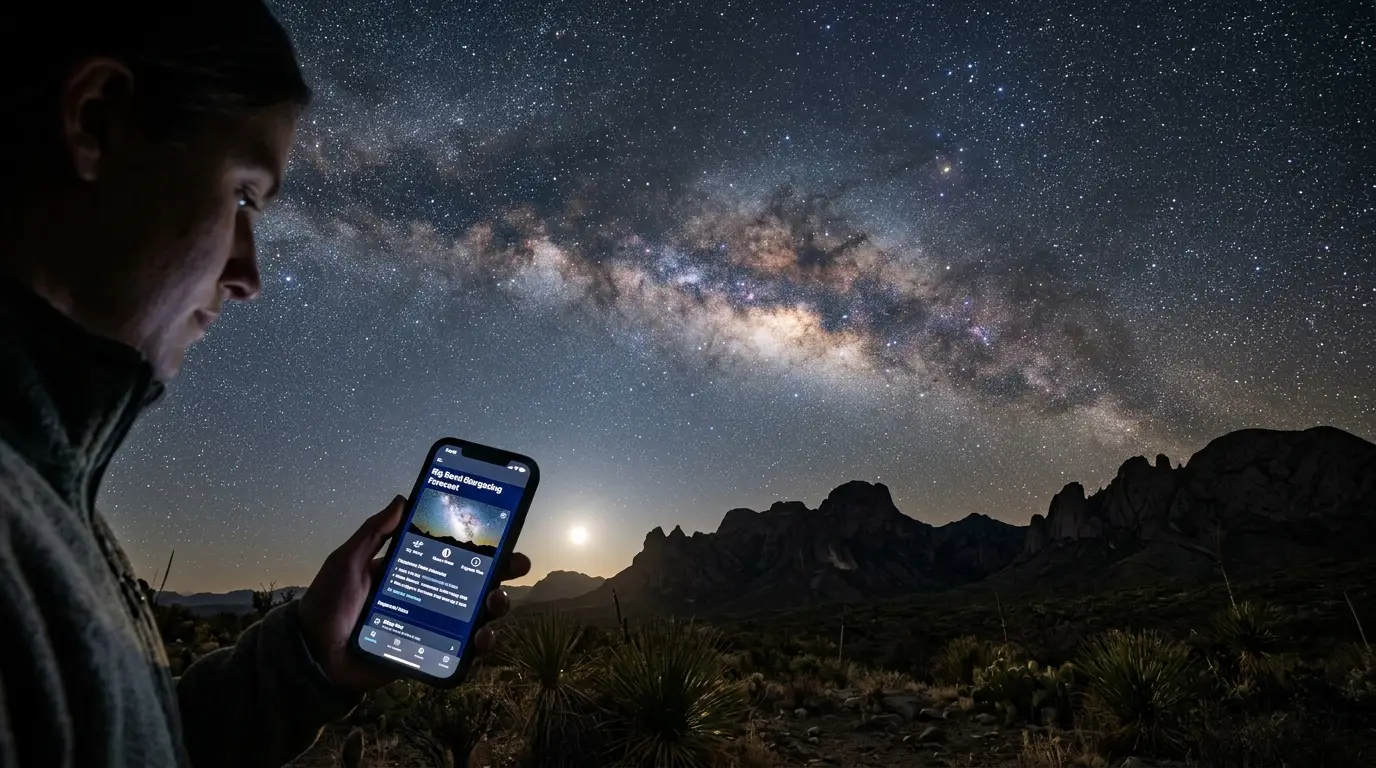
Big Bend Stargazing Forecast: Checking Clear Skies and Moon Phase
Maya Okonkwo Updated 6 min read
Big Bend's Bortle Class 1 skies still need a clear, moonless night. Here's how to read Clear Sky Chart, Clear Outside, and moon-phase data before you go.
Read
Death Valley Stargazing Forecast: How to Check the Sky
Maya Okonkwo Updated 6 min read
Death Valley's Gold Tier sky doesn't guarantee clear nights. Here's how to read the Furnace Creek Clear Sky Chart and time a trip around the moon phase.
Read
Best Time to Stargaze in Death Valley: Season by Season
Maya Okonkwo Updated 7 min read
The best time to stargaze in Death Valley is October through April for comfort, or summer nights once the 120°F days give way to dark, pleasant skies.
Read
Mauna Kea Stargazing Forecast: How to Read the Sky
Maya Okonkwo 7 min read
Mauna Kea's stargazing forecast takes more than a cloud percentage: season, closures, and why most visitors belong at the Visitor Station, not the true summit.
Read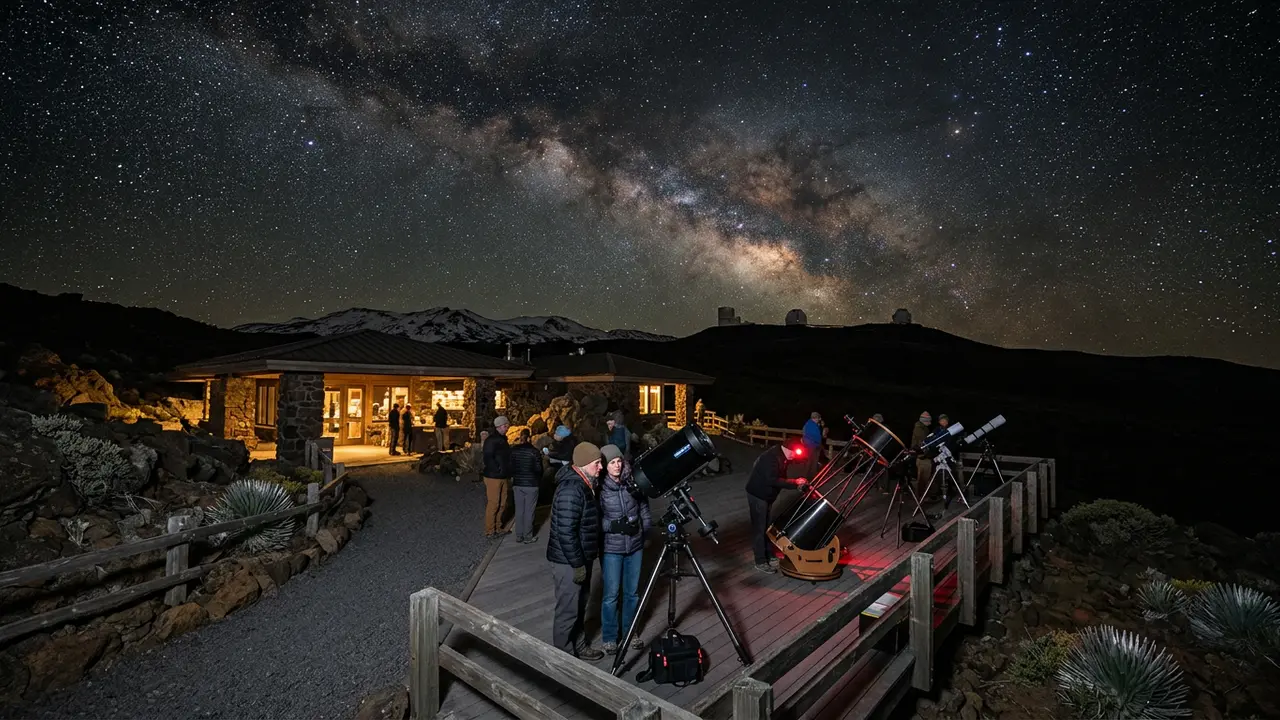
Best Time for Mauna Kea Stargazing
Maya Okonkwo Updated 8 min read
There's no single best month for Mauna Kea stargazing: the summit stays clear roughly 75% of the time. What matters most is altitude, not the calendar.
Read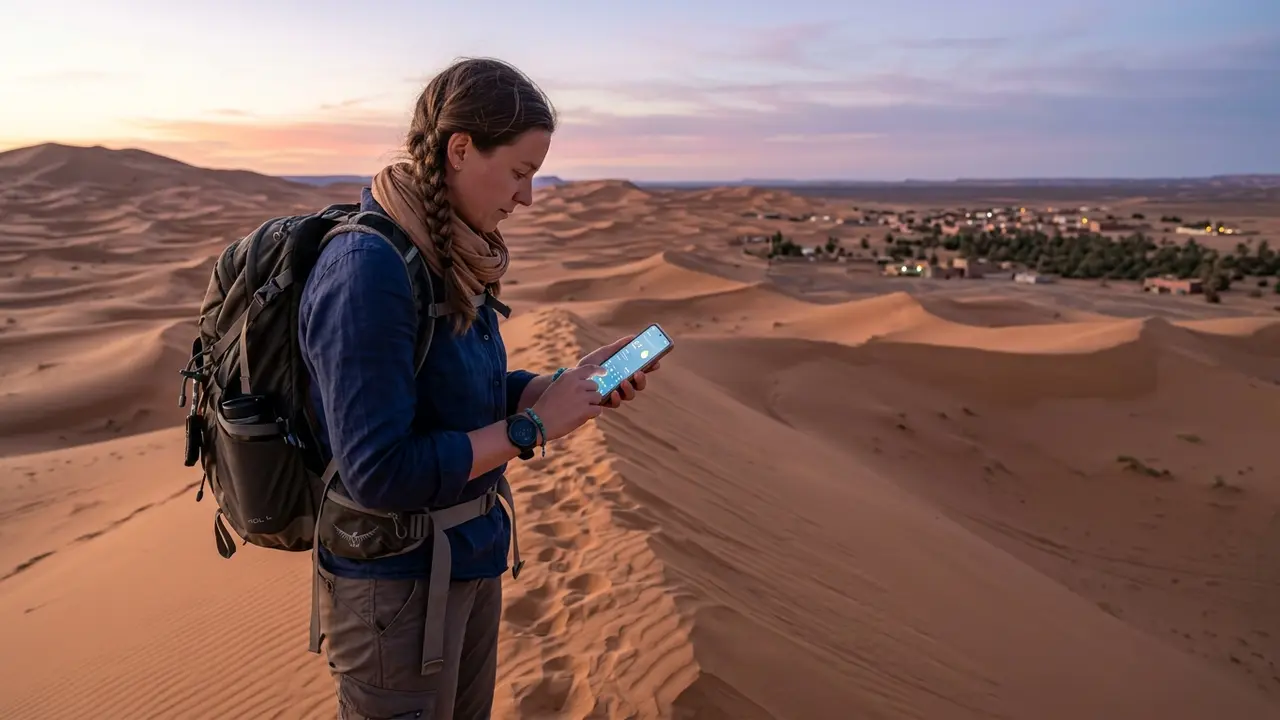
Merzouga Stargazing Forecast: How to Check Sky Clarity
Maya Okonkwo 7 min read
Merzouga has no dedicated stargazing forecast app. Here's how season, Chergui wind timing, moon phase, and a worldwide cloud tool predict a clear Sahara sky.
Read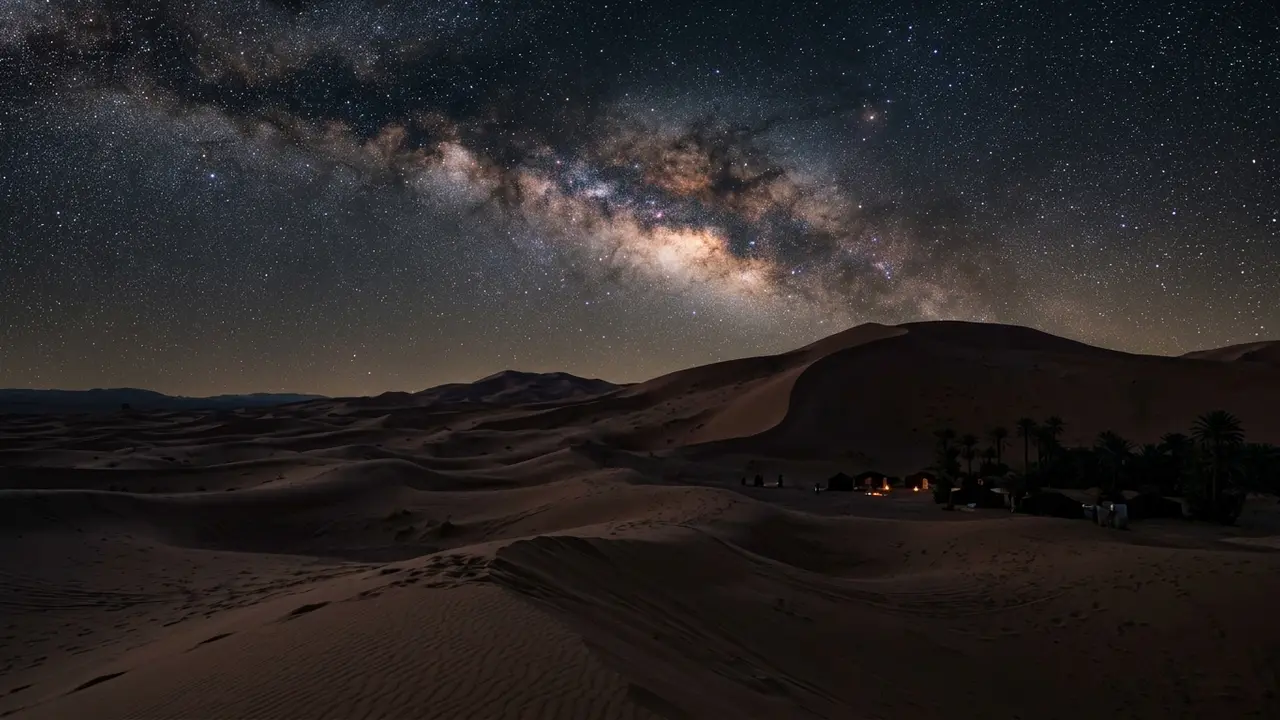
Best Time to Stargaze in Merzouga: Season by Season
Maya Okonkwo Updated 6 min read
Merzouga's Sahara sky stays dark all year, but summer daytime heat above 40°C and cold desert nights make season and moon phase the real planning decision.
Read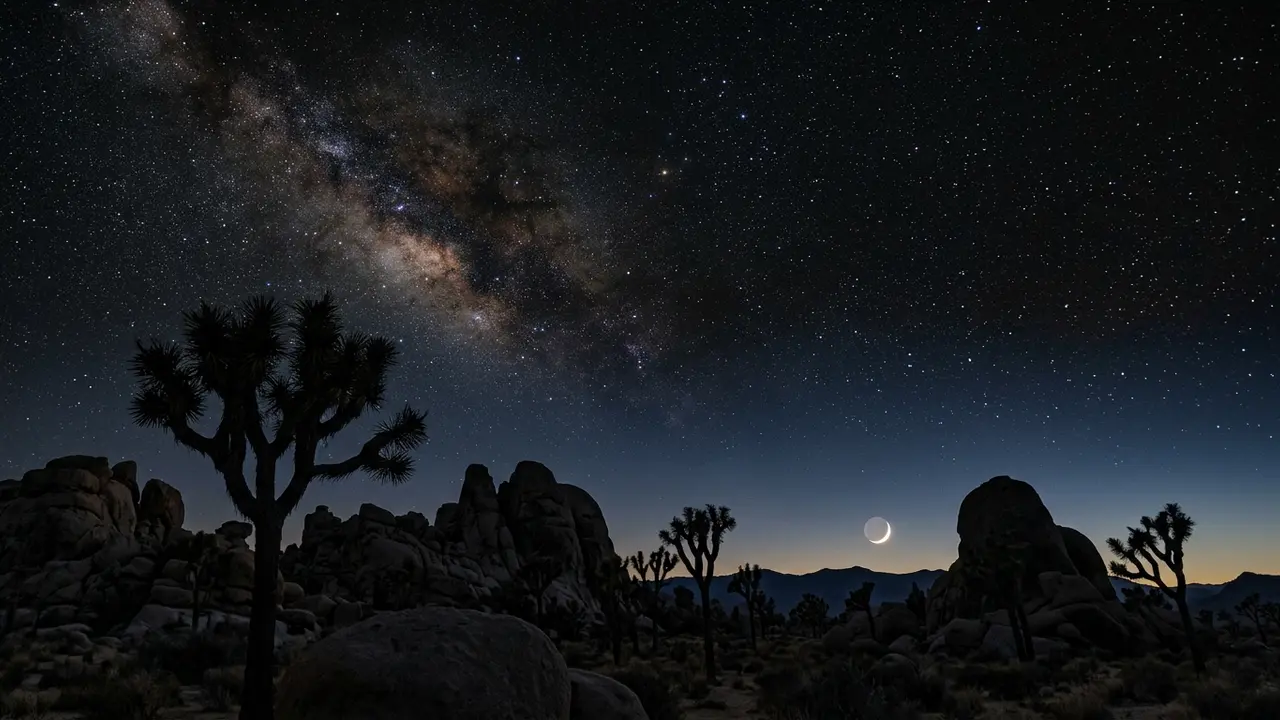
Joshua Tree Stargazing Forecast: How to Check the Sky
Maya Okonkwo Updated 7 min read
Joshua Tree's Silver Tier sky doesn't guarantee a clear night. Here's how to read the Clear Sky Chart, check the forecast, and time a trip around the new moon.
ReadFrequently asked questions
Can I still stargaze if my trip lands on a full moon?
Yes, but change the target list. A full moon washes out faint deep-sky objects and the Milky Way's dust lanes, yet it is still a good night for the Moon itself, bright planets and prominent double stars. A late-rising last-quarter moon can leave three or four fully dark hours after sunset, so check a moonrise and moonset table for your date before writing the night off.
Does moonlight affect the northern lights the way it affects stars?
Only for weak displays. A faint, low-Kp aurora gets washed out by a bright moon, but a display at roughly Kp 5 or higher stays clearly visible with a full moon overhead. Moon illumination stays under 20 percent for about 10 days around new moon, and during that stretch moonlight has minimal effect on aurora viewing or stargazing.
Which meteor shower is worth planning a trip around?
On rates alone, the Geminids: the guide gives them a ZHR of about 120 to 150, the highest of any annual shower. That figure is a theoretical ceiling, and the moon decides how close you get. In 2027 the Geminids peak on the night of a full moon, while the Quadrantids and Eta Aquariids both get favorable moons.
What do I need to know before planning around the August 2027 eclipse?
Totality on August 2, 2027 crosses the Strait of Gibraltar, North Africa and Egypt, lasting up to 6 minutes 23 seconds at its longest point. Book accommodation inside the path early, because Luxor and the Egyptian stretch will fill fast. Just outside the narrow track the same eclipse looks partial, or you see nothing at all.
Are the 2027 lunar eclipses worth a trip?
No. All three are penumbral, so the Moon passes only through Earth's outer shadow and none produces a red blood moon. The deepest, on February 20 to 21, puts 93 percent of the Moon's disc into the penumbra, while the July 18 to 19 event barely counts. Treat them as a bonus and keep the real planning around the two solar eclipses.