Best best indoor viewing
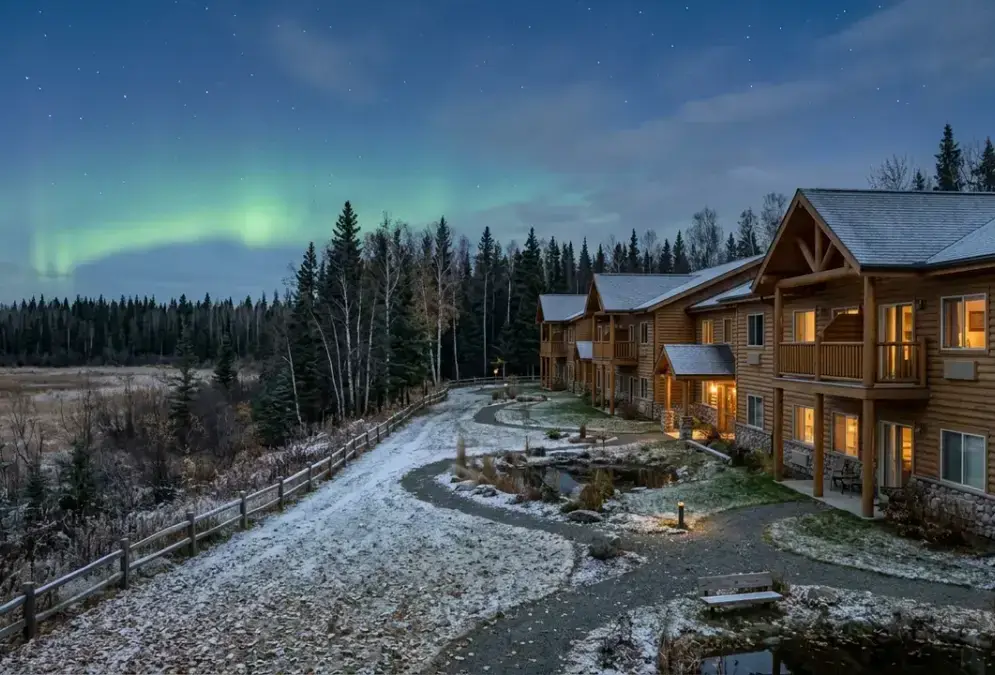
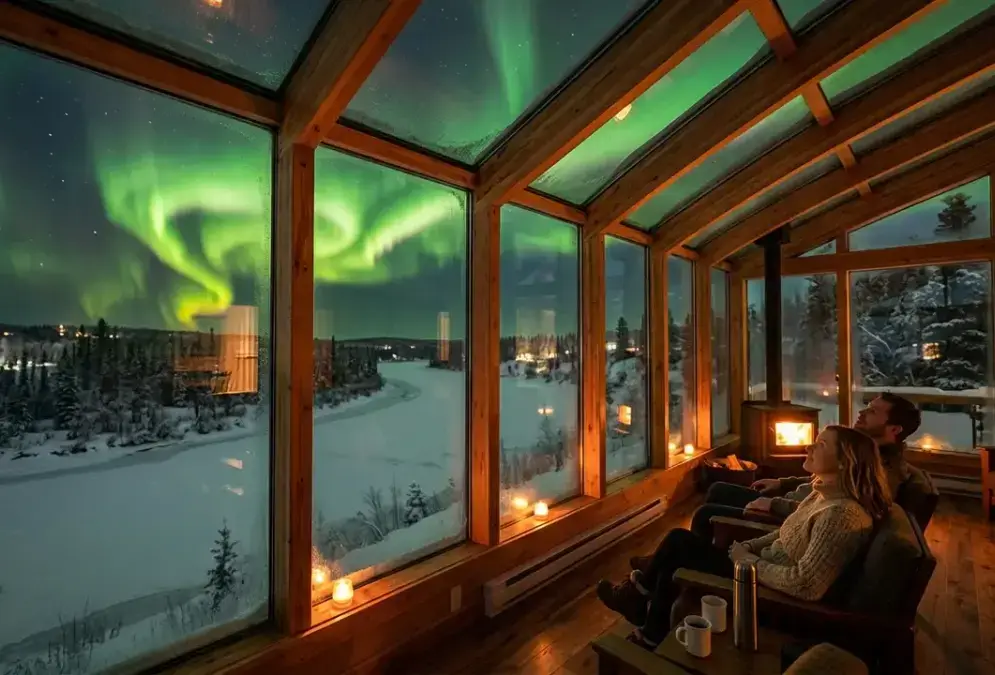
Aurora Villa
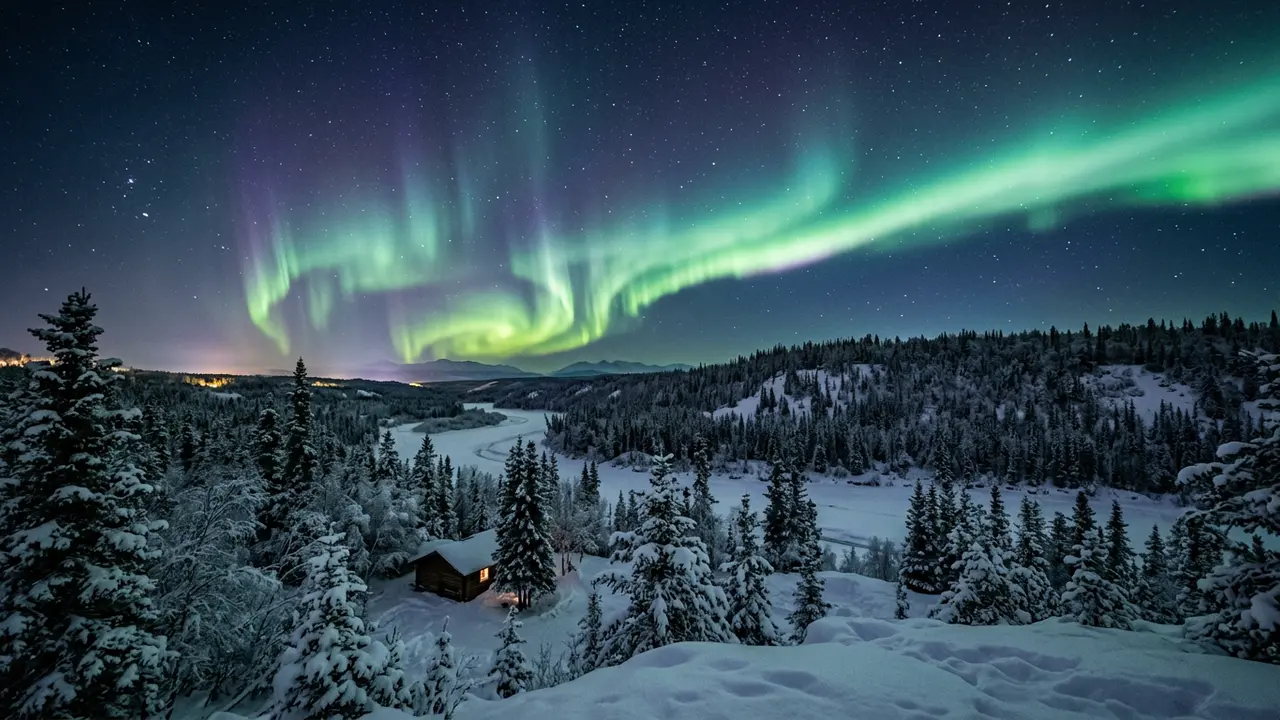
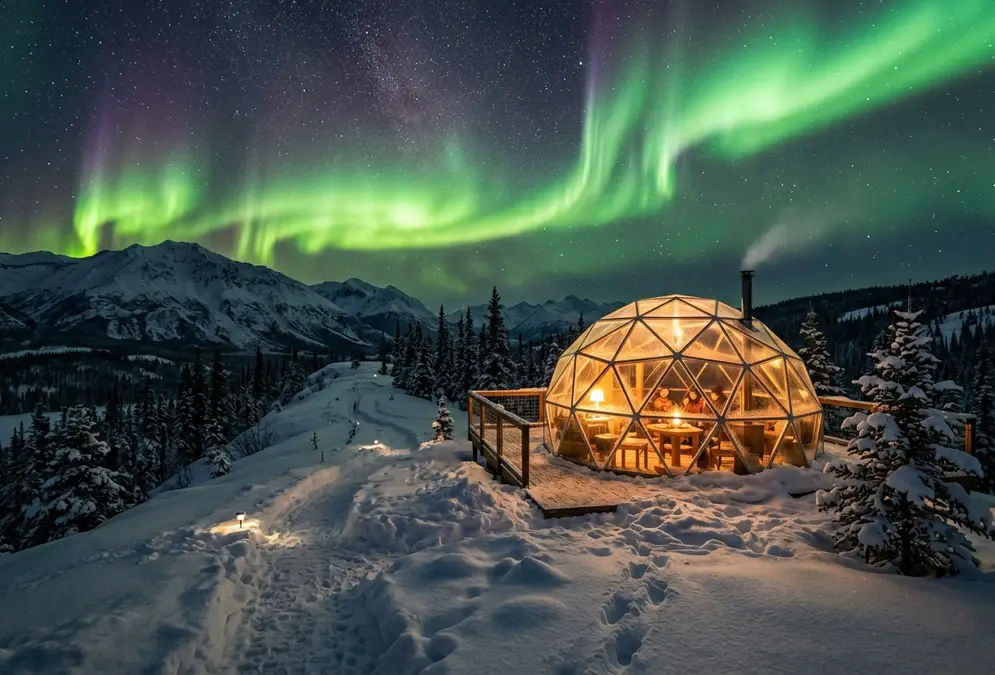
Floor-to-ceiling windows built for watching the aurora indoors
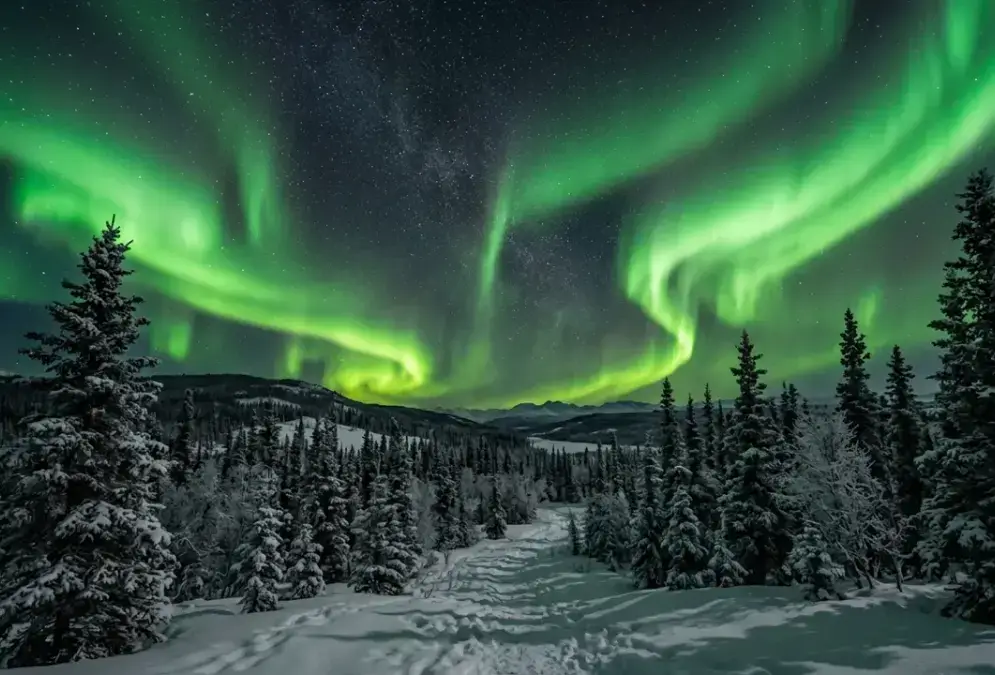
Fairbanks sits directly under the auroral oval at 64.8°N. Aurora season runs Aug 21–Apr 21, peaking Feb–Mar, with roughly 90% odds if you stay 3+ nights.
Photo tour of the lodges, night-sky trips, and guides for this destination.
Best best overall
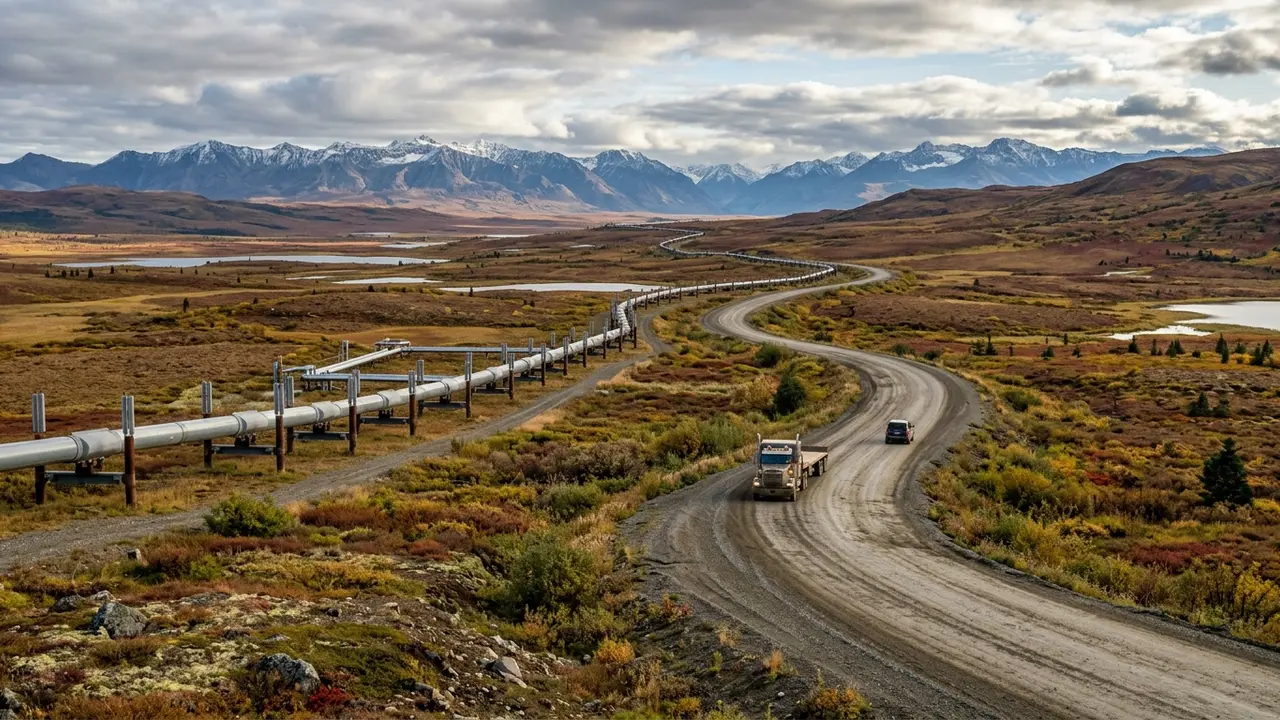
Drive the Dalton Highway from Fairbanks to the Arctic Circle at 66.5°N. See the Trans-Alaska Pipeline, claim your crossing certificate. 12–14 hours, from $350.
Six ranked aurora-viewing spots near Fairbanks, from Cleary Summit to the remote Chatanika corridor, with drive times and road conditions for DIY chasers.
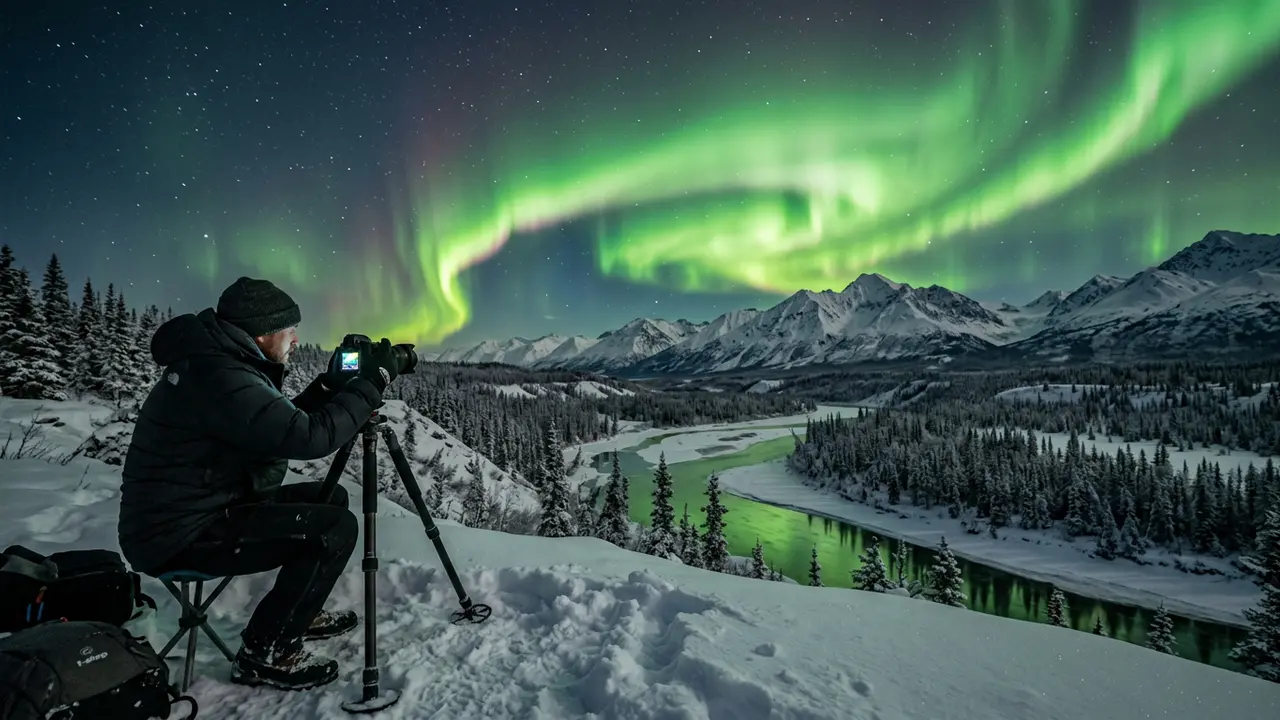
The camera gear that survives -40°F Fairbanks nights: full-frame body, f/1.8 lens, carbon-fiber tripod, and the battery tricks that keep it shooting all night.
Best best hot springs
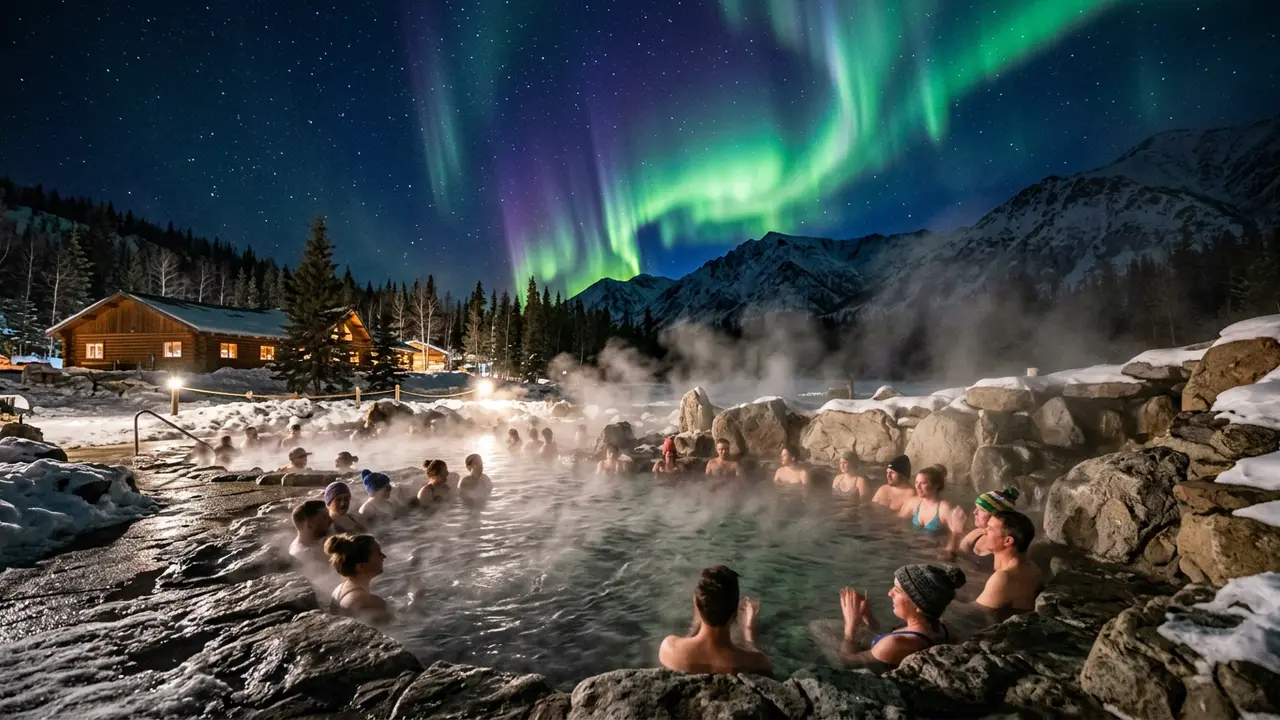
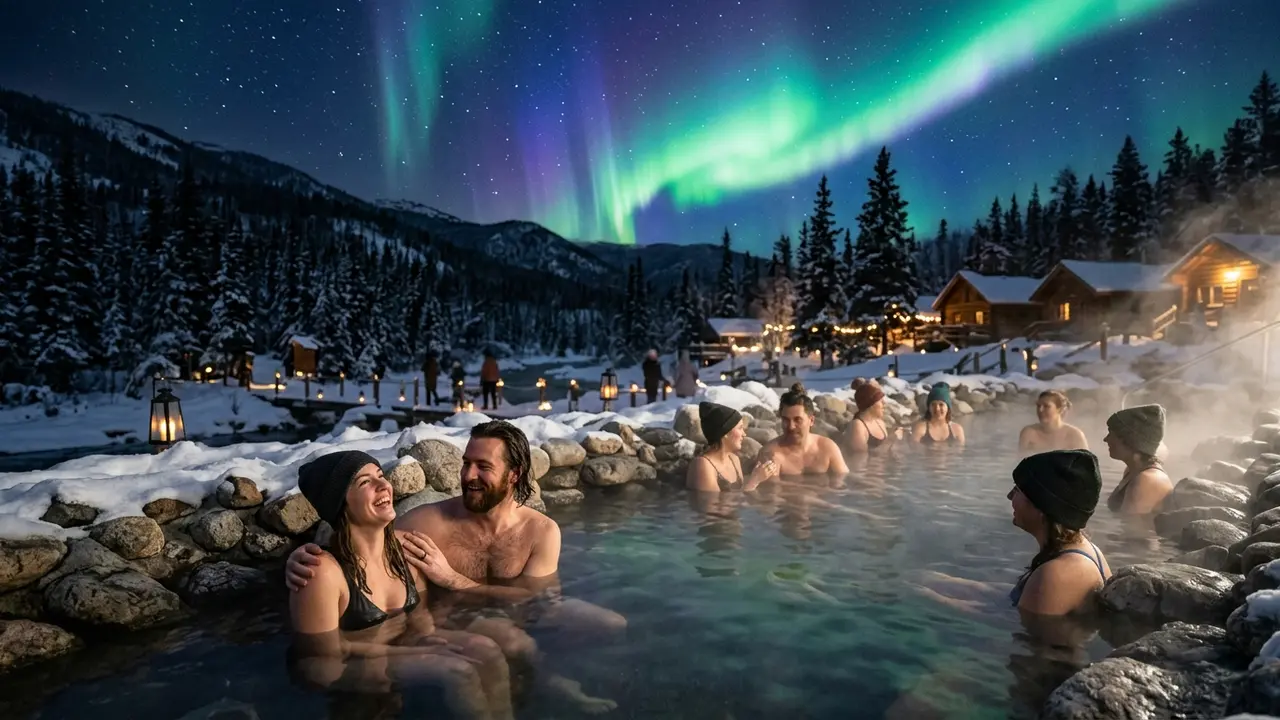
Warm up between aurora watches at Chena Hot Springs, 60 miles from Fairbanks. Pool access, guided aurora expedition, and hotel pickup all included. From $240.
Six Fairbanks lodges ranked for aurora viewing: dark-sky access, in-room windows, and honest booking info, from glass-dome domes to a budget airport stay.
Chena Hot Springs Resort sits far enough from Fairbanks that its dark sky, 90–110°F pools, and ice museum work as a real destination, not a quick tour stop.
Weighing it against somewhere else? Yellowknife vs Fairbanks northern lights: An Honest Head-to-Head
Bortle 4 sky
What the Bortle scale meansThe Milky Way is clearly there overhead but fades toward town-lit horizons.
This destination rates Bortle 4 on the 9-level Bortle dark-sky scale, where 1 is a pristine dark sky and 9 is an inner-city sky. The Milky Way is clearly there overhead but fades toward town-lit horizons.
On this page
Updated
Fairbanks sits at roughly 64.84°N, close enough to the geomagnetic pole that it falls directly under the auroral oval, the ring-shaped zone of peak aurora activity that circles the pole and expands or contracts with solar activity. That position, not luck, is why interior Alaska's biggest city has built an entire winter economy around the northern lights. Explore Fairbanks, the city's tourism bureau, markets the town as sitting under the auroral oval, and for once the marketing claim matches the geomagnetic map.
Computed for Fairbanks at 65°N. Updates nightly.
First quarter tonight, 36% illuminated
Next new moon August 12. The nights either side of it are the darkest of the month.
No astronomical darkness right now
At 65°N the summer sun never sinks far enough below the horizon for a fully dark sky. Proper darkness returns in September.
Hours of astronomical darkness by month at Fairbanks: January 12 hours, February 10 hours, March 7 hours, April 0 hours, May 0 hours, June 0 hours, July 0 hours, August 0 hours, September 5 hours, October 9 hours, November 12 hours, December 13 hours.
Perseids active now
Peaks August 12. Up to 100 meteors per hour at maximum. The 2026 peak lands on a new moon — a dark-sky year with zero lunar washout.
See the Perseids guideAurora season resumes in September
Summer nights stay too bright for the aurora at this latitude. Book for the darker months and plan around the new moon.
Northern lights season guideWhere to go stargazing in July
The official season runs August 21 through April 21. Outside that window the midnight sun keeps the sky too bright: Fairbanks gets close to 22 hours of daylight around the June solstice, and full darkness doesn't return until late August. Inside the season, Explore Fairbanks frames the odds this way: stay three nights and go out looking every one of them, and you have roughly a 90% chance of seeing the aurora. On clear nights during the season, the lights show up about four nights out of five.
Two windows run hotter than the rest: late August into September, around the autumnal equinox, and February through March, around the vernal equinox. Geomagnetic activity tends to spike near both equinoxes (the equinox effect, sometimes called the Russell-McPherron effect), and by February interior Alaska has usually settled into the dry, high-pressure pattern that gives the clearest skies. Midwinter delivers the longest nights but also the deepest cold and occasionally more cloud; overnight lows of -20°F to -40°F are routine, and the all-time record at Fairbanks International Airport is -62°F, set in December 1961. For how Fairbanks stacks up against five other aurora destinations across the full season, see Northern Lights Season 2026-27.
Check two forecasts before committing to a night out. The UAF Geophysical Institute Aurora Forecast is the local, short-range tool built specifically for this region. NOAA's Space Weather Prediction Center tracks the Kp index and continental-scale oval position, more useful for planning several days out. Locals check the UAF forecast; you should too.
Fairbanks' aurora season runs roughly late August through April, when nights get dark enough for the auroral oval overhead to show. Midwinter (December-February) brings the longest, coldest nights and the best odds, but late February into March tends to bring drier, clearer skies, alongside an equinox bump in geomagnetic activity that Fairbanks sees every spring.
Going in January? See what else the sky offers that month
Three nights is the floor if you want real odds rather than a coin flip. Four or five is the safer bet: it buys you a spare cloudy night, and it leaves daytime in Fairbanks to fill between aurora watches. A single overnight layover on the way to somewhere else is the fastest route to disappointment. For quick answers to the most common questions, see the Fairbanks northern lights FAQ.
Best season
February–March and late August–September for equinox-boosted geomagnetic activity and (in late winter) longer, colder, clearer nights
Quietest hours
After 10pm once dinner-hour traffic clears; most guided tours run 9pm–1am chasing breaks in the cloud
Visit duration
3 nights minimum for real odds; 4–5 nights recommended to hedge against cloud cover
Fairbanks International Airport (FAI) takes daily nonstop flights from Anchorage and Seattle on Alaska Airlines, plus a seasonal United route from Chicago. Anchorage to Fairbanks is about 1 hour 5 minutes by air. Driving, it's roughly 359 miles up the Parks Highway, about 6 hours non-stop. In winter, the Alaska Railroad's weekend Aurora Winter Train covers a version of that route; its summer sibling, the Denali Star, only runs May through September and isn't an option during aurora season.
Tap a pin to open the lodge, tour, or destination page.
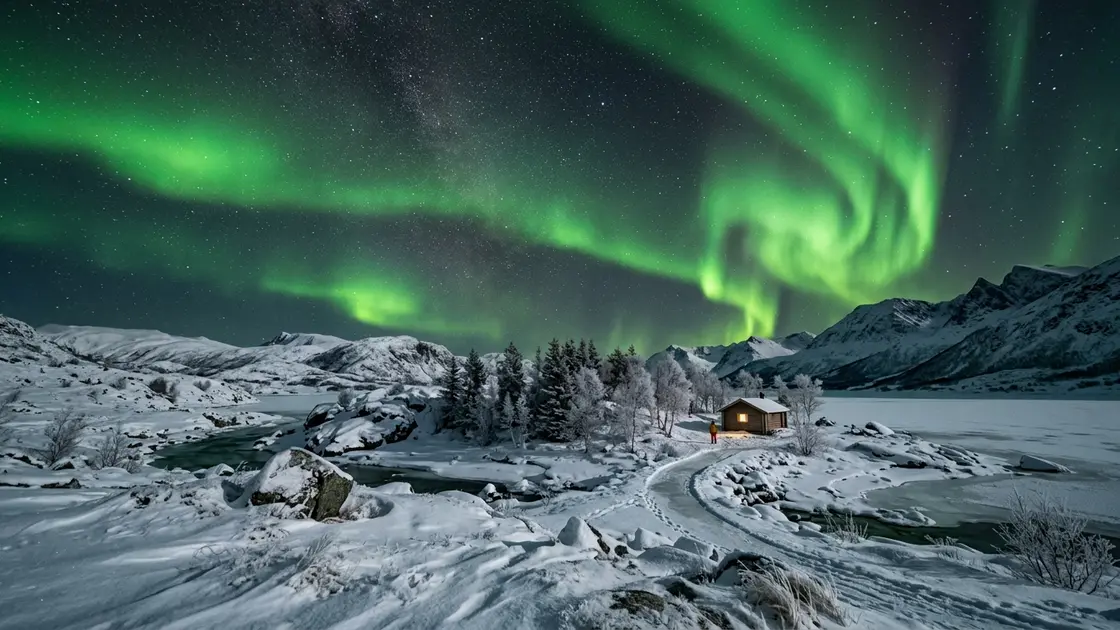
In-town light pollution means you need either a property built for viewing or a plan to drive out most nights. Borealis Basecamp, north of the city, puts guests in glass-ceiling cabins facing north so you can watch from bed. Chena Hot Springs Resort, about an hour out on Chena Hot Springs Road, pairs aurora viewing from Charlie Dome with geothermal soaking pools and the Aurora Ice Museum, a genuinely good way to pass the cold hours between shows. In town, Pike's Waterfront Lodge works if you'd rather book a guided van tour each night and keep city amenities as your base. For a side-by-side comparison, see the guide to Fairbanks aurora lodges.
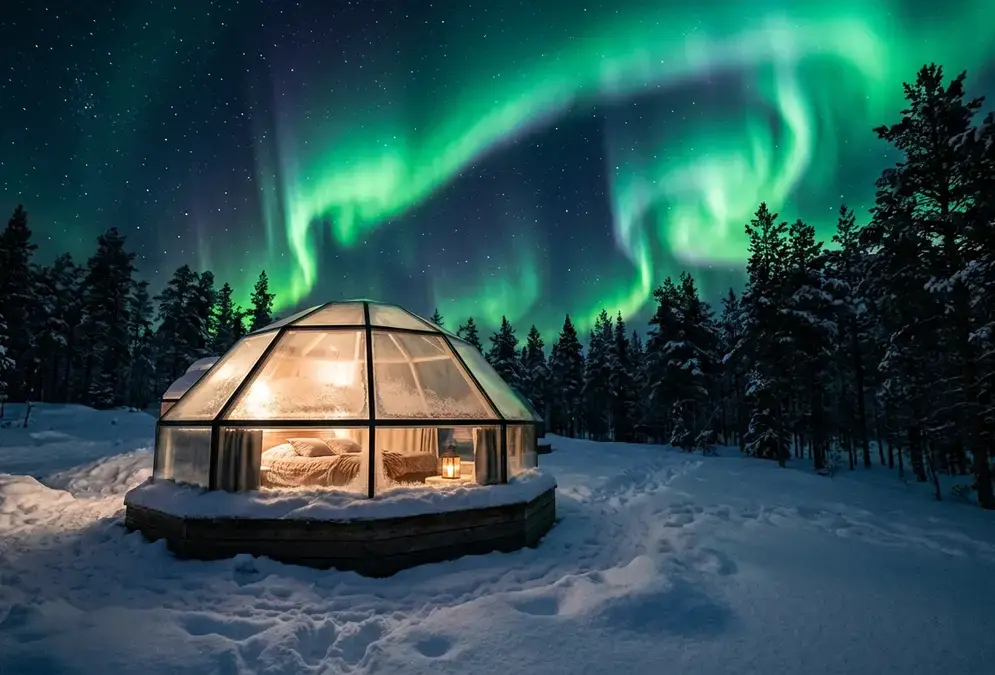
Best best indoor viewing
Floor-to-ceiling windows built for watching the aurora indoors
Best best homestead charm
280-acre family homestead; watch from the porch, no dome or window
Best best in-town convenience
Borders a 2,000-acre wildlife refuge for open sky without leaving town
Best best on a budget
Free heated Aurora Conservatory; rates from about $117 a night
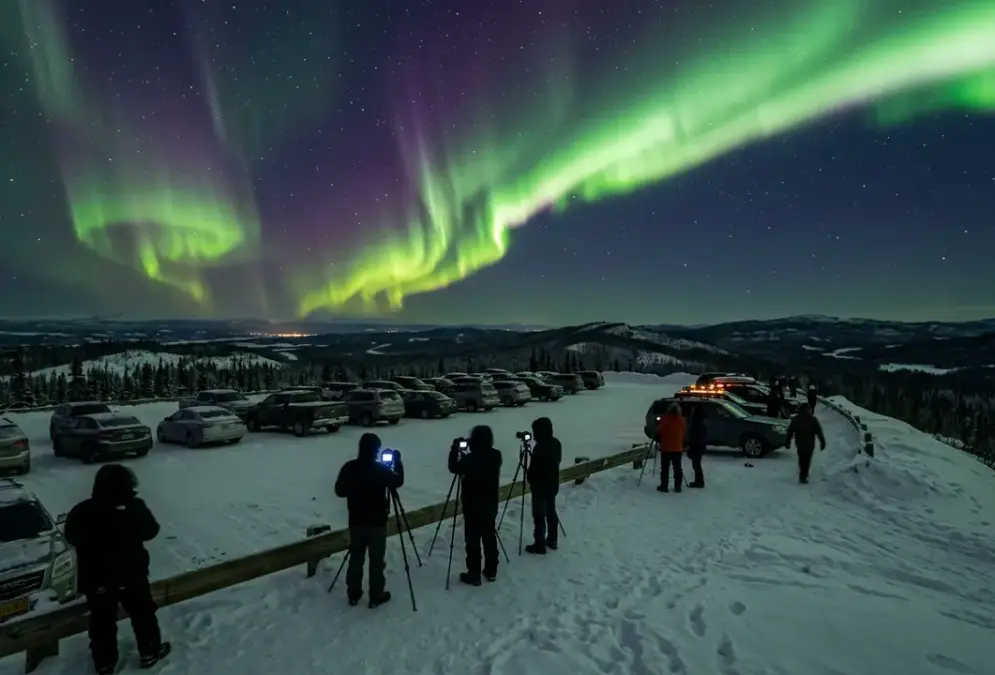
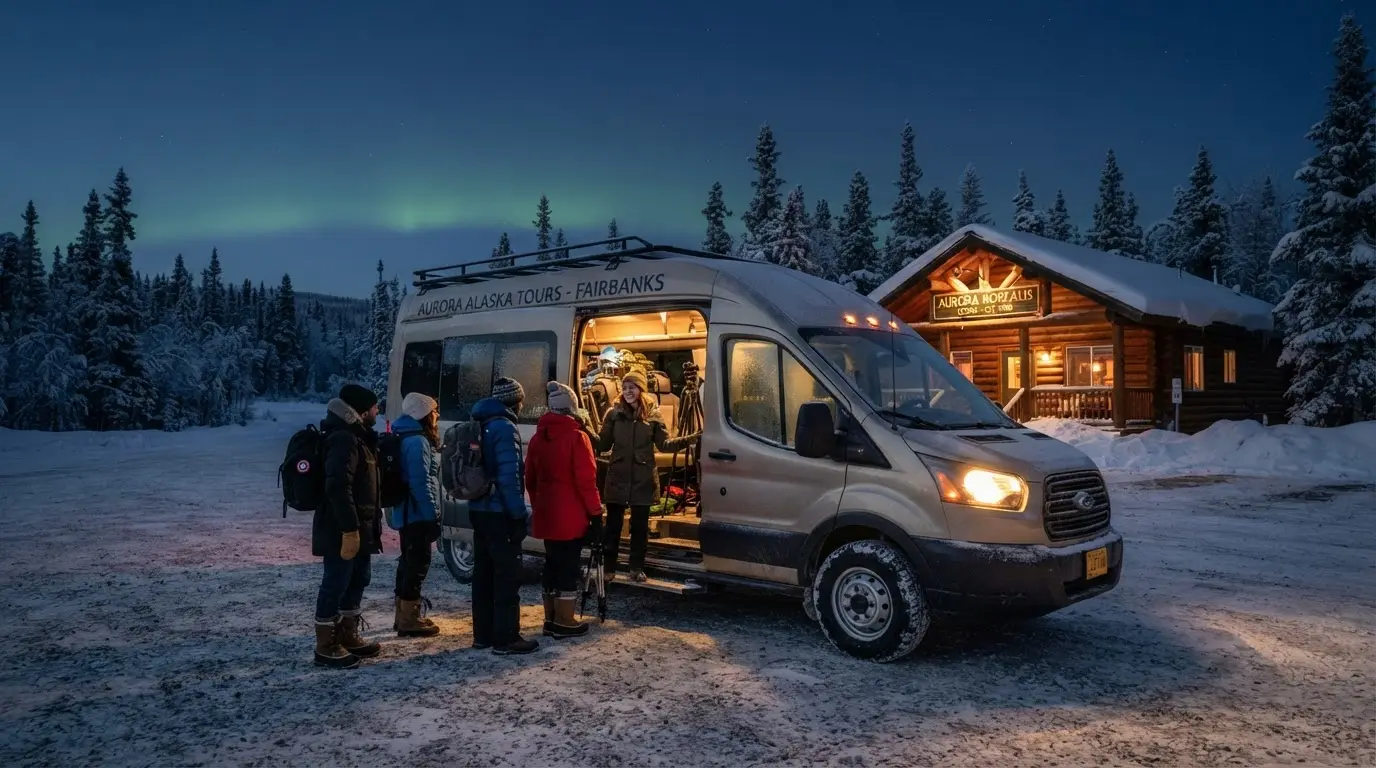
The single biggest lever any visitor has is distance from downtown: driving even 20 to 30 minutes out of Fairbanks improves the sky dramatically, even on nights when the in-town view looks hopeless. Cleary Summit, about 20 miles out on the Steese Highway at 2,233 feet, is the most accessible option, with a wide, open northern horizon above the city's light dome. Murphy Dome, roughly 25 miles and a 40-minute drive from downtown, climbs to 2,877 feet, the highest point close to the city and a longtime local favorite. Chena Lakes, east toward North Pole, works as a closer-in alternative on nights you don't want to drive far. If you'd rather not navigate dark, icy roads solo, book a guided aurora viewing tour: a driver-guide who already knows which pull-off is clear tonight is worth the fee.
Night tour from Fairbanks: aurora hunting plus a soak in 90–110°F geothermal pools at Chena Hot Springs Resort, 60 miles northeast. Aurora Ice Museum included.
Guided aurora photography tours in Fairbanks with hands-on camera coaching, tripod rental, and remote dark-sky sites up to 100 miles from city lights. From $95.
Fairbanks aurora tours from $235. At 64.8°N under the auroral oval, the northern lights appear 240+ nights a year. Compare operators and guarantee policies.
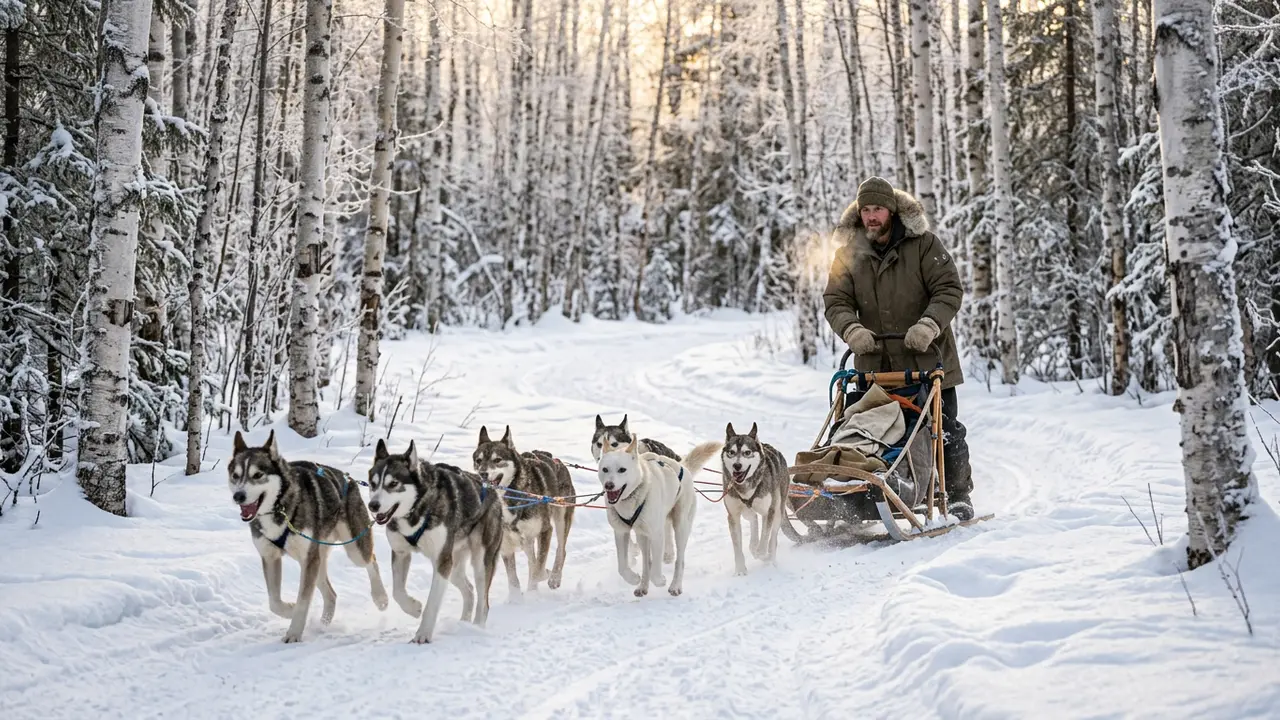
Drive a husky team through Fairbanks backcountry on tours from $49. Iditarod-veteran dogs, warm gear provided. Best combined with an evening aurora chase.
Aurora watching means long stretches of daytime with nothing to look at yet, and Fairbanks fills that time well. The Aurora Ice Museum at Chena Hot Springs, chilled below freezing year-round, has an ice bar serving drinks in glasses carved from ice. Dog sledding tours run out of several kennels around town, some paired directly with evening aurora packages. The University of Alaska Museum of the North covers Arctic wildlife, Alaska Native cultures, and the geology of the interior, a solid option for a too-cloudy-for-aurora afternoon. Soaking in Chena's geothermal pools at -20°F, snow piled on the rim and steam rising off the water, is worth the trip even before the sky does anything. For deeper planning, read when to see the northern lights in Fairbanks, stargazing and aurora watching at Chena Hot Springs, and how to read the Fairbanks aurora forecast before committing to a night out. For a full rundown of daytime options, see things to do in Fairbanks in winter beyond the aurora.
Reporter notebook
Geomagnetic activity tends to spike near the spring and fall equinoxes, a pattern researchers call the equinox effect. Combine that with February–March's colder, clearer high-pressure pattern and you get the best odds of the season, without the -40°F extremes of December and January.
Aurora viewing means parking yourself in one spot for an hour or more at -20°F or colder. A base layer, insulated mid-layer, and a proper expedition-grade parka matter more than how many miles you plan to walk. Pack hand and toe warmers; most visitors regret not bringing them.
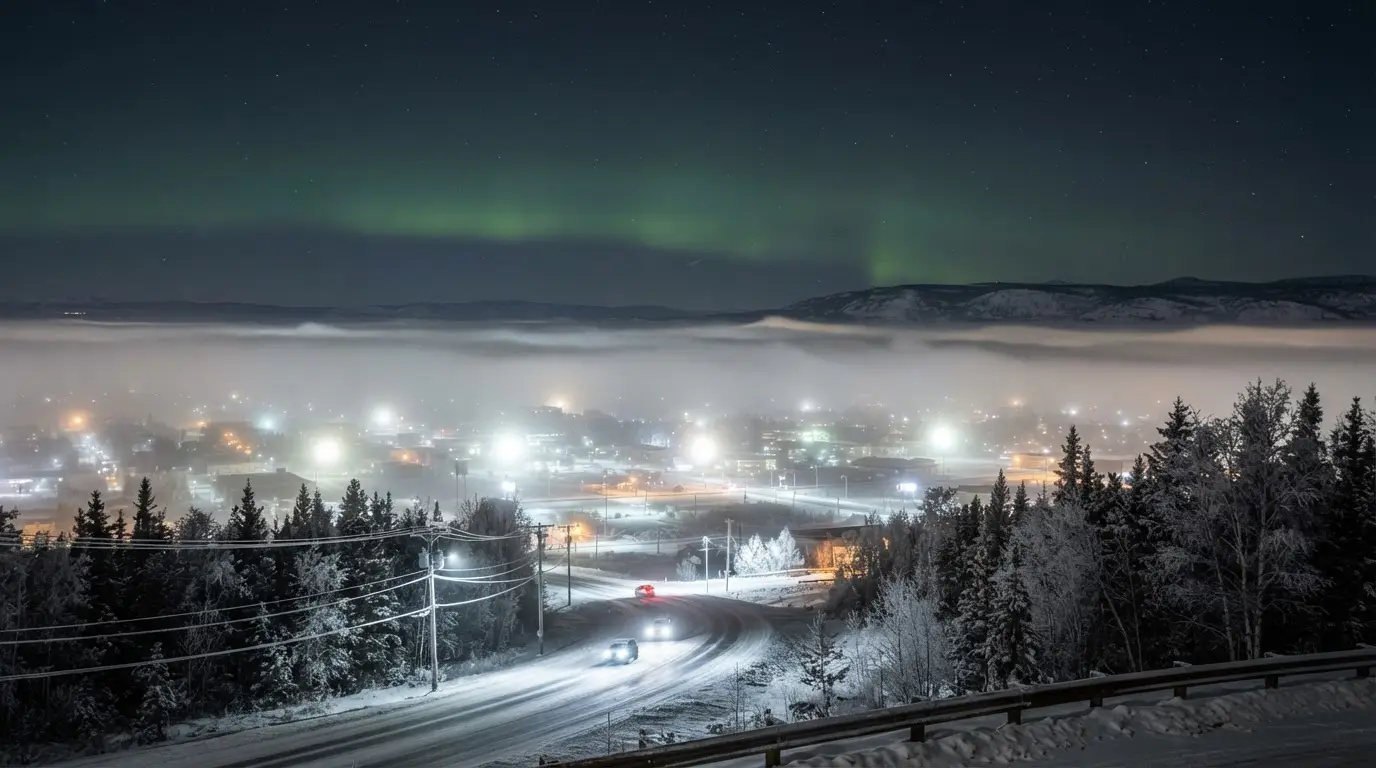
Downtown Fairbanks light and low cloud can make a night look dead when the sky 20–30 minutes out at Cleary Summit or Murphy Dome is wide open. Check the UAF Geophysical Institute forecast, then drive before you give up on the night.
Further reading
Plan your 2026-27 aurora trip: why September to April is prime season, when equinox storms peak, and which destinations worldwide offer the best viewing odds.
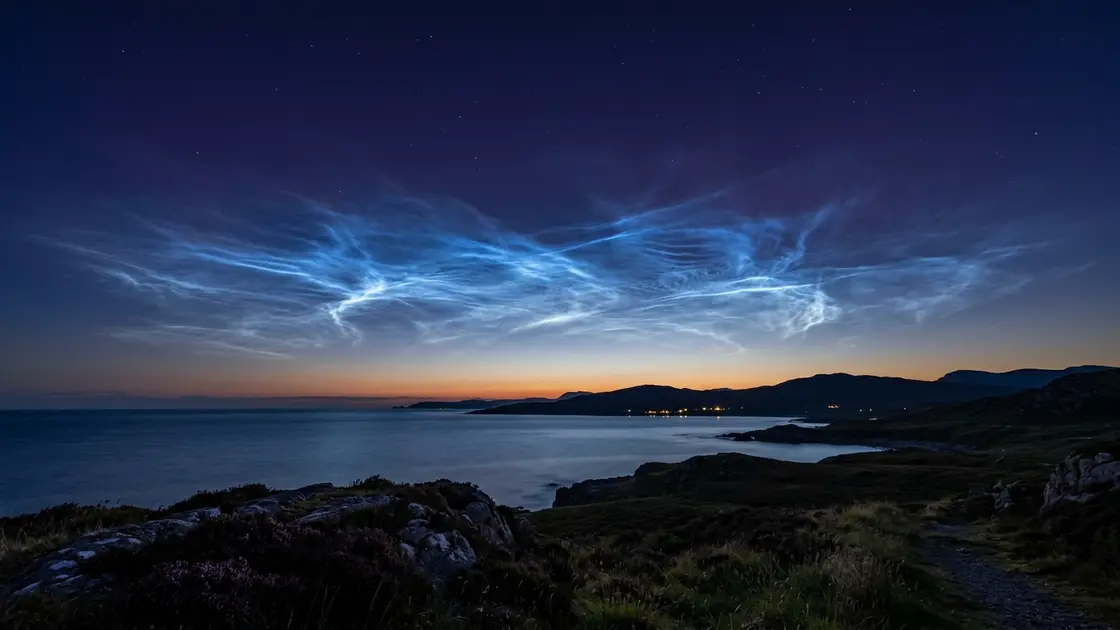
Noctilucent clouds glow silvery-blue over high-latitude skies mid-May through August, peaking in July. Here's when and where to see summer's aurora alternative.
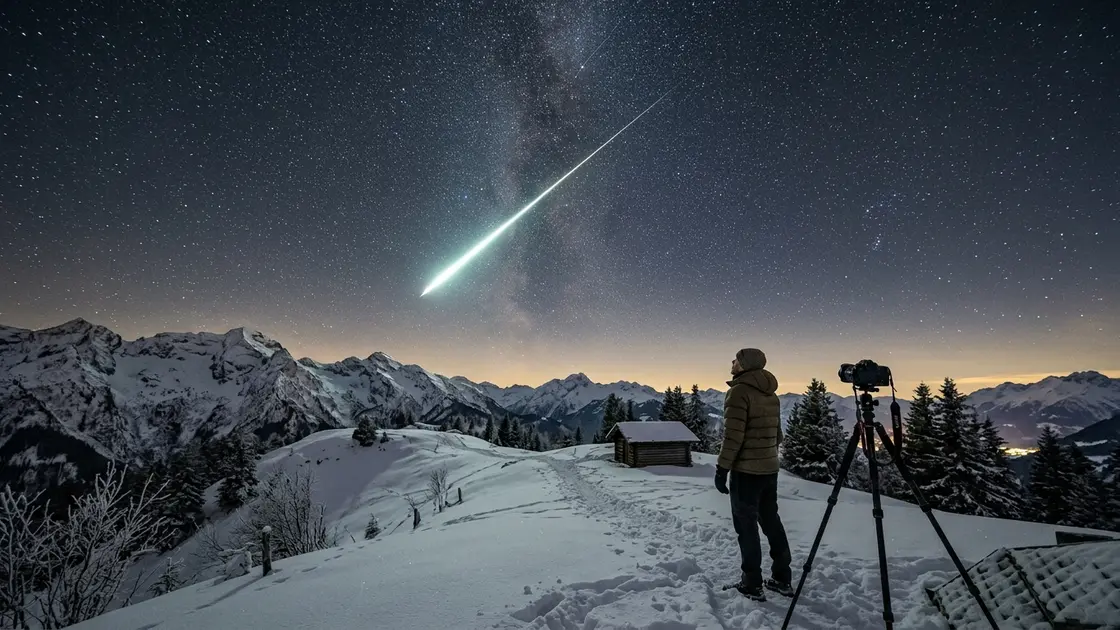
Quadrantid meteor shower 2027 peaks Jan 3-4 with a sharp ~6-hour window, ZHR up to 120, radiant in Boötes, parent asteroid 2003 EH1. Northern hemisphere best.
Finland · Best Sep–Oct & Feb–Mar
Finnish Lapland's whole-region aurora guide: glass igloos, Santa Claus Village, six bases from Rovaniemi to Inari, aurora season Sep–Mar, no road drama.
Sweden · Best Aug-Apr
Abisko's rain-shadow microclimate keeps skies clear when nearby Arctic spots cloud over. Aurora season, the Sky Station, ICEHOTEL, and getting there by train.
Iceland · Best Sep–Oct & Feb–Mar
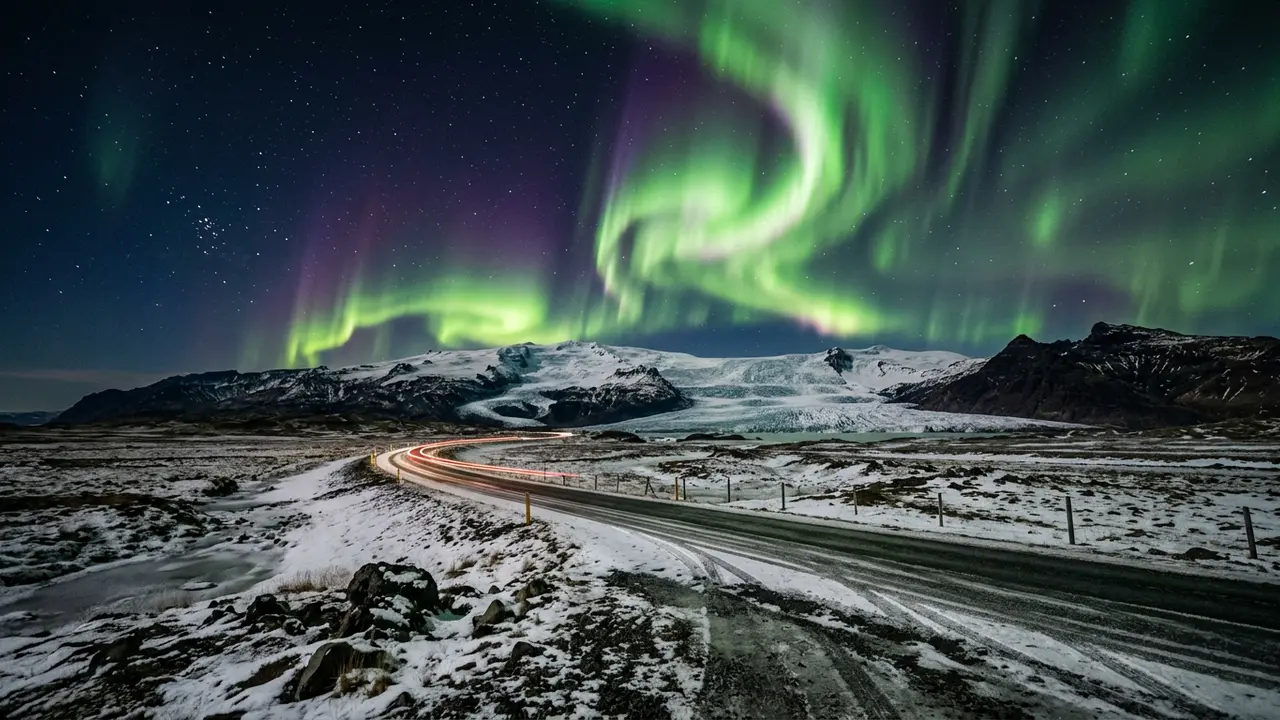
Iceland's whole-country aurora guide: best regions to base in, aurora season Sep–Mar, ice caves, winter driving reality, and where cloud cover ends every plan.