Lodges by region

Lodges Across the Aurora Belt

28 lodges across 6 dark-sky areas

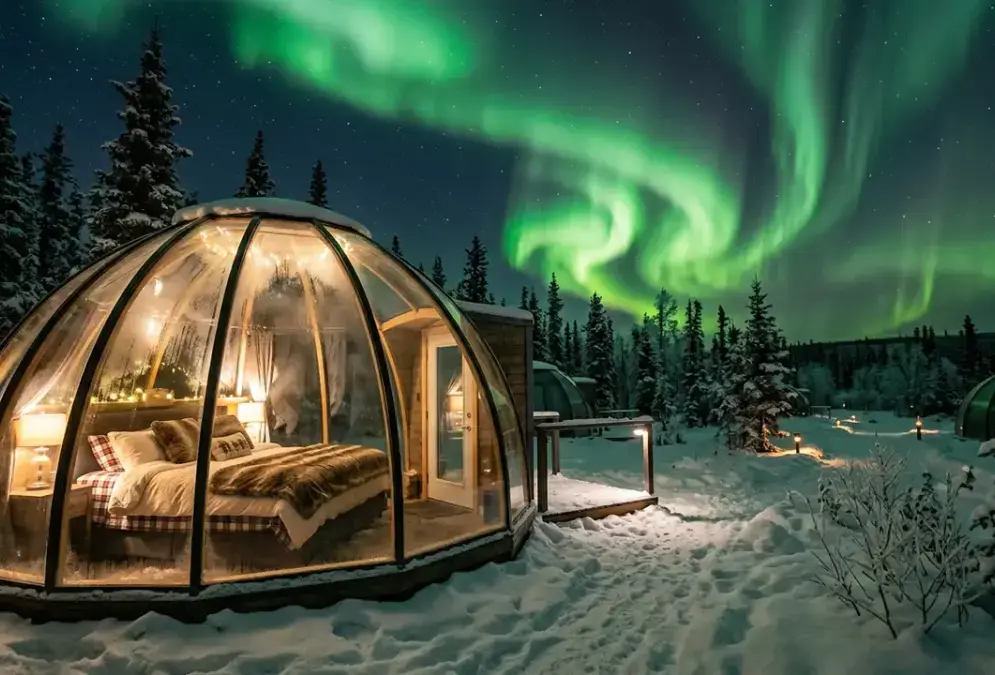
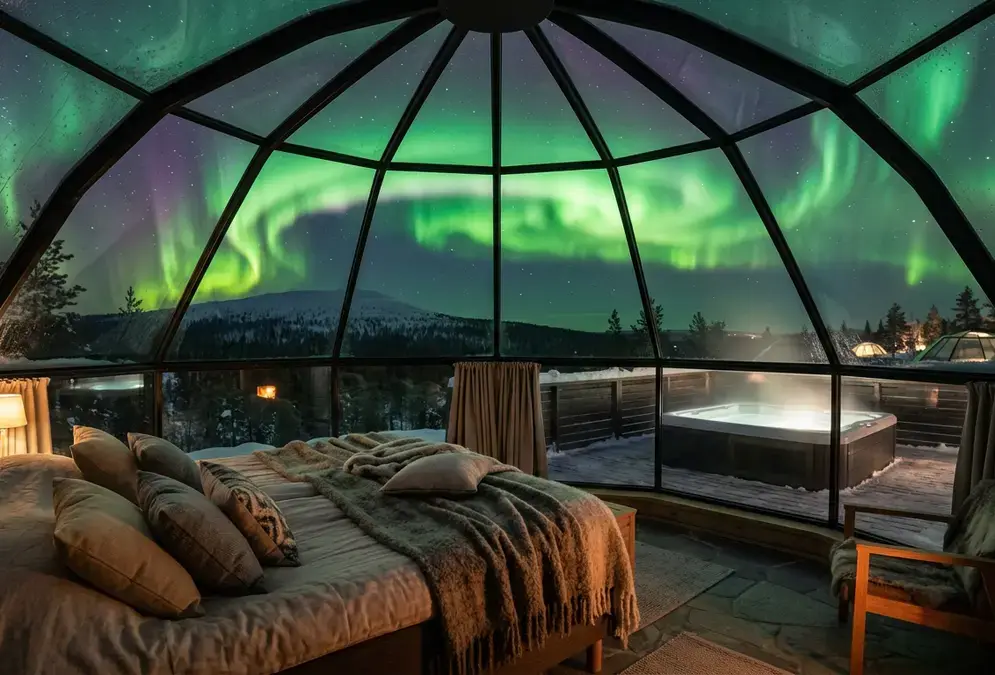
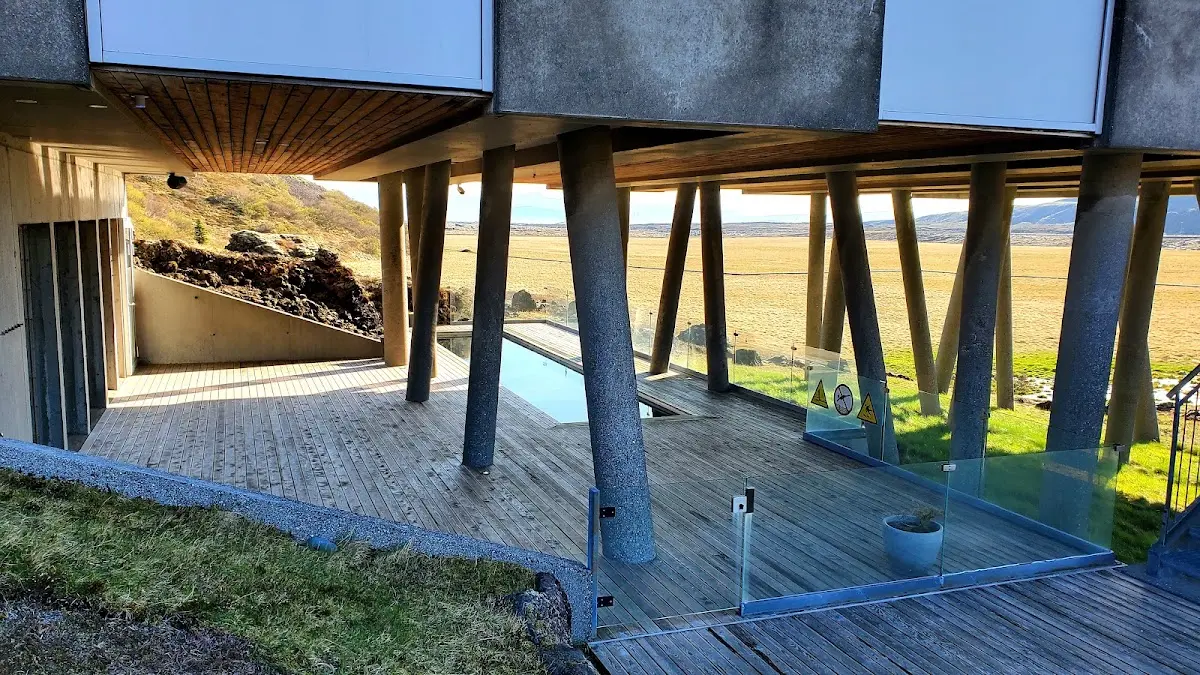
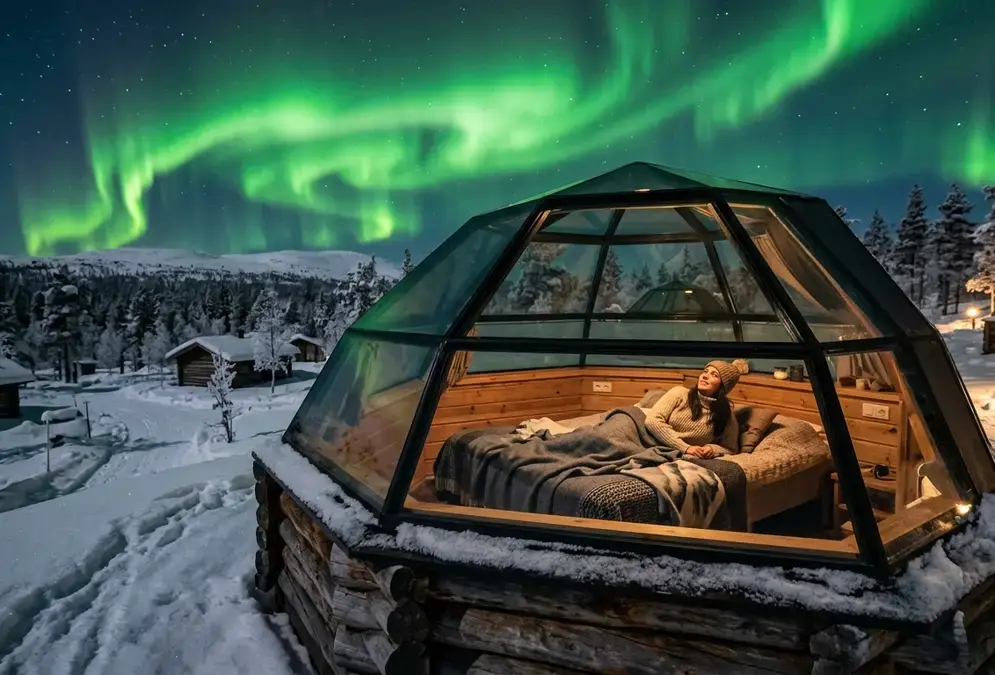
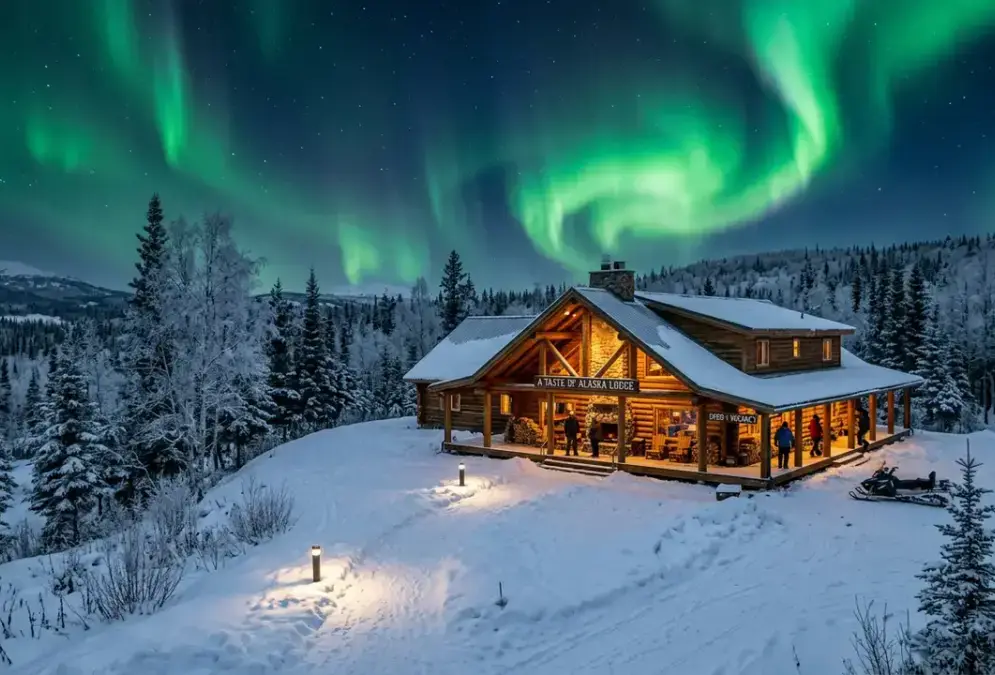
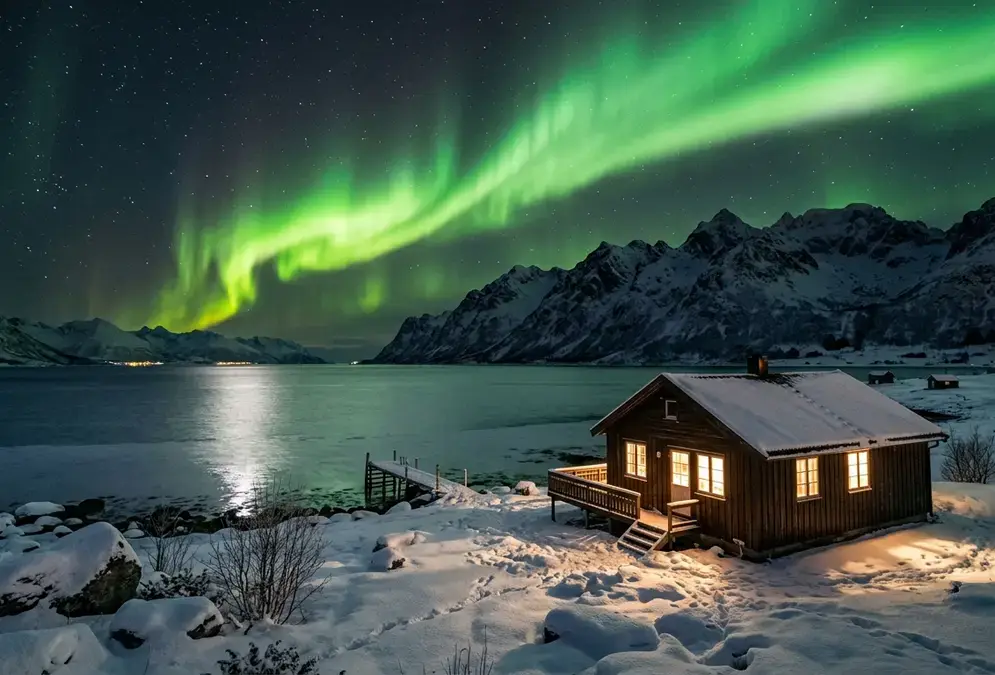
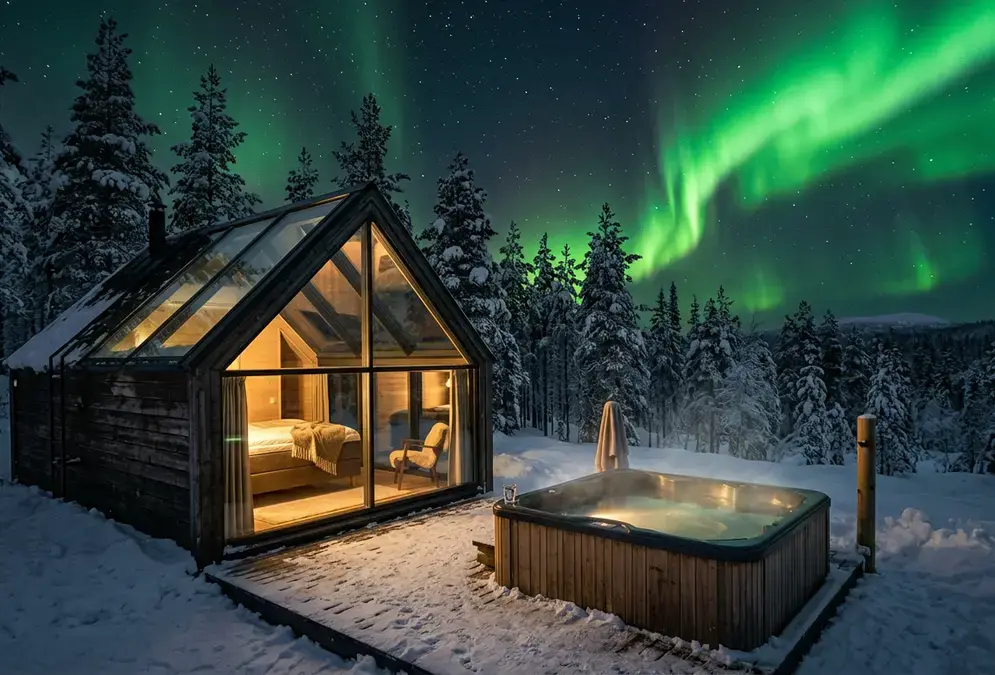
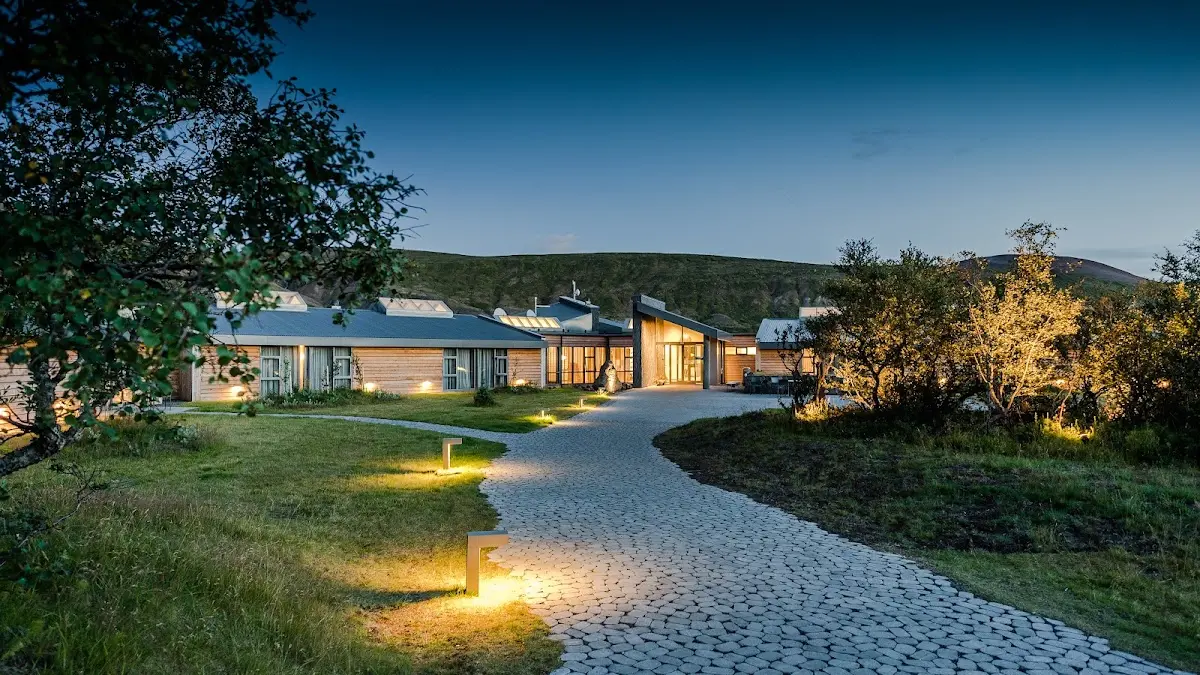
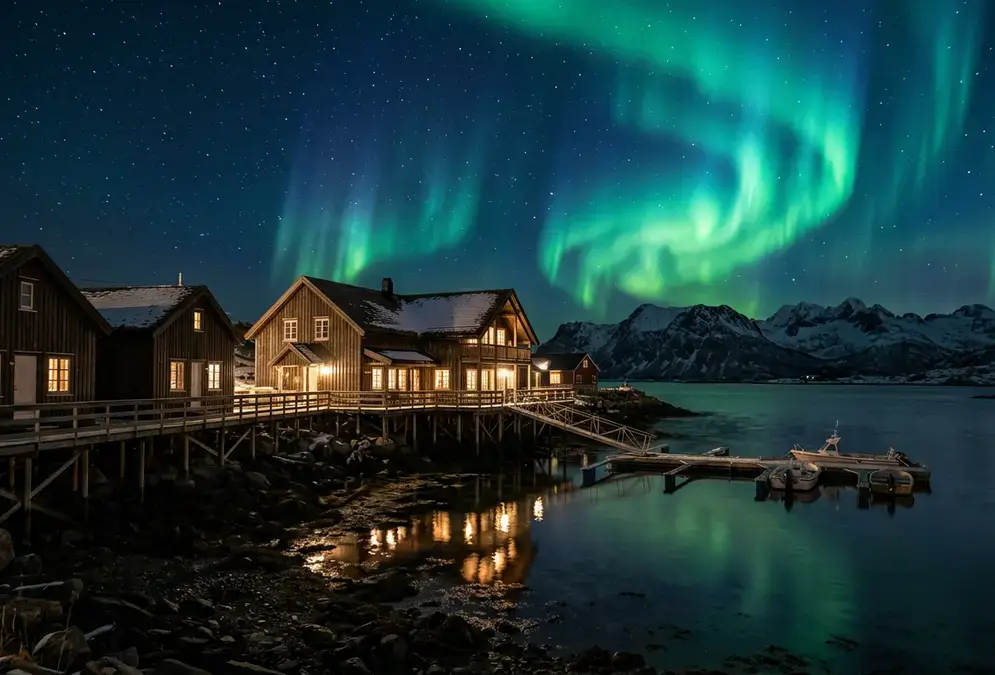
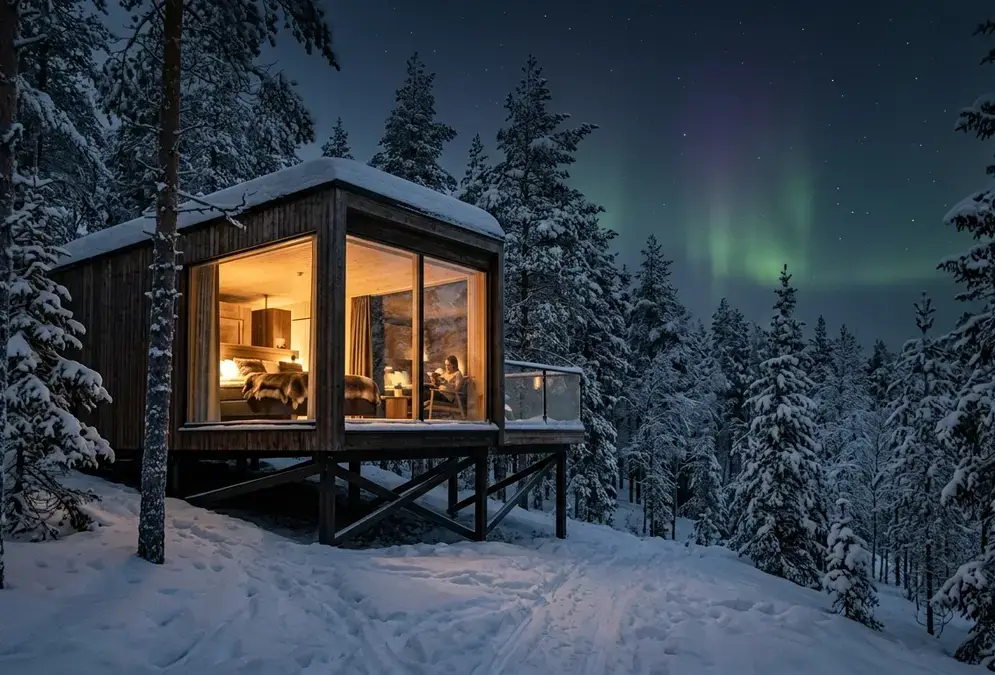
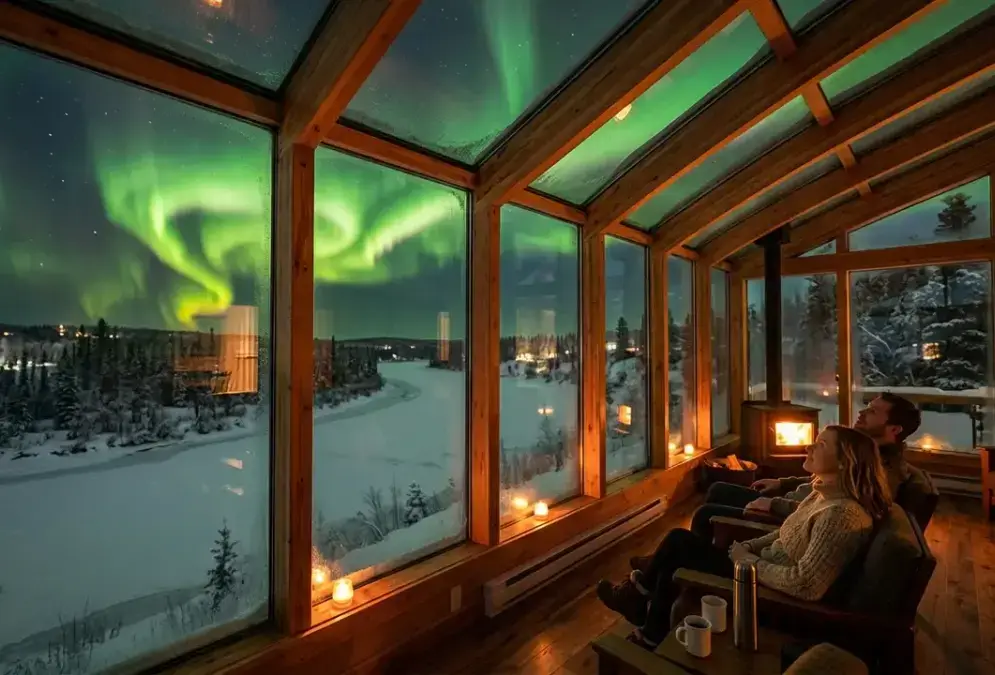
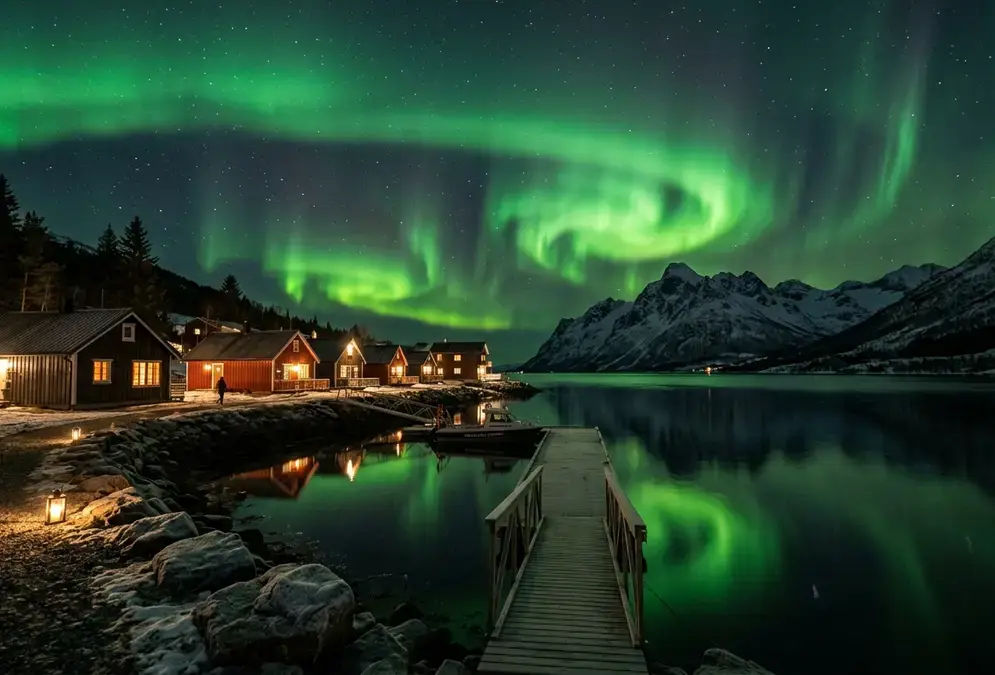
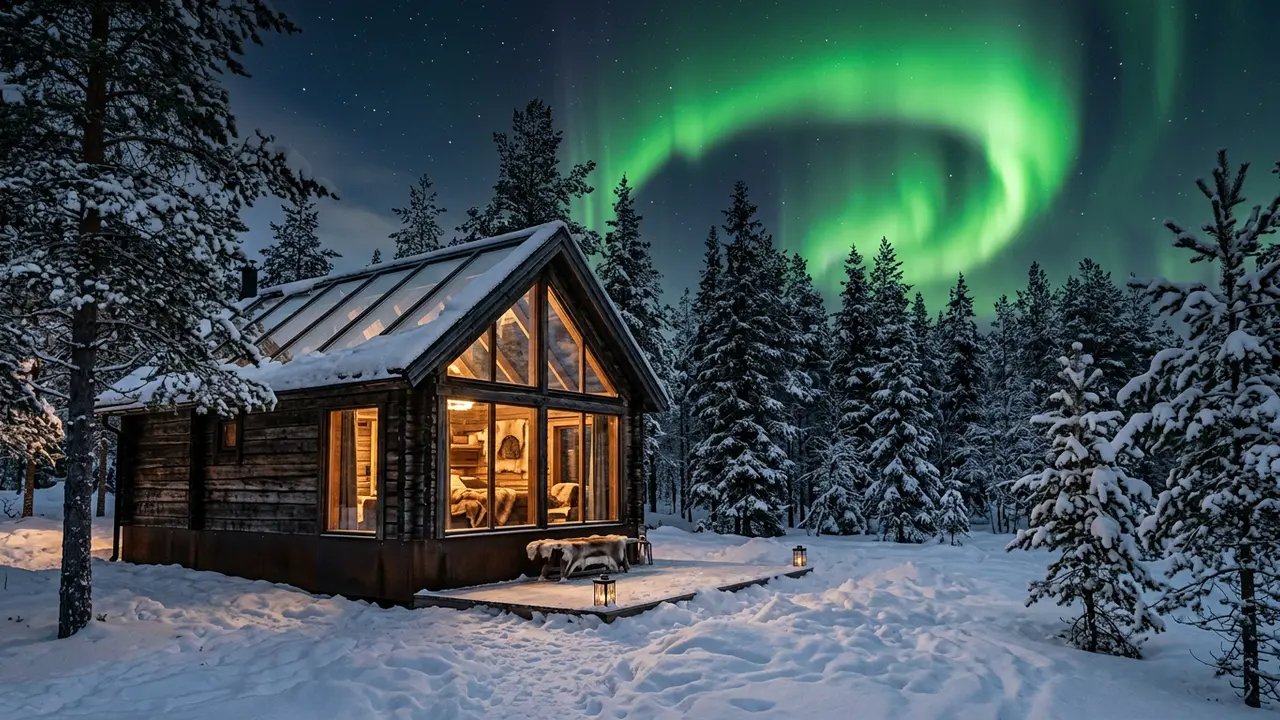
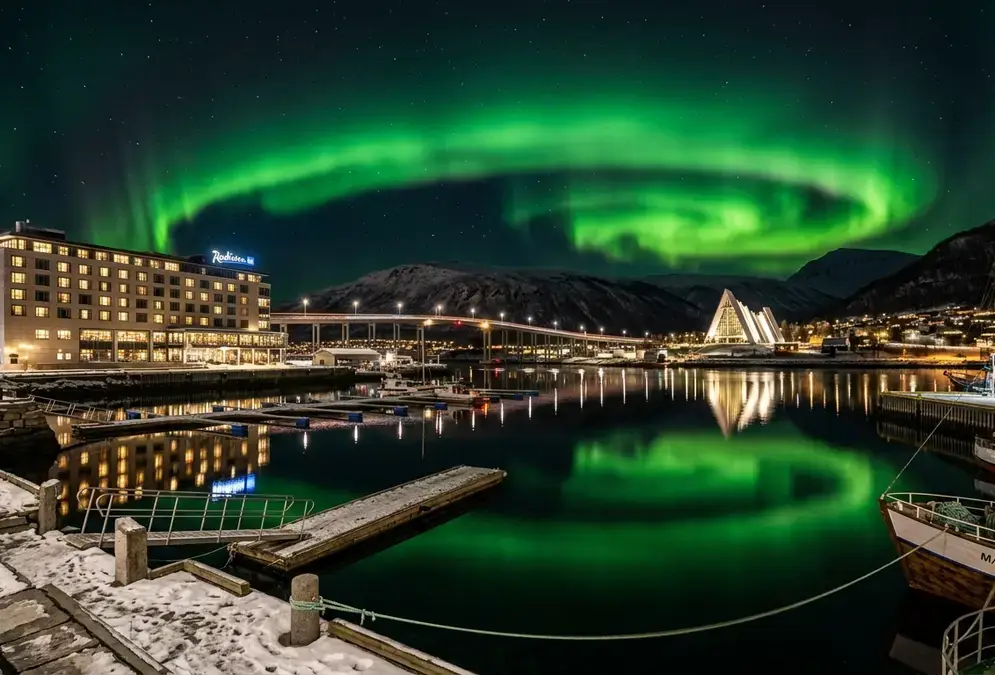
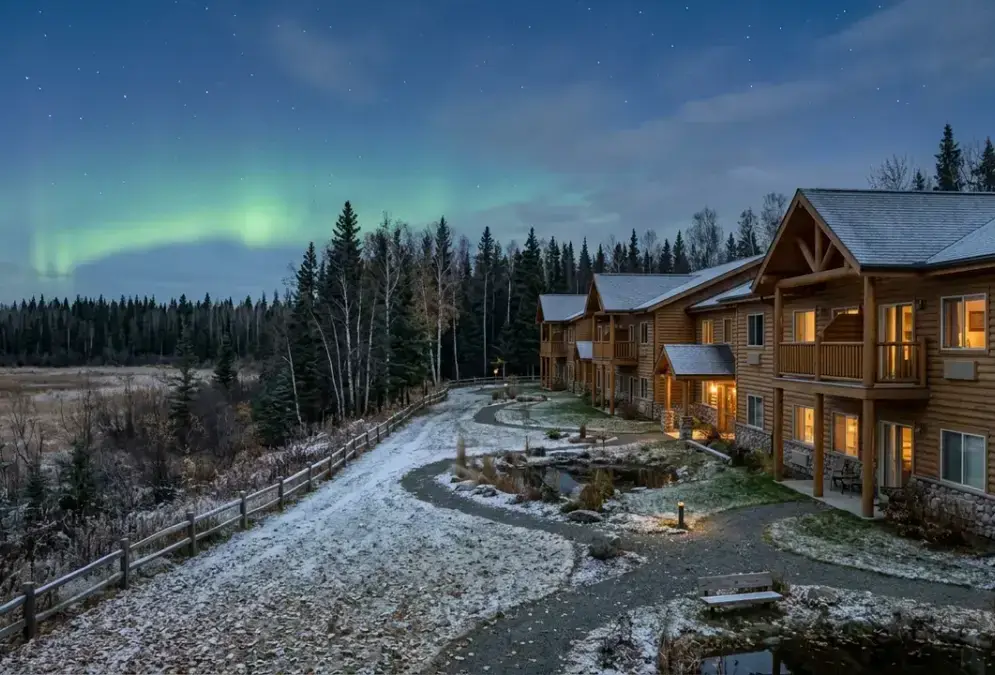
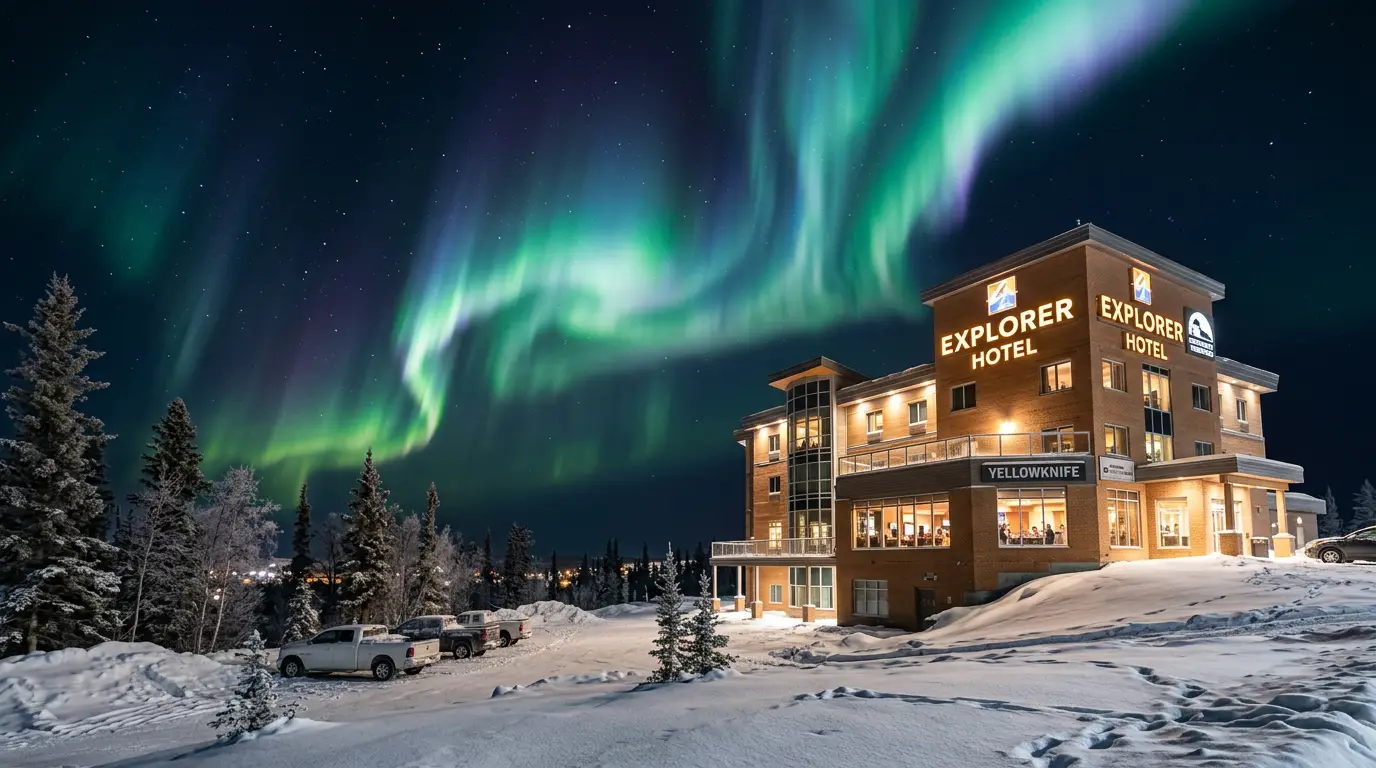
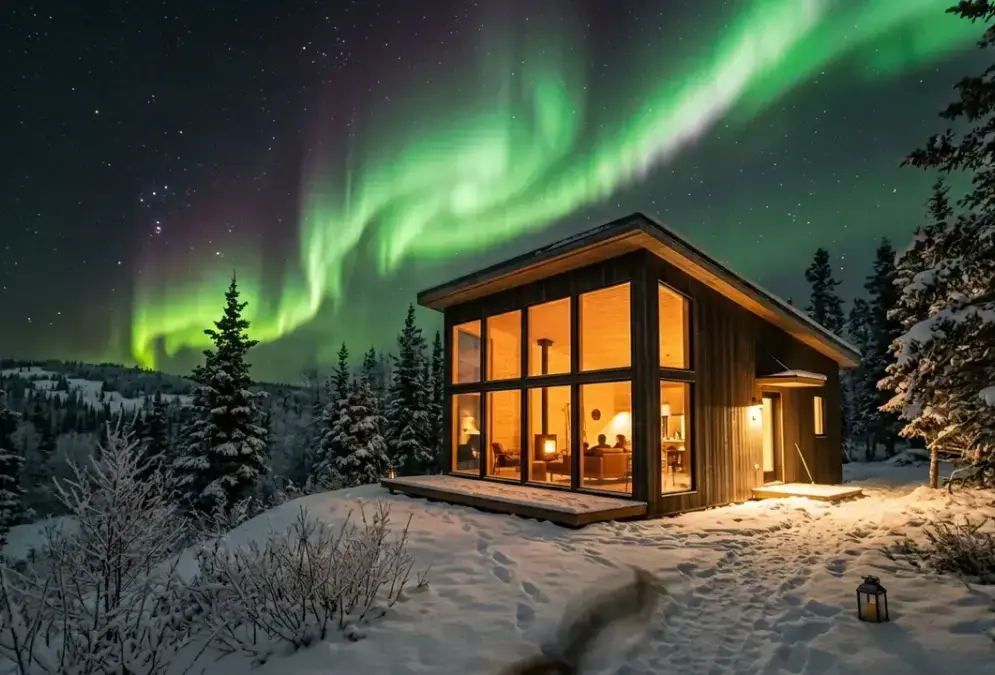
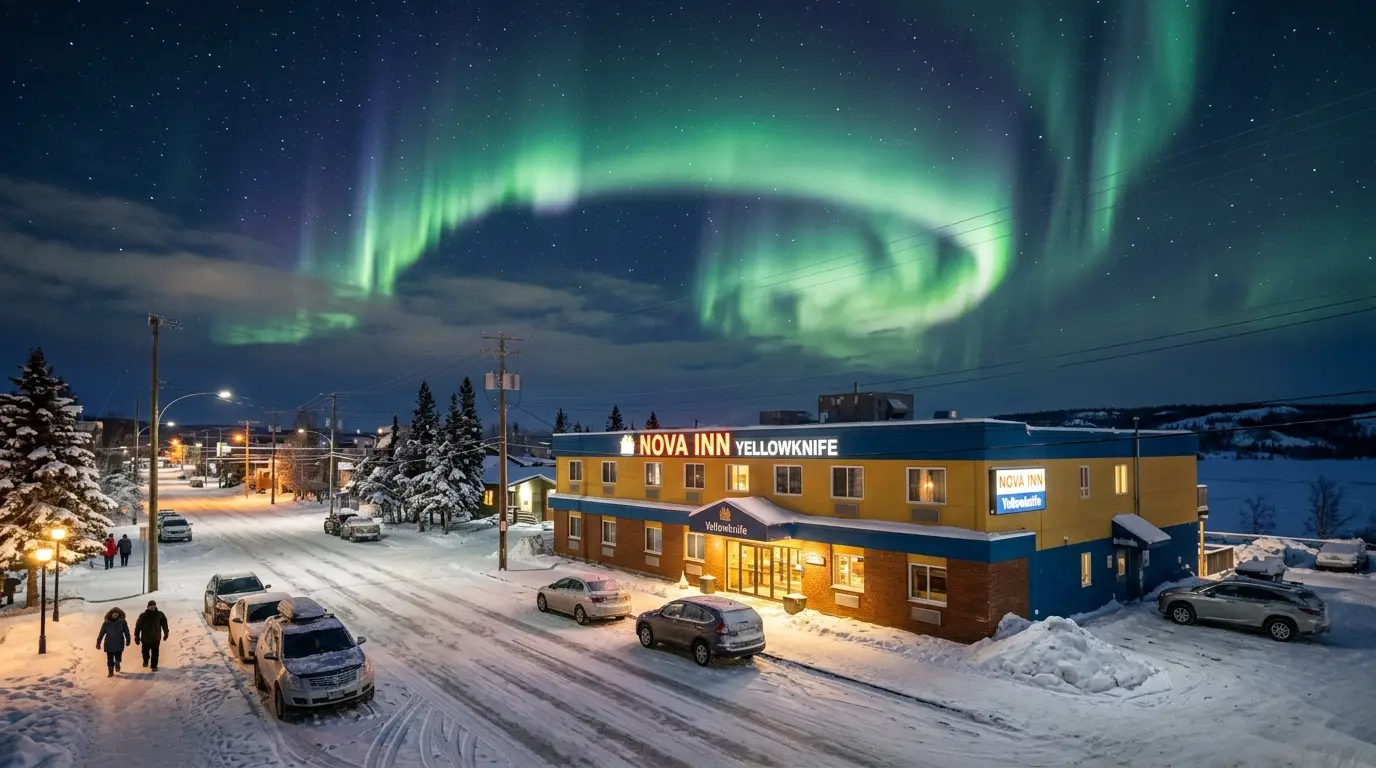
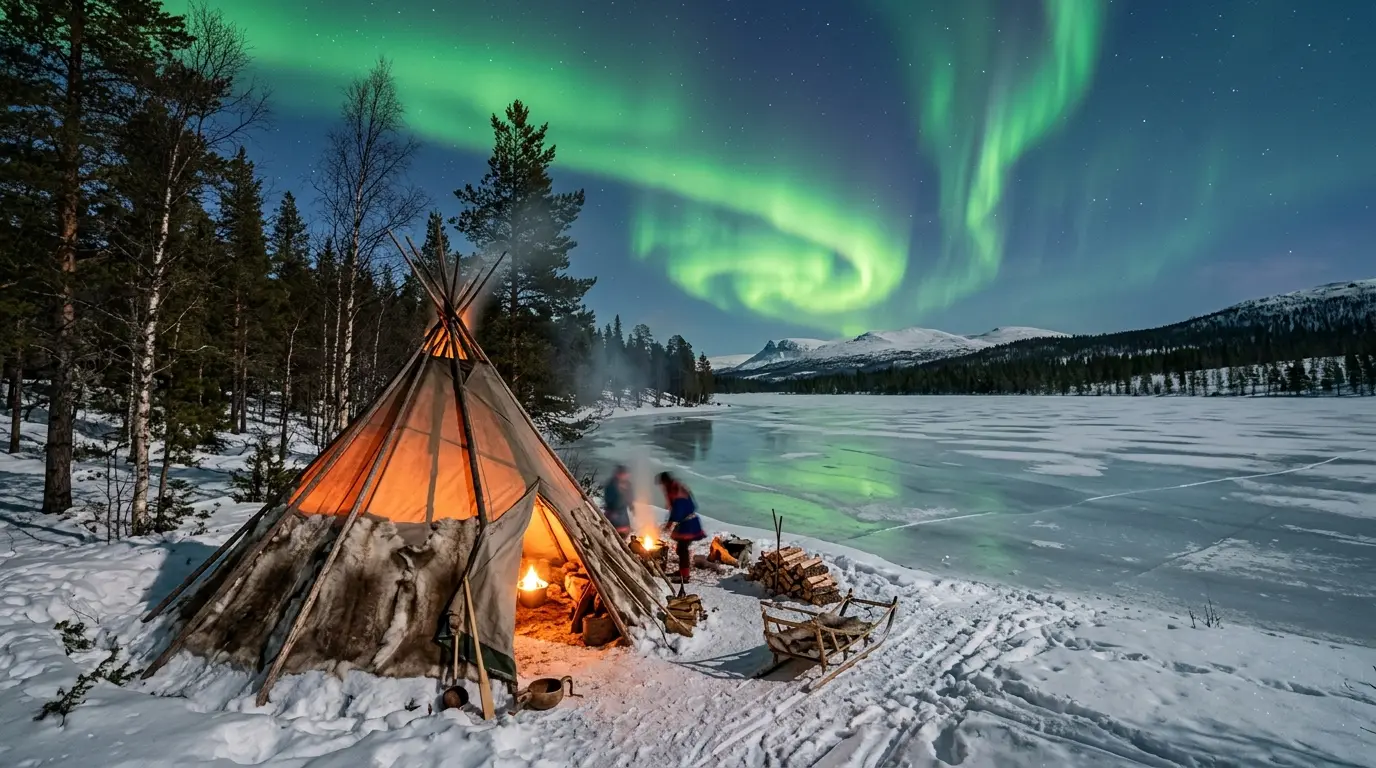
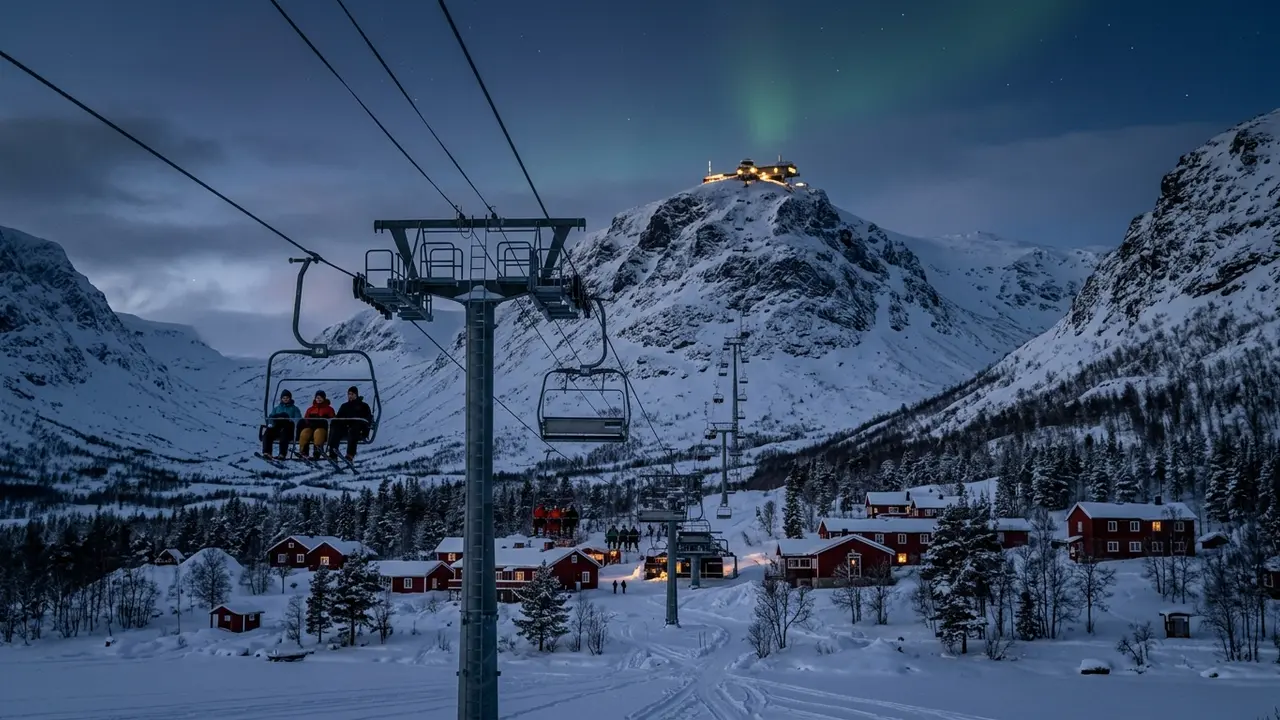
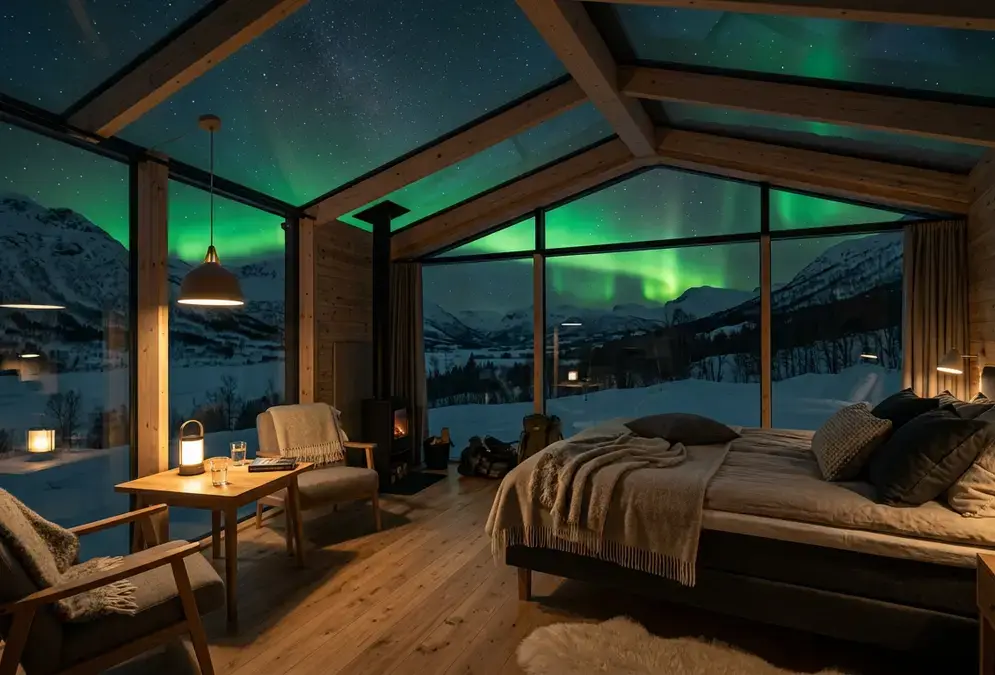
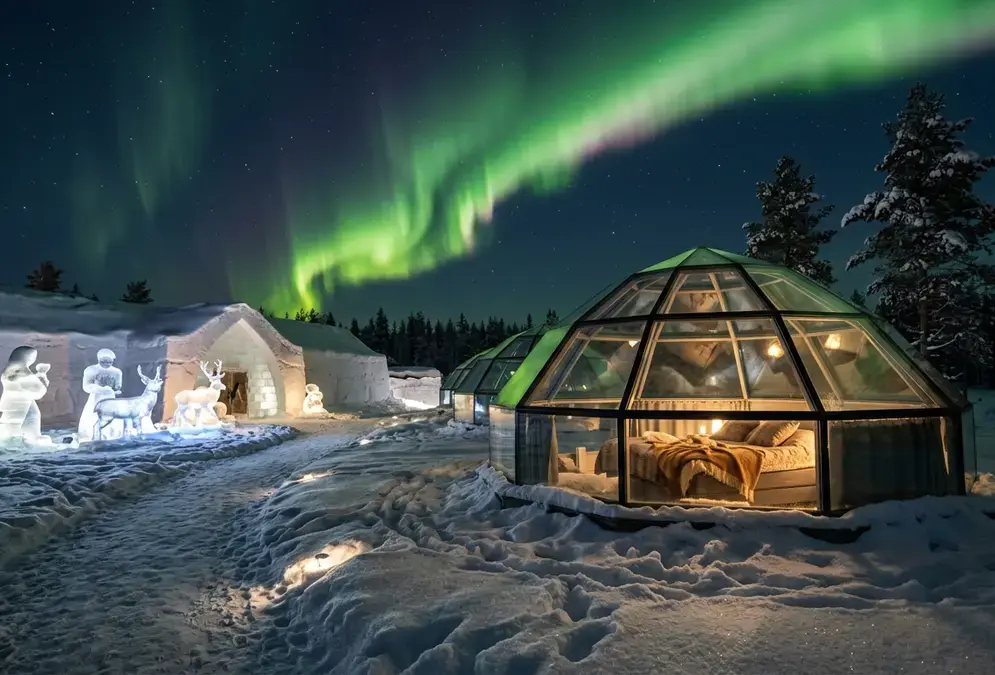
The Aurora Belt runs across the far north: Abisko in Swedish Lapland, Finnish Lapland's forests, Tromsø on the Norwegian coast, Iceland's ring road, Fairbanks in interior Alaska, and Yellowknife on Great Slave Lake. Each sits inside the auroral oval, the band around 65-72 degrees latitude where the Kp index needs less of a push to put green light overhead. What separates these lodges from a generic northern hotel is orientation: glass roofs angled at the sky, wake-up calls when the aurora forecast spikes, and staff who actually track the Kp index rather than just hoping for a good night.

Season runs September through April, with the long, dark stretch from November to February giving you the most hours of usable darkness. Cloud cover, not the aurora itself, is usually what ruins a trip, so the lodges below are picked as much for their weather patterns and light-pollution readings as for the rooms. Some regions (interior Alaska, the Finnish forests) run drier and clearer more nights than coastal stops like Tromsø, where Atlantic weather rolls in fast. Pick your base by season length and sky odds first, room style second, and you'll do better than chasing a single famous location.
Where to base yourself

Each area below has its own ranked roundup guide with the shortlist, prices and the catch.

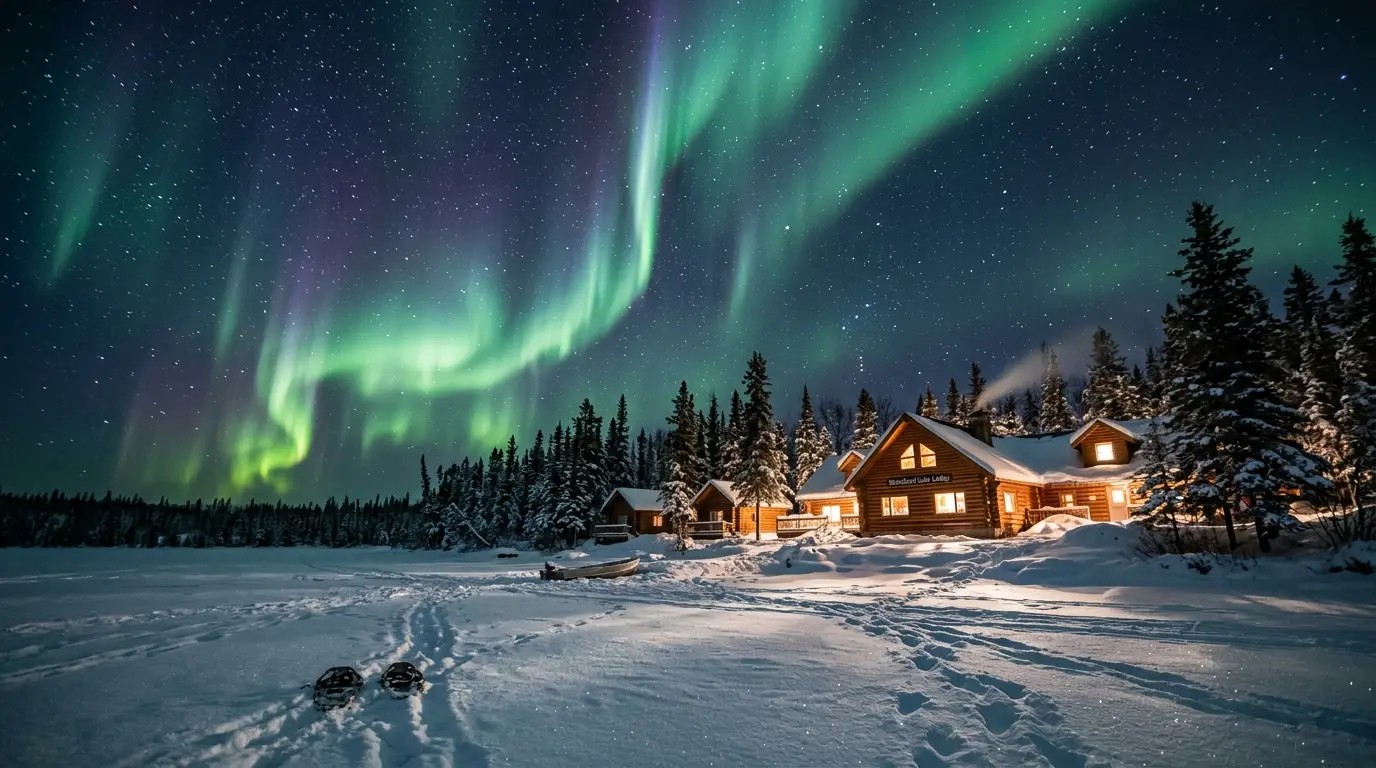
Blachford Lake Lodge
Luxury
$$$$ · 3-night all-inclusive from $4,184 CAD/person (summer) to $6,327 CAD (holiday), incl. bush plane transfer, meals, activities

Blachford Lake Lodge

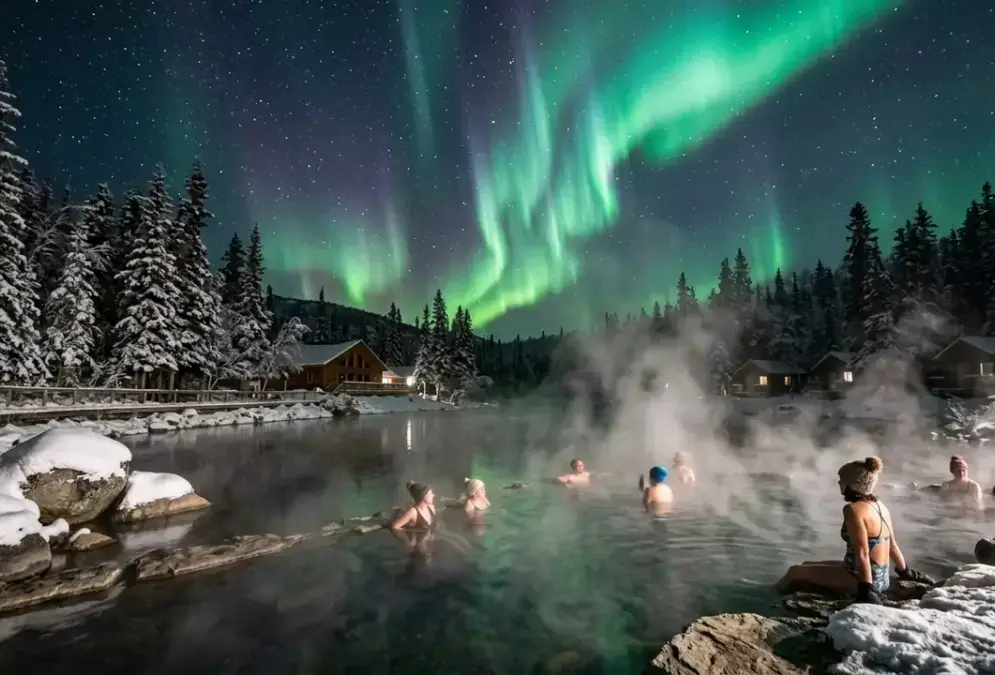
Fly-in wilderness lodge on Great Slave Lake under the Auroral Oval: 240+ aurora nights/year, 98% three-night sighting rate. Book direct via Arctic Kingdom.

Bortle 1–5
Aurora wake up service: staff monitor the sky overnight and alert guests when lights are active Bush plane transfer from Yellowknife included (floats in summer, skis in winter) All inclusive gourmet dining (three meals daily) +12
View

Browse other ways

Frequently asked questions

When is aurora season across the Aurora Belt?

The aurora season runs from September through April, with the longest, darkest nights from November to February. Cloud cover varies a lot by region, so a clear night in Fairbanks can be a washout in Tromsø the same week. Book a stay of at least three nights anywhere in the belt to give yourself a real shot at a clear window.

Which parts of the Aurora Belt get the clearest skies?

Interior locations like Fairbanks and Finnish Lapland tend to run drier and clearer more nights than coastal stops such as Tromsø, where Atlantic weather systems move through fast. Yellowknife, on Great Slave Lake, also posts some of the highest counts of clear aurora nights per season in North America. None of this guarantees a display, since clear skies and an active aurora are two separate things you need at once.

Do I need a rental car to reach lodges across the Aurora Belt?

Some lodges, especially remote camps outside Yellowknife or Abisko, are only reachable by transfer or float plane, not by self-drive. Others, like properties along Iceland's ring road or near Tromsø, work fine with a rental car and a bit of route planning. Check each lodge's own transport details before booking, since access varies more across this region than most.

What Kp index do I need to see the northern lights from an Aurora Belt lodge?

At high latitudes like Abisko, Tromsø, and Yellowknife, a Kp of 2-3 is often enough on a clear night, since you're sitting close to the center of the auroral oval. Fairbanks and Finnish Lapland need a similarly low threshold most of the season. The main variable isn't the Kp forecast, it's whether the sky over your specific lodge is actually clear that night.