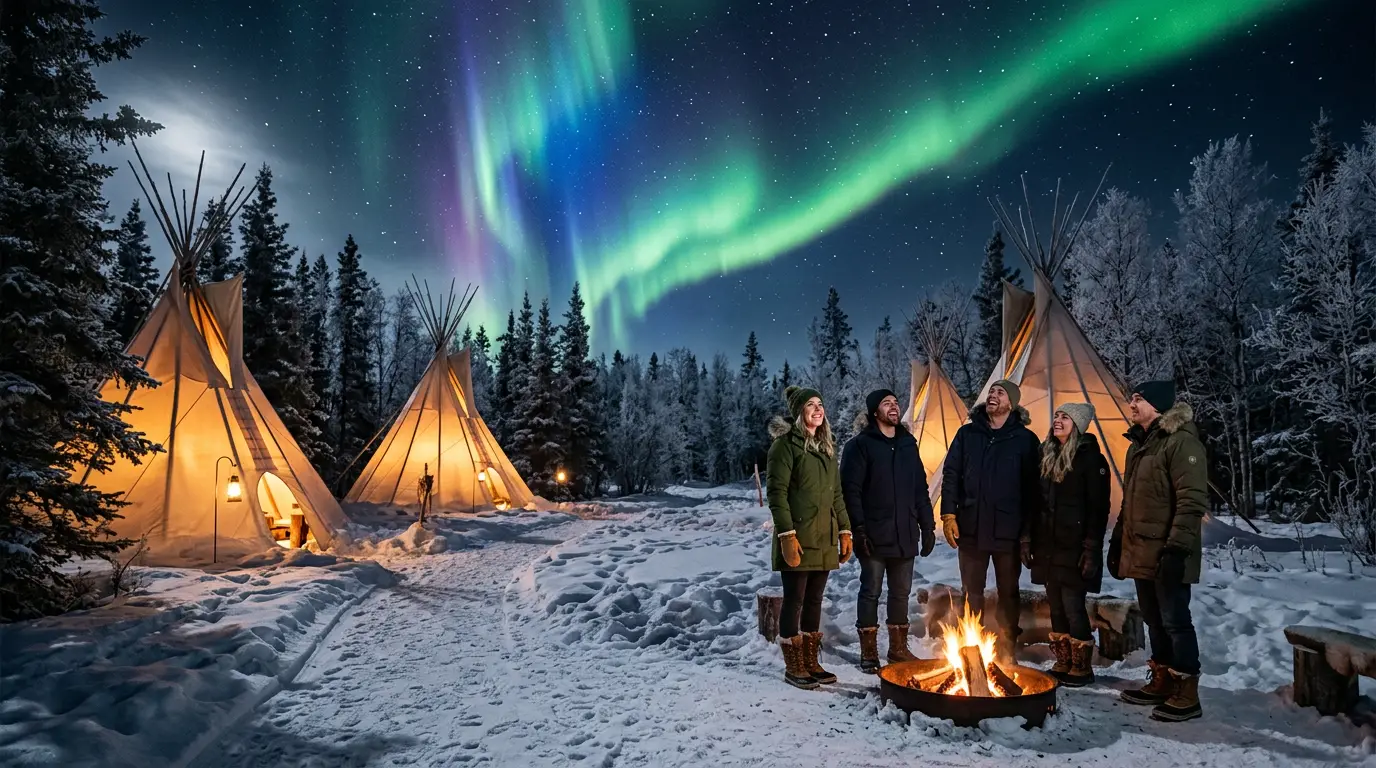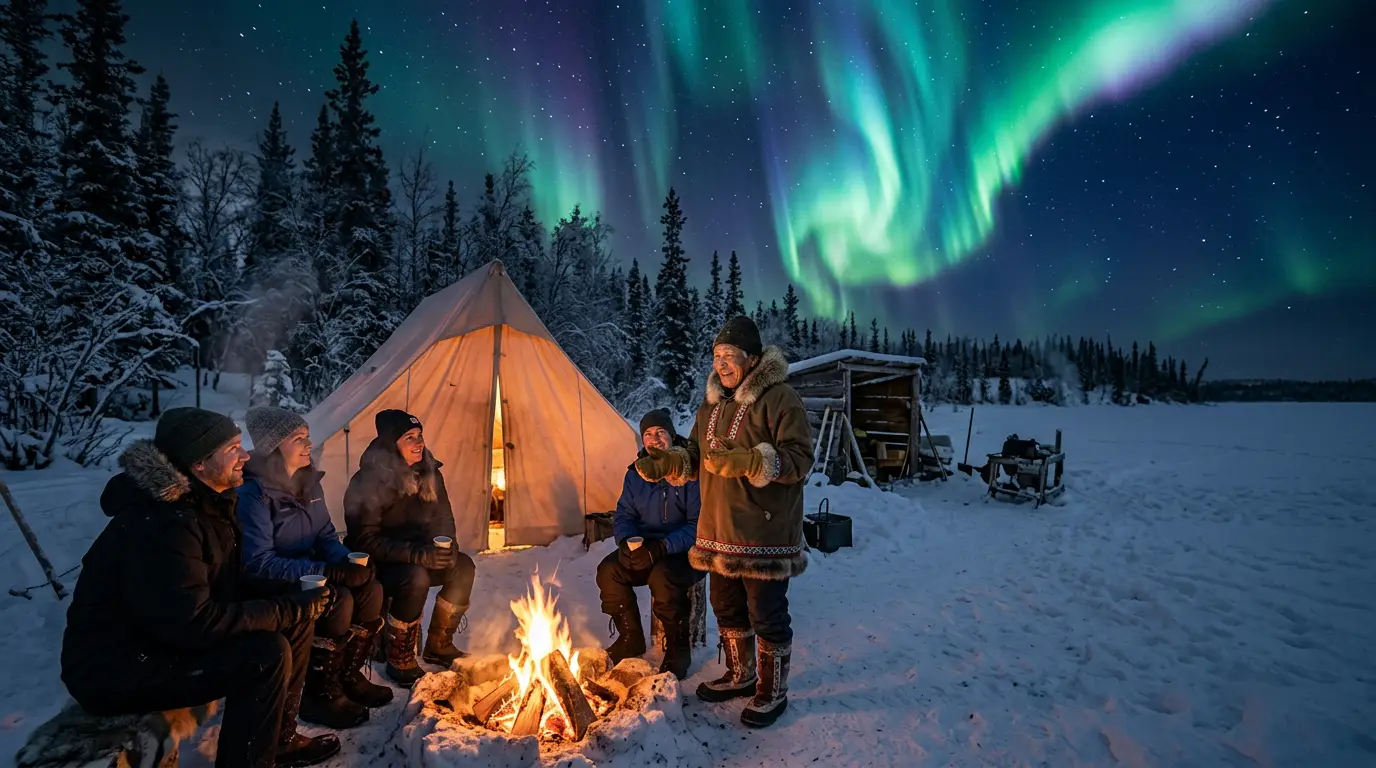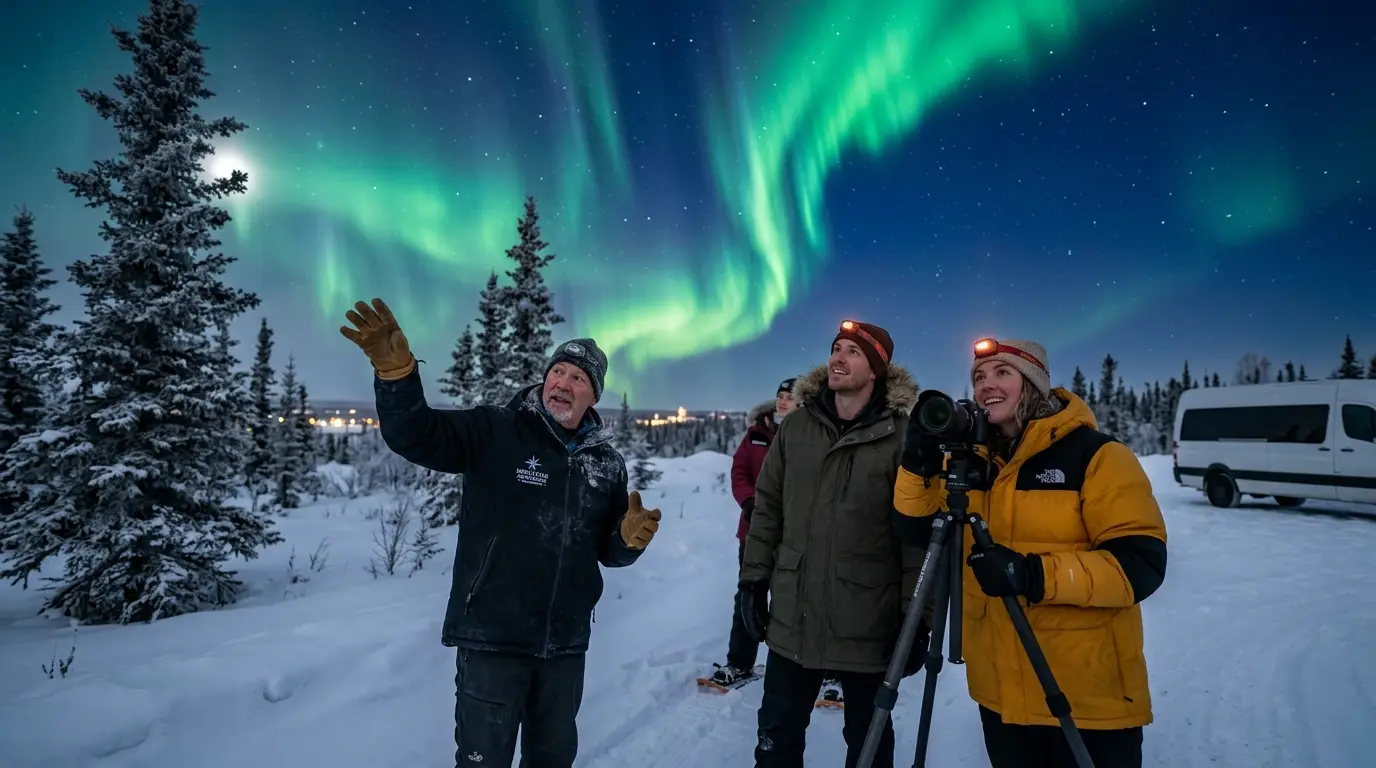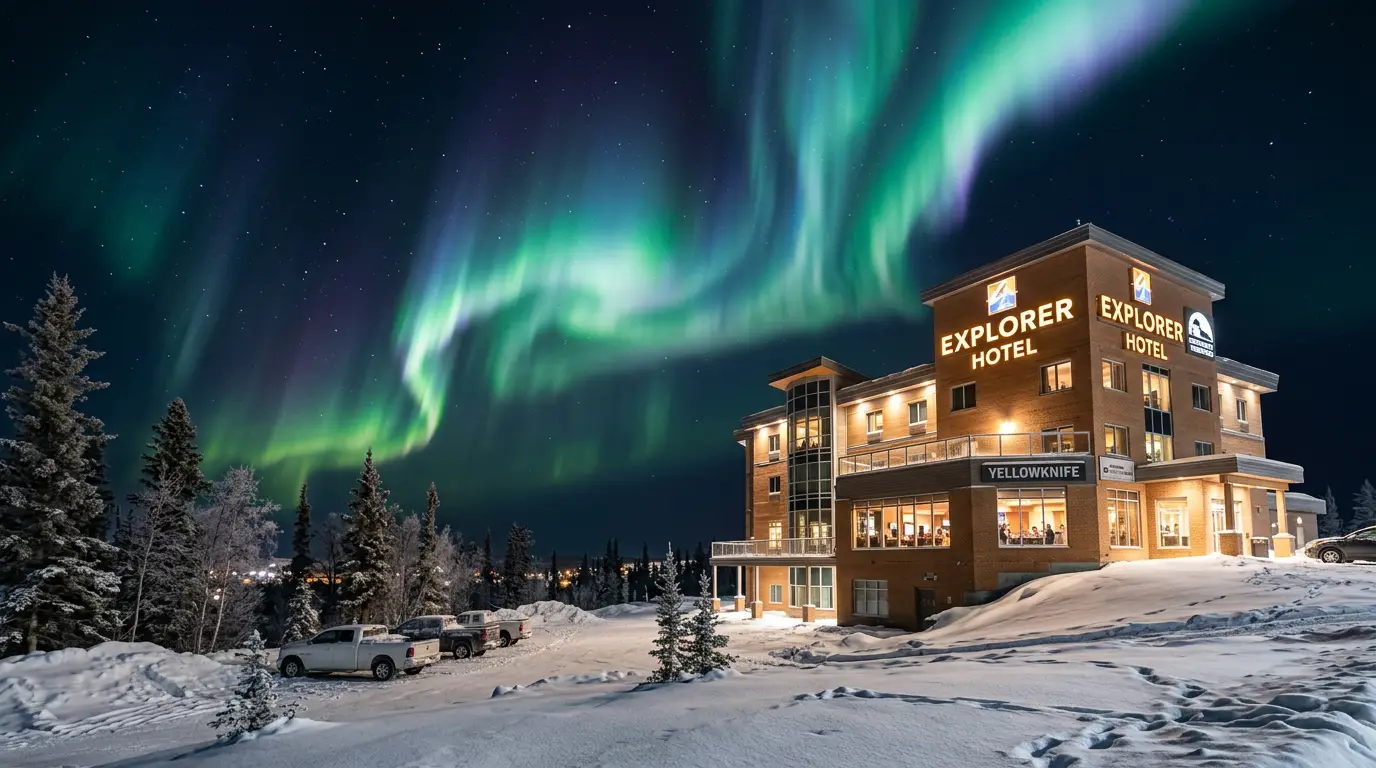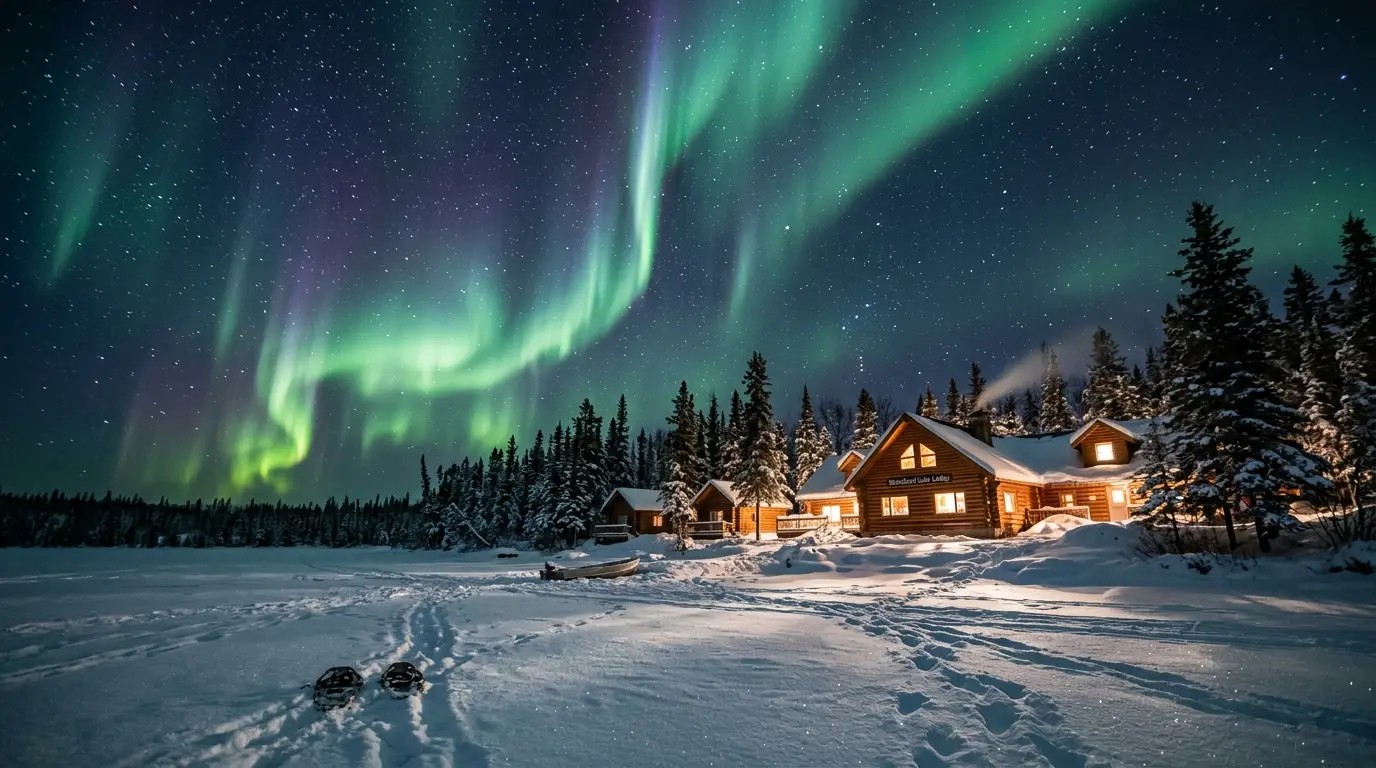
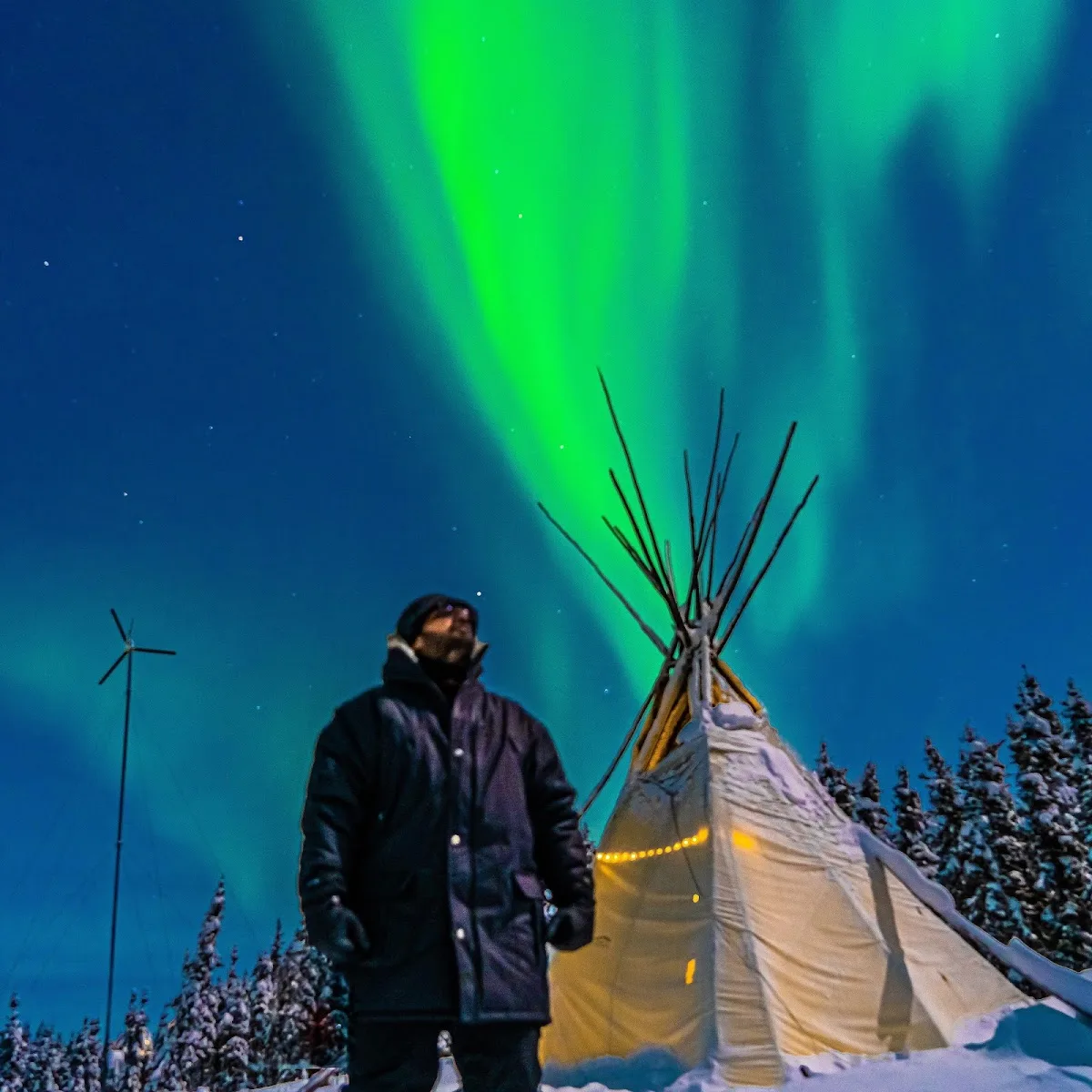
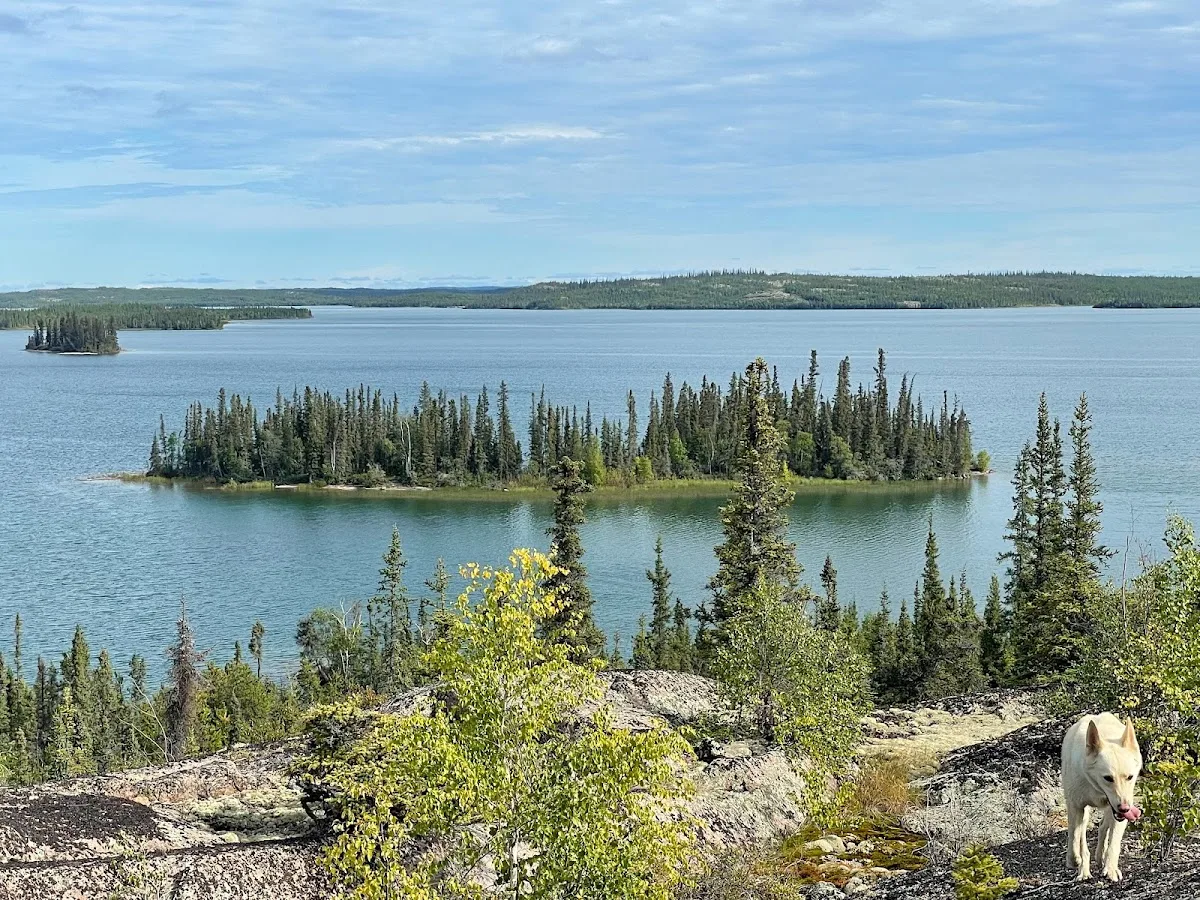
Blachford Lake Lodge sits on a granite outcrop on the East Arm of Great Slave Lake, a 20-minute bush plane flight from Yellowknife and about 200 air miles south of the Arctic Circle. There is no road, no power line, no cell tower. That is the point. This is one of the few genuinely fly-in aurora lodges on earth, which separates it from every road-accessible northern lights property in Fairbanks, Tromsø, or Finnish Lapland. Reopened in 2022 under Arctic Kingdom after a fire destroyed the original 1981 lodge, Blachford sits directly under the Auroral Oval, the band of peak geomagnetic activity where aurora displays are most frequent and intense. The numbers are specific: 240+ nights of aurora visibility per year and a 98% sighting rate on any three-night stay. That is not marketing. It is a function of latitude, geography, and 200 air miles of zero light pollution in every direction.
The fly-in difference: no road, no light dome
The 20-minute flight from Yellowknife on a bush plane (floats in summer, skis in winter) is not a scenic add-on. It is the reason the sky here is darker than anything you reach by car. Every road-accessible lodge, no matter how remote, sits within the scatter radius of some artificial light: a neighbour's yard, a gas station, the glow of the town it is just outside of. Blachford has none of that. On a moonless night under clear skies, the limiting magnitude approaches what you get at a designated dark-sky preserve. For aurora viewing, that means faint, fast-moving bands become visible long before they would register against a brighter sky.
The trade-off is logistical. You fly commercial to Yellowknife, overnight there if your connection demands it, then take the lodge's bush plane the next day. You cannot drive yourself, cannot change your mind midweek, cannot pop into town for forgotten gear. But that same constraint is why the viewing is what it is. If you want a lodge you can drive to with a heated viewing room and a five-minute shuttle from the airport, this Fairbanks property fills that role at a lower price, and a brighter sky.
What you are actually paying for
Blachford runs on an all-inclusive model. Every rate is per person in Canadian dollars and covers the bush plane transfer from Yellowknife, three meals a day, guided activities, and accommodation. The Frozen Aurora Winter package (December through April) starts at $4,919 CAD per person for three nights. The Aurora Reflection Fall package (mid-August through October) starts at $4,678 CAD. The Festive Holiday package (December through January) runs $6,327 CAD. Kids aged 3 to 10 stay at half price. Summer visitors (there for fishing, canoeing, and the midnight sun rather than the aurora) pay $4,184 CAD per person for three nights.
That is expensive by Canadian wilderness lodge standards and roughly on par with the glass-igloo properties in Finnish Lapland once you factor in their meal plans. But it is also simpler than those properties: one booking, one payment, and nothing on the ground costs extra except alcohol and gratuities. The price covers the flight in, the food, the activities, the aurora wake-up service, and the flight out. No resort fees, no activity surcharges.
Aurora viewing: what the 98% figure means
The 98% three-night sighting rate is not a guarantee of a spectacular display. It means that over a three-night stay, the statistical probability of the aurora being visible is 98%. Not that it will be bright, not that clouds will not interfere on two of those three nights, not that it will not be a faint grey-green smudge your camera sees better than you do. What matters is that the lodge sits under the Auroral Oval at a latitude where geomagnetic activity produces visible aurora on roughly 240 nights a year, more than any coastal destination can claim. Fairbanks, at a lower latitude, gets about 200.
The lodge runs an aurora wake-up service: staff monitor the sky overnight and alert guests when the lights are active. You sleep, they watch. This is the practical feature that separates a $5,000 aurora trip from a $5,000 aurora trip where you missed the two-in-the-morning show because you finally fell asleep at 1:47. No glass dome, no heated viewing room. You watch from the decks, the frozen lake surface, or the shoreline. Dress for it. The same Borealis Basecamp up in Fairbanks runs a comparable wake-up service from glass igloos at a lower nightly rate, but it sits on a ridgeline 25 miles from town, not 200 air miles from everything. The dark-sky gap between these two properties is real.
Beyond the aurora: how you fill the daylight hours
Aurora season in the Northwest Territories runs mid-August through mid-April. In December and January you get about five hours of usable daylight; by March, closer to twelve. The lodge fills those hours with activities that work with the season: cross-country skiing on groomed lake trails, snowshoeing through the subarctic boreal forest, ice fishing for Northern Pike and Lake Trout (catch-and-release only), fat-tire biking on packed-snow trails, and snowmobiling across the frozen lake. Summer shifts to canoeing, kayaking, hiking, and fishing. The aurora is technically active but invisible against a midnight sun that never fully sets.
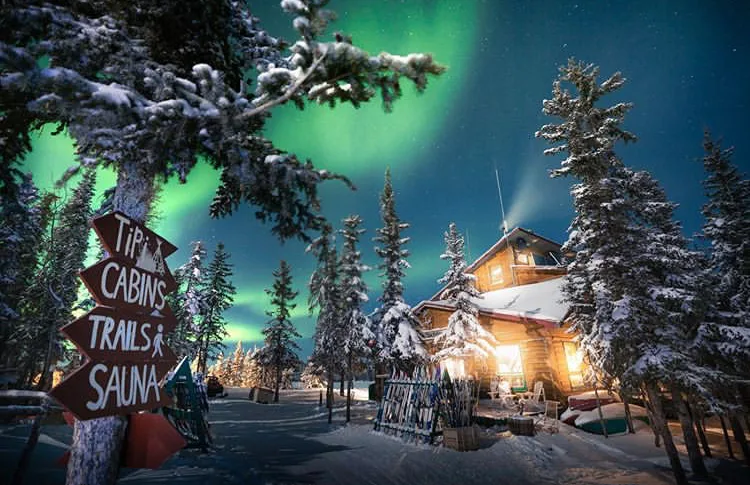
The wood-fired hot tub and lakeside sauna are not wellness-retreat styling. They are a sauna that makes the 30-second sprint to the frozen lake feel like an achievement you earned and a hot tub where the steam mixes with actual Arctic air. Before the aurora watch begins each evening, the lodge runs dream catcher and spruce salve workshops, aurora photography sessions, and bonfires inside a traditional tipi. It is not a bunkroom with a dark sky. It is also not a spa, and you will like it more or less depending on which of those two things you wanted.
Where you sleep and how you book
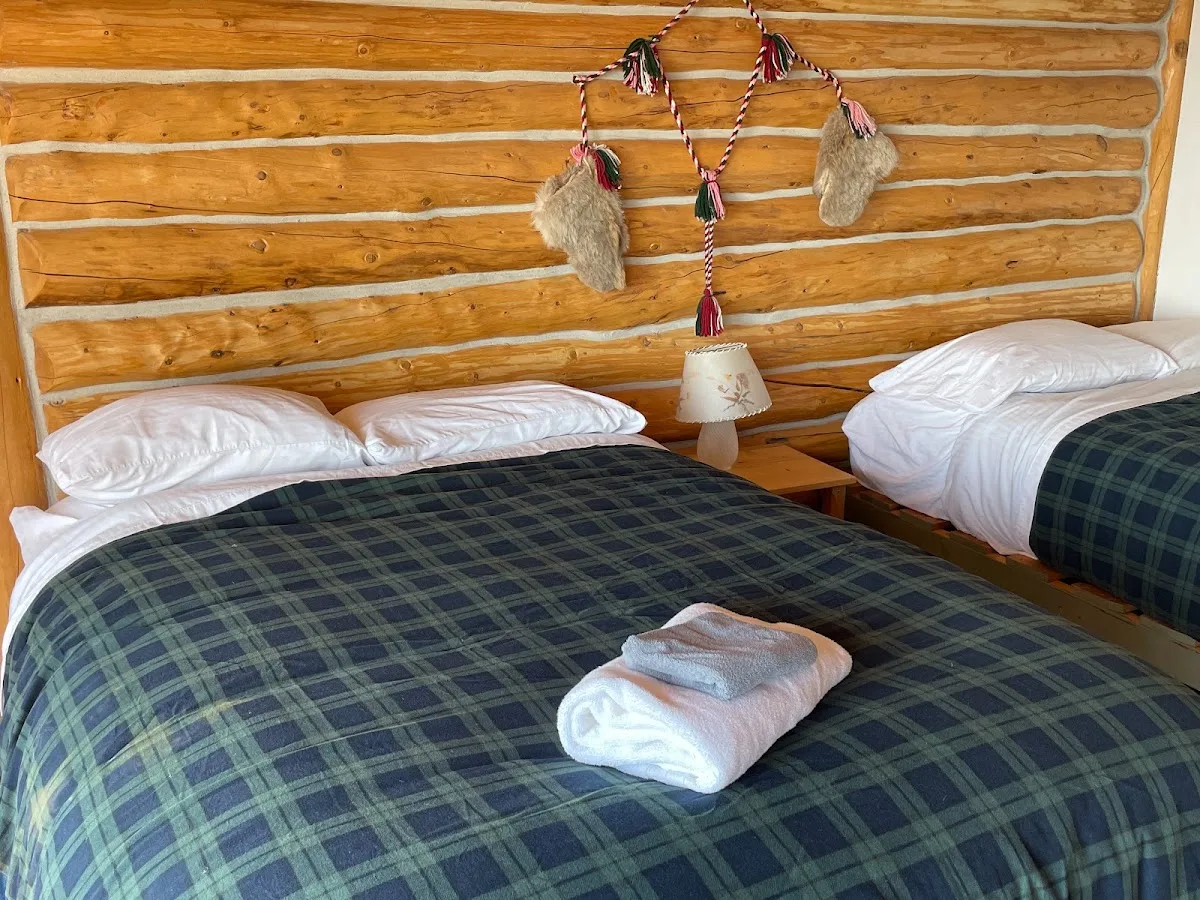
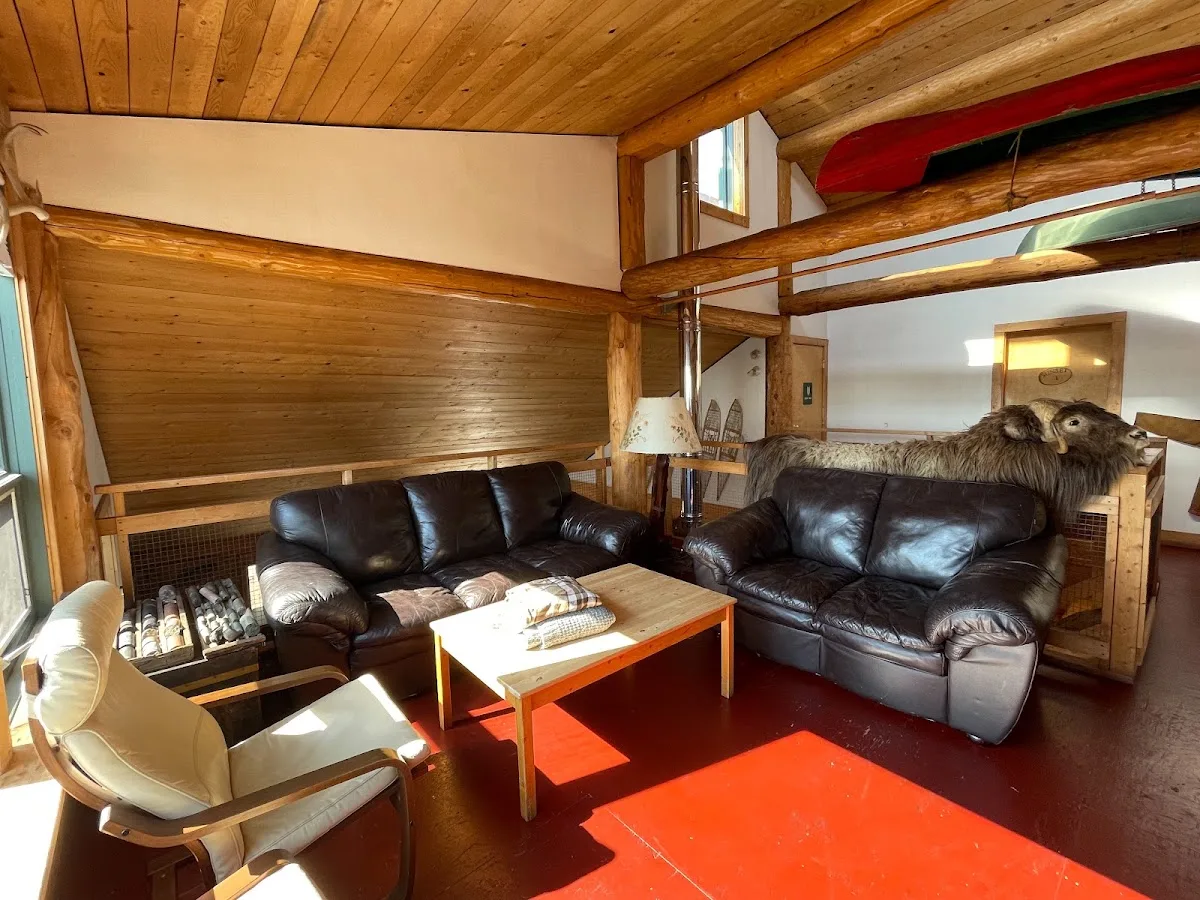
Accommodation splits between rooms in the main lodge and private lakeside cabins, including a standalone called The Point with panoramic windows across the frozen lake. The glass-enclosed corner rooms in the main lodge let you watch the sky from bed, which matters more than it sounds when the outside temperature is -30°C. Furnishings are handcrafted, not luxury-hotel standard. This is a wilderness lodge, not a design hotel, but the views are the reason you came.
Booking is direct only, through Arctic Kingdom's website at arctickingdom.com/blachford-lodge. The lodge does not list on Booking.com, Expedia, or any OTA. You fill out a booking request form, and Arctic Kingdom's team responds by email or phone. This is not a website that shows live availability and takes your credit card in 60 seconds; it is closer to booking a guided expedition. The lodge's toll-free number is 1-833-247-4758, and the direct email is info@blachfordlakelodge.com. Confirm your lodge dates before you lock in your commercial flights to Yellowknife. Arctic Kingdom processes requests manually, and peak-season dates around the March equinox and December holidays book out months ahead. For a side-by-side look at how Blachford stacks up against the road-accessible lodges most travelers compare it to, see the Fairbanks aurora lodges guide.