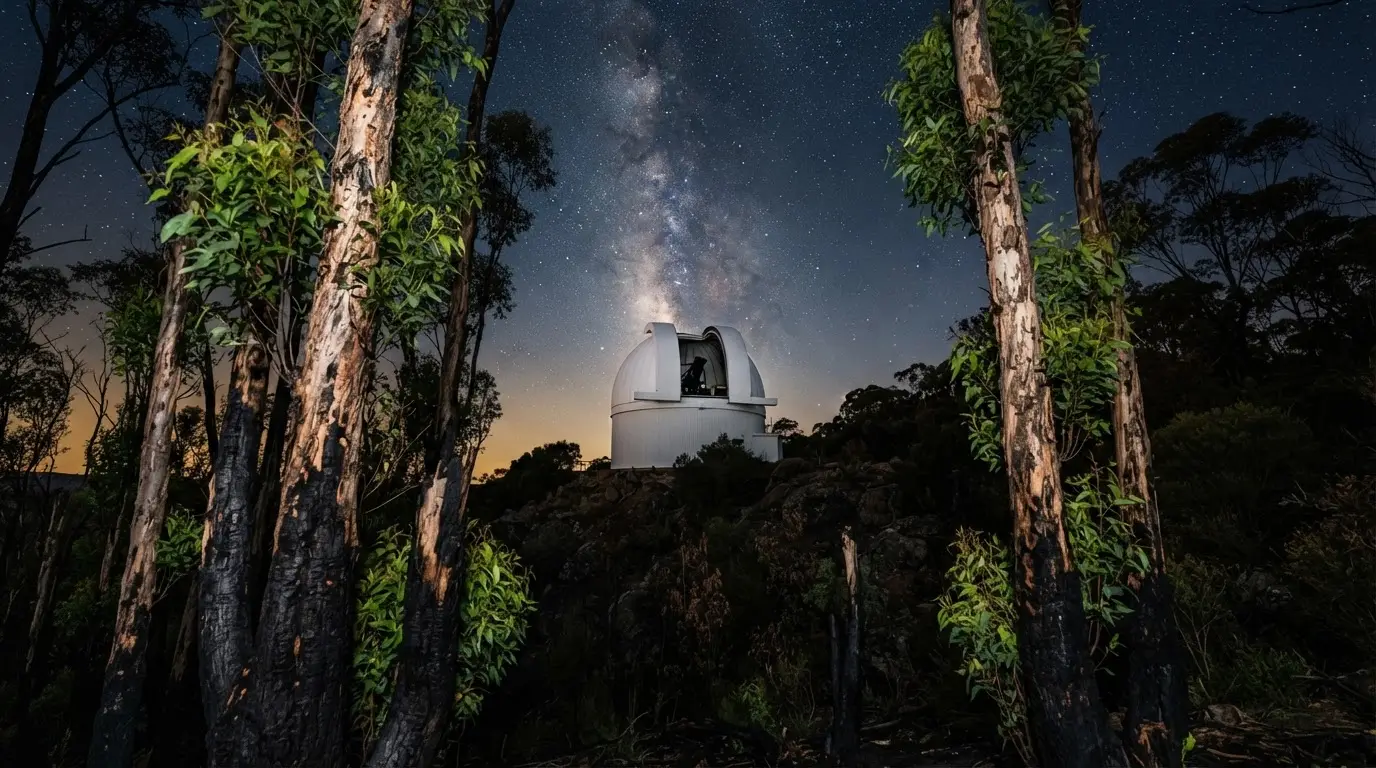
Canberra's glow sent the telescopes to Siding Spring
An astronomer led the Warrumbungle Dark Sky Park nomination
The nomination came from the observatory side of the fence. Fred Watson of the Australian Astronomical Observatory led it, and the announcement attached $100,000 to controlling light pollution through updated planning policies.[7][8]
That second detail is the one I'd watch. Money for planning rules rather than signage puts the protection in the code that governs the next streetlight, which is where dark skies are actually lost or kept.
The title carried regional weight too. It was the first Dark Sky Park declared anywhere in the Southern Hemisphere.[9] New Zealand's Dark Sky Reserve is Aoraki Mackenzie, the closer comparison if you are weighing southern skies.
The dark sky is written into the lighting rules
Protection here is mostly dull paperwork, and I mean that as praise. It defends against the problem that sent astronomers out of Mount Stromlo, where Canberra's glow was fogging the sky,[3] and the 2016 declaration backed it with $100,000 for light control through updated planning policies.[8] The park's lightscape management plan requires every light to have a coordinated colour temperature below 3500K and prohibits the floodlights used for sports and showground events,[10][11] and NPWS says there will be no street lighting inside the Dark Sky Park area.[12]
The colour limit matters because blue-rich white light scatters more and brightens the sky more than warm lamps do. It is a dull thing to hang a designation on, and it is also the part that works: a telescope loses nothing to a lamp that was never installed.
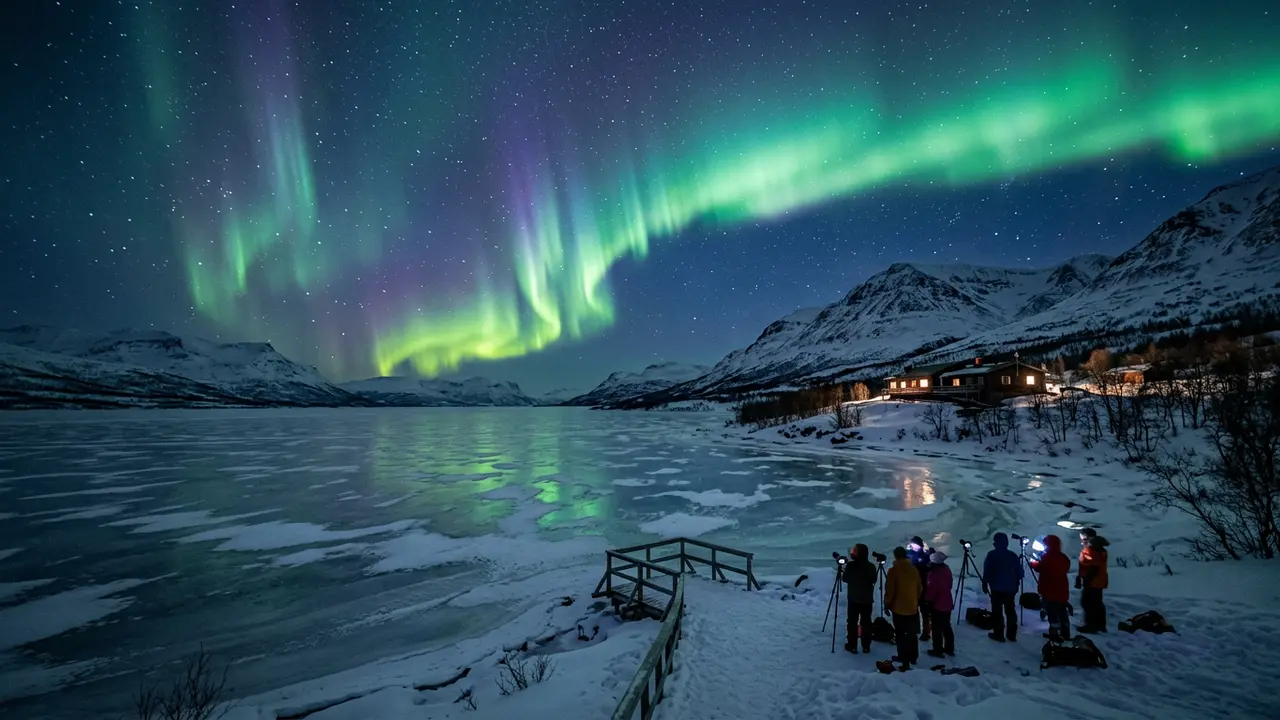
Featured · Destination
Abisko Stargazing
Abisko's rain-shadow microclimate keeps skies clear when nearby Arctic spots cloud over. Aurora season, the Sky Station, ICEHOTEL, and getting there by train.
These rules stop a place getting worse; they do not rate the sky. The Bortle scale is the usual yardstick for brightness, and a lighting plan and a Bortle class answer different questions. One governs what the park may install, the other describes what you see overhead.
In 2013 the fire reached the mountain, and the telescopes survived
The Wambelong fire of January 2013 took more than 50 homes around Coonabarabran, and most of the park burned.[13]
Up on the mountain, an early assessment counted five buildings severely affected or damaged, among them the lodge for visiting researchers and a number of cottages and sheds. Controlled burns around the site and mesh to repel embers helped protect the telescopes, and the 2003 fire at Mount Stromlo was a motivating factor in tighter fire security at Siding Spring.[14][15][16]
Every telescope survived, though smoke and ash entered some of the domes.[17] Two Canberra problems frame the whole story: the 1950s move was a flight from the city's glow, and the 2013 defences owed something to the fire that later hit the old Mount Stromlo site. Both times the observatory's sky was something staff had to protect, not something the landscape simply supplied.
In the park itself, the visitor centre was destroyed, and the one planned in the 2016 lighting documents was meant to replace it.[18] NPWS says walking tracks, campgrounds and other visitor sites were rebuilt with new facilities.[19] A burned landscape can still hold a dark-sky designation; the Jasper wildfire recovery is the Canadian version of that question.
What the Dark Sky Park label does and does not tell you
"First" is the safe word for Warrumbungle. "Only" is the wrong one for Australian dark-sky places in general, because other tiers exist:
- Arkaroola Wilderness Sanctuary in South Australia, a Dark Sky Sanctuary.[20]
- The River Murray in South Australia, a Dark Sky Reserve built around Swan Reach Conservation Park and measured in thousands of square kilometres.[21]
- Palm Beach Headland in Sydney, designated Australia's first Urban Night Sky Place.[22]
None of those is a rival; they are different tiers for different land. How dark-sky certification works covers the process, and the practical difference for a trip is that a Park label tells you about lighting rules and management, not about cloud or Moon. Uluru is the usual alternative on an Australian star trip, and its situation is its own case: Uluru's dark sky explained.
Recommended tours
Tours are selected for quality, not commission. I earn a small fee if you book — at no extra cost to you.
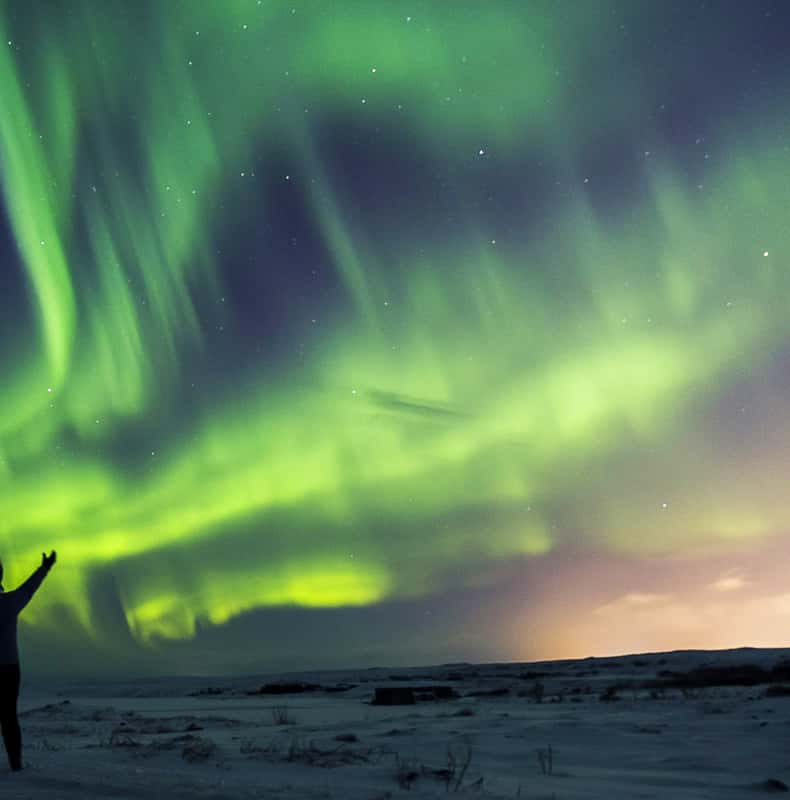
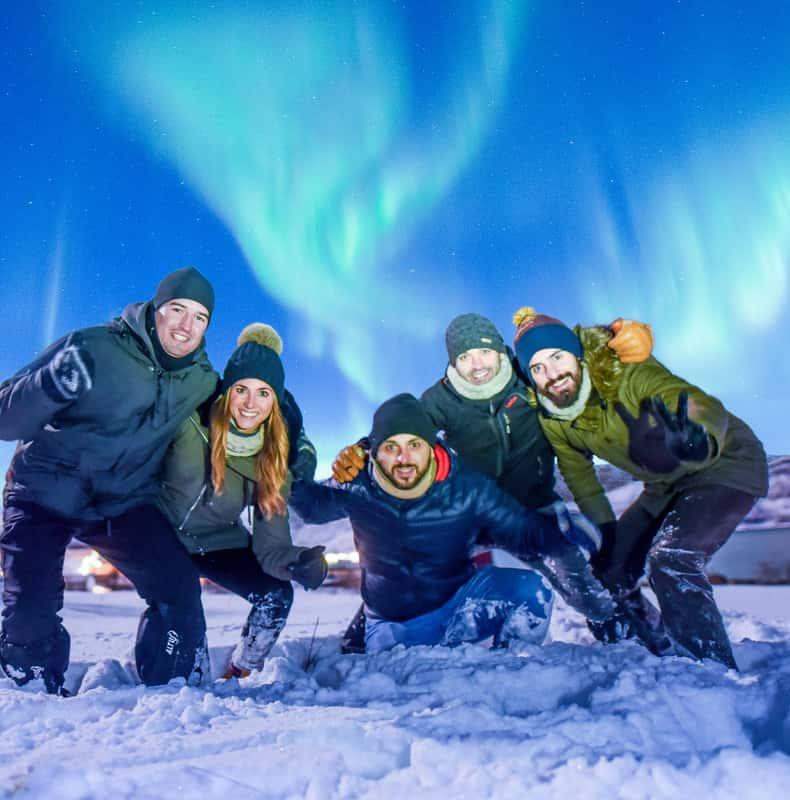
If you go, the Warrumbungle Visitor Centre is at 4261 John Renshaw Parkway,[23] and NPWS reported StarFest events in and around Coonabarabran in October 2025.[24]
Featured · Article
What Is Astrotourism? The Complete Beginner's Guide
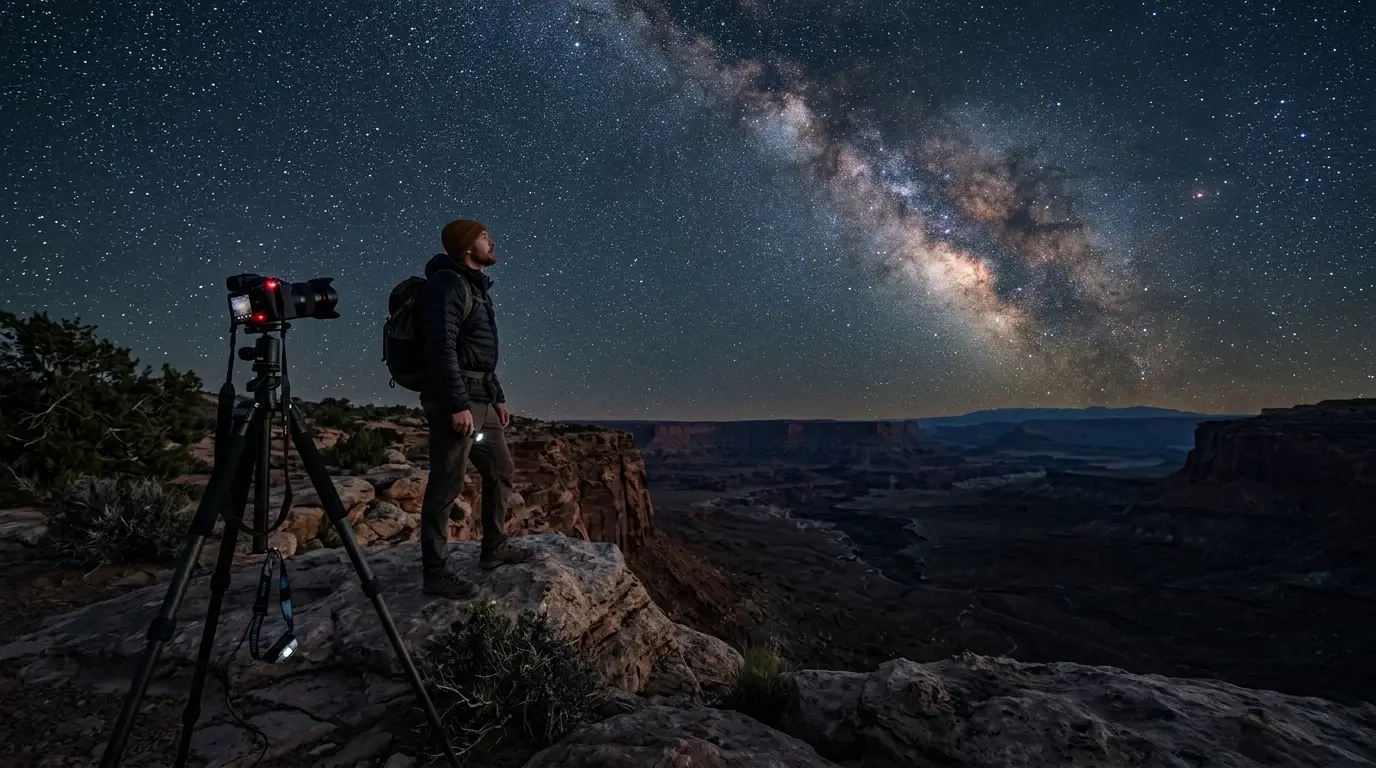
Astrotourism means travel built around dark skies: meteor showers, auroras, the Milky Way. What it means, where to go, and how to plan your first trip.
Siding Spring sits on Gamilaraay/Kamilaroi Country, occupied for at least 20,000 years,[25] and its refurbished visitor centre includes the Emu in the Sky Dreaming story;[26] opening hours and tours are listed through Dark Sky Traveller.[27]
The sky here is dark because astronomers picked a mountain for it and because rules keep the lamps low. That is upkeep, not luck, so the open question is whether the planning policies around the park keep the same discipline.