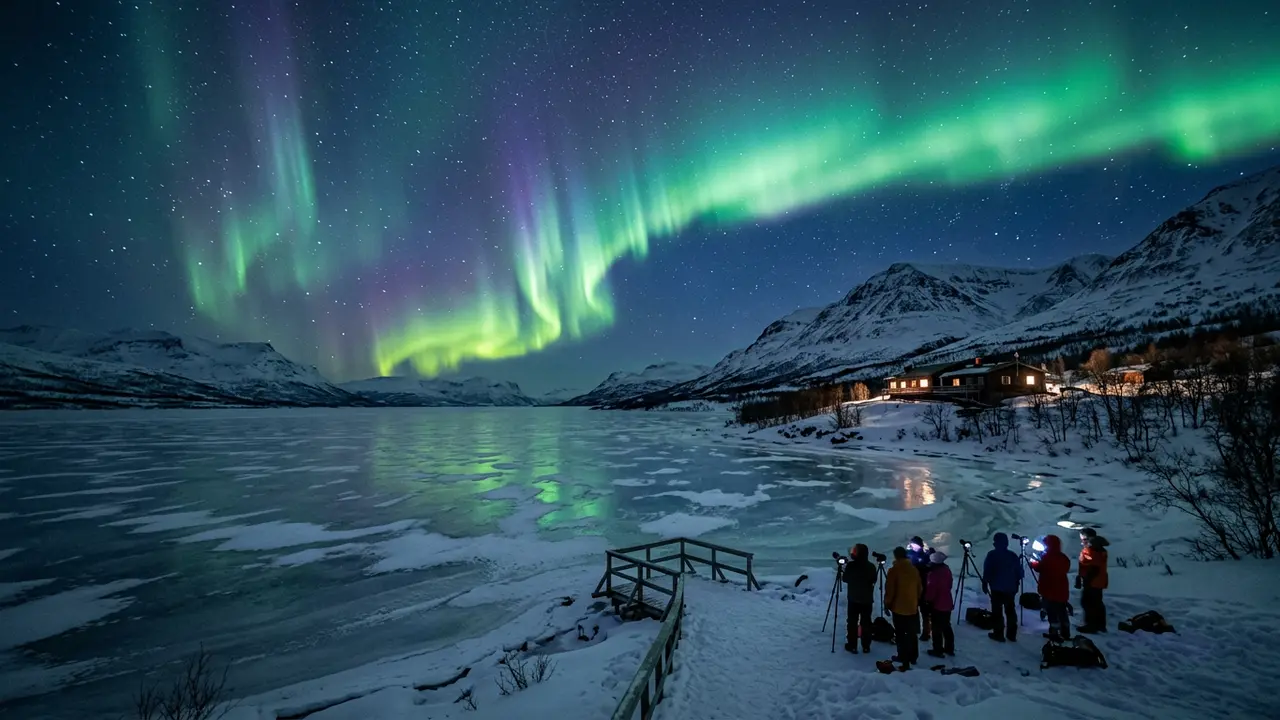
Sweden · Best Aug-Apr
Abisko Stargazing
Abisko's rain-shadow microclimate keeps skies clear when nearby Arctic spots cloud over. Aurora season, the Sky Station, ICEHOTEL, and getting there by train.
Discover
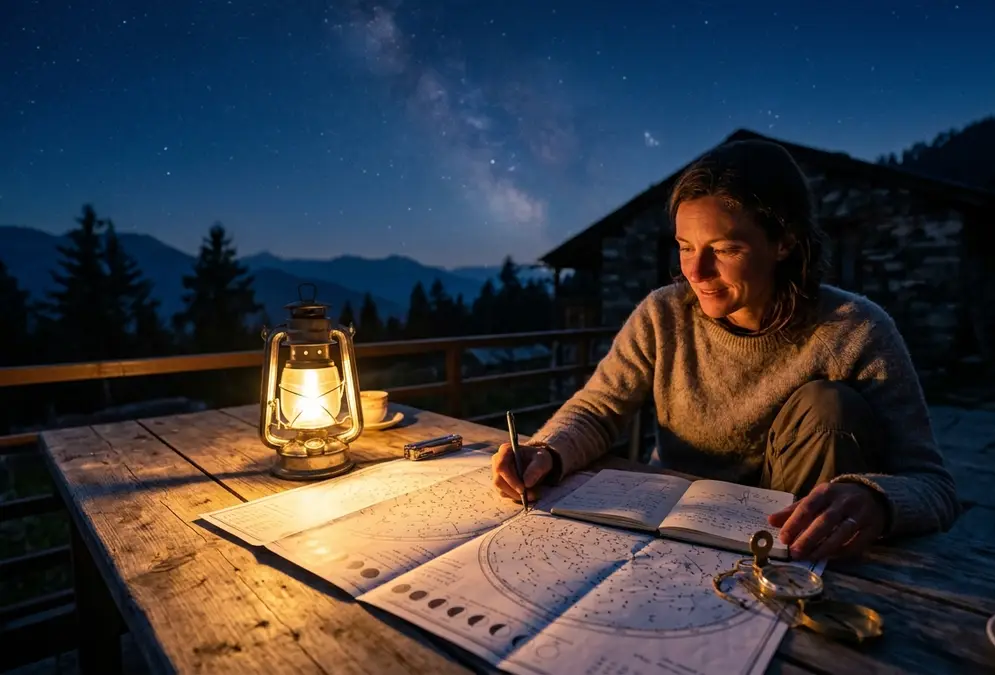
The order that actually works: get the timing right first, then the place, then where you sleep. Moon phase and season decide more than the destination does, so that is where planning starts.
A dark-sky trip lives or dies on two things most people book last: the moon phase and the season. A world-class site under a full moon shows less than an ordinary field at new moon, and the aurora and the Milky Way's galactic core run on opposite calendars in opposite hemispheres. Get the timing right and almost anywhere dark will deliver; get it wrong and no destination can save the trip.
This page walks the sequence in order. Start with when to go, using the month-by-month sky scores below. Then choose a destination, find a lodge that puts you minutes from the viewing site rather than an hour's drive in the dark, add a guided night if the terrain or the forecast calls for it, and pack the few things that matter. If you would rather follow a plan end to end, the three ready-made trip plans below do exactly that.
Goal-based frameworks for the trips people actually take. Pick the one that matches what you want to see, and it carries the timing, destination shortlist and booking order for you.
Plan around galactic-core season and a new-moon window, then structure the nights by hemisphere.
See the planAn easy two to three night first trip: a nearby dark site, new-moon timing, and binoculars over a telescope.
See the planChase the northern lights by Kp index and equinox timing across six destinations under the auroral oval.
See the planTiming is the hardest part and the part that pays off most. Every destination is scored 0 to 3 for each month of the year, so you can scan across a row to see when one site peaks, or down a column to see where the sky is best when you can actually travel.
Pick a month to see where the sky is at its best.
New moon Oct 10 Draconids peak Oct 8 Aurora season: on
Also good this month
The whole year in one grid: each destination scored 0 to 3 for every month, so you can scan across a row or down a column.
Full month-by-month guides: January February March April May June July August September October November December
Once you know your window, pick the place. These are the darkest sites I cover, ordered by sky quality. Aurora corridors sit near the poles; the galactic core sits near the equator, so let the phenomenon you are chasing narrow the list.
Sweden · Best Aug-Apr
Abisko's rain-shadow microclimate keeps skies clear when nearby Arctic spots cloud over. Aurora season, the Sky Station, ICEHOTEL, and getting there by train.
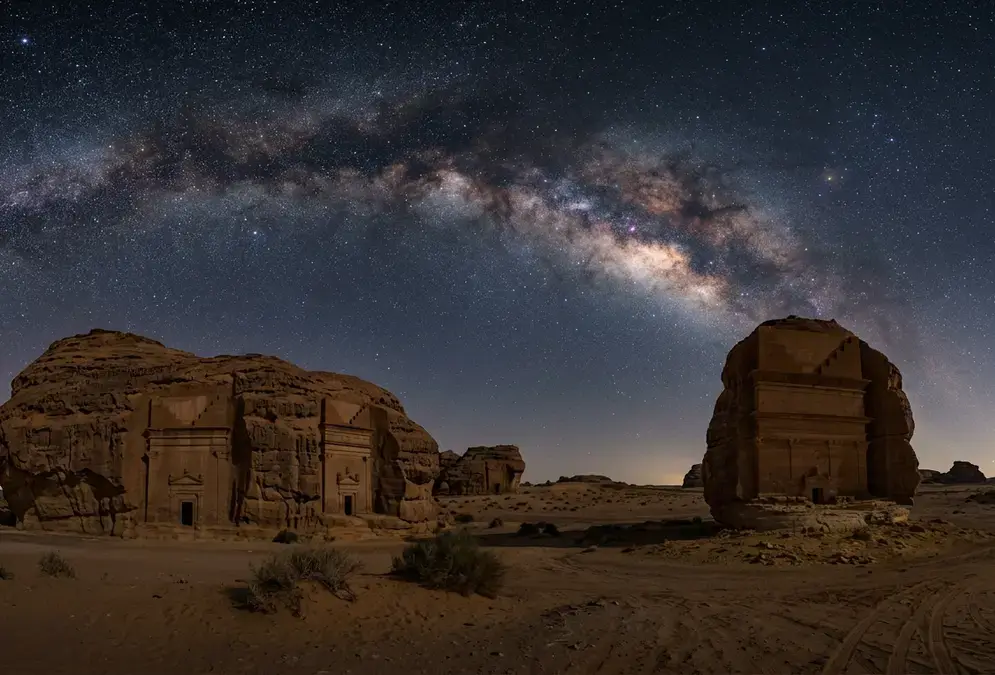
Saudi Arabia · Best Oct–Apr
Stargaze above Hegra's 2,000-year-old Nabataean tombs in AlUla, the Gulf's first DarkSky-accredited Dark Sky Park. When to go, where to stay, and how to plan.
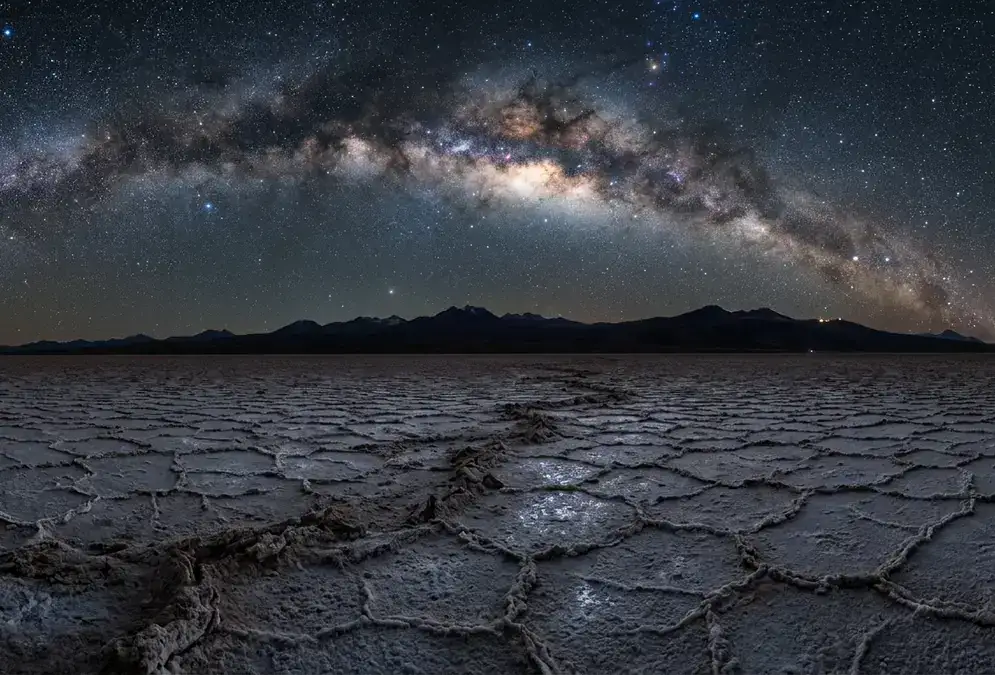
Chile · Best Apr–Sep
Earth's driest desert delivers Bortle 1–2 skies, 330+ clear nights a year, and the galactic core almost overhead. Guide: tours, lodges, season, getting there.
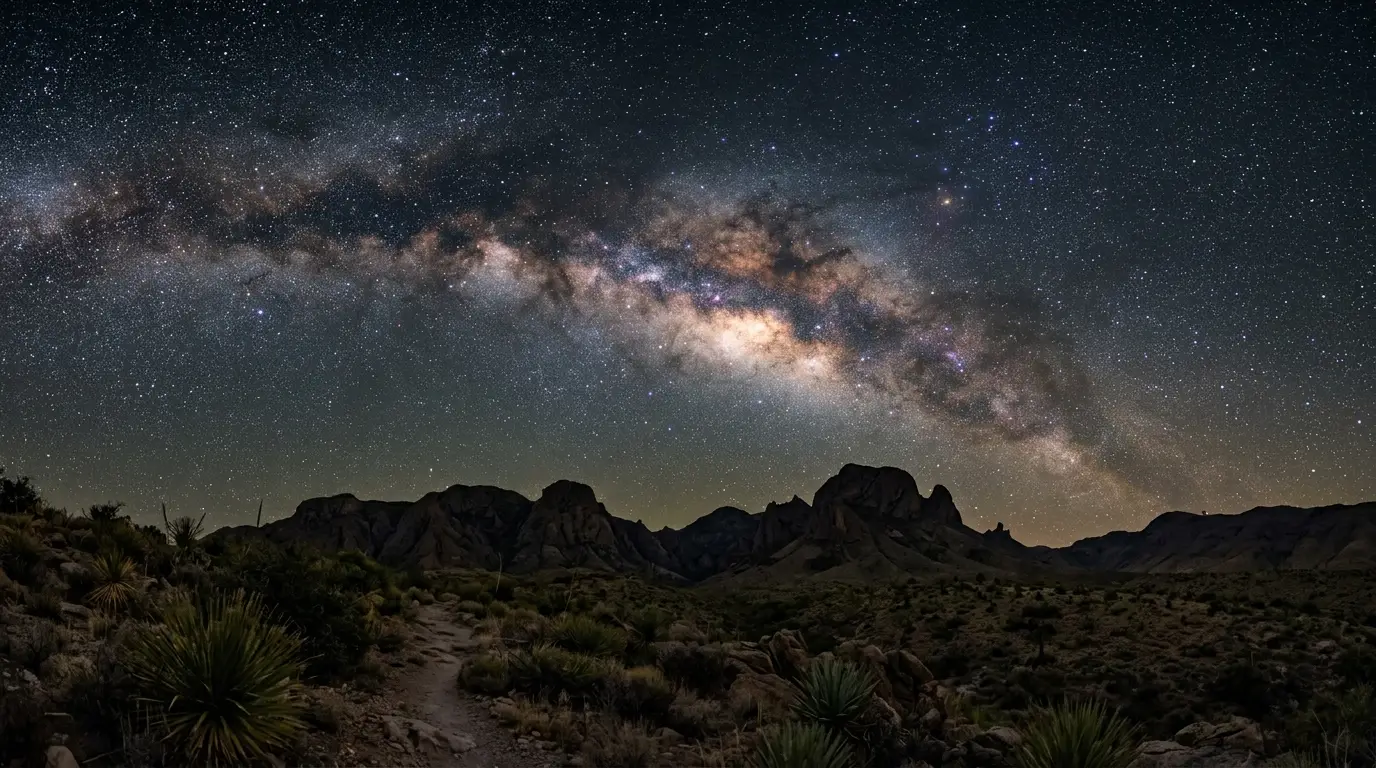
United States · Best Year-round (avoid summer heat)
Big Bend National Park is Bortle Class 1, the darkest rating the Bortle scale has. What that dark sky rating means on the ground, and the best months to go.
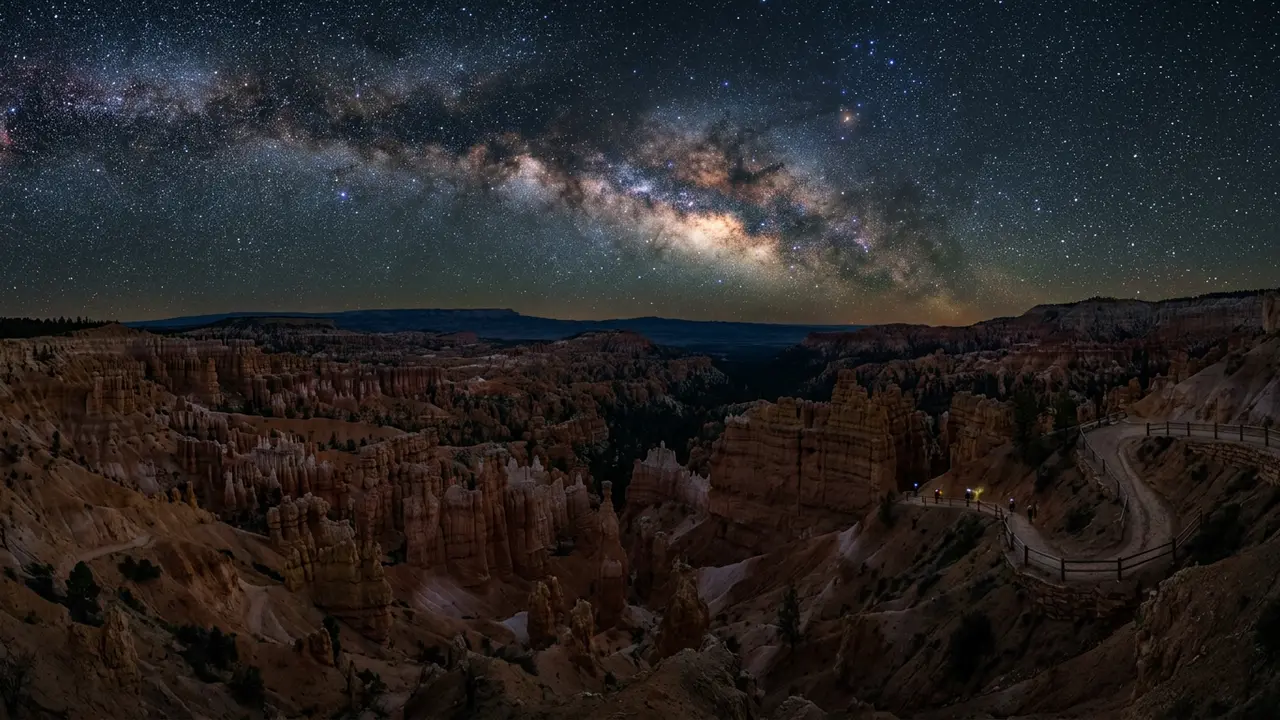
United States · Best Year-round (Astronomy Festival in June)
Bryce Canyon earned Gold-Tier Dark Sky Park status in 2019 after 50 years of astronomy programs. Drive in from Vegas or Salt Lake City to see it for yourself.
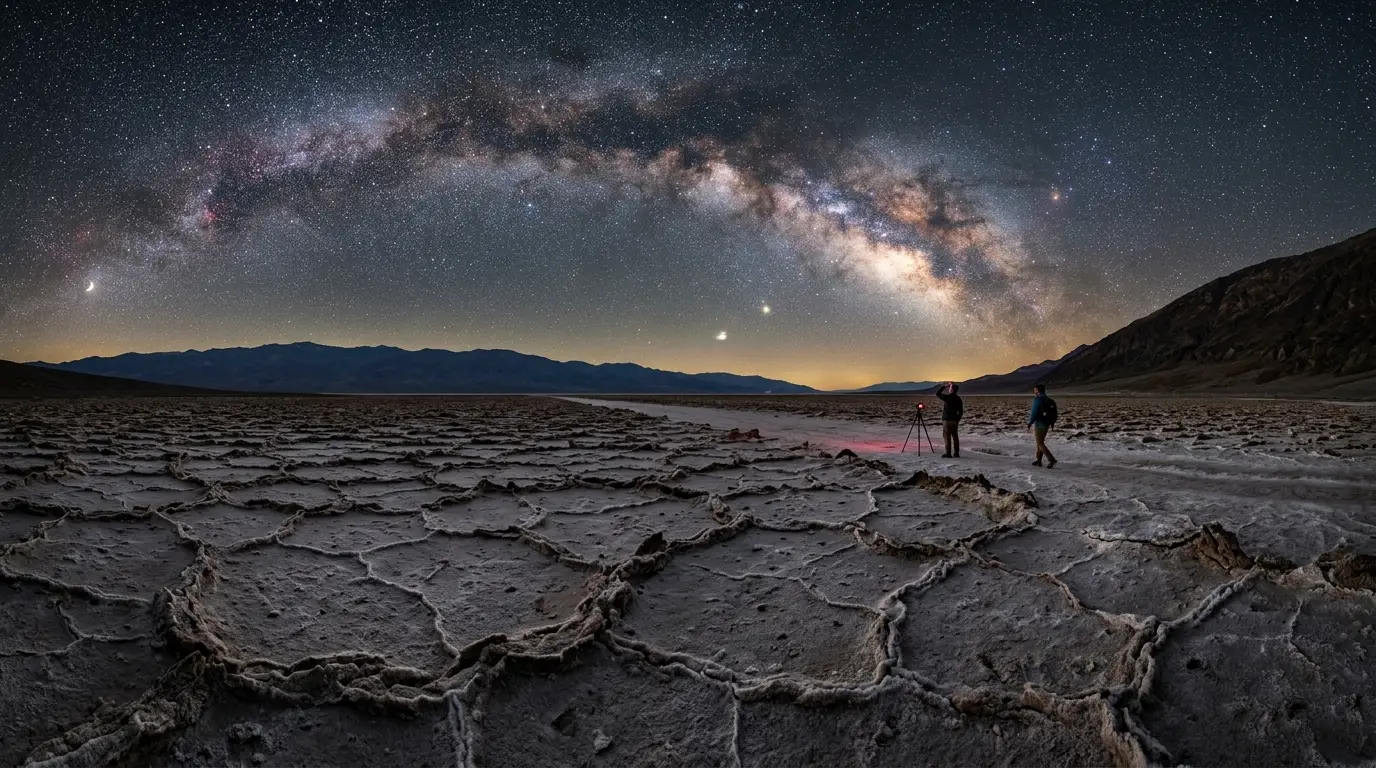
United States · Best Oct–Apr (Dark Sky Festival in spring)
Death Valley's Gold-tier dark sky sits at the lowest point in North America. Here's when to visit, where to stay, and how to handle the extreme summer heat.
The right lodge puts you under the sky the moment you step outside, not an hour's drive away in the cold. These are the glass-roofed cabins, domes and desert rooms where the sky is the amenity.
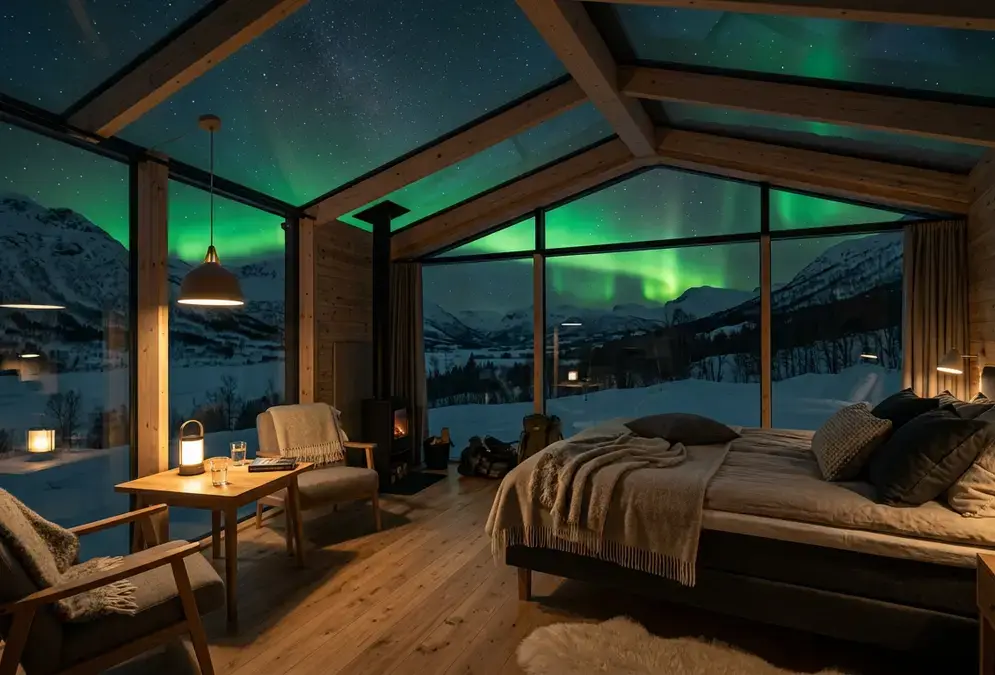
Glass-ceiling cabins 30 min northeast of Tromsø: Æra lets you watch the northern lights from bed. On-site sauna, restaurant, and rental car with direct booking.
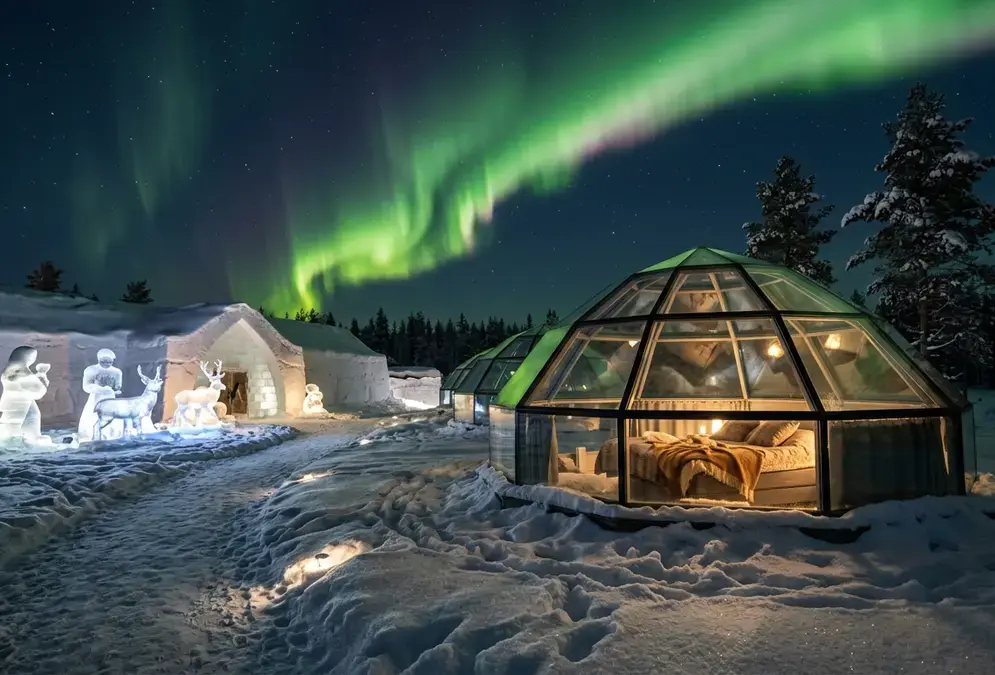
Arctic SnowHotel & Glass Igloos near Rovaniemi: 8.6/10 from 667 reviews. Private glass igloos year-round, ice hotel each winter, aurora alarm. From €169/night.
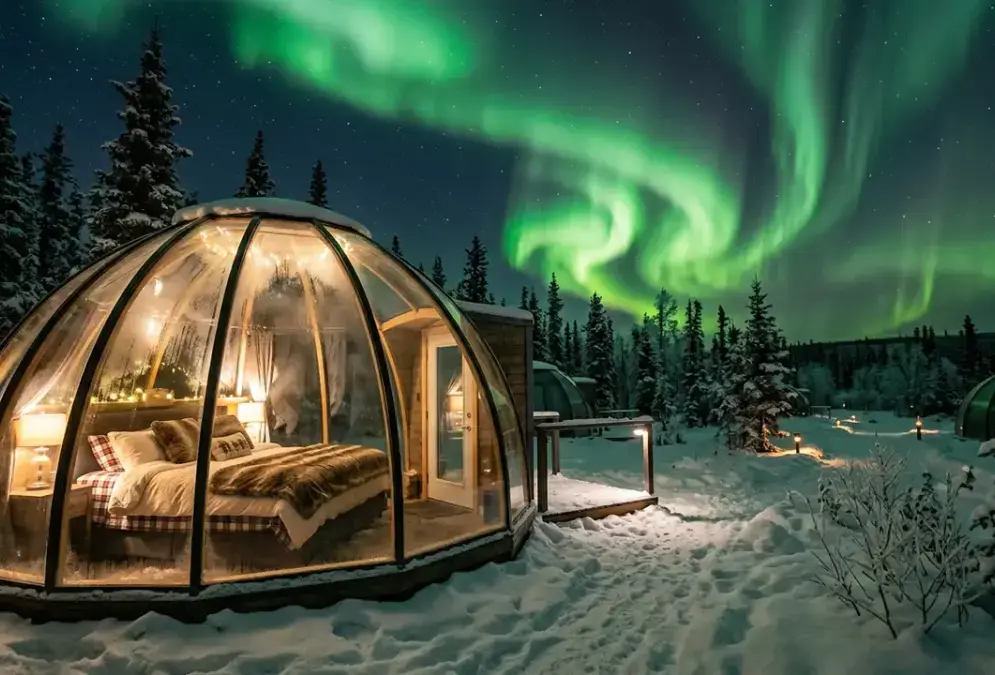
Glass igloos and aurora cubes on a dark ridgeline 25 miles from Fairbanks. Watch the northern lights from bed. Packages book direct; not listed on Booking.com.
Direct booking only, priced per igloo or cube.
A guide earns the fee when the terrain is tricky, the aurora forecast needs active chasing, or you want time on a large telescope. One or two guided nights plus independent time is the practical split for a first trip.
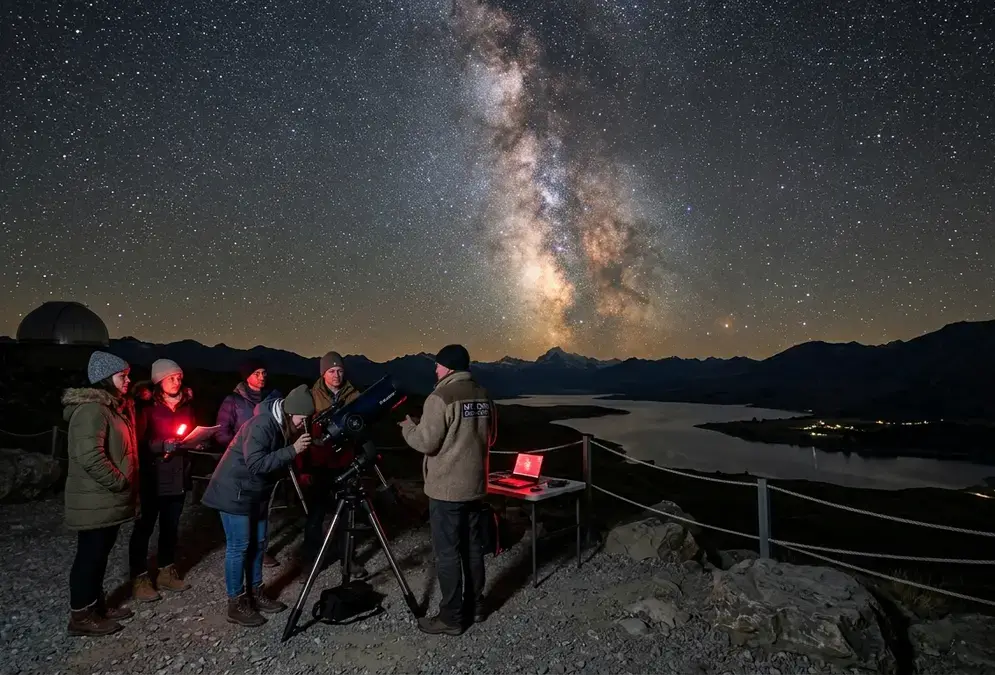
Private astrophotography tuition in New Zealand's Gold Tier dark sky reserve: camera coaching, star tracking, and Milky Way composition near Lake Tekapo.
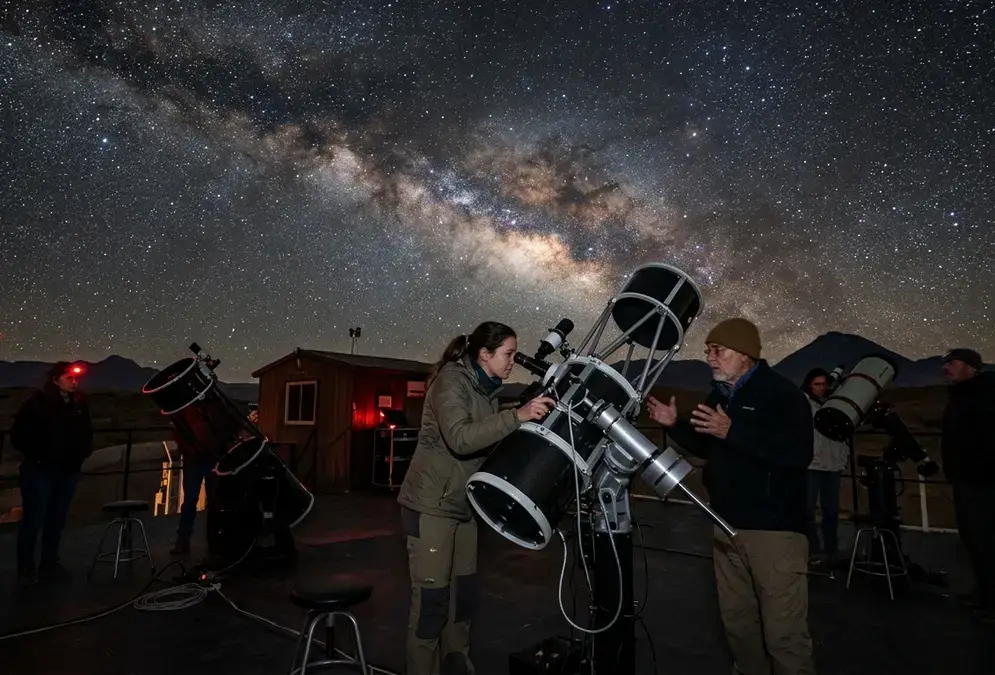
Evening telescope session under the world's clearest skies. Book near new moon, avoid full moon. SPACE Observatory, San Pedro de Atacama — CLP 45,000.
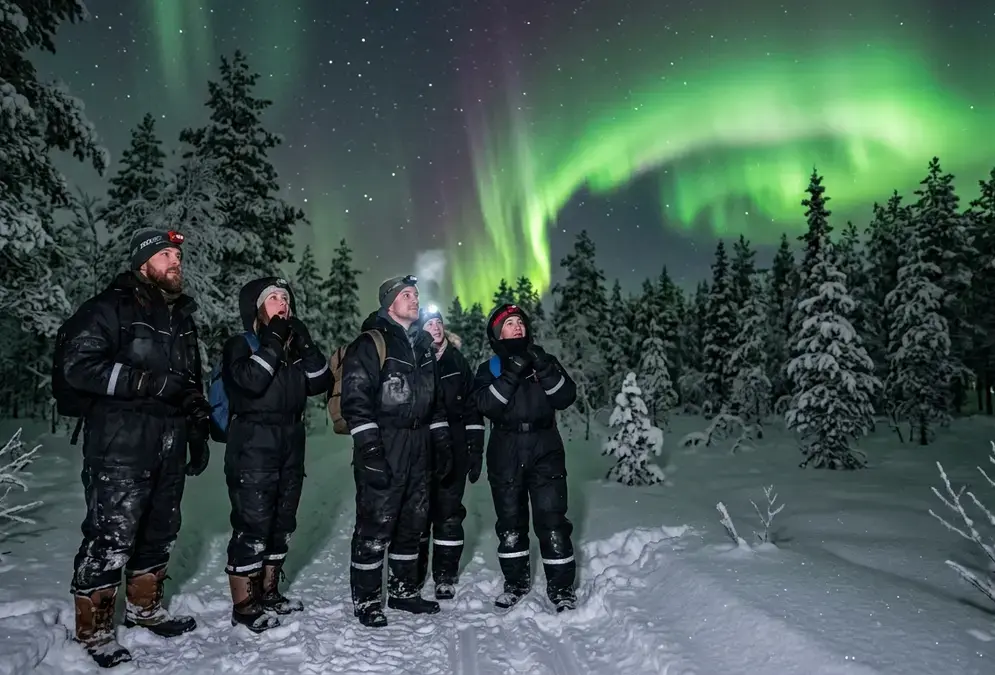
A 6–12 hour aurora chase from Rovaniemi, Finnish Lapland. Small groups of 8, real-time cloud tracking, September–March. From €120, no sighting guarantee.
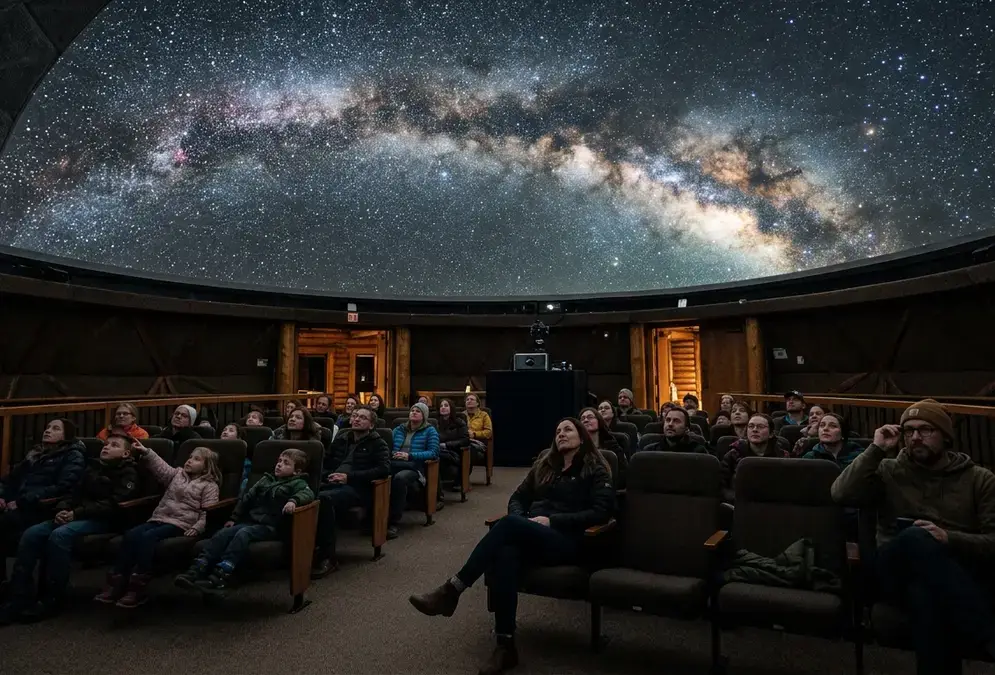
Jasper Planetarium's dome show and telescope session under Dark Sky Preserve skies, from $99. First Nations sky stories and a 2-year clear-night raincheck.
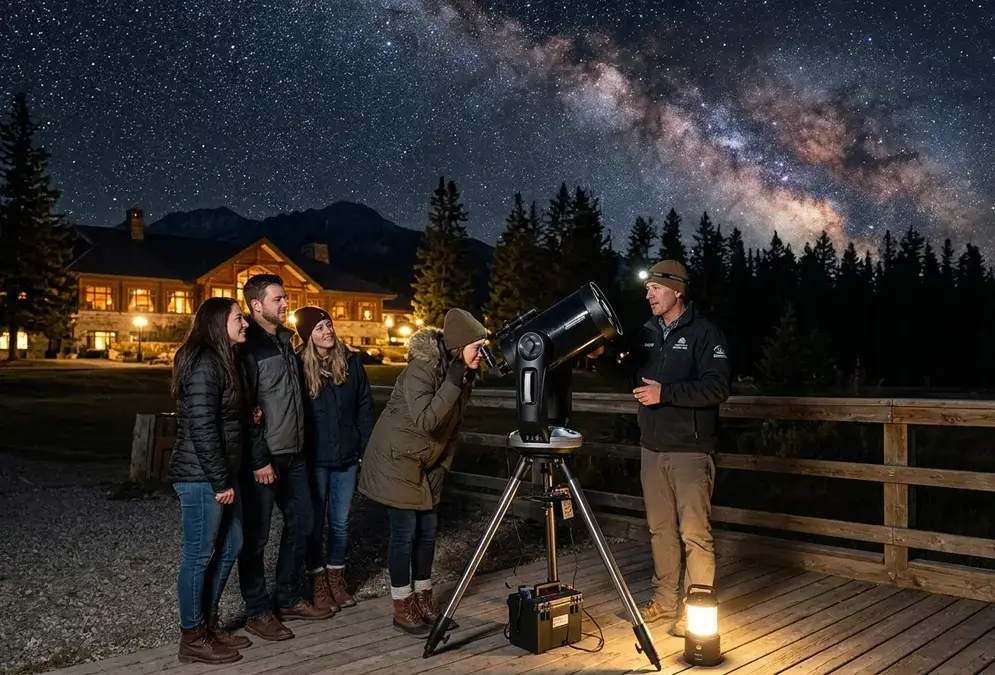
Jasper stargazing tour with SunDog: planetarium dome show and telescope observation from $40 CAD. Dark Sky Preserve views, rain-or-shine, April to November.
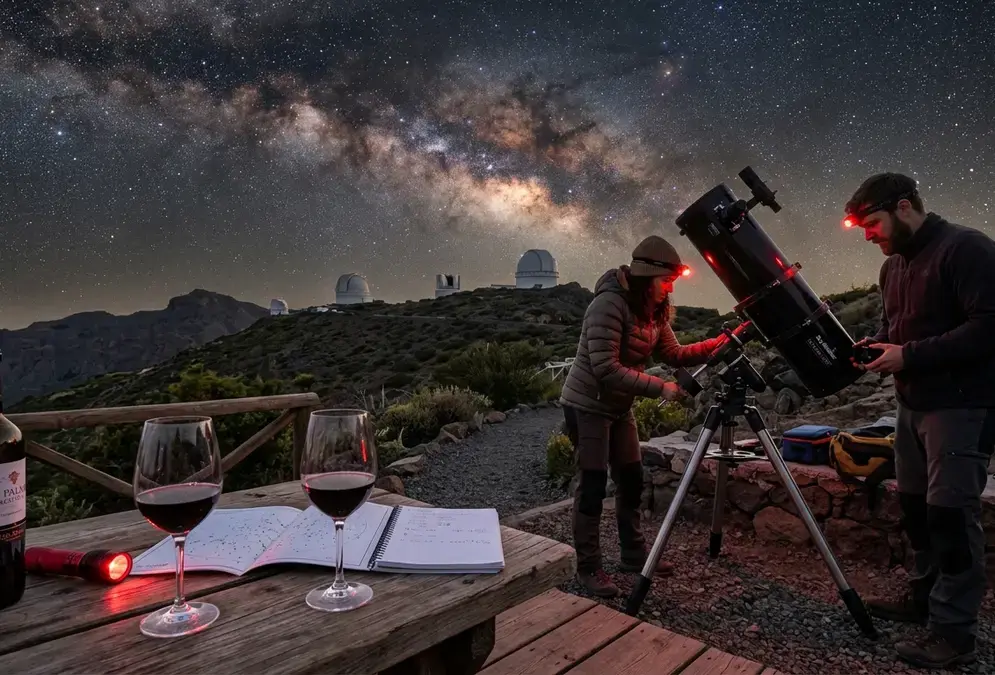
Compare La Palma's best stargazing tours — the popular Roque de los Muchachos tour with wine tasting, plus independent operators, prices, and booking tips.
The short list of things that decide whether a night under the stars is comfortable or cut short: warm layers, a red torch, the right optics, and knowing what the sky is doing before you go.
Costs vary by destination and region; check the individual destination guides for site-specific figures.
Tours and guided experiences: book at least two to four weeks ahead; popular aurora and Milky Way tours sell out months in advance in peak season.
Lodges: remote dark-sky lodges have limited capacity, so two to three months ahead is sensible for peak windows such as new-moon weeks and major meteor showers.
Three to four nights gives you a reasonable buffer against cloud cover. A single-night trip is a gamble, because weather can wipe out the whole window.
The ready-made trip plans above are built around this, with realistic night counts for each kind of trip.
The galactic core is visible from the northern hemisphere roughly March through October, peaking May to August when the core rises high after dark.
Moon phase matters as much as the month; a full moon washes out faint structure, so aim for the five nights either side of new moon. The month-by-month scores above show the sweet spot for each destination.
No. Binoculars and a reclining chair are enough for a rewarding night under a genuinely dark sky; the naked eye sees far more than most people expect once light pollution disappears.
For astrophotography: a camera with manual settings and a tripod is the minimum, and a tracking mount improves long-exposure results significantly.
Usually yes. The darkest sites are remote by definition, which is what makes them dark, and public transport rarely runs to them after dark.
Exceptions: some certified dark-sky parks run shuttles on key event nights. Check the individual destination guides for access details.
Not on the same trip. The aurora needs a high latitude and long dark nights, roughly autumn through spring. The galactic core needs a low latitude where it climbs high overhead, on a different calendar entirely.
Pick the phenomenon first, then let it choose your season and hemisphere. The destinations guide splits the sites along exactly this line.
Timing is the hard part, and you've done it. Now find the place and the room under the sky.
I earn a small commission if you book a hotel through this search — at no extra cost to you.
The right lodge puts you minutes from the viewing site, not an hour's drive in the dark. Search by destination.