Best volcano-park travelers adding a single stargazing detour, not multi-night astrophotography trips
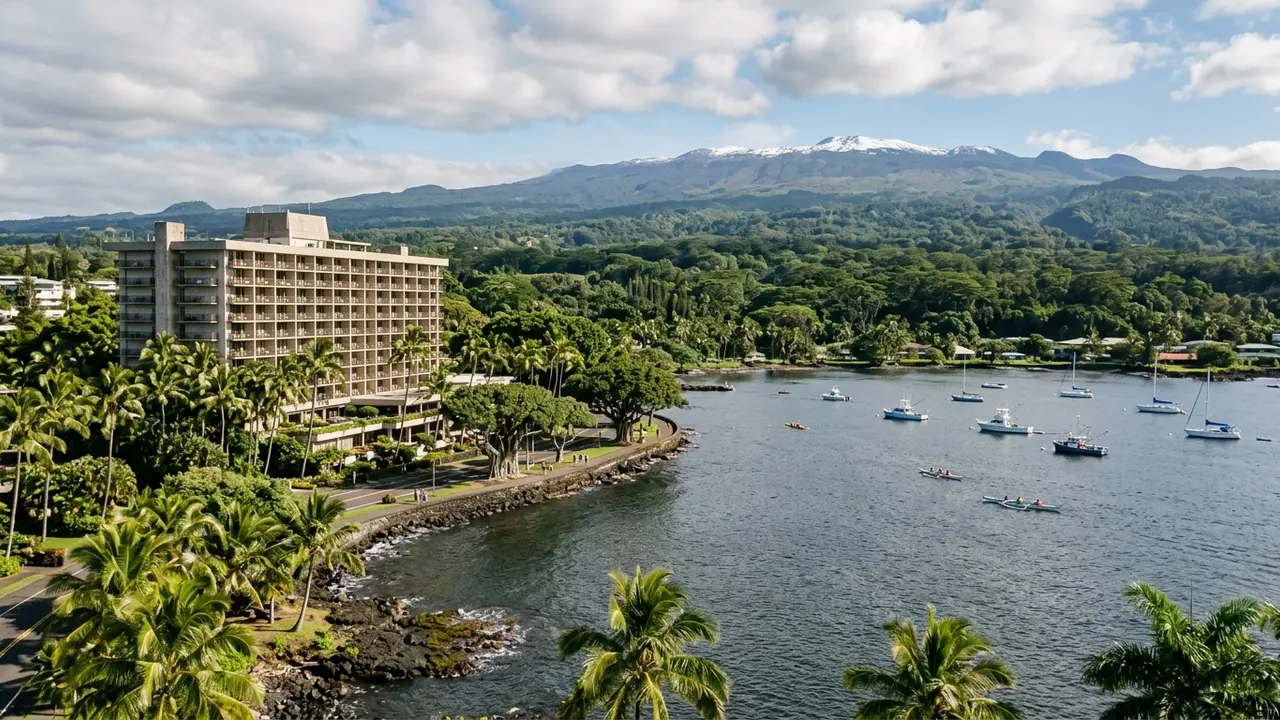
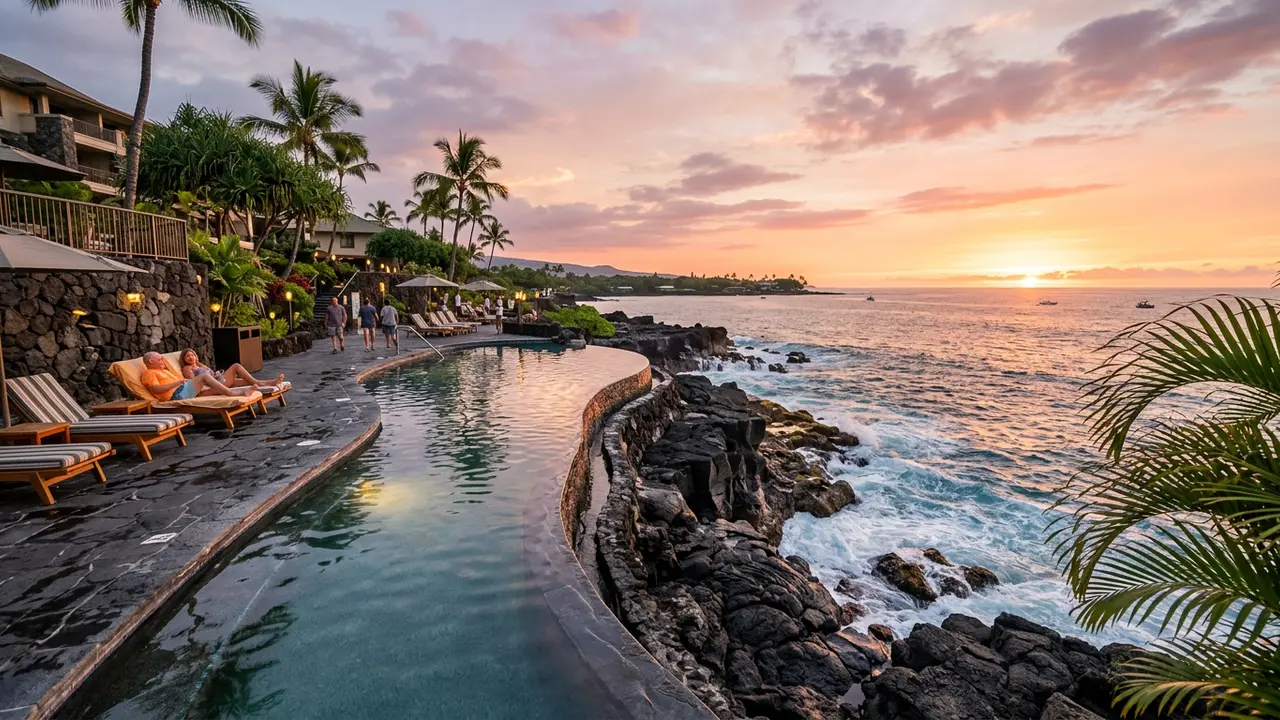
Hilo Hawaiian Hotel, Trademark Collection by Wyndham
70-78 min to the VIS · from $120/night + $30 resort fee · 286 rooms
Mauna Kea is sacred to Native Hawaiians and home to world-class observatories. Here's how to plan respectful, safe Mauna Kea stargazing at the Onizuka VIS.
Photo tour of the lodges, night-sky trips, and guides for this destination.
Best dedicated stargazers who want the shortest realistic drive to the vis and real upcountry character over resort amenities
Ranked: the best Big Island lodges for a Mauna Kea stargazing trip. No lodging sits near the summit, so drive time to the VIS and airport ease decide the pick.
Mauna Kea's best stargazing spot isn't the summit; it's the Onizuka Visitor Station at 9,200 feet, plus four dark-sky alternatives across the Big Island.
Best budget travelers and groups who'd rather join a guide than self-drive above the vis
Ranked by Bortle darkness, clear-night odds, and galactic-core season: 14 places worldwide where the Milky Way is genuinely visible, from Atacama to Uluru.
Mauna Kea's summit stays clear roughly 80% of nights, but altitude and its sacred status mean most visitors belong at the Visitor Station, not the top.
Weighing it against somewhere else? Mauna Kea vs Big Bend Stargazing: Which Fits Your Trip?
Bortle 1-2 sky
What the Bortle scale meansThe Milky Way casts a faint shadow. Zodiacal light and airglow are obvious.
This destination rates Bortle 1-2 on the 9-level Bortle dark-sky scale, where 1 is a pristine dark sky and 9 is an inner-city sky. The Milky Way casts a faint shadow. Zodiacal light and airglow are obvious.
On this page
Updated
Long before any telescope stood on its summit, Mauna Kea was already sacred. Native Hawaiians, Kanaka Maoli, regard the mountain as one of the most significant wahi pana (sacred places) in the islands: a shrine, the piko, or umbilical cord, connecting Hawaiʻi Island to the heavens, and the physical embodiment of deities central to Hawaiian tradition. The upper slopes hold close to 100 recorded archaeological sites and traditional cultural properties eligible for the National Register of Historic Places. That significance sits directly alongside the mountain's other identity: since the 1960s, the University of Hawaii's Institute for Astronomy has overseen the construction of 13 observatory facilities on the summit, among them some of the most capable telescopes on Earth. Both things are true about Mauna Kea at once, and neither cancels out the other.
Summit astronomical development remains contested. In 2019, Native Hawaiian cultural practitioners and kūpuna (elders) blocked the Mauna Kea Access Road for months to stop construction of the Thirty Meter Telescope (TMT), drawing arrests and international attention. In response, the Hawaii Legislature created the Mauna Kea Stewardship and Oversight Authority (MKSOA) in 2022 to take over summit management from the University of Hawaii, a transition still underway: the handover date was pushed from June 2028 to December 2029 under a 2026 bill. This is a live governance question, not settled history, and it should shape how anyone visits Mauna Kea: as a guest on sacred land that also happens to hold some of the world's most important telescopes, not as a stargazing amenity.
Computed for Mauna Kea at 20°N. Updates nightly.
First quarter tonight, 36% illuminated
Next new moon August 12. The nights either side of it are the darkest of the month.
About 8 hours of astronomical darkness tonight
The sun drops more than 18 degrees below the horizon, so the sky gets genuinely dark for deep-sky viewing at 20°N.
Hours of astronomical darkness by month at Mauna Kea: January 10 hours, February 10 hours, March 10 hours, April 9 hours, May 8 hours, June 8 hours, July 8 hours, August 9 hours, September 9 hours, October 10 hours, November 10 hours, December 10 hours.
Perseids active now
Peaks August 12. Up to 100 meteors per hour at maximum. The 2026 peak lands on a new moon — a dark-sky year with zero lunar washout.
See the Perseids guideWhere to go stargazing in July
The Office of Hawaiian Affairs (OHA) holds that the State of Hawaiʻi and the University of Hawaiʻi carry a legal trustee duty over Mauna Kea as ceded land, and has criticized decades of astronomical development going ahead without matching protection for cultural and natural resources. That tension is what the 2019 TMT protests brought into public view, and what the MKSOA was built to address. The University of Hawaii's master lease over the summit still runs until 2033, and the practical transfer of day-to-day stewardship to the new authority remains years away. None of this means the observatories are going anywhere, and none of it means the mountain's sacred status is up for debate. Both are simply true, and worth knowing before you plan a trip up the access road.
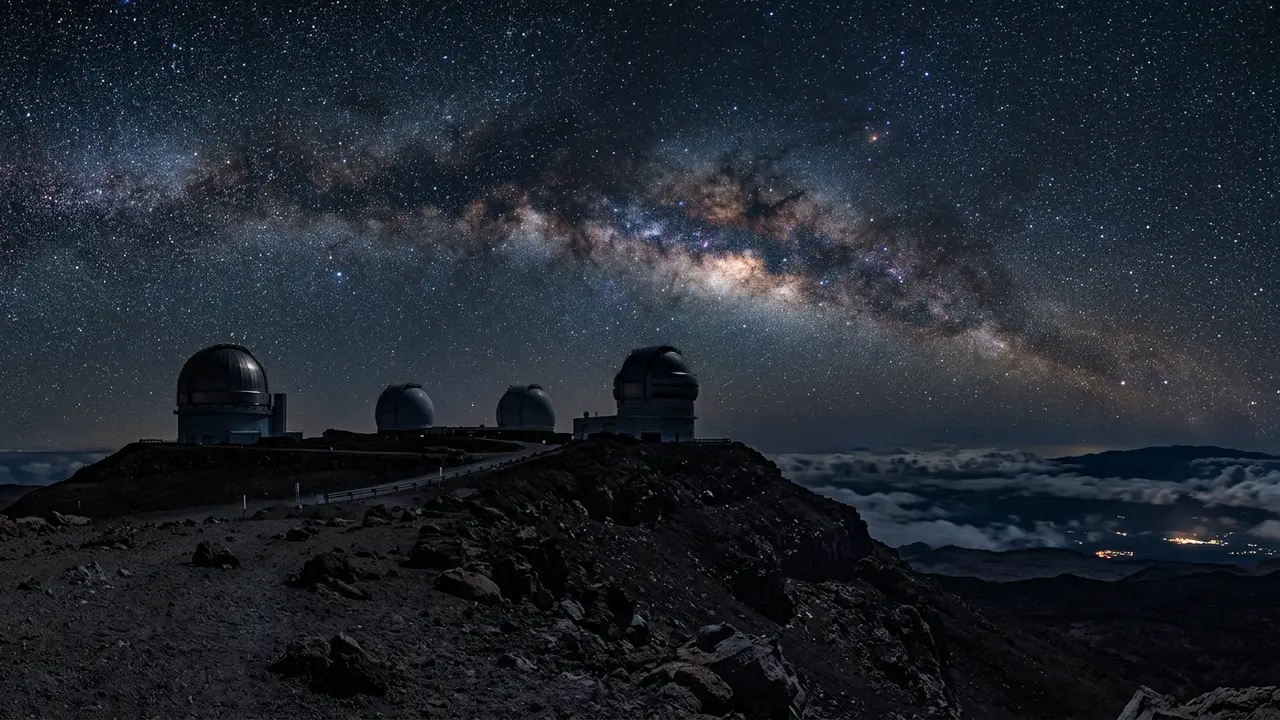
The summit rises to 13,796 ft (4,205 m), above roughly 40% of Earth's atmosphere, the top of a nearly 9,750-meter rise from the ocean floor below. A tropical inversion layer roughly 600 meters thick sits well beneath the summit, isolating the dry, stable air above it from the moist maritime air of the coast. That combination, altitude, isolation, and a remote mid-Pacific location with little competing light, is why the University of Hawaii's Institute for Astronomy (IfA), founded in 1967, has managed 13 observatory facilities here rather than somewhere else. Three worth knowing:
These are working research facilities, not public attractions. None of them offer general visitor access to their domes or instruments.
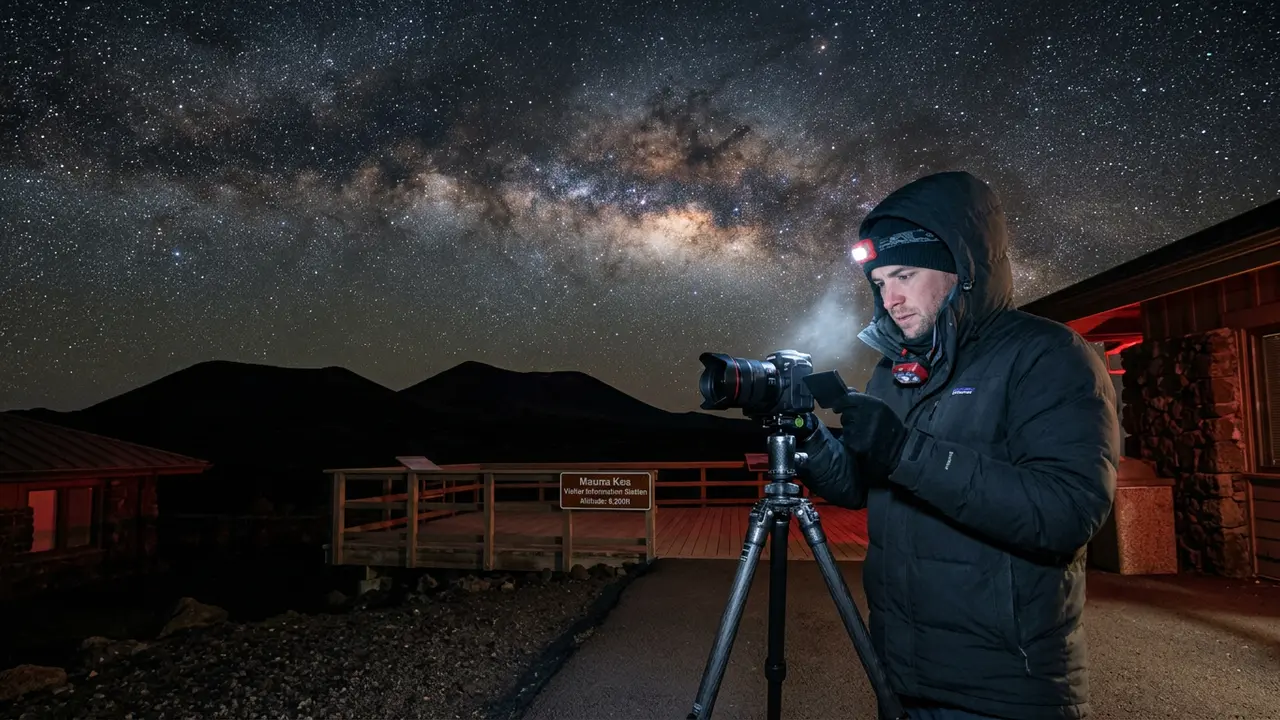
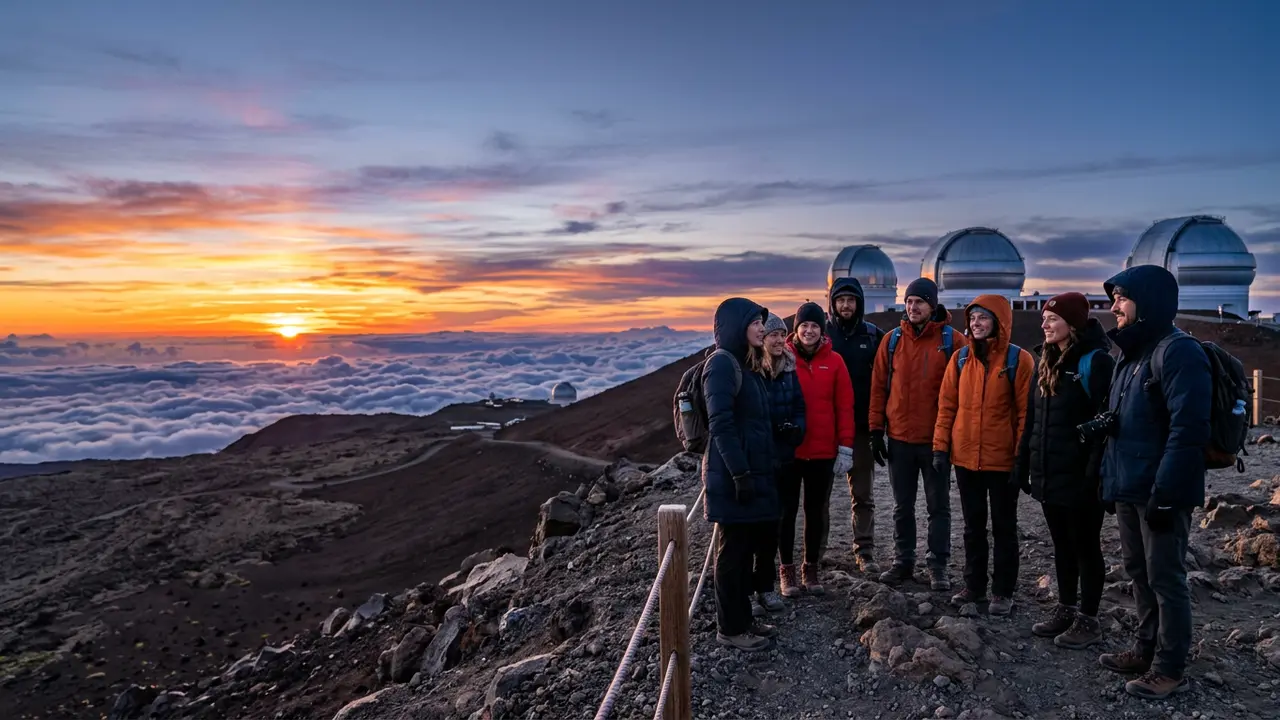
The Onizuka Center for International Astronomy Visitor Information Station (VIS) sits at roughly 9,200 ft (2,804 m) on the Mauna Kea Access Road, well below the summit and the observatories. This, not the summit, is where general visitors belong. The VIS runs free, ranger-led public stargazing programs alongside cultural and astronomical exhibits, and it doubles as the recommended acclimatization stop before anyone continues further up the mountain. Advance booking isn't typically required for the evening program, but it draws a crowd, so arrive before sunset if you want a spot near the front. Reported hours are daily 9 a.m. to 9 p.m., though the schedule has shifted on short notice before; check the official VIS page directly before you go rather than planning around a fixed time.
Reaching the 13,796 ft summit requires a 4WD vehicle with low-range gearing; rangers check vehicles at the VIS and turn back anything that doesn't qualify. Most Big Island rental car agencies explicitly prohibit driving any rental vehicle, including 4WD and SUV models, to the summit. That's a contractual insurance restriction written into the rental agreement, not a suggestion. If you don't own a suitable 4WD, the summit likely isn't part of your trip, and that's fine: the VIS program is the destination for the vast majority of visitors anyway.
Altitude sickness is a genuine risk at 13,796 ft. Stop at the VIS for at least 30 minutes to acclimatize before ascending any further. Visitors with heart or respiratory conditions, those who are pregnant, and young children are generally advised against summit ascent; check current guidance directly with the VIS before deciding.
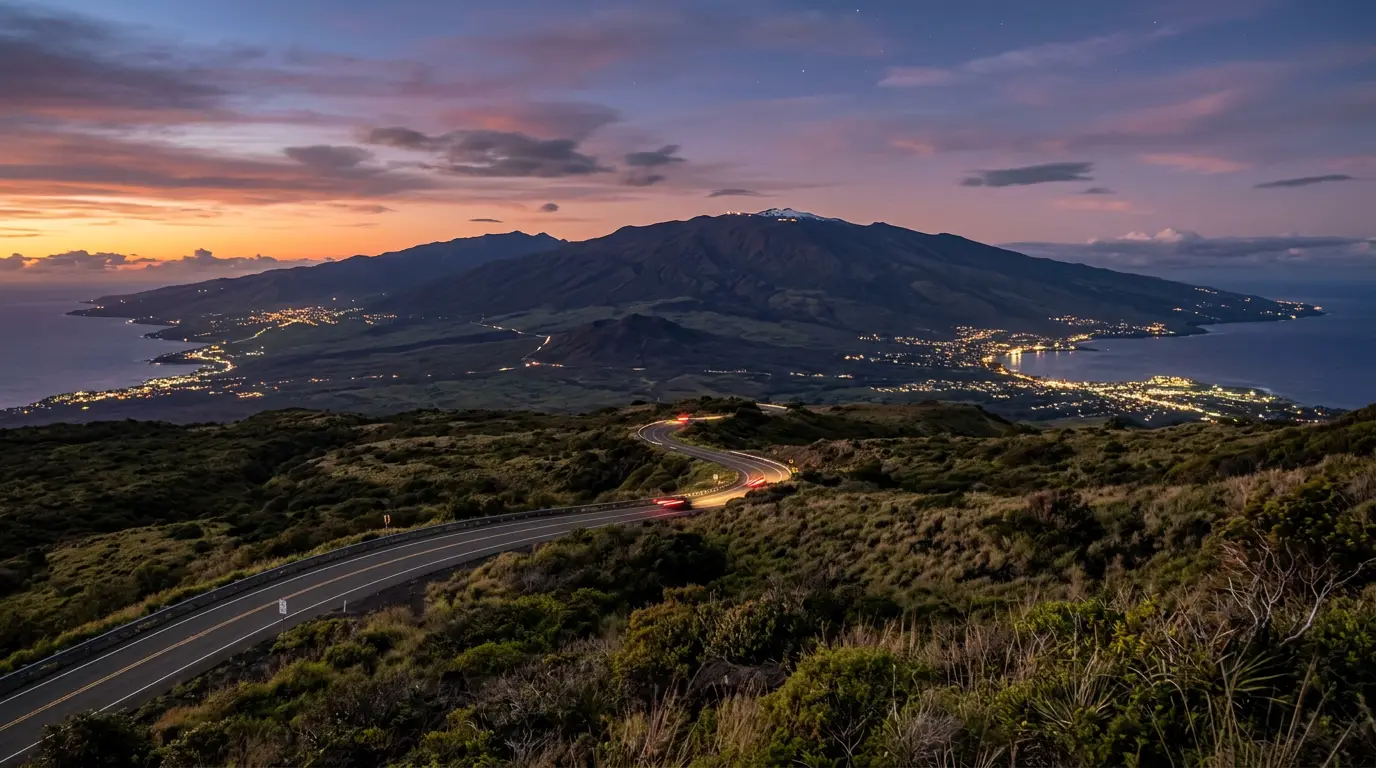
Fly into Hilo International Airport (ITO), on the wetter windward side and closer to the Mauna Kea Access Road, or Ellison Onizuka Kona International Airport (KOA) on the drier leeward side. From Kailua-Kona, it's roughly a 1.5-hour, 64-mile drive to the VIS via Saddle Road (the Daniel K. Inouye Highway) and the Mauna Kea Access Road. Fuel up before you leave; there's little in the way of services along the route.
Tap a pin to open the lodge, tour, or destination page.
There's no lodging at the VIS or the summit, and there shouldn't be. Base yourself on the Big Island instead, in whichever town suits the rest of your trip:
Wherever you stay, you're staying on the Big Island, not at Mauna Kea itself. For a full ranked comparison of these four bases, see the best Big Island lodges for Mauna Kea stargazing.
Best volcano-park travelers adding a single stargazing detour, not multi-night astrophotography trips
70-78 min to the VIS · from $120/night + $30 resort fee · 286 rooms
Best family resort trips treating mauna kea as a guided day/night excursion, not the main event
90-120 min to the VIS · from $214/night + fees · 508 rooms
Mauna Kea has no truly dead month, but April through October is when the dry season locks in: steady trade winds, a fully open summit road, and the year's most reliable clear nights. Late April into mid-May and again from September into early October are the two sharpest peaks, when storm risk drops lowest and the sky performs. November through March is the gamble season: real snow, ice, and summit-road-closure risk, not a decorative caveat.
Going in April? See what else the sky offers that month
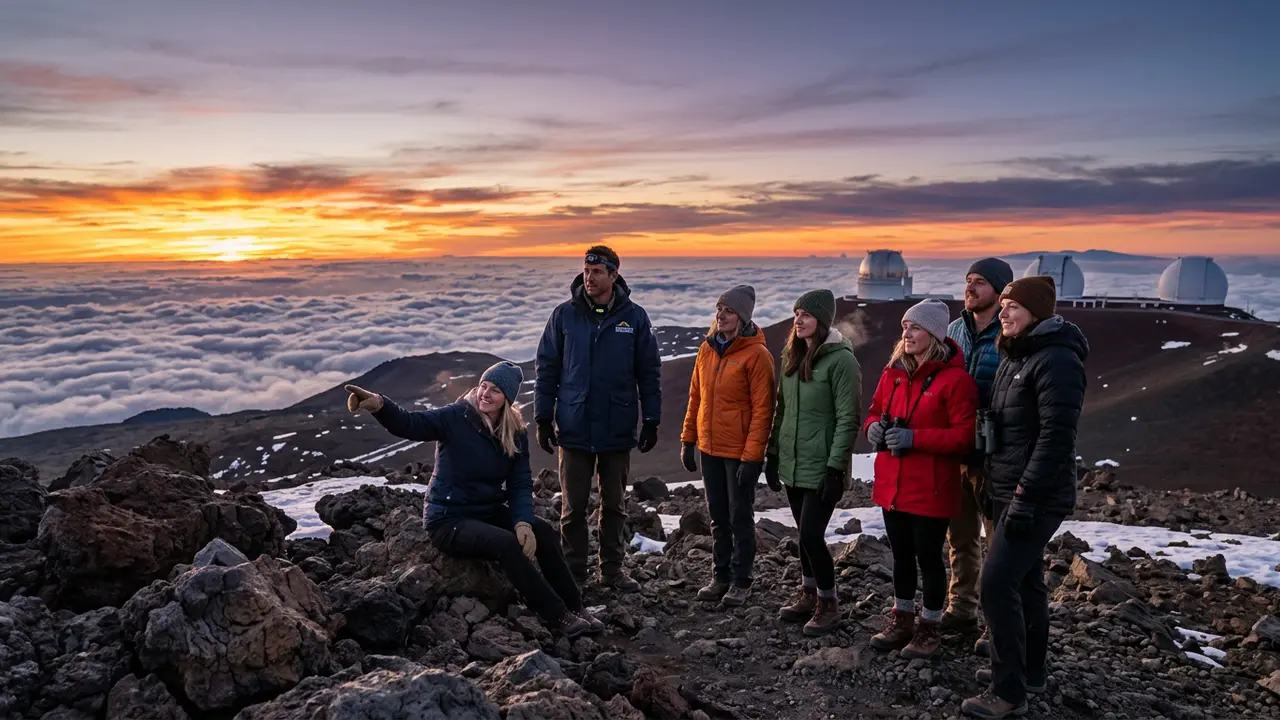
Hawaii Forest & Trail's UH-permitted Mauna Kea tour pairs a 13,796-foot summit sunset with telescope stargazing: ~$330 per person, 7-9 hours, age 13+.
The permitted way to see Mauna Kea's summit at 13,796 feet: guided sunset, telescopes, altitude checks, and honest safety rules before you book this tour.
Reporter notebook
The free ranger-led stargazing program doesn't typically require advance booking, but it's popular. Get there while the sun's still up to acclimatize, catch the exhibits, and claim a good spot before the evening program fills in.
It's easy to underdress for the VIS at 9,200 ft when you've spent the day at sea level in shorts. Temperatures drop fast after dark at that elevation. Bring a proper jacket, hat, and gloves, not just a beach cover-up.
Mauna Kea is sacred ground to Native Hawaiians, and the summit's development remains a genuinely contested issue. Stay on marked areas, listen to any cultural or safety guidance rangers give, and don't wander toward or photograph areas that aren't part of the public VIS program.
Further reading
Saudi Arabia · Best Oct–Apr
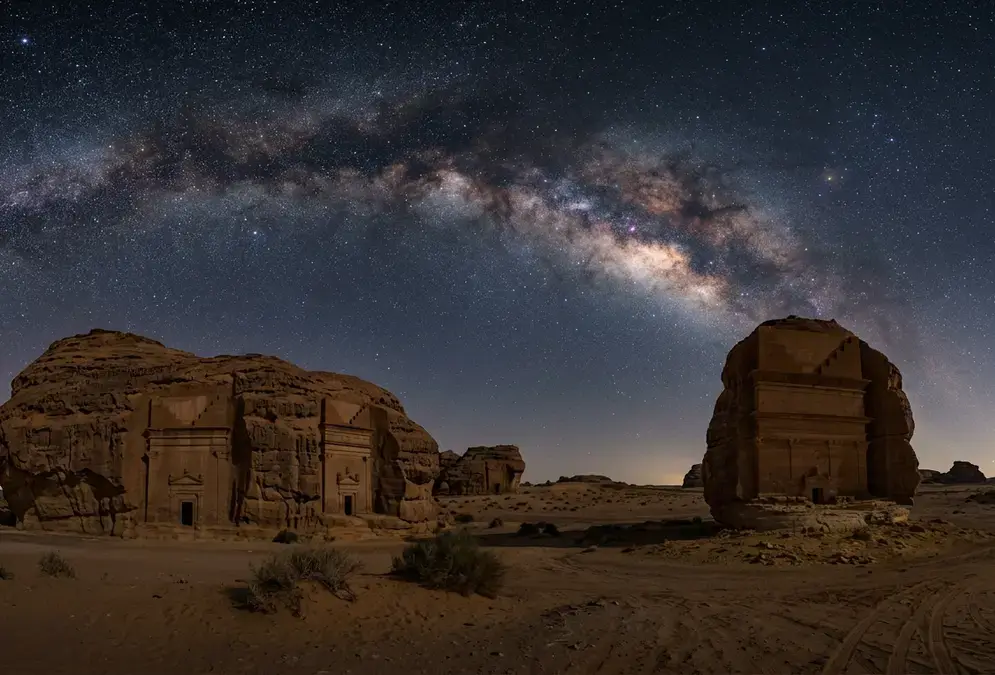
Stargaze above Hegra's 2,000-year-old Nabataean tombs in AlUla, the Gulf's first DarkSky-accredited Dark Sky Park. When to go, where to stay, and how to plan.
Morocco · Best Oct-Apr
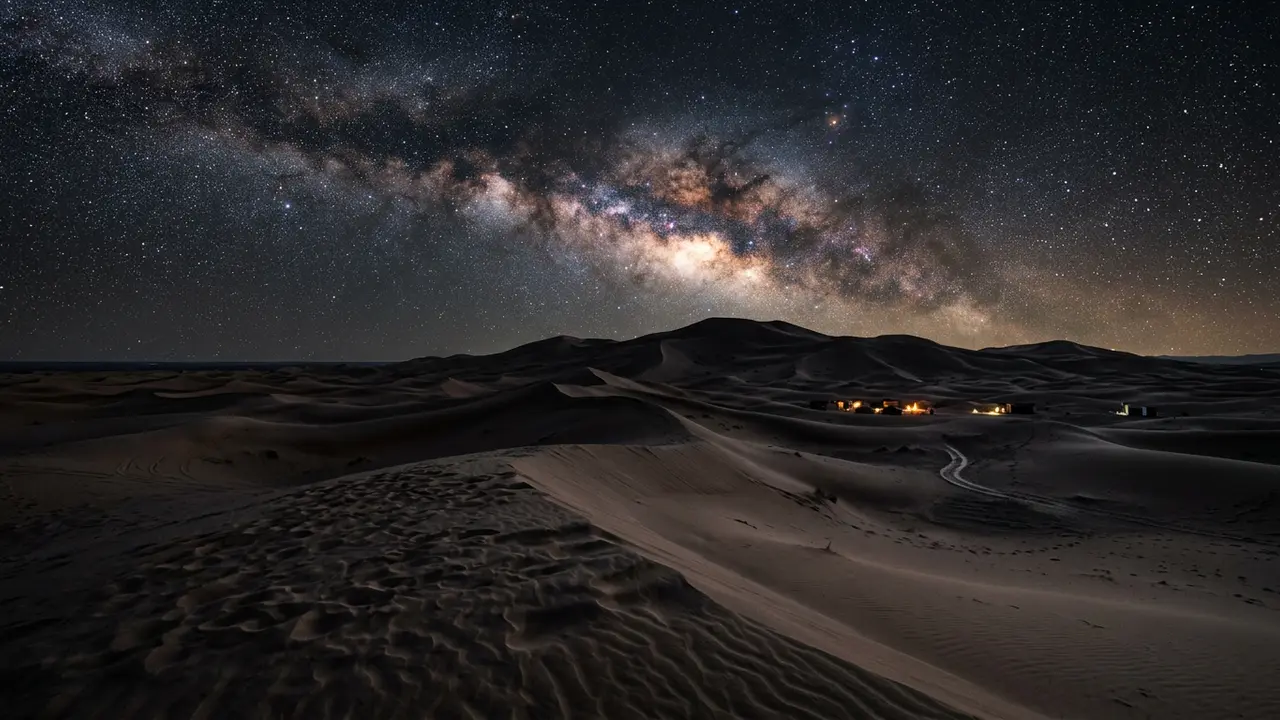
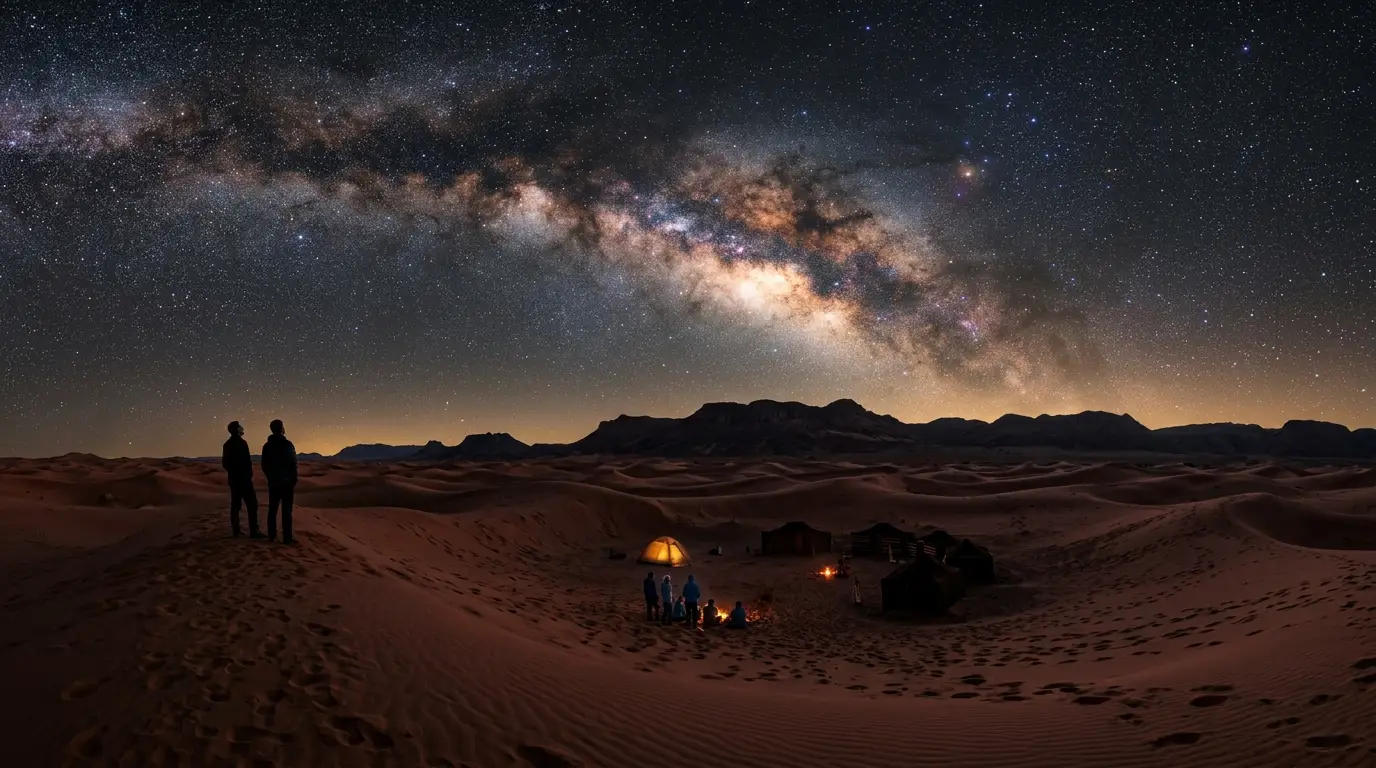
Erg Chebbi's dunes rise 150m above Morocco's Sahara, hours from city light. Stargaze from Berber-led desert camps: when to go, where to stay, how to get there.
United States · Best Year-round (moonless summer nights best)
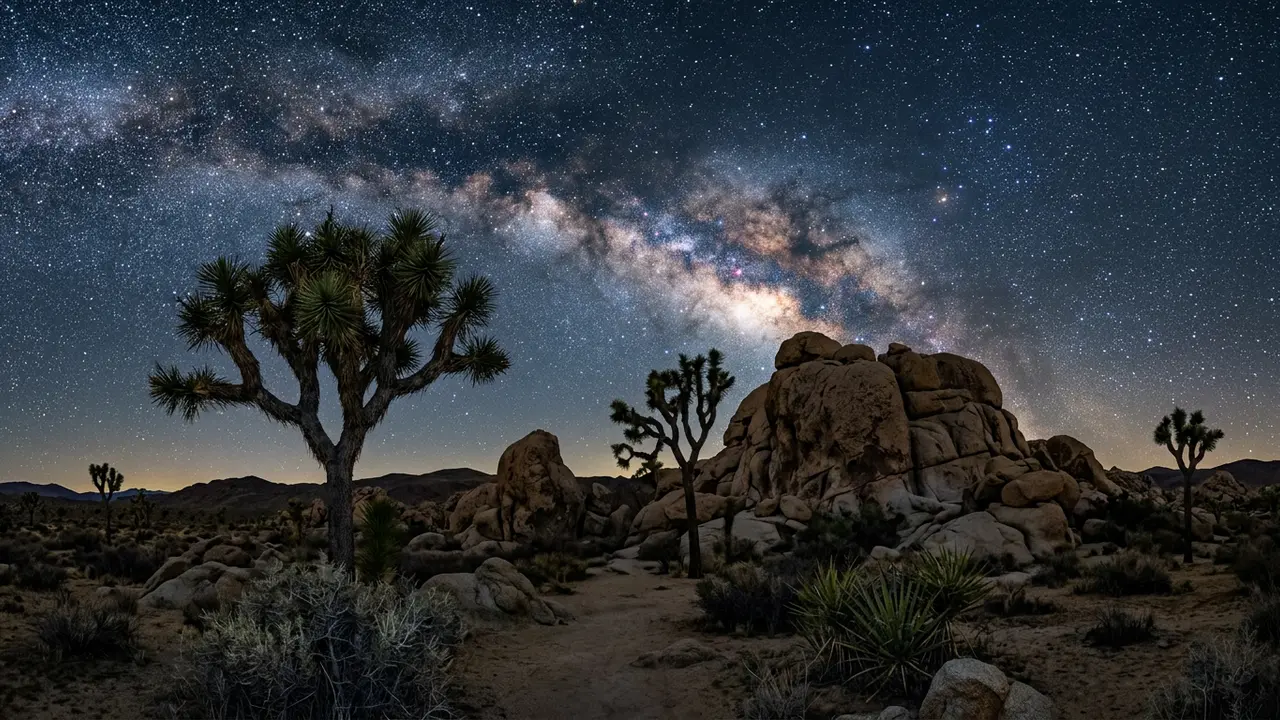
Joshua Tree earned International Dark Sky Park status in 2017, just two hours from LA. Here's where to see the Milky Way, dodge crowds, and stay the night.