Lodges by region

Dark-Sky Lodges Across the USA

20 lodges across 5 dark-sky areas

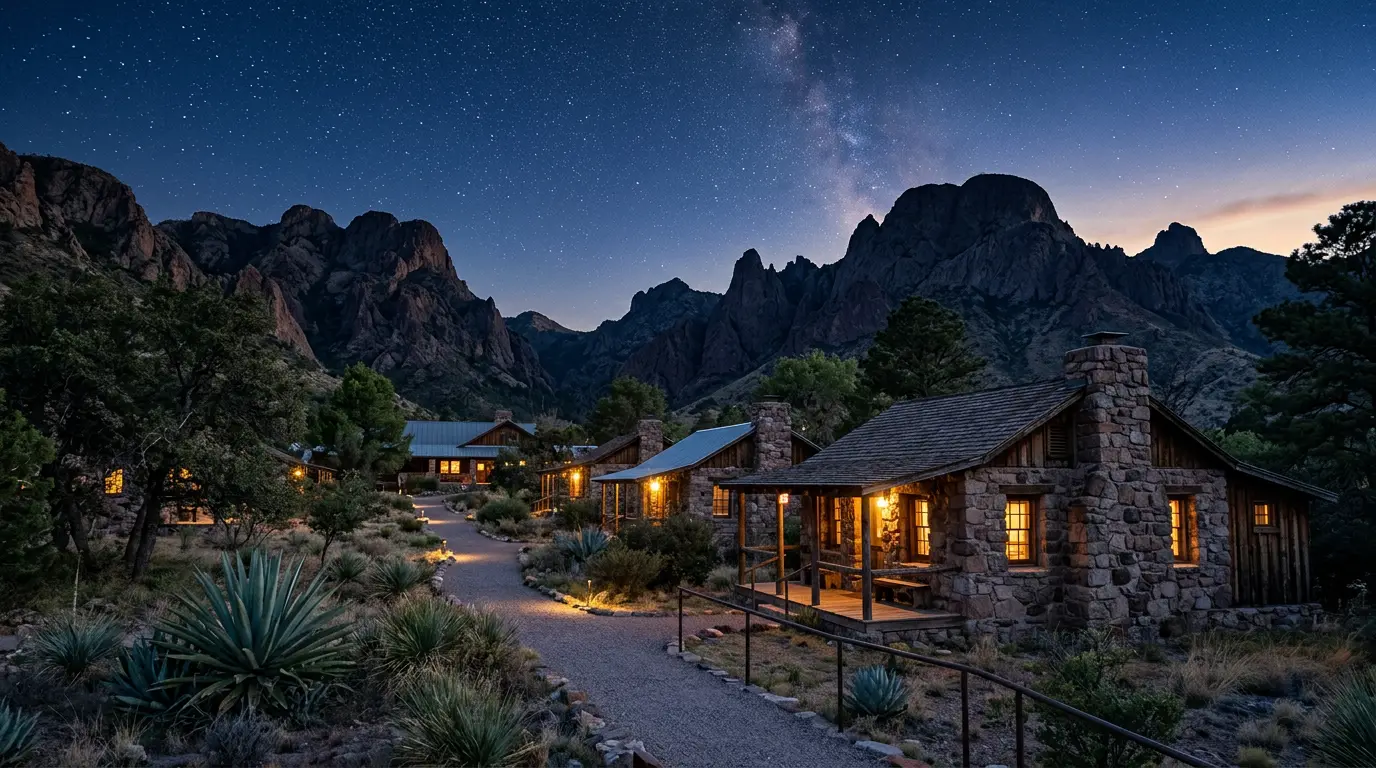
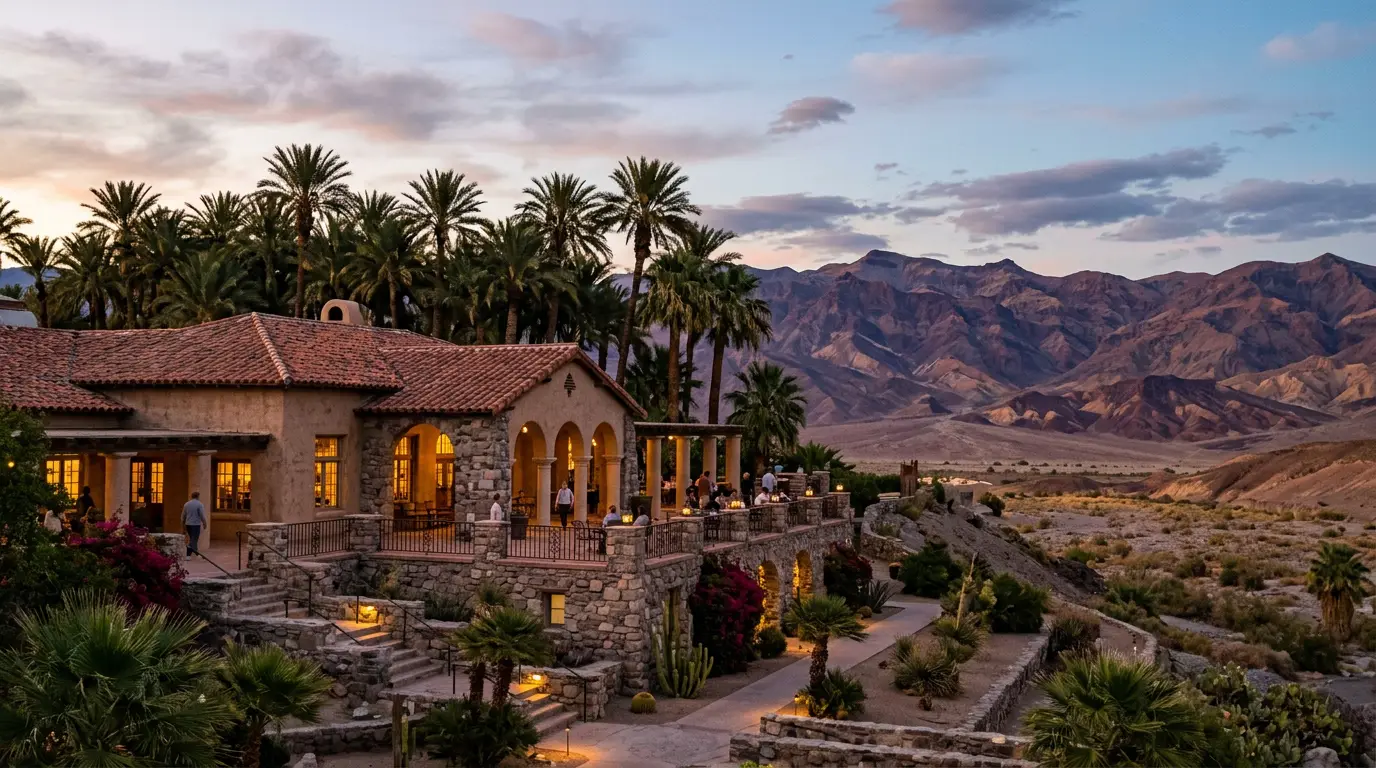
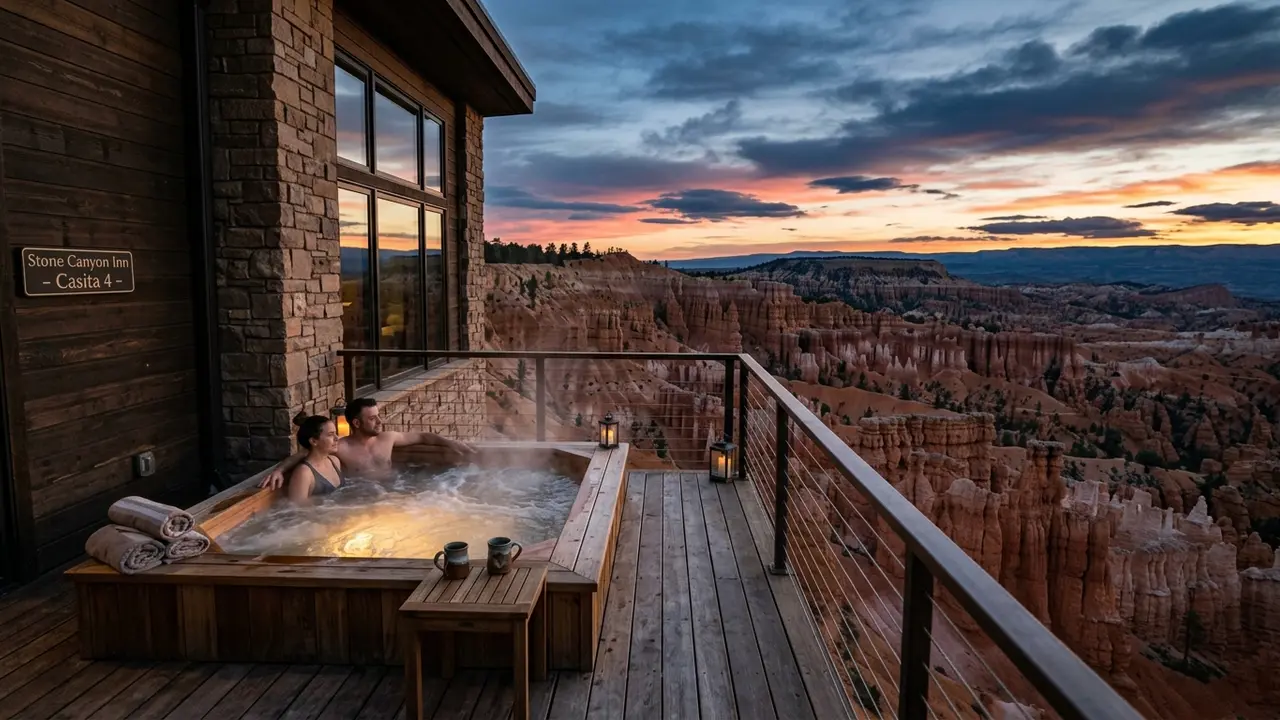
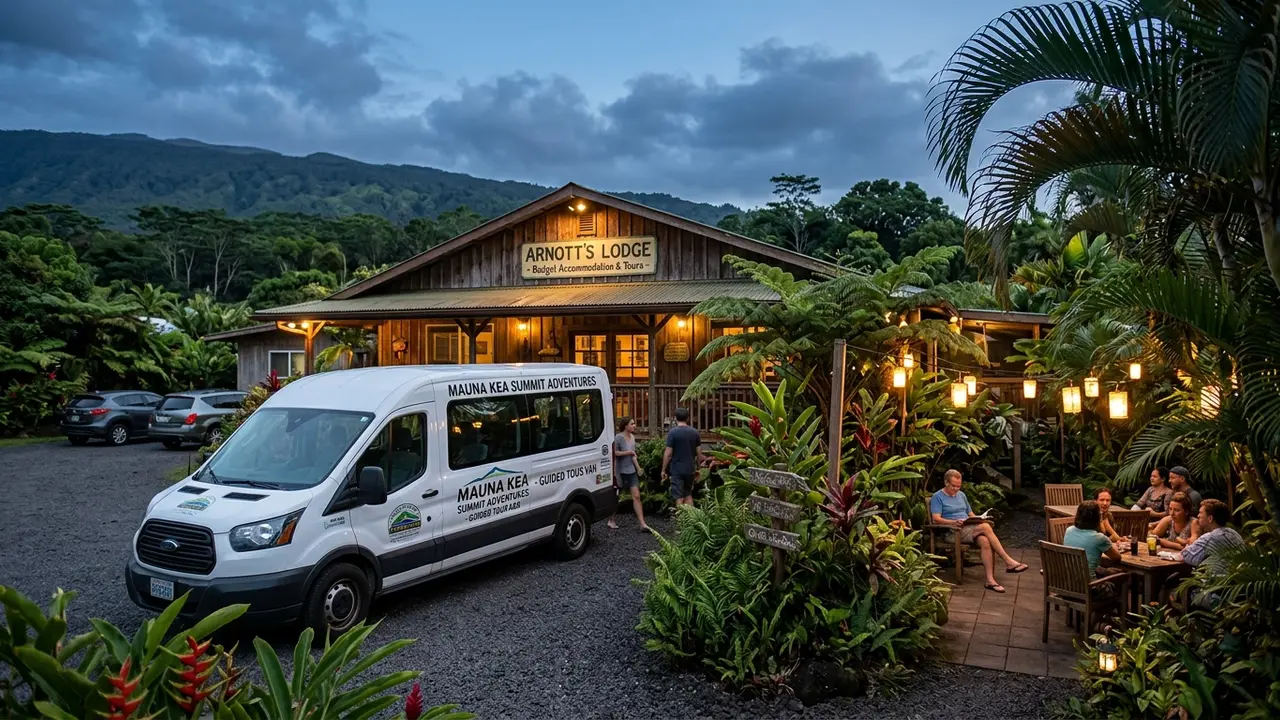
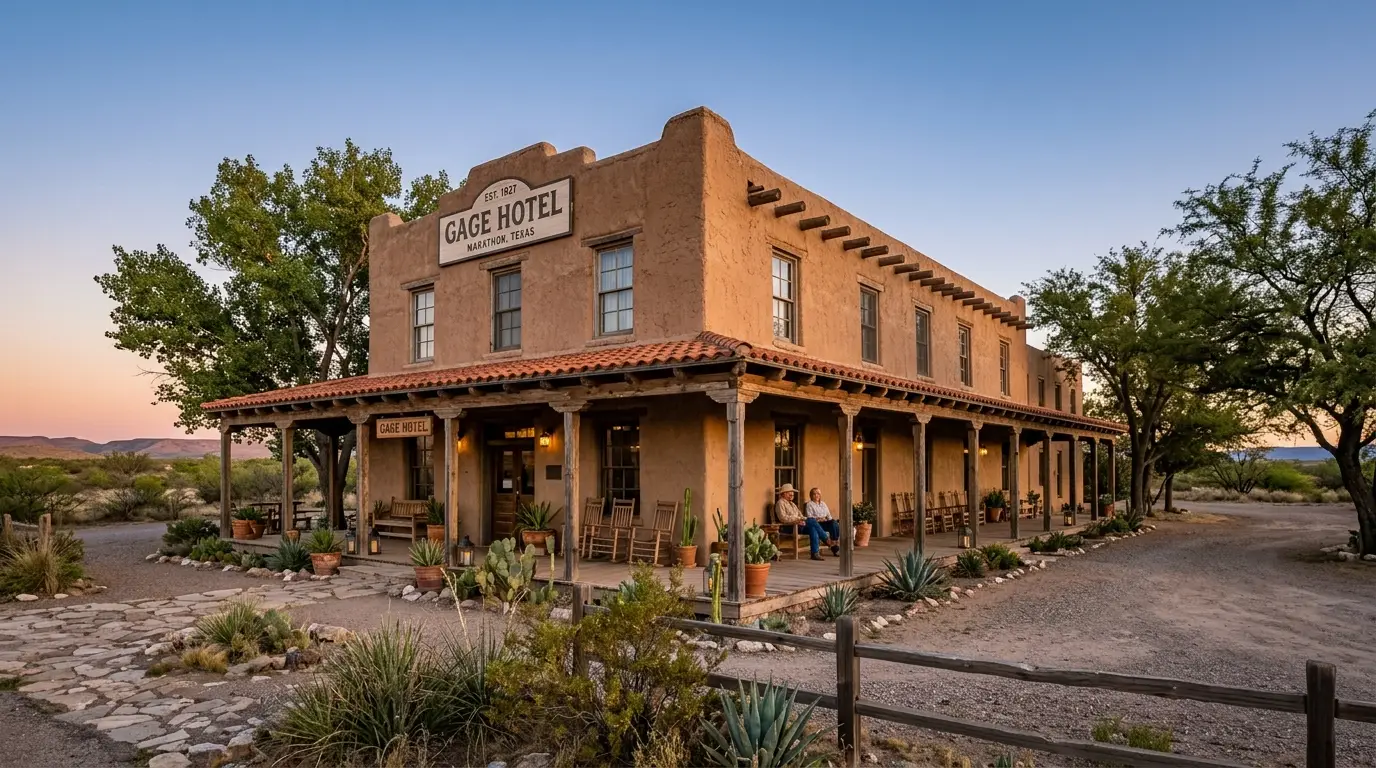
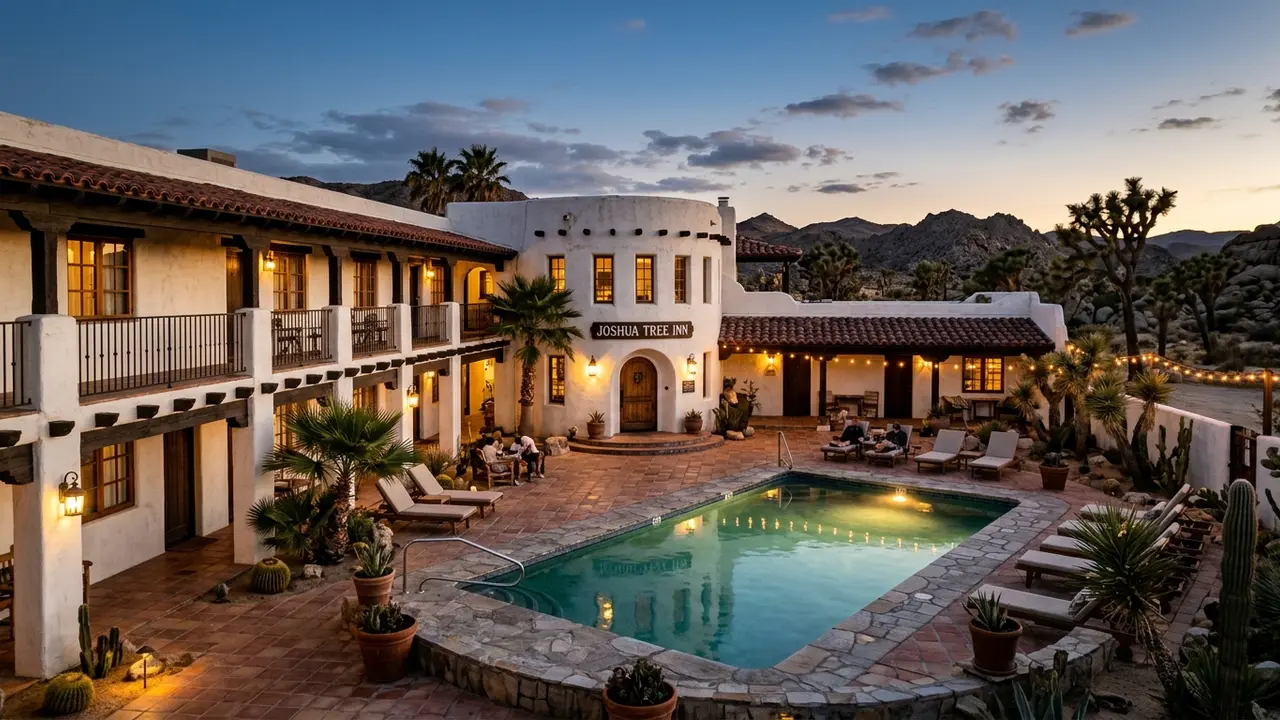
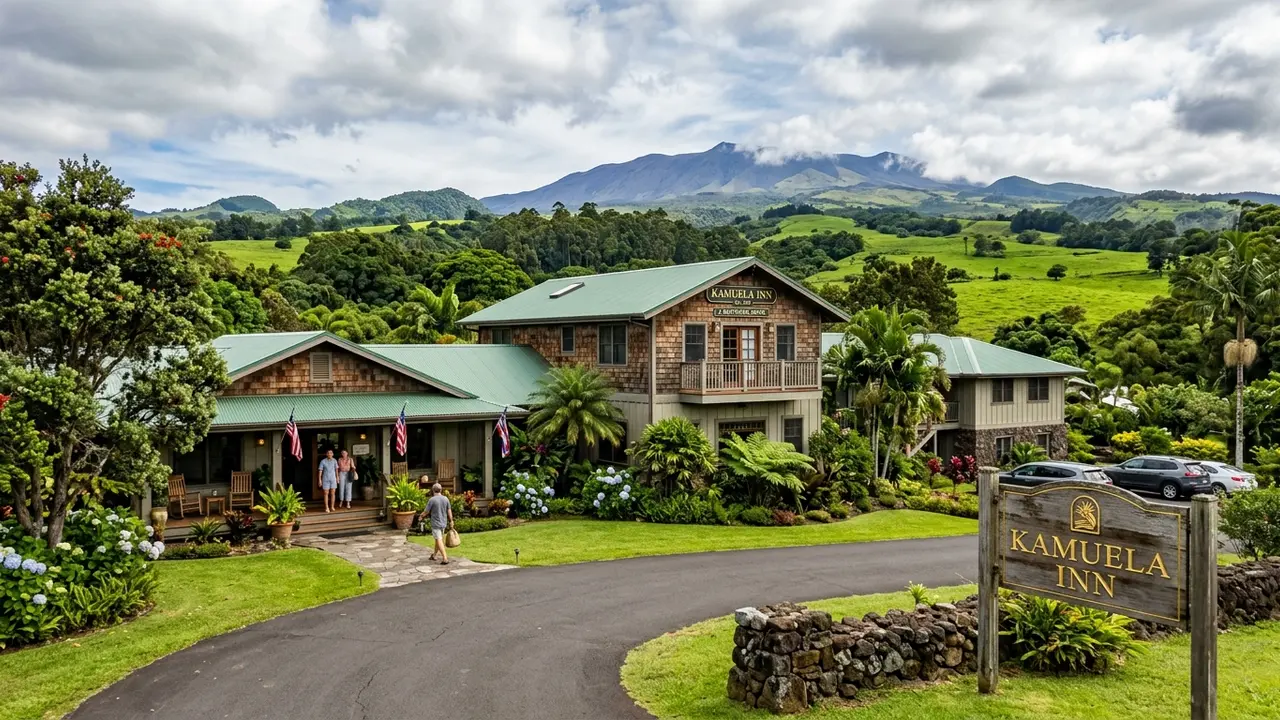
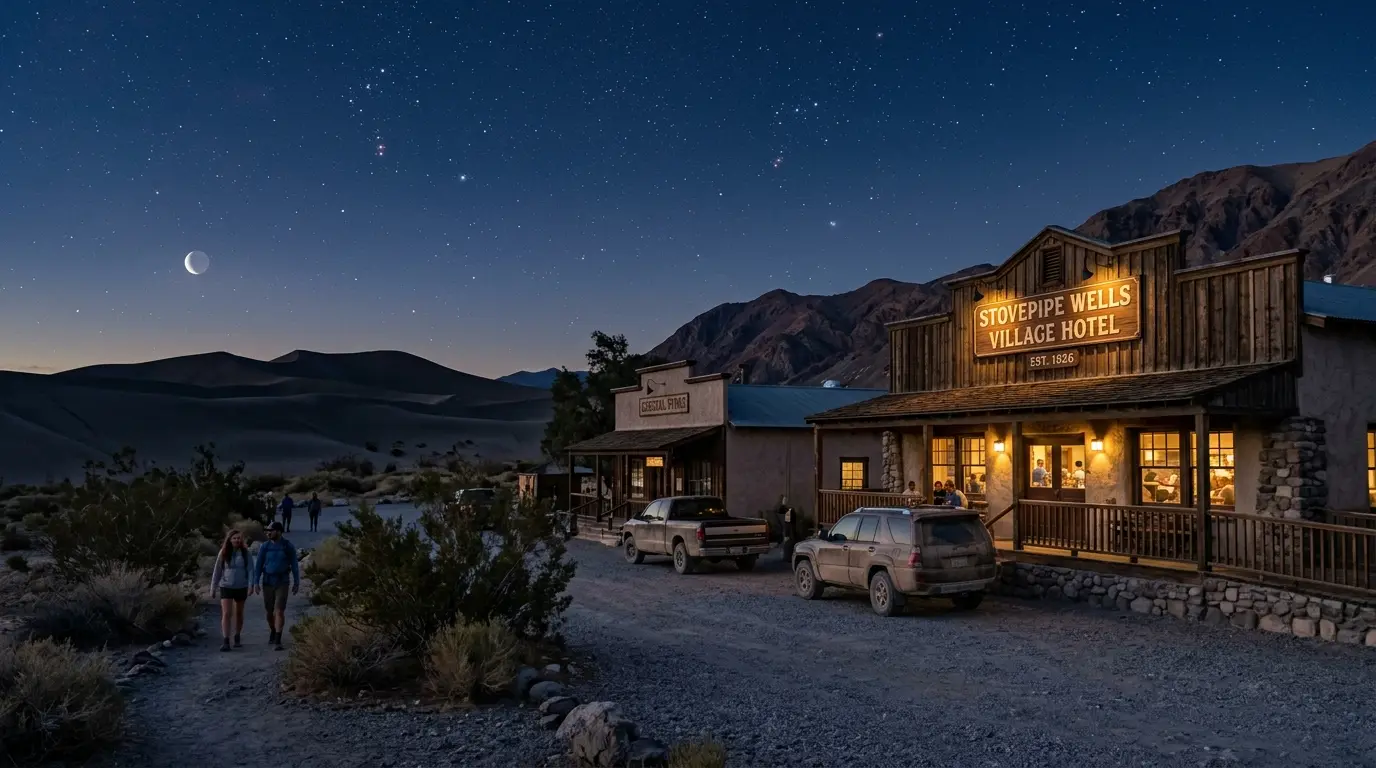
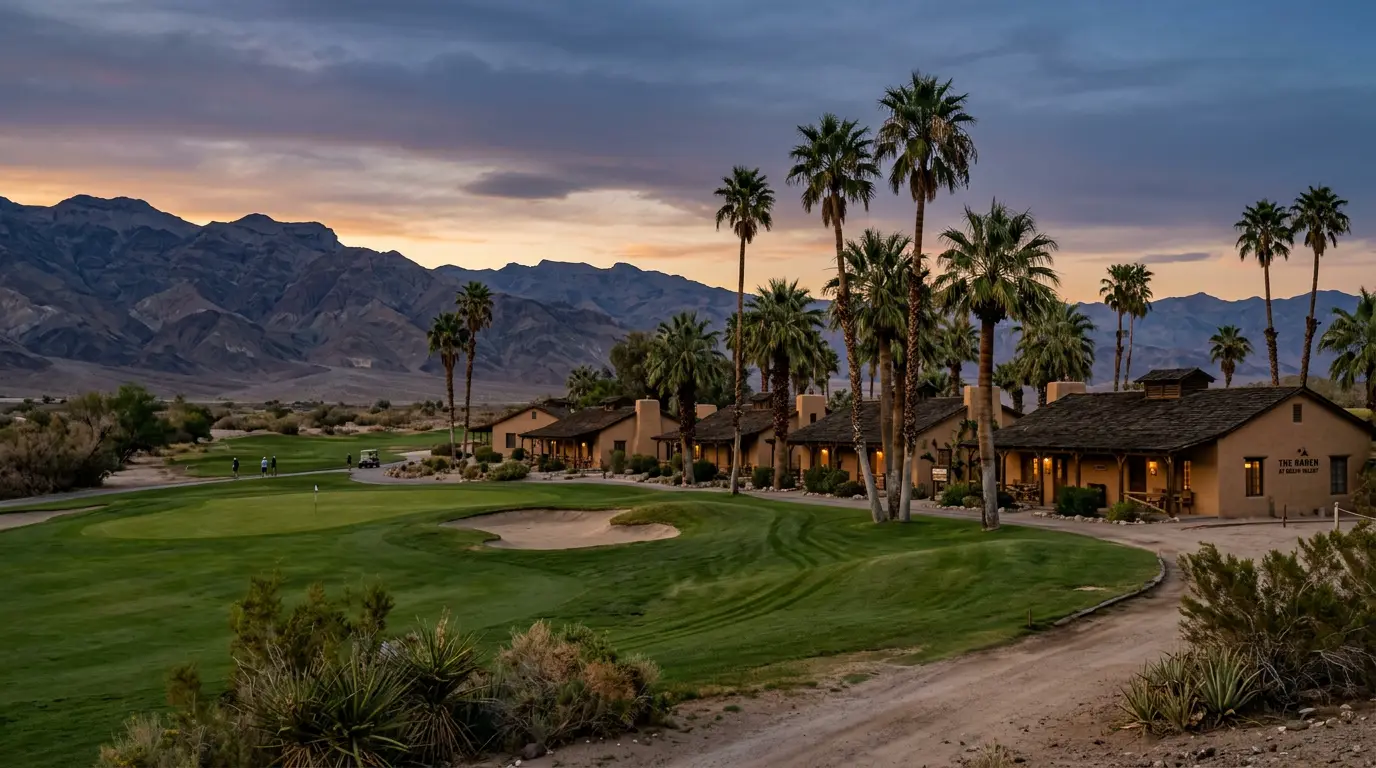
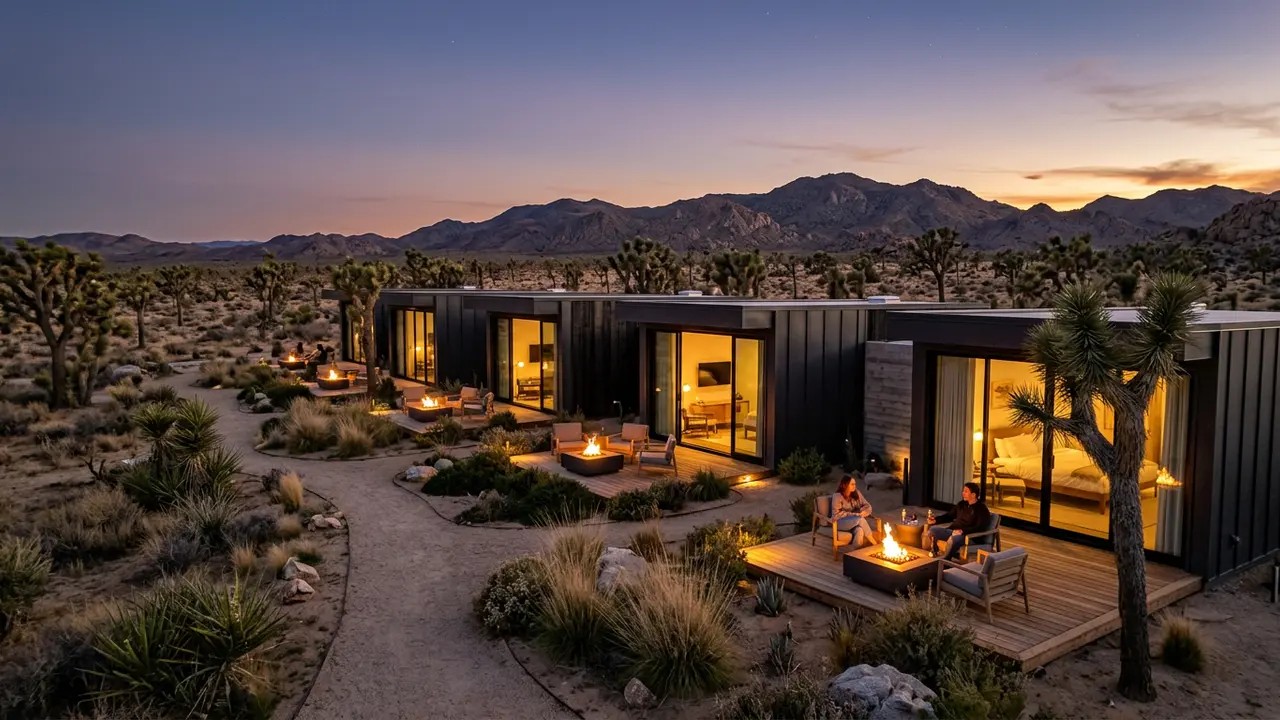
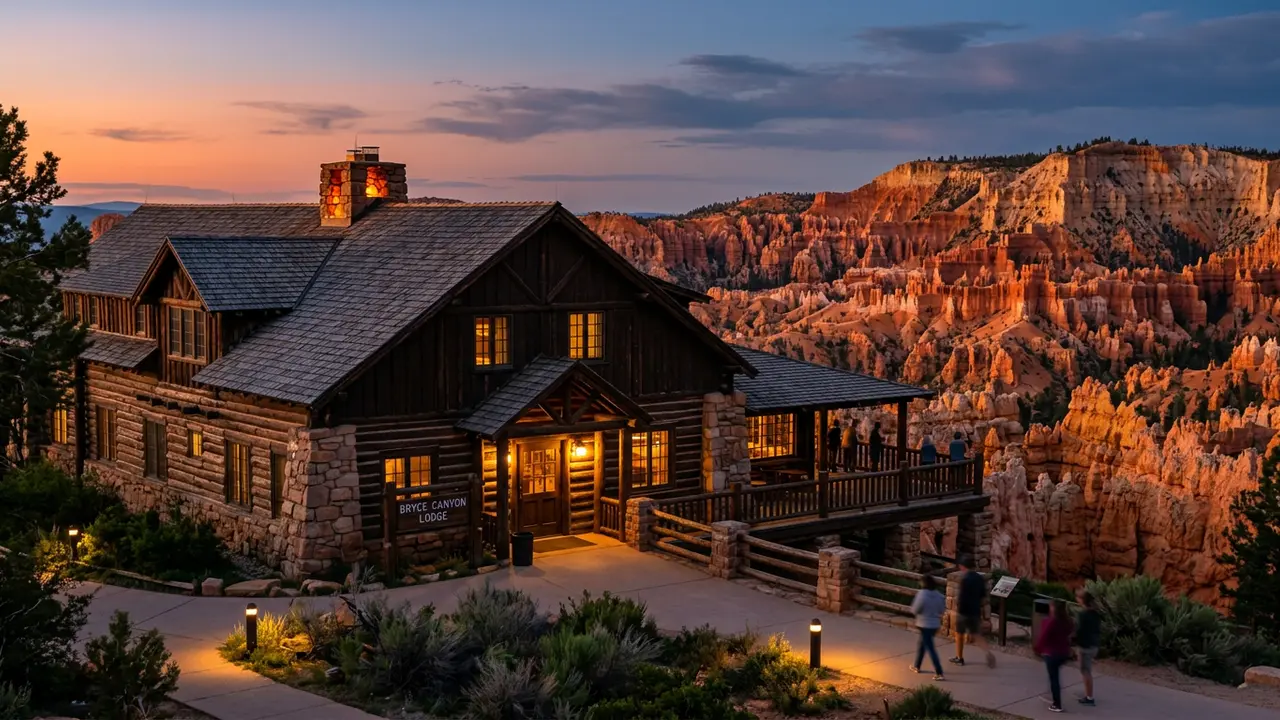
The United States has more certified dark-sky places than any other country, and a cluster of them anchor this list: Bryce Canyon in Utah, Death Valley and Joshua Tree in California, Big Bend in West Texas, and Mauna Kea on Hawaii's Big Island. These aren't just remote spots that happen to be dark; most carry an official Bortle rating or International Dark-Sky Association certification, and the lodges near them sit close enough that you can walk out the door and see the Milky Way without a drive. That's the real advantage over a generic desert hotel: proximity to a protected sky, not just a marketing claim about stars.

Season matters more than most guides admit. The Milky Way's bright core is visible from the northern hemisphere roughly March through October, peaking around new moon in June and July, so a midsummer trip to Bryce Canyon or Big Bend gets you both warm nights and the galaxy's core overhead. Death Valley and Joshua Tree flip that logic in summer, when daytime heat makes late spring or fall the better call even though the sky itself is just as dark. Mauna Kea runs on its own rules entirely, with altitude and cloud inversion doing more work than any calendar. Match the lodge to the season, not the other way around.
Where to base yourself

Each area below has its own ranked roundup guide with the shortlist, prices and the catch.

Basecamp Terlingua
Glamping
Budget
Confirmed from $45/night for Campsites up to $600/night for the largest accommodation, Casa Luna Nova, per the property's own FAQ page; other unit types (Bubbles, Tipis, Lotus Tents, Casitas) fall somewhere between, so check the live booking grid for current pricing by unit type

Basecamp Terlingua

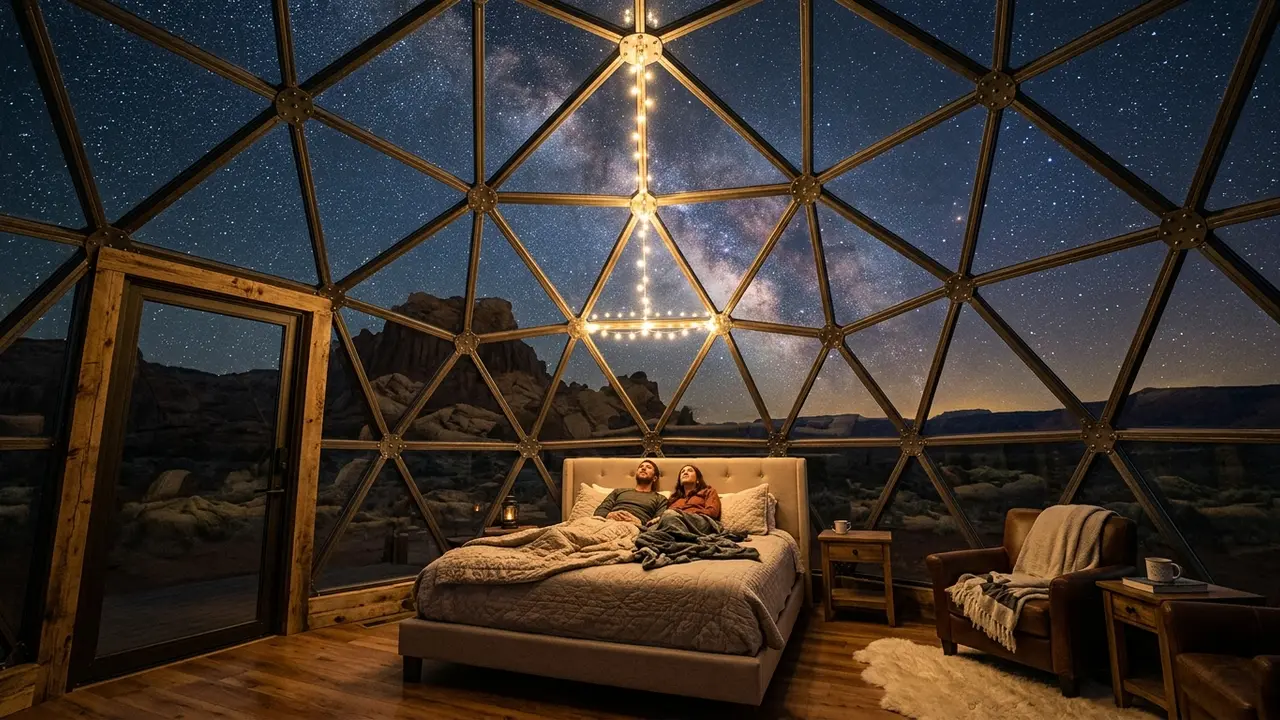
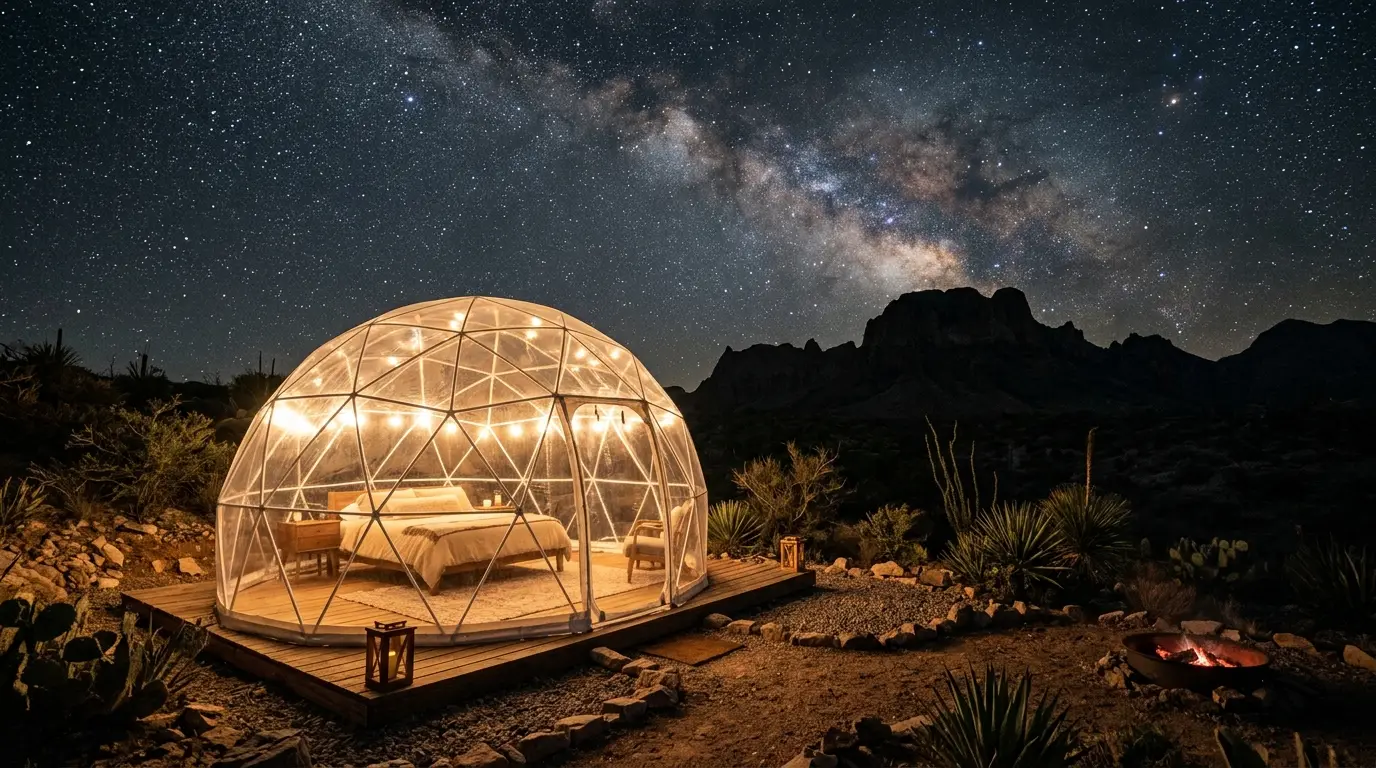
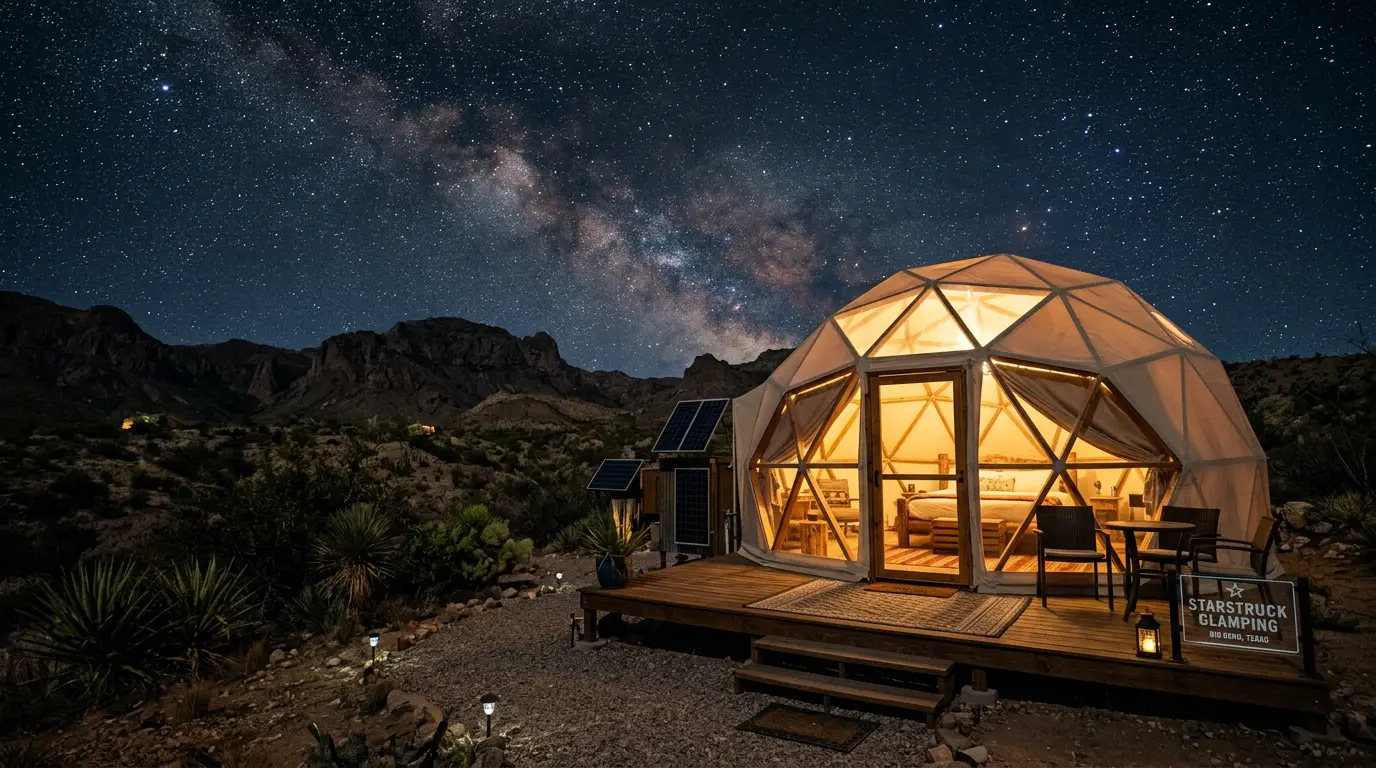
Basecamp Terlingua glamping puts private fire pits, stargazing chairs, and glass-domed Bubbles minutes from Big Bend's park entrance, rated 4/5 on TripAdvisor.

Bortle 1–2
Private fire pits (most units) Stargazing chairs WiFi +5
View

Browse other ways

Frequently asked questions

What makes a lodge a good stargazing base in the USA's dark-sky parks?

A good stargazing lodge near a US dark-sky park sits close enough to the protected zone that light pollution from towns and roads doesn't wash out the sky. Many of the best options are inside or immediately adjacent to the park boundary itself. Look for a lodge that publishes its own Bortle rating or references International Dark-Sky Association certification rather than just claiming good stargazing.

When is the best time to see the Milky Way in the USA's dark-sky regions?

The Milky Way's bright galactic core is visible from these latitudes roughly March through October, with the darkest, moonless nights around new moon in June and July giving the clearest view. Desert parks like Death Valley and Joshua Tree get uncomfortably hot in peak summer, so late spring or early fall often works better there. Mauna Kea's high altitude changes the calculation entirely, since cloud cover below the summit matters more than the season.

Do I need to book inside the park, or is nearby lodging just as good?

Lodging inside a park boundary usually means less drive time after dark and a shorter walk to a genuinely dark viewpoint, and several US dark-sky parks have at least one lodge or inn within their boundaries. Nearby towns can work too, provided they sit outside the light dome of a larger city. Check a lodge's distance from the nearest town with any real population before assuming nearby means dark.

Which US dark-sky parks are easiest to reach without a long drive?

Joshua Tree and Death Valley are both within a few hours of Los Angeles or Las Vegas by rental car, making them the most accessible on this list. Bryce Canyon and Big Bend require more driving from the nearest major airport, several hours in Big Bend's case. Mauna Kea is the outlier, reachable from Hilo or Kona airport but requiring altitude acclimatization before a summit visit.