Lodges by region

Desert Stargazing Camps & Lodges

25 lodges across 6 dark-sky areas

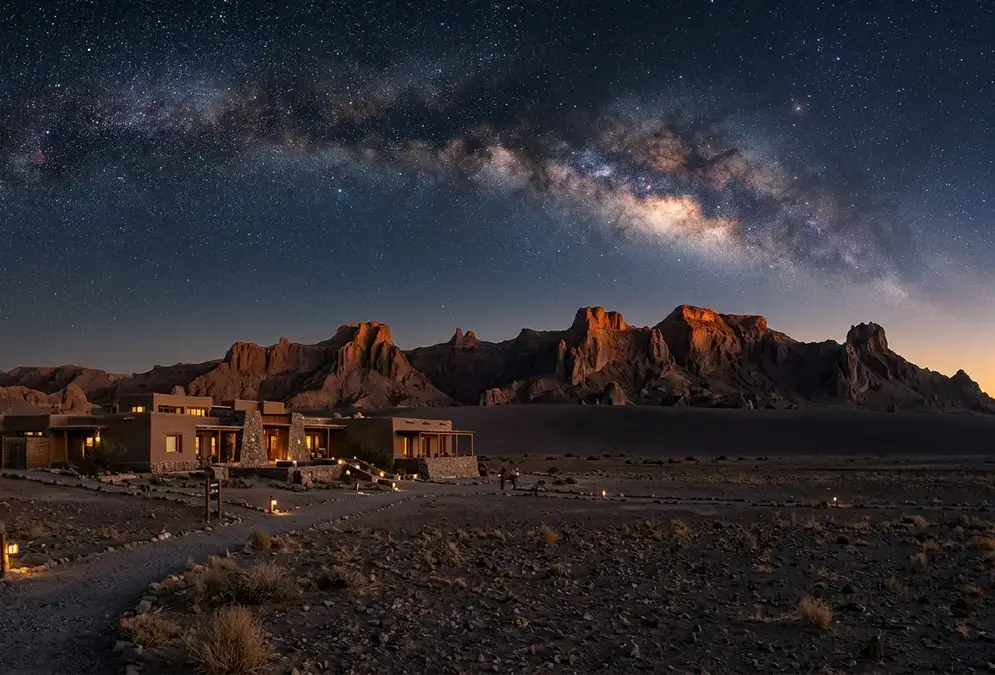
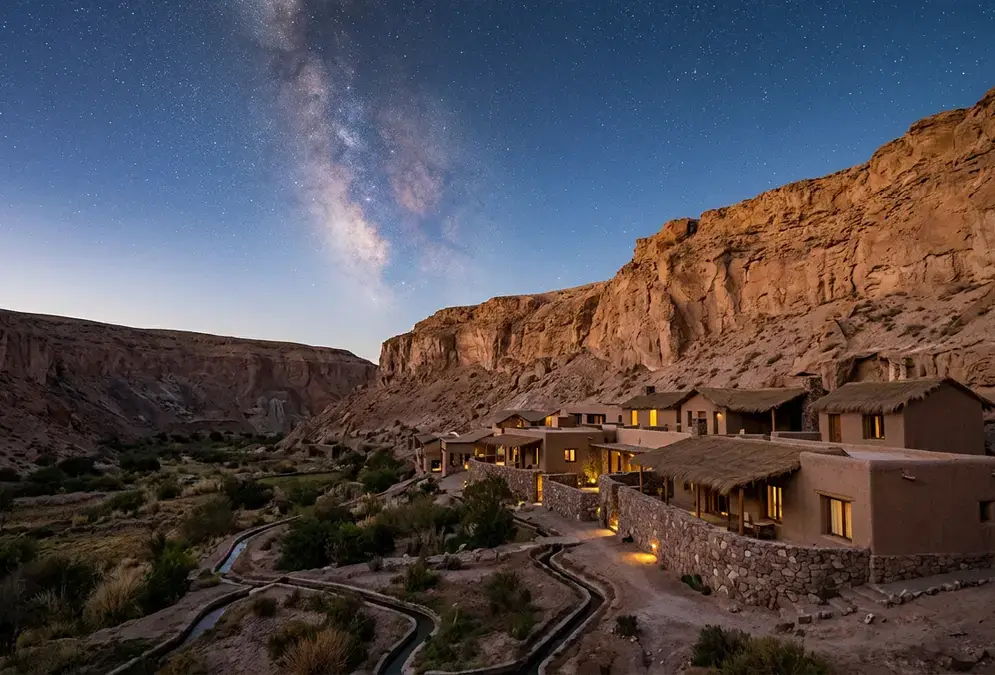
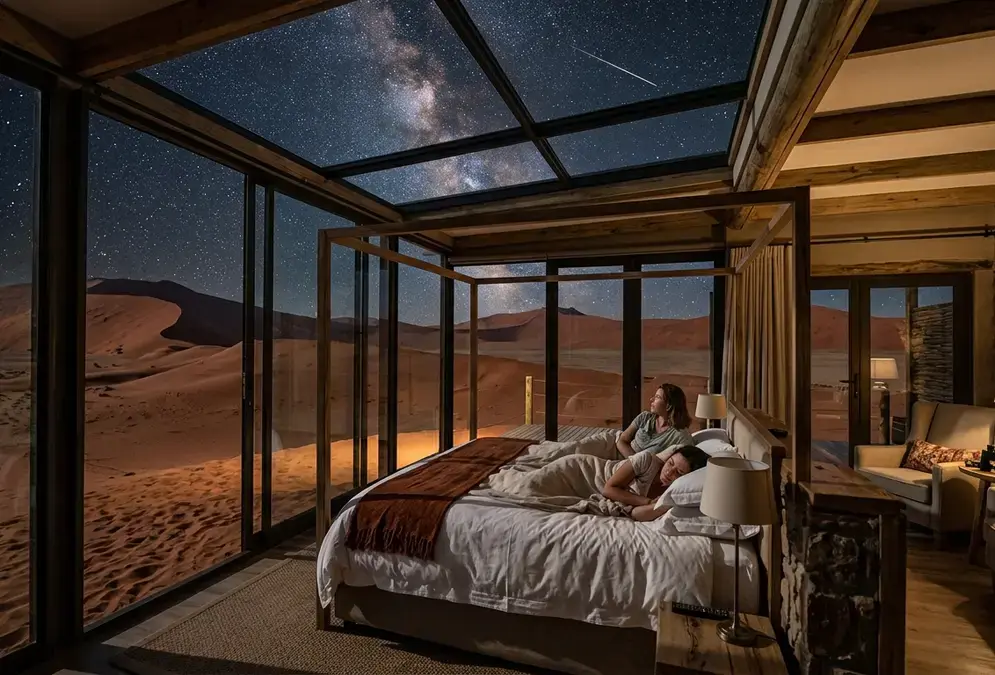
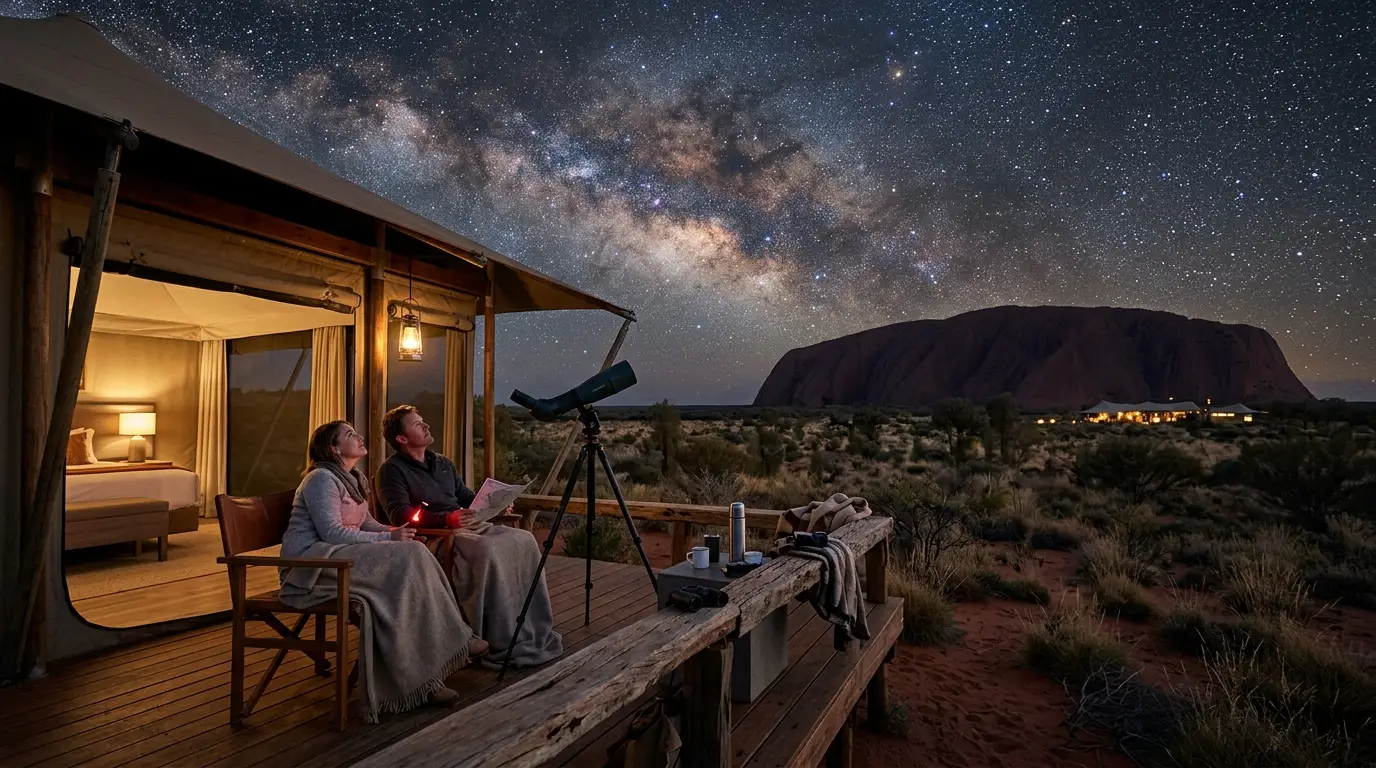
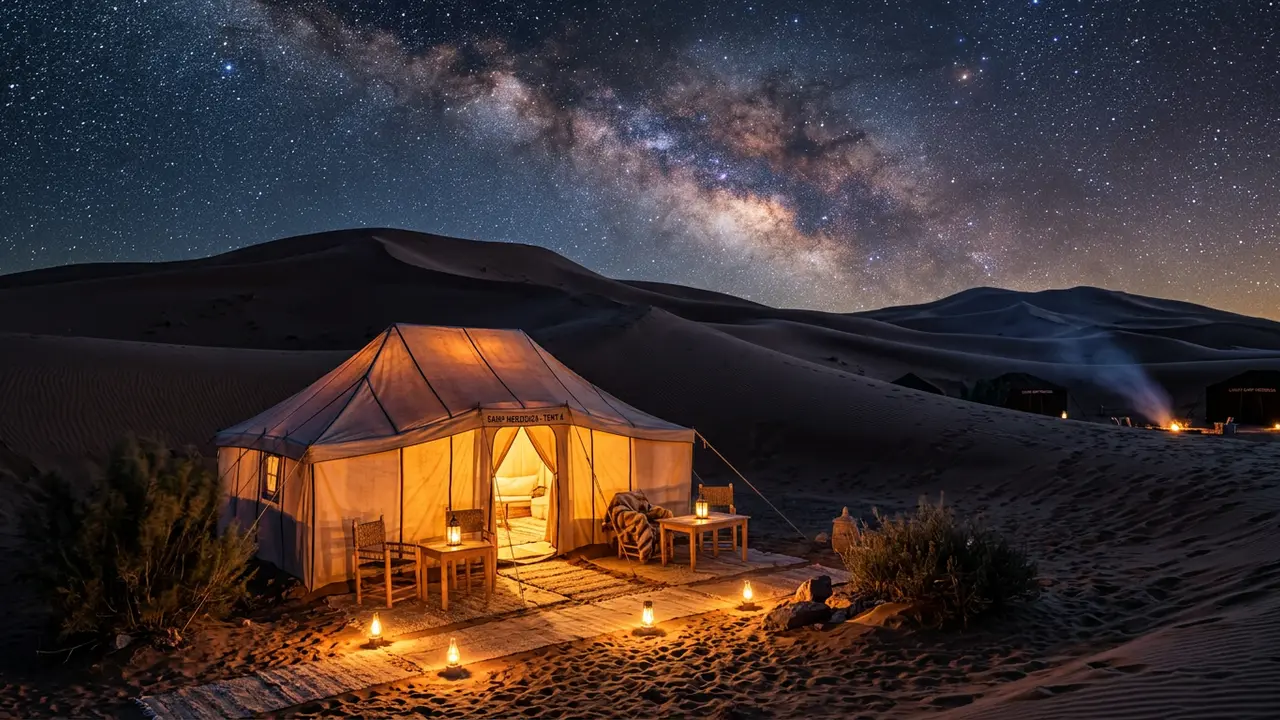
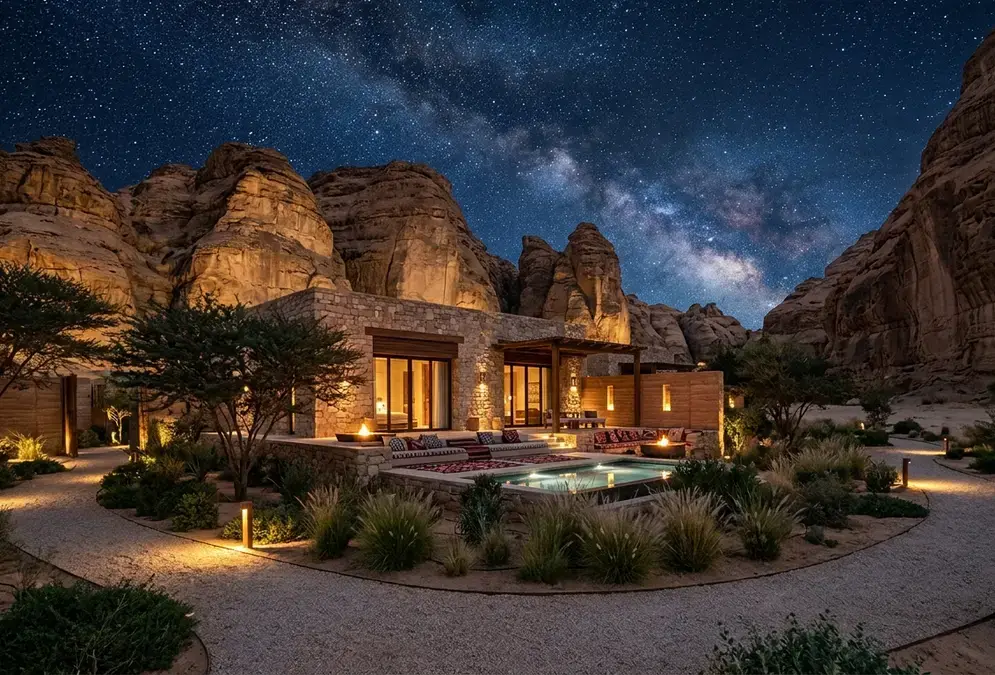
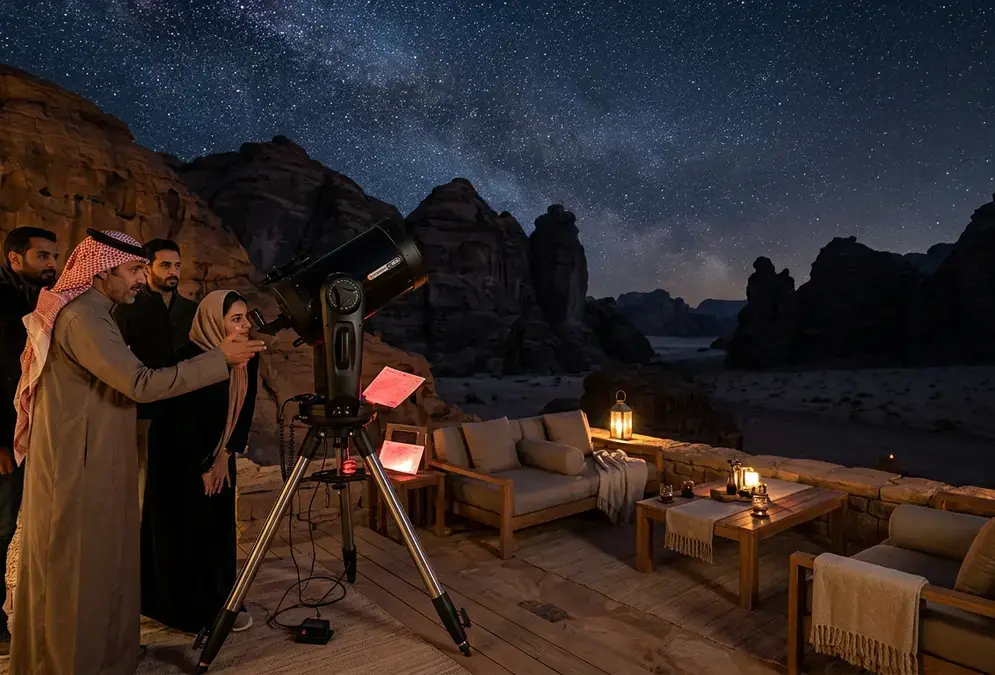
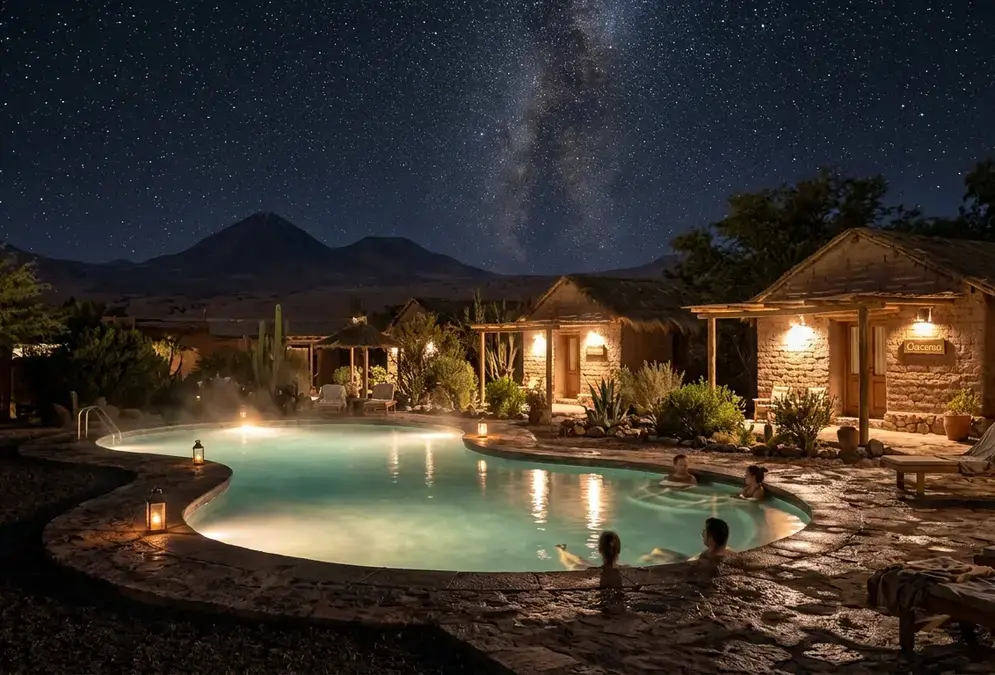
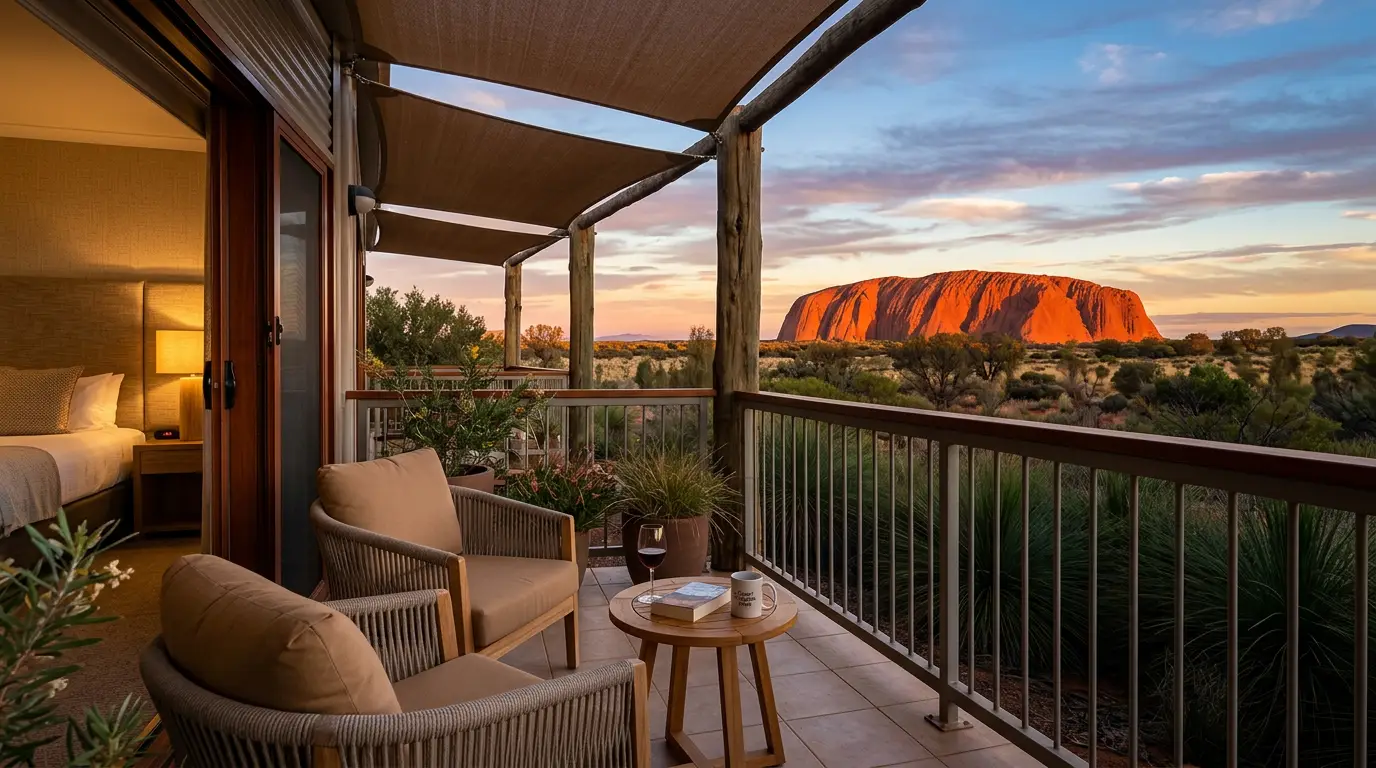
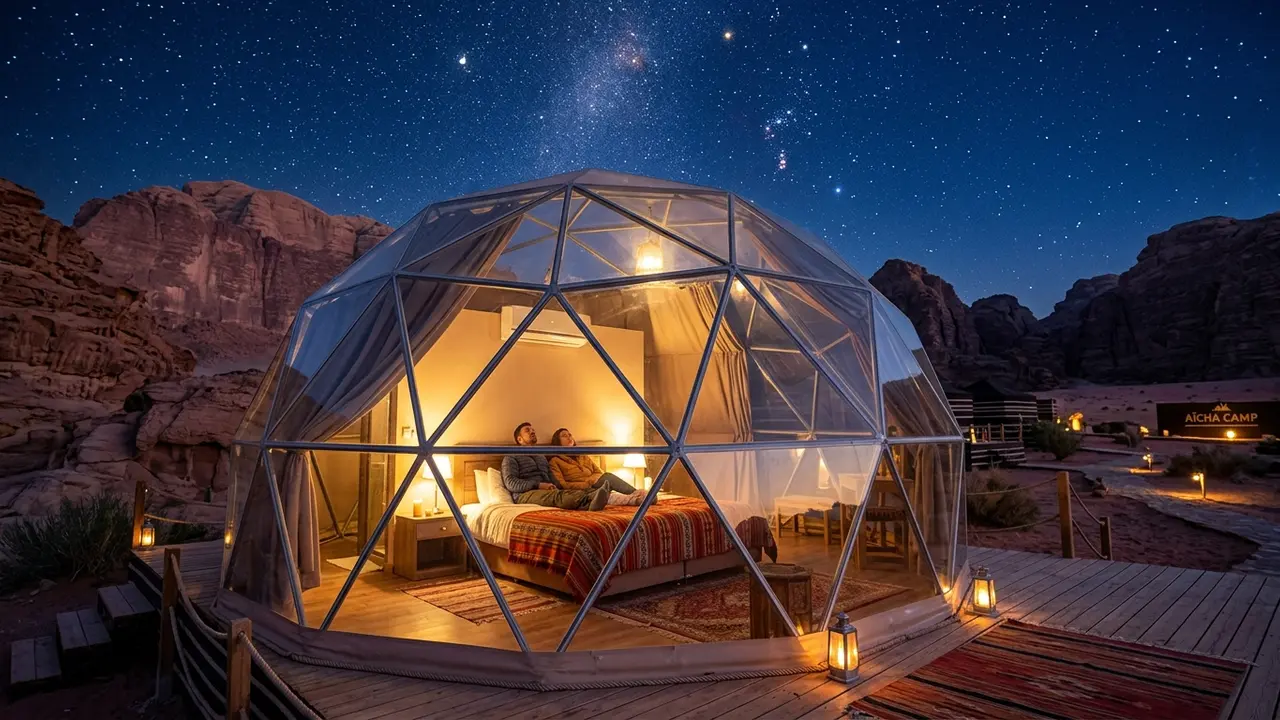
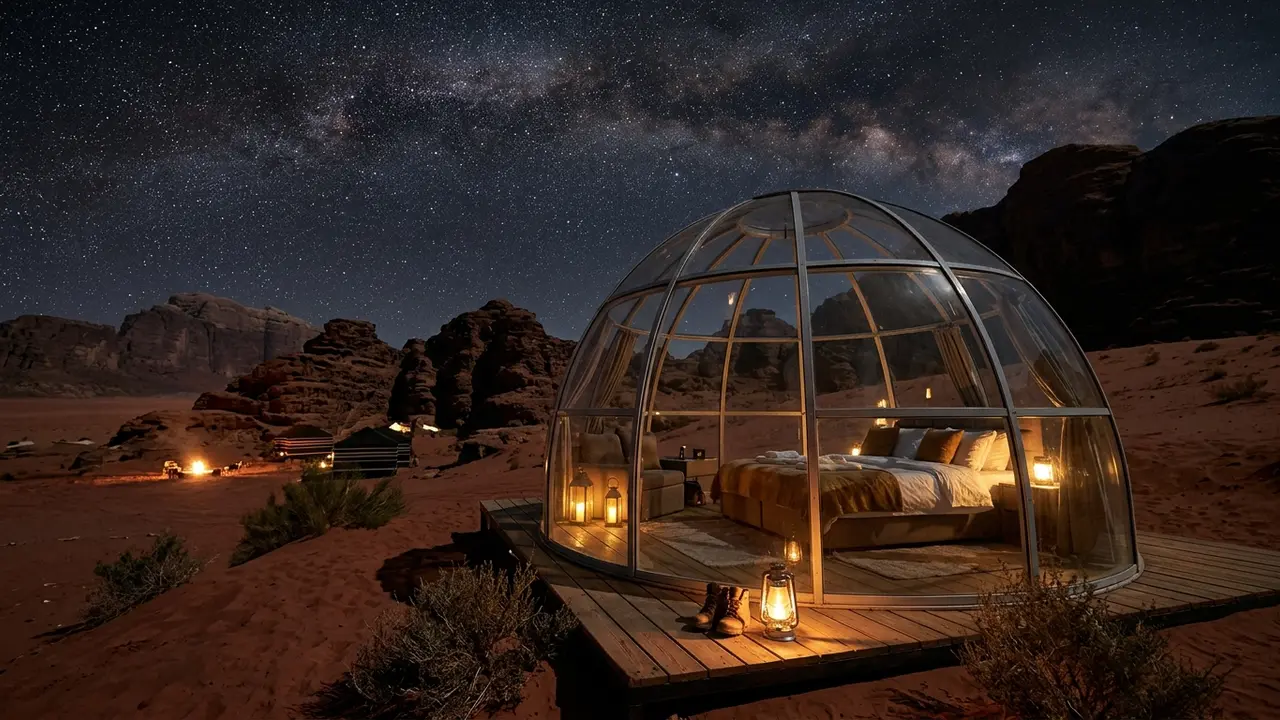
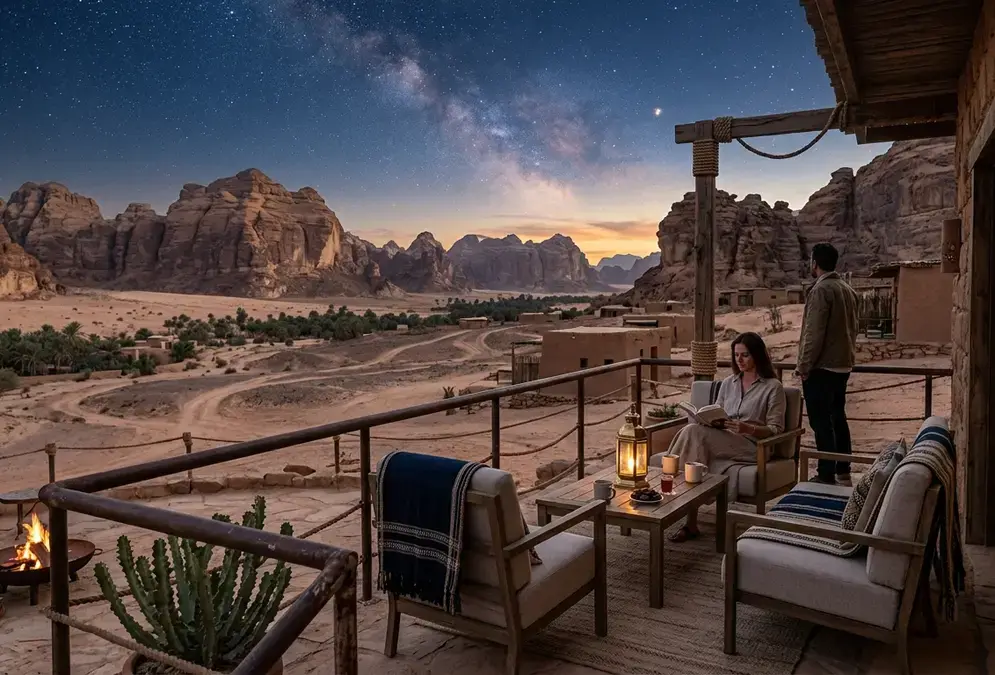
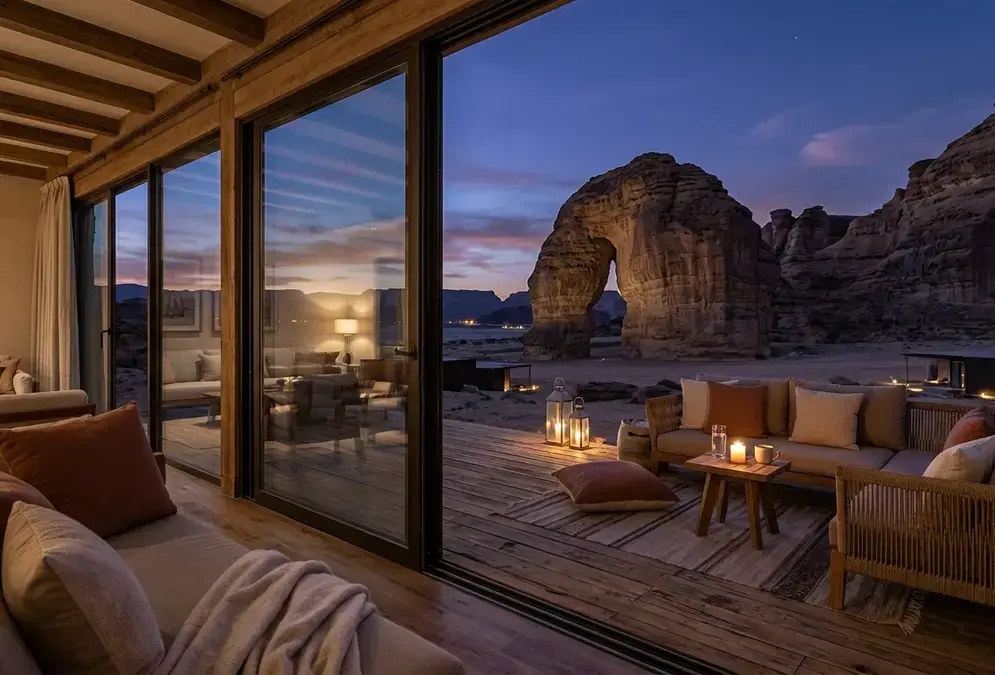
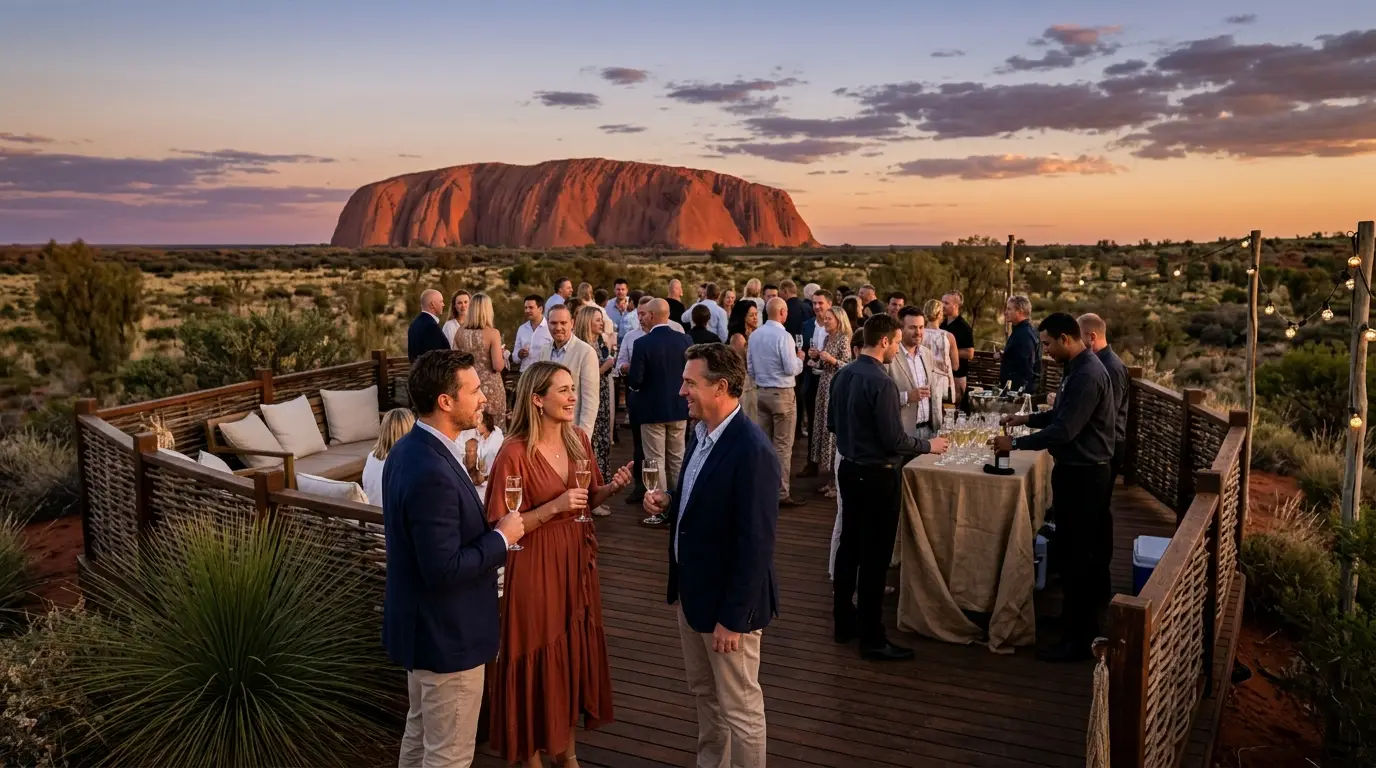
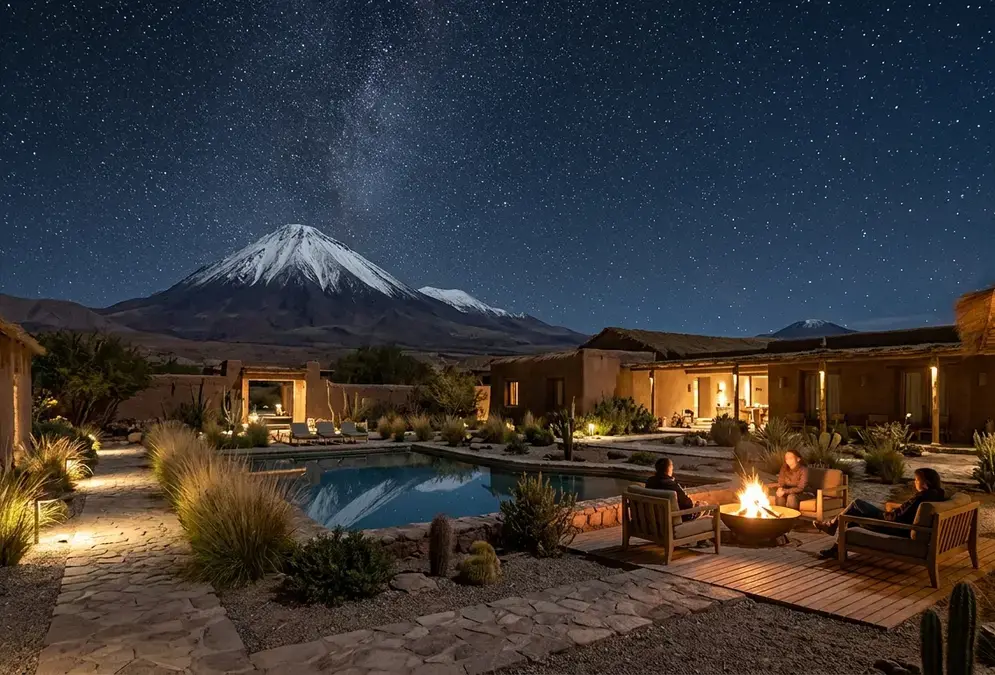
Deserts make the sky's best case for itself. AlUla in Saudi Arabia, the Sahara around Merzouga in Morocco, Wadi Rum in Jordan, NamibRand in Namibia, the Atacama in Chile, and the outback around Uluru in Australia all share the same three ingredients: almost no humidity, almost no ambient light, and often real elevation. Water vapor scatters starlight more than most people realize, so a bone-dry desert night beats a humid coastal one even at the same latitude and moon phase. Several of these regions, including NamibRand and the Atacama, hold official dark-sky reserve status, and camps inside them are built around that fact rather than treating it as a bonus.

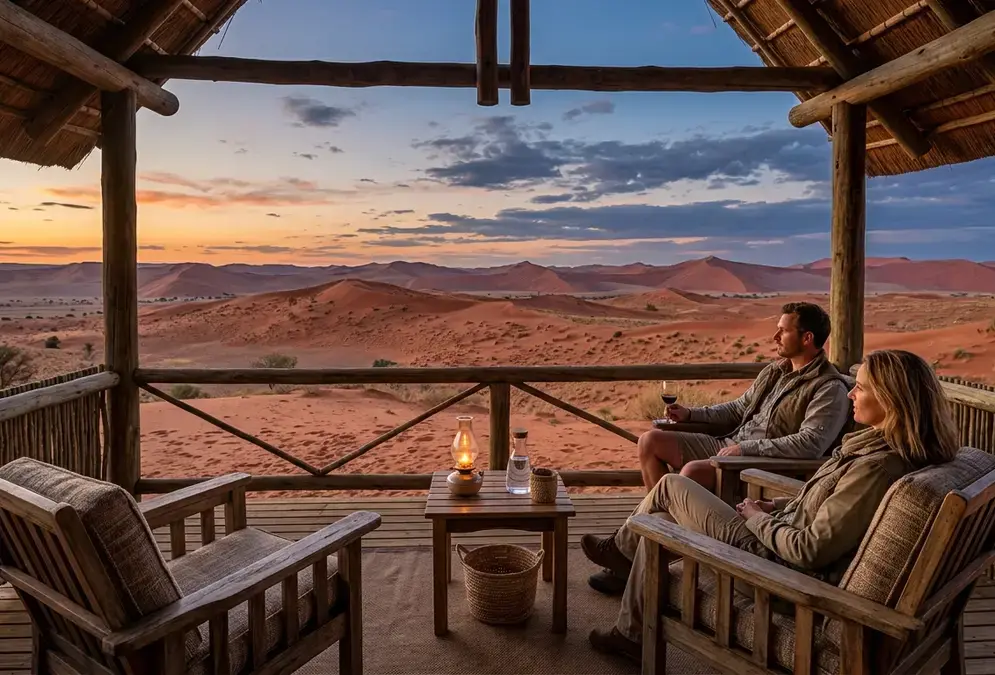
What differs between them is comfort and season. The Atacama sits at altitude, so nights run cold even in summer, and some camps use that thin air to run their own observatories on-site. Saharan and Arabian desert camps swing hard between scorching days and cool nights, with the clearest, most comfortable stargazing typically falling in the shoulder months rather than peak summer. NamibRand and Uluru run on southern-hemisphere seasons, opposite the calendar most travelers expect, so check which half of the year actually delivers the driest air before booking. None of these are places to expect a heated pool and a five-minute walk to the viewpoint; the remoteness is the point.
Where to base yourself

Each area below has its own ranked roundup guide with the shortlist, prices and the catch.

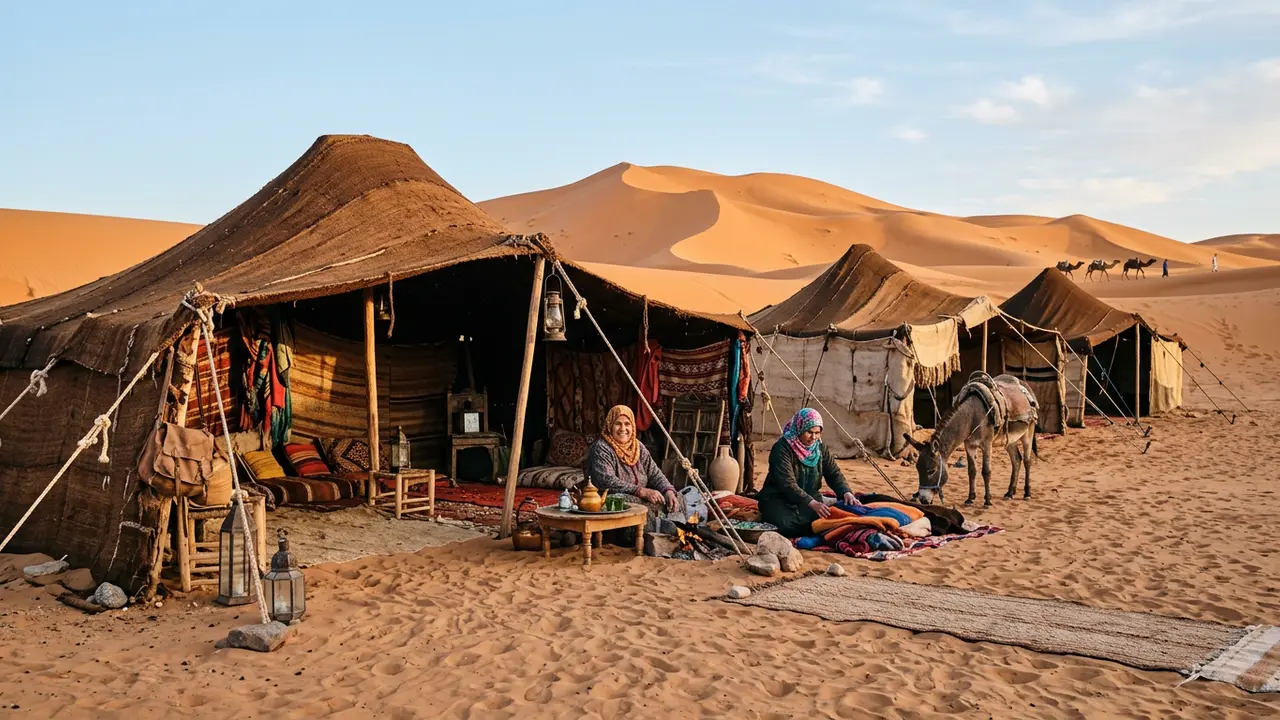
Berber Camp Merzouga
Traditional
Budget
$ · rates not published — Berber Camp Merzouga does not list a fixed nightly price online; confirm current per-person cost directly by phone, email, or its GetYourGuide/TripAdvisor listings

Berber Camp Merzouga

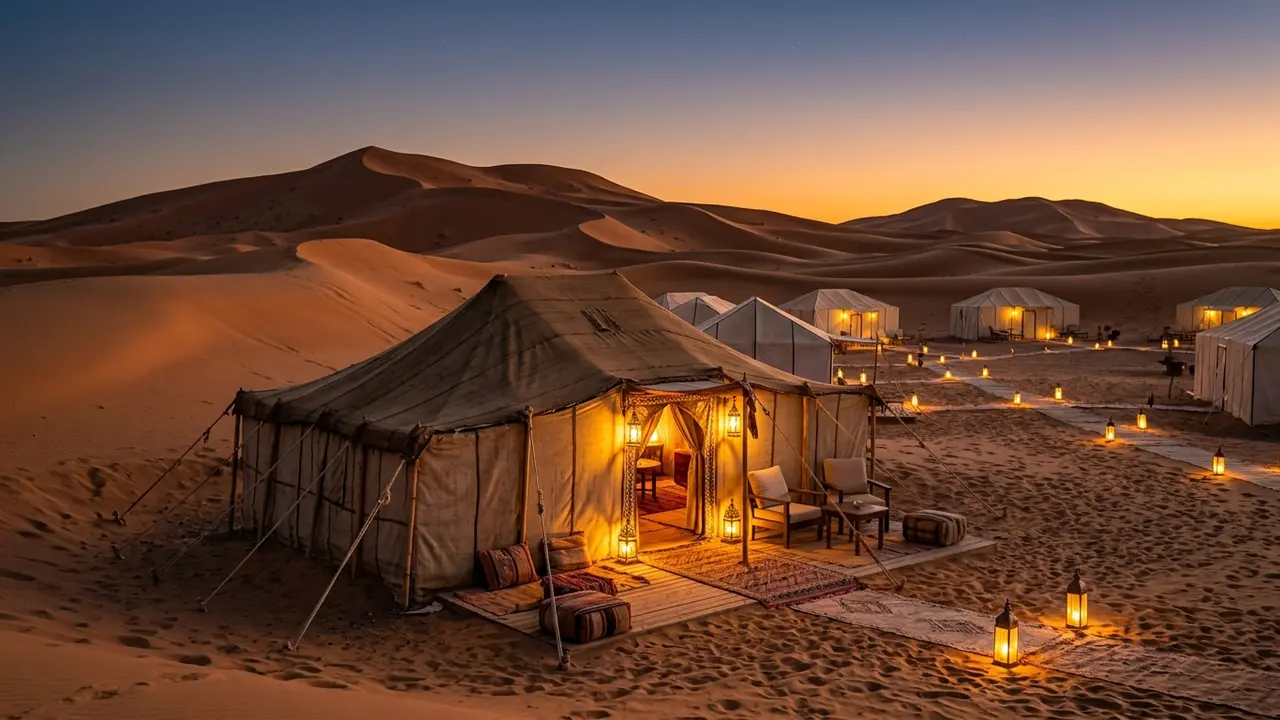
Berber Camp Merzouga is a small, family-run desert camp near Erg Chebbi offering camel treks and authentic Sahara nights, without a luxury-tent price tag.

Bortle 1–2
Traditional Berber style tents Camel trekking to Erg Chebbi's dunes Family hosted desert dinner +2
View
Wadi Rum Nomads
Traditional
Budget
$ · From ~$42/night (30 JOD/person simple overnight-stay add-on, distinct from the full guided camel-ride package; full standalone stays quoted directly, no published rate card)

Wadi Rum Nomads

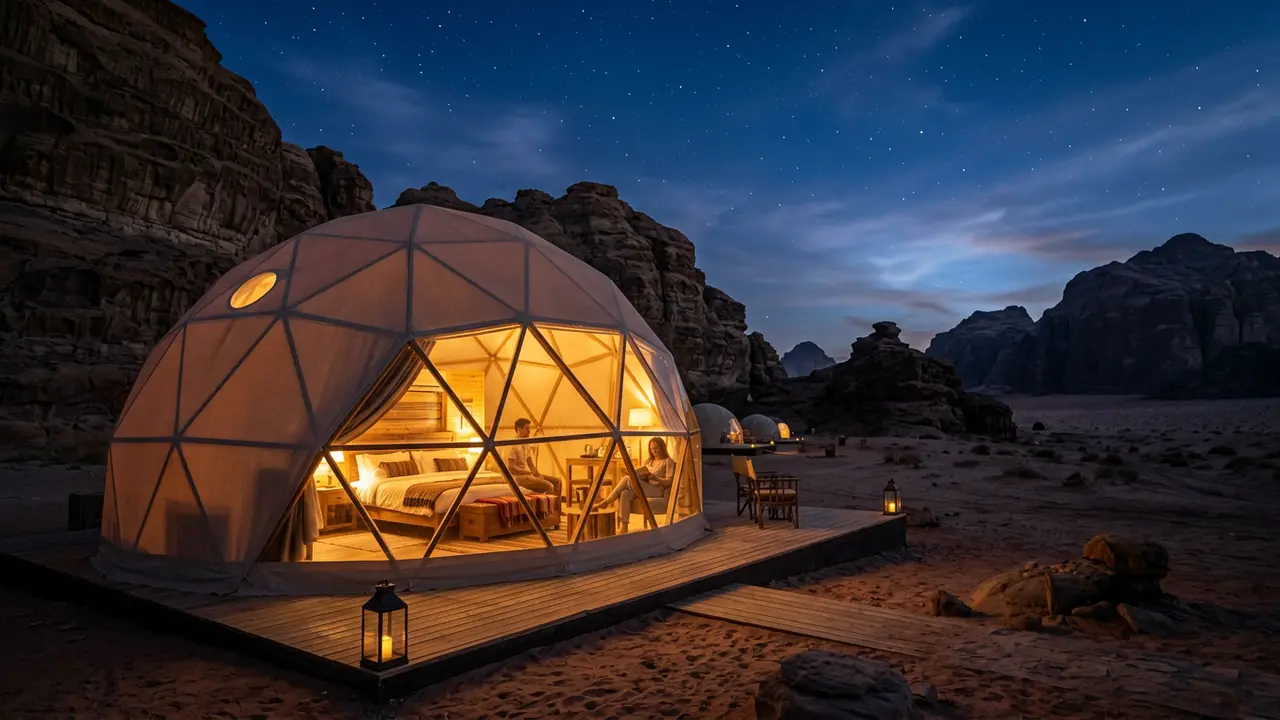
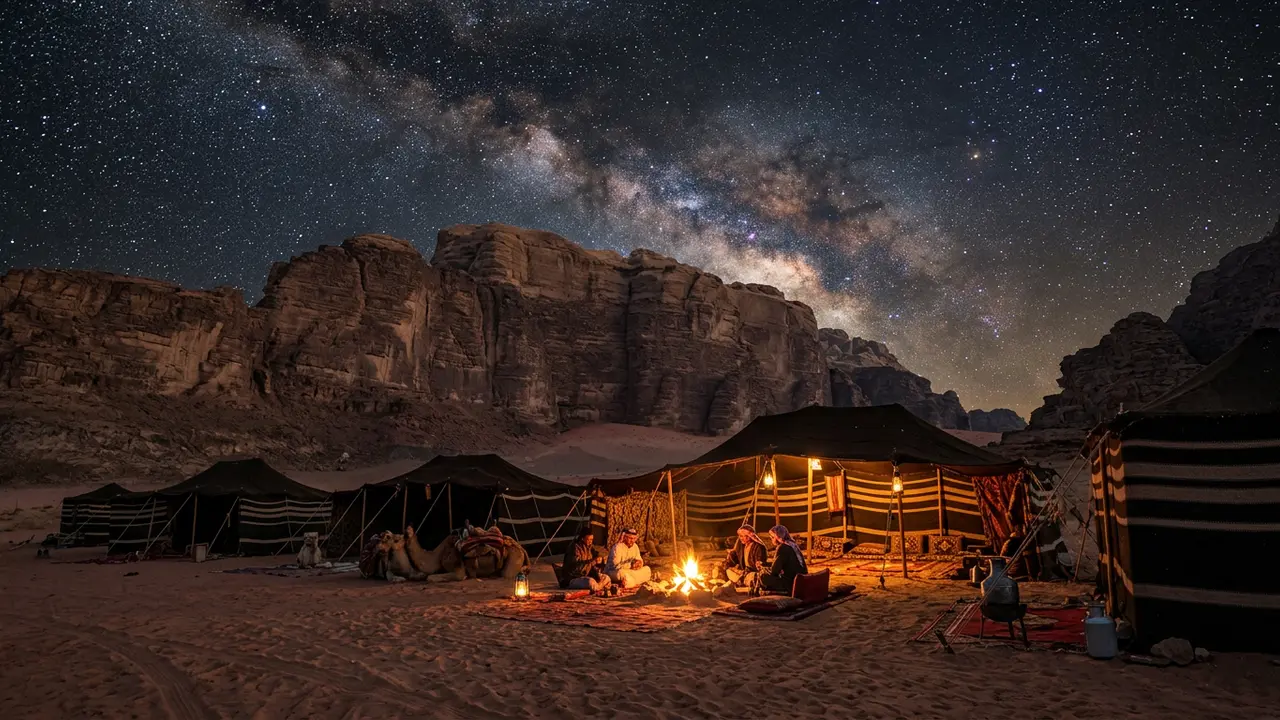
Back-to-basics Bedouin-run camp in Wadi Rum, founded by Fawaz Mohammad. Traditional and bivouac camping in protected desert darkness. Direct booking only.

Bortle 2–3
Traditional Bedouin style camp accommodations Bivouac camping in remote cave location Stargazing focused stay design +5
View

Browse other ways

Frequently asked questions

Why are deserts so good for stargazing?

Dry air holds far less water vapor than humid climates, and water vapor is what scatters and blurs starlight before it reaches your eyes. Deserts also tend to sit far from cities, so there's little ambient light competing with the sky. Add elevation, common in the Atacama and parts of NamibRand, and you get some of the clearest, darkest skies on the planet.

What's the best season for desert stargazing camps?

It depends on the hemisphere and the specific desert. Saharan and Arabian camps around Merzouga and Wadi Rum are usually best in the shoulder months of spring and autumn, when nights are cool but not brutally cold. NamibRand and Uluru run on southern-hemisphere seasons, so their driest, clearest stretch often falls in the local winter, roughly May through September.

Do desert stargazing camps have official dark-sky certification?

Several do. NamibRand Nature Reserve in Namibia and parts of the Atacama in Chile hold recognized dark-sky reserve status, and camps inside those boundaries are built and lit specifically to protect it. Not every desert camp on this list carries formal certification, so check a specific property's own claims before assuming one applies.

How cold does it get at night in desert stargazing camps?

The Atacama can drop below freezing at night even when daytime temperatures are pleasant, because of its high altitude. Saharan and Arabian desert camps swing less dramatically but still cool off fast after sunset, often 20-30 degrees Fahrenheit below the daytime high. Pack for both temperature extremes, not just the heat that the word desert usually brings to mind.