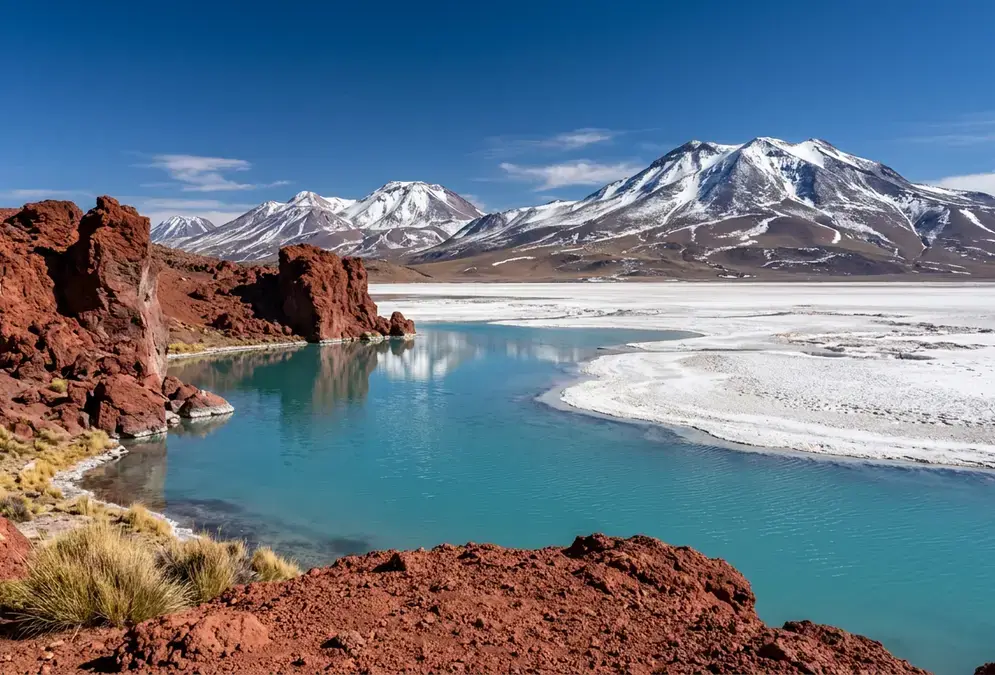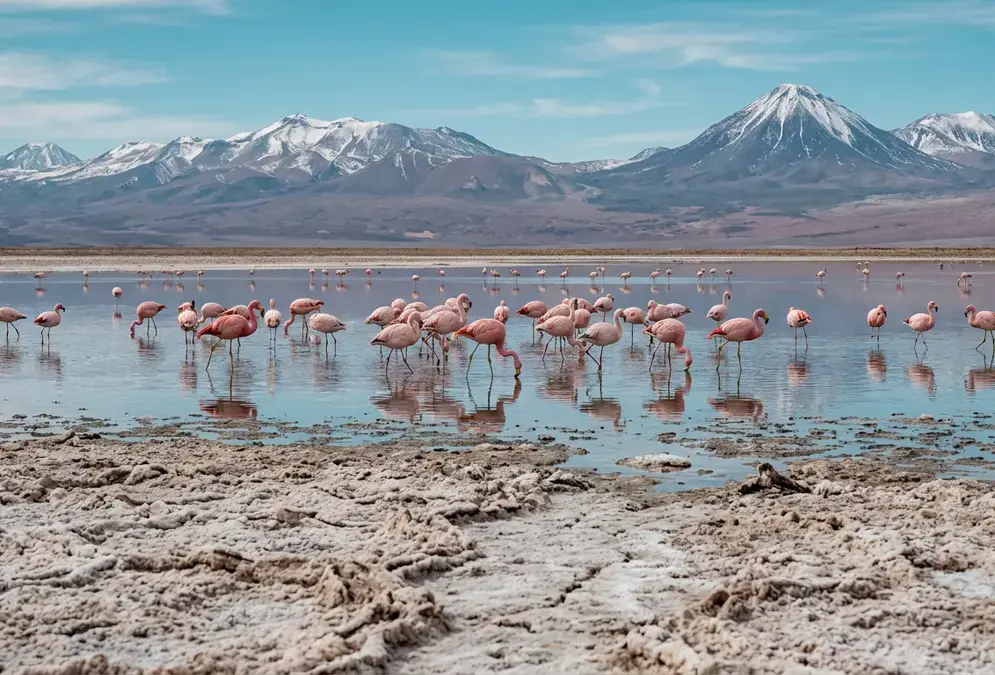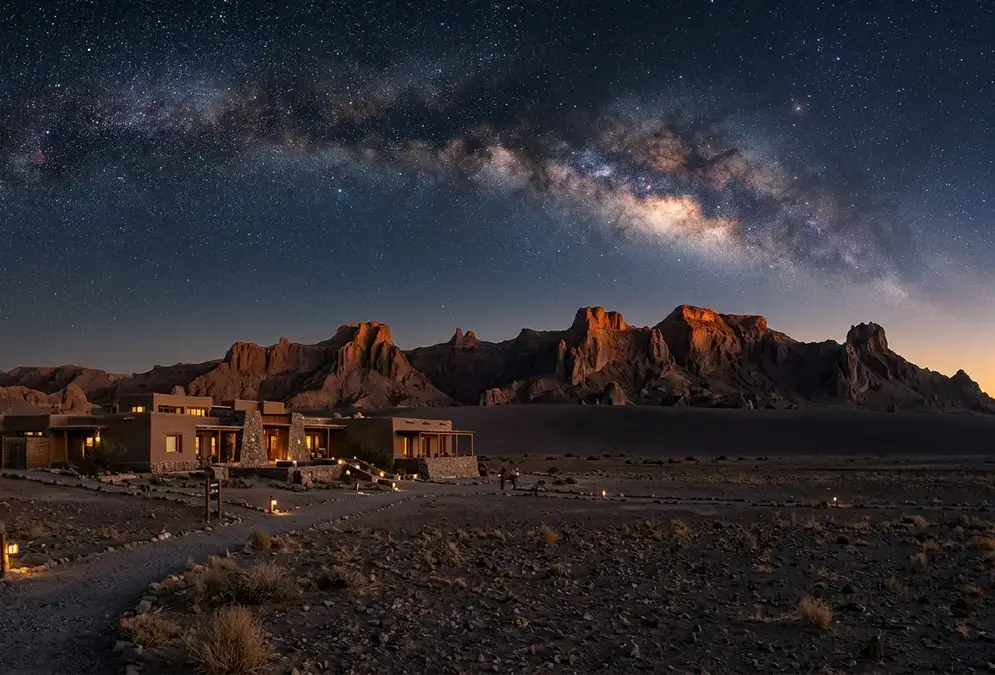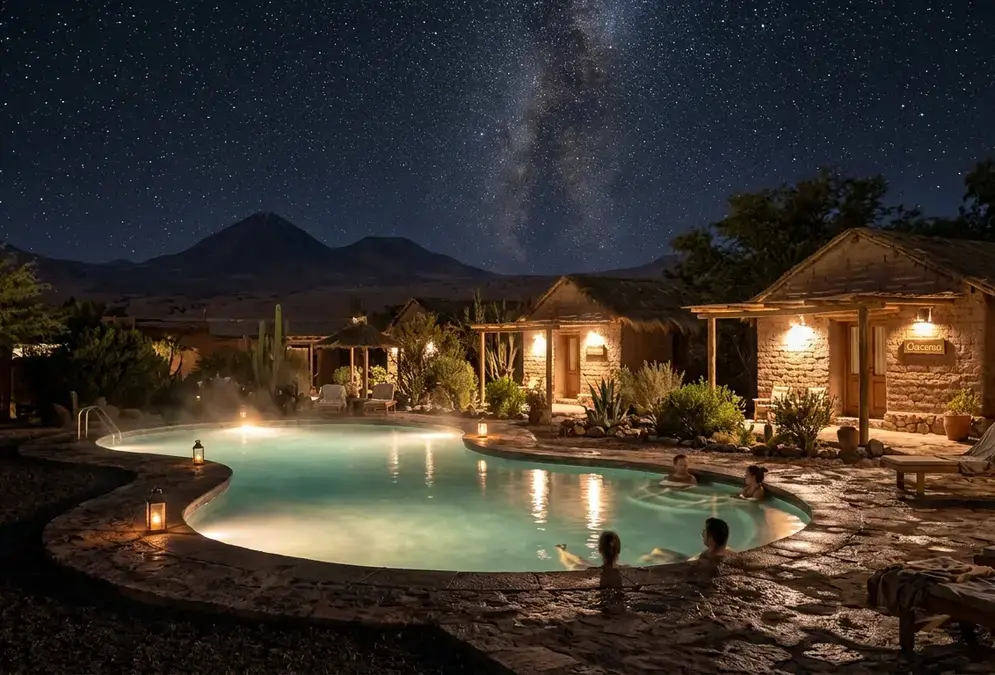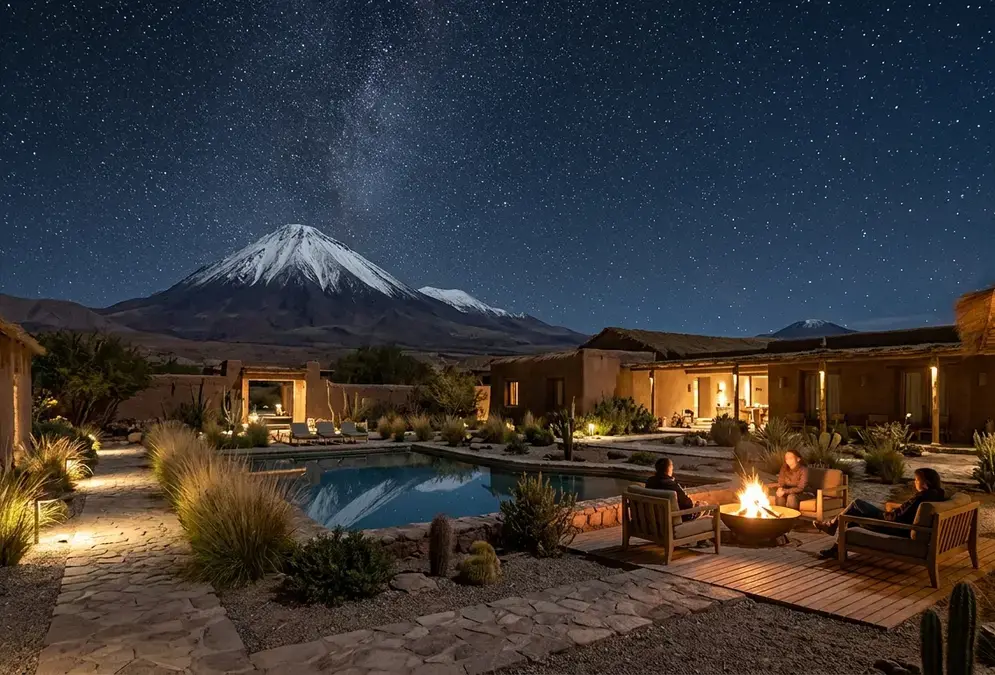
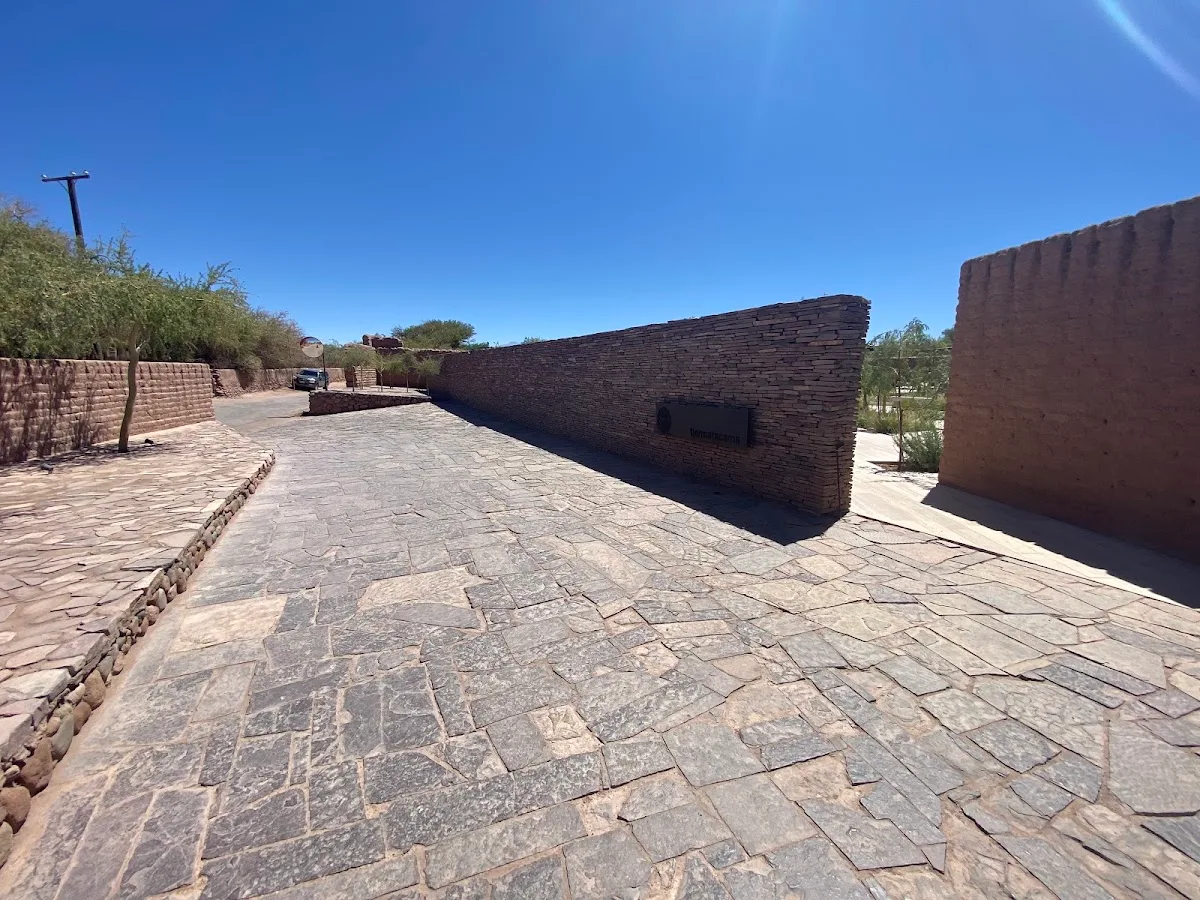
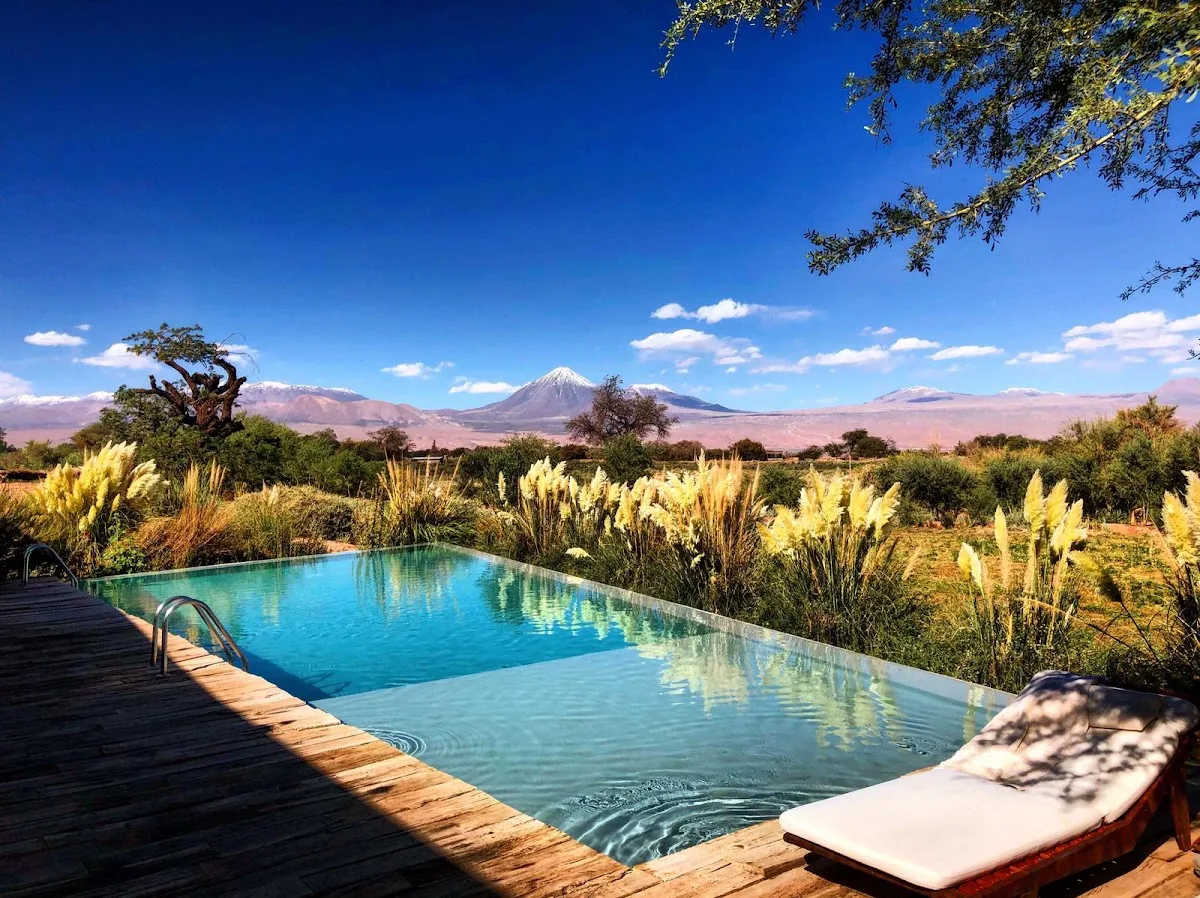
Tierra Atacama Hotel & Spa sits at the northern edge of San Pedro de Atacama, roughly 1.5 km from the main plaza, with unobstructed sightlines to Licancabur Volcano and the high Andes. The property reopened on 1 April 2025 after a 12-month, USD ~20 million refurbishment. What draws serious stargazers here is the position: 2,400 m altitude, humidity below 5% on dry-season nights, and campfire terraces that face directly south toward the Atacama plain. That means Bortle 1 skies in the direction that counts.
Why the sky here is different
The Atacama Desert stargazing context matters. This corner of northern Chile averages 330+ clear nights per year. The same atmospheric transparency and low water vapor that led ESO to build ALMA roughly 90 km south at 5,000 m also apply at lodge level. The difference is airmass: at 2,400 m, the light reaching your eye has passed through a thinner column of atmosphere than at sea level, which extends the magnitude limit by roughly 1-1.5 magnitudes. You will see fainter stars with the naked eye than you could from a coastal site with the same Bortle rating.
Seeing conditions at the Atacama are further stabilised by the Andean plateau geography. The altiplano acts as a high, cold, dry platform above the marine inversion layer, which suppresses the optical turbulence that blurs stars at lower elevations. In practical terms: stars here are points, not smeared discs.
In May through August, the galactic centre transit peaks at 60-70 degrees above the southern horizon. At that angle, the galactic core clears most atmospheric interference; the Milky Way arm structure resolves in detail that surprises even people who have read about it in advance. Late April through September also exposes the zodiacal light on moonless evenings — the faint dust-cone rising from the western horizon after astronomical twilight. Many guests do not know to look for it until a guide points it out.
The lodge's campfire terrace areas register Bortle 1-2 depending on direction. Looking south toward the Atacama plain: Bortle 1. Looking north toward San Pedro town: Bortle 2. The difference is the faint ambient glow of the village — minimal, but measurable.
Stargazing programme and what to expect
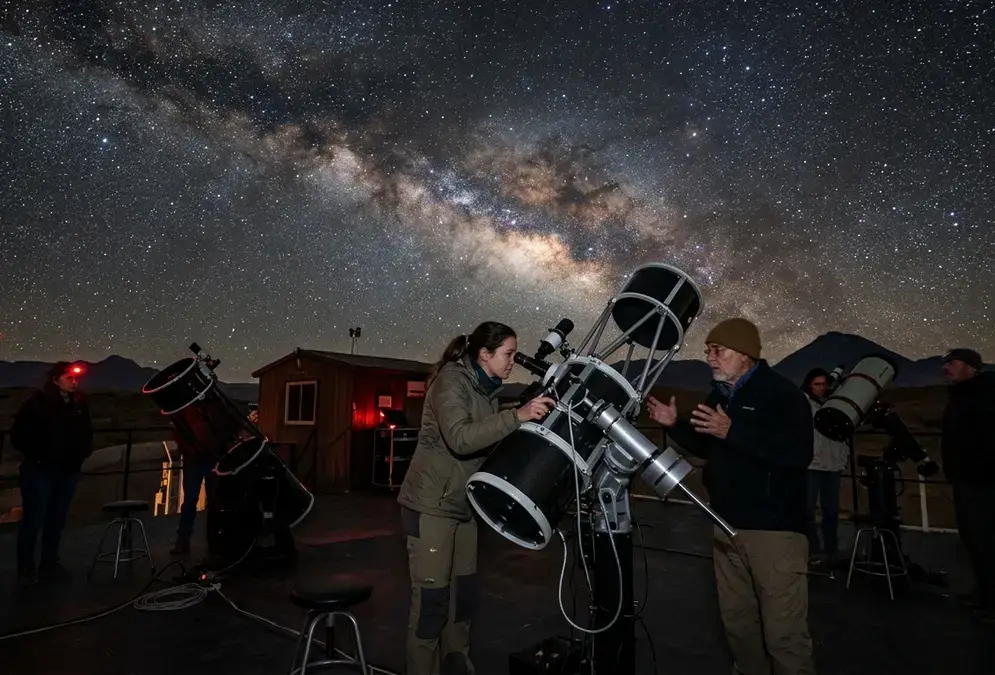
Astronomy excursions run through the in-house guided programme, with instruction that covers both Western observational techniques and Andean cosmology — the indigenous astronomical tradition that reads dark patches in the Milky Way, not just bright stars, as constellations. That framing reorients even experienced amateur astronomers.
Powerful telescopes are deployed on the terraces; the property's website references them but does not specify instrument type or aperture. A dedicated enclosed observatory has not been confirmed post-renovation. If a structured nightly telescope session with a mounted instrument and an in-house astronomer is your primary reason for the trip, Explora Atacama has a confirmed Meade 16-inch reflector with dedicated astronomers. Tierra's integration of astronomy into the all-inclusive model means you can observe from the property on multiple evenings without extra cost — but the programme is terrain-first, sky second.
What the all-inclusive model covers
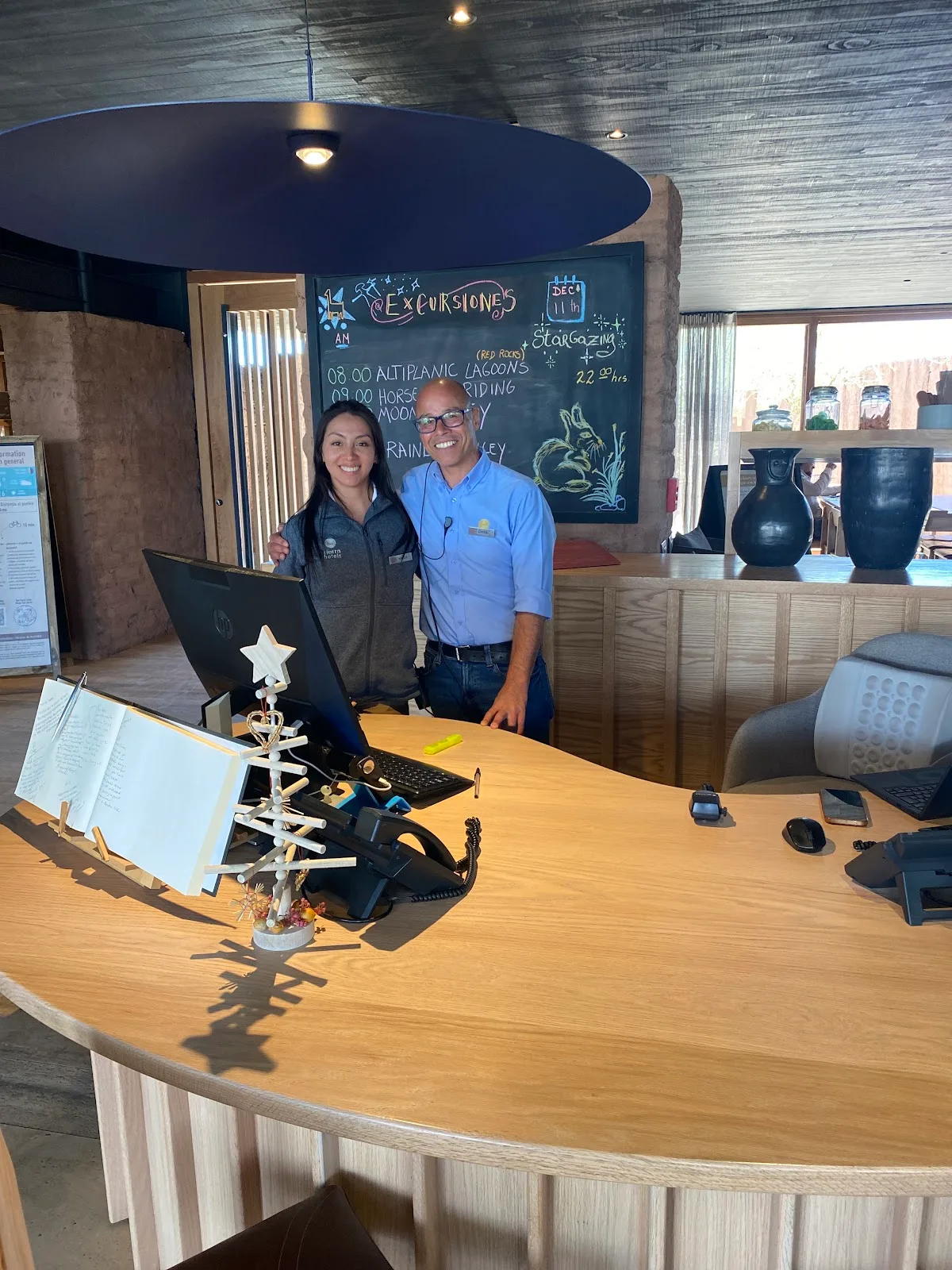
Rates include all meals, a daily guided excursion from the in-house programme, and round-trip airport transfers from Calama (CJC). The excursion schedule cycles through Valle de la Luna, El Tatio geysers, the altiplanic lagoons, and the Atacama salt flat. You choose each morning what fits your acclimatisation level and pace — no separate logistics to negotiate.
The property's in-house naturalist guides cover three tracks: archaeology, nature, and astronomy. Alcohol policy should be confirmed at booking; the standard all-inclusive framing here typically covers meals and non-alcoholic beverages, with wine and spirits either included at dinner or available at extra cost.
The 2025 renovation: rooms and property
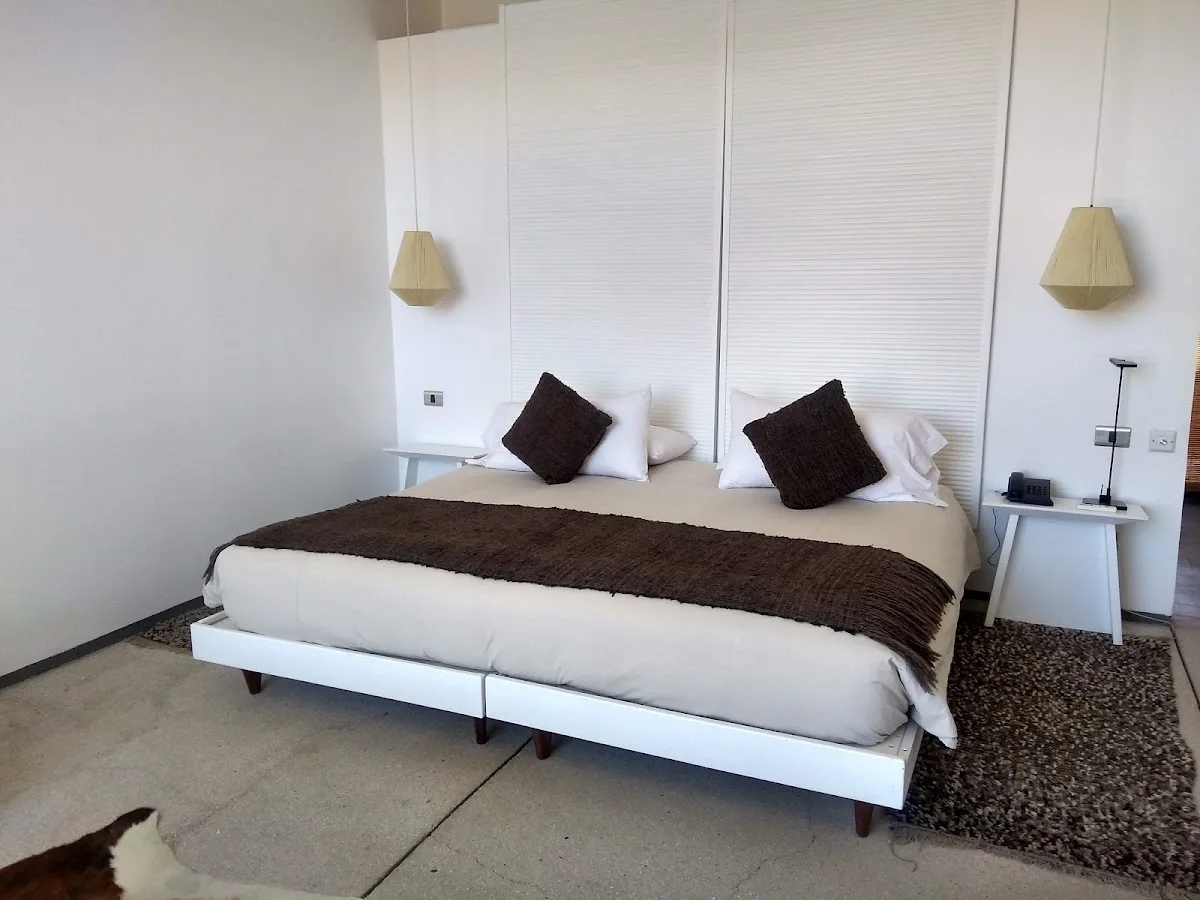
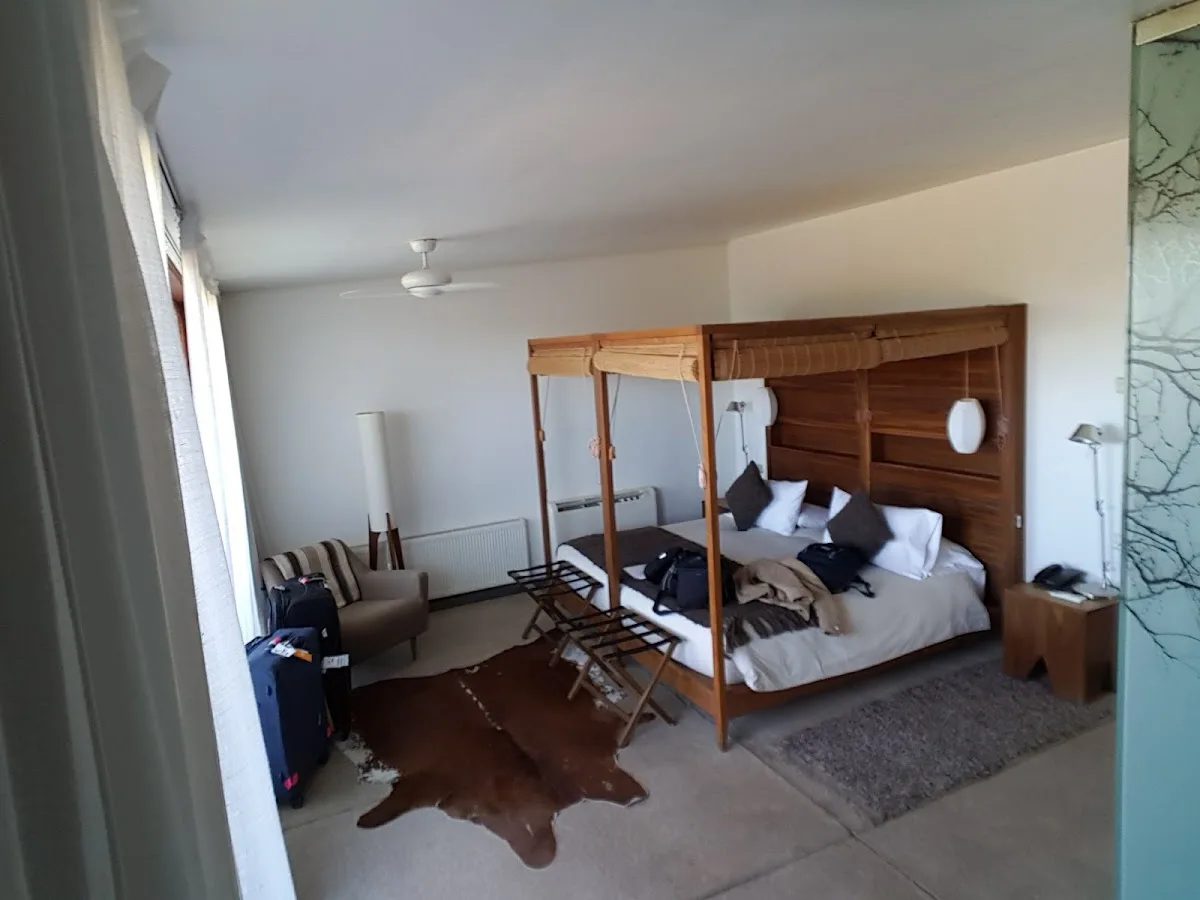
Original architects Rodrigo Searle and Matías González led the redesign. More than 40 local Atacameño artisans worked on the interiors. The result is 28 rooms across four configurations:
- Oriente Room — east-facing, direct Licancabur Volcano views from private terrace
- Poniente Room — west-facing, toward the Atacama plain (better for evening sky-watching)
- Suite — larger floor plans with added separation from common areas
- Apartment — the most private option, suited to longer stays
New additions include an open-grill dining area, a wine cellar with open kitchen, and a renovated spa with a couples' treatment room. At 28 rooms, Tierra runs smaller than Explora's 50 — the atmosphere at dinner and on the excursion departure is noticeably quieter.
The property operates under the Beckons collection, formed when Baillie Lodges of Australia acquired Tierra Hotels. There is no Hilton affiliation, despite what some older travel copy says.
Pricing and how to book
Post-renovation rates run approximately USD 750-1,100 per person per night (all-inclusive, standard double room). Tierra does not publish live rates; these are directional figures drawn from pre-renovation travel-trade data adjusted for the category upgrade. Request current pricing directly via tierraatacama.com or through a World of Hyatt agent (Tierra is bookable via the Mr & Mrs Smith channel in the Hyatt portfolio).
April and September are the value-comfort window: the Milky Way core still transits high at night, temperatures are more tolerable than June-July's near-freezing pre-dawn, and the excursion programme is less pressured. Book within five nights of the new moon regardless of month — the difference between a new-moon and full-moon night on the campfire terrace is not subtle.