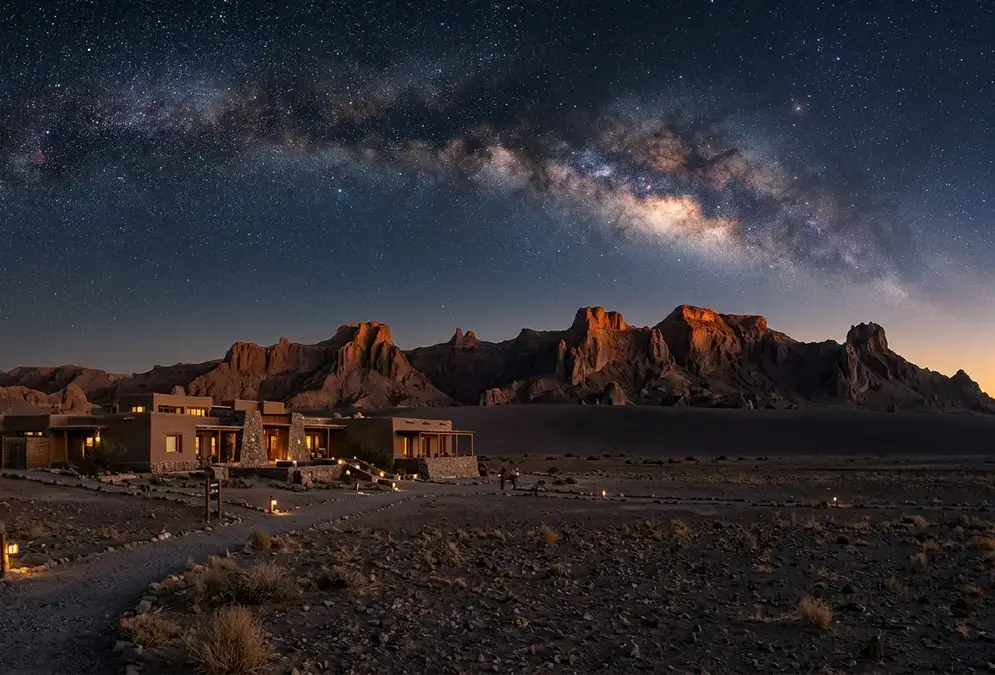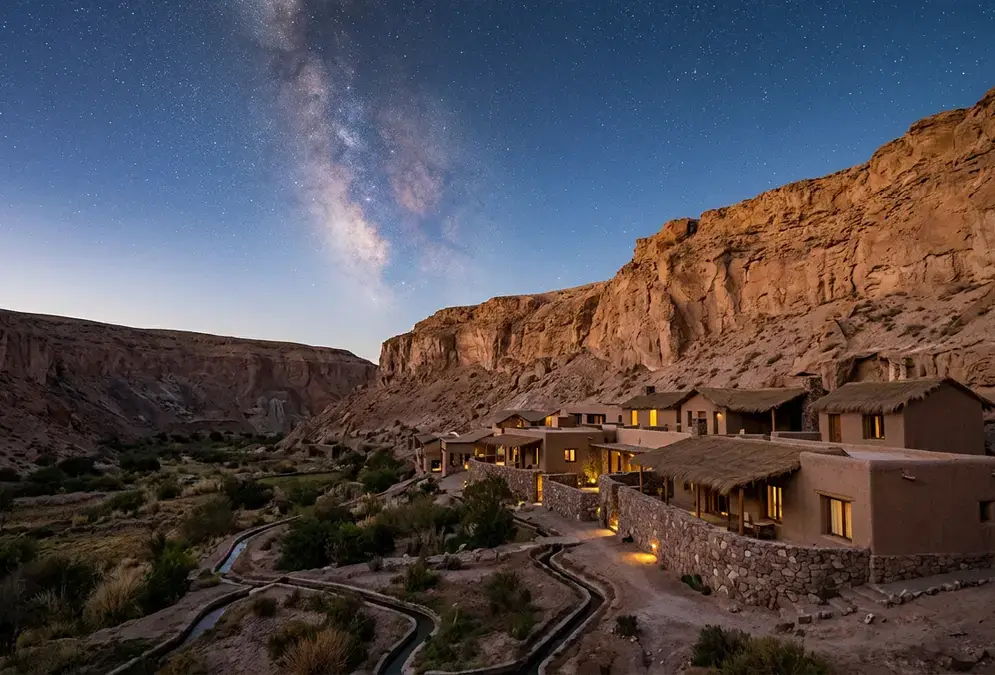
Adobe canyon lodge at dusk, Nayara Alto Atacama, with Milky Way rising over the Pukará de Quitor valley walls
Luxury
4.6

Canyon lodge with a private observatory at 2,450 m

Pukará de Quitor valley, San Pedro de Atacama, Antofagasta Region, Chile
Back to lodges

Nayara Alto Atacama sits in the Pukará de Quitor valley, about 3 km north of San Pedro de Atacama village, in a canyon ravine beside the Vilama River corridor. The valley walls block the faint glow from the village below, and at 2,450 m the air is dry enough that the Milky Way's galactic core casts a faint shadow on the desert floor during new-moon windows in June and July. The lodge was formerly known as Alto Atacama Desert Lodge and Spa; many travel agents still use the old name, but the current branding is Nayara Alto Atacama.

The Ckepi observatory and what the sessions cover

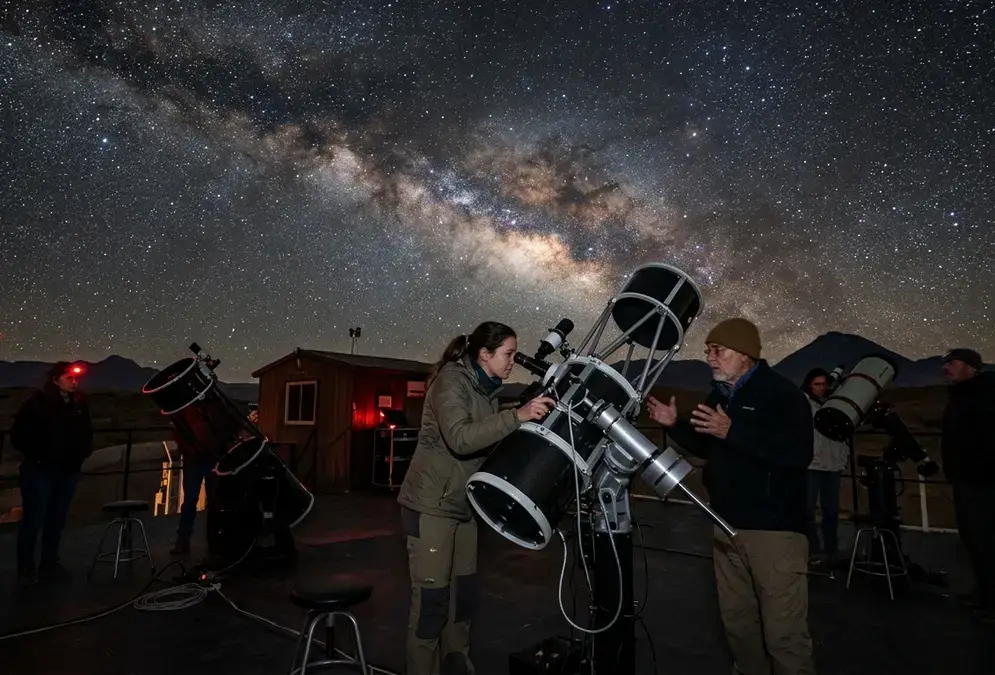
The lodge's private observatory is called Ckepi — from the Kunza language of the Atacameño people, meaning "eye." Kunza cosmology is woven into every session: the Atacameño people mapped the Milky Way's dark nebulae (dust-lane silhouettes like the llama, the toad, and the fox) into an animal sky-map centuries before telescopes arrived. This is cultural astronomy you cannot replicate at a Northern Hemisphere observatory, because those dark nebulae are simply not visible from Europe or North America.

Sessions begin with naked-eye orientation across the southern constellations, then move into Andean sky mythology. The telescope comes later, trained on nebulae, star clusters, and whatever planets are above the meridian passage that night. Groups stay small. The astronomers speak quietly. It reads more like a ceremony than a lecture — which is either a feature or a limitation depending on how technically deep you want to go.

Bortle scale conditions here run 1 to 2. The Atacama's extreme aridity (humidity below 1% on clear nights, compared to 10–20% at Mauna Kea) delivers atmospheric transparency that few land-based sites match. Add stable desert air at altitude, and you get sub-arcsecond seeing on good nights — the same combination that put ALMA, Paranal, and APEX observatories within 100 km of this canyon.

Room layout and the all-inclusive structure

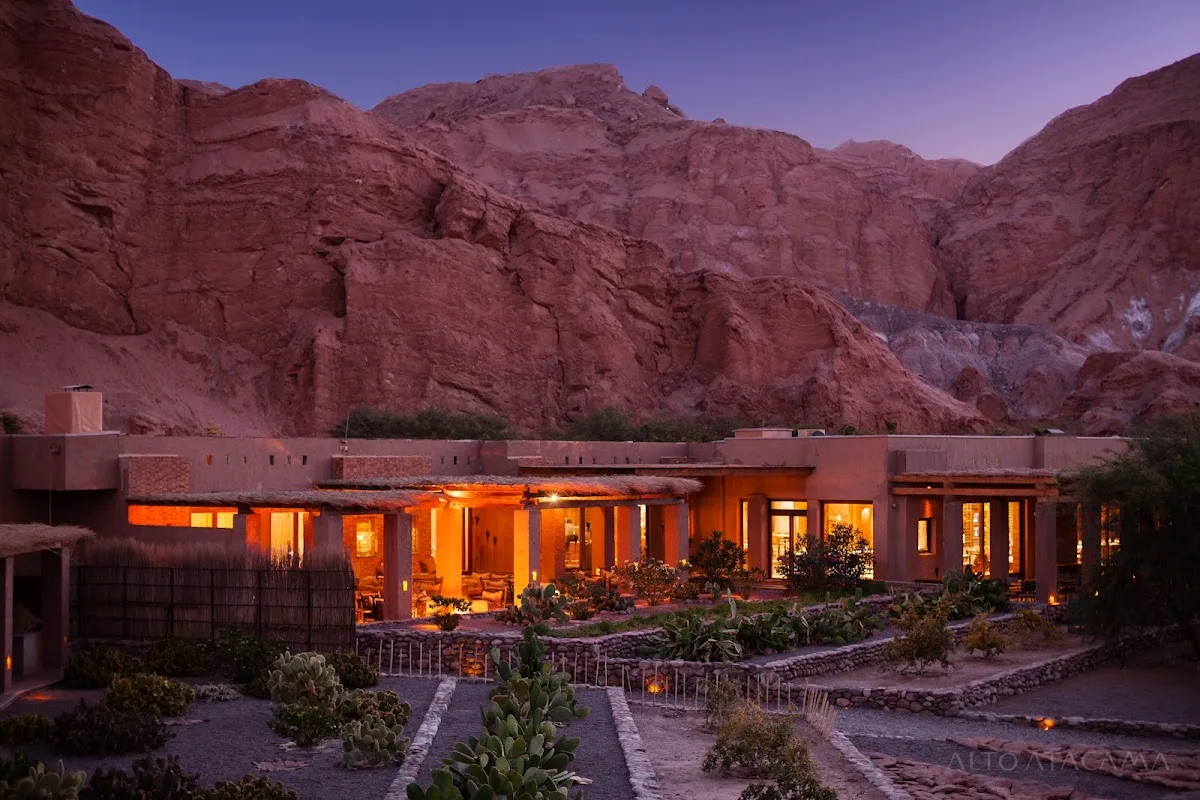
The 42 guest rooms are low-rise adobe structures that step down into the canyon, each with a private terrace facing the valley toward the Andes. Nothing interrupts the sight line to the sky. Every booking is all-inclusive: three meals a day, one guided full-day excursion per night of stay, spa access, airport transfers, and the nightly Ckepi session. The rate runs approximately USD 600 to USD 950 per person per night based on 2025 travel-trade sources; the lodge does not publish live rates on its website.

When to come for the best seeing

May through August is the high season for astronomy. The galactic core is positioned high overhead during new-moon windows in June and July, and humidity is below 5%. New-moon periods — the five to seven nights centred on each new moon — are the best time for deep-sky work through the telescope; full-moon nights are still good for naked-eye constellation viewing under Bortle 1–2 skies, but moonlight washes out telescope detail on faint nebulae.

Atmospheric seeing and transparency are both consistently world-class during this season. The stable inversion layer over the Atacama suppresses the kind of turbulence that blurs planetary detail elsewhere.

Excursions beyond the lodge

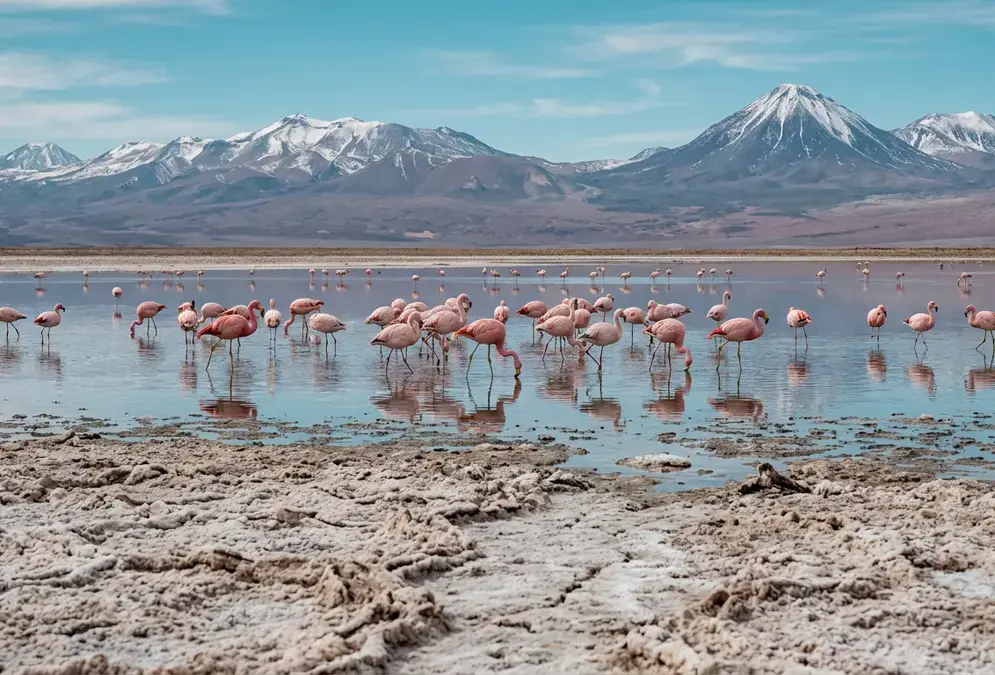
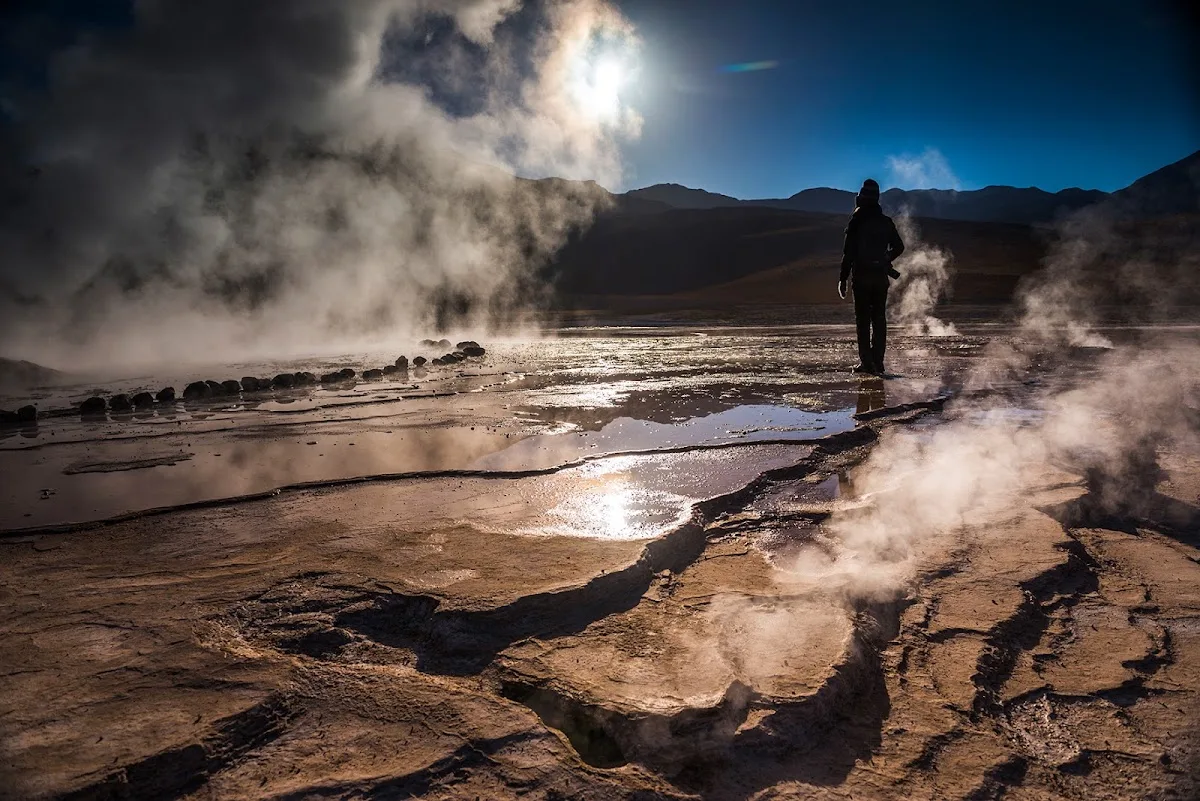
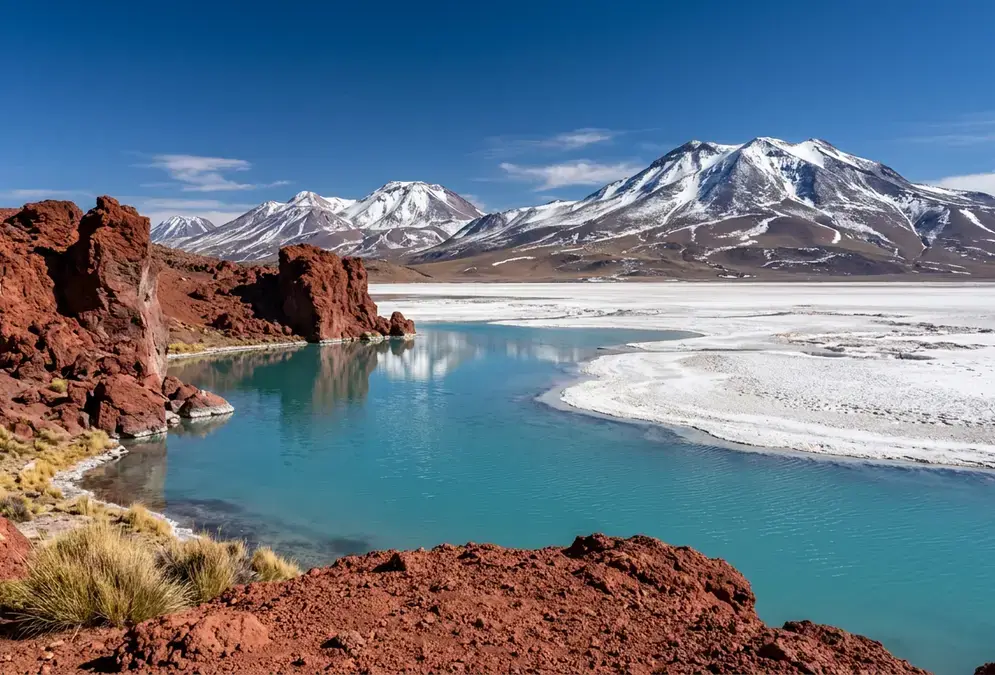
Nayara is a member of The Leading Hotels of the World. The all-inclusive programme includes one full-day excursion per night, which means cultural and landscape trips are not add-ons but built into your schedule. The Pukará de Quitor fortress — a 12th-century pre-Incan defensive site — is a five-minute walk uphill from the property. Further excursions run to the salt flats, altiplanic lagoons (around 4,200 m), and El Tatio geyser field (around 4,300 m on the altiplano). Altitude acclimatisation on Day 1 matters; the lagoon and geyser excursions are genuinely high, and altitude sickness is a real risk if you push hard on arrival.

Highlights

  • On-site Ckepi observatory, bundled into every booking — no extra charge
  • Canyon location in the Pukará de Quitor valley minimises light bleed from the village
  • Atacameño sky mythology and Kunza cosmology woven into astronomy sessions
  • Member of The Leading Hotels of the World
  • One full-day guided excursion included per night of stay
  • Five-minute walk to the 12th-century Pukará de Quitor fortress

Amenities

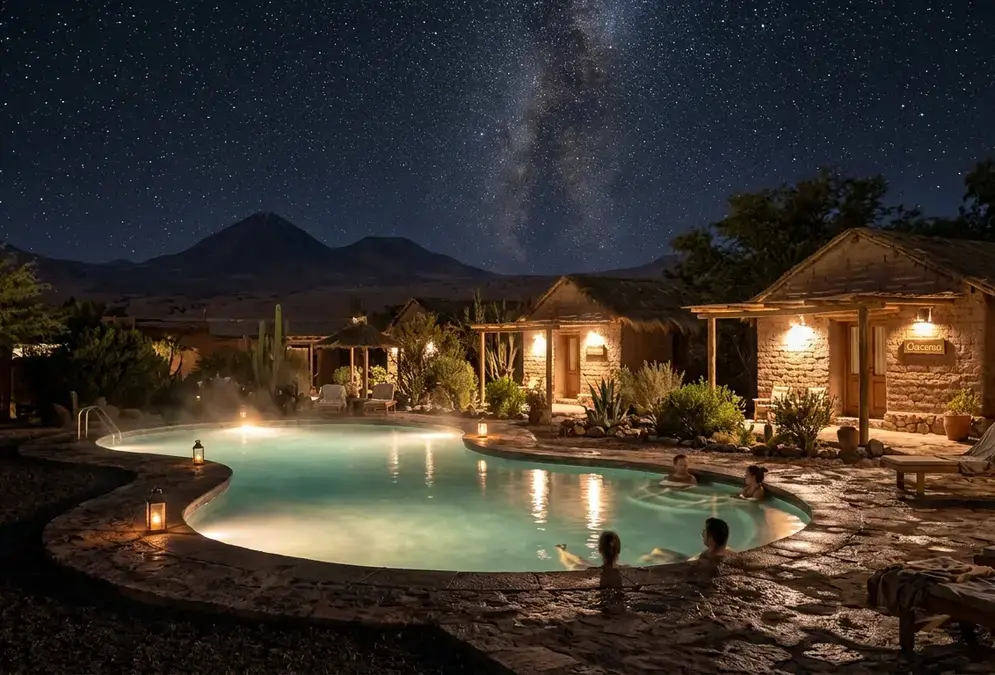
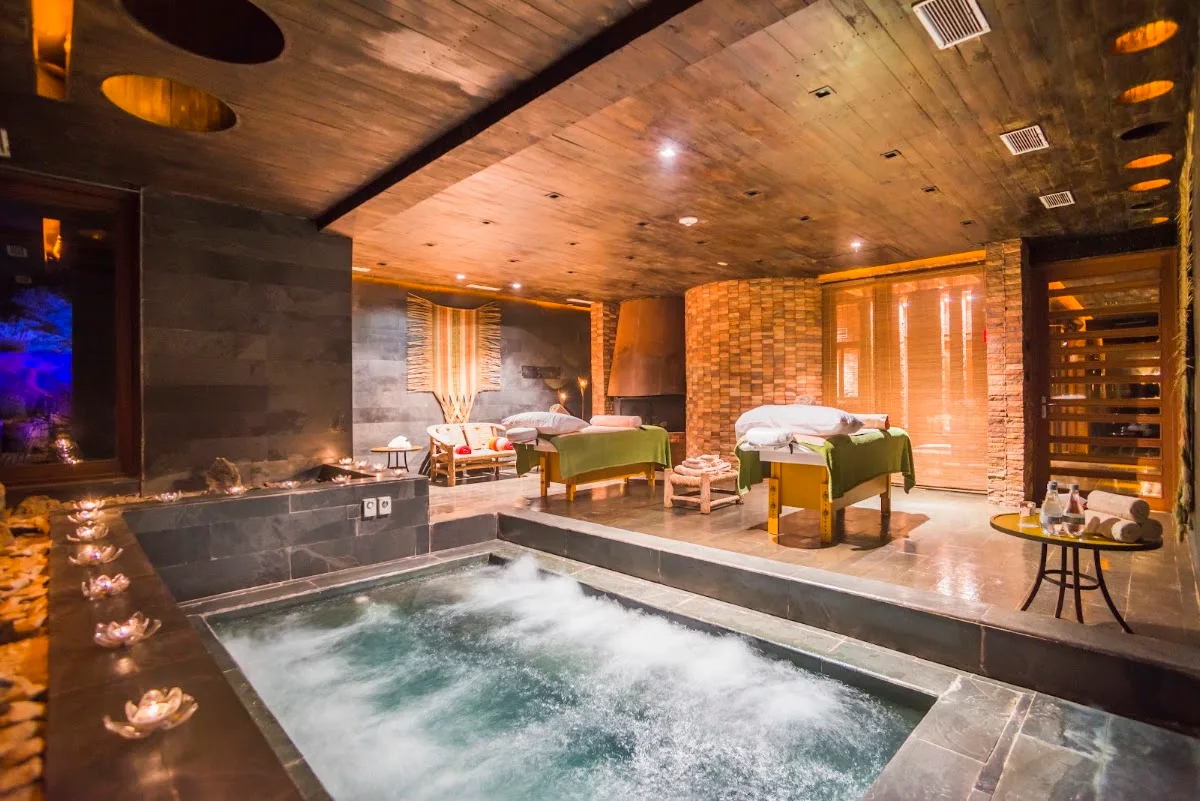
All-inclusive (meals, excursions, transfers) Private Ckepi observatory Nightly astronomy sessions with in-house astronomer 42 rooms with private terraces and valley views Heated pools Spa Yoga platform Gourmet restaurant Fireplace lounges Guided cultural excursions (Pukará de Quitor, salt flats, El Tatio)

Practical information

Price

$$$$ · all-inclusive packages

Address

Pukará de Quitor valley, San Pedro de Atacama, Antofagasta Region, Chile

View on Google Maps

Find the best rate for Nayara Alto Atacama

Compare prices from top booking sites in one search.

from $$$$ · all-inclusive packages / night

4.6 (376 reviews)
Check prices & availability

Free to search · Compares top booking sites · No sign-up

Visit the lodge's official site

Lodges are selected on merit, not commission. We may earn a small fee if you book — at no extra cost to you.

Frequently asked questions

Is the observatory at Nayara Alto Atacama included in the room rate?

Yes. The Ckepi observatory session is bundled into the all-inclusive package at no additional charge. Every guest gets a small-group astronomy session led by the lodge's in-house astronomer as part of their stay.

What does the all-inclusive package at Nayara Alto Atacama cover?

The package covers all three meals, one guided full-day excursion per night of stay, the nightly Ckepi observatory session, spa access, and airport transfers between Calama and the lodge. International flights are not included.

How far is Nayara Alto Atacama from San Pedro de Atacama village?

About 3 km north of the village, in the Pukará de Quitor canyon valley. The lodge organises transfers; it is not walkable from town.

What is the Ckepi observatory?

Ckepi means "eye" in Kunza, the indigenous language of the Atacameño people. It is the lodge's private telescope facility, used for nightly sessions that combine Southern Hemisphere star orientation, Kunza cosmology and Andean sky mythology, and telescope viewing of nebulae, star clusters, and planets. Groups are small; sessions are experiential rather than technical.

What is the best time to visit Nayara Alto Atacama for stargazing?

May through August offers the darkest, clearest skies — the galactic core is high overhead and humidity is below 5%. June and July are the peak months. Within any month, the five nights centred on the new-moon window deliver the best views; full-moon nights are still good for naked-eye observing under Bortle 1–2 skies, but telescope detail on faint deep-sky objects is washed out by scattered moonlight.

What is the altitude at Nayara Alto Atacama, and is altitude sickness a concern?

The lodge sits at approximately 2,450 m in the Quitor canyon. Most guests acclimatise within 24 hours. The included excursions to El Tatio (about 4,300 m, on the altiplano) and the altiplanic lagoons (about 4,200 m) are where altitude sickness becomes a real risk — the lodge's guides advise rest on arrival and pacing excursions from Day 2 onward.

Why is the Atacama's atmospheric transparency better than other high-altitude stargazing sites?

Humidity runs below 1% on clear nights here, compared to 10–20% at Mauna Kea. Lower humidity means more starlight reaches the telescope — that is atmospheric transparency. Add stable desert air that reduces atmospheric turbulence (good seeing, including sub-arcsecond seeing on the best nights), and the Bortle 1–2 skies, and the Atacama outperforms most other sites on all three dimensions simultaneously.

What is Kunza cosmology, and why does Nayara emphasise it?

The Atacameño people developed Kunza cosmology before Western telescopes arrived, mapping the Milky Way's dark nebulae — the dust-lane silhouettes visible to the naked eye — into animal shapes including a llama, a toad, and a fox. These figures are only visible from the Southern Hemisphere under very dark skies. Nayara weaves this tradition into every Ckepi session as a form of cultural astronomy that complements the Western telescope work.

Further reading

Sources