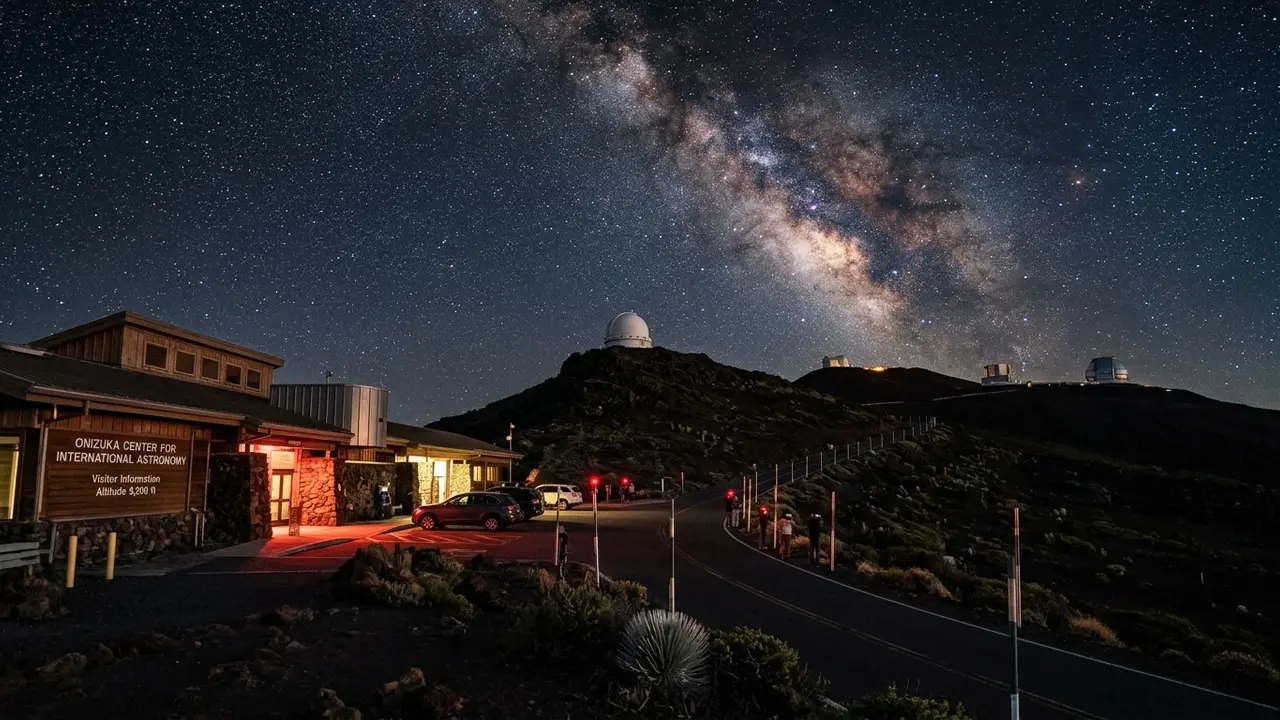

Mauna Kea is sacred ground before it's a bucket-list stop
Before flights, tour bookings, or summit elevation charts, settle this: Mauna Kea is not a neutral backdrop for a good photo. In Hawaiian tradition the mountain is regarded as a shrine for worship, a home to the gods, and the piko, the center, of Hawaiʻi Island[1]. An ancient law once restricted the true summit to high-ranking aliʻi, the ruling chiefs, and ordinary people simply did not go there[2]. That history didn't end when the first telescope was constructed in 1968; it's still being argued over.
The dispute isn't settled, though its shape has shifted. The Office of Hawaiian Affairs once said plainly that the state of Hawaiʻi and the University of Hawaiʻi failed as trustees and stewards of the mountain, and pursued lawsuits over how the summit was managed[3]. OHA withdrew both of those suits in June 2025, pointing to a shift toward more collaborative stewardship of the mountain[13]. That doesn't mean the mountain's future is agreed on: the Thirty Meter Telescope, the most visible flashpoint, remains unresolved, since the U.S. National Science Foundation dropped its funding support for the TMT that same June in favor of the Giant Magellan Telescope, leaving the project's future genuinely in doubt[4]. Don't assume, this year or next, that the question of what belongs on that summit has been answered.
“Maunakea is a deeply sacred place that is revered in Hawaiian traditions. It's regarded as a shrine for worship, as a home to the gods, and as the piko of Hawaiʻi Island.”
Why open a "worth it" article this way? Because the honest answer depends on what kind of visitor you're going to be. If you go, you're a guest on land with an unresolved stewardship dispute, not a customer purchasing an experience. The Mauna Kea cultural significance guide covers the deeper history and etiquette, what to avoid touching, how governance is shifting toward Native Hawaiian-led oversight, and what a respectful visit actually looks like. Read that first if you skipped it; everything below assumes you have.
What "worth it" actually costs: money, a rental-car catch, and a road most cars can't touch
Money is the easy part. Guided Mauna Kea summit stargazing tours typically run into the low hundreds of dollars per adult, covering 4WD transport, cold-weather gear, and a guide trained to call off the trip if conditions or a guest's altitude tolerance don't cooperate. That's the number to plan around, because arranging a self-guided summit trip is harder than it looks.
Most Hawaiʻi rental-car contracts forbid it outright. Several major rental companies prohibit their Hawaiʻi rentals from driving Saddle Road or the Mauna Kea Observatory Road, and other major agencies carry similar restrictions. Even without that clause, 2WD vehicles aren't permitted above the Visitor Information Station, and summit travel requires a dependable, fully operable 4WD or AWD vehicle[5]. Put those two facts together and the practical path for most visitors is a licensed tour operator, not a rental sedan and good intentions.
Low hundreds
Budget the whole evening, not just the summit hour. A typical guided trip:
- Picks up from Hilo or Waimea in the late afternoon
- Stops at the Visitor Information Station to acclimatize before continuing
- Reaches the summit for sunset, then descends partway for the actual stargazing
- Returns guests to their lodging well after midnight
Staying overnight near the mountain, rather than making a long day of it from Kona, cuts real time off that drive. The Big Island lodges guide for Mauna Kea stargazing breaks down bases on the Hilo and Waimea sides built around exactly this kind of evening.
The real risk: altitude sickness above the Visitor Information Station
The Visitor Information Station sits at 9,200 feet (2,804 m)[6] on the Maunakea Access Road, well below the summit's 13,803 feet (4,207.3 m)[7], the highest point in the state. That nearly 4,600-foot gap[6][7] is where the real risk of this trip lives, not the drive itself. The drop in atmospheric pressure and oxygen at altitude can cause altitude sickness, and above the VIS that can progress to High Altitude Pulmonary Edema or High Altitude Cerebral Edema, both genuinely life-threatening[8].
This isn't a theoretical warning. A published survey found that roughly 30% of tourists and 69% of astronomy staff on Mauna Kea experienced acute mountain sickness[9], numbers high enough that summit observatories treat altitude protocol as standard operating procedure, not an optional caution for the unlucky few. Official guidance is direct about who shouldn't go higher at all: anyone under 13, since prolonged high-altitude exposure may cause permanent bodily damage[10], along with pregnant visitors and anyone with high blood pressure or a heart or respiratory condition.
Featured · Destination
Mauna Kea
Mauna Kea is sacred to Native Hawaiians and home to world-class observatories. Here's how to plan respectful, safe Mauna Kea stargazing at the Onizuka VIS.
Even healthy adults are told to acclimatize for at least 30 minutes at the VIS before continuing[11], and the summit itself is closed to visitors from 30 minutes after sunset until 30 minutes before sunrise[12], meaning an unsupervised overnight stargazing session at the true peak was never actually on the table. Whatever plan you book, that's the shape it takes: up, acclimatize, look, and back down before the mountain closes for the night.
Who the summit is actually worth it for
Strip away the caveats and there's a real answer here, not a shrug. The summit is worth the cost, the altitude risk, and the early wake-up call for a specific visitor: a healthy adult, ideally already acclimatized by a day or two at elevation, who books through a licensed summit tour operator rather than attempting the drive alone, and who arrives ready to treat the peak as a place they're a guest on, not a photo backdrop.
That last part matters as much as the medical checklist. A visitor who's genuinely worth-it for the summit doesn't touch rock formations or shrines, stays where guides direct, keeps their voice down, and follows whatever a cultural monitor or ranger asks, general guest conduct that applies whether or not a specific rule is posted that night. If quiet, deferential behavior at a sacred site sounds like a mood-killer rather than the point, that's a fair sign the summit isn't the right call for you specifically, whatever your lungs can handle.
Recommended tours
Tours are selected for quality, not commission. I earn a small fee if you book — at no extra cost to you.
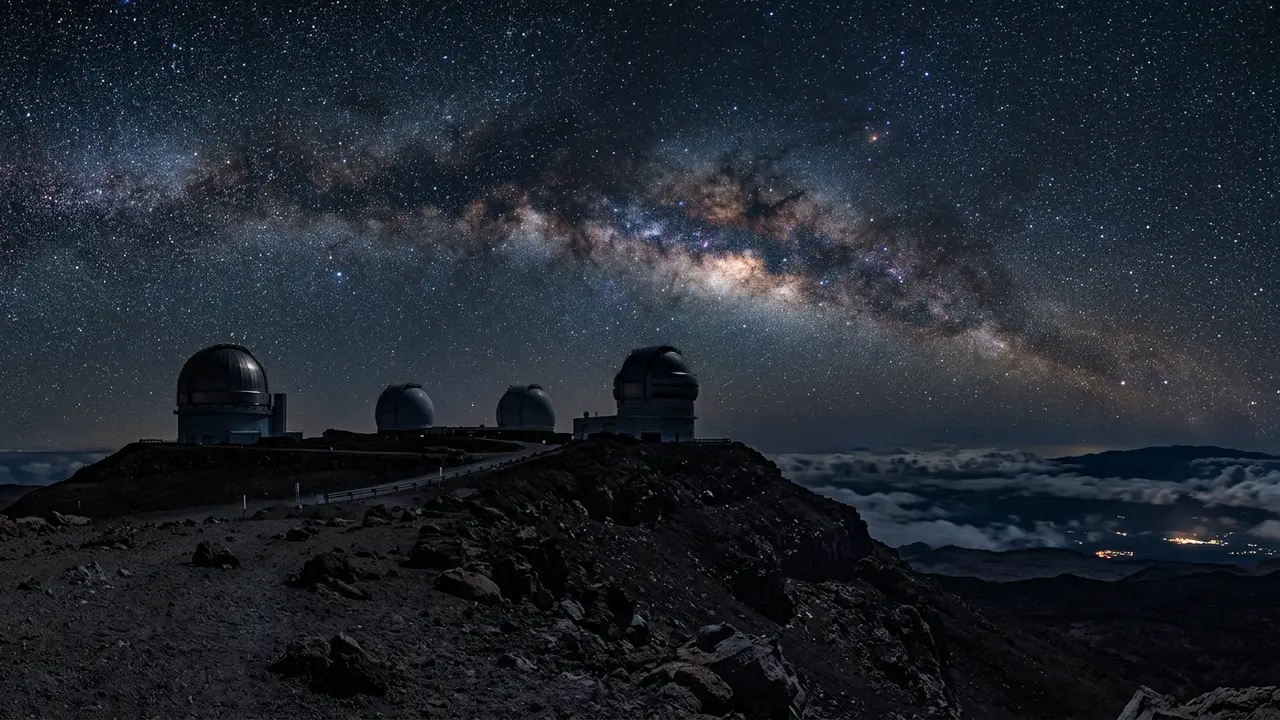
There's a genuine astronomical case for going too, not just a cultural one. Professional observatories were built at 13,803 feet[7] because the summit sits above most of the atmosphere's moisture and turbulence, the same phenomenon that keeps the sky above the VIS good and the sky above the summit exceptional. For a visitor who meets every other condition on this list, that's the actual payoff: a sky most people never get to stand under.
For that visitor, the Mauna Kea stargazing destination guide has the fuller logistics, weather windows, permit details for the routes that need them, and how the licensed operators compare.
Who should stop at the Visitor Information Station instead
Here's the honest reframe: stopping at the VIS isn't settling for less. The station, at 9,200 feet,[6] runs free nightly stargazing programs, and delivers a dark, high-altitude sky with staff on hand to talk through both the astronomy and the mountain's cultural context. For most travelers reading this, it's genuinely the better trip, not the consolation prize.
Stop here rather than pushing to the summit if any of these apply:
- You're pregnant, traveling with a child under 13, or manage a heart, lung, or blood-pressure condition
- You've been scuba diving in the past 24 hours
- You don't have a booked, licensed operator, and a 4WD-capable vehicle isn't an option
- You're not prepared to spend real time on the mountain's cultural significance before you go
None of those are minor asterisks. They're the same conditions official Mauna Kea safety guidance uses to draw the line between the VIS and the summit, and they exist for real reasons, not liability-driven caution.
Practically, a VIS-based evening looks like this: drive up from Hilo or Waimea, about 45 minutes to an hour, acclimatize in the parking area as the sun goes down, and stay for whatever the Onizuka Center Visitor Information Station's free stargazing program is running that night. If you'd rather skip the access road altogether, the best stargazing spots on Mauna Kea piece covers four lower-elevation, genuinely dark alternatives across the Big Island.
So, is Mauna Kea worth it? The honest verdict
Yes, for the visitor described above: healthy, booked with a licensed operator, budgeting real time for acclimatization, and prepared to be quiet and deferential on a summit that isn't neutral ground. For nearly everyone else, the honest verdict is that the Visitor Information Station delivers the sky you actually came for, without the altitude risk, the road restrictions, or the discomfort of touring the top of an unresolved dispute.
That's not a downgrade dressed up as advice. A dark sky at 9,200 feet[6] is still one of the best skies most travelers will ever stand under, and it comes without the guided-tour fee, the pre-dawn wake-up, or the moral weight of pushing higher than you need to. If you do go to the summit, go because you've genuinely weighed the altitude risk and the cultural context, not because a bucket list told you to.
Featured · Article
What Is Astrotourism? The Complete Beginner's Guide
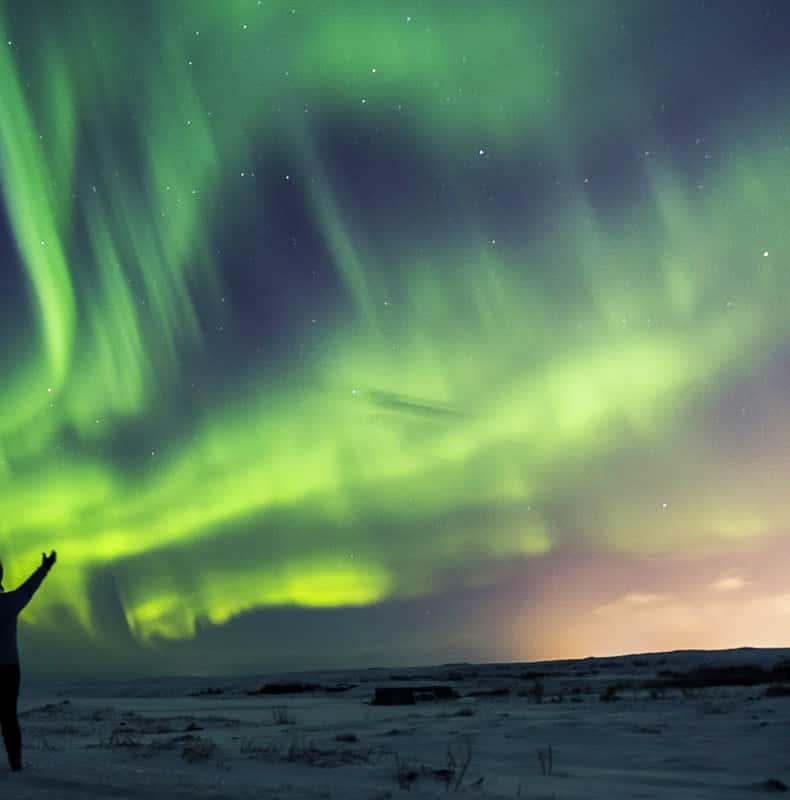
Astrotourism means travel built around dark skies: meteor showers, auroras, the Milky Way. What it means, where to go, and how to plan your first trip.
Whichever you choose, the mountain will still be there afterward, still contested, still sacred, long after your trip is over. That's worth sitting with before you decide how far up you're going to drive. Once you've decided, How Many Days for Mauna Kea Stargazing? works through how much of a Big Island trip to actually build around it.