Tours by region

Stargazing Tours Across the USA

14 tours across 5 dark-sky areas

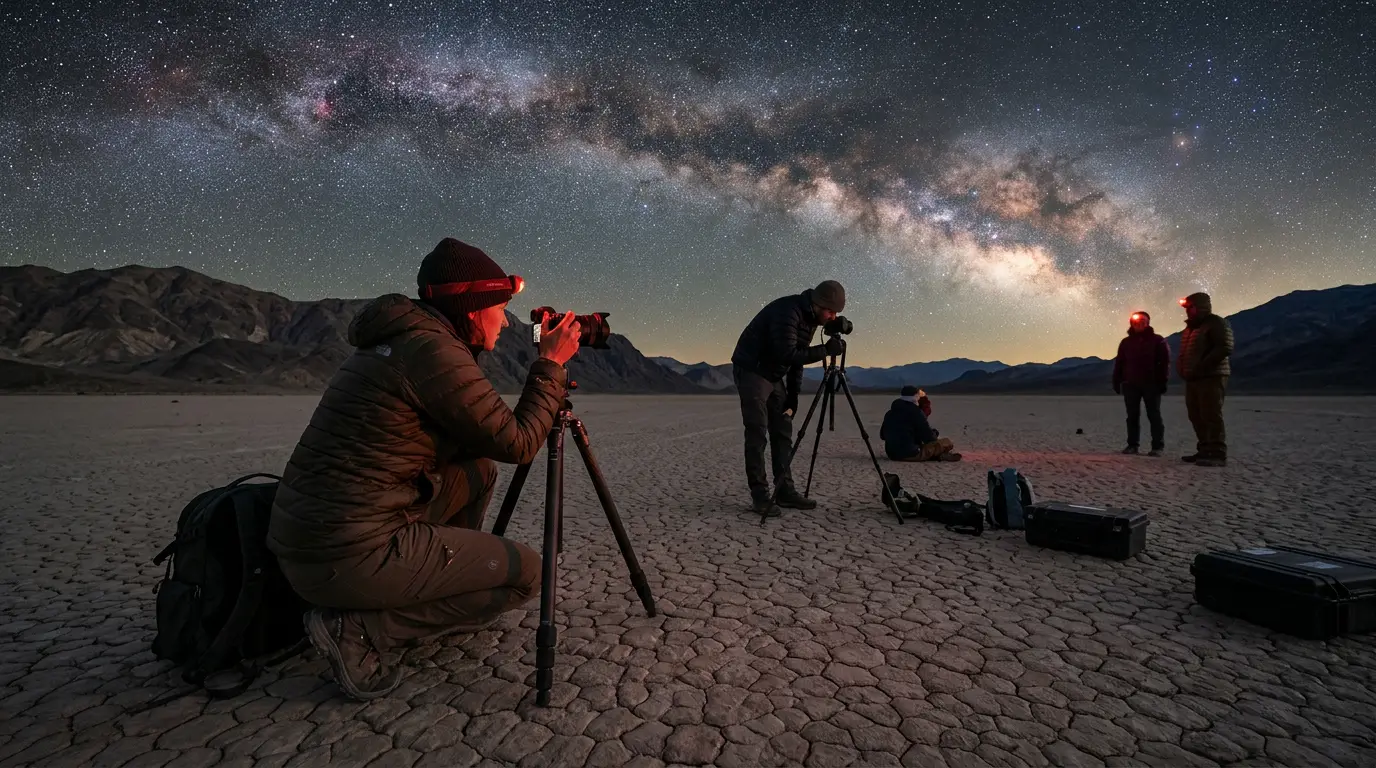
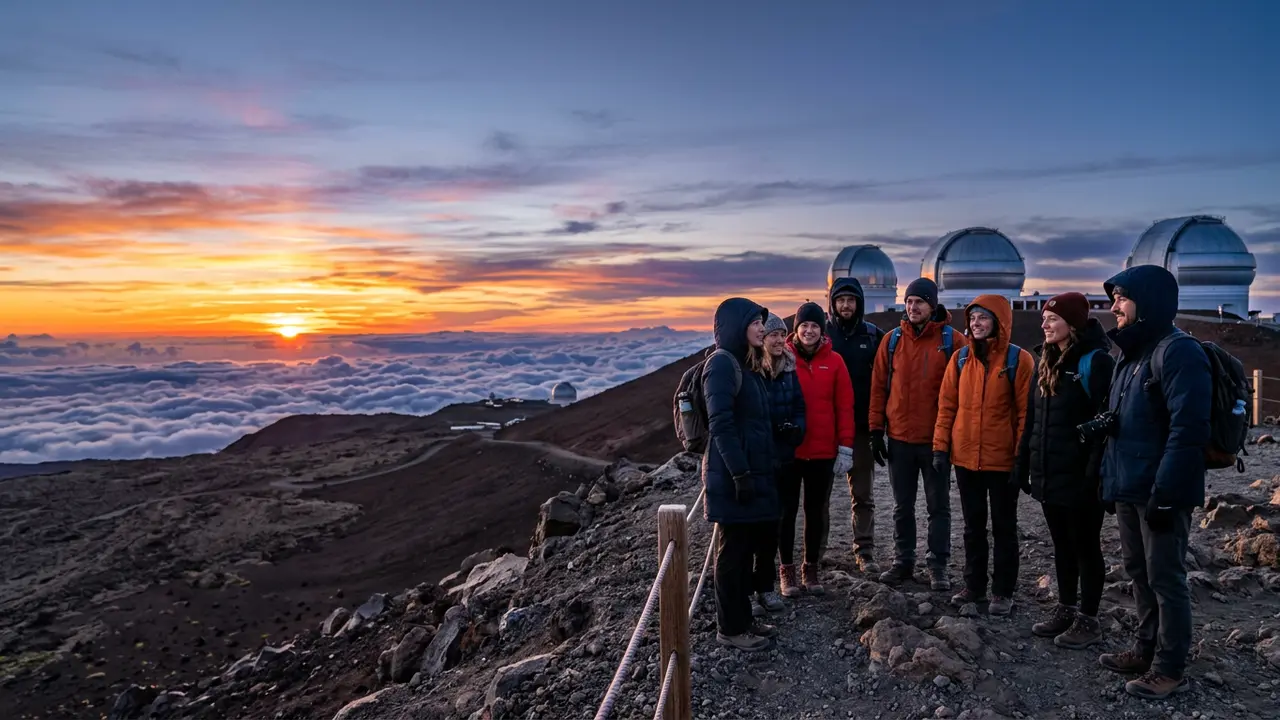
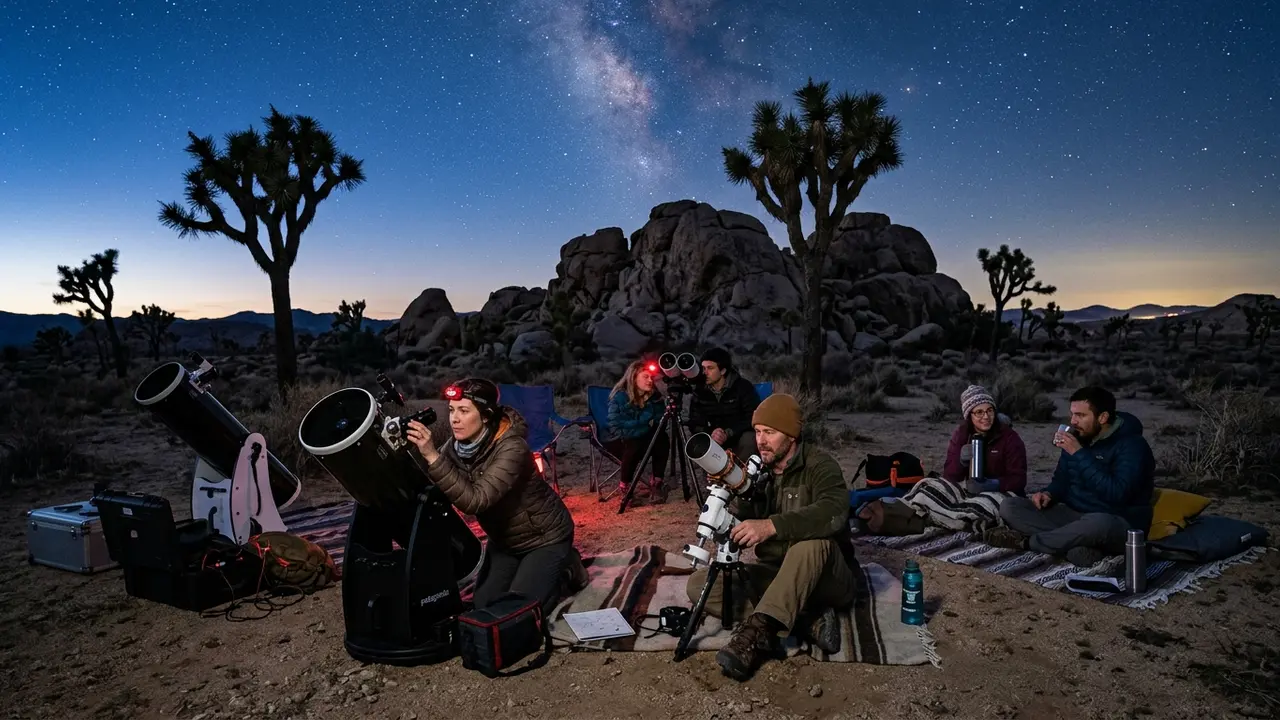
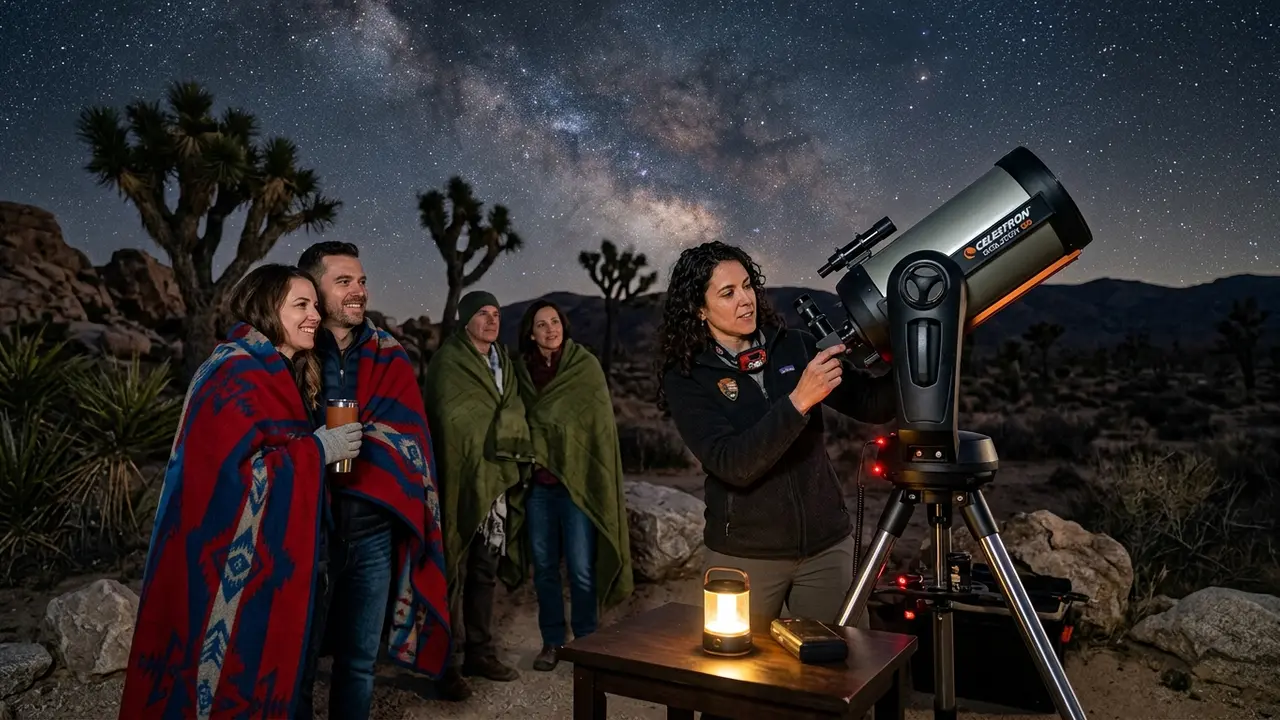
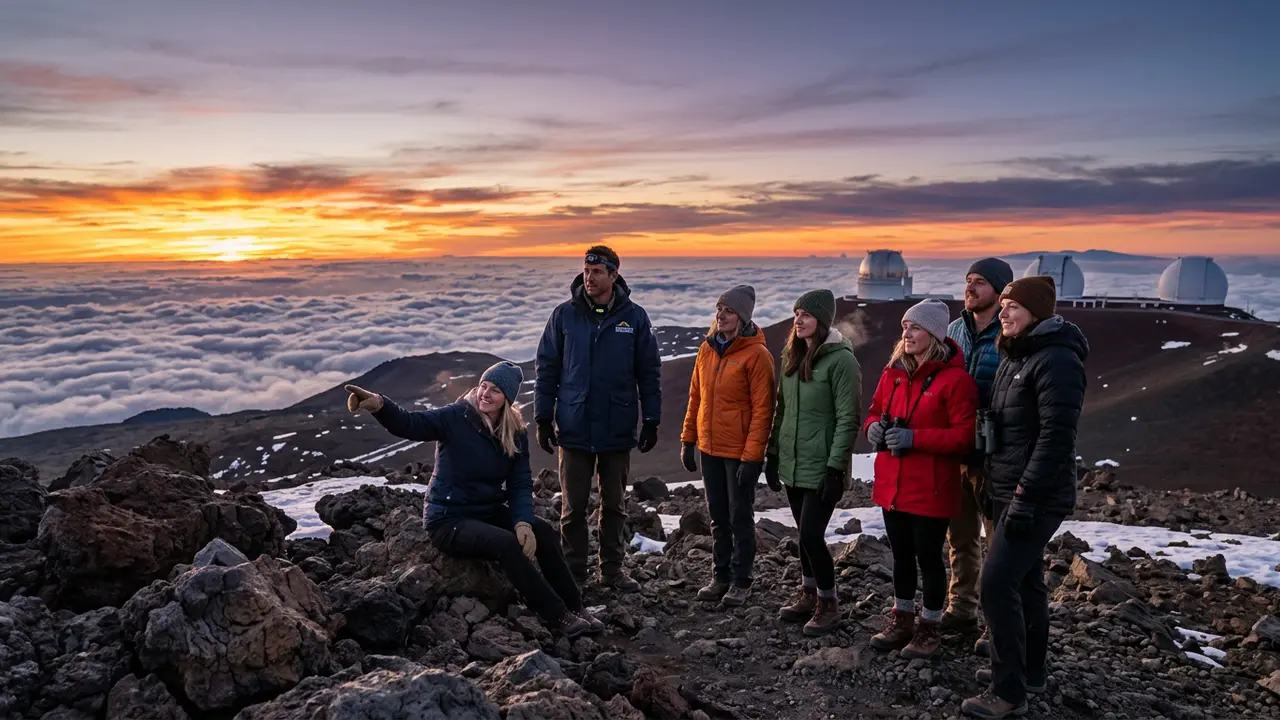
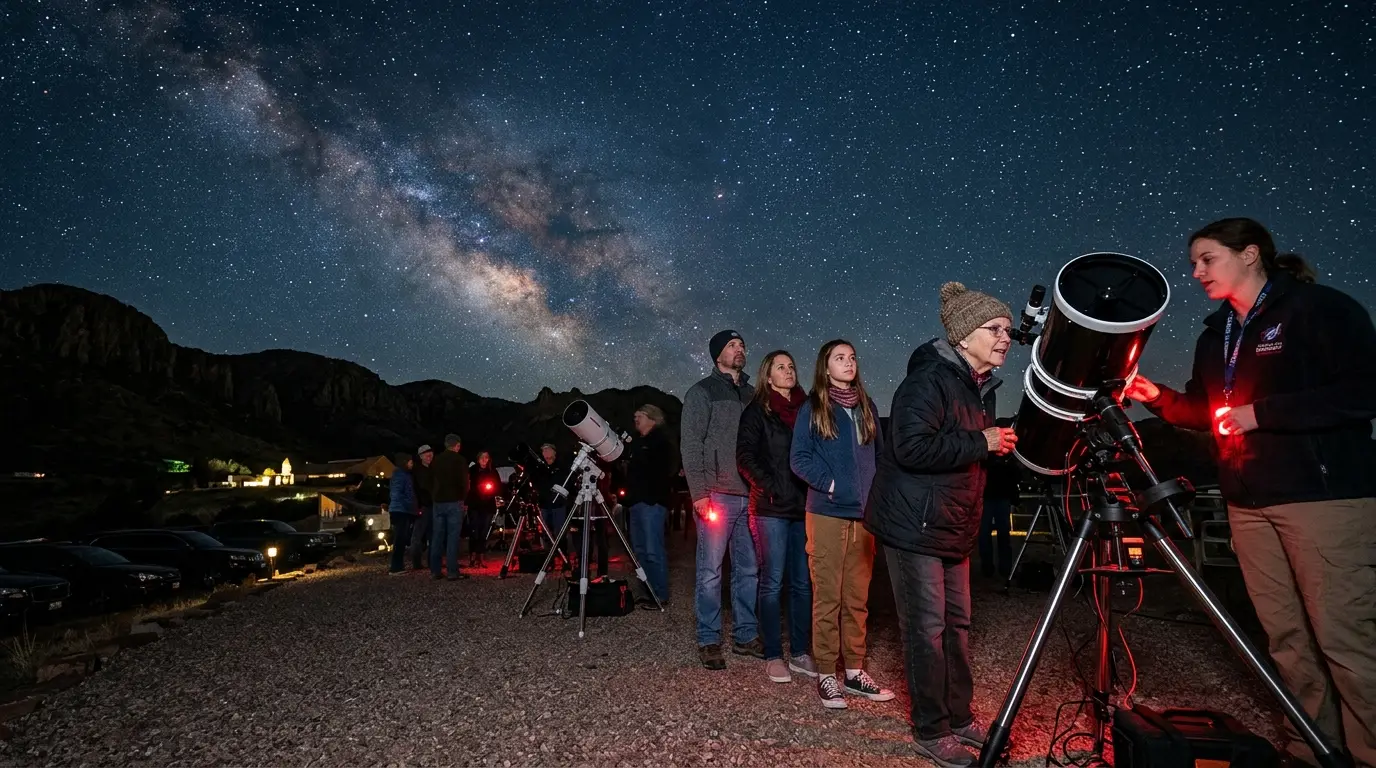
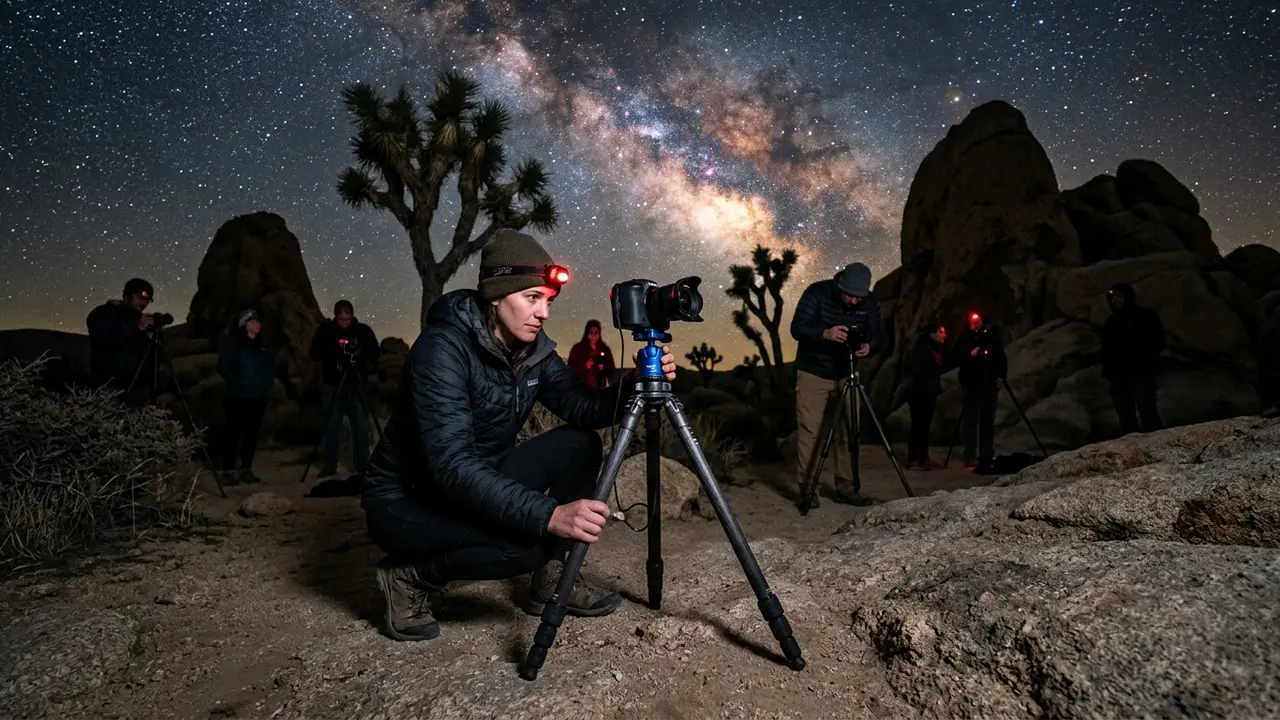
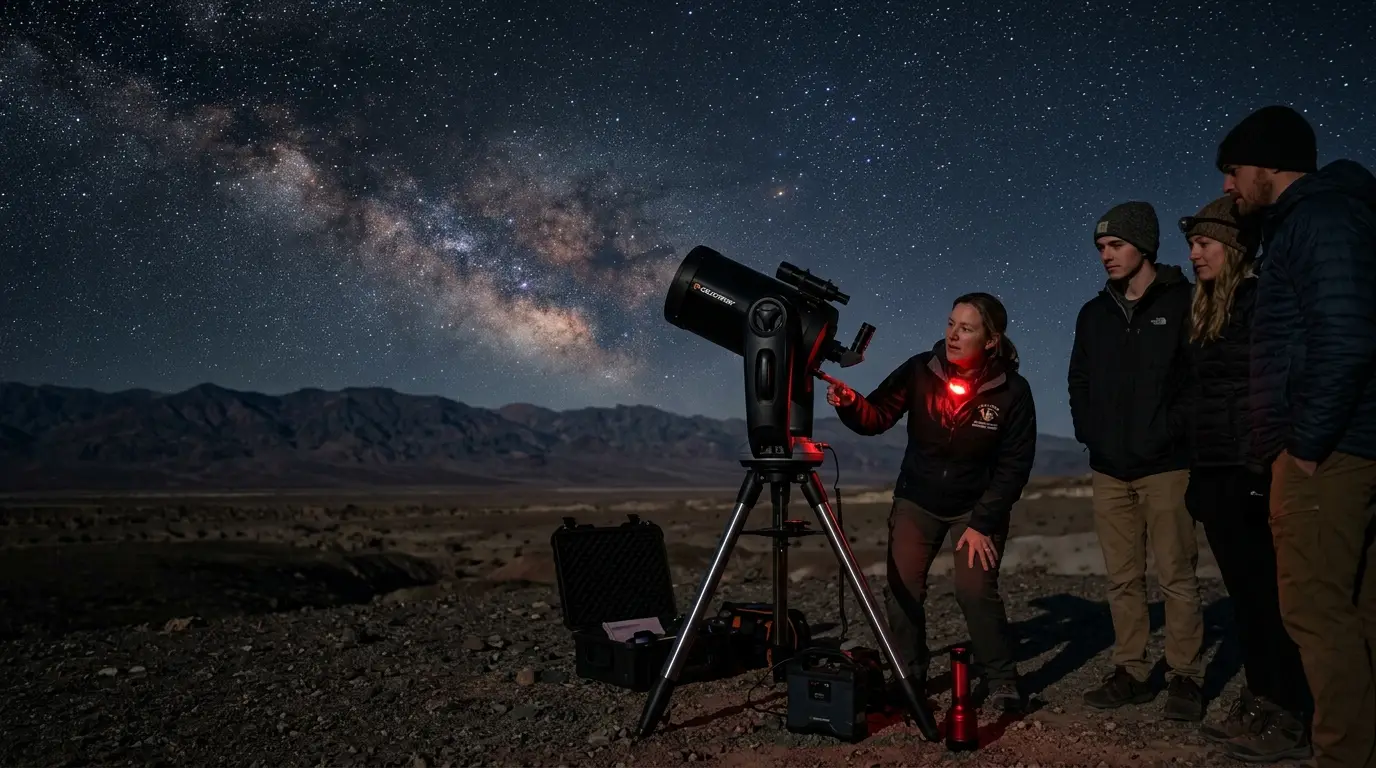
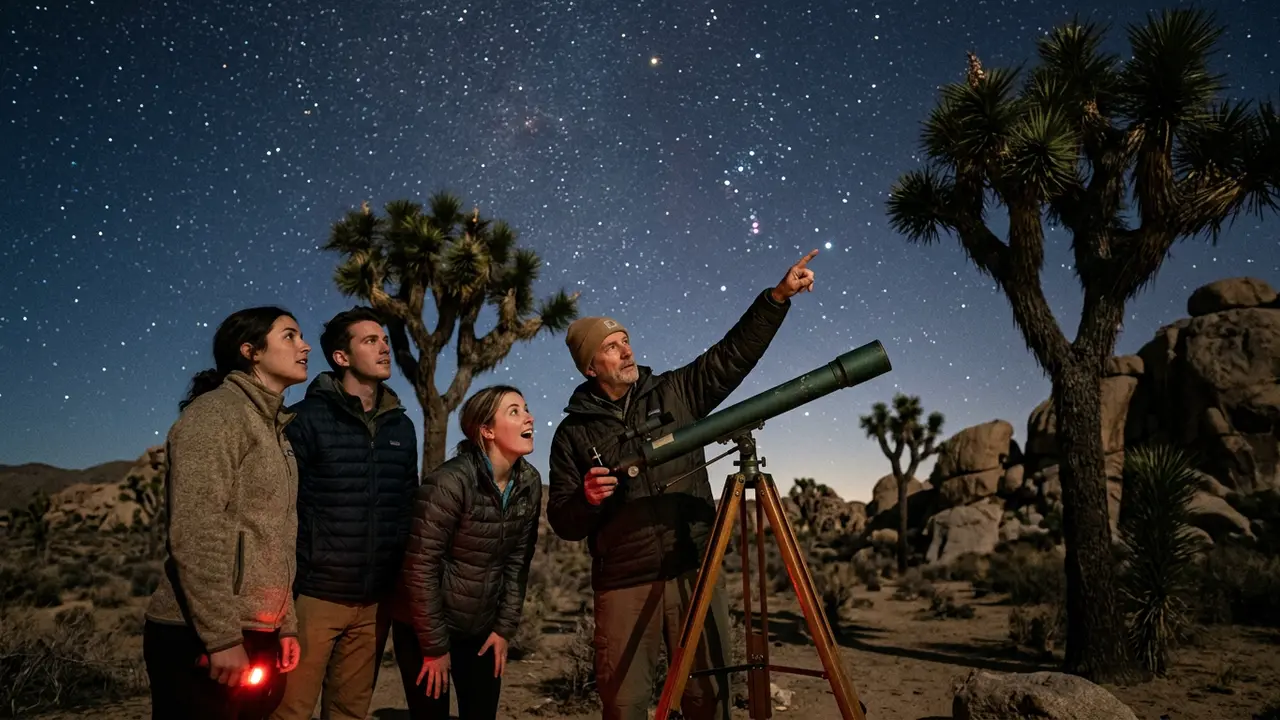
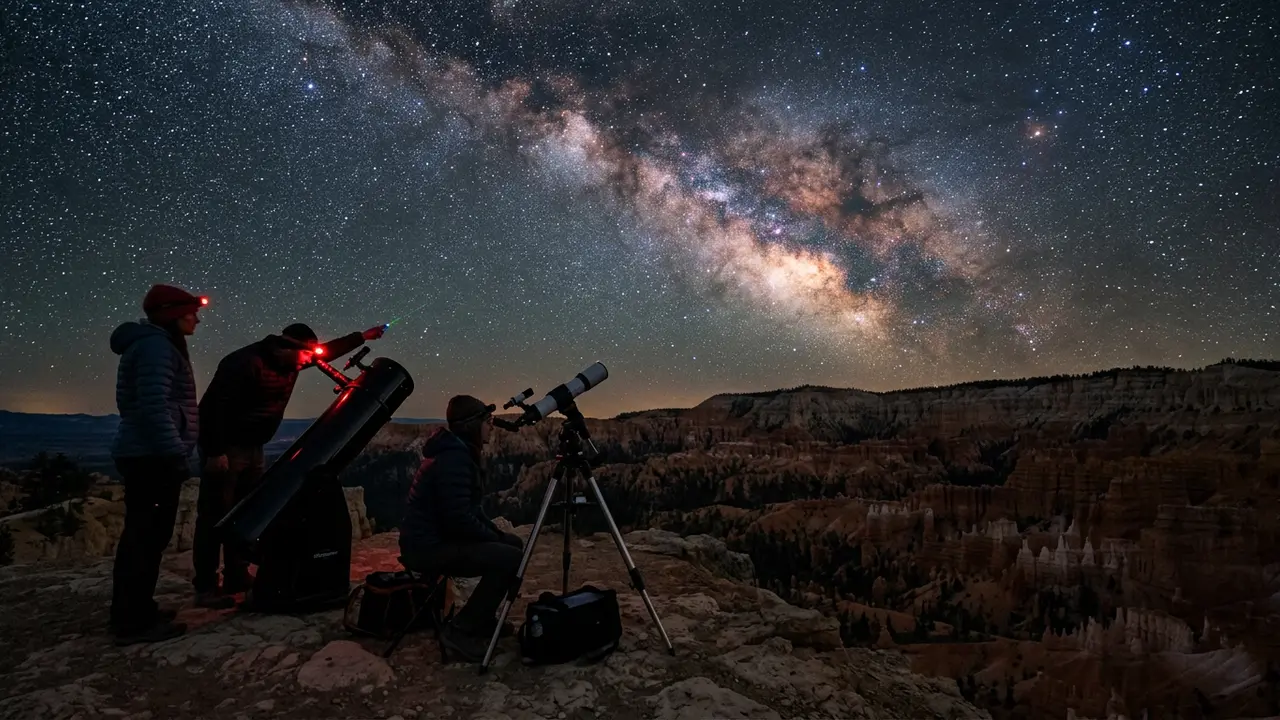
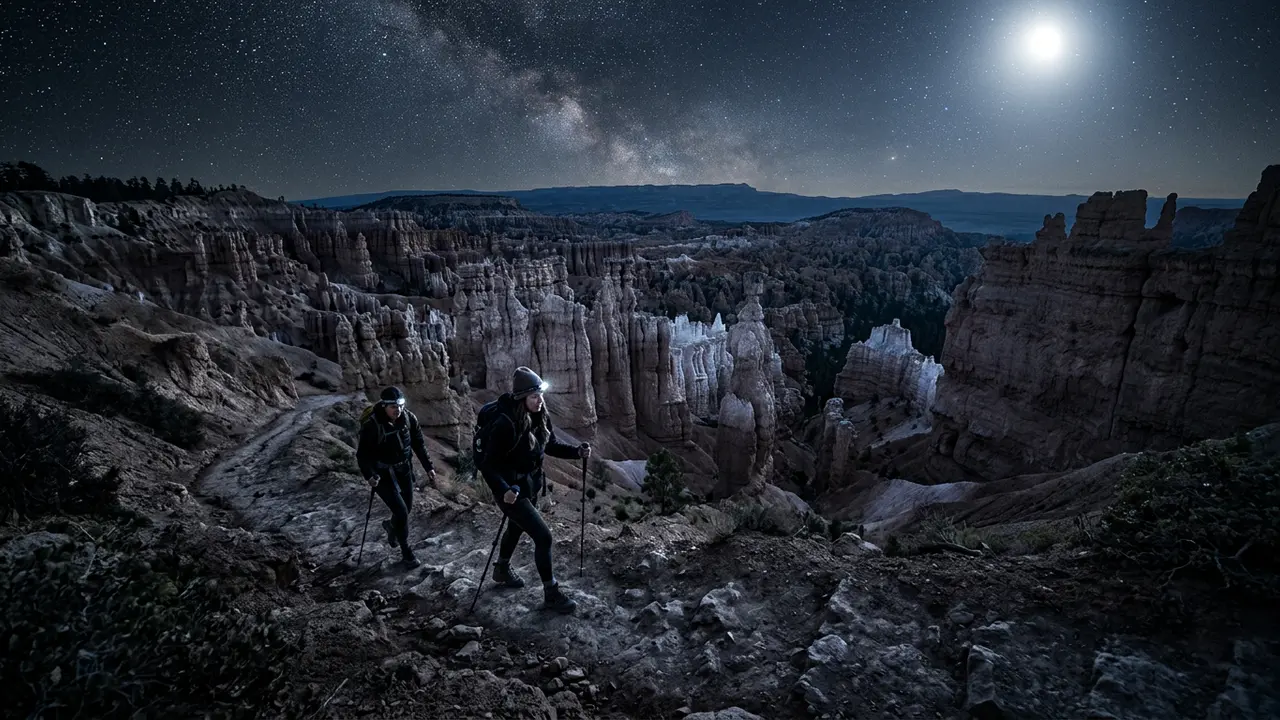
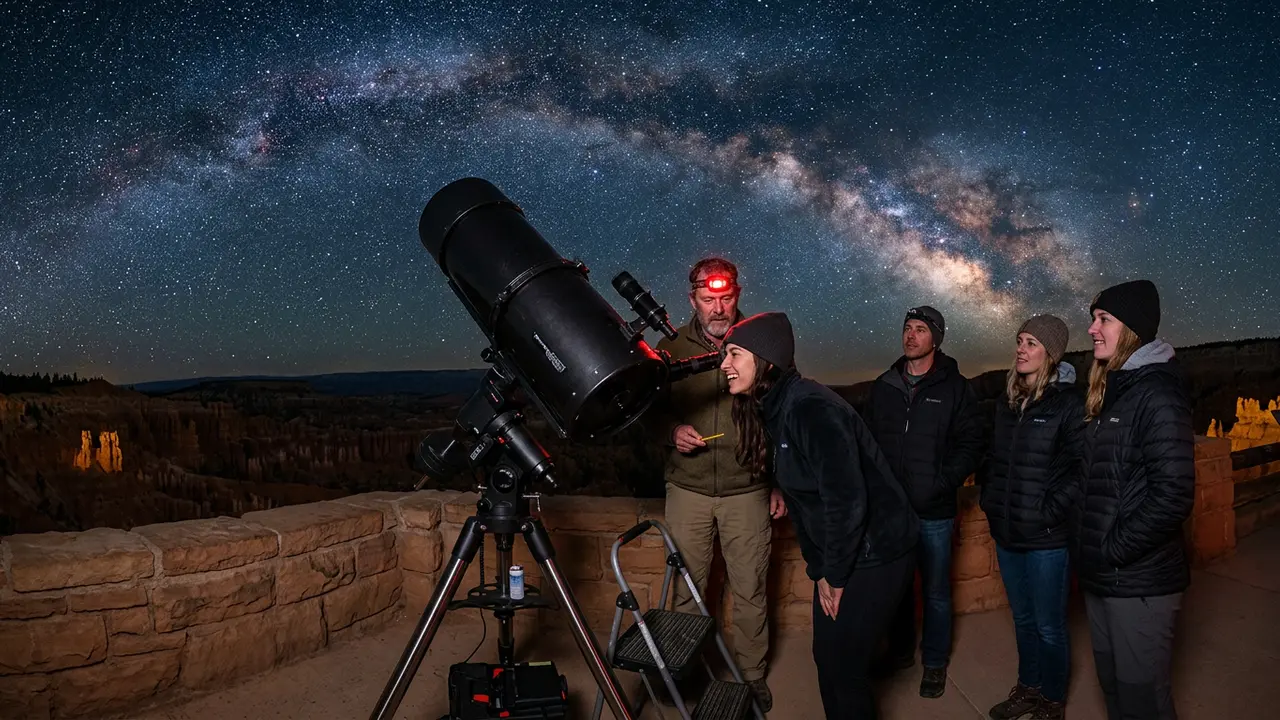
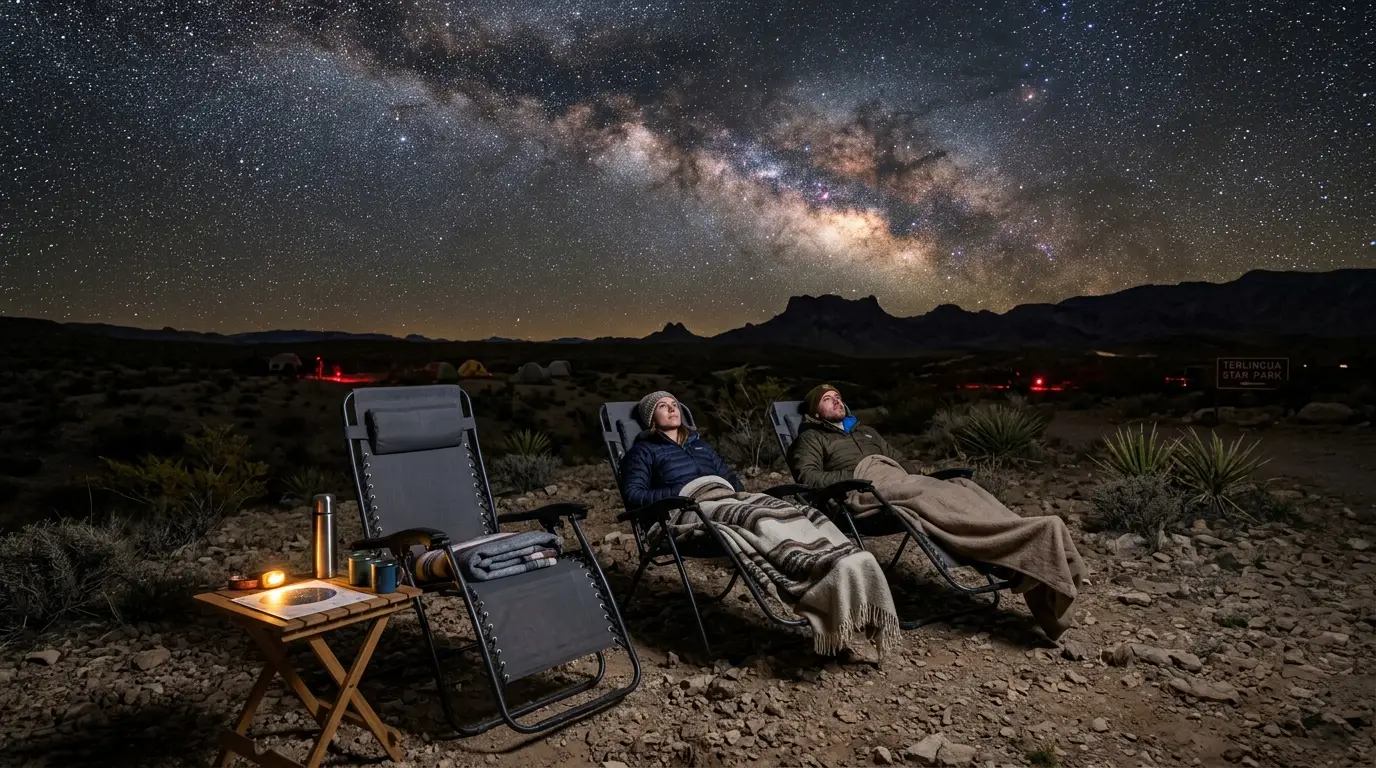
America's certified dark-sky parks have spawned a real guided-tour industry, and the operators worth booking sit close enough to Bryce Canyon, Death Valley, Big Bend, Joshua Tree, or Mauna Kea's summit to build their whole itinerary around a specific park's night sky rather than a generic desert backdrop. Rangers, certified astronomy guides, and local outfitters run everything from a single evening telescope session to multi-day trips that combine hiking, photography, and a night under some of the darkest skies the country has left.

Season shapes which tour makes sense more than most travelers expect. The Milky Way's bright core sits overhead roughly March through October, peaking around new moon in June and July, so summer tours at Bryce Canyon or Big Bend combine warm nights with the galaxy's best view. Death Valley and Joshua Tree flip that math, since daytime heat pushes the better tour windows into late spring or fall even though the sky is just as dark. Mauna Kea runs on its own logic, where altitude, cloud inversion, and required acclimatization time matter more than the calendar.
Where these tours run

Browse other ways

Frequently asked questions

What's the benefit of a guided tour over just driving into a US dark-sky park myself?

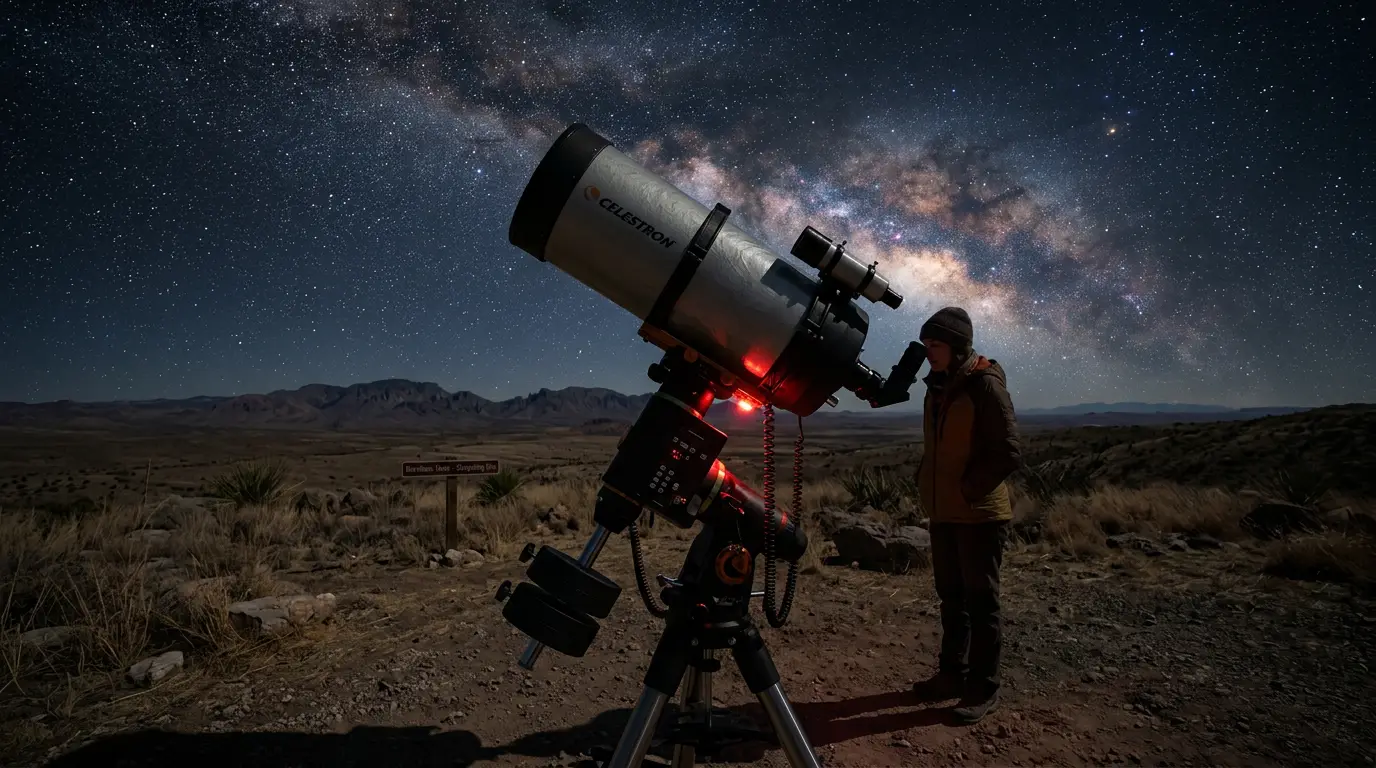
A guide brings a telescope, know-how on finding faint targets, and often after-hours park access that isn't available to a solo visitor after the gates close. Rangers and local outfitters also know a park's specific viewpoints and weather patterns better than a first-time visitor would.

When is the best time for a stargazing tour in the US desert parks?

Late spring and fall usually beat peak summer at parks like Death Valley and Joshua Tree, since daytime heat makes even evening tours uncomfortable in June through August. The sky itself is dark year-round, so picking a cooler month is about comfort, not sky quality.

Do any US stargazing tours require altitude acclimatization?

Yes, most notably at Mauna Kea, where tours require a stop partway up to acclimatize before continuing to the summit area, and some exclude pregnant travelers, young children, or anyone with heart or respiratory conditions due to the elevation. Check a specific operator's health requirements before booking.

Are these tours run by park rangers or private companies?

Both. Some dark-sky parks run their own ranger-led astronomy programs, often free or low-cost, while private outfitters run more elaborate multi-hour or multi-day tours with better telescopes and smaller groups. Check whether a listing is an official park program or a private tour, since pricing and group size differ a lot.

When is the Milky Way visible on a US stargazing tour?

The Milky Way's bright core is visible from these latitudes roughly March through October, with the clearest, moonless view around new moon in June and July. Outside that window, tours typically shift focus to planets, star clusters, and constellation tours instead of the galactic core.