Atacama Stargazing & Astronomy Tour
Evening telescope session under the world's clearest skies. Book near new moon, avoid full moon. SPACE Observatory, San Pedro de Atacama — CLP 45,000.
Tours by region
23 tours across 6 dark-sky areas
Thin, dry air does more for a stargazing tour than any amount of scheduling can. Guided trips across AlUla in Saudi Arabia, the Sahara around Merzouga in Morocco, Wadi Rum in Jordan, NamibRand in Namibia, the Atacama in Chile, and the outback around Uluru in Australia all lean on the same advantage: almost no water vapor to scatter starlight, plus real distance from any city glow. NamibRand and the Atacama hold official dark-sky reserve status, and tours built inside them treat that as a working fact, not a marketing line.
Comfort and season differ sharply between these deserts, so match the tour to the calendar before the destination. The Atacama sits at real altitude, meaning cold nights even in summer, and some outfitters there run their own observatory-grade telescopes. Saharan and Arabian desert tours swing between hot days and cool nights, with the most comfortable stargazing usually falling in the shoulder months. NamibRand and Uluru run on southern-hemisphere seasons, so their clearest stretch often lands in the local winter. Pack for cold nights regardless of the desert.
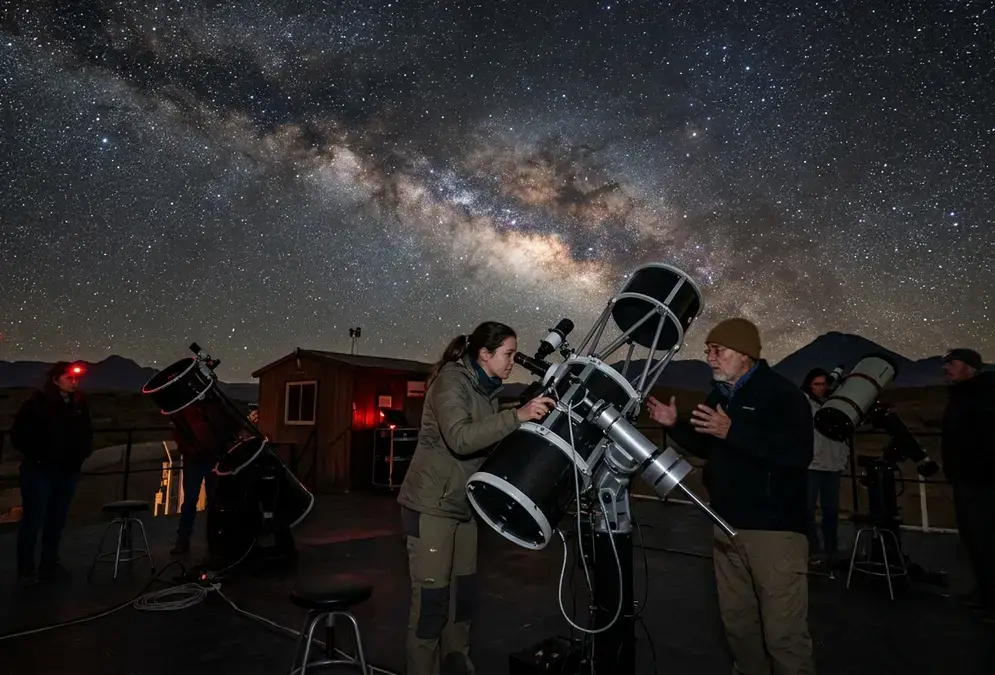
Evening telescope session under the world's clearest skies. Book near new moon, avoid full moon. SPACE Observatory, San Pedro de Atacama — CLP 45,000.
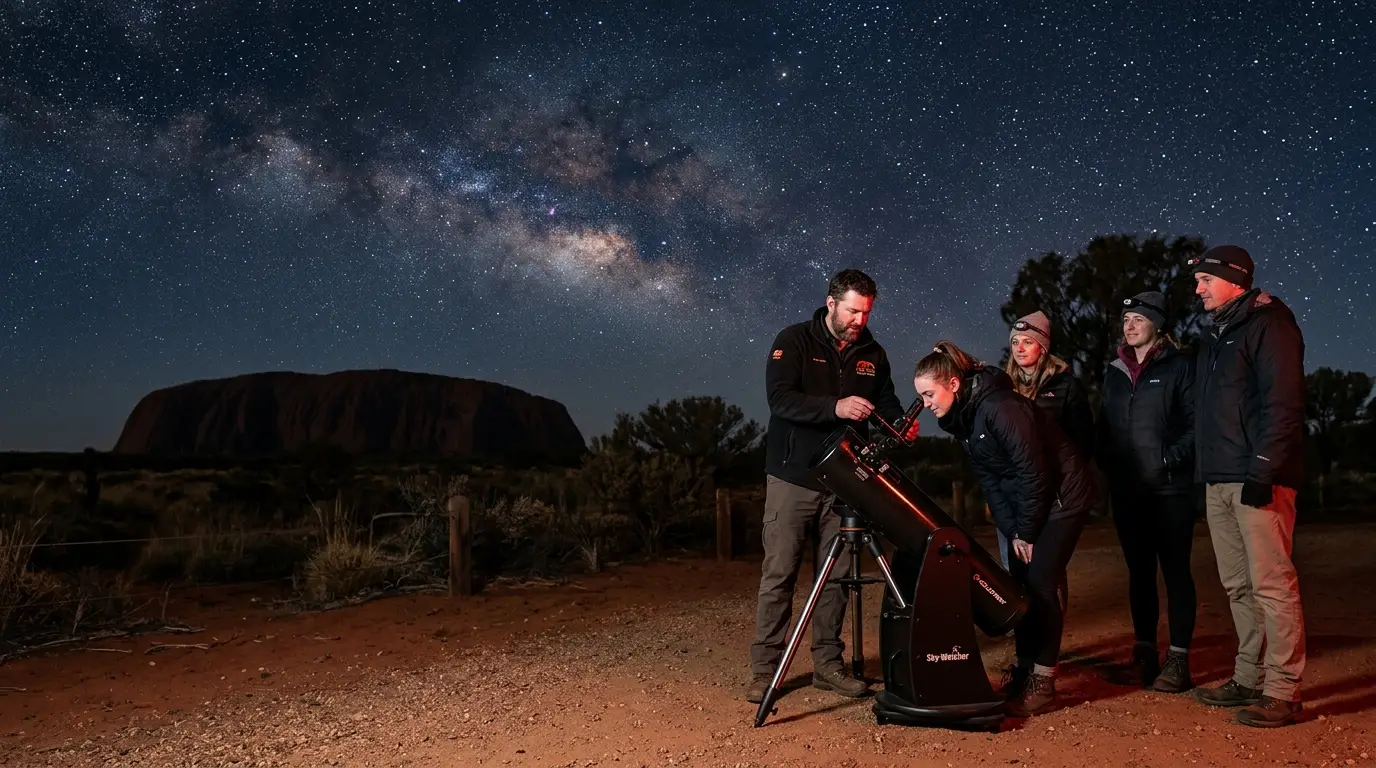
Uluru Astro Tours is the only operator licensed for night astronomy access inside Uluru-Kata Tjuta National Park. What's included, price, and how to book.
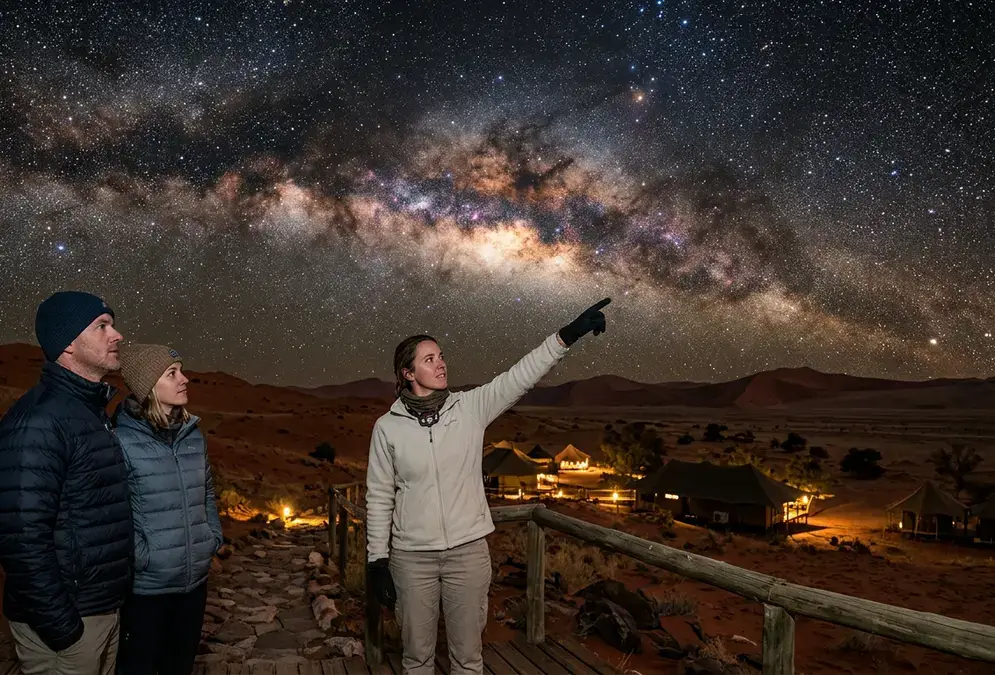
Evening stargazing at NamibRand's Gold Tier Dark Sky Reserve, included at Wolwedans, &Beyond, and Kwessi Dunes lodges, not a standalone tour; ask your lodge.
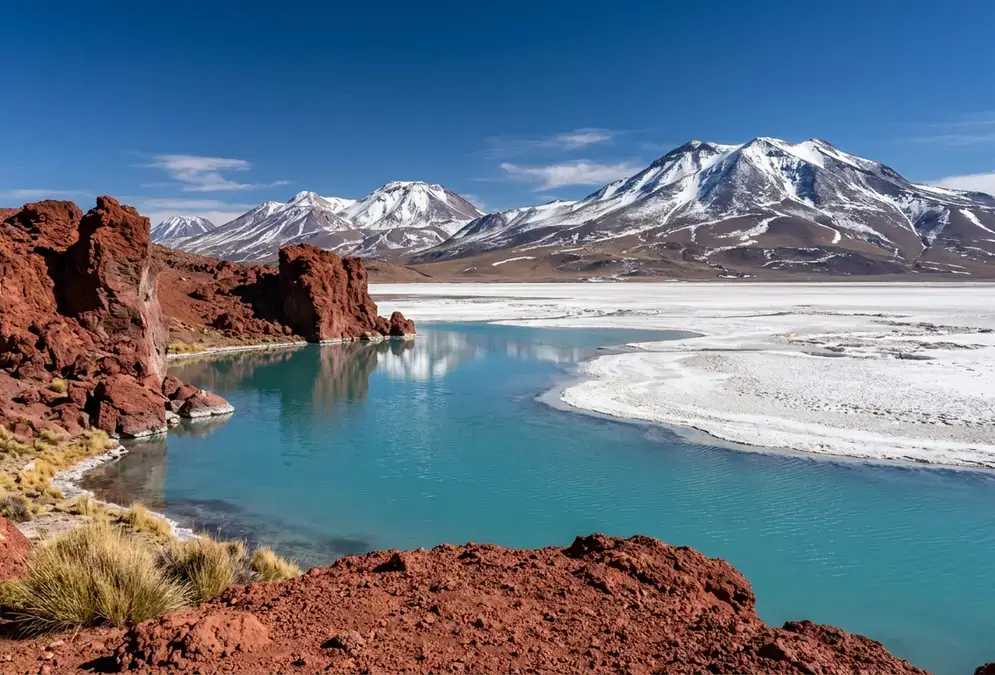
Full-day 4WD tour from San Pedro to Piedras Rojas (4,200 m) and Lagunas Miscanti and Miñiques — flamingos, coloured rocks, altitude acclimatization required.
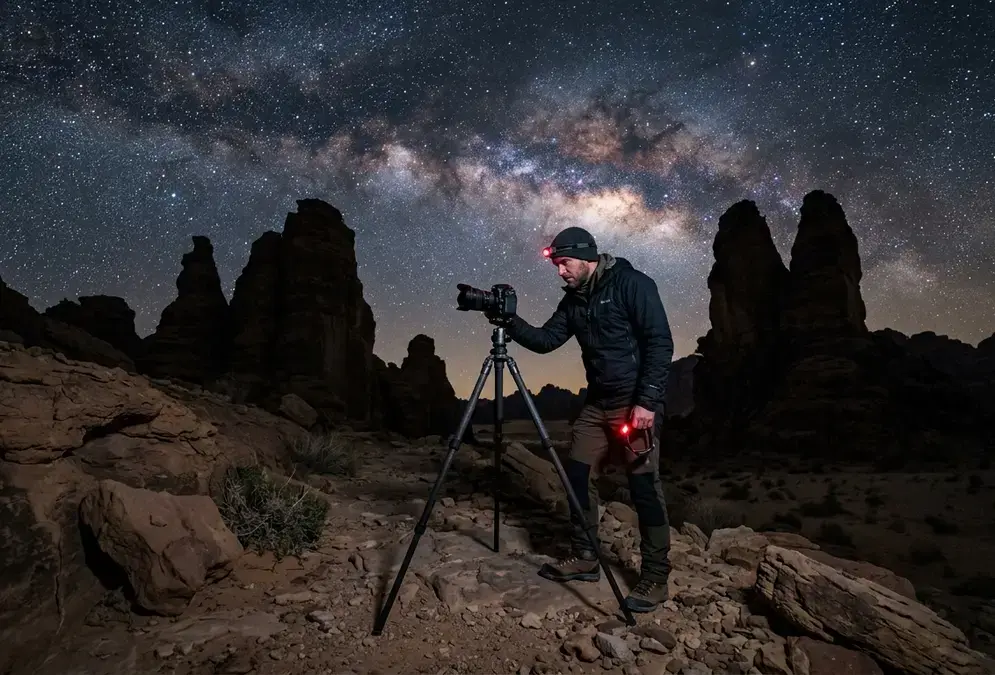
How to shoot the Milky Way at AlUla's Gharameel stargazing session: camera gear, dust protection, and why formal photo coaching still isn't included here.
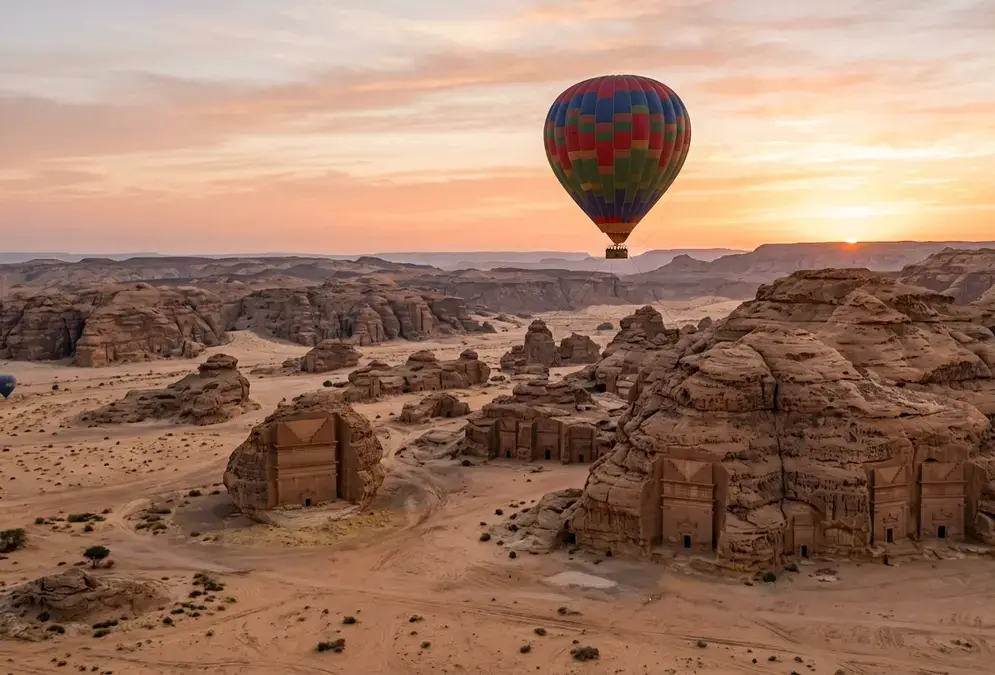
AlUla's hot air balloons fly at sunrise, drifting over Hegra's Nabataean tombs and desert canyons. Seasonal Oct-Mar — check availability before booking.
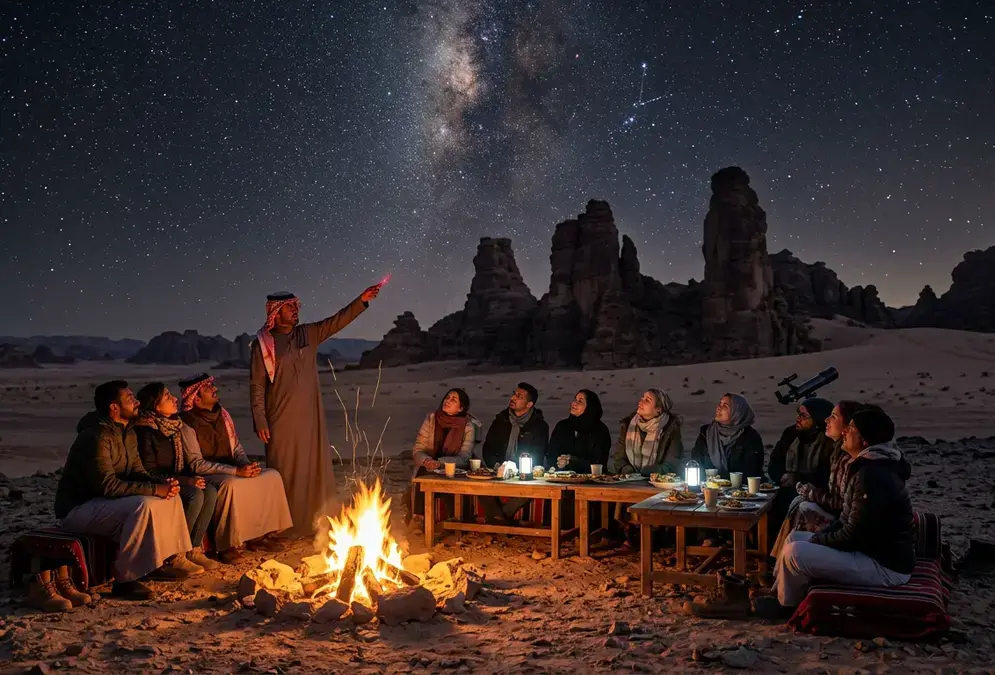
AlUla's official Stargazing at Gharameel tour: guide-led stargazing, a desert dinner, and a 4x4 ride into the region's Dark Sky Park through the cool season.
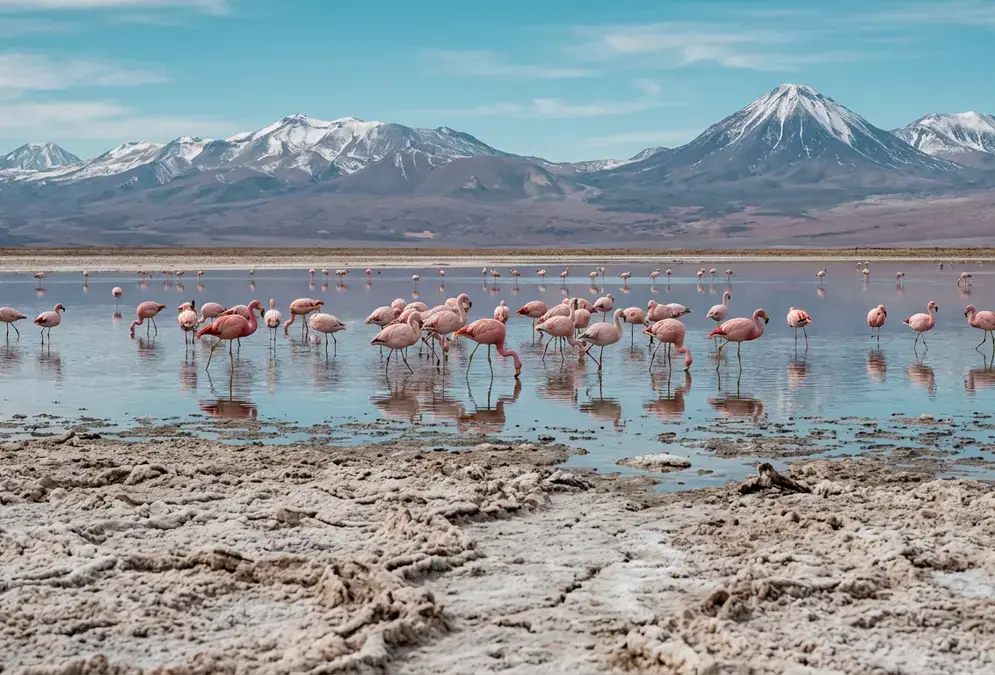
Half-day tour to Salar de Atacama and Laguna Chaxa, where three flamingo species forage in mineral-rich pools just 60 km south of San Pedro de Atacama.
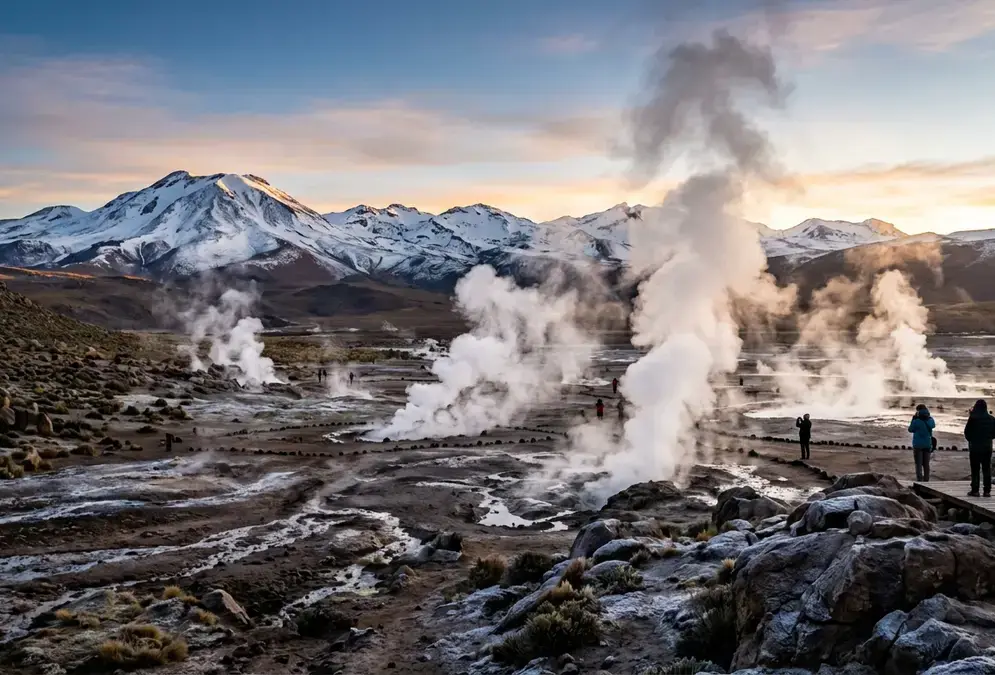
Pre-dawn tour to El Tatio, the Southern Hemisphere's largest geyser field at 4,300 m. Steam columns peak at -5°C. Acclimatize first — altitude is serious.
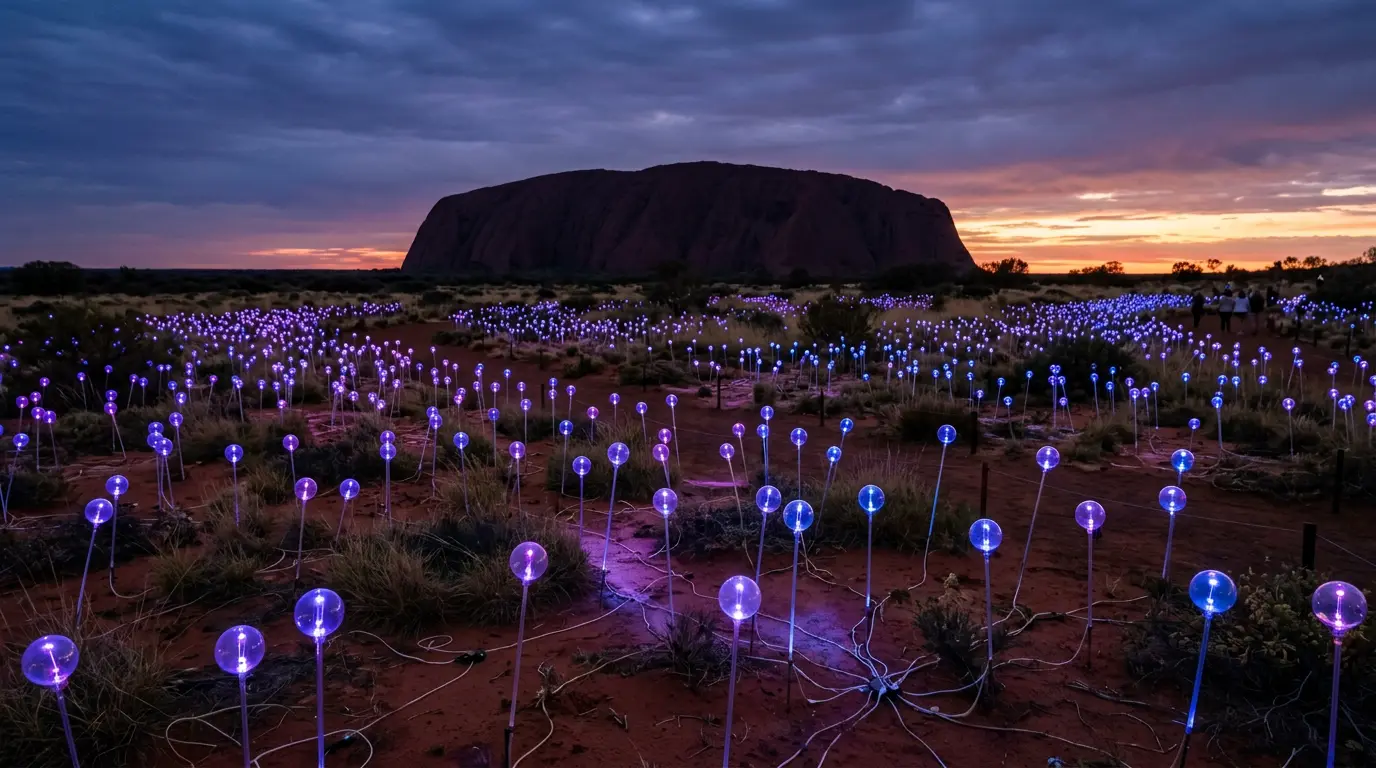
Bruce Munro's Field of Light at Uluru: what's included in the viewing-only and dinner packages, current pricing, run status through 2029, and how to book.
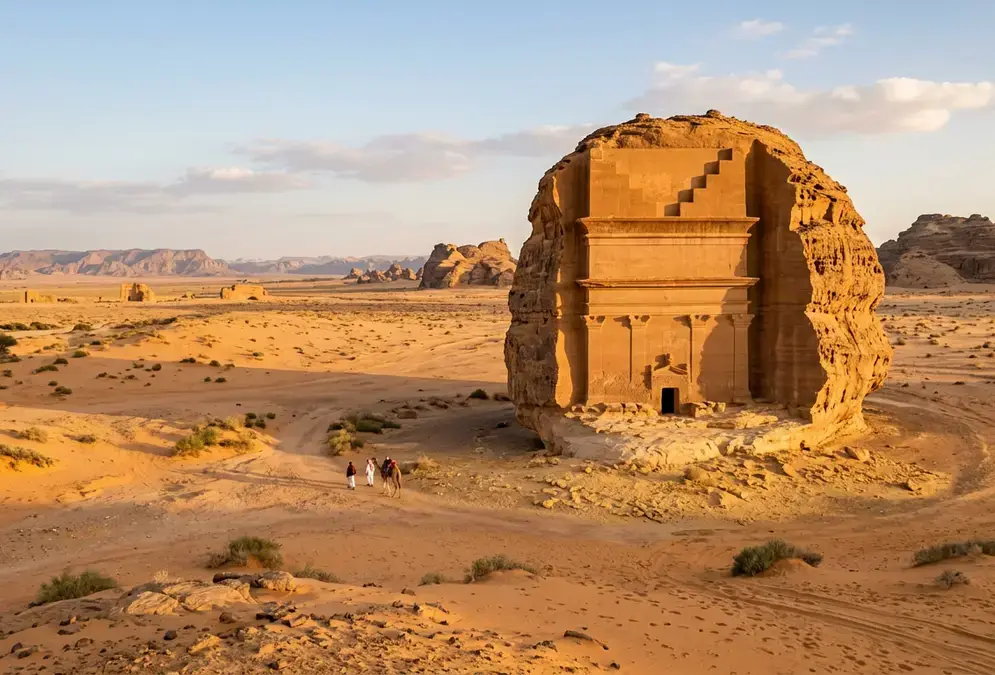
There's no single Hegra night tour, so pair the daytime Hegra UNESCO visit with Gharameel's evening stargazing session, both booked through Experience AlUla.
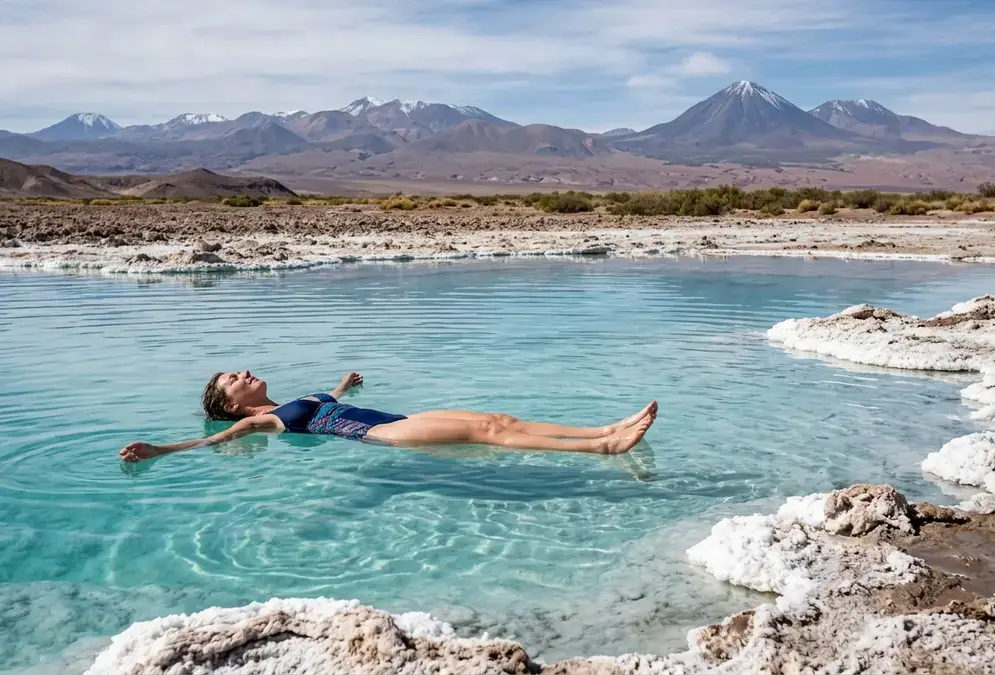
Float on Laguna Cejar's hypersaline brine inside Reserva Los Flamencos, 14 km from San Pedro. Three stops: Ojos del Salar, the float, flamingos at Tebinquinche.
Multi-day desert tour from Marrakech to Merzouga's Erg Chebbi dunes, with Atlas Mountain stops, camel treks, and Berber camp stargazing in the Sahara.
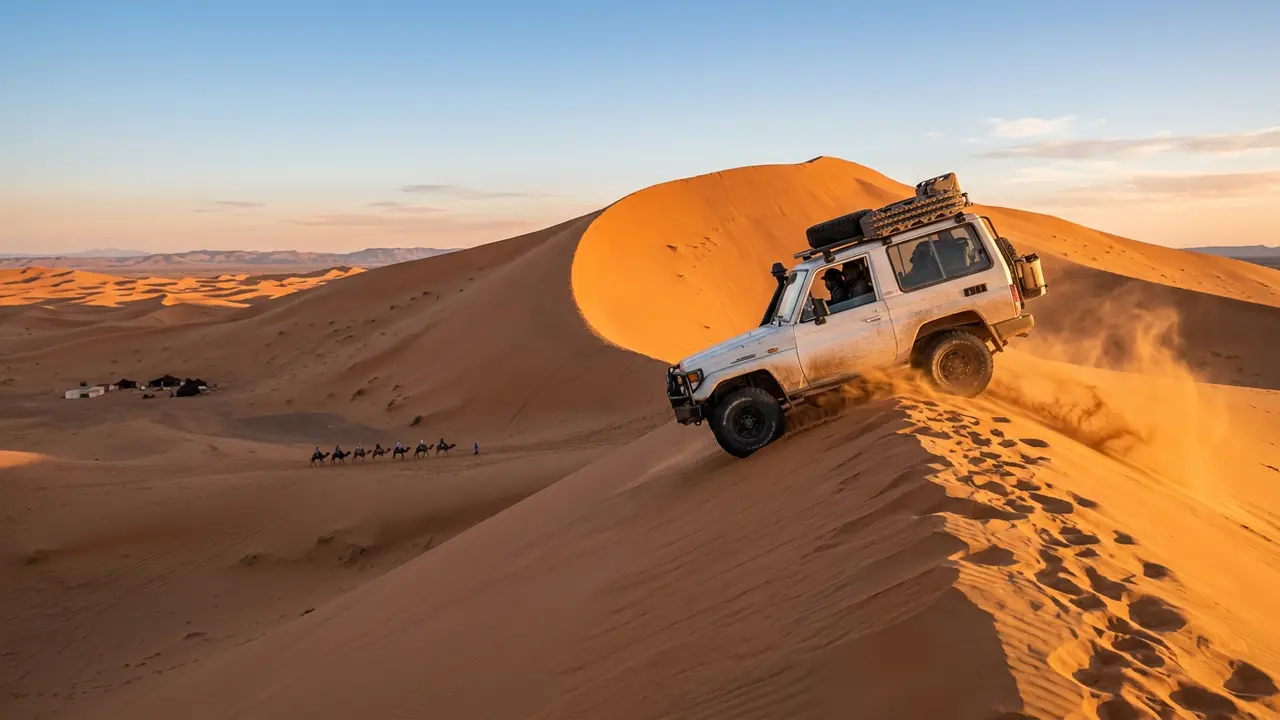
Dune-bash Erg Chebbi's 150-meter dunes by 4x4, then stargaze under Merzouga's darkest Sahara skies: what's included, real prices, and how booking works.
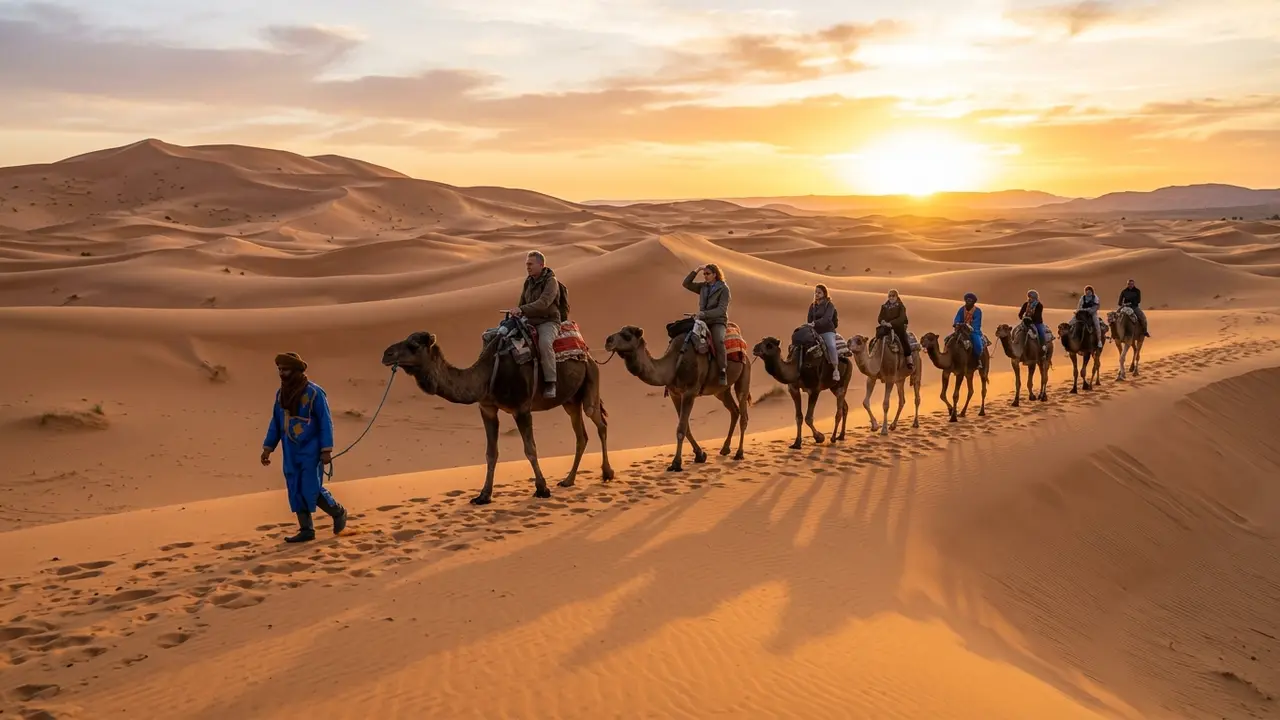
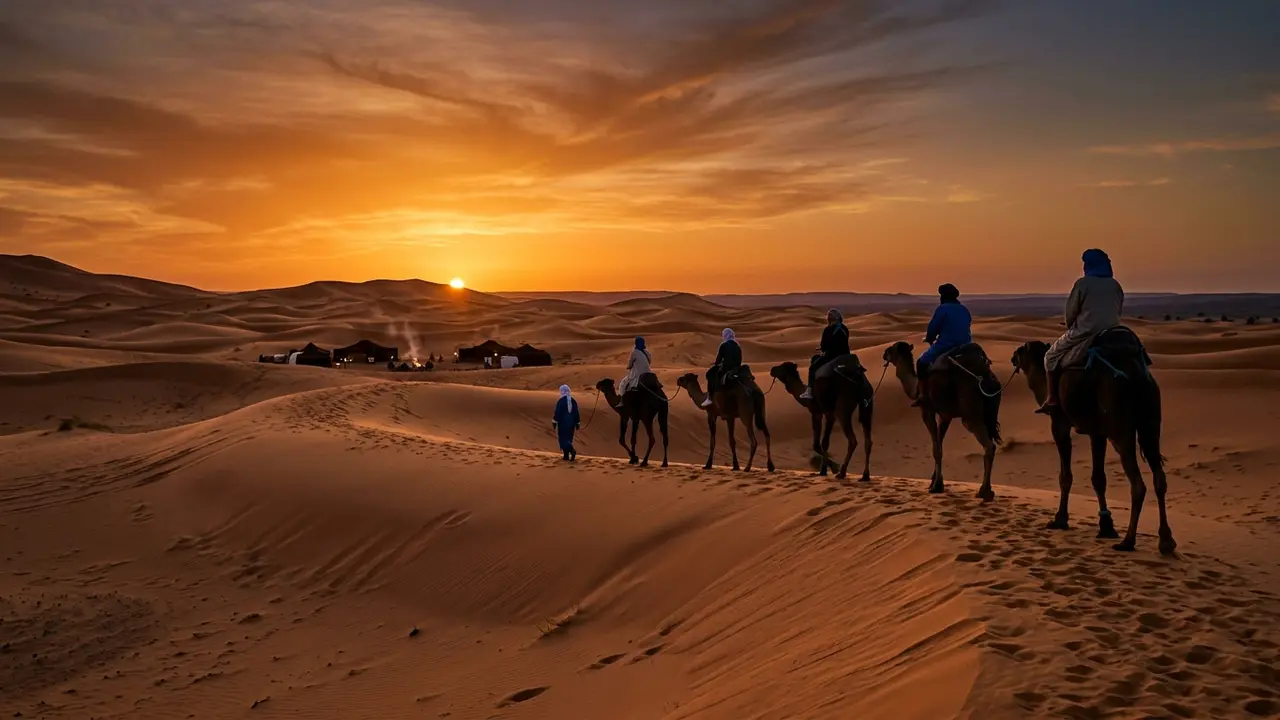
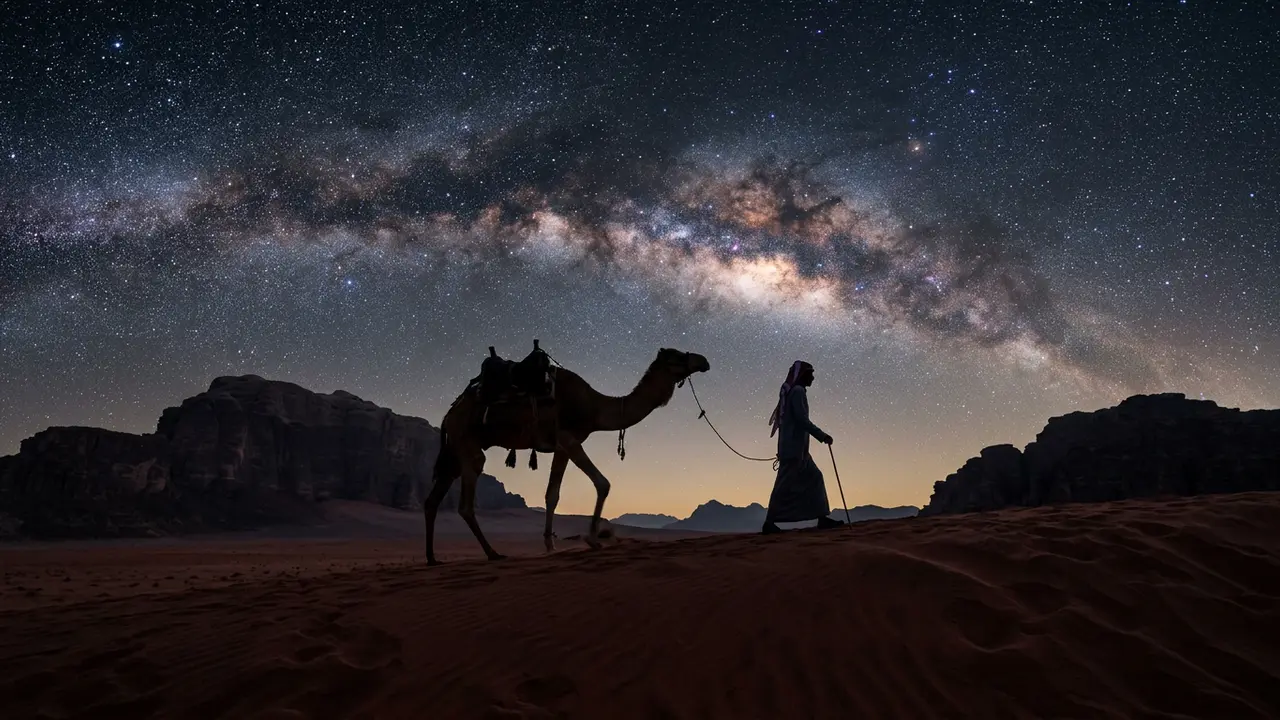
An evening camel ride into Erg Chebbi's dunes at sunset, an overnight Berber desert camp, and a sky with zero light pollution: Morocco's best stargazing tour.
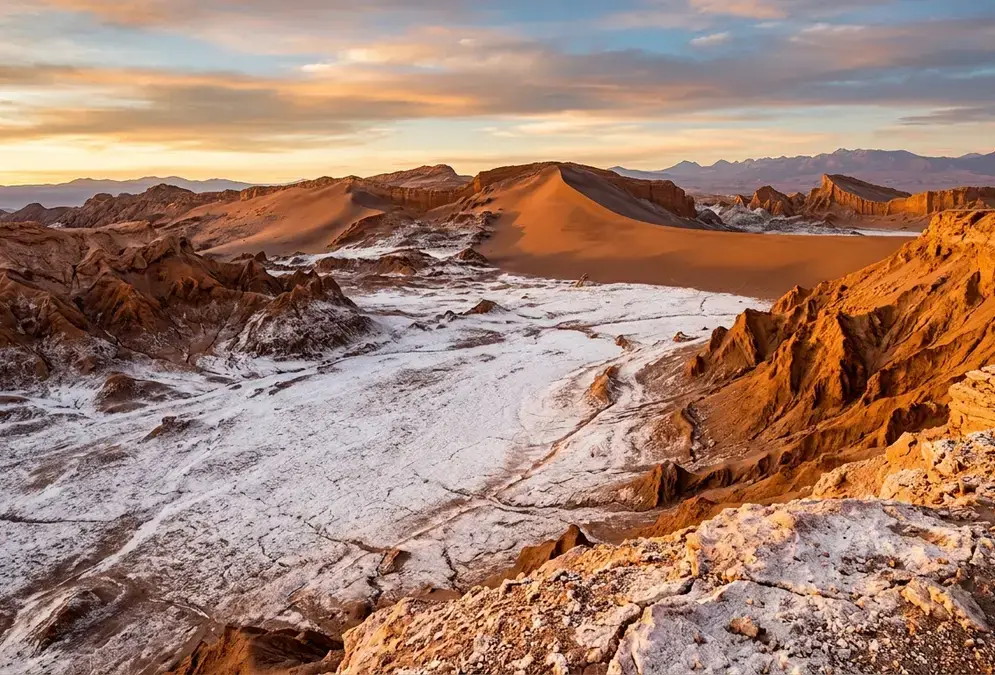
Afternoon tour through Valle de la Luna's salt canyons and dunes, ending at Duna Mayor for sunset. 4 hours, easy. Pairs with an Atacama stargazing night.
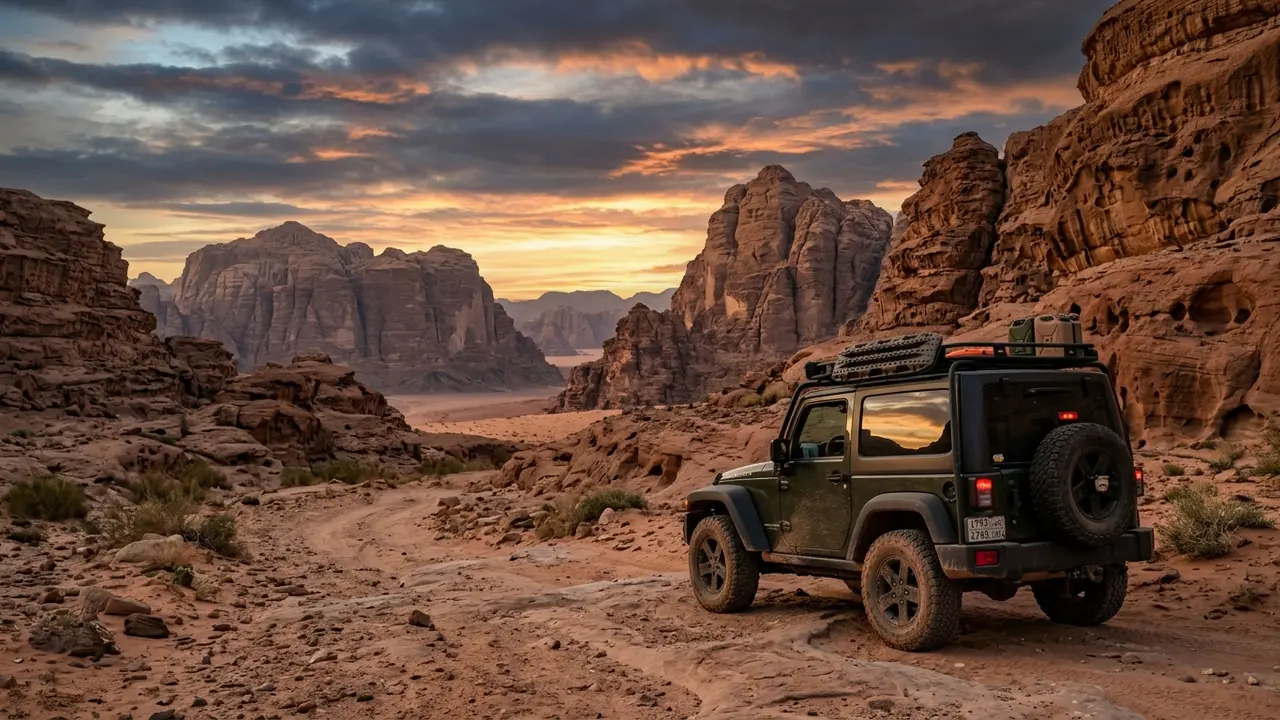
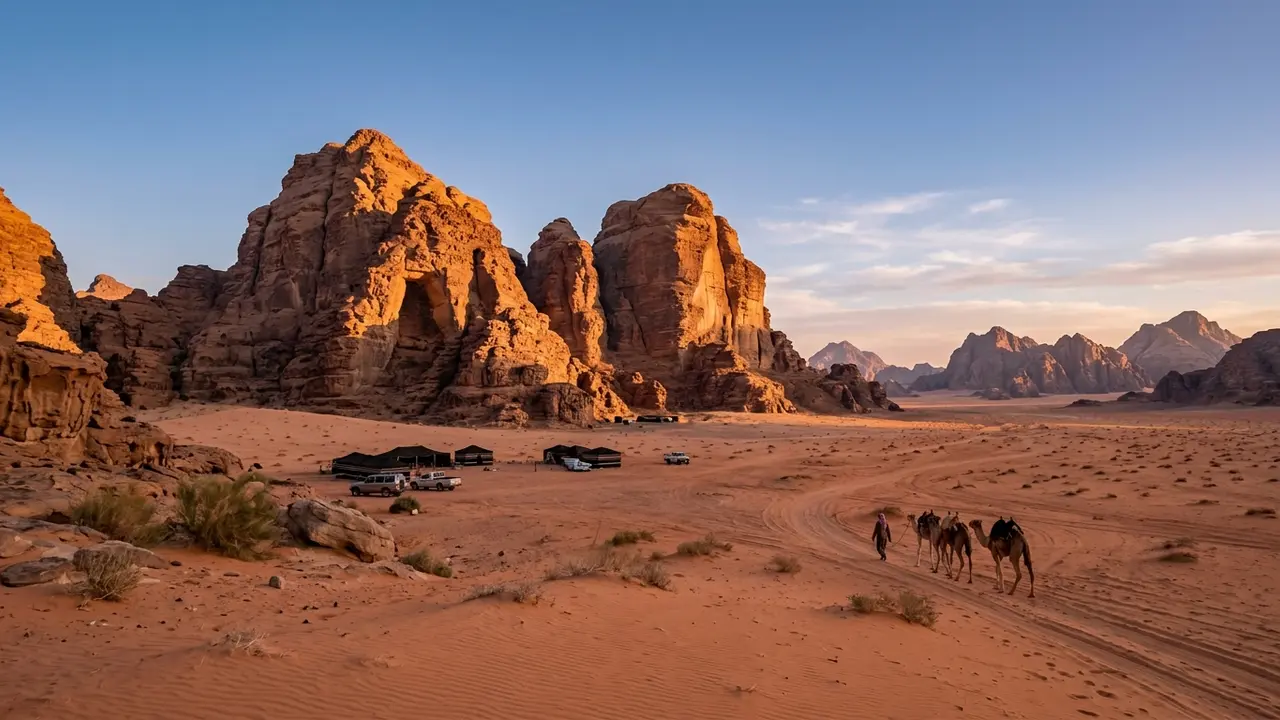
4x4 jeep tour through Wadi Rum's iconic desert landmarks combined with professional stargazing using telescopes, astronomy education, and constellation viewing.
Bedouin-guided adventure tours in Wadi Rum: jeep safaris, camel treks, multi-day expeditions, and rock climbing. Sleep under exceptionally dark desert skies.
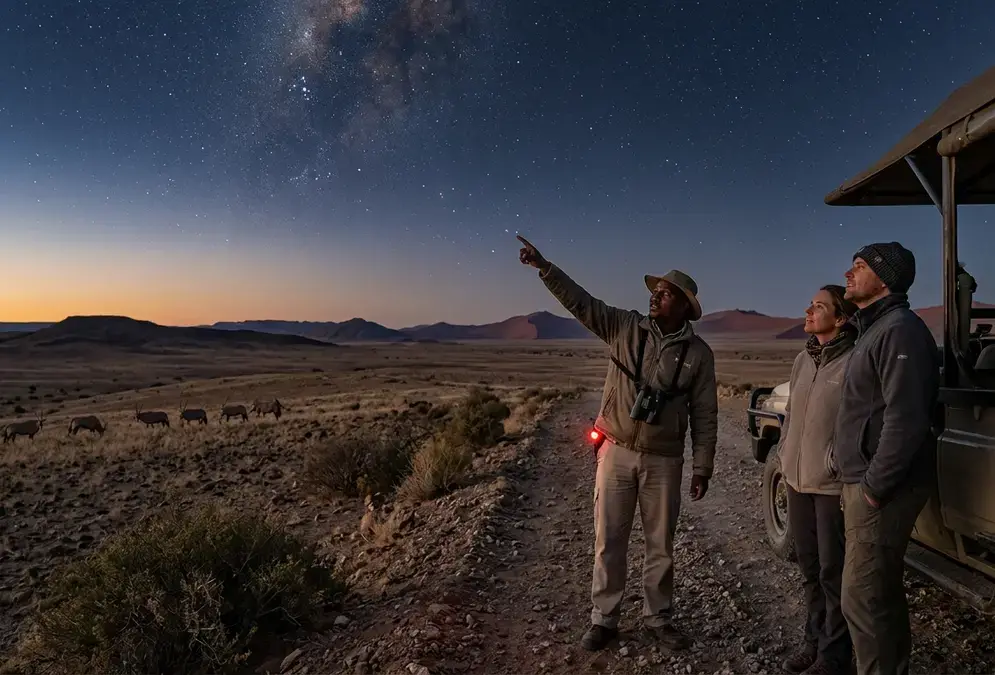
A beginner-friendly NamibRand safari: spot oryx, springbok, and ostrich by day, then get a guided night-sky orientation under Africa's Gold Tier dark sky.
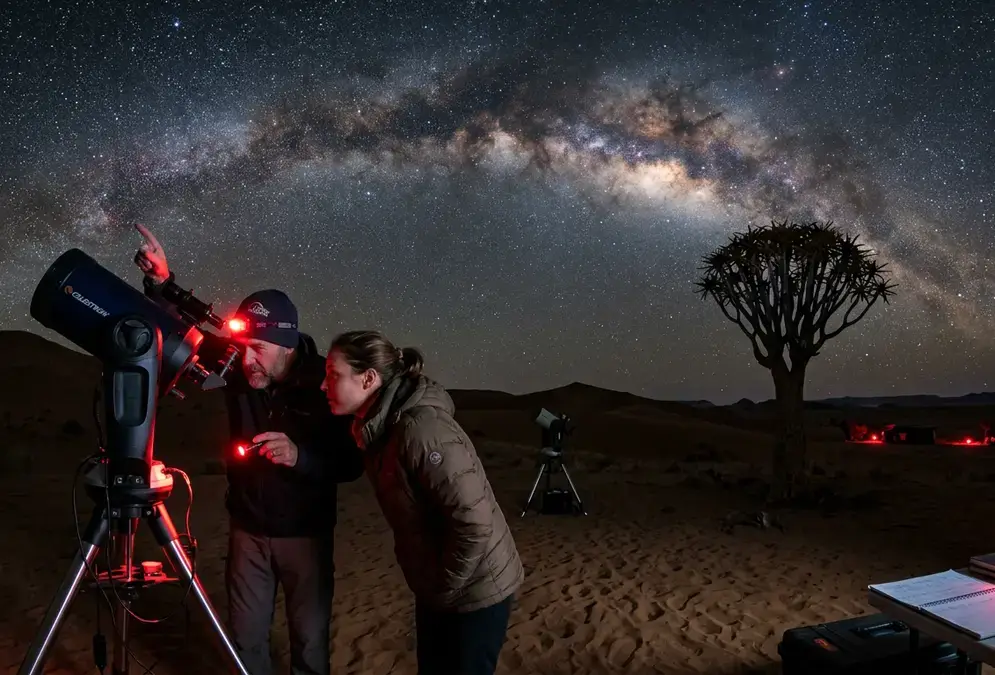
Guided astrophotography session in NamibRand's Gold-Tier Dark Sky Reserve: Celestron telescope, dune foregrounds, visiting astronomer. Best skies May–Sept.
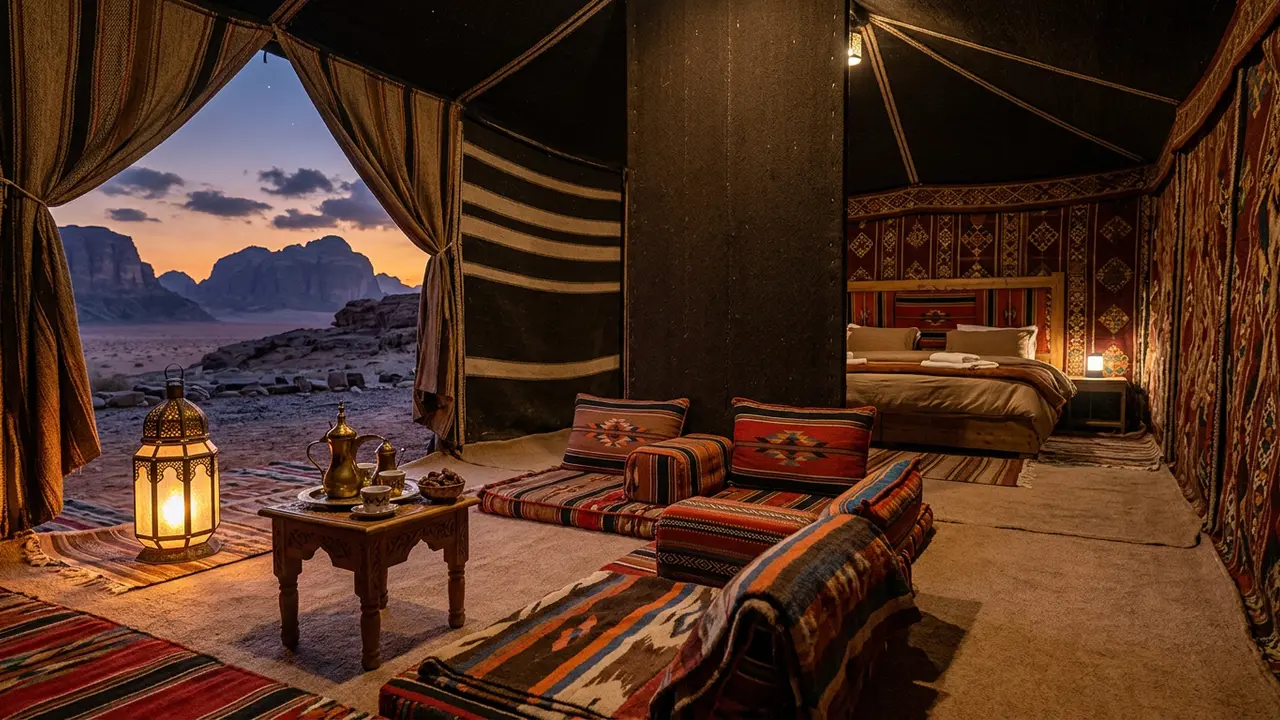
Overnight desert camp in Wadi Rum. Deluxe Bedouin tents, exceptional dark skies. Not a stargazing specialist, but a comfortable base for dark-sky desert nights.
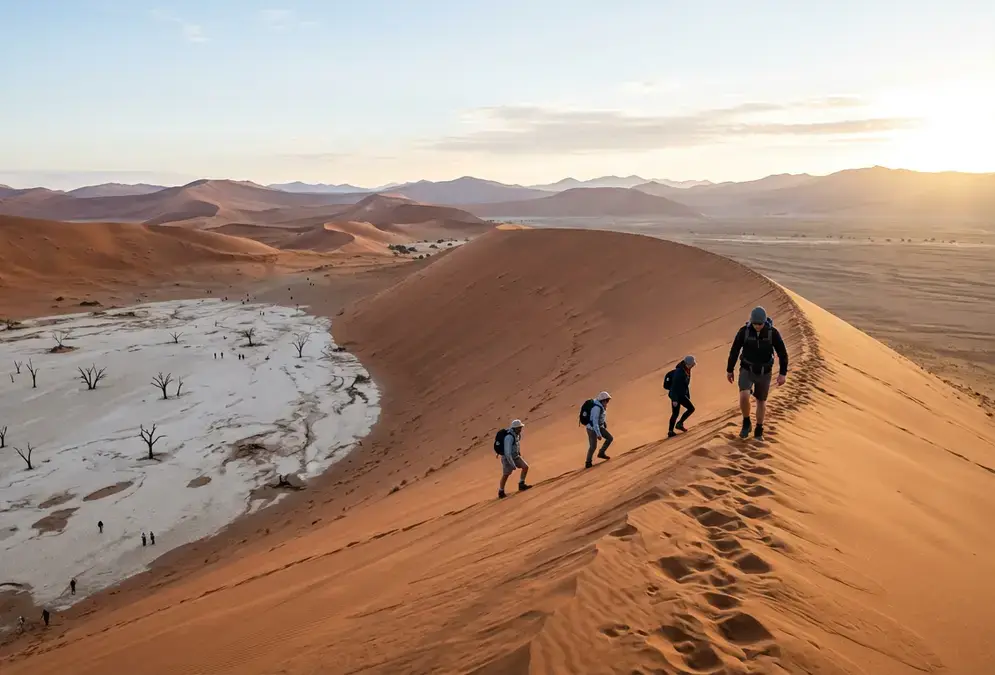
The 3-day Sossusvlei combo pairs Big Daddy dune climbs and Deadvlei's ancient trees by day with guided stargazing under NamibRand's Gold Tier sky at night.
Overnight camel trekking in Wadi Rum's billion-star desert. Sleep in caves or Bedouin camps with dinner and breakfast included. From 15 JD per person.
Browse other ways
Most are run by local or regional outfitters who know the specific terrain, permit requirements, and seasonal weather patterns, sometimes in partnership with an international booking platform. Local guides in Wadi Rum or AlUla, for instance, typically know a wadi's exact viewpoints better than any outside company would.
Several Atacama-based operators run observatory-grade telescopes as part of their tours, since the region's altitude and dry air support serious equipment. Tours in Wadi Rum, Merzouga, and AlUla more often rely on naked-eye viewing or portable telescopes rather than fixed observatory setups.
It depends on hemisphere. Saharan and Arabian desert tours around Merzouga and Wadi Rum work best in spring and autumn, when nights are cool rather than freezing. NamibRand and Uluru sit in the southern hemisphere, so their clearest, driest stretch usually falls in the local winter, roughly May through September.
The Atacama can drop below freezing after dark even in summer, because of its altitude. Saharan and Arabian desert tours cool off fast after sunset too, often 20 to 30 degrees Fahrenheit below the daytime high, so pack real layers regardless of how hot the day was.
Some do. Wadi Rum and AlUla both require entry permits or fees that a guided tour typically handles as part of booking, while independent visits may need separate arrangements. Check a specific tour's inclusions before assuming permits and fees are covered.