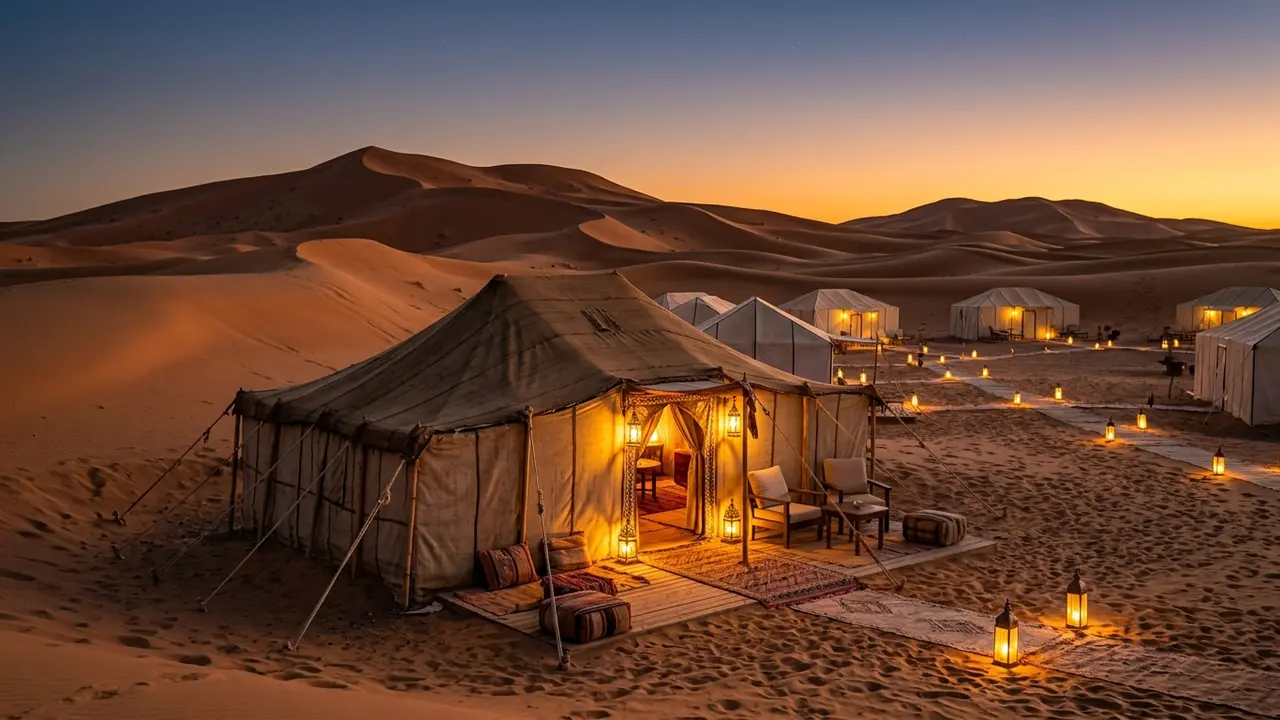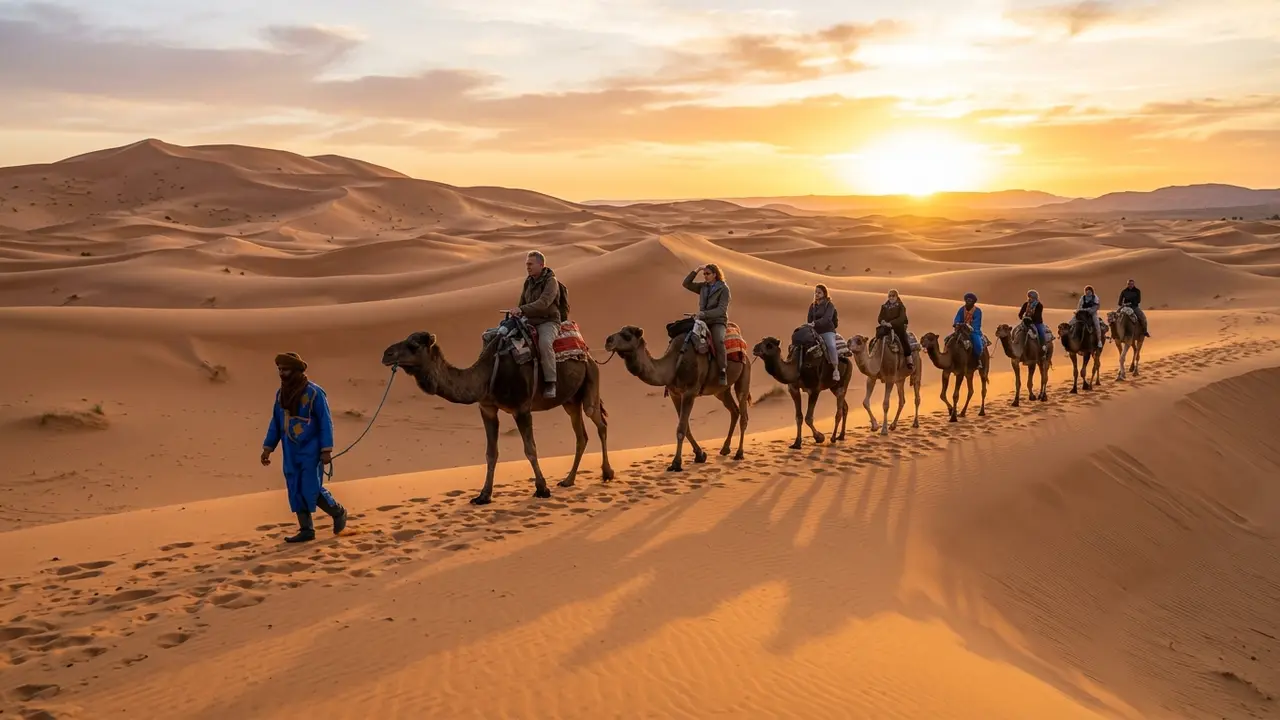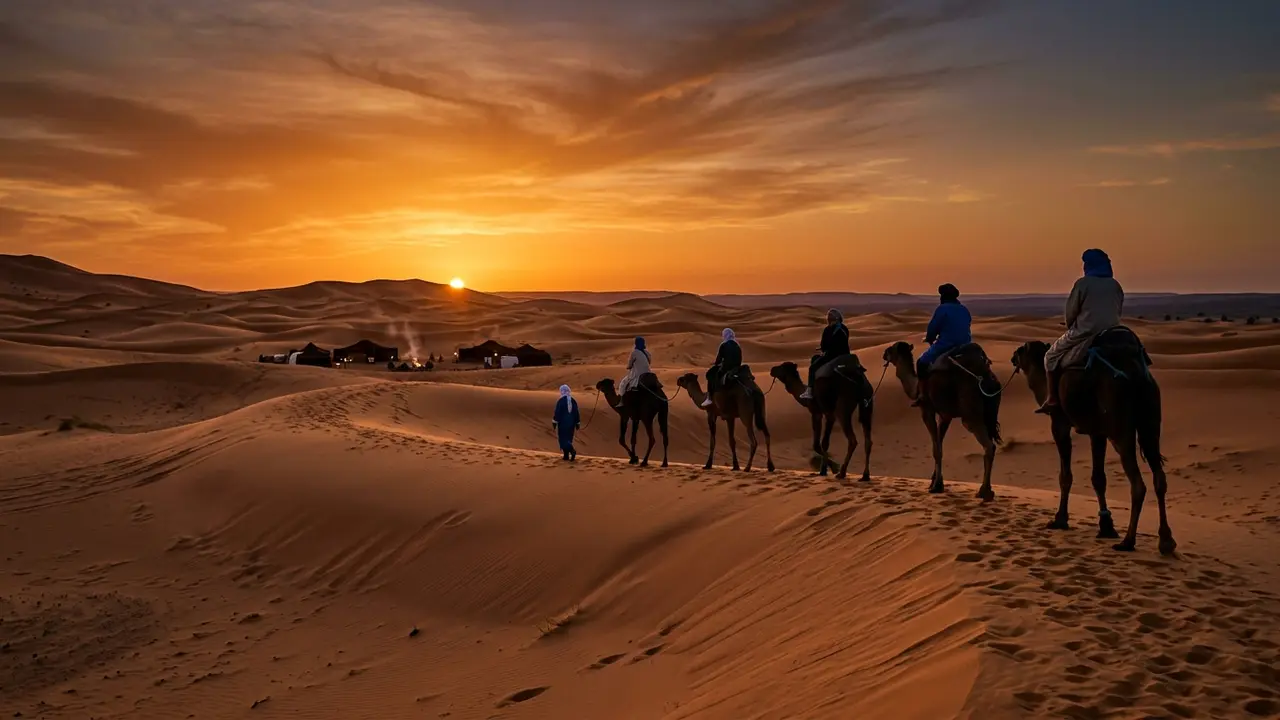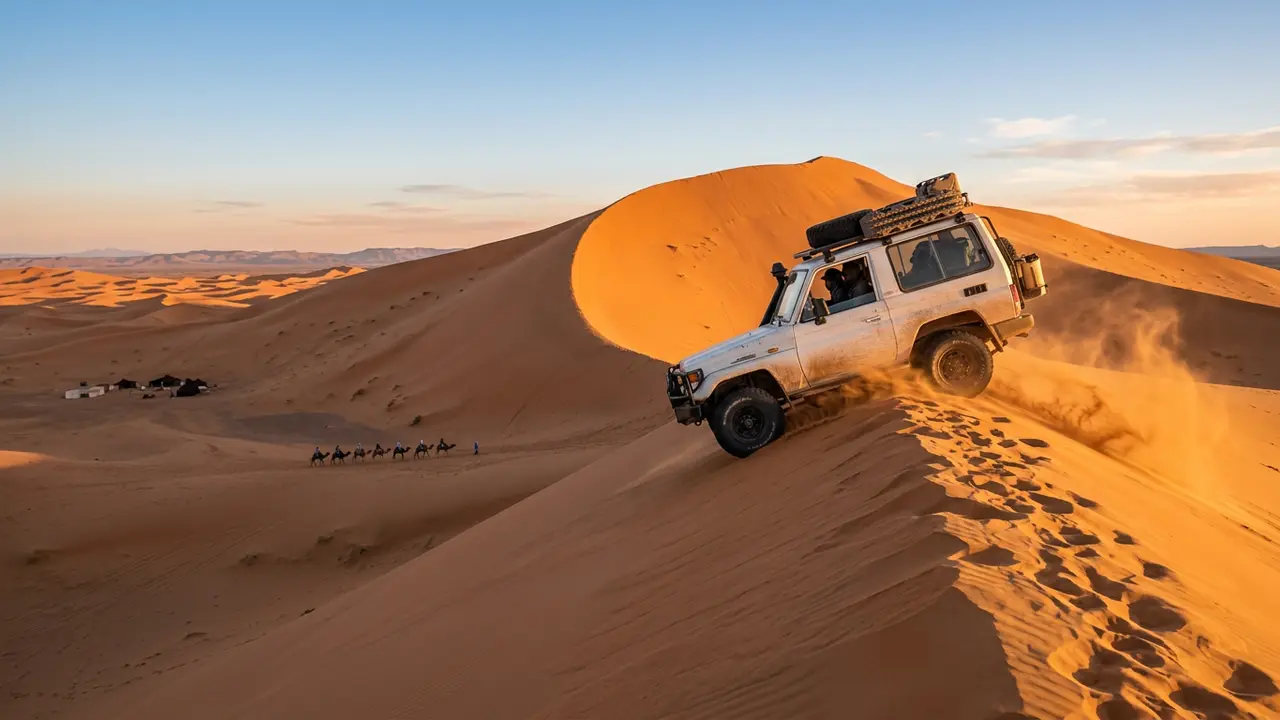
Where the overnight camel trek takes Erg Chebbi slow, this is the fast half of Merzouga's after-dark options: a 4x4 dune-bashing session across dunes that climb to roughly 150 meters, timed to hand off into an evening built entirely around the sky once the engines cut out. If a sunset camel ride feels too gentle for the day you want, this is the version built around speed first and stars second.
Two bookings, not always one
Erg Chebbi's tour market doesn't sell a single, universally named "4x4-plus-stargazing" package at one fixed price. Daytime dune-bashing, roughly 3 hours, running 600-1,000 MAD per person, and an evening stargazing session, roughly 3-4 hours, typically departing 20:30-21:00 and back by 23:00-23:30, priced around €30-50, are usually sold as two separate excursions. Whether an operator can chain them into one continuous afternoon-to-night trip depends on who you call. Morocco Astro Tours and MerzougaWay both run dedicated stargazing evenings and, per their own listings, will sequence an afternoon dune session on request, so confirm that specific detail at booking rather than assuming it comes bundled by default.
What the dune-bashing actually covers
A typical afternoon session includes:
- A 4x4 vehicle (usually a Toyota Land Cruiser or similar) with an experienced local driver
- Roughly 3 hours crossing Erg Chebbi's dune field, including its highest ridges
- A stop at a high dune crest for sunset photos
- Pickup and drop-off from your Merzouga accommodation
- Sandboarding available as an add-on, roughly 50-100 MAD for board rental
Vehicles typically carry 4-8 people, and the terrain itself is the point: steep drops, soft-sand climbs, and enough speed on the open flats to make the ride feel like an activity rather than transport. It's not gentle, and operators expect you to say so if a rough ride or motion sensitivity is a concern before you climb in. The desert tour safety guide covers Merzouga's motorized-dune and quad-insurance risks before you book.
The stargazing half, once the sun's down
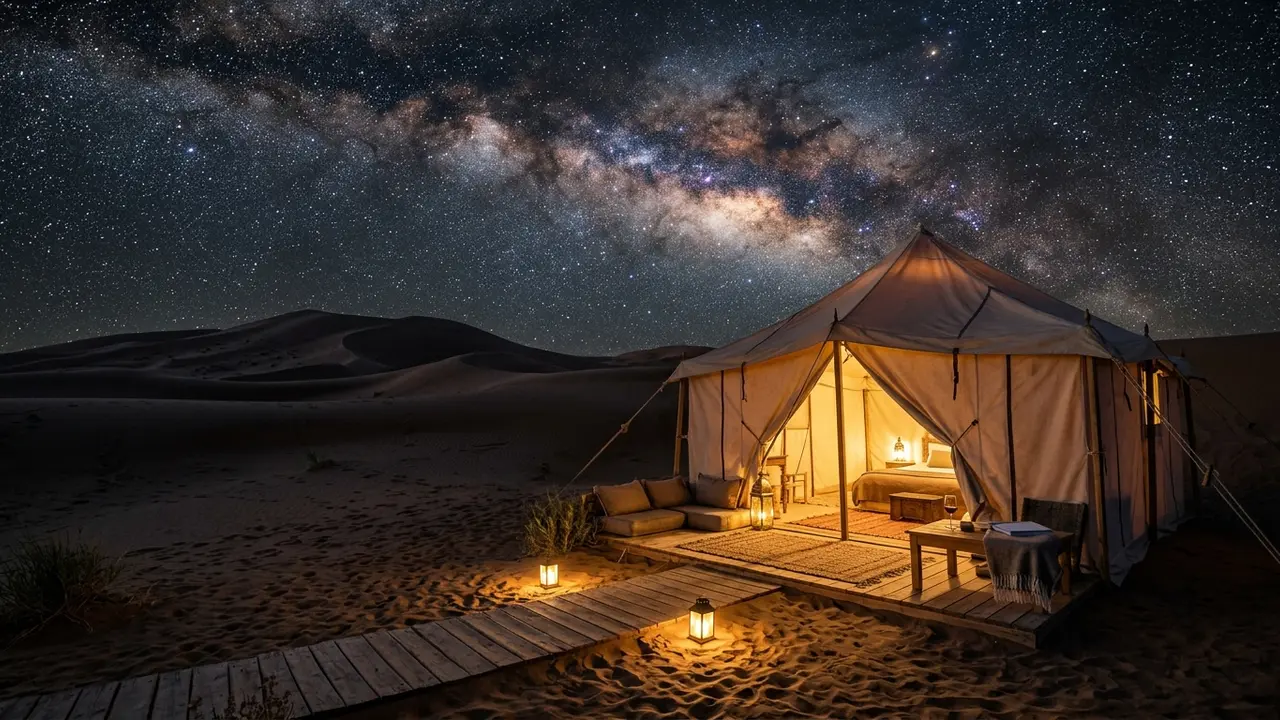
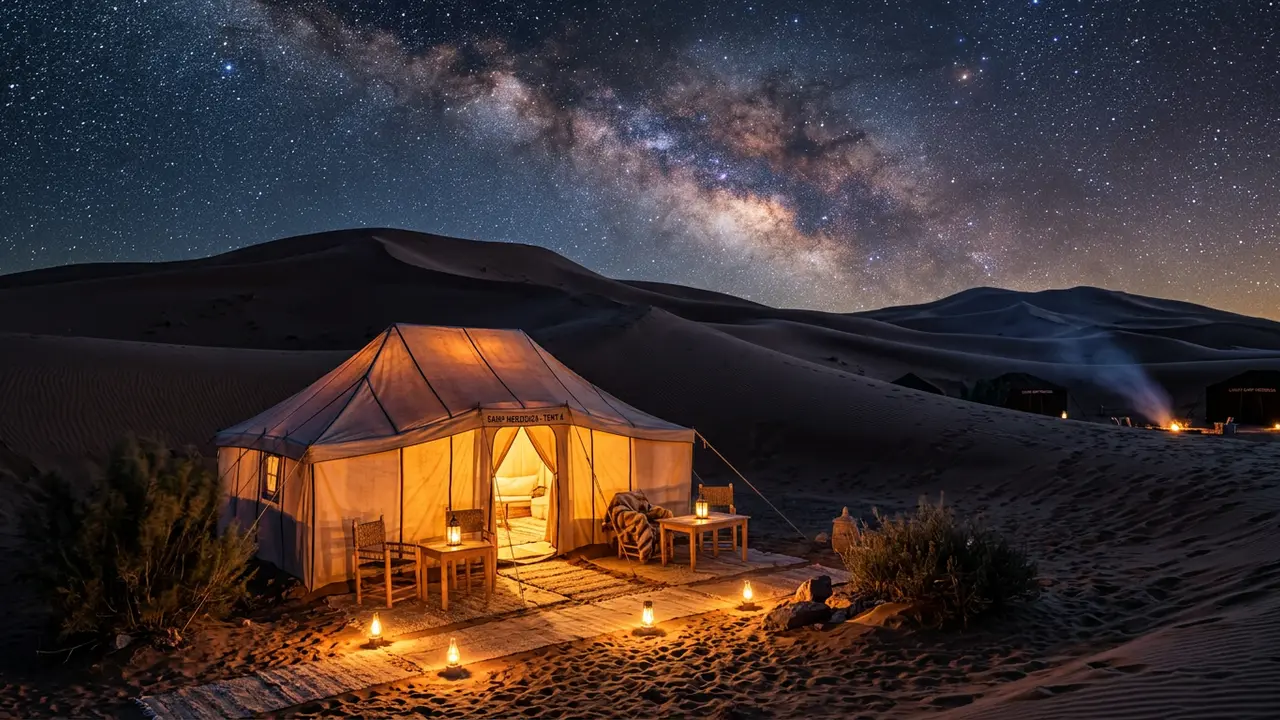
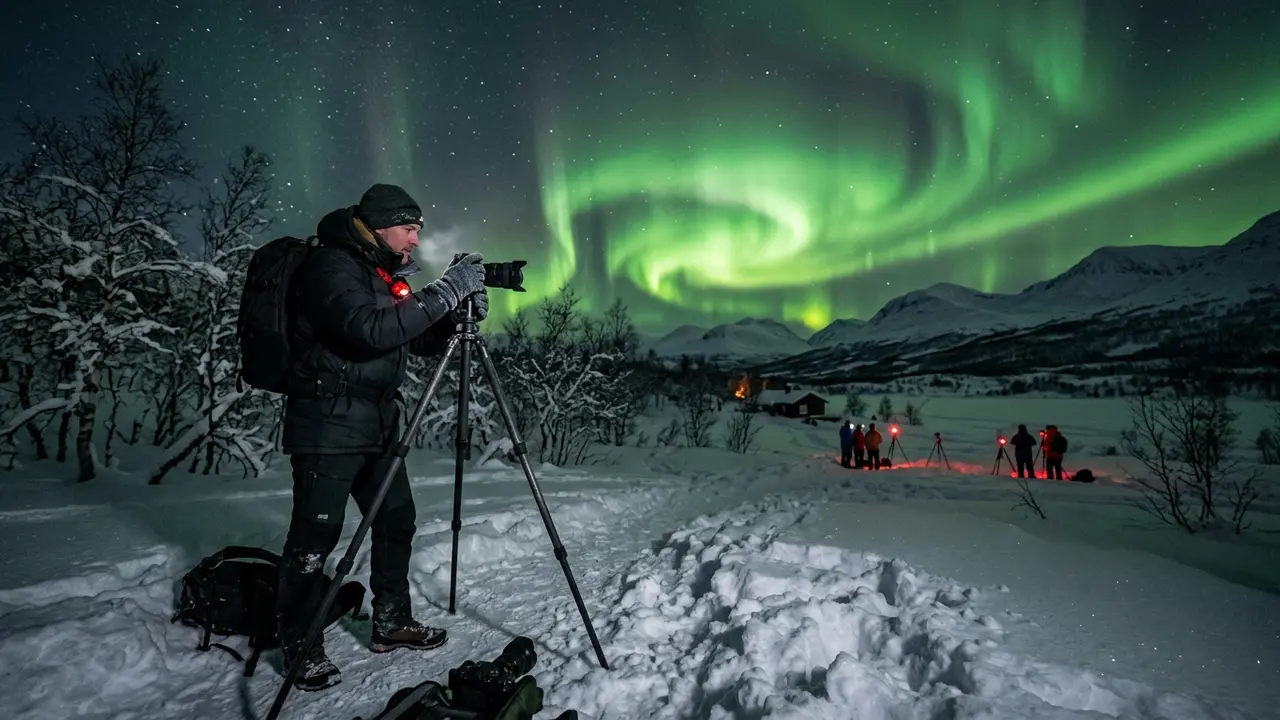
A separate evening booking typically includes a guide who sets up telescopes or binoculars away from the vehicle's headlights, points out the Milky Way, visible planets, and major constellations, and folds in Amazigh (Berber) folklore tied to the desert sky. Mint tea, blankets, and a souvenir star chart are common inclusions across the operators that run this as a standing evening product, though exact extras vary and are worth checking against your specific booking.
No certification, just genuine distance
Erg Chebbi carries no official IDA or UNESCO dark-sky designation, and no operator running this tour can honestly claim one. What the dunes deliver instead is remoteness: nothing electric for a long stretch in any direction once you're off the main road, which is what actually produces the dense star field rather than any certifying body. Check the moon phase before you book a date, a session timed around a new moon shows a noticeably richer Milky Way than the same spot a week either side of full.
Berber hospitality around the fire
Erg Chebbi's desert-tourism culture is Amazigh (Berber)-led, distinct from the Zalabia Bedouin camps that run Jordan's Wadi Rum, and the two shouldn't be conflated even though both destinations get pitched as dunes-plus-stars. Expect the folklore your guide shares and the tea served during the stargazing session to reflect that Amazigh context specifically. What any given operator offers beyond tea and conversation, whether that's music or a longer cultural program, varies enough that it's worth confirming directly rather than assuming a fixed show.
Cost, timing, and how to book
Budget $60-$100 for the daytime 4x4 session and $33-$55 for the evening stargazing add-on if you book them separately, which is still the more common route with most operators. Add $5-$10 if you want to try sandboarding on the dune slopes. Rates shift by operator and season often enough that last year's quote isn't worth planning a budget around, confirm current pricing directly before you pay a deposit. Book through GetYourGuide or Viator for buyer protection, or contact a named operator like Morocco Astro Tours or MerzougaWay directly if you'd rather confirm the exact itinerary and combined-booking question yourself.
When to go, what to pack
June through August push daytime desert temperatures past 40°C, which makes an afternoon inside a bouncing 4x4 considerably less fun even though the dune-bashing itself runs regardless of season. October-March is the better window: warm-not-scorching afternoons and genuinely cold, clear nights. Layer accordingly, a light long-sleeve shirt for the dusty afternoon ride, and a proper fleece or jacket for the stargazing session, since temperatures drop to 5-10°C after dark even outside the depths of winter. Sunglasses and a scarf or buff help against blowing sand during the drive.
Who this suits
This is the pick for travelers who want the adrenaline of the dunes as much as the sky, not a replacement for a proper desert night. It isn't wheelchair accessible, and the ride itself, all sudden drops and soft-sand climbs, isn't a good fit for anyone with back or spine sensitivity who hasn't cleared it with the operator first. For the fuller picture on where to sleep afterward and how the whole Merzouga trip fits together, see the Merzouga stargazing guide and the ranked desert camps if you'd rather pair this with a specific stay.