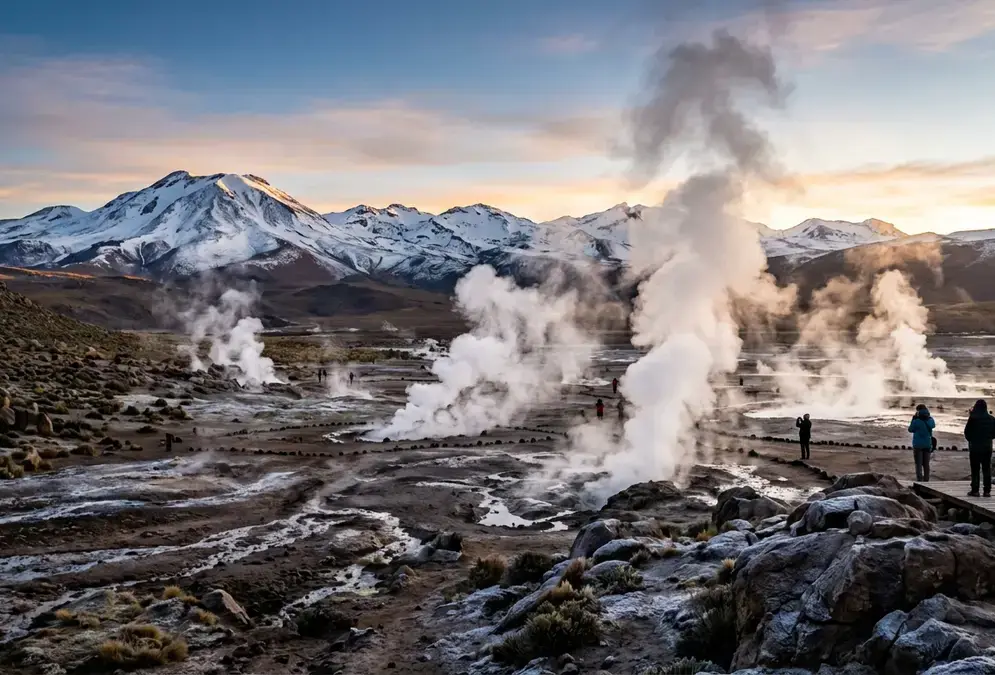
You leave San Pedro at 04:00 in the dark, bundled in everything you packed. Ninety minutes of Andean highway later, you step out at 4,300 m into air that is genuinely cold — well below freezing in winter, zero to minus five even in January. In front of you, dozens of geyser vents exhale columns of steam into a sky that has just begun to lighten at the eastern ridge. That contrast — boiling water at 86°C hitting Antarctic-level air — is why you drove through the night.
Why 04:00 departure: the physics of the steam columns
The timing is not romantic; it is thermodynamic. El Tatio's geothermal water discharges at 86°C — the boiling point at 4,300 m altitude, roughly 14°C below the sea-level equivalent. When that water hits pre-dawn air at 0°C to -5°C, the temperature differential flashes it into columns reaching 10 metres or more. As the sun clears the ridge and ambient temperatures climb even 10–15 degrees, the thermal contrast shrinks. Steam condenses faster. Plumes drop to half their height. By 09:00 the geothermal field is still active — geysers still pulse, fumaroles still exhale — but the spectacle is over. Arrive at sunrise or miss the point.
Winter (June–August) is when the display is most dramatic. Ambient temperatures can reach -15°C to -20°C before dawn, and atmospheric transparency in the Atacama's dry altiplano air is near-perfect. If you can handle the cold, this is when El Tatio justifies the 04:00 alarm.
What you are actually walking through
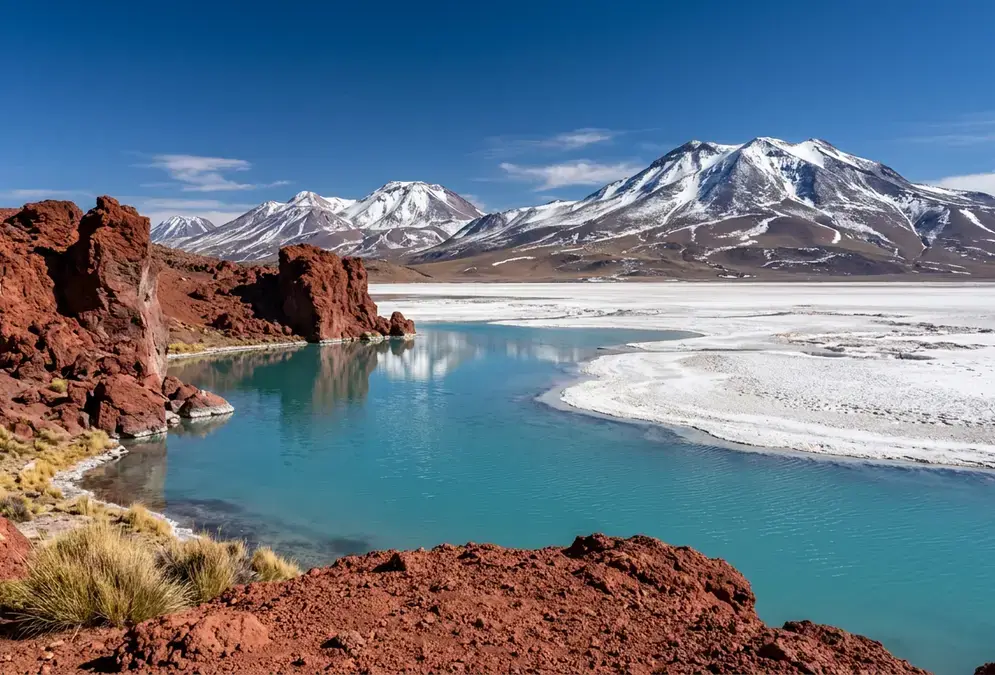
El Tatio is the highest active geothermal field on Earth and the third-largest geyser field worldwide. More than 80 active geysers and 30 fumaroles spread across a shallow valley of pale volcanic sand — sinter terraces and hydrothermal deposits underfoot, snow-capped Andes flanking the plateau on three sides. The scale is raw. No boardwalk crowds it; no fence keeps you from the edge of a bubbling pool. The open pools around active vents reach 60–86°C and the volcanic sinter crust around them can be thin and unstable — stay on paths your guide marks.
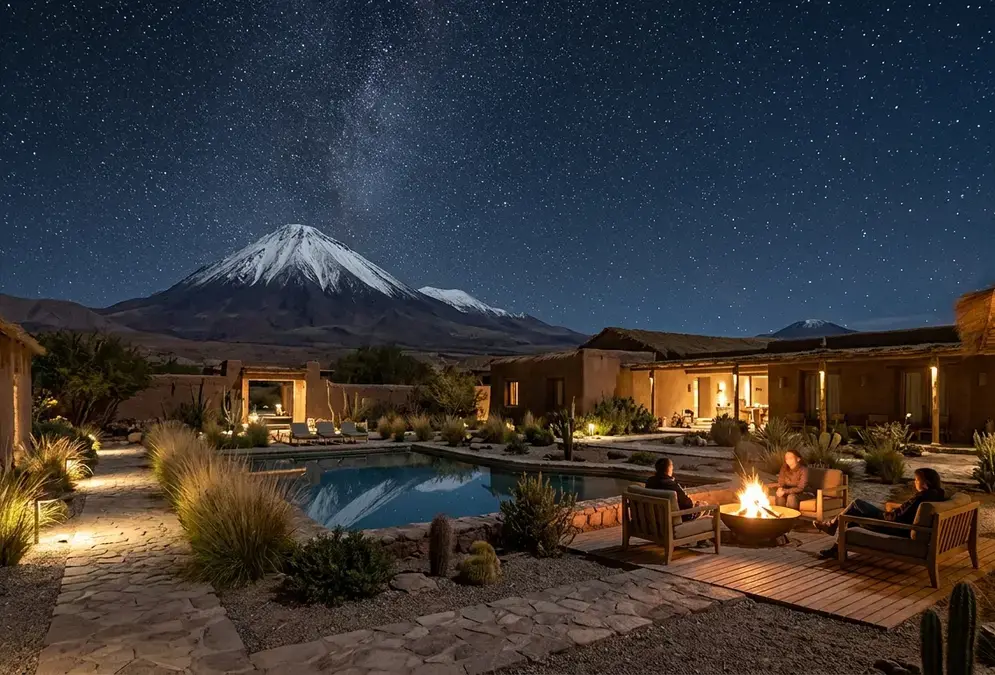
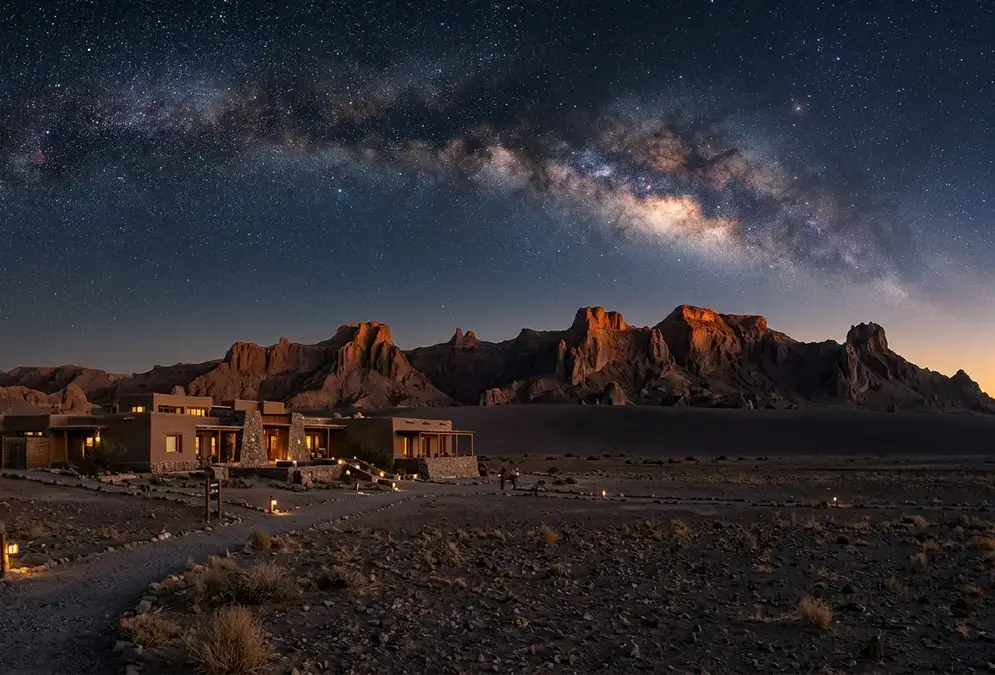
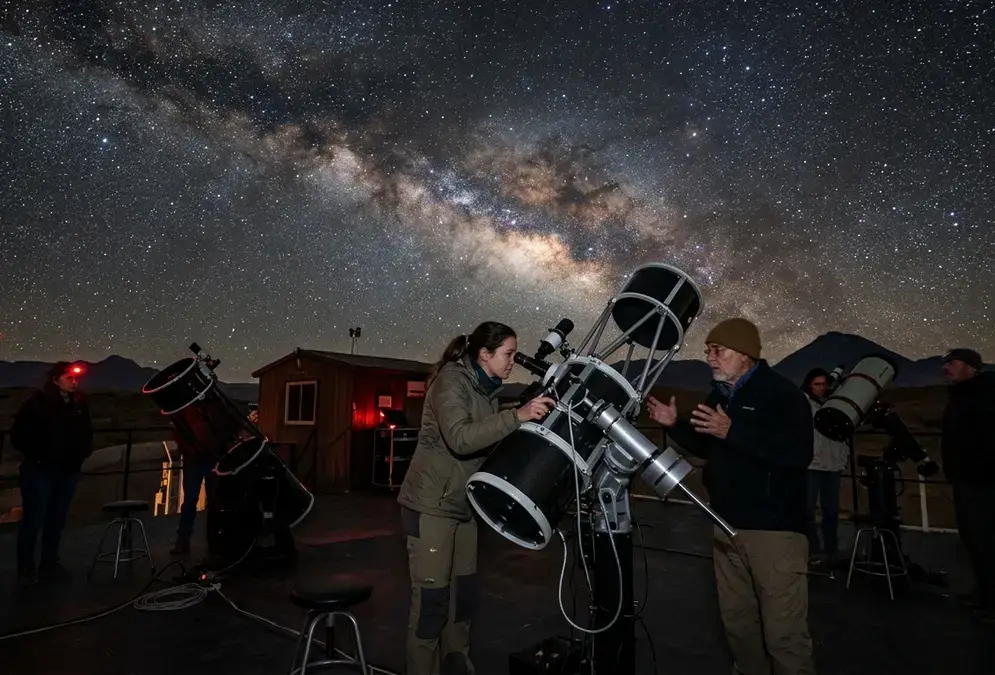
The taxonomy matters for what you see: geysers pulse liquid in bursts when subsurface pressure builds fast enough to overcome the water column above; fumaroles are steam-only vents that exhale continuously without erupting liquid. Both are fed by the same hydrothermal system, which discharges an estimated 218–234 litres per second across the field. At this altitude, under this atmospheric transparency, the altiplano plateau is also a Bortle scale Class 1–2 dark-sky zone — some operators offer optional pre-dawn stargazing at the site before the geysers take over at first light.
Altitude: the one thing that derails this tour
El Tatio sits 1,850 m above San Pedro. Even visitors who felt fine in town report headaches, dizziness, and nausea at the geyser field. The vertical gain from 2,443 m to 4,300 m crosses into territory where most bodies need time. Responsible operators carry supplemental oxygen. That helps; it does not replace acclimatization.
Wait at least two full nights in San Pedro before booking this tour. Do not schedule El Tatio on your first full day. The Atacama altitude acclimatization guide covers preparation in detail. Children under 4 and anyone with cardiac or respiratory conditions should consult a physician before going.
Most tours include a hot breakfast served on-site, which you will want badly. Some also offer a dip in a separate thermal bathing pool — water at a comfortable 30–40°C, well below the dangerous vent temperatures. The experience of floating in warm water at 4,300 m while steam rises around you and the Andes hold the horizon is one of the better arguments for booking this tour despite the alarm time.
The return: Machuca and the descent back to San Pedro
The route back passes through Machuca, an Atacameño settlement at 3,500 m — rough adobe buildings, a small church, llama and alpaca herds on the surrounding slopes. A family typically grills llama skewers (anticucho) by the roadside. Most tours stop for 20–30 minutes. It is a human-scale contrast to the geothermal spectacle: centuries-old highland patterns, traditional handicrafts, the quieter side of the altiplano before you drop back to desert valley. You are back in San Pedro by 12:00 or 13:00, in time to rest before the afternoon heat.