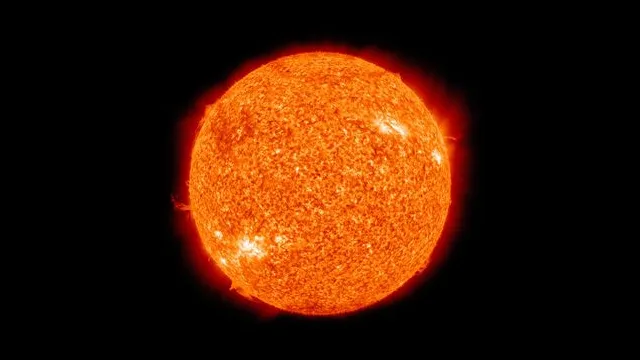
The Sun
Drives Earth’s seasons, eclipses, and the geomagnetic storms behind aurora displays.
ISO 12312-2 solar filter only
Interactive 3D Observatory
Real-date orbital mechanics inside a J2000 celestial dome. Drag to orbit, scrub time across 2026–2027, or tap any planet, meteor stream, or deep-sky object to open its observing brief and Dark Skies Atlas guides.
Initializing live 3D ephemeris…
Computing real planetary positions & celestial sphere coordinates
WebGL is unavailable on this browser
You can still browse all 25 planets, meteor streams, eclipses, and deep-sky objects with their linked Dark Skies Atlas guides in the directory directly below.
Jump to celestial directoryOrrery scale: angular positions and eclipse alignments are exact for the selected UTC date; planet diameters (square-root compressed) and orbital distances (logarithmic) are scaled for visibility.
Drag to orbit · Scroll to zoom · Click any body for dossier
Sky Index
Every body and external phenomenon below links directly to its Dark Skies Atlas events, field science articles, optics guides, and best dark-sky destinations. Tap Locate in 3D to fly the camera straight there.
Sun, Moon & Planets
Real-date heliocentric positions, planetary oppositions, and the lunar cycle that governs every dark-sky trip.
Drives Earth’s seasons, eclipses, and the geomagnetic storms behind aurora displays.
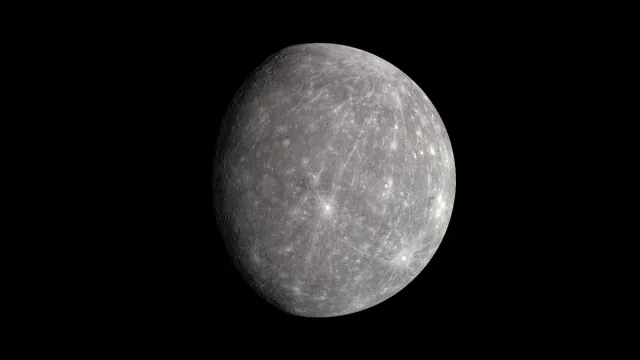
Never strays more than 28° from the Sun — catch it low at twilight near greatest elongation.
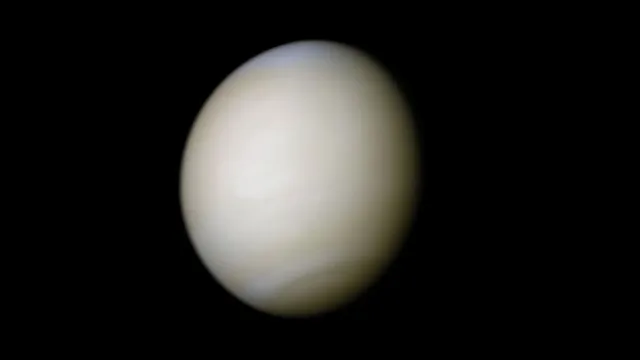
Brightest planet in the sky (up to mag -4.6); a small scope resolves its crescent phases.
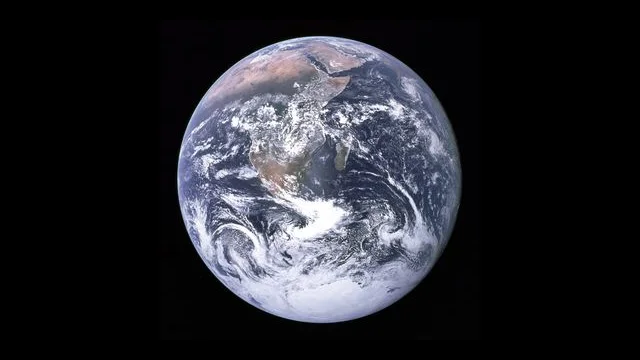
Zoom in for the day/night terminator, polar auroral oval, and 21 certified dark-sky destinations.
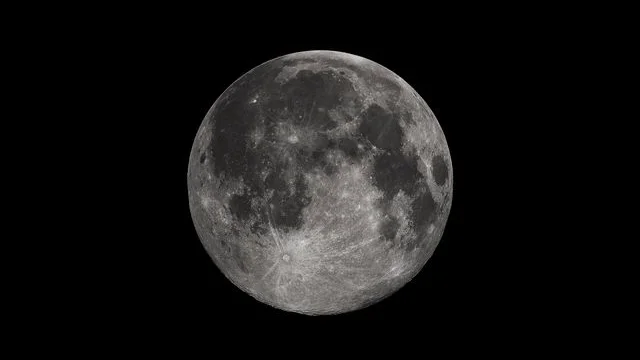
Sets the schedule for every stargazing trip: plan deep-sky travel within ±4 days of New Moon.
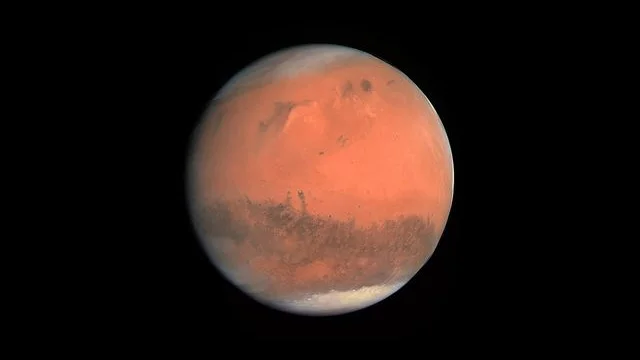
Brightens dramatically every 26 months at opposition; reddish tint is easy to spot naked eye.
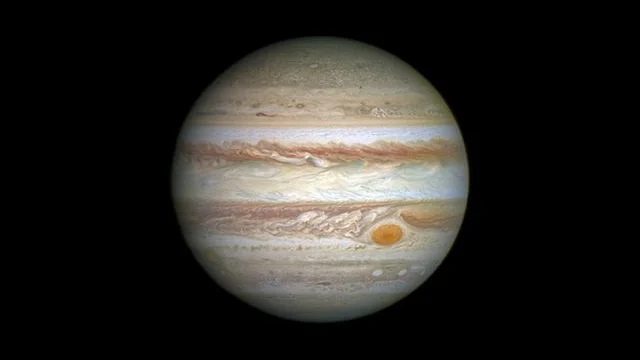
Four Galilean moons show up in steady 10×50 binoculars; cloud bands emerge in any starter scope.
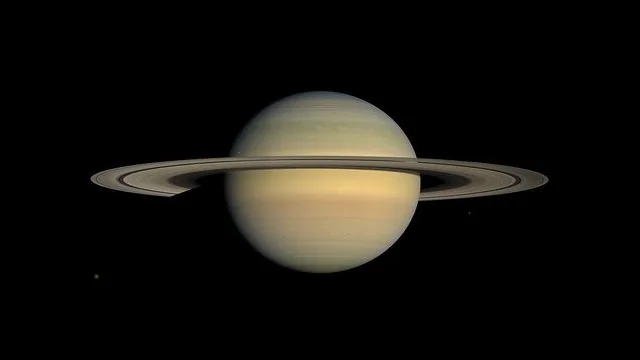
The unmistakable ring system snaps into view at 30× magnification and re-widens through 2026–2027.
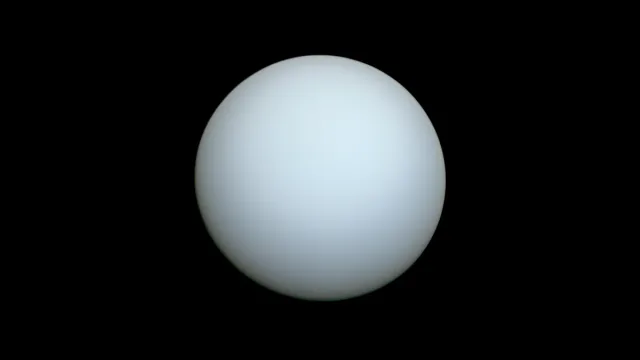
At mag ~5.7 it sits right at the Bortle 1–2 naked-eye threshold; appears pale blue-green in binoculars.
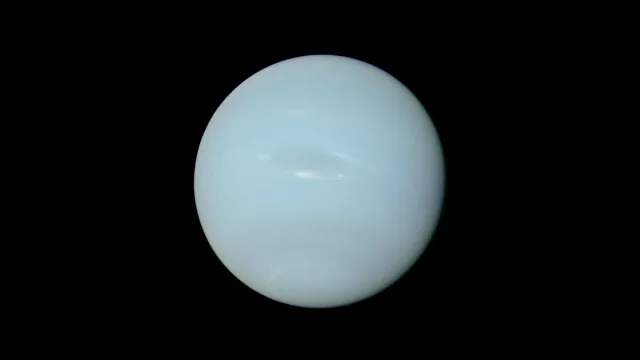
Never visible to the naked eye (mag ~7.8); a small telescope reveals its tiny steel-blue disc.
Atmosphere & Shadows
Auroral ovals, mesospheric noctilucent clouds, and total solar eclipses — where solar activity and geometry meet Earth.
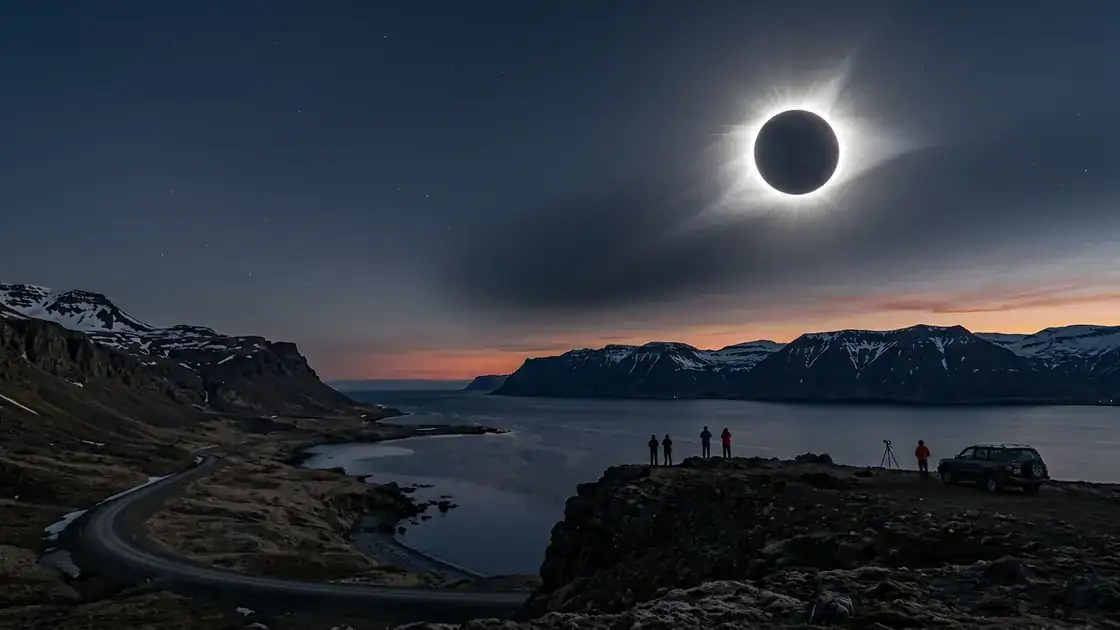
When the Moon’s umbra sweeps across Earth — next totals hit Iceland & Spain (Aug 2026) and Egypt (Aug 2027).
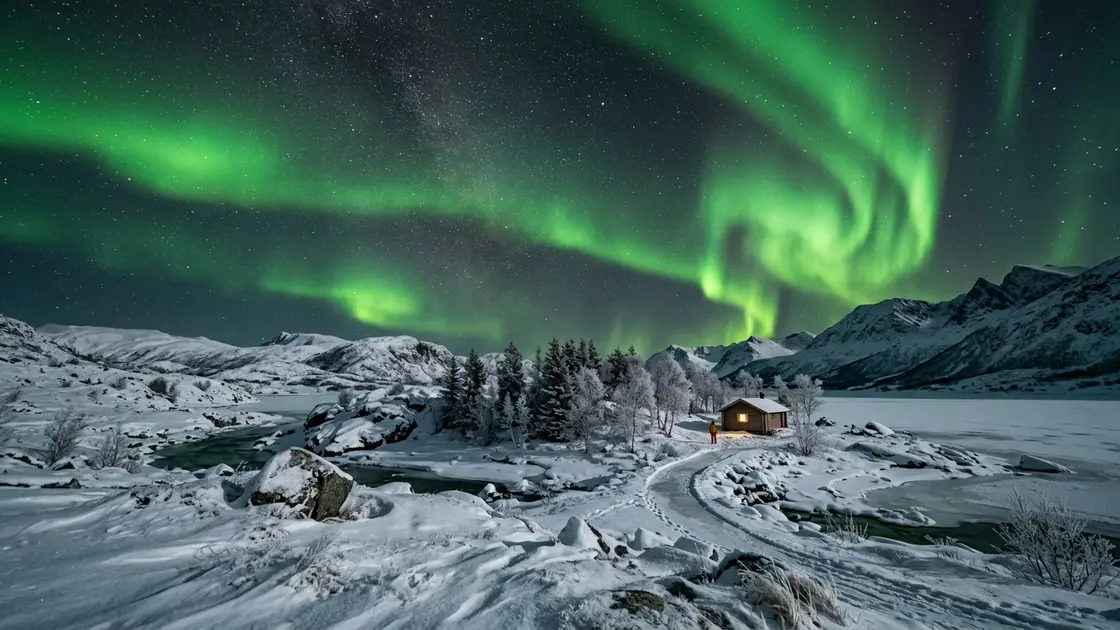
Solar wind funneled into Earth’s geomagnetic ovals (~65°–72° latitude); peak northern season runs Sep–Apr.
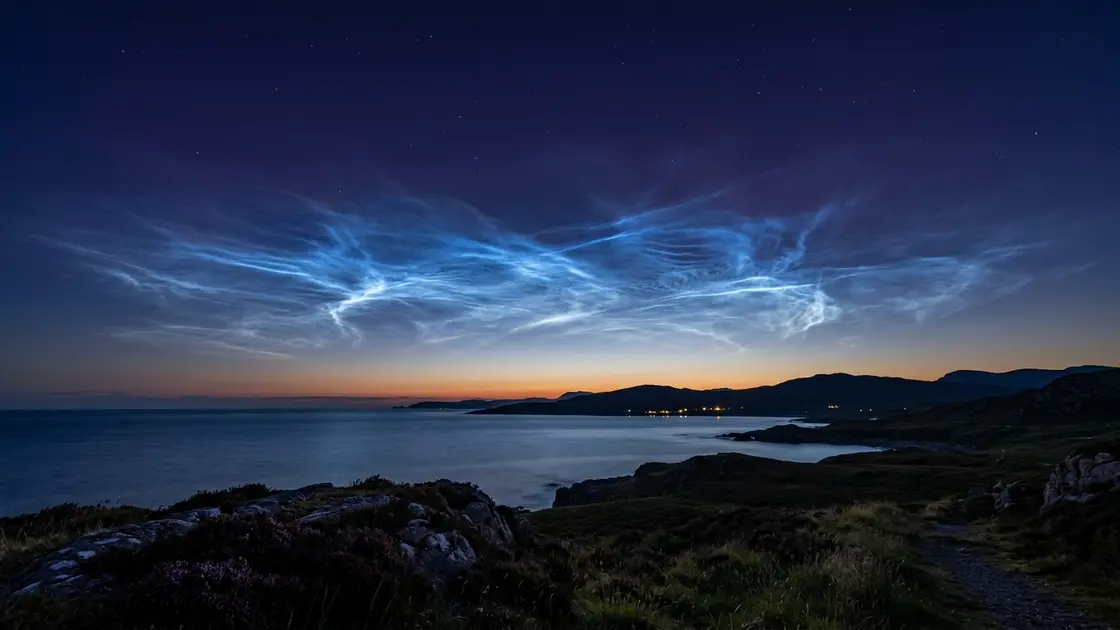
Electric-blue ice clouds 82 km up in the summer mesosphere, lit by the midnight sun at 50°–65° latitude.
Comet & Asteroid Debris
Seven annual debris trails crossing Earth’s orbit, plus the ecliptic zodiacal dust band visible from Bortle 1–2 deserts.
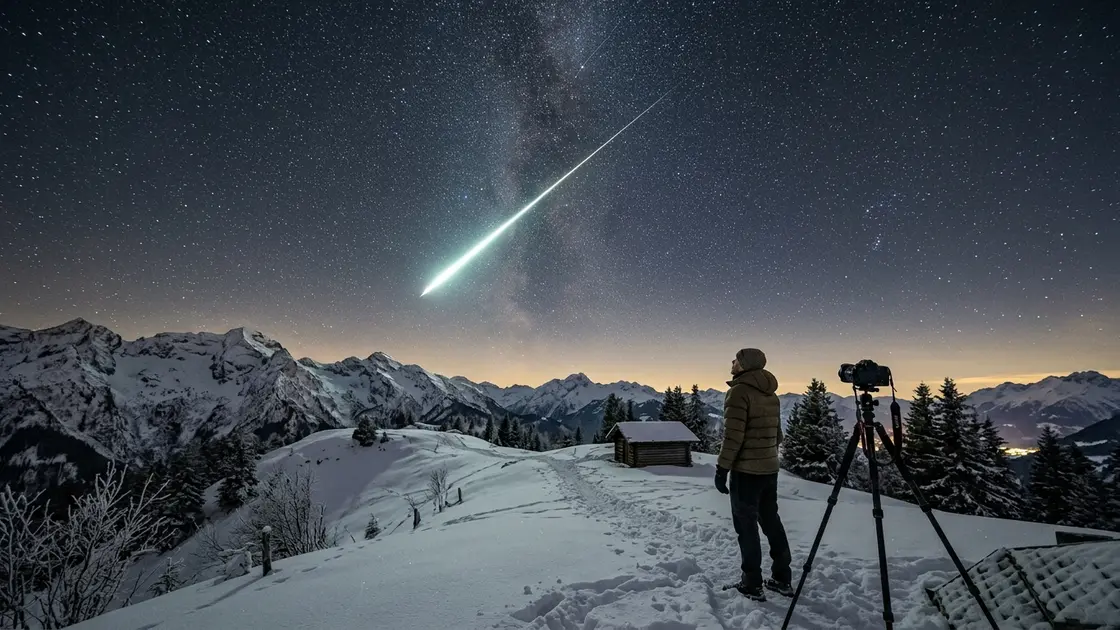
Sharp 6-hour peak around Jan 3 (up to 110 meteors/hr) from asteroid 2003 EH1; Northern Hemisphere favored.
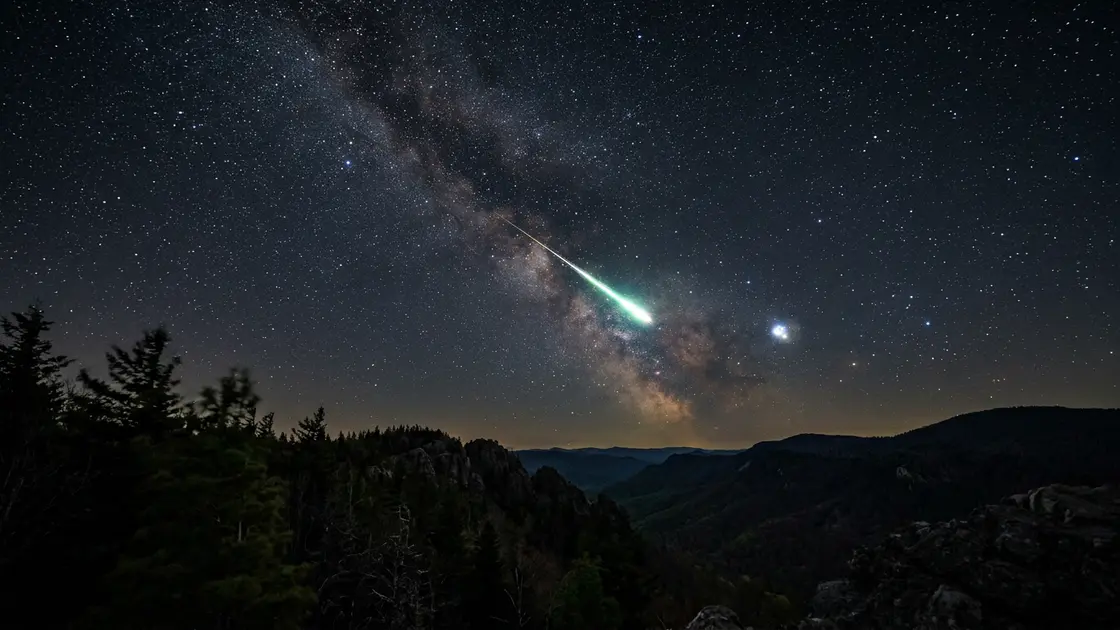
Dependable April shower (~18 meteors/hr) from Comet C/1861 G1 Thatcher, known for bright post-midnight fireballs.
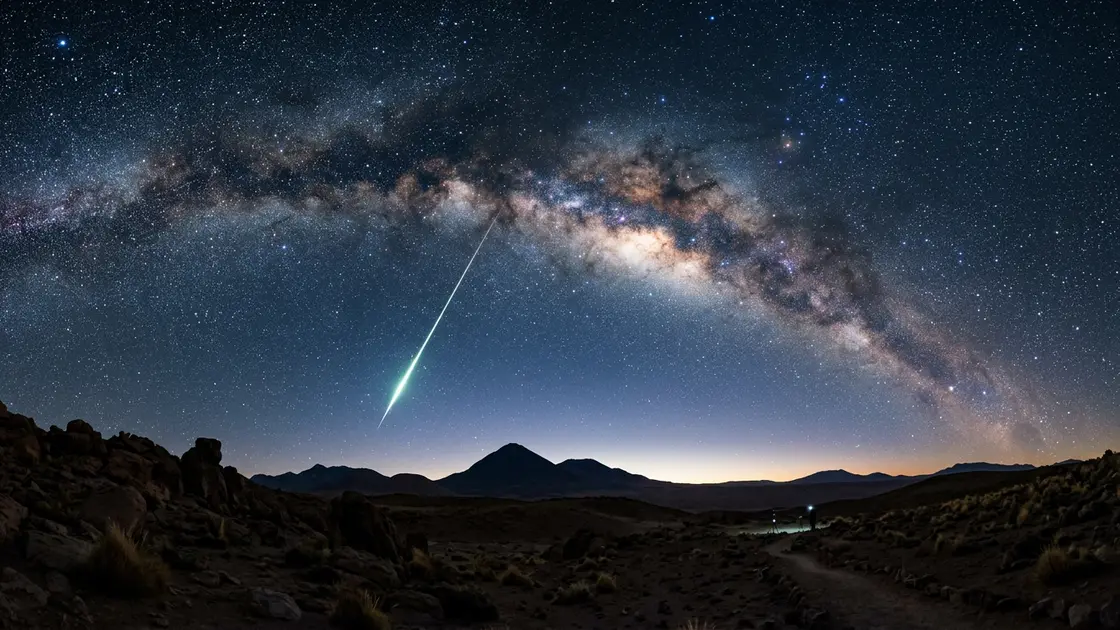
Fast May meteors (~50/hr) shed by Halley’s Comet — best pre-dawn from Southern Hemisphere dark-sky reserves.
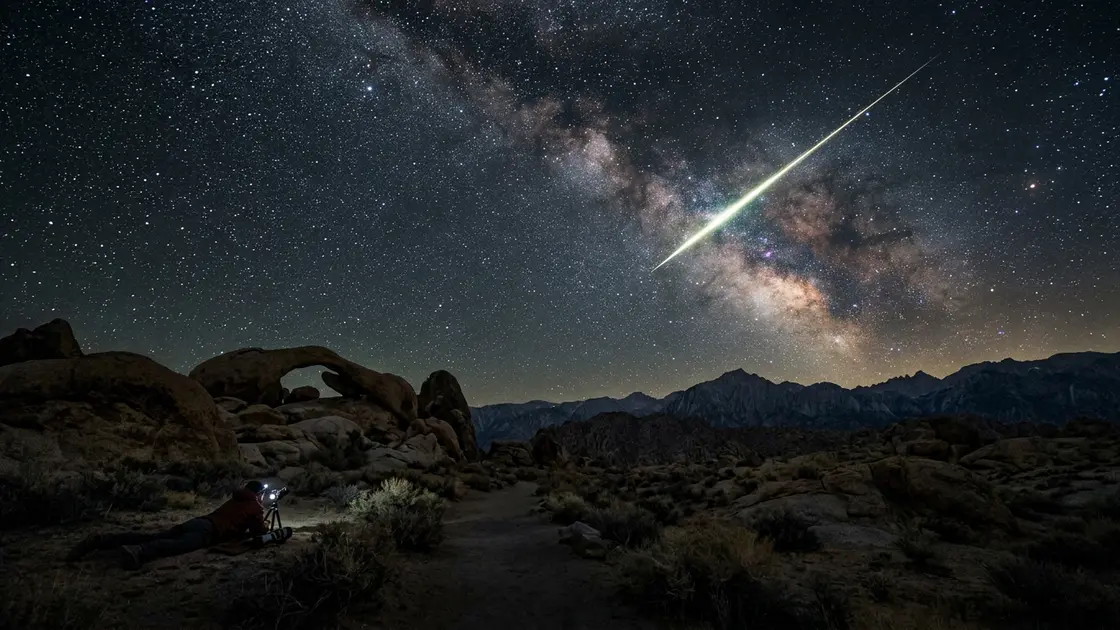
Warm-weather northern classic peaking Aug 12 (~100/hr) from Comet 109P/Swift-Tuttle — zero moonlight in 2026.
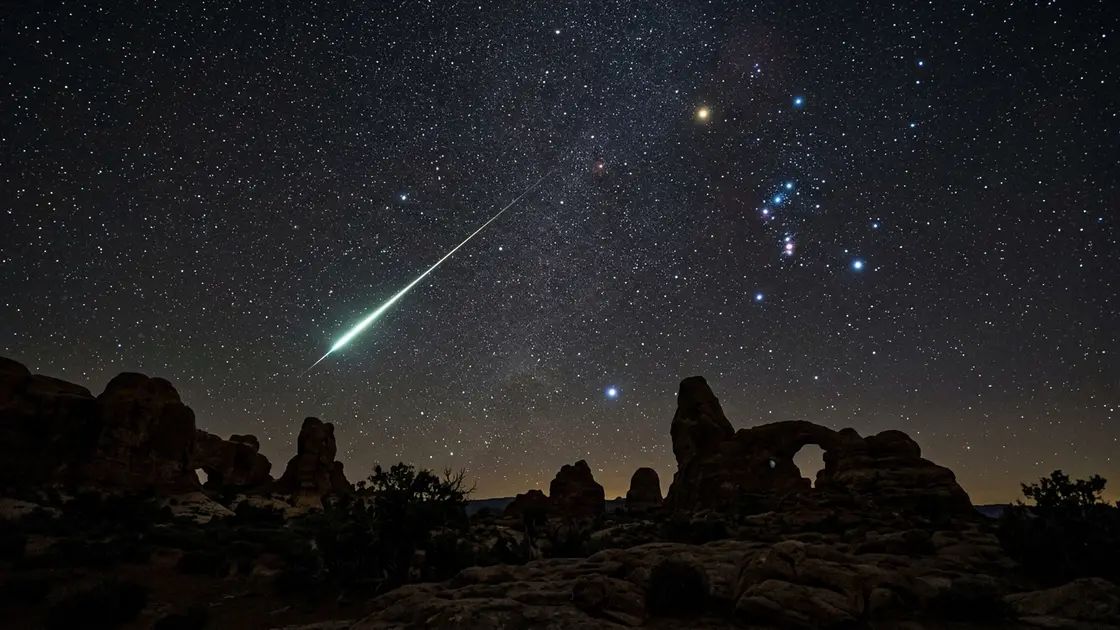
Second annual crossing of Halley’s Comet debris around Oct 21 (~20/hr), visible from both hemispheres.
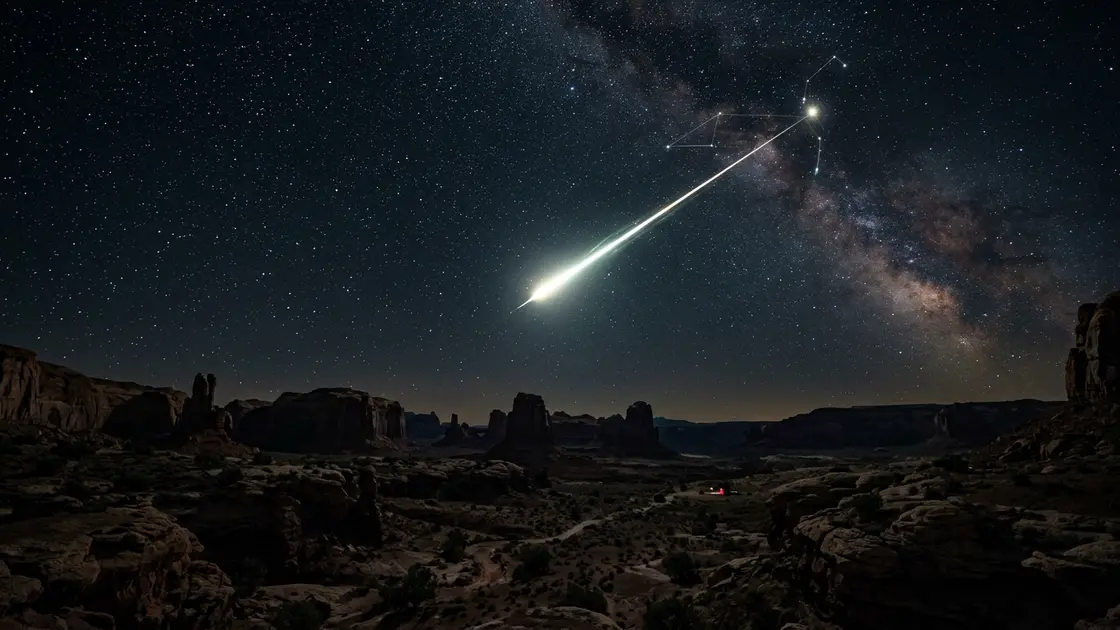
Fast Nov 17 meteors (~15/hr baseline) from Comet 55P/Tempel-Tuttle — source of the historic 1833 storm.
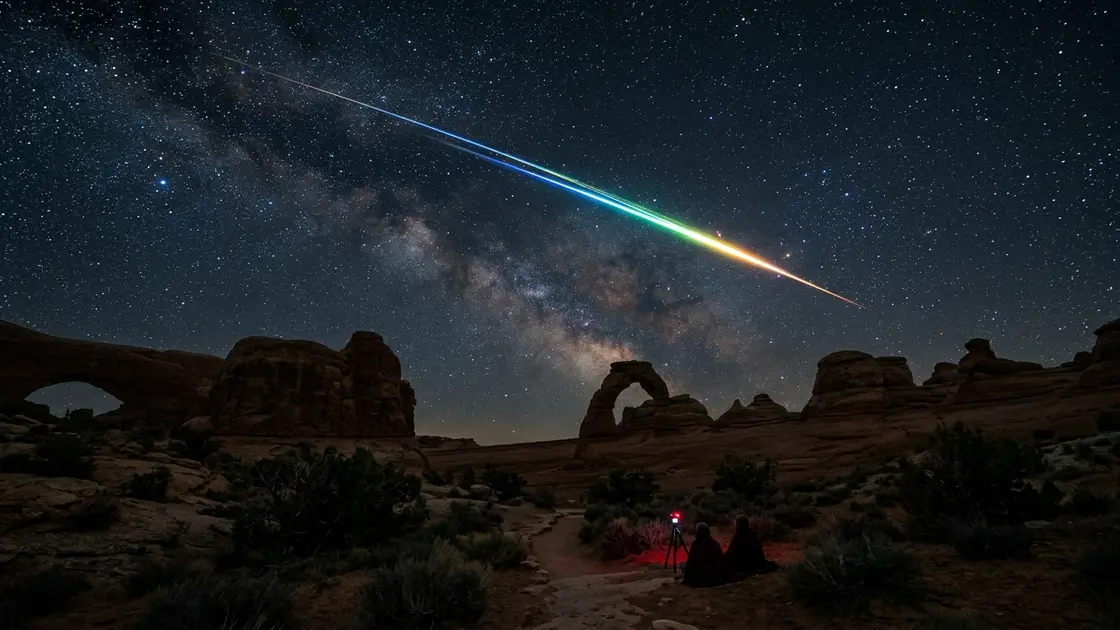
Richest annual shower (~120/hr around Dec 13), fed by rock comet/asteroid 3200 Phaethon instead of a comet.
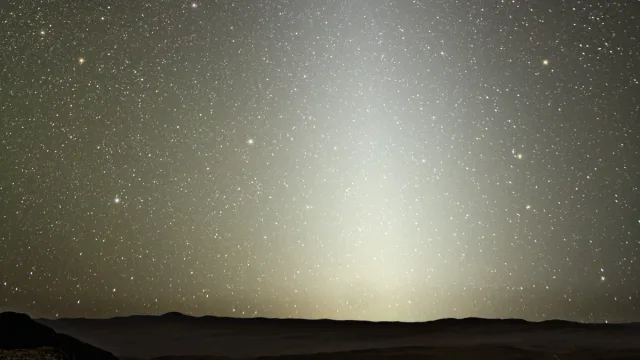
Faint triangular cone of sunlight scattering off interplanetary dust along the ecliptic — a Bortle 1–2 desert test.
Beyond the Solar System
Galactic core, neighboring galaxies, and star clusters mapped at their true sky coordinates around the ecliptic.
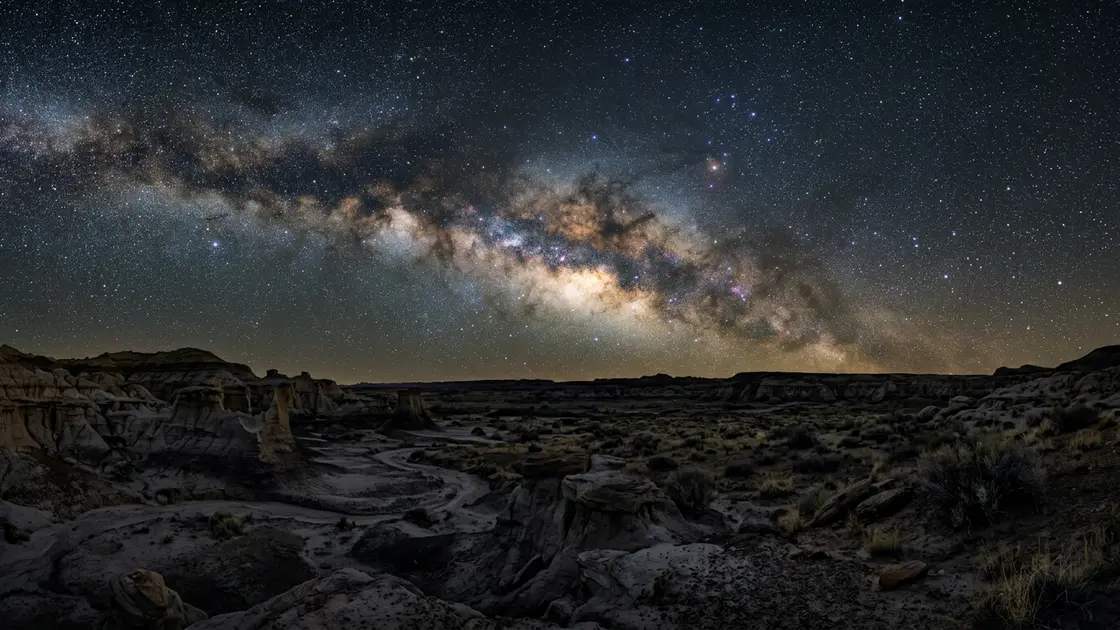
Dense star clouds and dark dust lanes toward Sagittarius (26,000 ly away); rides highest Apr–Sep, overhead in the South.
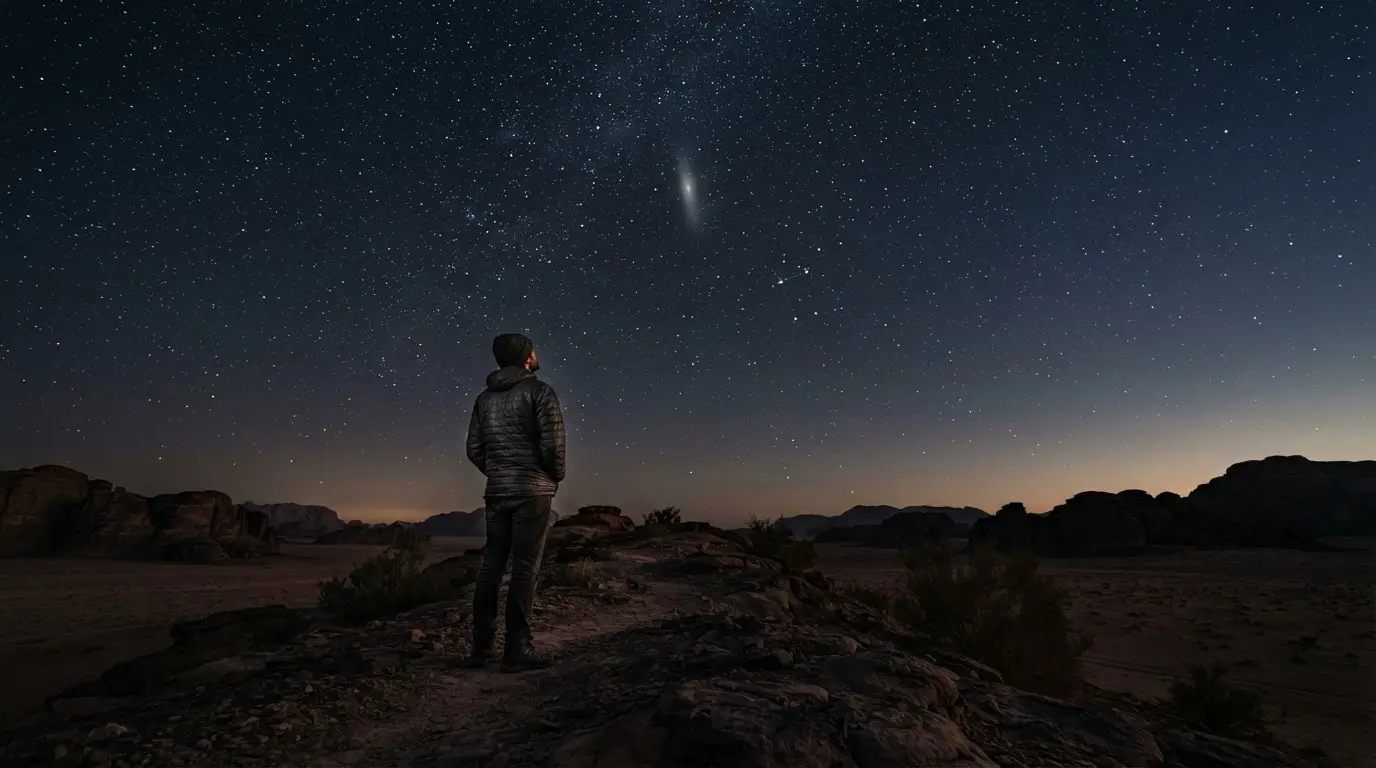
At 2.54 million light-years, the farthest object most humans ever see without optics — prime Sep–Dec up north.
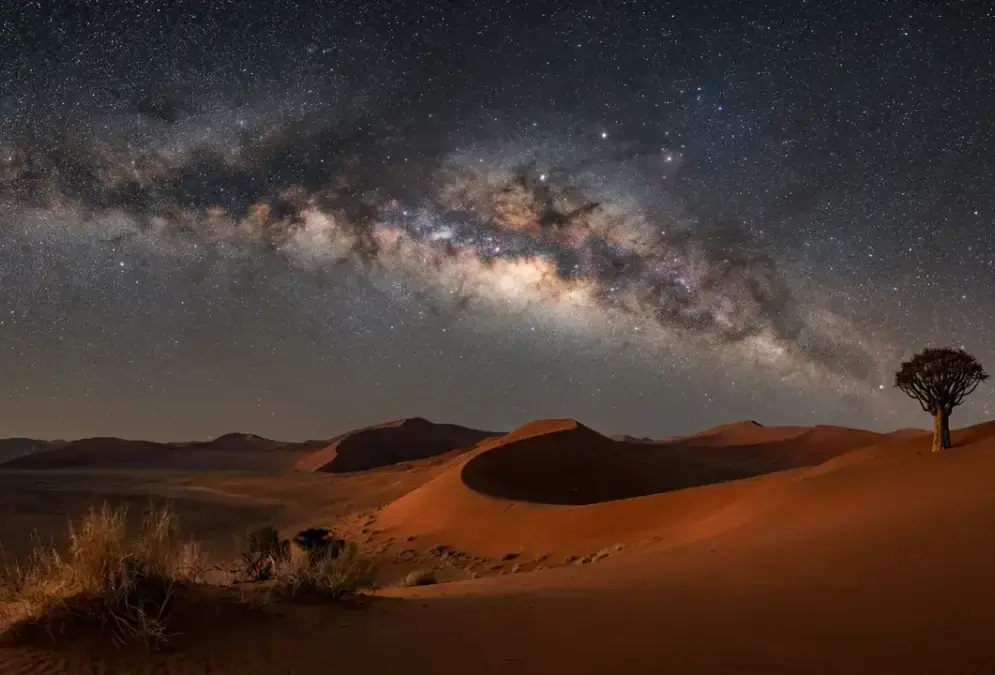
Two dwarf satellite galaxies orbiting the Milky Way — unmistakable naked-eye smudges exclusive to Southern Hemisphere skies.
Blue-white open star cluster 444 light-years away — winter northern showpiece and pre-dawn herald of Māori Matariki in June.
Angular positions, planetary oppositions, and Sun–Moon–Earth eclipse alignments are exact for whichever UTC date is selected, computed live from VSOP87/ELP2000 ephemeris math (astronomy-engine). Like a physical observatory orrery, both planet diameters (square-root compressed so Jupiter and Saturn tower over Earth without turning Mercury into an unclickable pixel) and orbital distances (logarithmically compressed) are scaled for visibility rather than 1:1 physical proportions.
Deep-sky objects sit hundreds to millions of light-years beyond Neptune, so plotting them to linear scale is impossible. Placing them on a 3D celestial dome at their exact J2000 sky coordinates lets you scrub from January to December and see why Earth’s night hemisphere turns toward the Milky Way core from April through September and toward Andromeda and the Pleiades in autumn and winter.
Zoom into Earth—or click "Show on Earth" inside any object’s Dossier Drawer—to reveal Dark Skies Atlas’s 21 certified dark-sky destinations positioned at their real latitude and longitude. Destinations that excel for the active phenomenon (such as Arctic hubs under the auroral oval or Southern Hemisphere reserves for the Magellanic Clouds) pulse in teal and link directly to their full travel guides.
Every planet is interactive and displays a live Observing Brief calculated for your chosen date—apparent magnitude, solar elongation, distance in AU, and whether you need naked eyes, 10×50 binoculars, or a telescope—alongside relevant optics guides and any Dark Skies Atlas articles covering it.