Most annual meteor showers spread their best show across two or three nights, giving you room to dodge weather. The Quadrantids don't. Earth crosses the debris trail left by asteroid 2003 EH1 for about two weeks every December and January, but the real peak, the stretch where counts spike toward triple digits, lasts roughly six hours. Miss that window and the year's sharpest meteor shower is largely over. In 2027 that window falls in the early hours of January 4, with a new moon three nights later doing viewers a rare favor: no moonlight to wash out fainter meteors during the peak itself.
Why the six-hour peak is unlike any other shower
Every other headline shower traces back to a comet whose dust has been shedding and spreading for centuries, so Earth spends two or three nights drifting through a wide, diffuse trail. The Quadrantids' parent body, asteroid 2003 EH1, is different: a compact, roughly 2-3 km object discovered only in March 2003. Its debris trail is narrower and younger than the centuries-worn trails other showers cross, and Earth passes through it almost perpendicular to the stream rather than grazing along its length. The practical result is a peak forecasters can pin down to the hour instead of the usual "watch for a few nights around the date" advice given for the Perseids or Geminids.
When to watch: the 2027 peak window
The window centers on January 3-4, 2027. The International Meteor Organization places the sharpest activity at roughly 3:30 UT on January 4; EarthSky's independent estimate runs about two hours later, near 05:47 UTC. That gap matters more than it sounds: it can shift your plan from a Sunday-into-Monday watch to something closer to Monday's small hours. Either estimate favors Europe and western Asia, where the peak lands well after midnight in full darkness. Observers in the Americas will more likely catch the shower still ramping up or already fading rather than at its sharpest, though the broader active period, December 28 through January 12, 2027, still produces meteors on any clear night in that stretch, just at a lower rate than the peak six hours.
Moon phase actually helps in 2027. New moon falls on January 7, just three days after peak, so on January 3-4 the sky carries only a thin waning crescent, dim enough not to wash out the fainter meteors. Some years the Quadrantids peak under a bright moon that erases every meteor below third magnitude; 2027 isn't one of them.
The radiant, the rates, and what you'll actually see
The Quadrantids radiate from a point in Boötes, near the handle of the Big Dipper, a radiant that climbs highest in the hours before dawn across the northern hemisphere. That's why "watch between roughly 2 a.m. and sunrise" is the standard advice: earlier in the night the radiant sits low, and a low radiant means fewer meteors clear the horizon no matter how active the shower is.
Under a genuinely dark sky, with the radiant high and no moon, the zenithal hourly rate (ZHR) for the Quadrantids reaches up to 120 per the IMO, though NASA cites a wider 60-200 range under perfect conditions. ZHR describes a theoretical count for perfect conditions directly overhead, not a promise, so even a strong night from a Bortle 2-3 site will show noticeably fewer meteors than the quoted figure, and a suburban backyard will show far fewer still.
What you do get, even from a mediocre site, is speed. Debris from 2003 EH1 hits the atmosphere at around 41 km/s (25 miles per second), among the faster meteor velocities on the annual calendar, producing short, vivid streaks rather than the slow trails you get from some summer showers.
Where to go in 2027
The Quadrantids favor the northern hemisphere heavily, with visibility dropping off south of roughly 51°S, so this isn't a shower worth chasing into the southern hemisphere. Three dark-sky bases suit the 2027 window well:
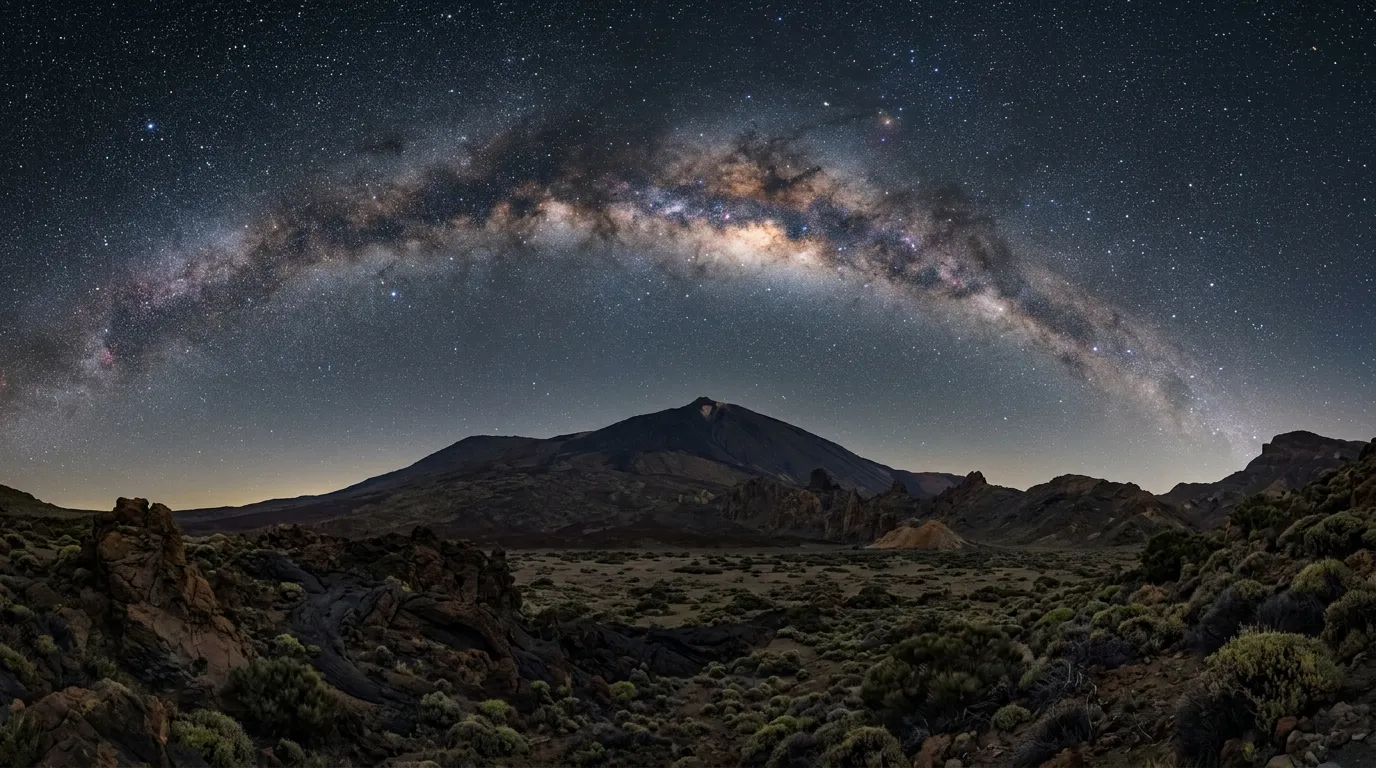
- Tenerife Stargazing sits above the trade-wind cloud layer at 2,000+ metres, with a Bortle-2 sky and mild enough January nights that six hours outside is a plan, not an ordeal.
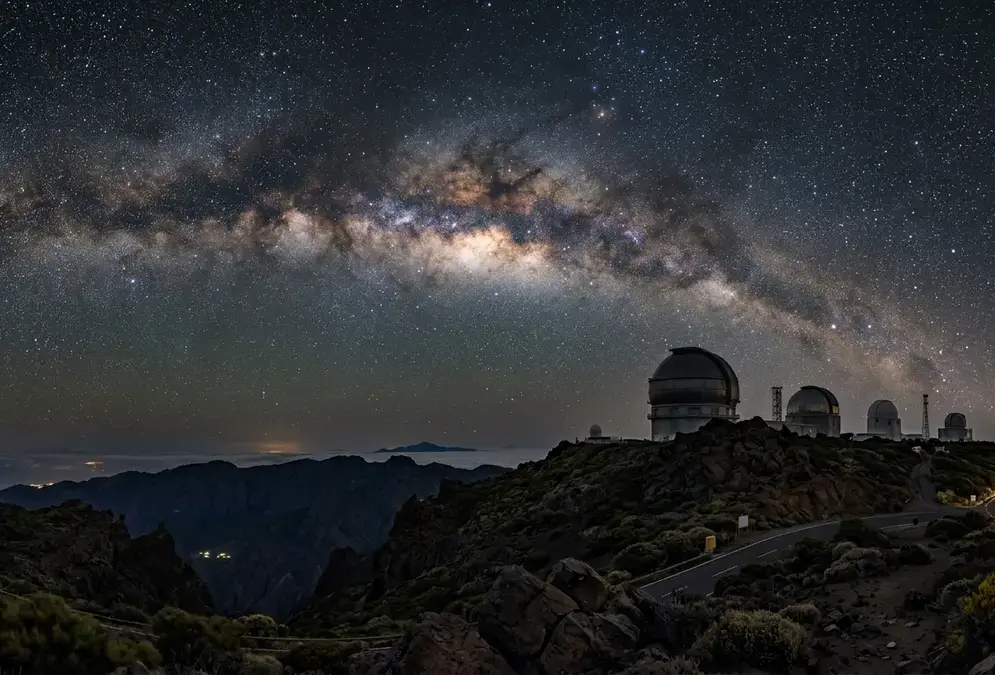
- La Palma Stargazing offers similarly dark Bortle 1-2 skies around Roque de los Muchachos, at a comparable Atlantic latitude and January climate to Tenerife.
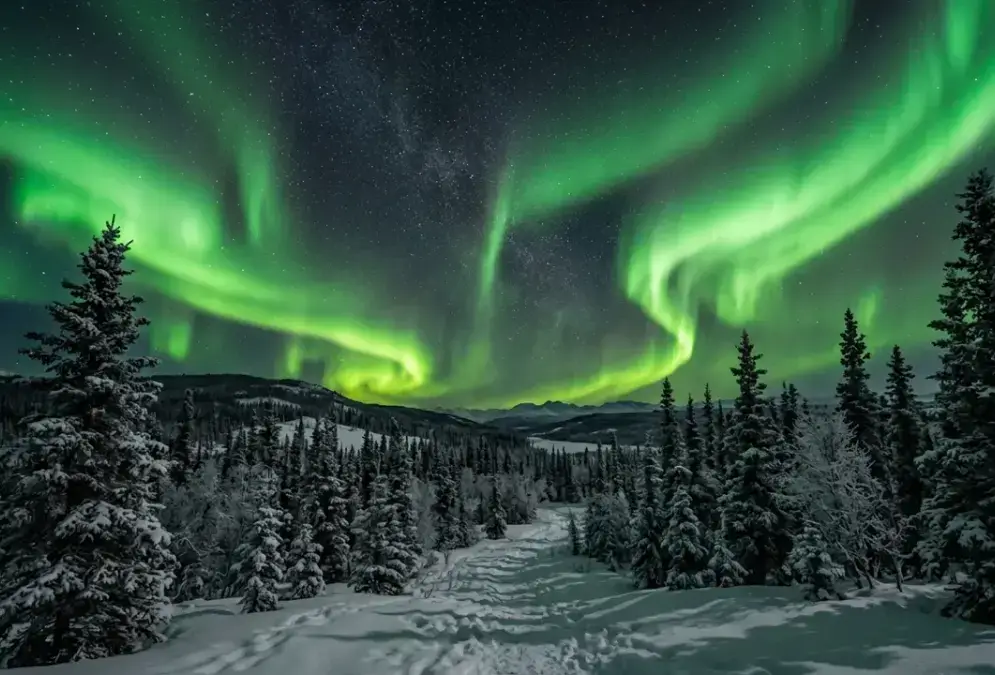
- Fairbanks Northern Lights sits at 64.8°N, high enough that the Boötes radiant clears the horizon early and stays up all night. January is aurora season there first, but on a clear night away from downtown you can watch for both at once.
Wherever you land, the same rule applies: get at least 20 miles from city light, and give your eyes 30 minutes to adapt before you start counting.
Watching the shower: what actually helps
Lie flat on your back rather than craning your neck upward; a reclining chair or a blanket on the ground beats standing over six hours. Face roughly northeast, toward Boötes and the Big Dipper, though meteors from a shower this active can appear anywhere in the sky, so a wide, open view matters more than aiming at the radiant itself. No telescope or binoculars required: Quadrantid meteors move fast and burn bright enough to see plenty with the naked eye, though binoculars can pick out fainter ones between the bright streaks if you want to hunt. Bring warmer layers than you think you need. Even a mild January night turns cold once you've been sitting still for two or three hours, and the point is staying out through the peak, not ducking inside between shows.
How the Quadrantids fit the rest of the year
The Quadrantids open the meteor calendar and set an early, cold-weather bar the rest of the year rarely matches for sheer sharpness. For how they stack up against the Perseids, the Geminids, and the other nine showers worth planning a trip around, along with the technique and gear that carries across all of them, see the full meteor showers guide.