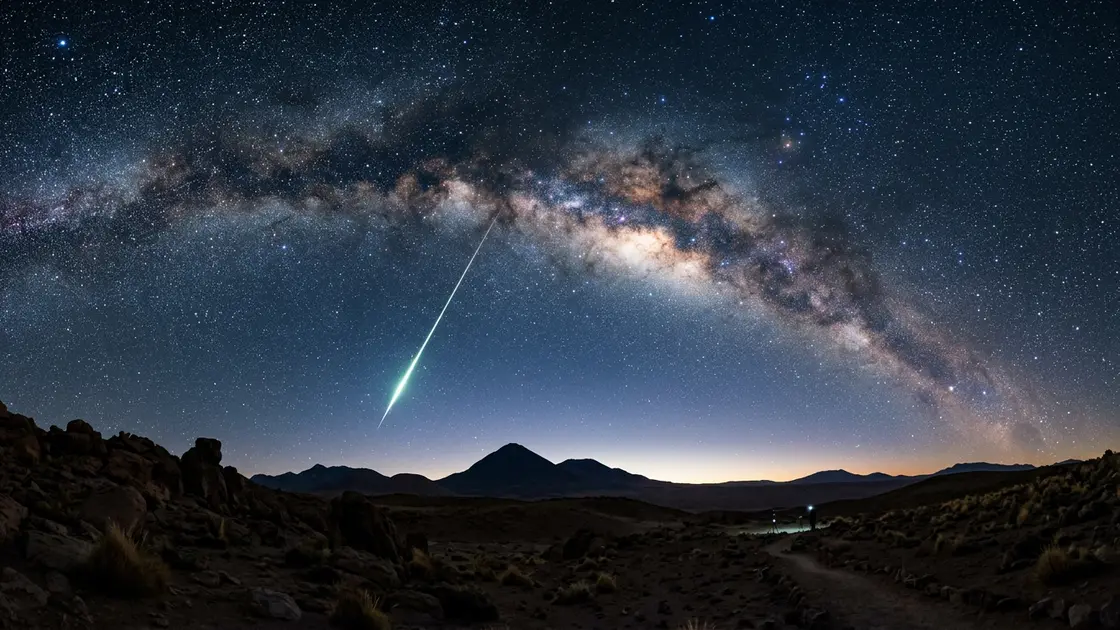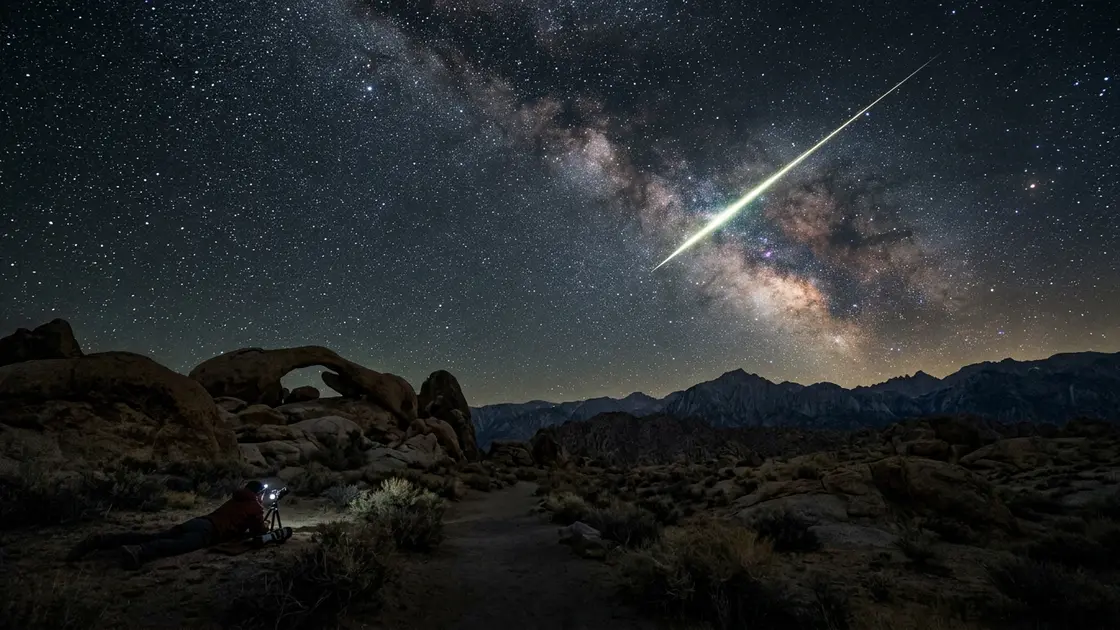
The Perseid meteor shower is the most reliable naked-eye show of the northern summer, but the 2027 calendar isn't as generous as some years. The peak falls on the night of August 12–13, and the International Meteor Organization's benchmark zenithal hourly rate (ZHR) is 100 — the shower's standard predicted rate, not a number specific to this year. What is specific to 2027 is the moon: a waxing gibbous, roughly 87% illuminated, is up for part of peak night and will wash out the shower's fainter meteors, so the honest read is that this year favors the brighter end of what the Perseids can show.
Peak night: August 12–13, 2027
The Perseids peak overnight on August 12 into 13, 2027, inside a broader active period that runs from July 17 to August 24. Sources agree on the night but not on an exact-to-the-minute UTC maximum for this year, so treat the whole stretch from full dark on the 12th through pre-dawn on the 13th as the window worth watching, rather than a single alarm-clock minute. The best viewing stretch is still 1 to 4 AM local time, whichever time zone you're in, since that's when the radiant in Perseus climbs highest and more of each meteor's path clears the horizon.
The moon is the complication this year. First Quarter falls on August 9 at 04:54 UTC, and Full Moon follows on August 17 at 07:28 UTC, which puts peak night under a waxing gibbous around 87% illumination — up for a good part of the night, not gone. Moonlight suppresses the faint end of the shower, so expect the brighter meteors to keep showing clearly while the dim ones get washed out. If you can hold off your serious watching until later in the night, when the moon drops toward the horizon, do it; otherwise 1–4 AM is still the best window you'll get even with the moon up.
Best places to watch the 2027 Perseids
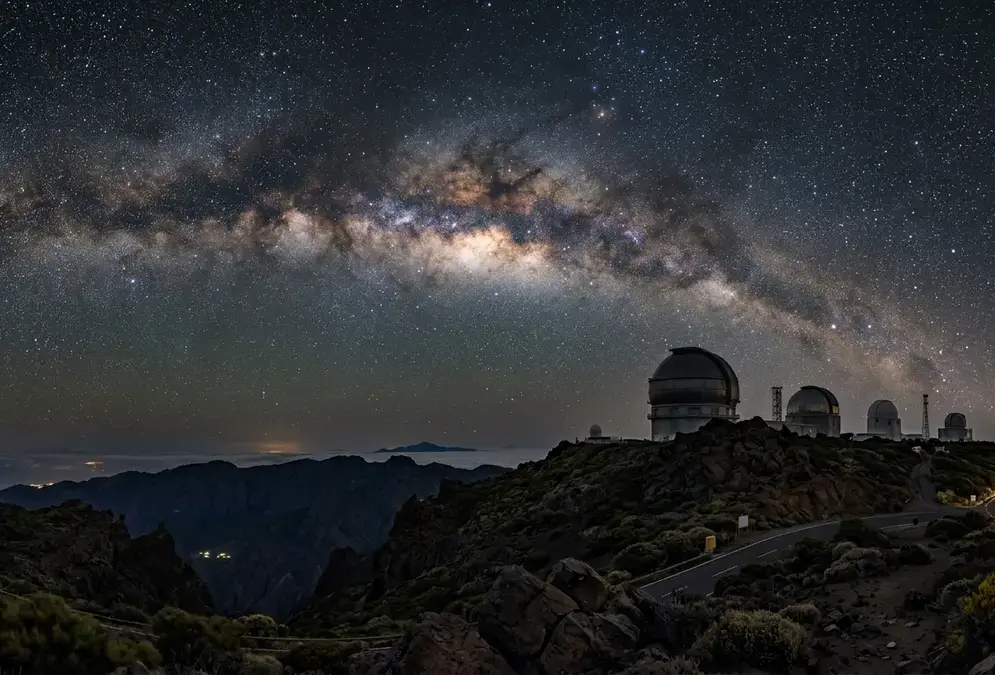
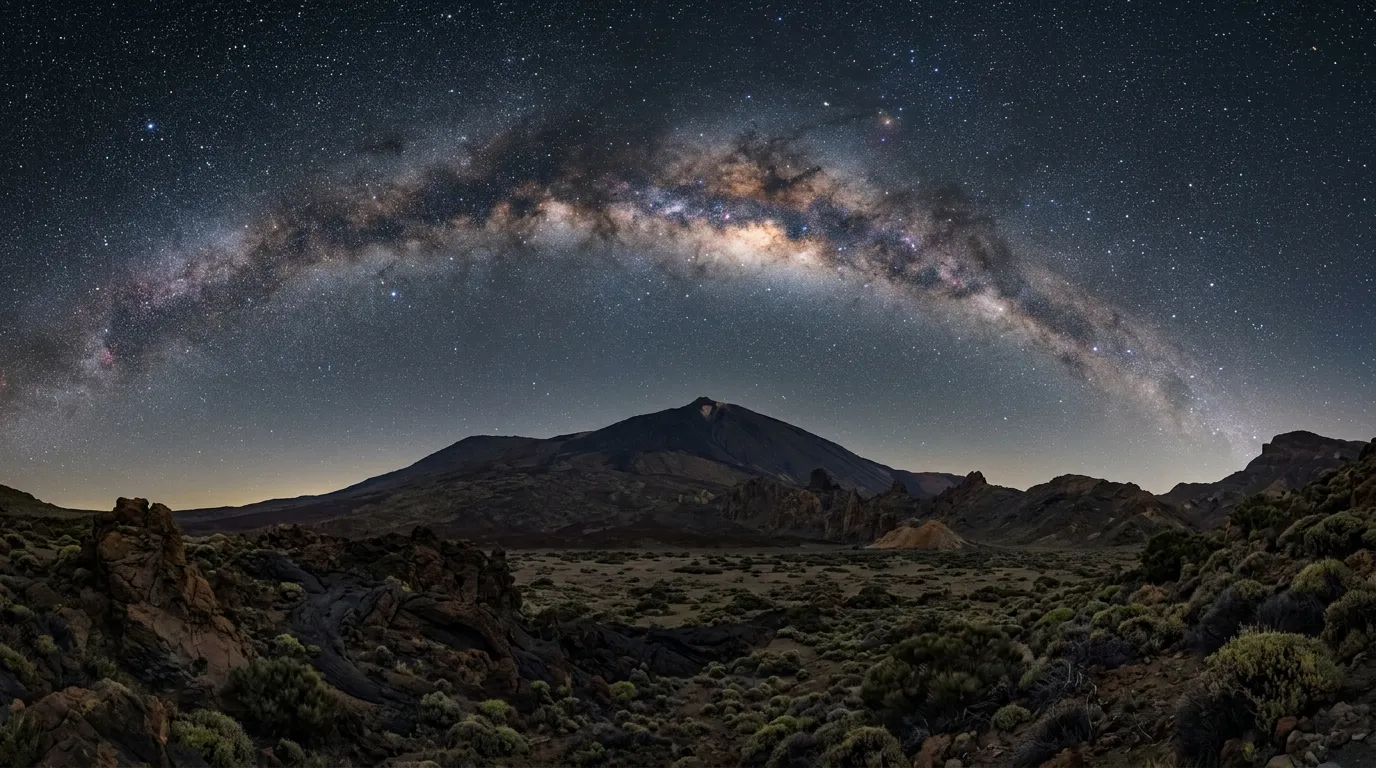
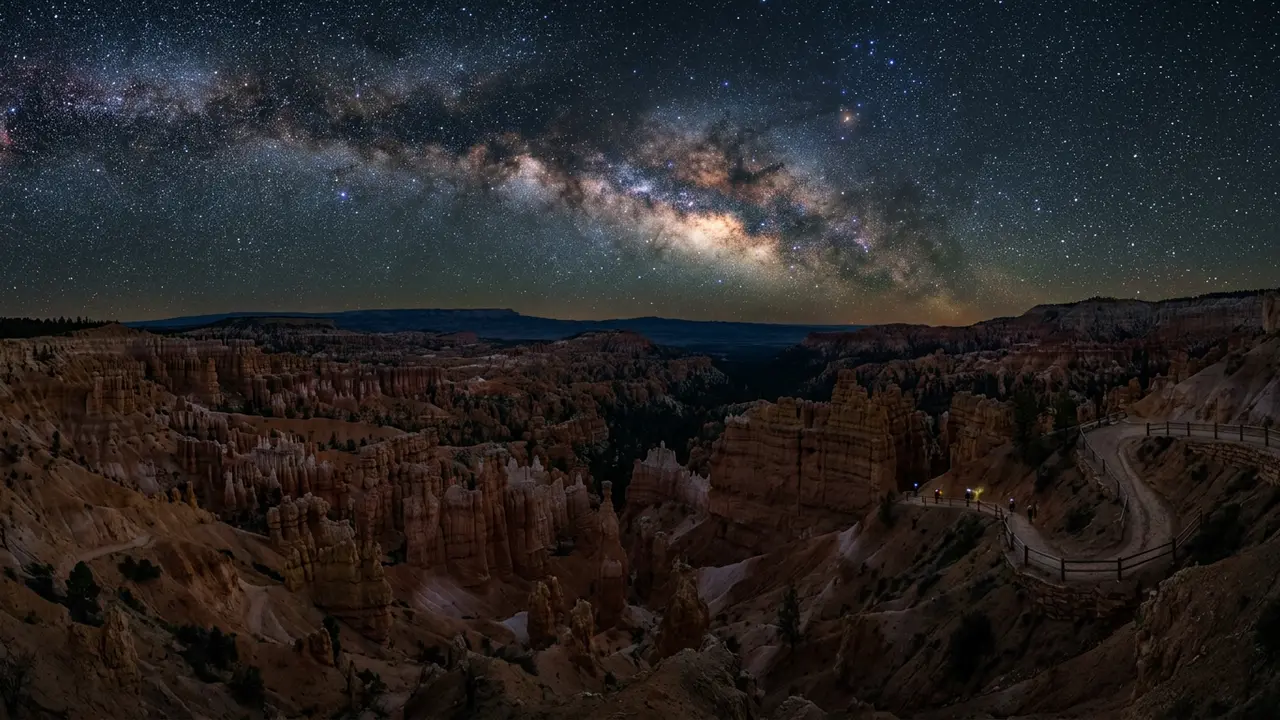
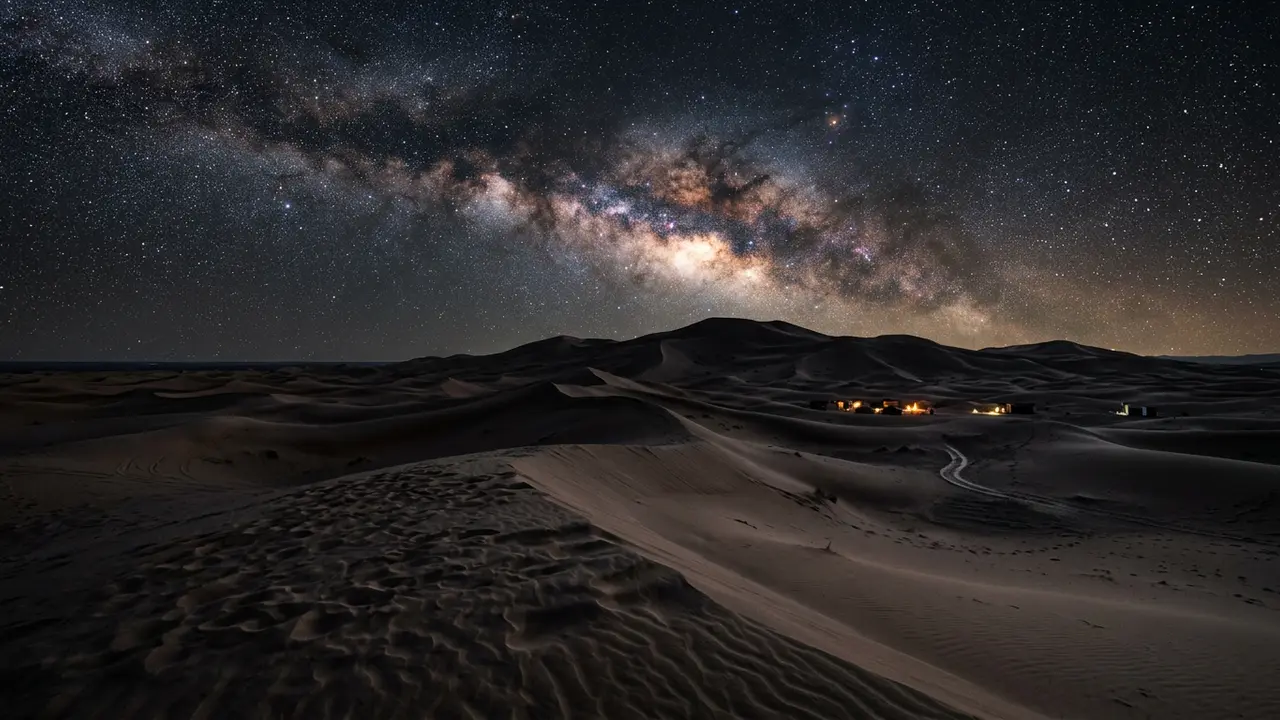
A dark sky matters more than usual this year, since moonlight is already working against the faint end of the shower. Three of the four destinations below carry the Bortle 1–2 skies mid-August rewards most:
- La Palma — one of the world's first two Starlight Reserves, certified alongside Alqueva, Portugal, in 2012, with Bortle 1–2 skies above the Roque de los Muchachos ridge at 2,396 metres, well above any August cloud layer.
- Tenerife — Teide National Park sits above the same trade-wind cloud layer, and July–August is the island's clearest, driest stretch of the year.
- Bryce Canyon — Gold Tier certified, with the hoodoo amphitheater as a foreground no Atlantic-island sky can match, and warm, dry summer nights at 7,894 feet.
All three sit far enough north to give the Perseus radiant real elevation after midnight, and all three carry the same practical warning: August is peak tourist season at each, so the spot at the rail or the pull-off you want isn't guaranteed if you arrive after dark.
Where the Perseids come from
Every Perseid meteor is a fragment shed by comet Swift-Tuttle on one of its past passes through the inner solar system, burning up as Earth crosses that debris trail on its own orbit around the Sun. Swift-Tuttle takes roughly 133 years to complete one orbit and was last seen in 1992, so nobody watching this year's Perseids has seen the comet itself. The meteors appear to stream outward from a single point in the constellation Perseus, the shower's radiant, though that's a trick of perspective rather than where the meteors actually originate. None of that changes how to watch: naked eye, wide field of view, away from any town glow, and this year, ideally, later in the night once the moon has sunk lower. For the full rundown on technique, timing, and gear that applies to the Perseids and every other shower on the calendar, see the meteor showers guide.
Free to watch, nothing to book, and no equipment beyond a blanket and patience: the Perseids are the one sky event on this calendar that rewards showing up more than planning ahead.