Say "Leonids" to anyone who follows meteor showers and the first thing they'll mention is the 1833 storm, when observers across North America watched more than 100,000 meteors an hour streak out of the constellation Leo, dense enough that some accounts describe the sky looking like it was on fire. It happened again, differently, in 1966. Neither of those nights is what 2026 has on offer. This is a normal Leonid year: real meteors, a first-quarter moon that clears out of the sky partway through the night, and a realistic rate of 10 to 15 an hour rather than a repeat of either historic storm. Worth watching, still, just not worth building storm-level expectations around.
Peak night: November 17–18, 2026
The 2026 Leonids peak around 0 UTC on November 18, which puts the best viewing window between midnight and 5:30 a.m. local time on the 18th, once the radiant in Leo has climbed well clear of the horizon. The moon is a mixed factor this year: a first-quarter moon, roughly 45–50% illuminated, stays up through the evening hours of the 17th and will fade some of the fainter meteors before it sets around local midnight. After that, the rest of the peak window runs genuinely dark. That's the detail that actually matters for how many meteors you'll see, more than the calendar date itself. A bright moon can wash out fainter meteors regardless of the shower's rate; this year, it only does that during the first half of the night.
Why 1833 and 1966 don't set the bar for 2026
Leonid storms aren't random. They cluster around the roughly 33-year orbital return of comet Tempel-Tuttle, the parent comet that sheds the dust responsible for every Leonid meteor. When Tempel-Tuttle swings close to the Sun, it leaves a denser, fresher filament of debris behind it, and if Earth happens to cross that fresh filament in the following few years, the ordinary shower becomes a storm. That's what produced 1833's more than 100,000-meteors-an-hour display, and it's also roughly what happened in 1966, when radar tracking showed the densest part of the stream was only about 35,000 km wide, a ribbon of debris Earth swept through in roughly an hour.
2026 isn't near that cycle. Scientists don't expect a Leonid storm this year; the next storm-level outburst, with potentially hundreds or thousands of meteors an hour, is predicted for Tempel-Tuttle's 2033–2034 return. Until then, the Leonids settle back to their long-term baseline, which is exactly what 2026 delivers: 10 to 15 meteors an hour under a genuinely dark sky. That's a fraction of the Geminids' typical rate, let alone a storm year, but Leonids make up for lower numbers with speed and brightness. They're some of the fastest meteors on the calendar and frequently produce fireballs, so a lower hourly count doesn't mean a boring one.
Best places to watch the 2026 Leonids
Any genuinely dark site with a clear view toward Leo works, and the constellation climbs comfortably high across a wide range of latitudes through the peak window, so this isn't a shower that rewards one hemisphere over another the way some do.
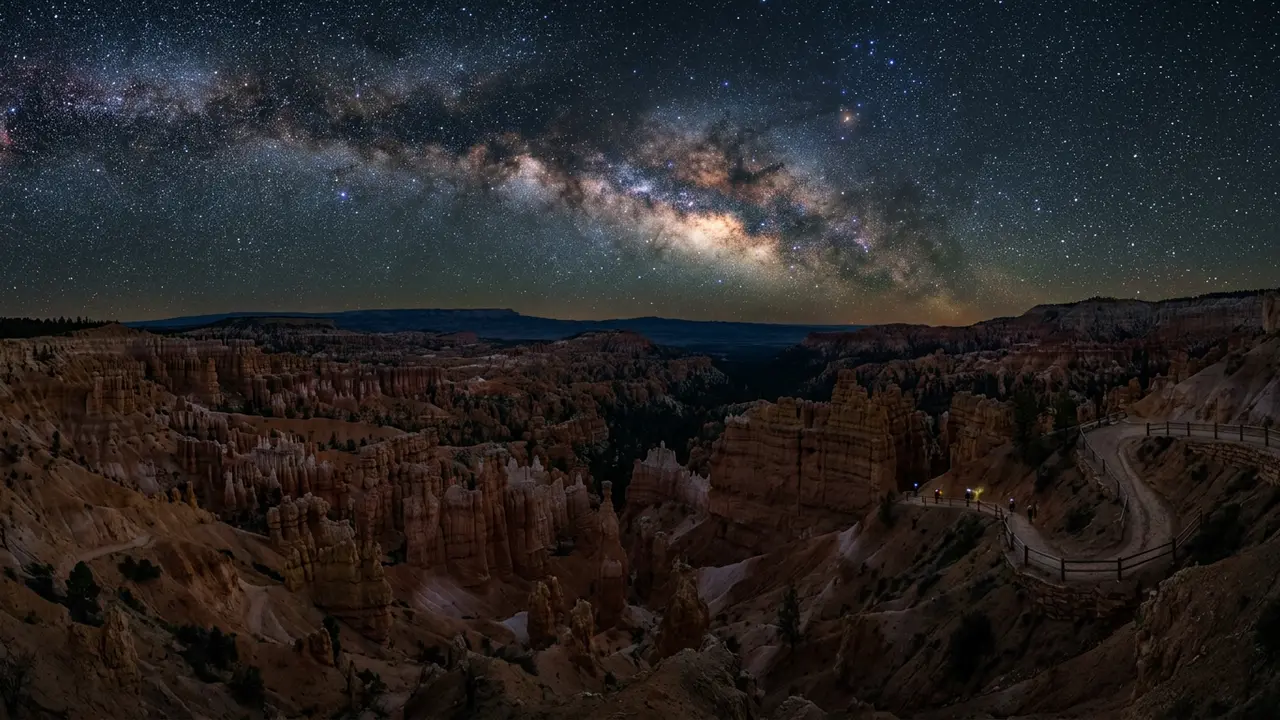
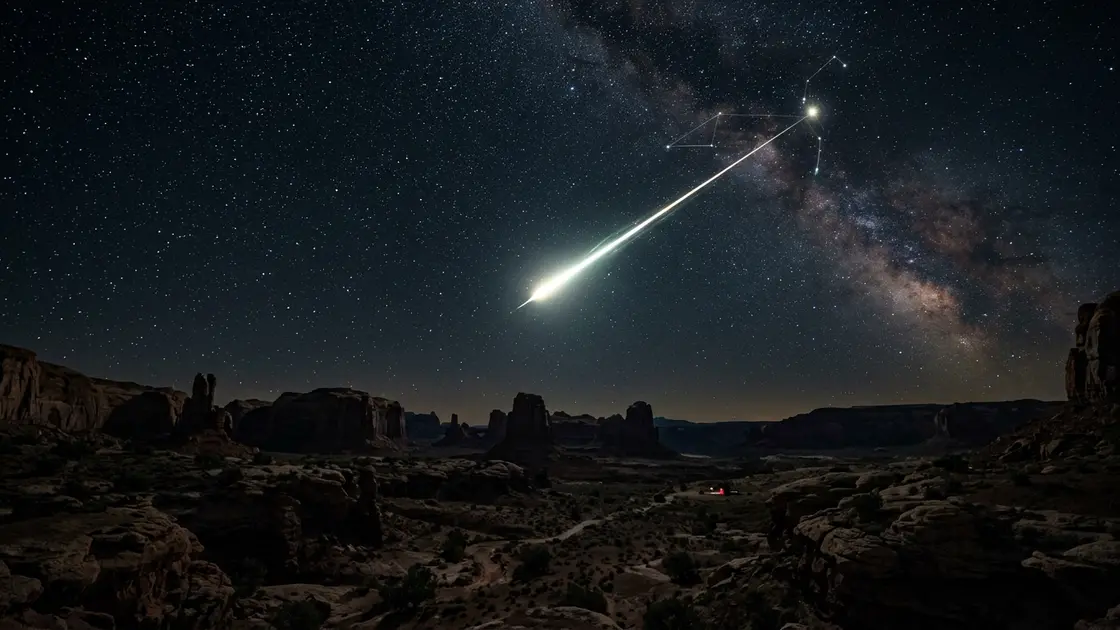
- Bryce Canyon — Gold Tier certified since 2019, with the radiant riding well clear of the hoodoo amphitheater's horizon by midnight; November nights run cold and clear, though a passing winter storm system is the real wildcard on any specific date.
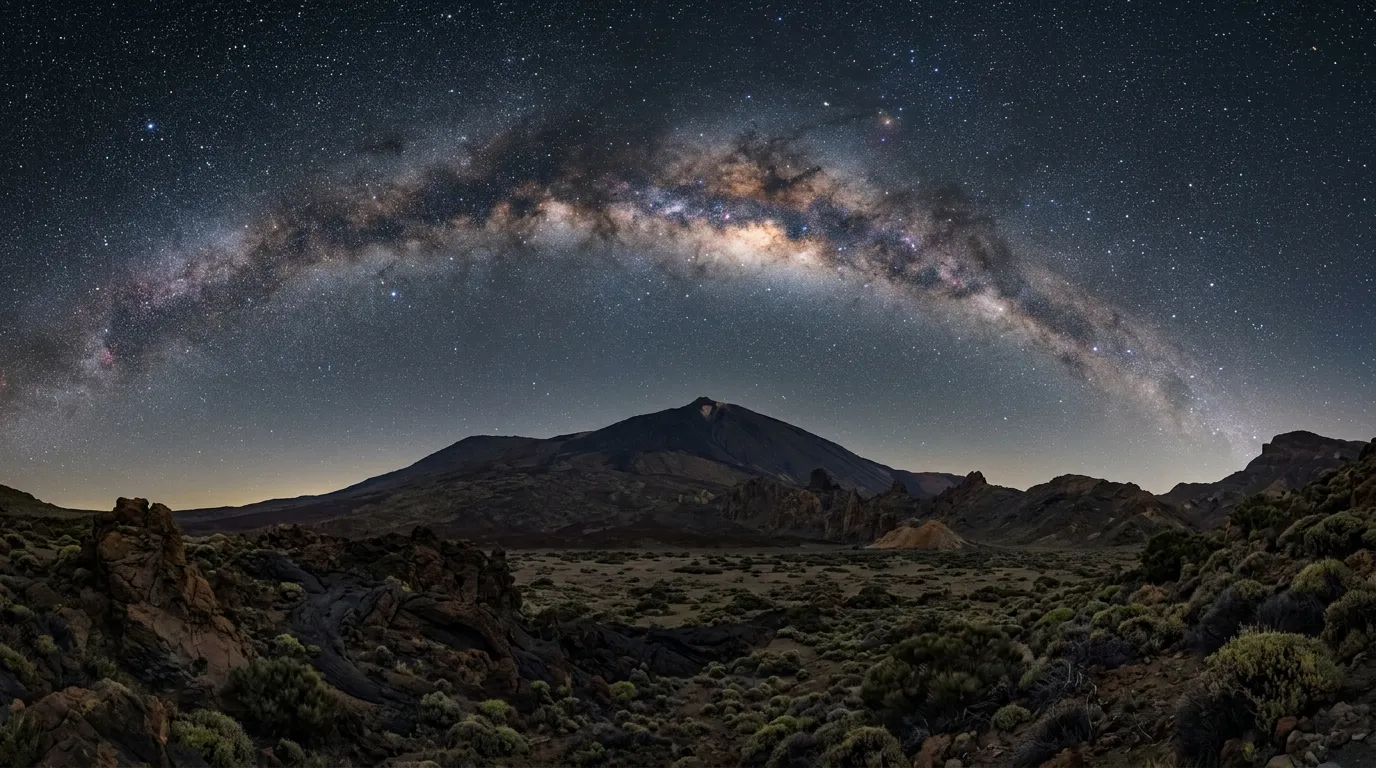
- Tenerife — Bortle-2 skies above Teide's cloud-inversion layer, with mild November temperatures that make a midnight-to-dawn vigil far more comfortable than shivering through it at altitude elsewhere.
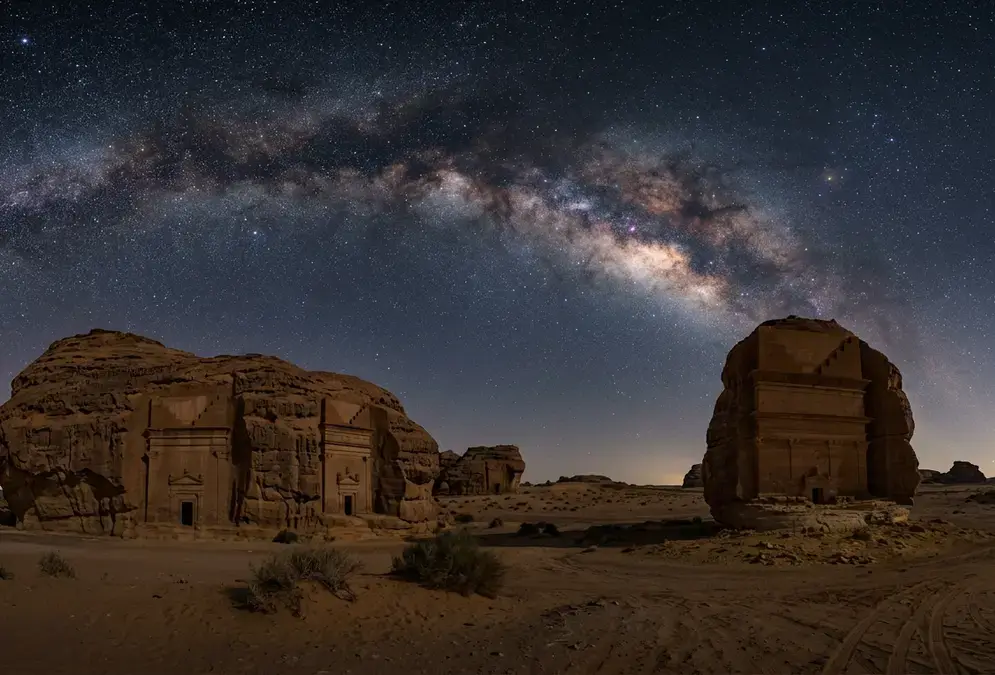
- AlUla — the Gulf's first DarkSky-accredited Dark Sky Park, cool desert nights in November instead of summer's heat, and skies described as clear on most nights of the year.
Pick based on where you can actually get to before November 17, then let the moonless peak window do the rest.
Where the Leonids come from
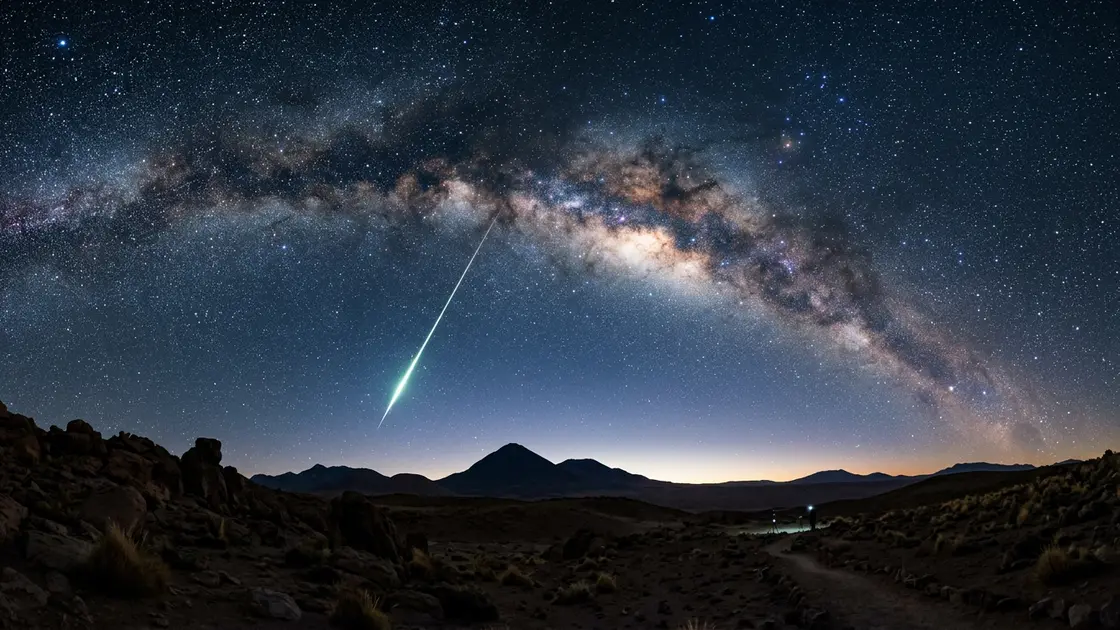
Every Leonid meteor is a grain of debris shed by comet Tempel-Tuttle on one of its past trips through the inner solar system, burning up as Earth crosses that trail every November. The radiant sits in the constellation Leo, which is how the shower got its name, and meteors appear to stream outward from that point as the night goes on. Leonids are notably fast, among the quickest meteors of any annual shower, and that speed is a big part of why they produce bright, often fireball-class meteors rather than faint streaks.
Watching them takes no equipment: naked eye, a wide unobstructed view of the sky, and enough distance from artificial light to actually see the fainter ones. Give your eyes 20 to 30 minutes to adapt to the dark before you start counting. For general meteor-watching technique and the full-year shower calendar beyond just the Leonids, see the meteor showers guide.