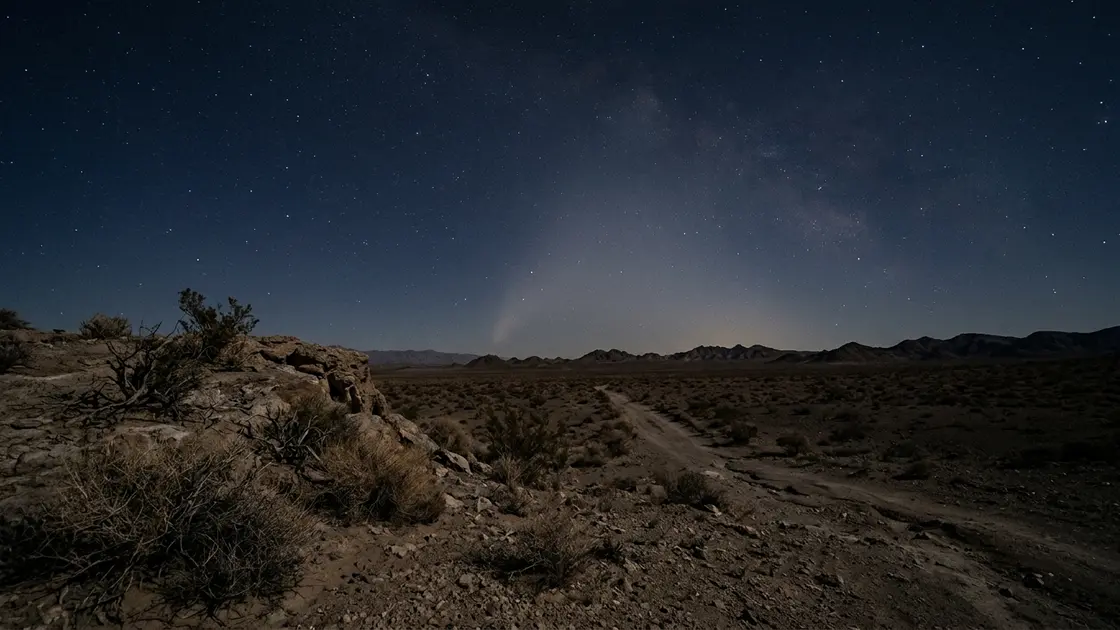
If you have ever stood in a genuinely dark desert an hour after sunset and wondered why a pale, tilted pyramid of light is still rising from the western horizon, you were looking at the zodiacal light. It is sunlight scattering off a vast pancake of interplanetary dust shed by comets and asteroids along the plane of the solar system. Unlike the Milky Way, it has no stars or dark lanes, just a soft, silvery wedge that tracks the ecliptic and fades out well before zenith.
When to see it: why spring and autumn win
The dust cloud sits in the solar system year-round, so the seasonal clock is purely about geometry. At mid-latitudes, the ecliptic leans steeply against the horizon twice a year and lies flat the rest of the time. When it lies flat, horizon haze and distant city glow swallow the cone before you ever see it. When it stands nearly vertical, the brightest part of the wedge lifts cleanly into dark sky.
| Hemisphere | Evening window (west, "false dusk") | Pre-dawn window (east, "false dawn") |
|---|---|---|
| Northern Hemisphere | Late February – April (after evening twilight) | September – November (before morning twilight) |
| Southern Hemisphere | September – November (after evening twilight) | Late February – April (before morning twilight) |
| Tropics (within ~23° of equator) | Year-round, steep ecliptic most months | Year-round, steep ecliptic most months |
Target the 60 to 90 minutes right after astronomical twilight ends in the evening, or the same window right before astronomical twilight begins in the morning. That is why older skywatchers called it false dusk and false dawn.
The non-negotiable conditions: Bortle 1–2 and zero Moon
Most people never see the zodiacal light for one simple reason: it is roughly as faint as the dimmer stretches of the Milky Way, and it sits low where light pollution is worst. A town 80 km away on the western or eastern horizon will erase it completely.
- Sky quality: Aim for Bortle 1 or Bortle 2 skies (Bortle 3 is the outer edge, and only with a clean horizon in the target direction).
- Moon phase: Book within ±4 days of New Moon. Even a thin waxing crescent in the western evening sky will wash out the spring cone.
- Eye adaptation: Give yourself 20 to 30 minutes away from phones, car dashboards, and campfires so your dark adaptation is complete.
- Gear: Leave the telescope packed. The zodiacal light spans 30 to 50 degrees of sky, so naked eyes beat every optic; for photos, a wide-angle lens (14 mm to 24 mm) on a tripod captures it easily.
If you are checking how dark a site really is before booking, our Bortle scale guide breaks down what Bortle 1 and 2 look like in practice, and the best dark-sky parks in the world roundup lists certified reserves with clean horizons.
Best destinations for zodiacal light
Dry, high-altitude deserts with zero horizon glow are the gold standard. In the darkest deserts, the zodiacal light is bright enough to fool first-timers into thinking sunrise is starting an hour early, and on exceptional nights you can even hunt the gegenschein, a faint oval glow directly opposite the Sun.
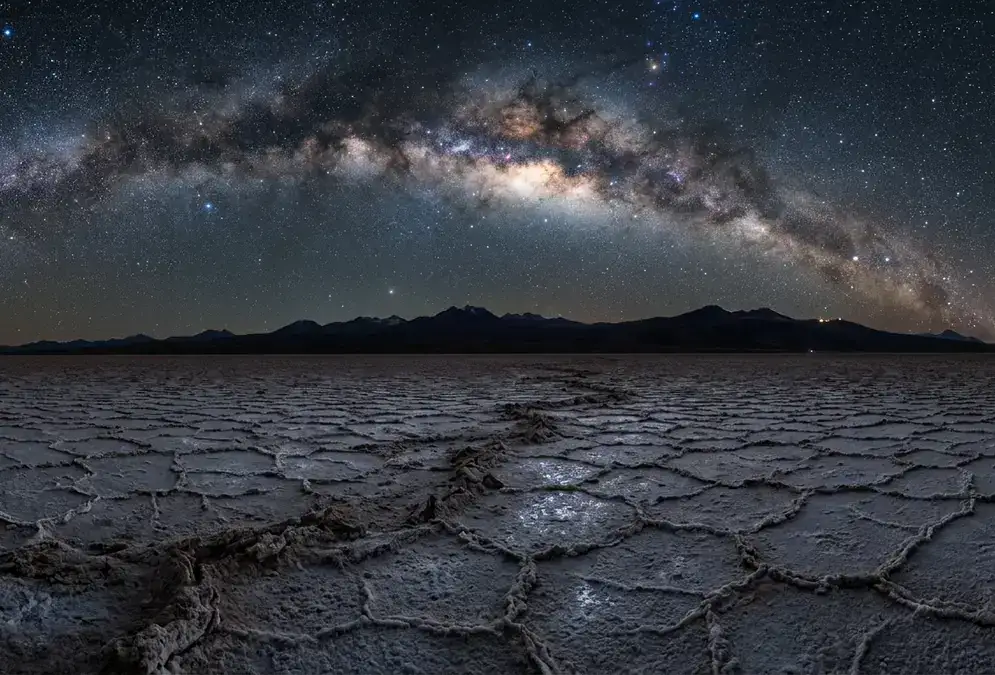
- Atacama Desert, Chile: At 23° south latitude with dry altiplano air, the ecliptic stands steep and the western and eastern horizons stay bone-dry.
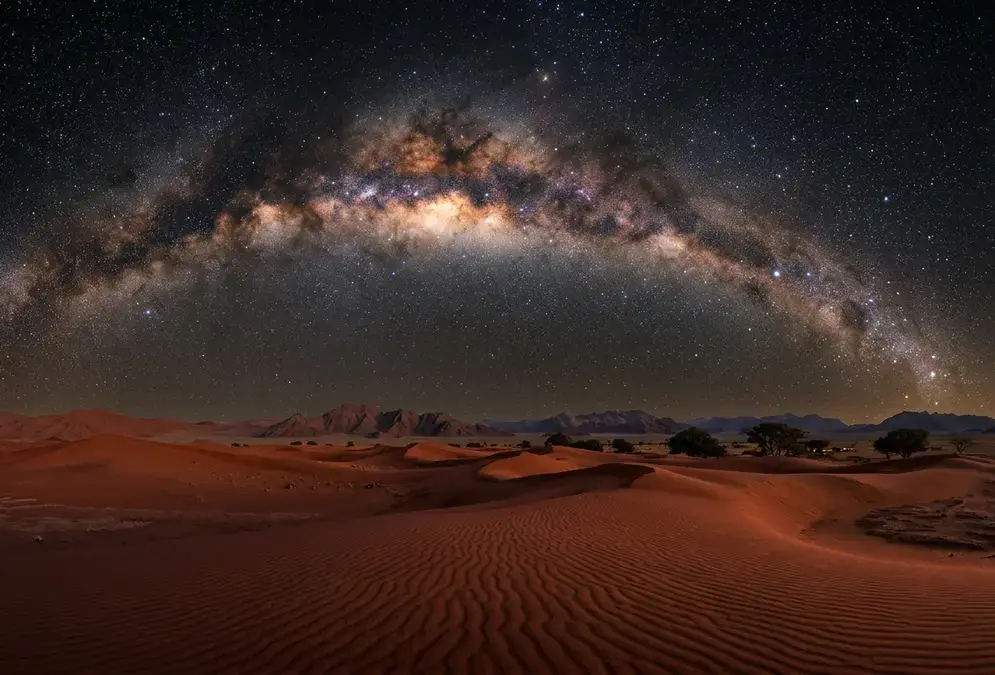
- NamibRand Nature Reserve, Namibia: Bortle 1 skies with virtually zero horizon-to-horizon light dome, making both the evening and pre-dawn cones unmistakable.
- La Palma, Canary Islands: High above the Atlantic marine layer at 28° north, where the steep subtropical ecliptic lifts the cone clear of low haze.
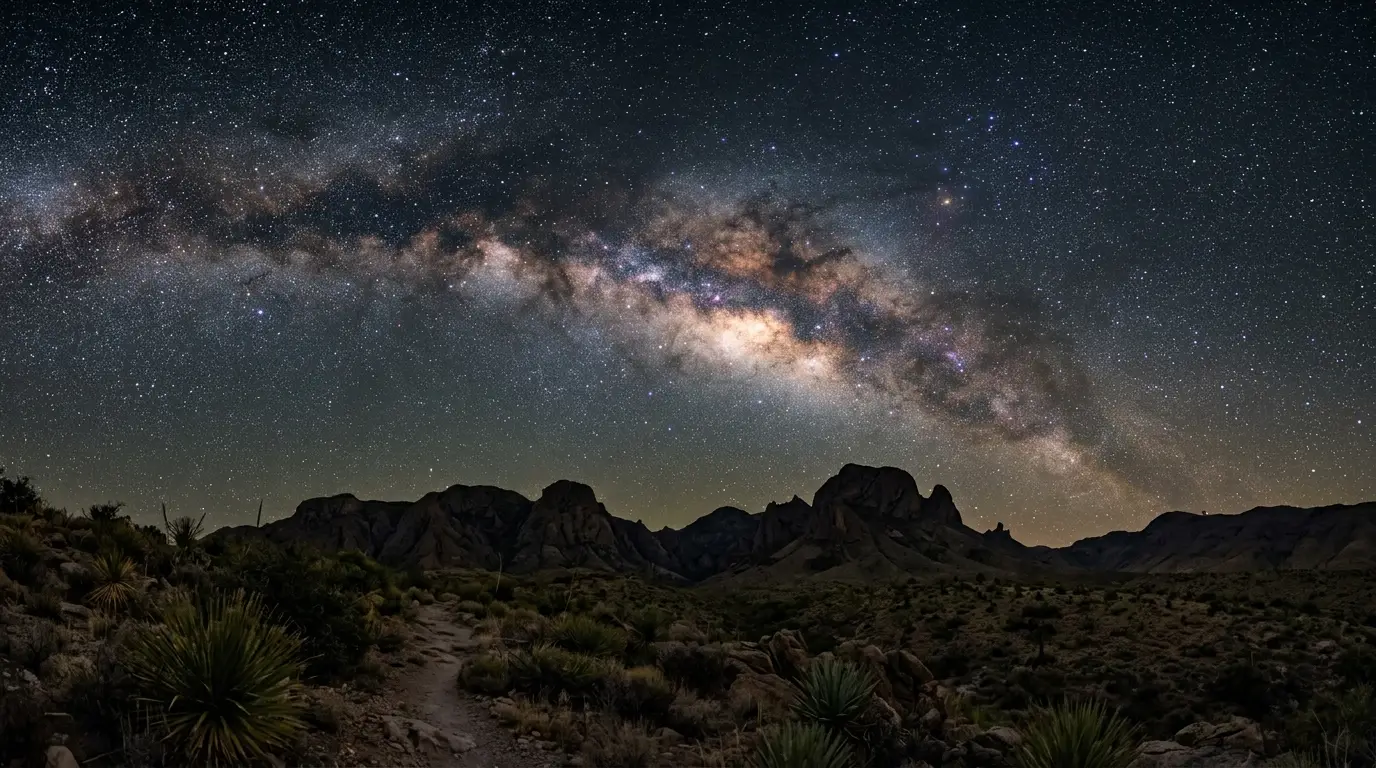
- Big Bend, Texas: One of the darkest accessible horizons in the contiguous United States for North American spring evening or autumn pre-dawn sessions.
I treat the zodiacal light as the real honesty test for a dark-sky trip. Anyone can claim a lodge has dark skies; if you can trace that pale dust pyramid climbing thirty degrees off the horizon after twilight, the sky actually earned its Bortle rating.