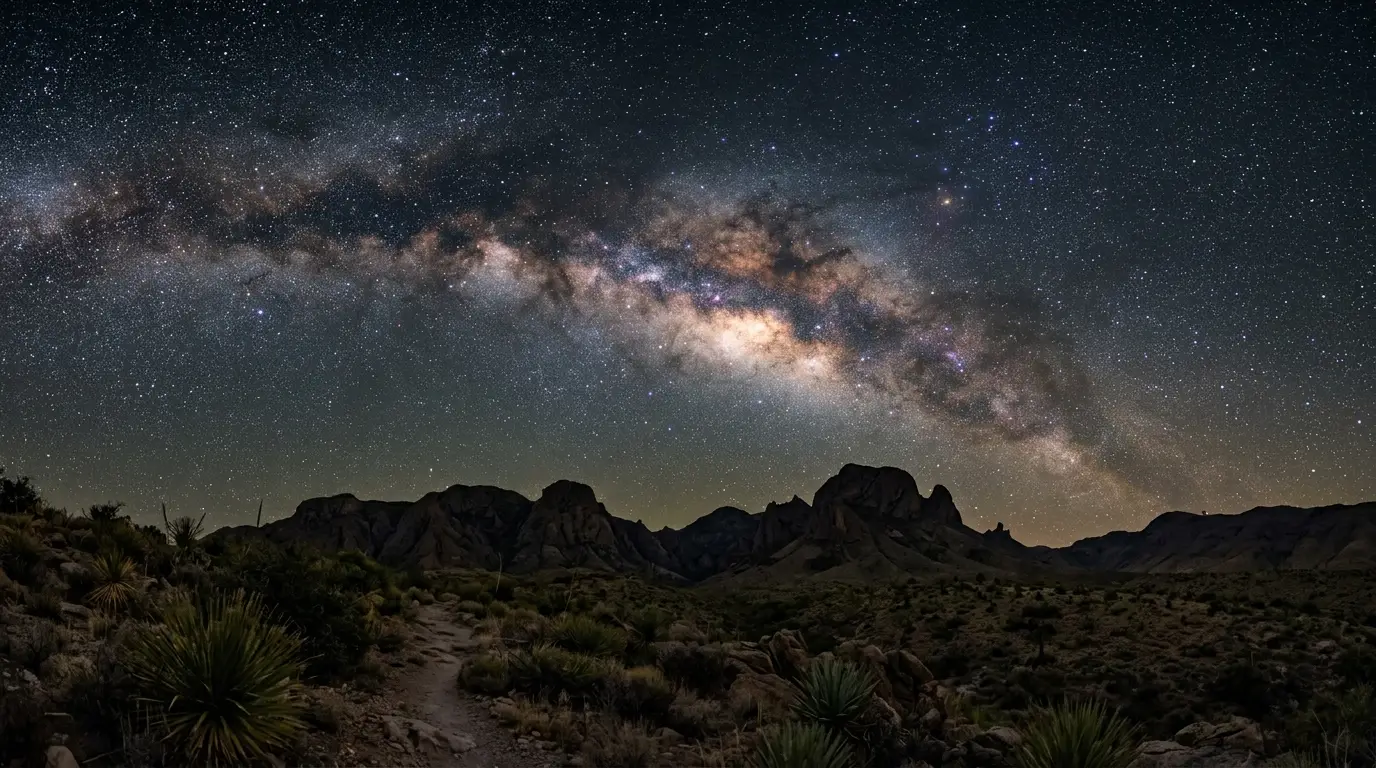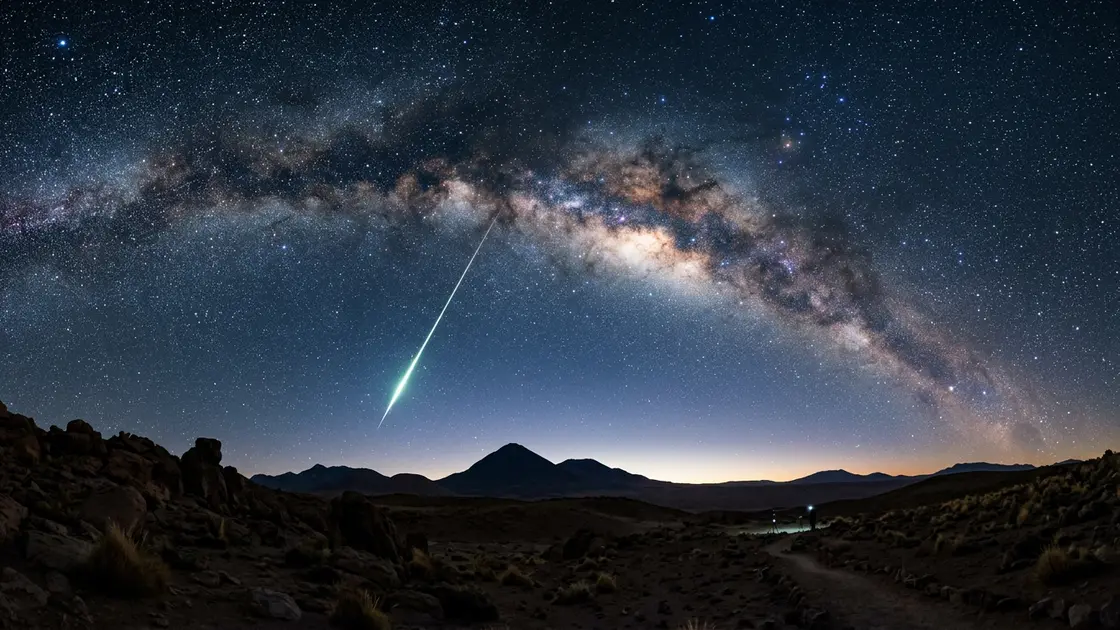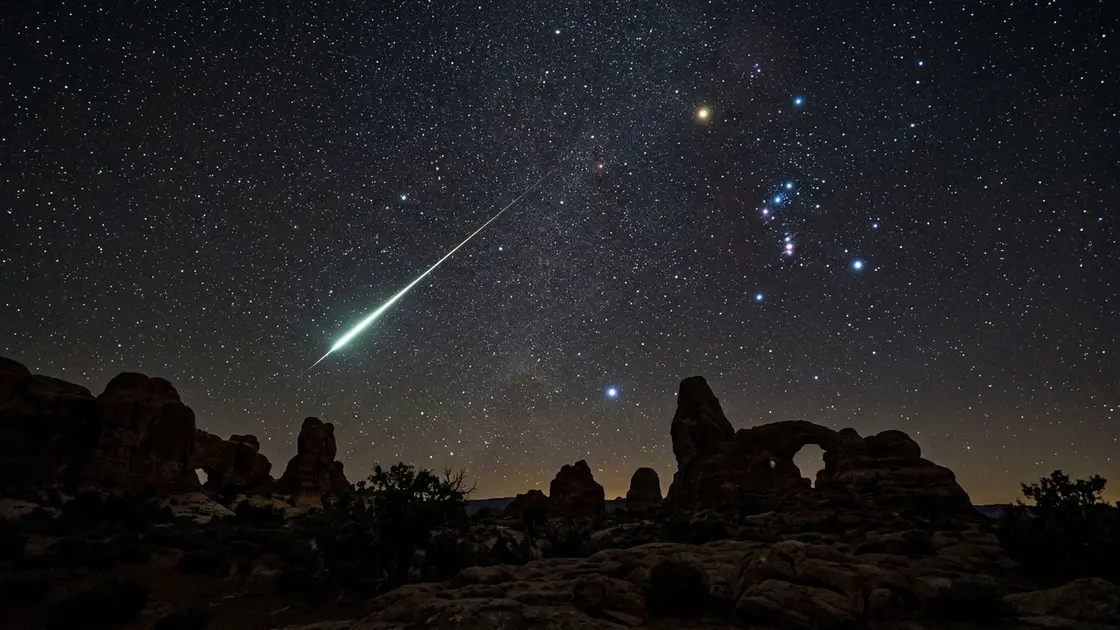
The Orionid meteor shower is a modest but reliable October show, best known for one thing the Perseids and Geminids can't claim: its meteors are debris from Halley's Comet, the most famous object in the solar system. The 2026 peak falls on the night of October 21–22, though one forecast pins the exact maximum at 6:54 UTC on October 23, so the real watching window covers both nights. Under a genuinely dark sky the zenithal hourly rate (ZHR) tops out around 20 meteors an hour, a fraction of what the Geminids or Perseids deliver, but Orionids move fast and often flare bright, a direct result of the high-velocity debris stream they're cut from. The one complication this year is the moon: a waxing gibbous, 80% full, sits in the sky after midnight through the peak nights, ahead of the full moon on October 26. It sets a few hours before dawn, though, which leaves a genuinely dark pre-dawn window for anyone willing to wait it out.
Peak nights: October 21–22, 2026
Sources differ by a day on the exact maximum, which is normal for a shower with a broad, flat peak rather than one sharp spike. October 21–22 is the night most calendars agree on, while one prediction sets the precise maximum at 6:54 UTC on October 23, a full night later. Treat it as a two-night event: watch after midnight on both October 21 and October 22, rather than gambling on a single hour.
The moon works against you early and for you later. A waxing gibbous, 80% illuminated, is up and bright through the small hours, but it sets a few hours before dawn, and that gap between moonset and the start of twilight is where the Orionids are actually worth watching this year. Set an alarm for the pre-dawn hours rather than staying out at midnight.
Best places to watch the 2026 Orionids
The Orionids don't play favorites between hemispheres. Their radiant sits in the constellation Orion, close enough to the celestial equator that observers south of the equator see roughly the same rates as observers north of it, a genuine rarity among annual showers. That means the destinations worth naming here win on sky darkness and October weather, not on any latitude advantage.
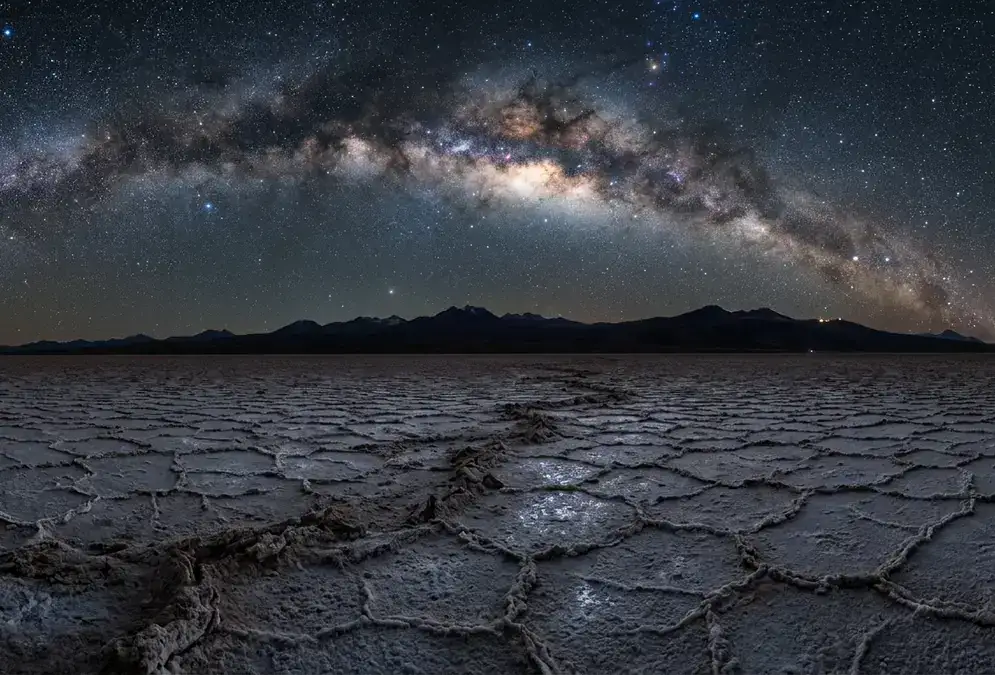
- Atacama Desert — around 300 clear nights a year and some of the lowest light pollution anywhere, odds that make a two-night peak window low-risk to plan around.
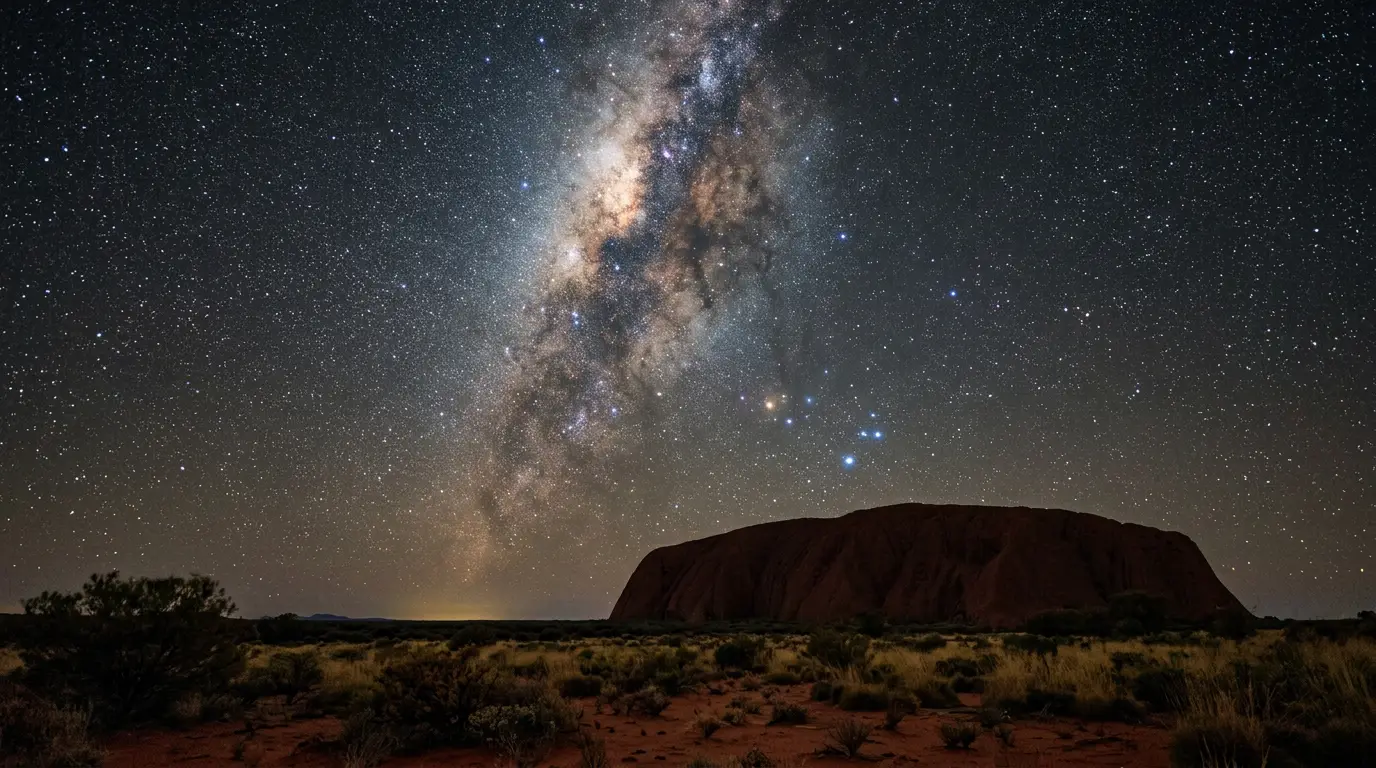
- Uluru — no formal dark-sky certification, but the nearest sizeable town sits roughly 470 km away, and Orion climbs well clear of the horizon right as the pre-dawn window opens.
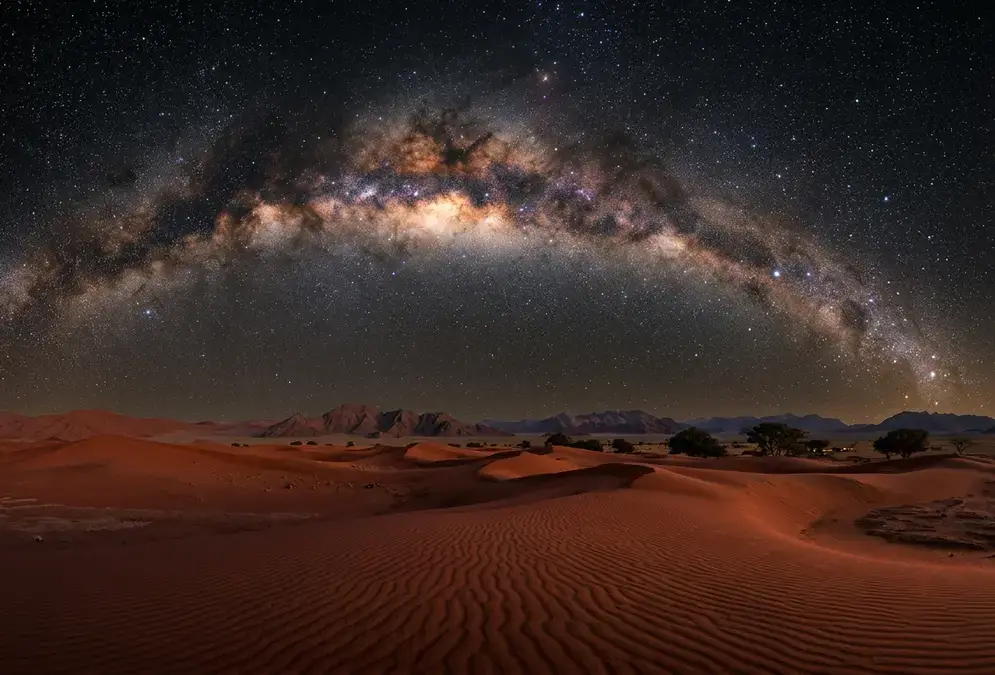
- NamibRand Nature Reserve — Africa's first International Dark Sky Reserve, and by some measurements the darkest sky yet recorded on Earth.
Any of the three works. Pick based on where you can actually get to before October 21.
Where the Orionids come from
Every Orionid meteor is a grain of dust shed by Halley's Comet, officially 1P/Halley, on one of its past swings through the inner solar system. Halley is the rare comet that seeds two separate showers: Earth crosses its debris trail twice a year, once in October for the Orionids and again in May for the Eta Aquarids, since the comet's orbit crosses Earth's own path at two points. Orionids run fast, among the quicker meteor streams on the calendar, and that speed is part of why they're known for brightness as well as motion.
None of that changes how to watch: naked eye, wide field of view, well clear of any town glow, and patience through the pre-dawn hours after moonset. For the full-year calendar and general viewing technique, see the meteor showers guide.