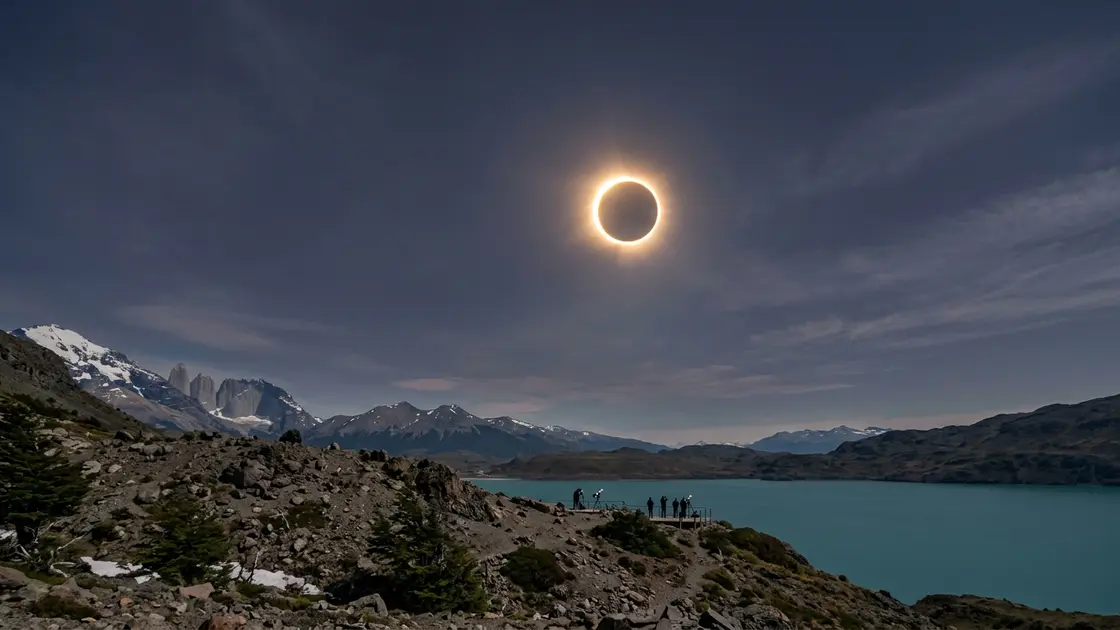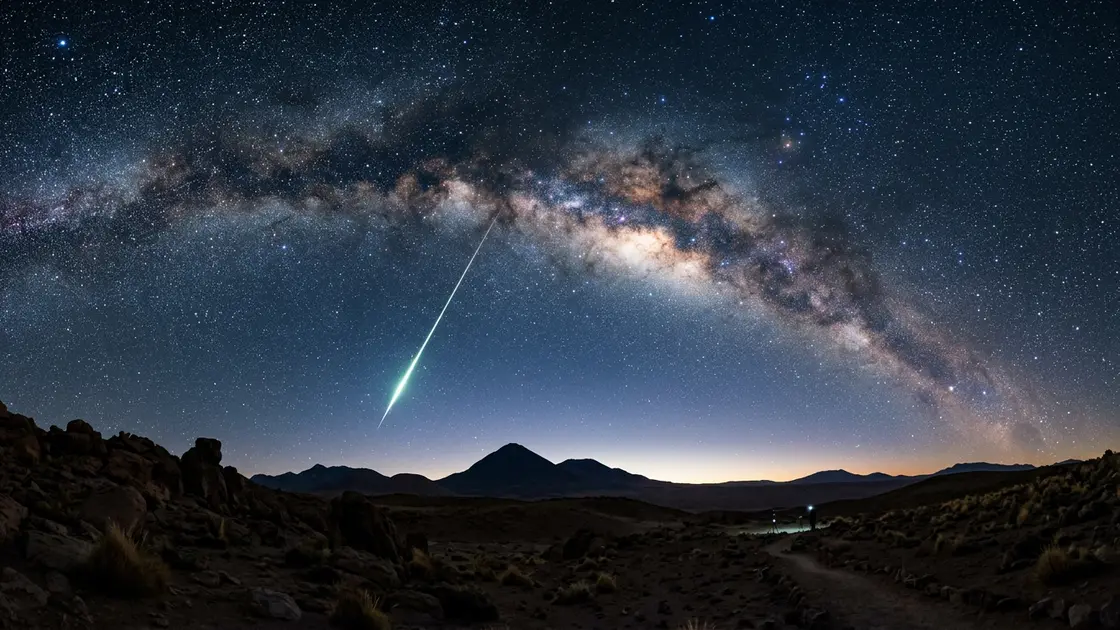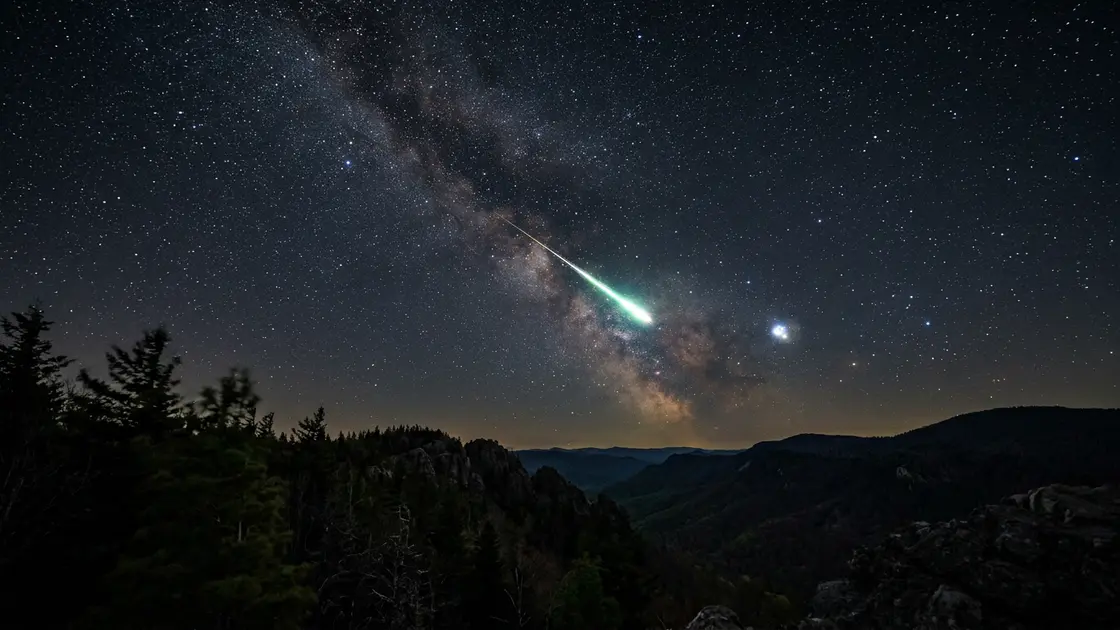
The Lyrid meteor shower is the oldest one on the calendar, watched from the same patch of sky for 2,700 years, and its 2027 peak comes with a catch worth planning around before you set an alarm. The predicted maximum lands at 01:11 UTC on April 23, with the full viewing window running after midnight through dawn on both April 22 and April 23. Under a genuinely dark sky the zenithal hourly rate (ZHR) is 18, a modest, medium-strength number next to the Geminids or Perseids, but Lyrids make up for volume with quality: bright, colorful meteors, and occasional fireballs. The complication is a waning gibbous moon, roughly two days past full, sitting in the sky for most of the peak night and washing out everything but the brightest streaks.
Peak night: April 22–23, 2027
The radiant sits near Vega, the bright star anchoring the constellation Lyra the Harp, and it climbs high in the northern sky well before dawn, which is exactly when the shower performs best. Watch after midnight on both the 22nd and the 23rd rather than gambling everything on the single predicted-maximum hour; a broad peak like this one rewards two nights of patience over one precisely timed alarm.
Moonlight is the variable that actually decides how good this year's Lyrids look. A full moon falls at 22:27 UTC on April 20, just two days before the peak, so by the 22nd and 23rd it's a bright waning gibbous still well above the horizon for most of the night. Under ideal, moonless conditions observers can expect 10 to 15 Lyrids an hour; in 2027, moonlight will cut that meaningfully, leaving mostly the brighter meteors and fireballs visible. Position yourself so a building, ridge, or tree blocks the moon directly, rather than trying to out-stare it, and give your eyes the full 20–30 minutes to dark-adapt before you start counting.
Best places to watch the 2027 Lyrids
The Lyrids favor the Northern Hemisphere, where the radiant near Vega climbs highest in the pre-dawn sky. That makes this one of the few showers where a northern dark-sky destination has a genuine advantage over the southern desert sites that dominate other months on this site's calendar.
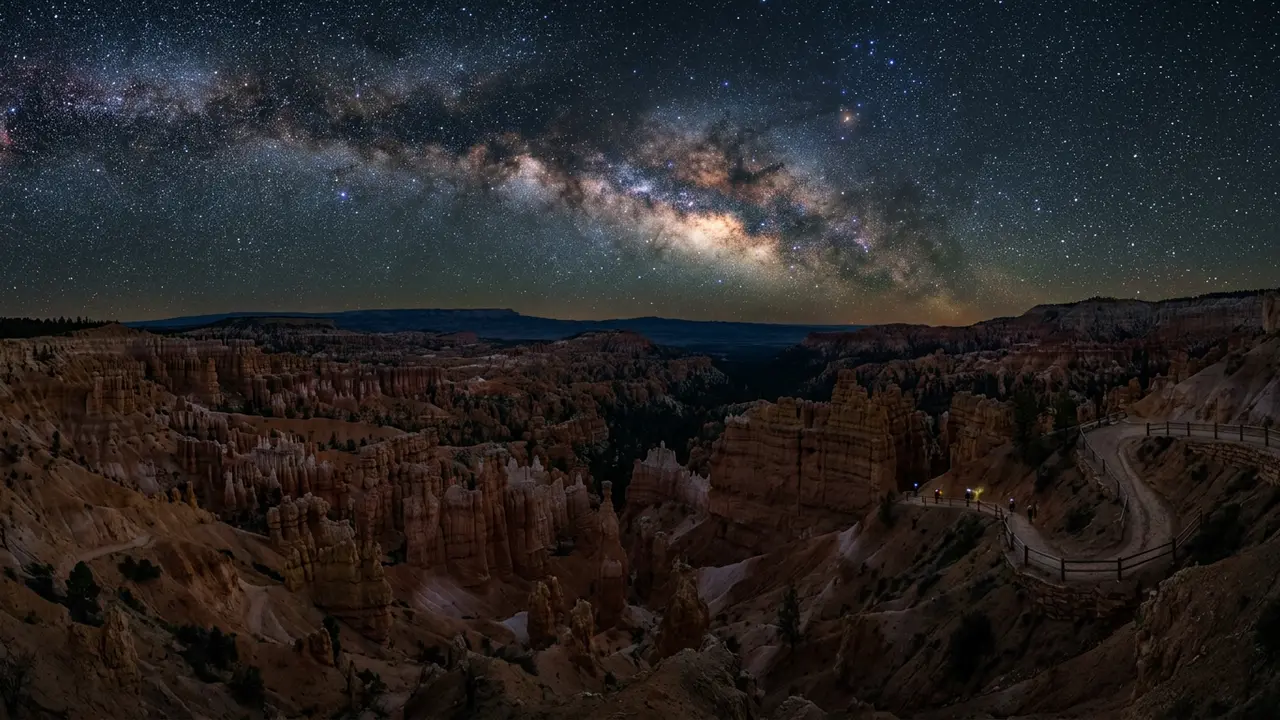
- Bryce Canyon National Park — Gold Tier certified, with the radiant riding high overhead well before dawn; April nights here run cold but reliably clear.
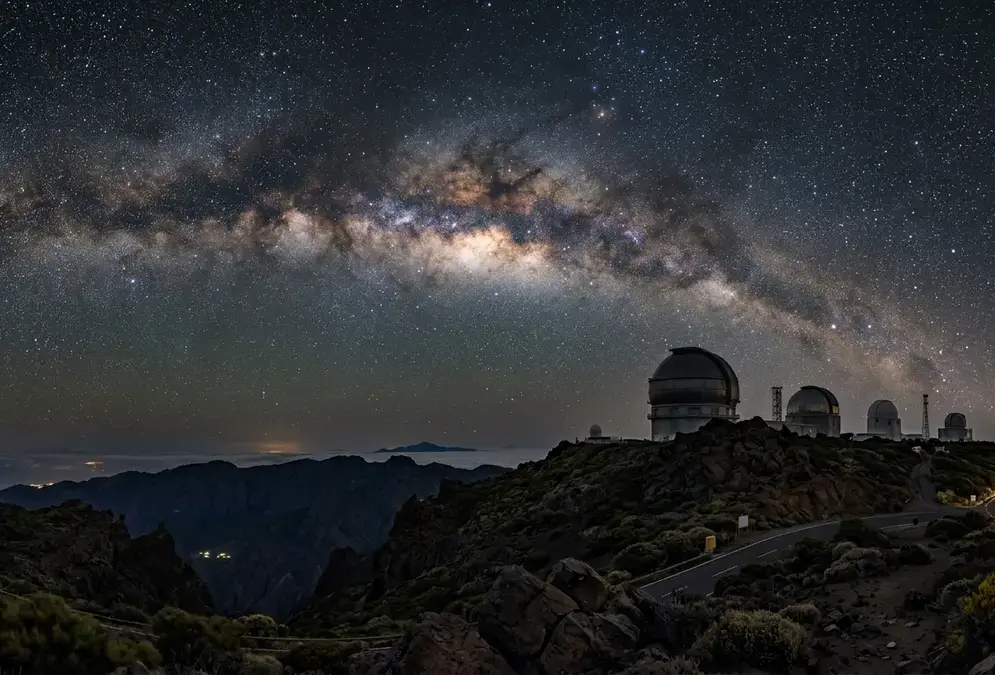
- La Palma — Bortle 1–2 skies above the Roque de los Muchachos, at a latitude that puts Vega well clear of the horizon for the whole pre-dawn window.
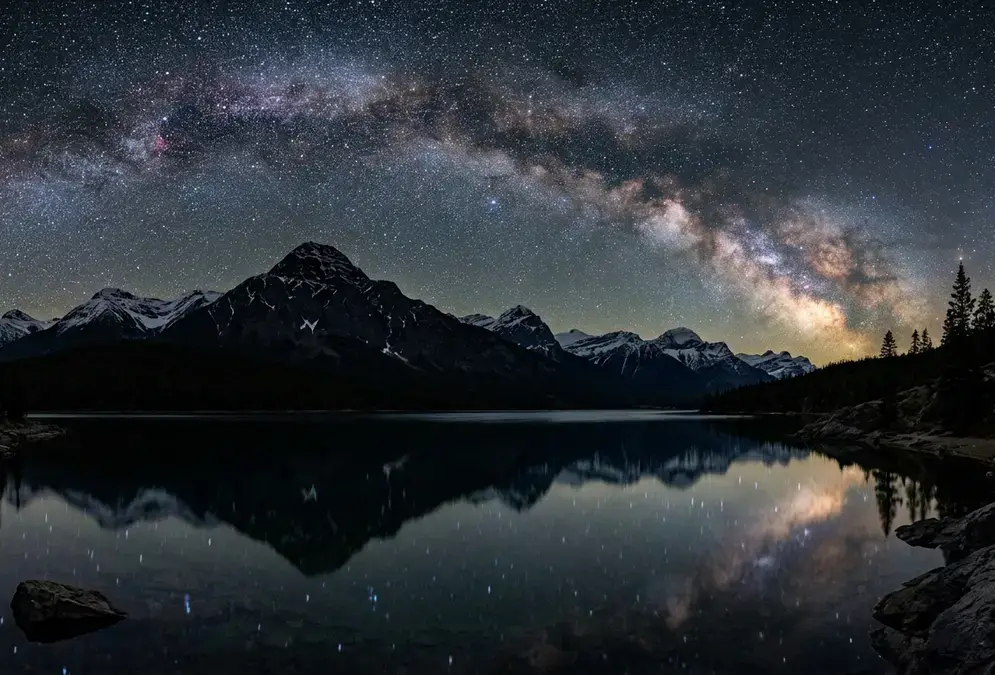
- Jasper National Park — Canada's largest accessible Dark-Sky Preserve, far enough north that the radiant sits high overhead, though spring weather here is the least predictable of the three.
Any of the three works for this shower specifically because of the latitude, not the usual Bortle-scale ranking. Pick based on which one you can actually reach before April 22.
Where the Lyrids come from
Every Lyrid meteor is debris from Comet Thatcher, officially C/1861 G1, discovered by A. E. Thatcher on April 5, 1861. The comet itself won't be back for a long while: it takes roughly 415 years to complete one orbit, and it isn't due to return to the inner solar system until around 2283. That long orbital period is part of why the Lyrids have such deep documented history; observers have logged this shower for millennia without ever needing to see the parent comet itself, since the debris stream stays put in Earth's path regardless of where the comet currently sits.
None of that changes how to watch: naked eye, a wide unobstructed view of the sky, well away from any town glow, and enough patience to wait out the moonlight. For the full-year calendar and general viewing technique that applies here and to every other shower, see the meteor showers guide.