Tours

Guided Stargazing & Telescope Tours

Guided stargazing tours, telescope nights, and observatory visits worldwide, picked for dark skies and clear moon-phase timing rather than marketing claims.

Browse tours by type

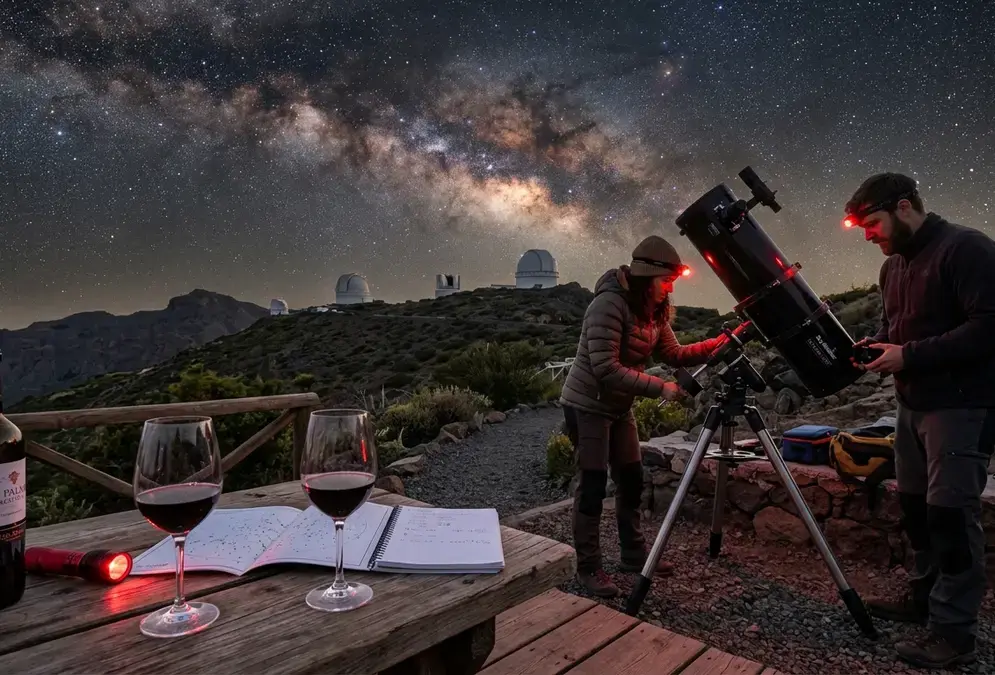
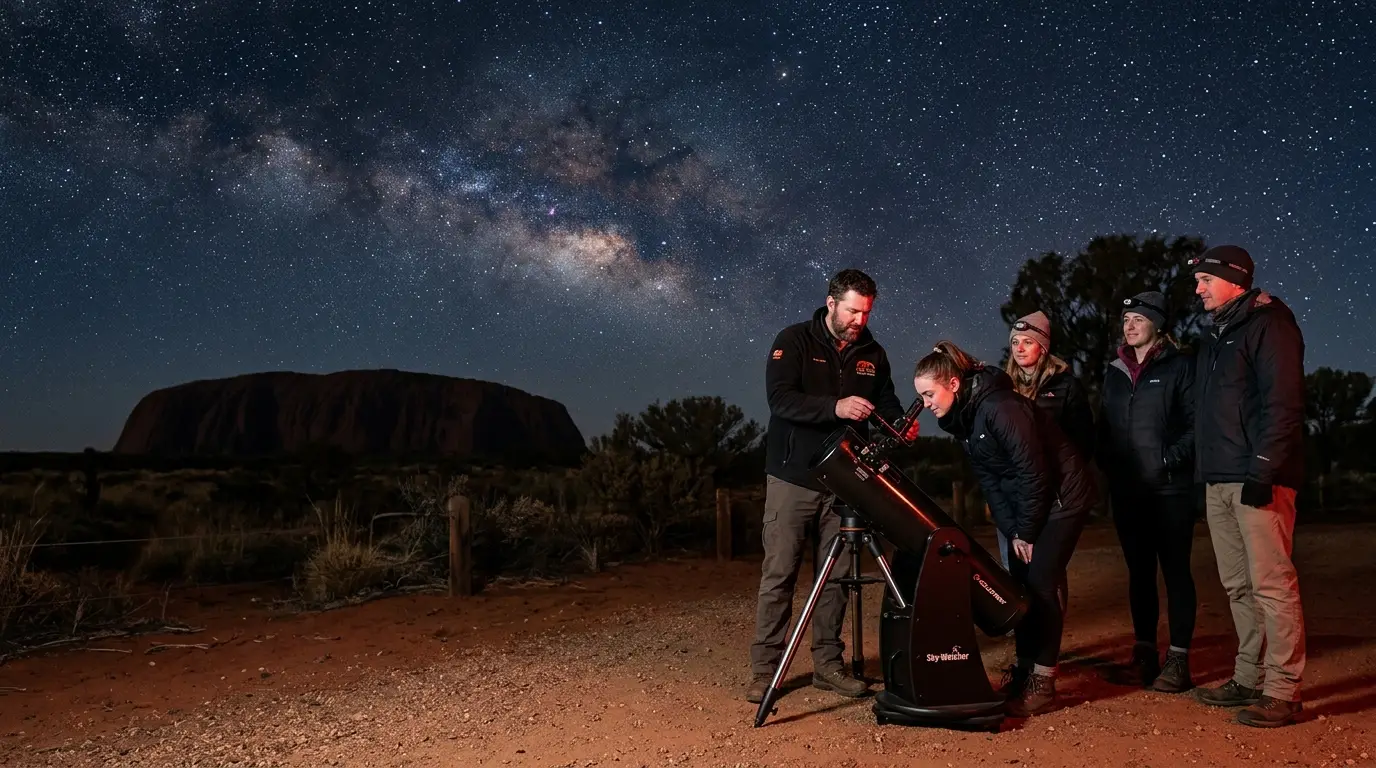
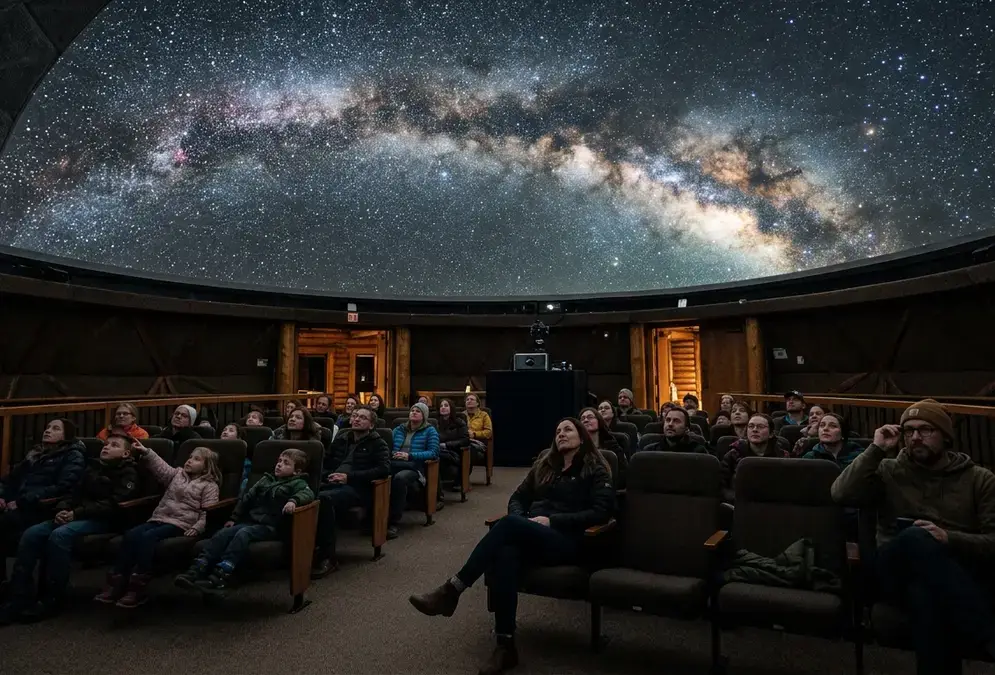
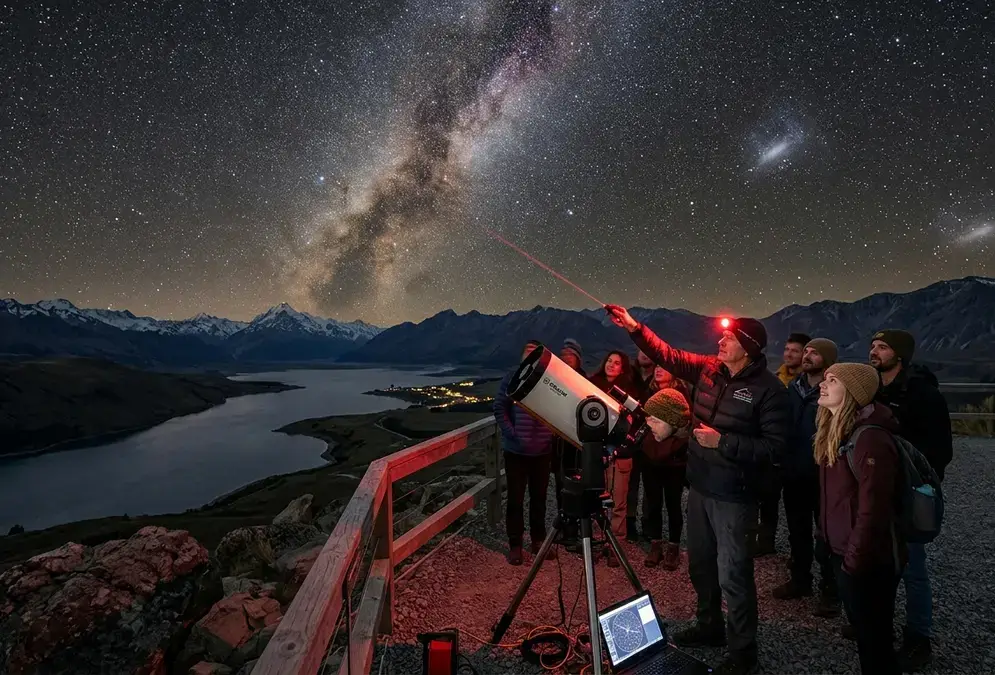
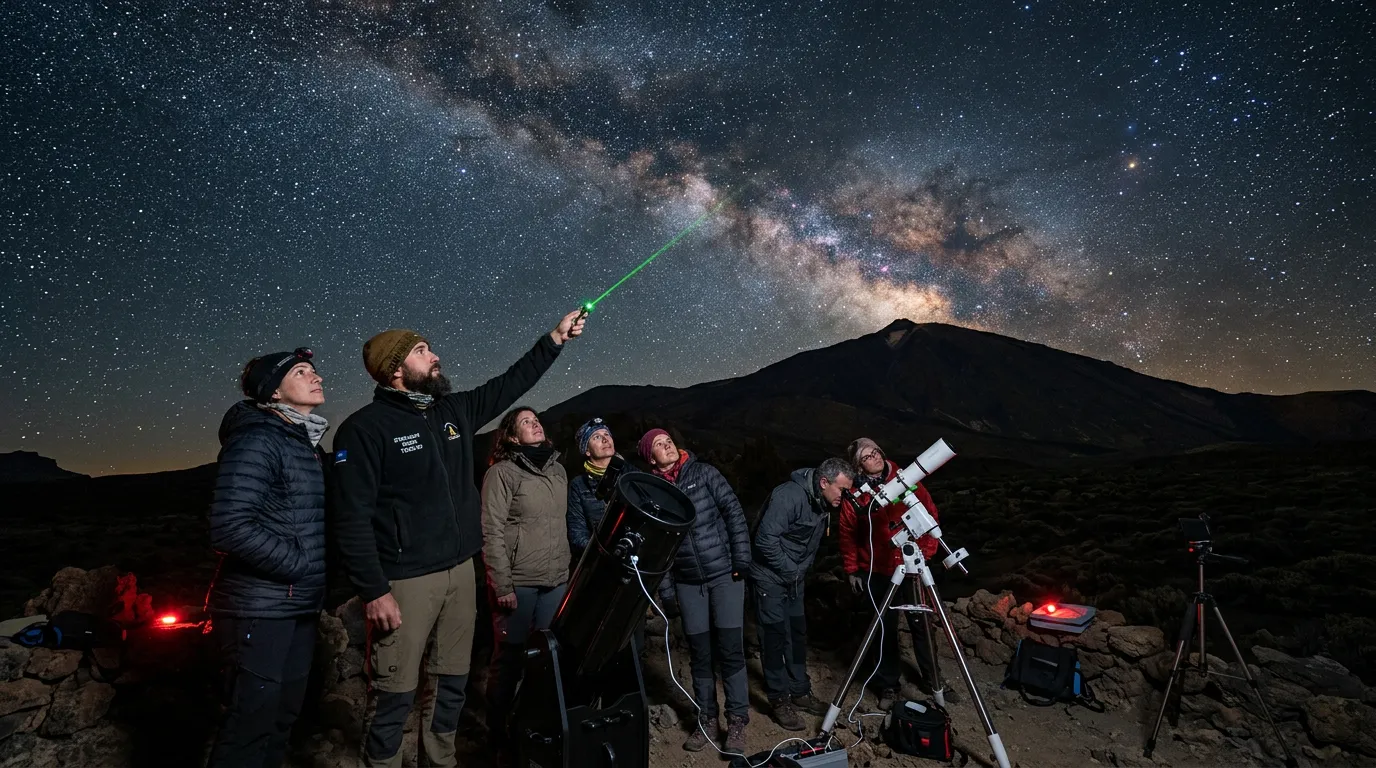
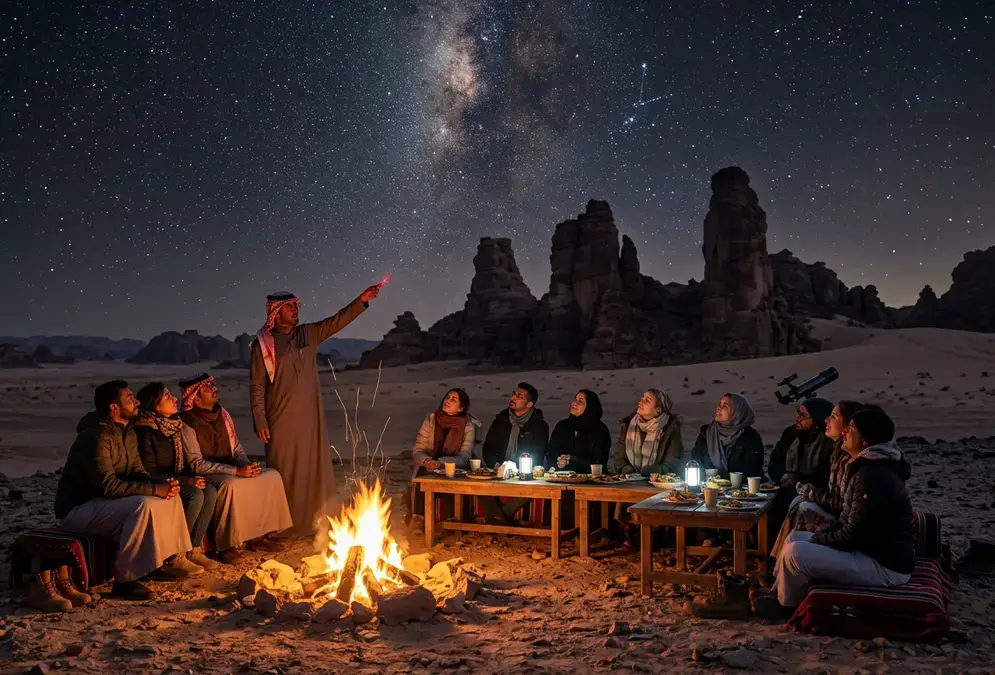
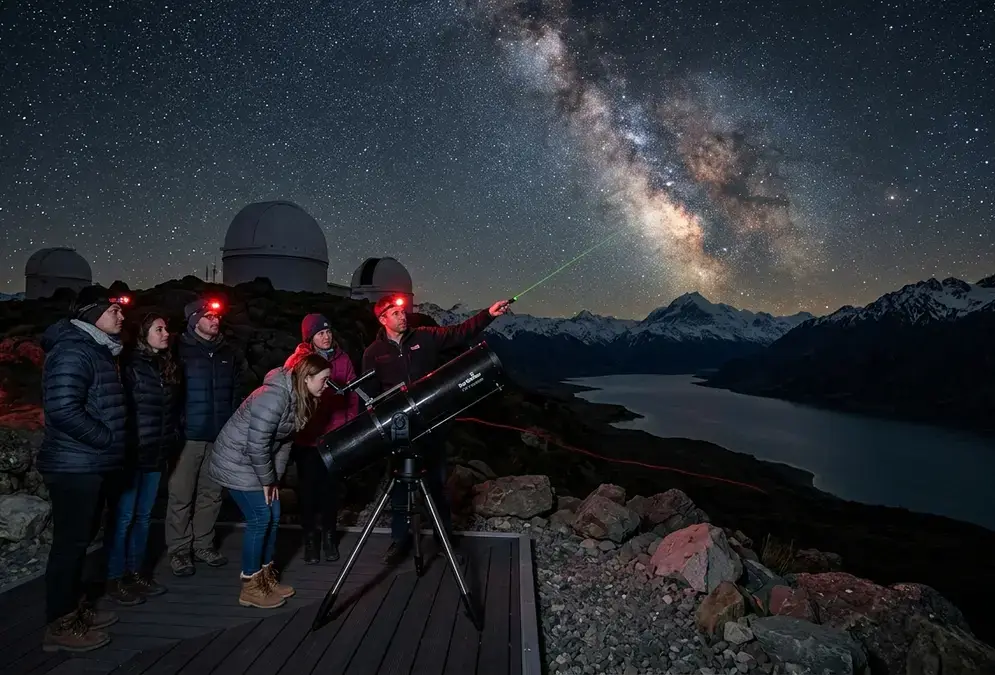
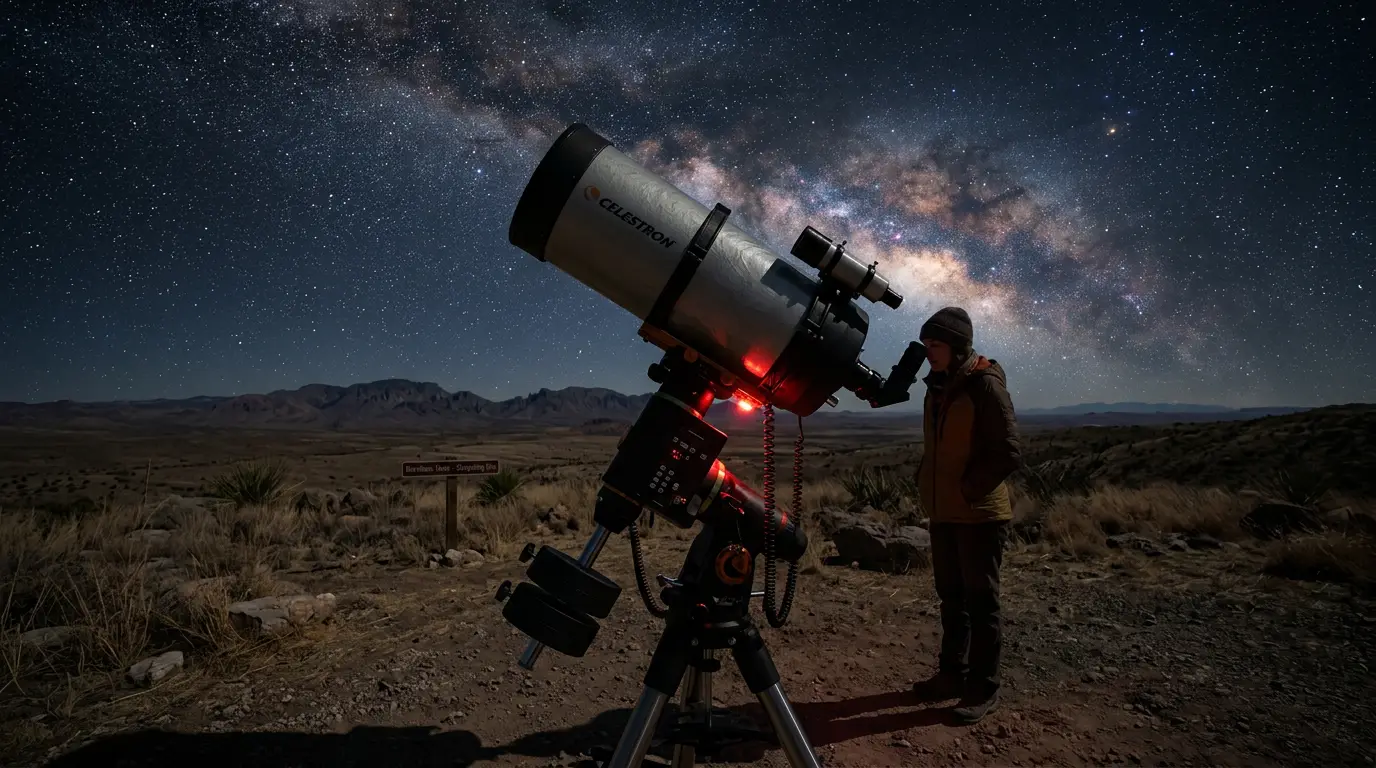
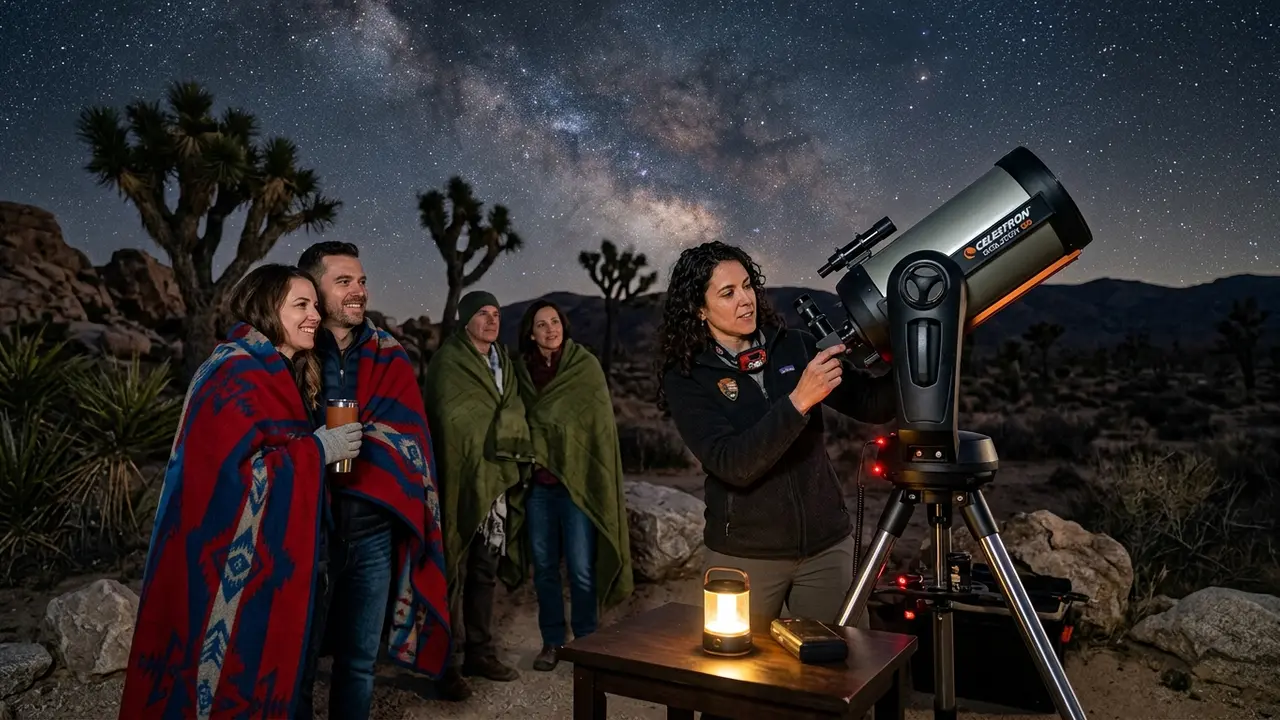
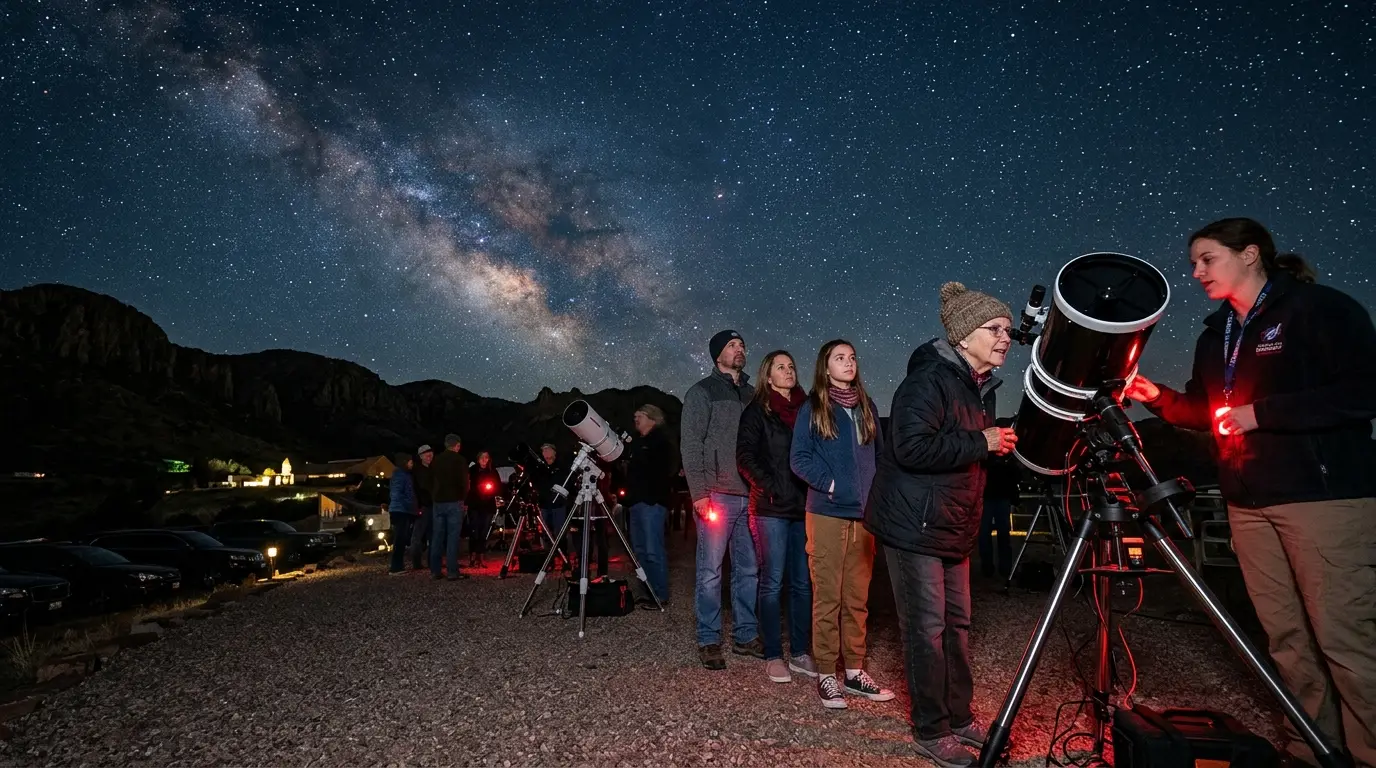
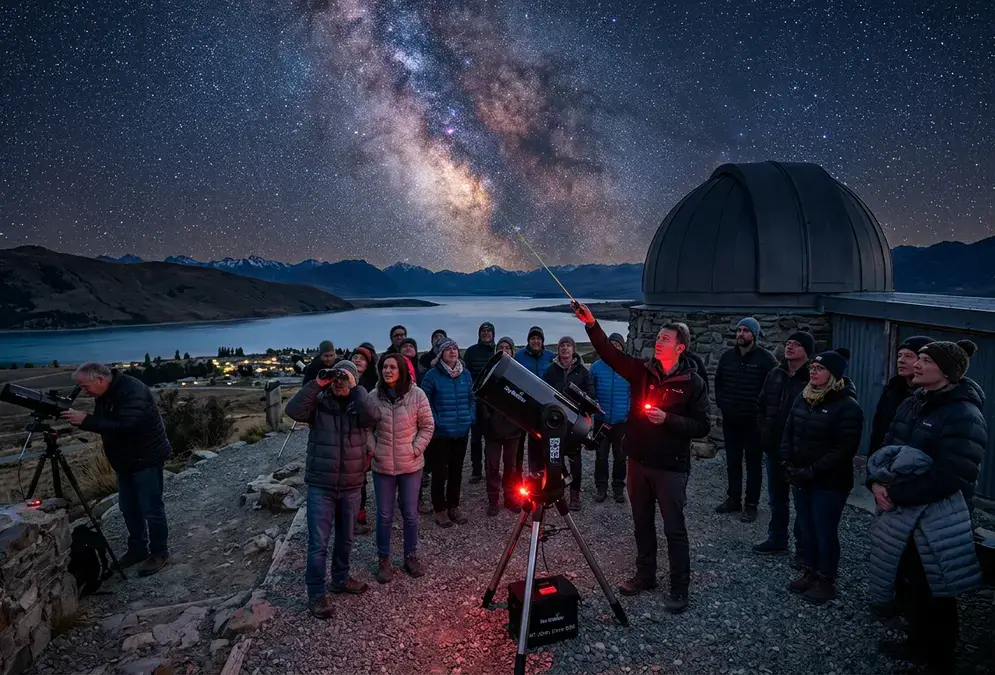
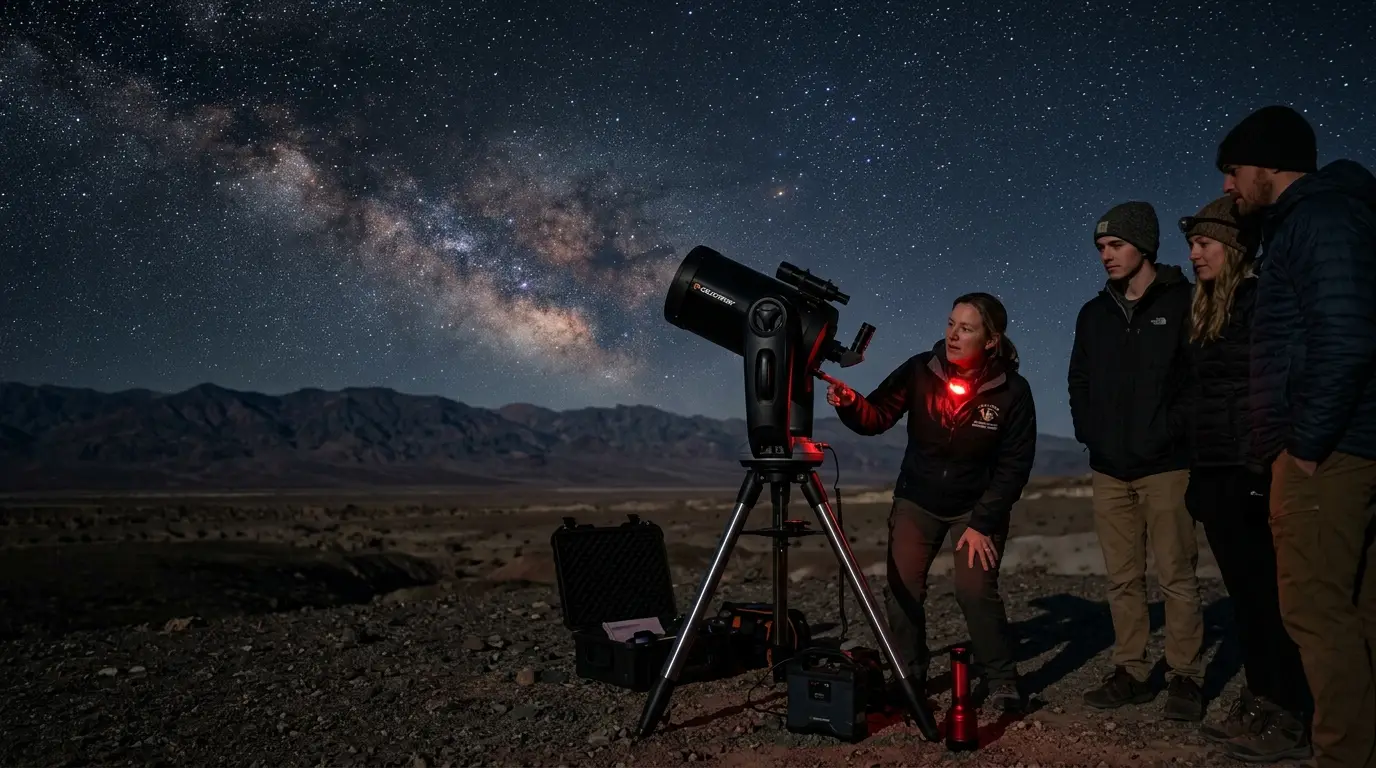
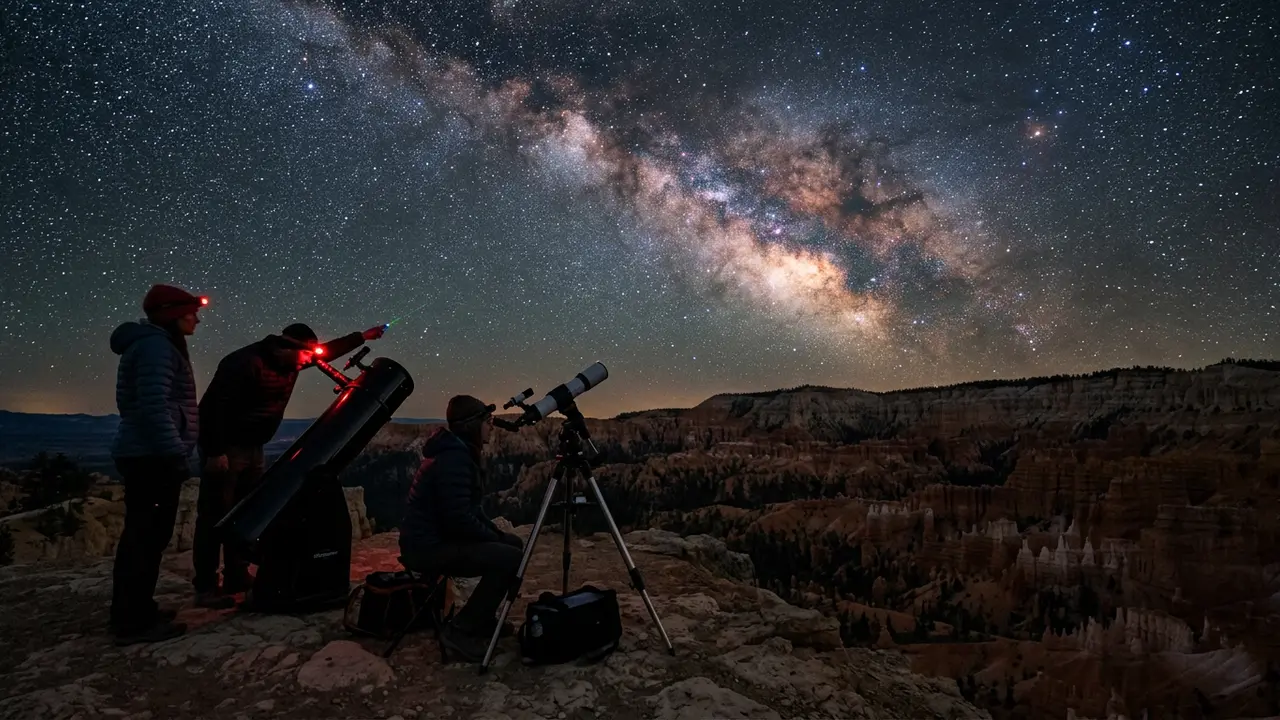
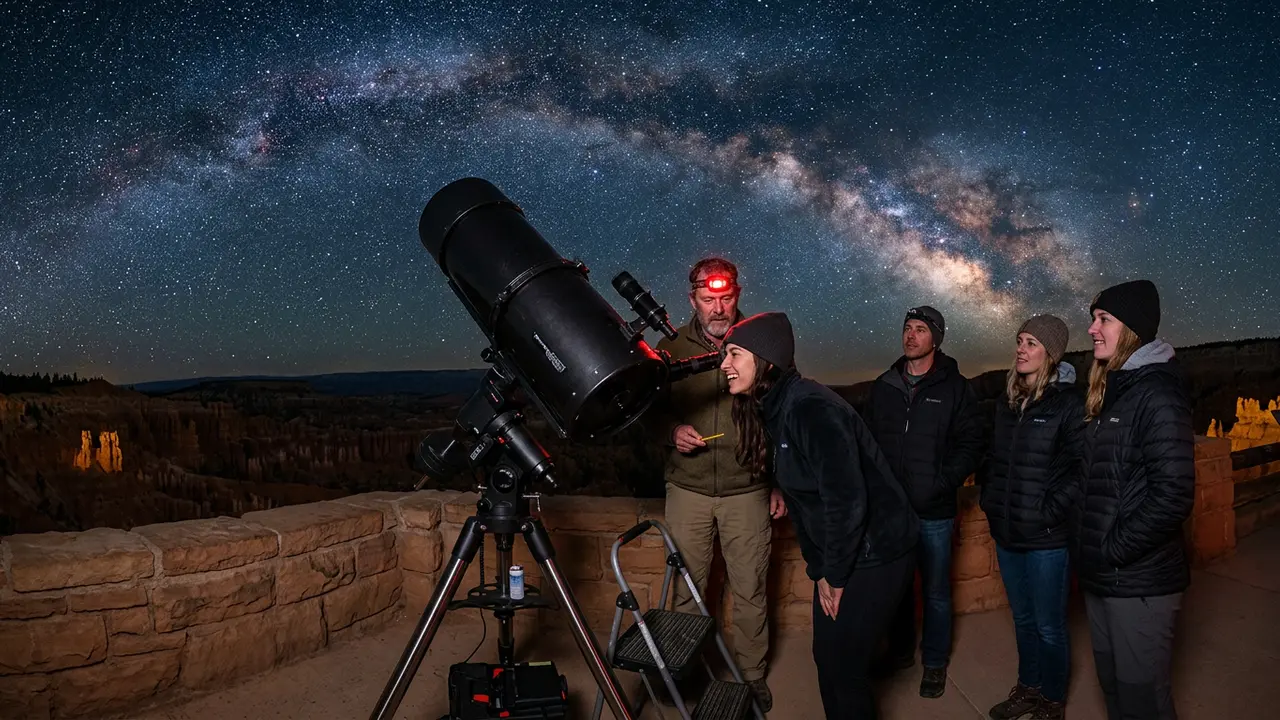
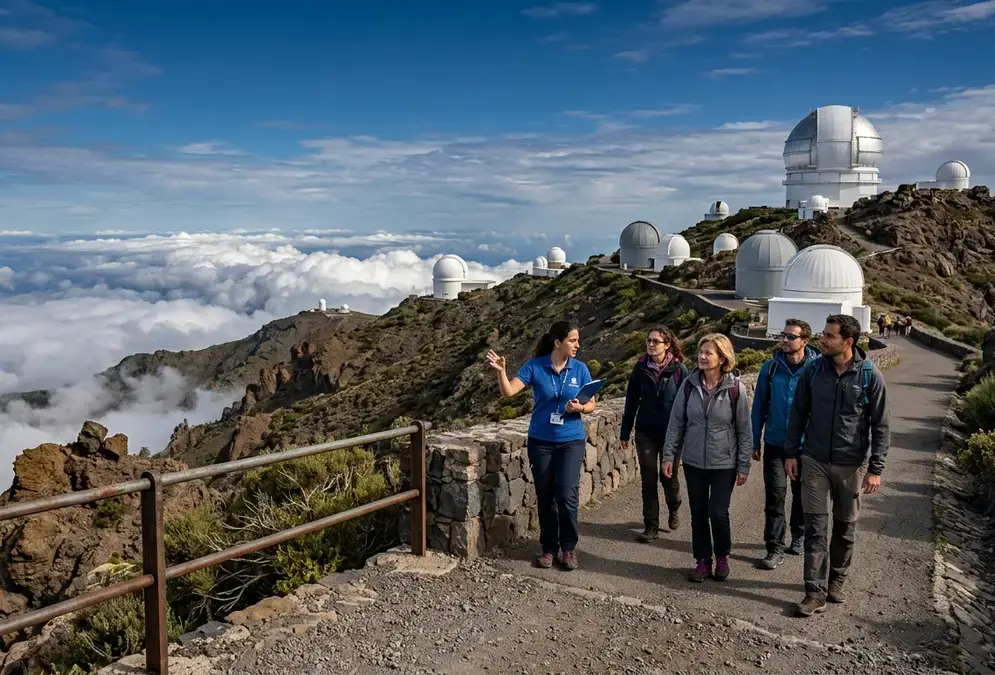
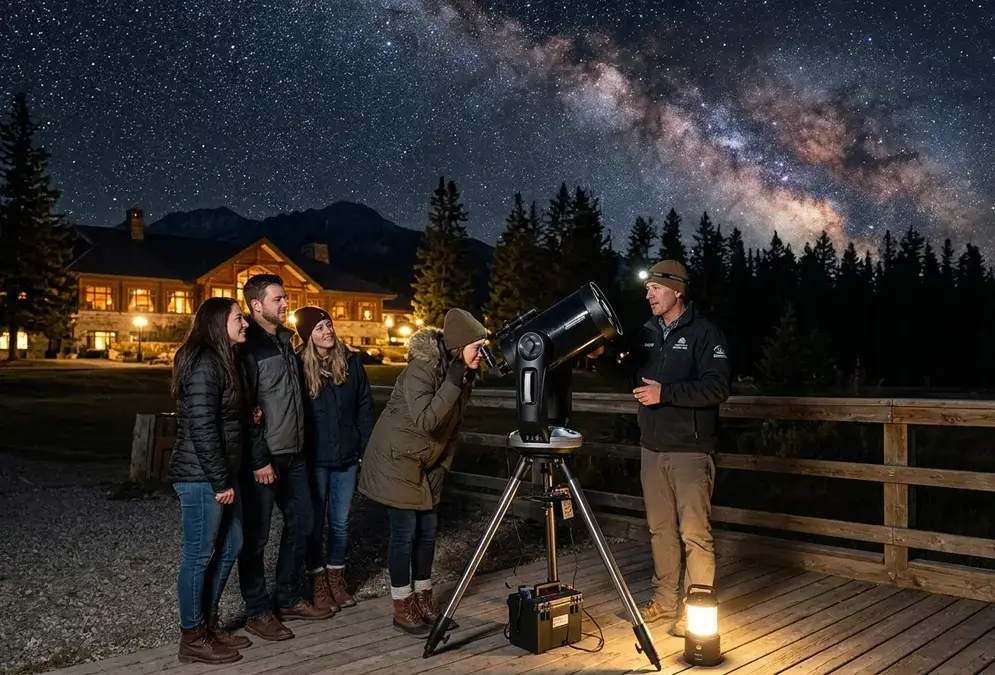
Pointing a telescope at Saturn for the first time is harder than it looks, and that's the gap this category fills. Guided stargazing tours put an astronomer or trained guide between you and the eyepiece, someone who can find a target in under a minute and explain what you're seeing rather than leaving you to hunt through an app while the moment passes. The same logic applies to observatory visits and planetarium shows, where a guide's commentary turns a dome full of equipment into something that makes sense.

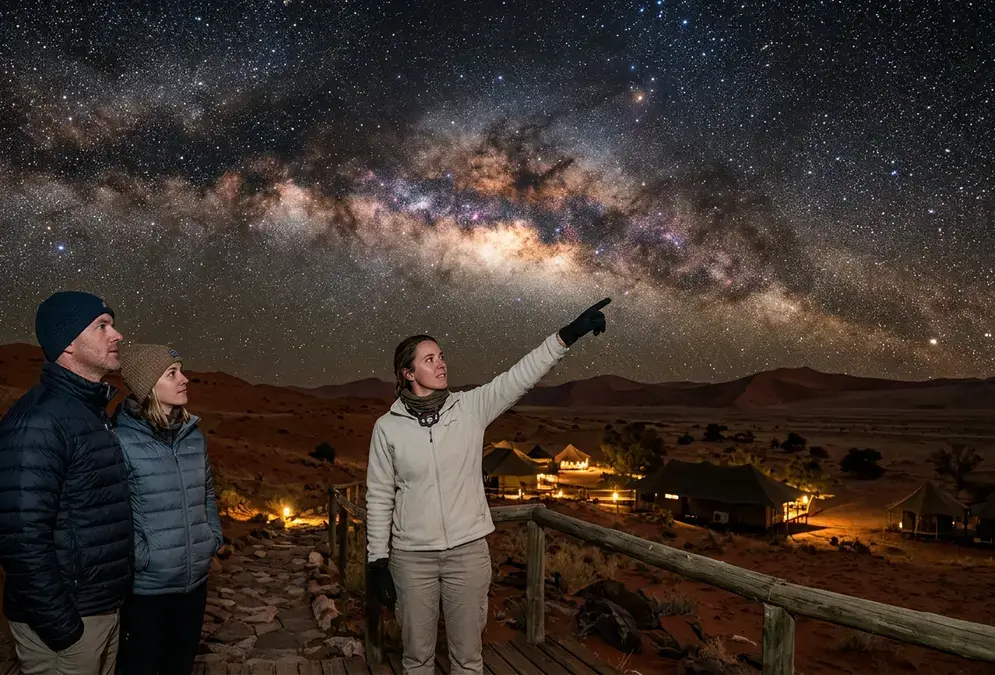
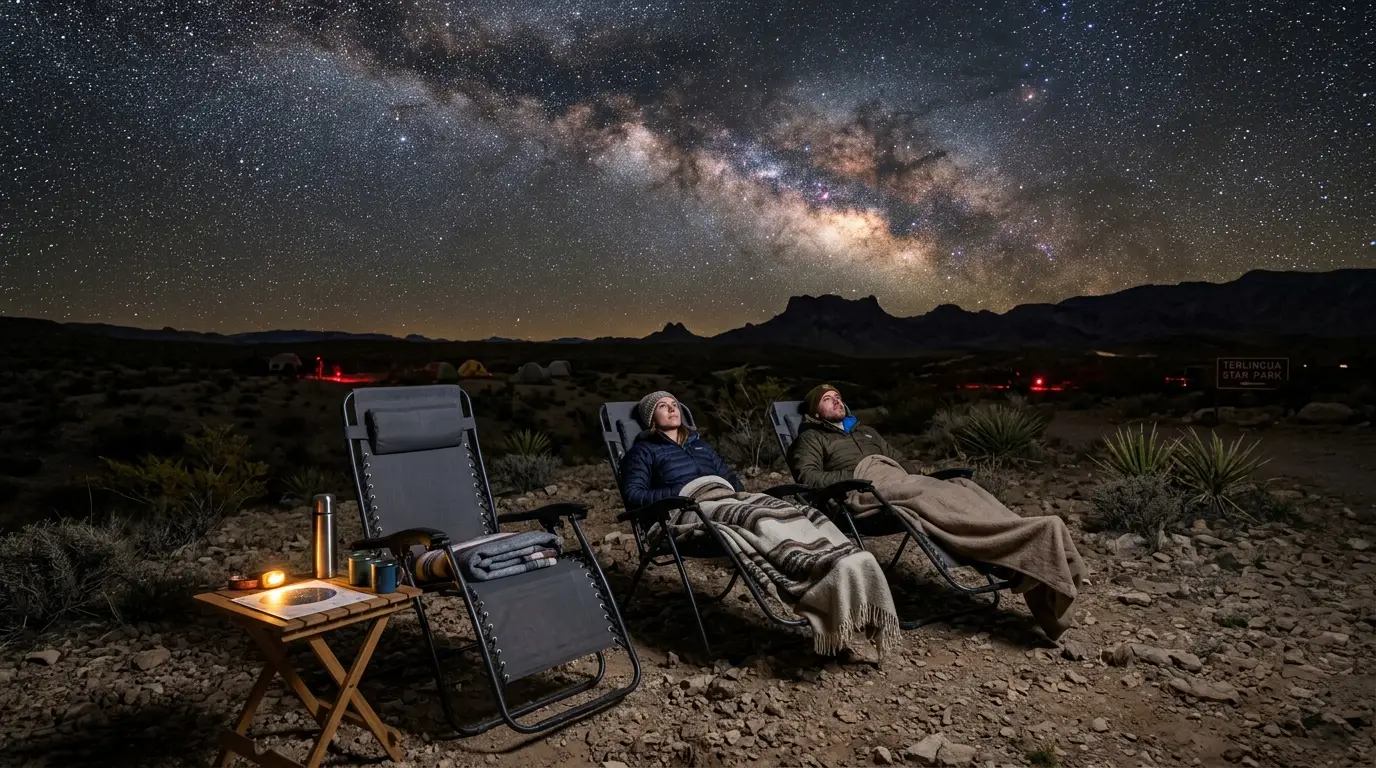
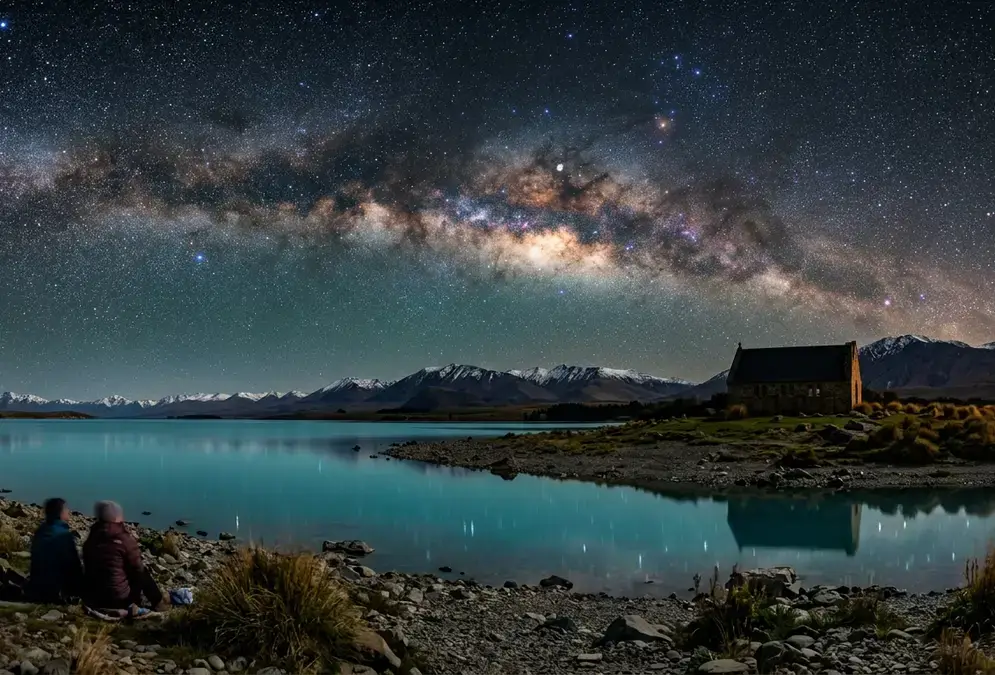
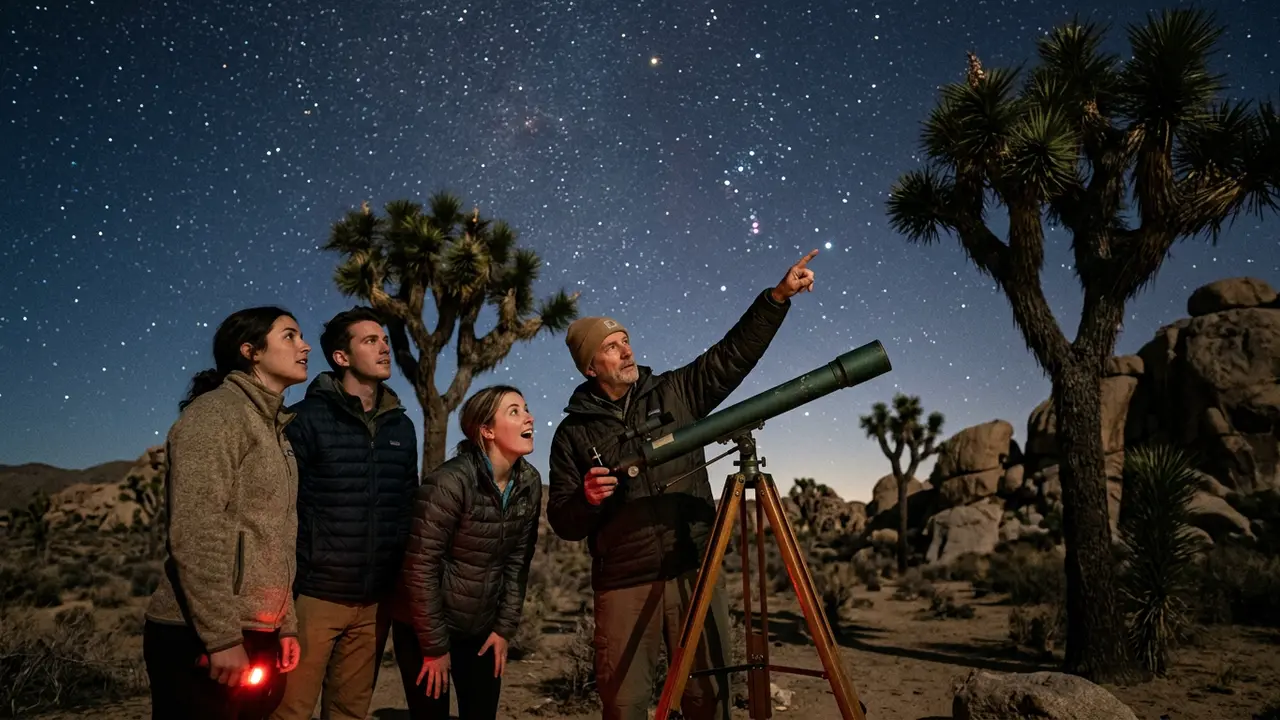
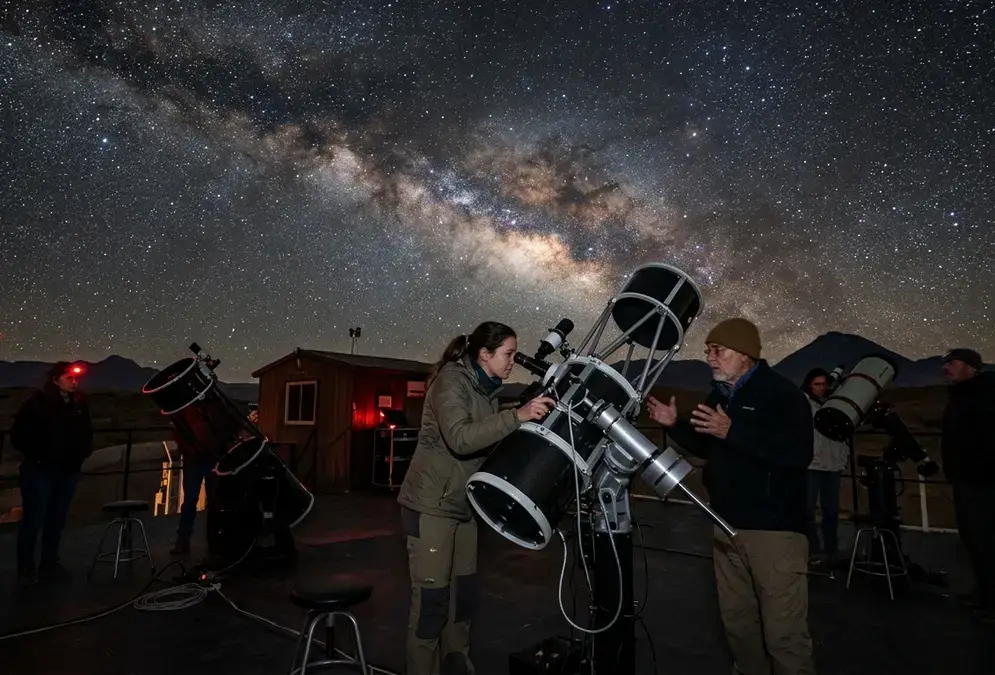
Moon phase matters more here than almost anything else. A tour scheduled around new moon, when the sky runs at its darkest, shows you the Milky Way and faint deep-sky objects that a full-moon night simply can't. Telescope-focused sessions are less moon-sensitive, since planets and bright clusters still show up well with some moonlight, so those work on more nights of the month. Check what a tour is actually built around, telescope viewing, a planetarium show, or an observatory's public program, since moon-phase sensitivity differs a lot between them.
Or browse tours by region

Frequently asked questions

Do I need my own telescope for a guided stargazing tour?

No. Guided stargazing tours supply the telescope and do the setup, alignment, and target-finding for you, which is usually the hardest part for a beginner. Bring your own only if you already own one and want a guide to help you use it better; some tours do allow that on request.

What's the best moon phase for a stargazing tour?

New moon and the few nights on either side give the darkest sky and the best view of the Milky Way and faint deep-sky targets. A full moon washes out fainter objects but doesn't ruin a telescope session aimed at planets or bright clusters, so check which type of tour you're booking before assuming moon phase rules it out.

Are observatory tours the same as guided stargazing tours?

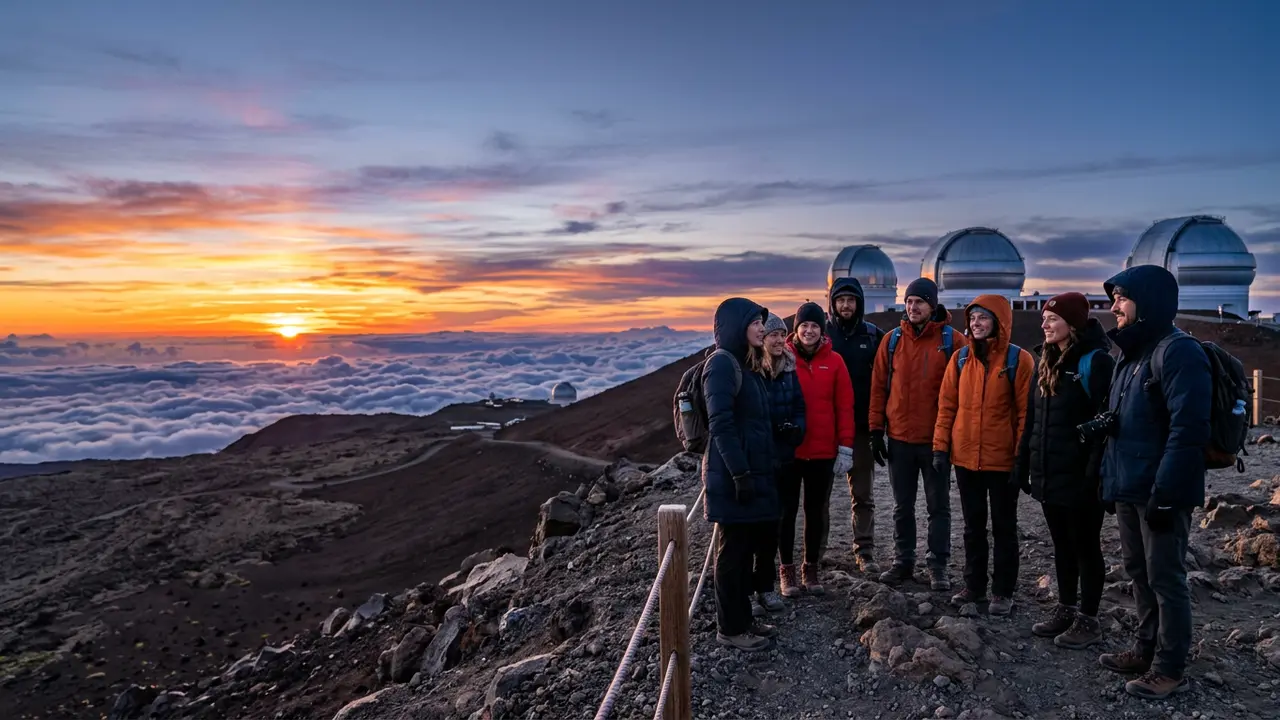
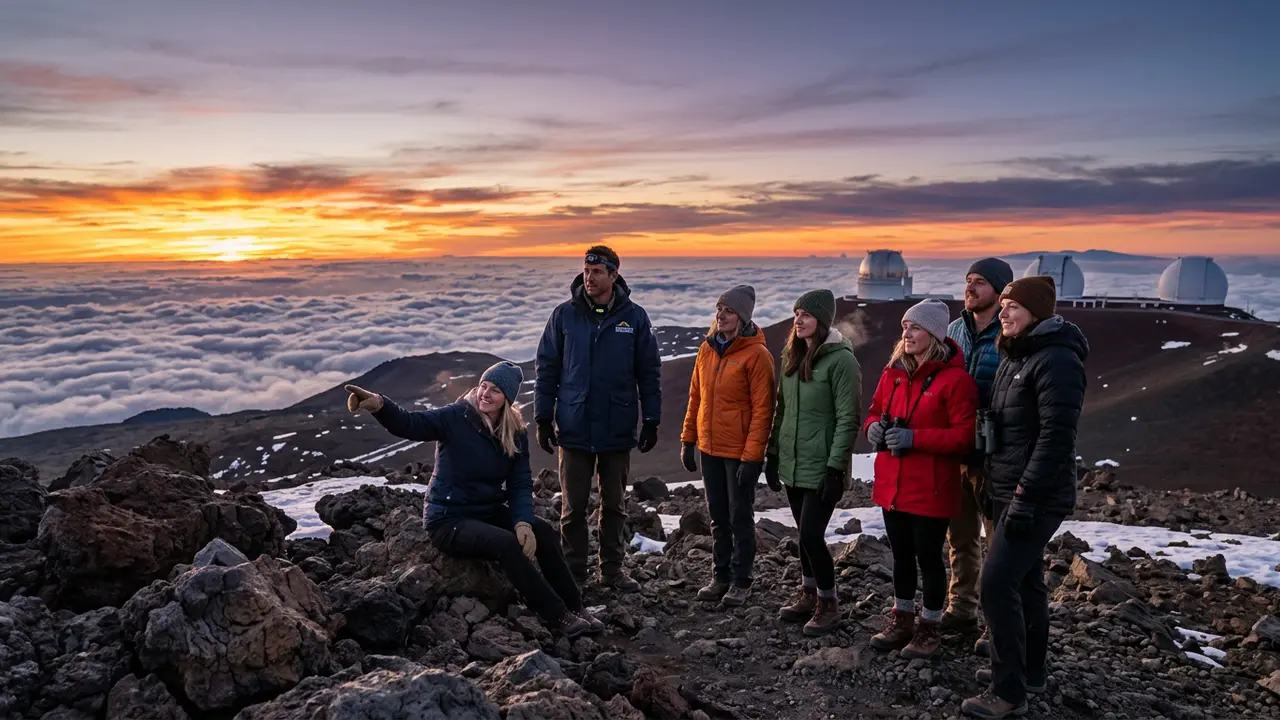
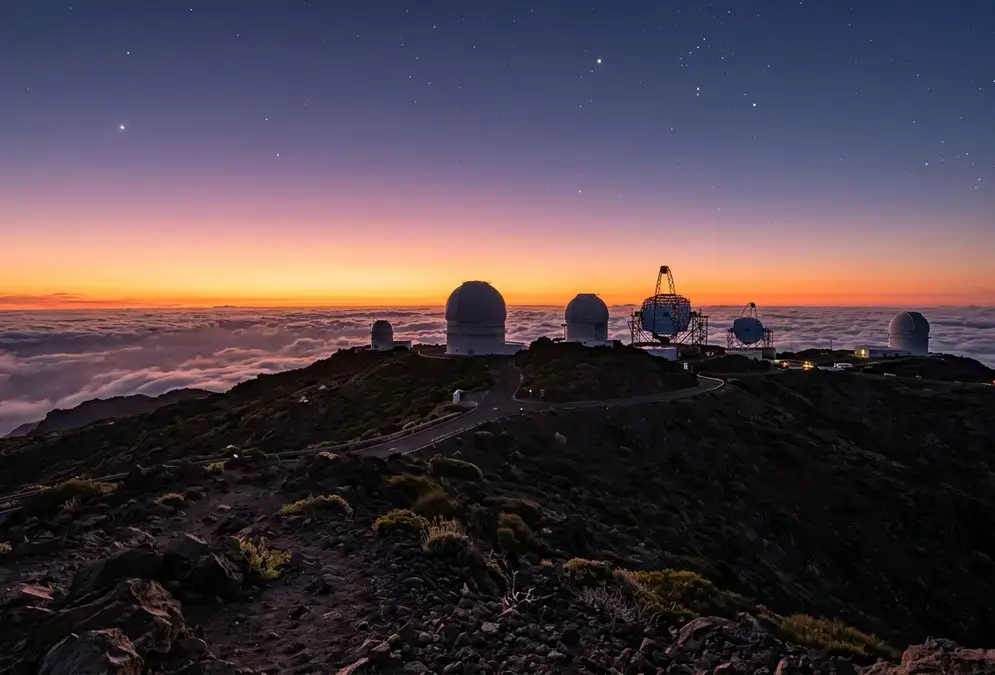
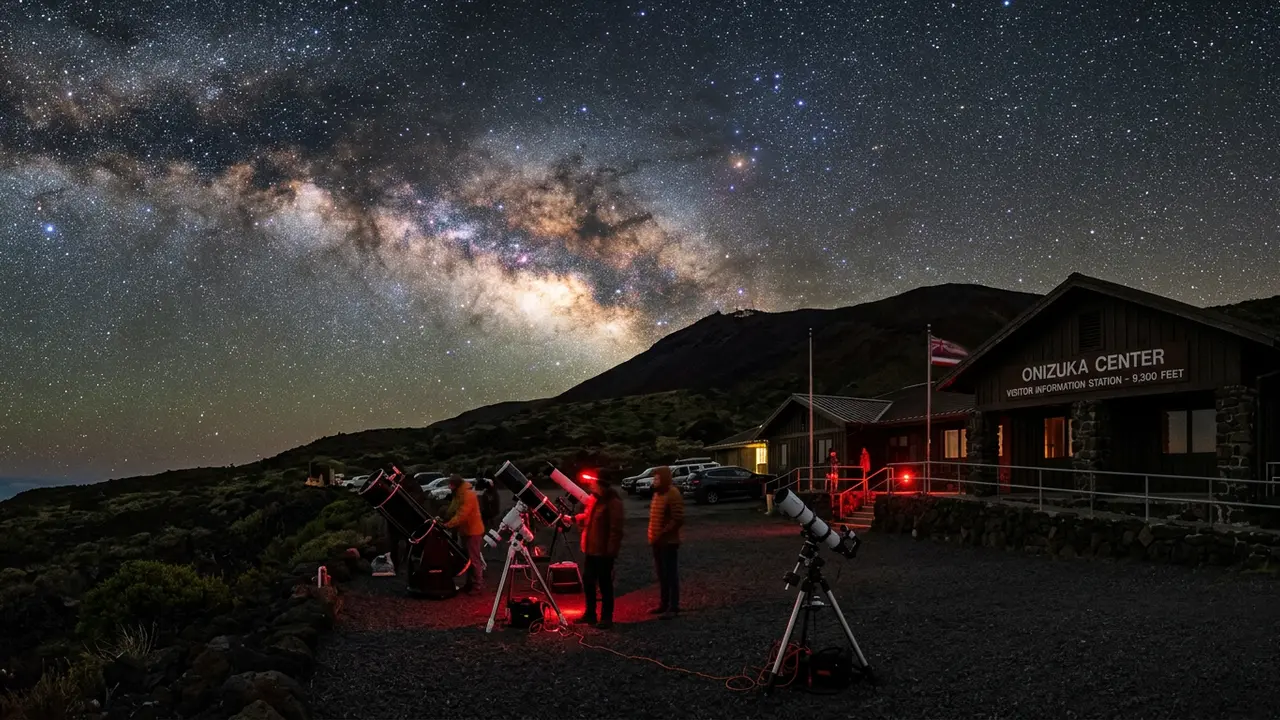
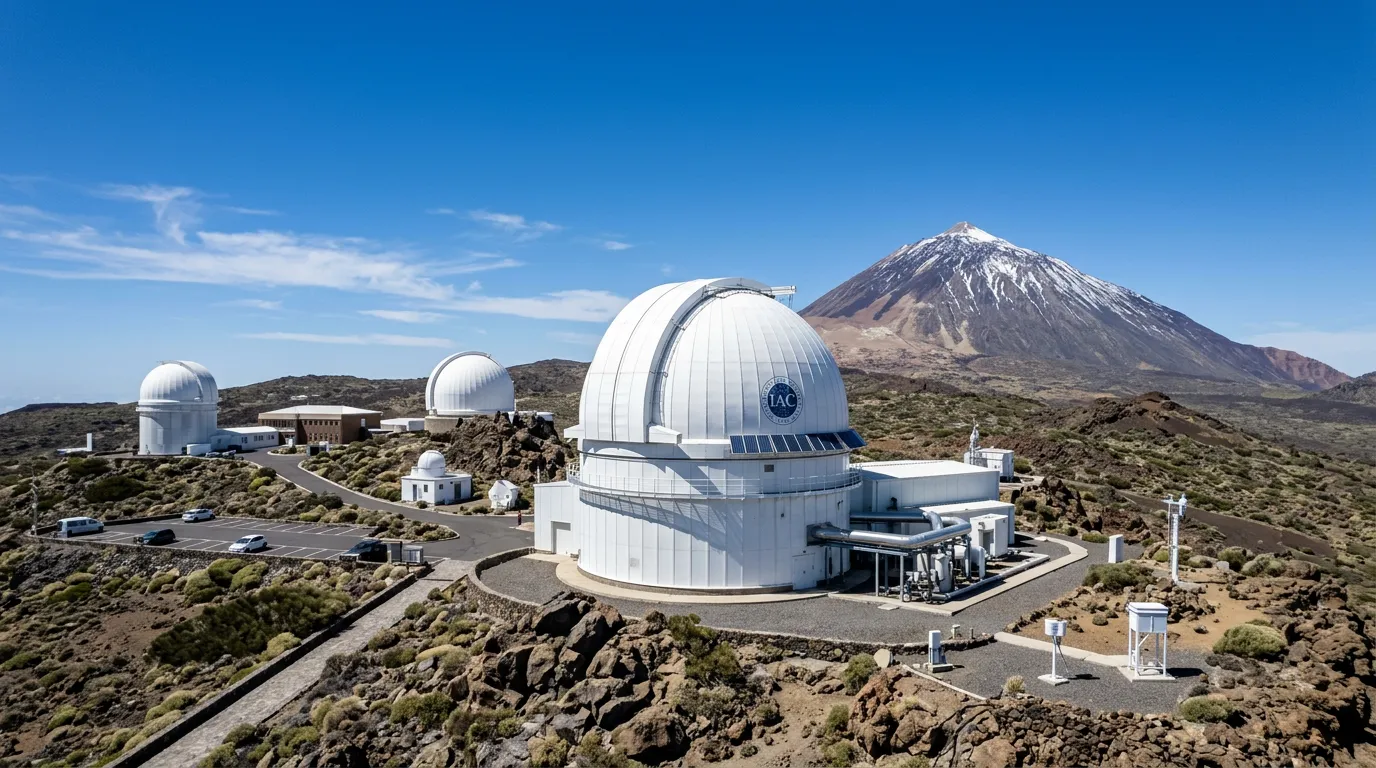
Not quite. An observatory tour usually centers on a research facility's own instrument and includes some daytime or indoor content about how the site works, while a guided stargazing tour is typically a portable telescope session run wherever the sky is darkest. Some observatories run both formats, so check what a specific listing actually includes.

Are planetarium shows worth it if I'm already doing an outdoor stargazing tour?

A planetarium show is a good add-on before or after an outdoor session, since it explains constellations and the night sky's layout in a controlled setting where clouds and cold don't matter. It doesn't replace time under a real sky, but it makes that time more useful once you're actually out there.

How long does a typical guided stargazing tour last?

Most run two to three hours, enough time for your eyes to adjust to the dark and for a guide to walk through several telescope targets. Longer sessions, four hours or more, usually build in a break and cover more of the sky as it rotates overhead.