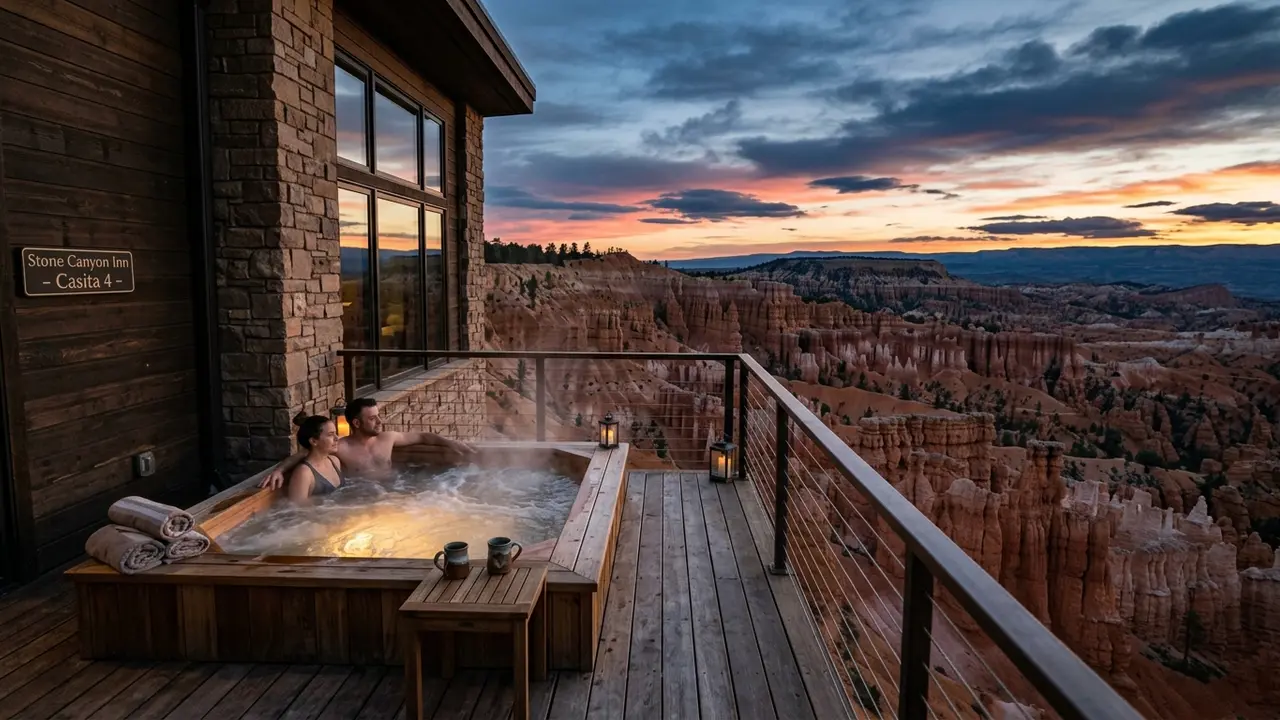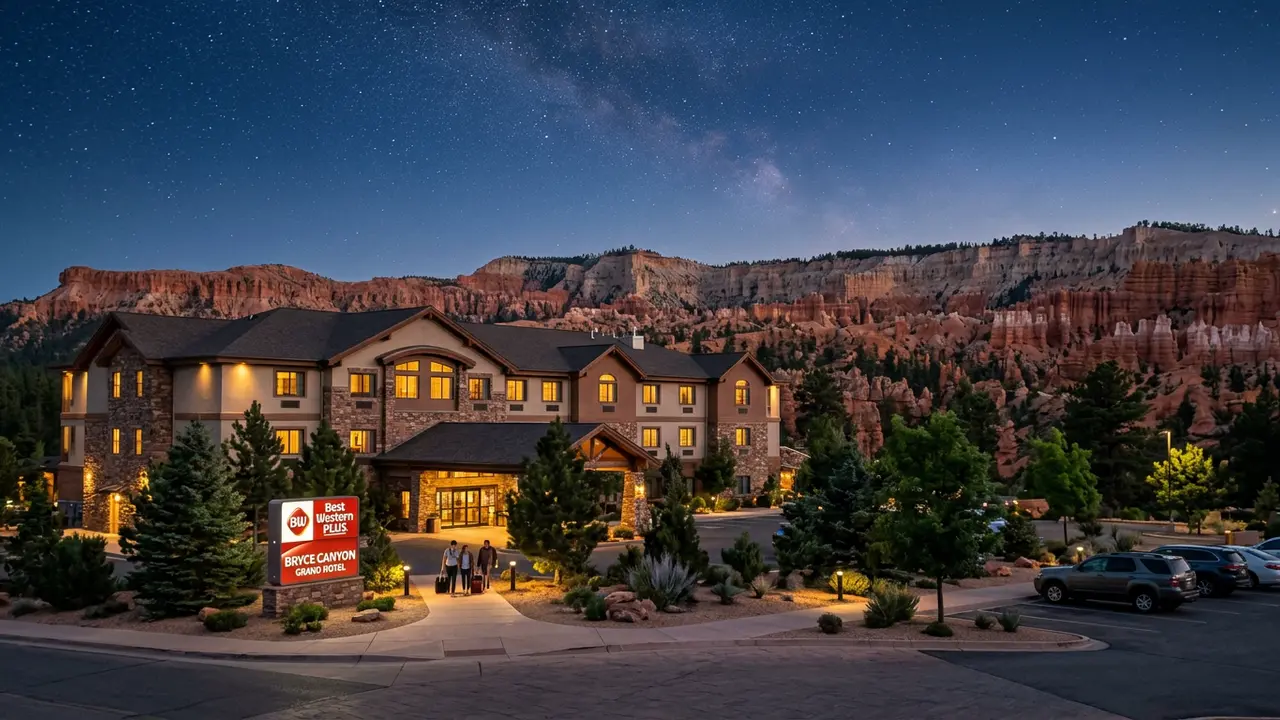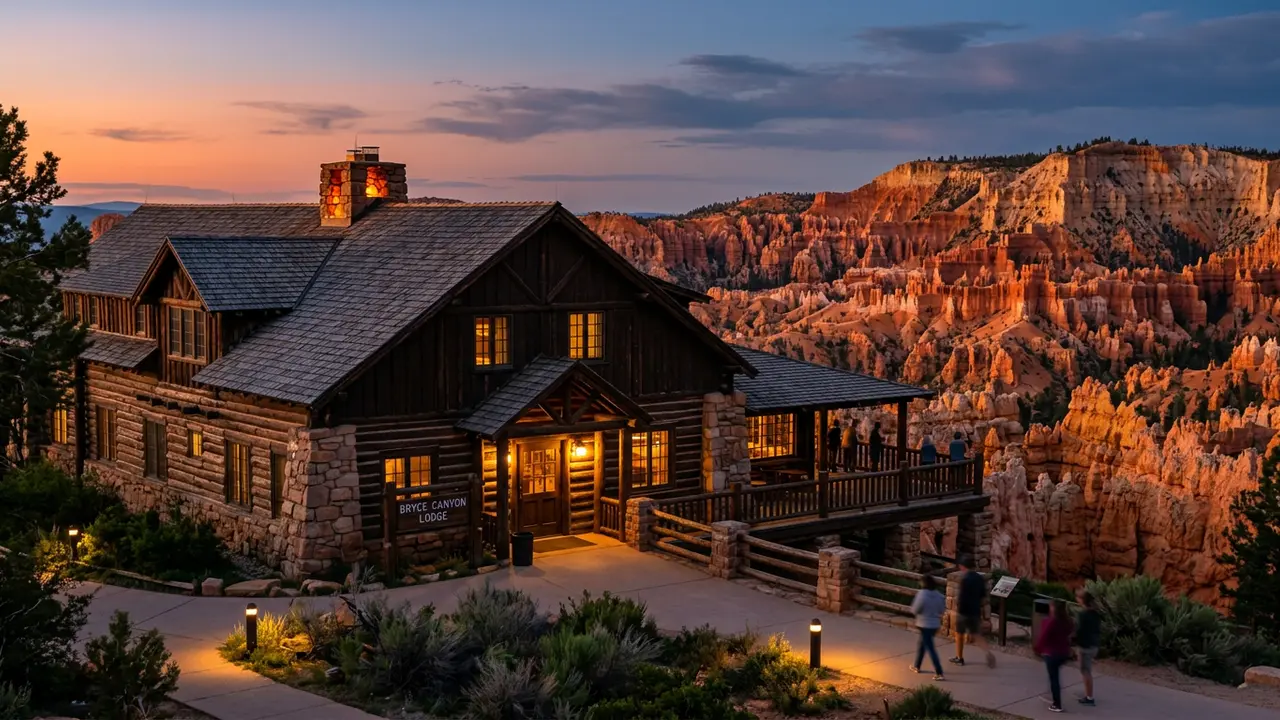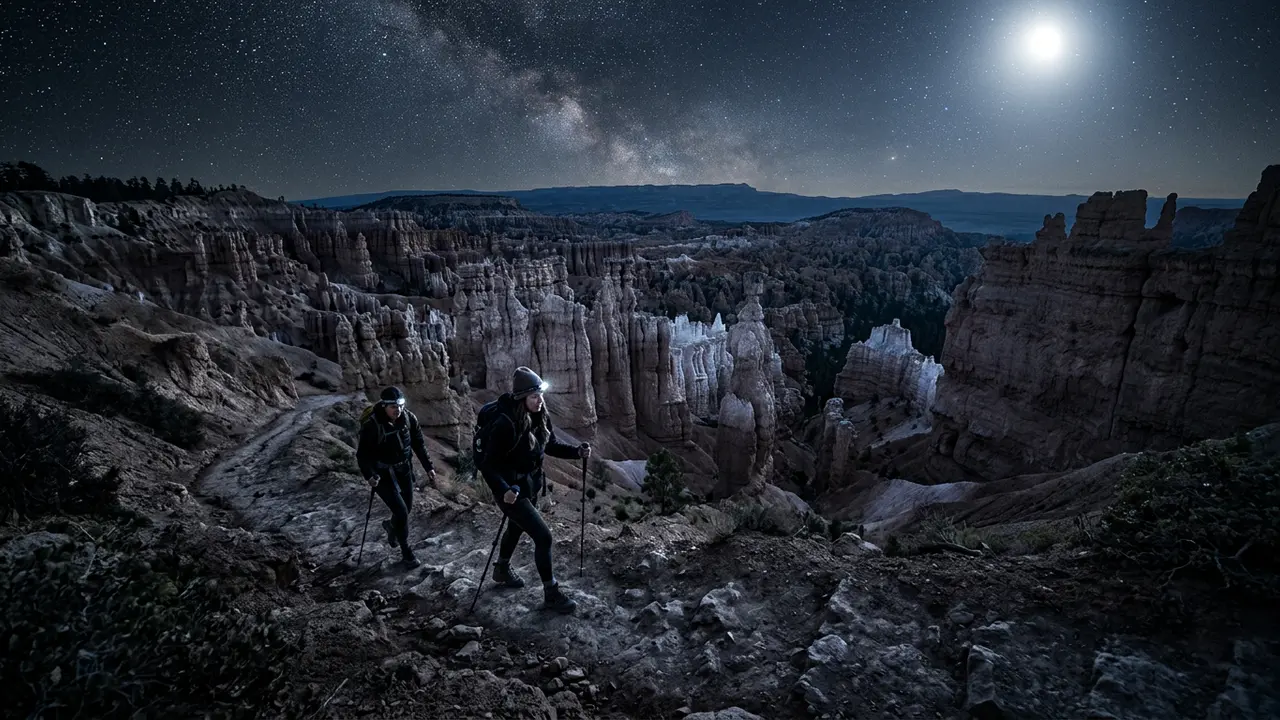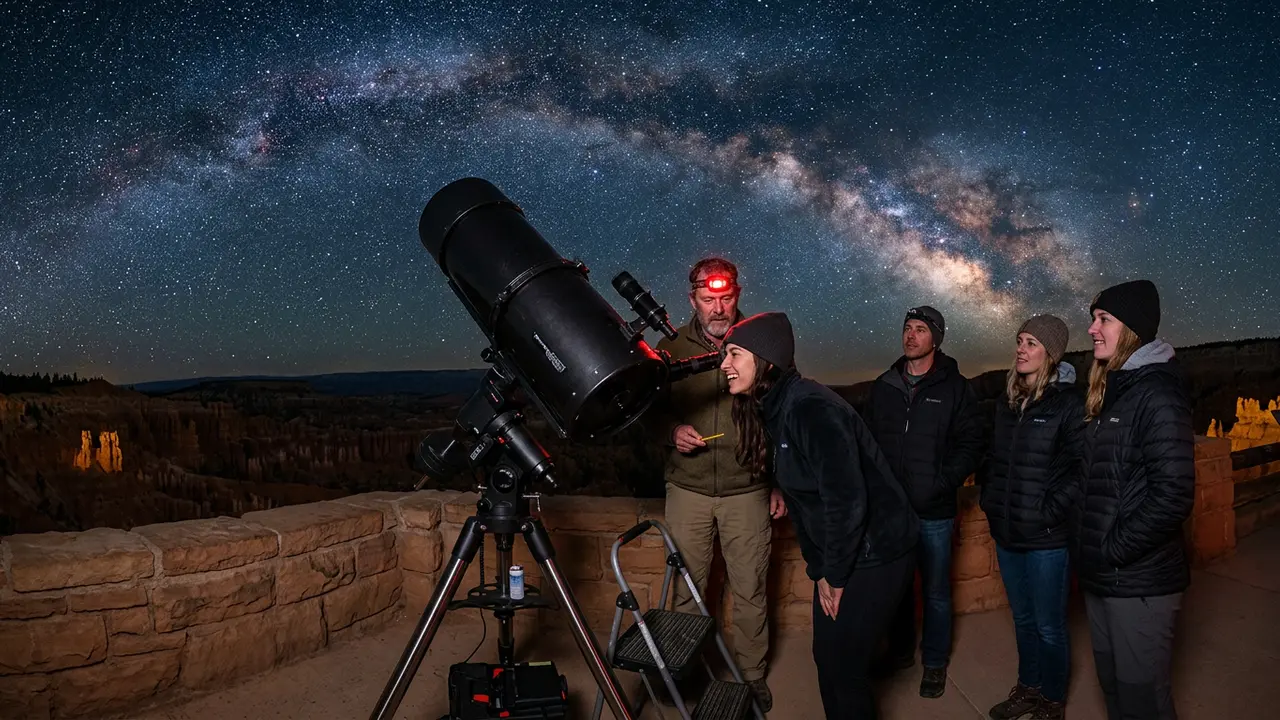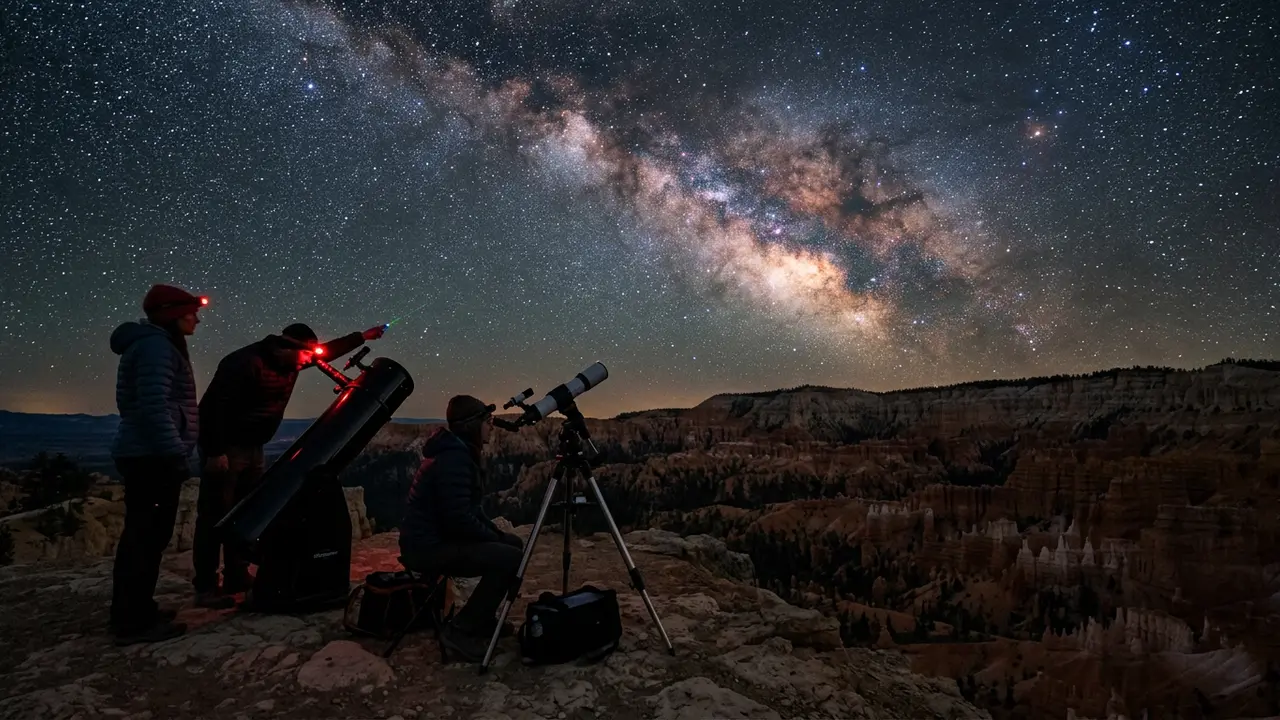
Bryce Canyon's annual Astronomy Festival brings professional astronomers, NASA scientists, and stargazing enthusiasts together for three days of free events inside one of the clearest night skies in the American Southwest. The 2026 festival runs June 11–13 and anchors on telescope viewing under Bryce's exceptional dark sky — Gold Tier-certified and dark enough that the Milky Way is bright enough to cast a shadow. But the real draw is who's running it: NASA astrophysicists, a National Geographic photojournalist, and ranger-led programs that pull together the practical knowledge of when and how to actually see what's up there.
Three distinct experiences in one long weekend
The festival splits into daytime and nighttime programming. Daytime runs 12 p.m. to 4 p.m. and includes solar telescope sessions (safely observe the sun) and NASA exhibits — a no-astronomy-background entry point for families or anyone arriving early. Evening programs kick off at 8:30 p.m. nightly with keynote talks from speakers including Dr. Amber Straughn (a NASA astrophysicist), Dr. Macarena Garcia Marin (a Webb Space Telescope project scientist), and Stan Honda (a National Geographic photojournalist and educator). These talks are free but ticketed — you pick up a ticket same-day at 8 a.m. at the Visitor Center, limited to 6 per group on a first-come basis.
Telescope viewing runs 10 p.m. to midnight each night, equipment supplied by the Salt Lake Astronomical Society and University of Utah. Unlike many stargazing events where you queue for 30 seconds at a telescope, Bryce's session allows real observation time — you move through several scopes, spend time at each, and get guidance on what you're looking at. The dark sky here is the whole point; Bryce sits in a protected dark-sky zone where outdoor lighting is capped, making it genuinely rare in the U.S. Southwest.
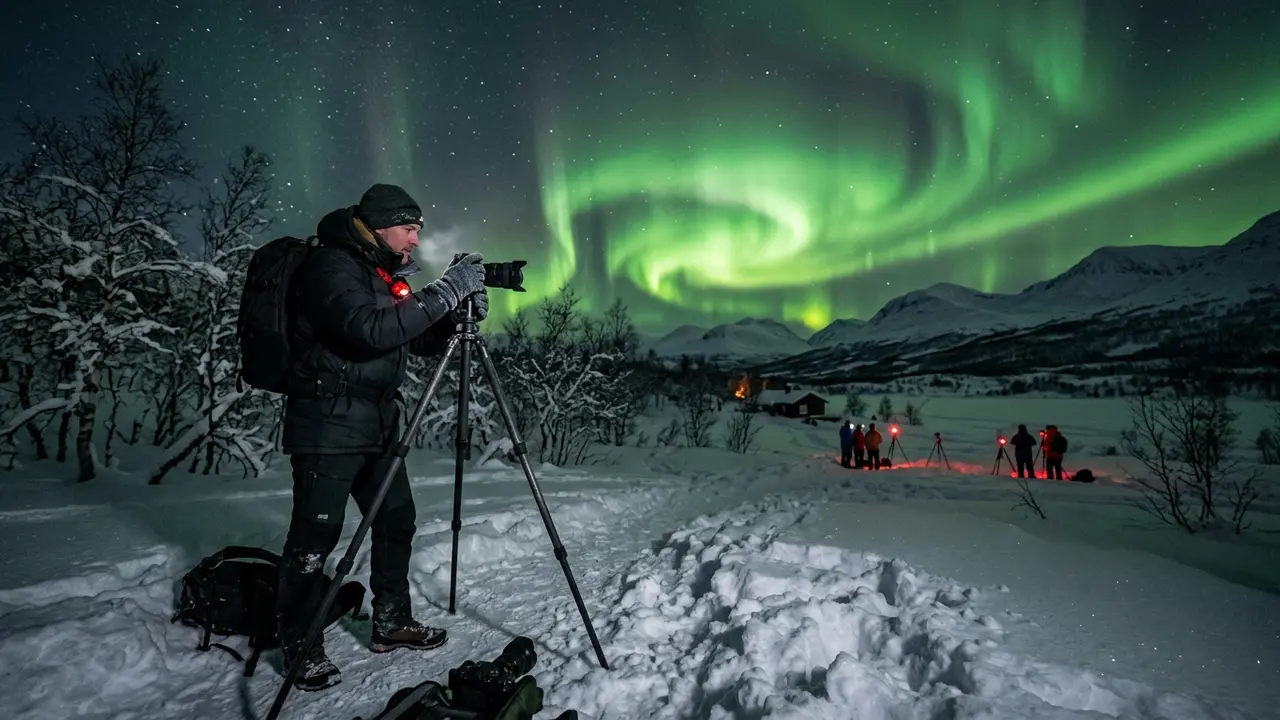
The astrophotography workshop runs 9 p.m. to 12:30 a.m. and also operates the evening of June 10, giving you options if you're staying nearby. It requires advance email registration (details on the NPS planning page); the workshop is limited because equipment and instructor attention matter here. Running it smaller keeps the experience genuine, not a crowd standing in the dark.
What you're paying, and what's actually free
Festival admission is free — all daytime and evening events are free with park admission ($35 per vehicle). There is no separate festival ticket (except for evening programs, which are free but require that same-day ticket pickup at 8 a.m.). The astrophotography workshop is also free, but advance registration is mandatory. Email several weeks ahead during summer to secure a spot; slots fill quickly.
When to actually go and what to expect
The festival recurs annually in June, typically around the same dates. June is Bryce's clearest season for stargazing — the park sits at 9,000+ feet elevation where atmospheric moisture is lower and the sky stays darker longer than lower-desert locations. Check the NPS Bryce Canyon planning page for next year's exact dates; the 2027 festival date will be announced in early 2027.
Bring layers and a blanket. June nights at Bryce's elevation are cool (40–50°F), and the stargazing sessions run until midnight. A jacket, hat, and a blanket make the difference between a memorable evening and cutting it short because you're cold. If you're joining the astrophotography workshop, bring a sturdy tripod — the leaders will offer real-time tips on capturing the Milky Way and deep-sky objects.