
Mauna Kea is sacred ground first, an observatory second
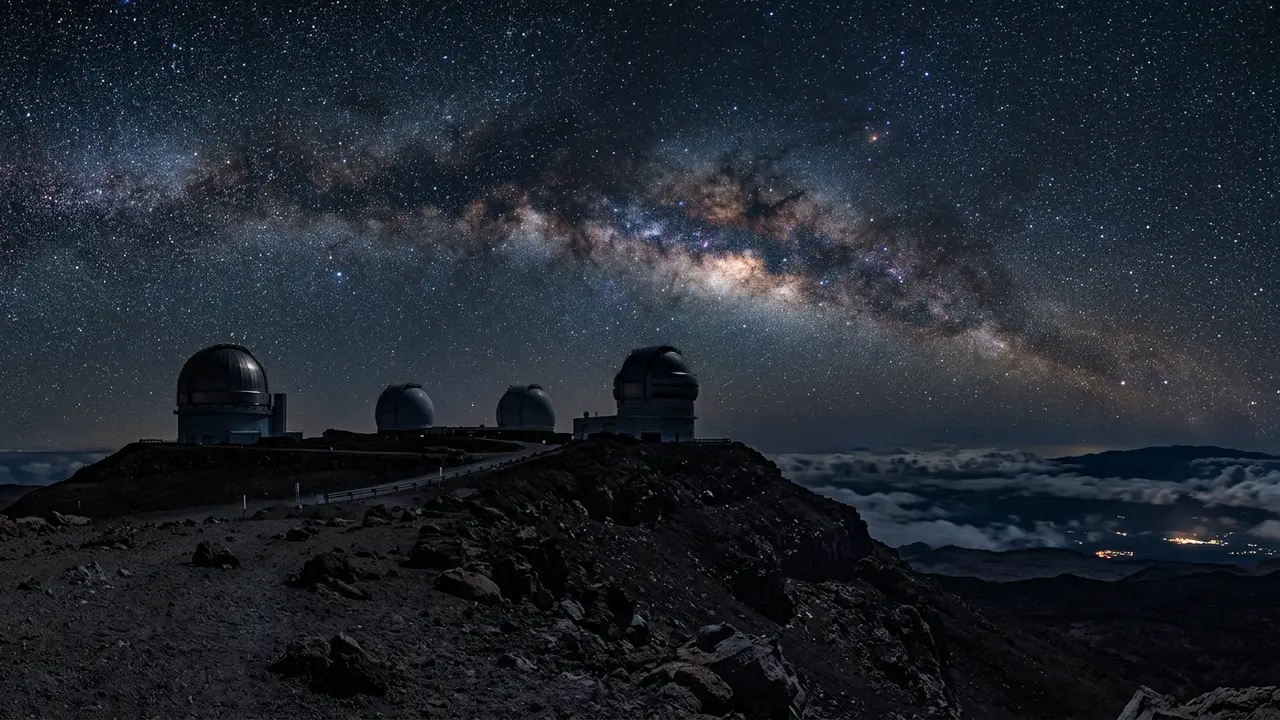
Before mapping out the rest of the island, sit with this: Mauna Kea is not scenery. For Native Hawaiians, Mauna Kea is the most sacred place in the Hawaiian Islands, understood in Hawaiian cosmology as the firstborn child of the sky father Wākea and the earth mother Papahānaumoku[1]. Observatories have shared the summit with that history for decades, and the relationship has never been simple: the dispute over building the Thirty Meter Telescope on the mountain remains contested, with no construction resumed as of the most recent reporting and oversight of the summit being handed to a new authority that includes both astronomers and Native Hawaiian representatives[2].
None of that belongs in a footnote. For the fuller history behind that dispute and how to visit respectfully, see Mauna Kea cultural significance and visitor etiquette. It's the reason almost every visitor is pointed toward the Onizuka Visitor Information Station (VIS) at 9,200 feet[9] instead of the true summit. The VIS delivers a genuinely dark, high-altitude sky without putting a casual visitor on ground that remains the subject of an active, unresolved dispute. It's also the safer choice on its own terms: because of altitude hazards, pregnant travelers, people in poor health, and children under 13 are advised not to go above the VIS[3], and the unpaved road beyond it requires four-wheel drive.
That single decision, VIS instead of summit, frees up everything else in this guide. With one stargazing evening accounted for, the Mauna Kea stargazing side of the trip runs on its own logic while the daylight hours go to everything else covered below.
Hawaiʻi Volcanoes National Park: the anchor day
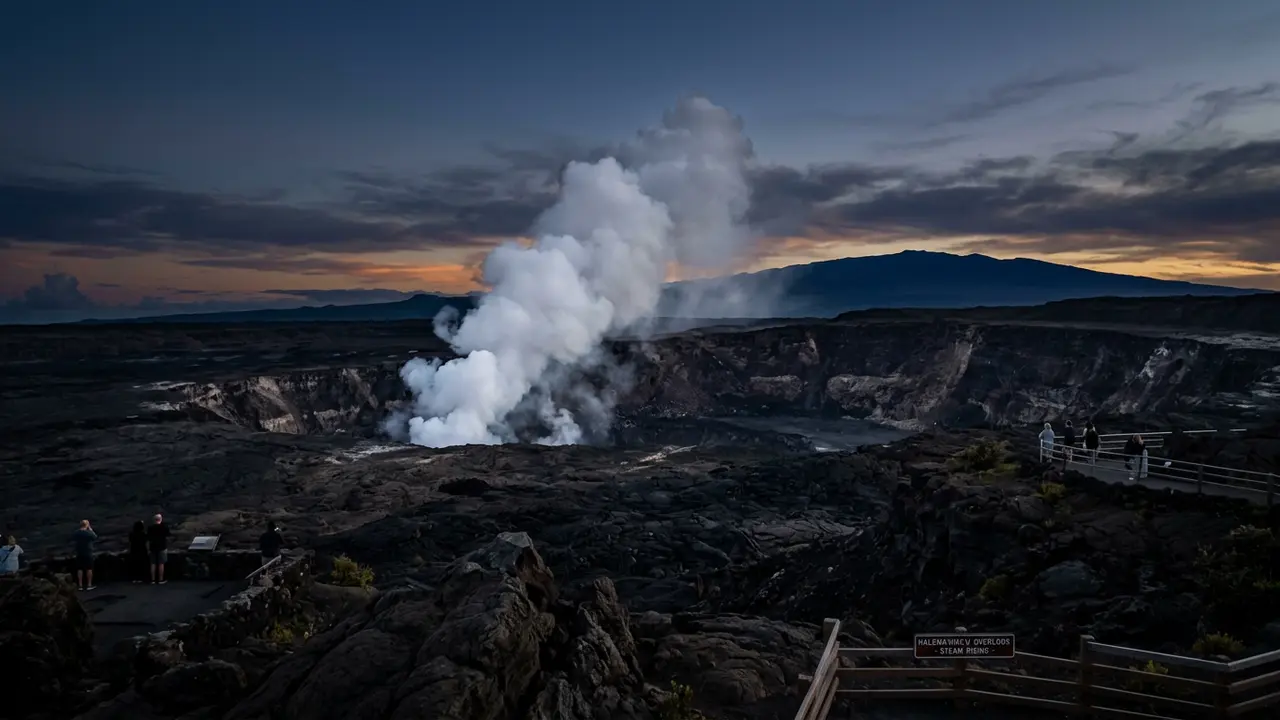
If the Big Island only had one non-Mauna-Kea stop, this would be it. Hawaiʻi Volcanoes National Park protects two of the world's most active volcanoes, Kīlauea and Mauna Loa, across 354,461 acres established as a national park in 1916[4]. Elevation inside the park runs from sea level to 13,681 feet[10], so a single day here can move from steaming coastal cliffs to near-alpine crater rim.
Entrance costs $30 per private vehicle, good for seven days and up to 14 passengers[5], modest given how much ground the pass covers. Two stops earn a slot on any itinerary:
- Nāhuku (Thurston Lava Tube) — an easy, roughly 500-year-old lava tube formed when a river of superheated lava drained away and left the tunnel behind; the lit, walkable section runs about 600 feet, and it's worth checking the park's current opening hours before you go, since they can shift seasonally
- Chain of Craters Road — a long, one-way descent from the summit caldera down to the coast, crossing lava fields from several past eruptions before ending where a flow once met the ocean
Budget at least half a day here, more if the crater-rim trails pull you in. Getting to Mauna Kea covers the drive from the park's Hilo-side entrance up to the Visitor Information Station, which is closer than it looks on a map since most of the distance runs along a single road.
1.4M in 2024
Hilo's waterfalls: Rainbow Falls and ʻAkaka Falls
Hilo does something the sunnier Kona side can't: real, jungle-green waterfalls minutes from downtown. Rainbow Falls, known in Hawaiian as Waiānuenue, drops 80 feet into a pool ringed by banyan roots at the edge of town[6]. Visit mid-morning on a clear day and the mist below the falls throws an actual rainbow, which is exactly where the name comes from.
ʻAkaka Falls State Park, a short drive north of Hilo, holds the bigger of the two: ʻAkaka Falls drops 442 feet, more than five times the height of Rainbow Falls, with 300-foot Kahūnā Falls visible from the same short loop trail[7]. The path is paved and shaded, an easy add-on rather than a hike, which is exactly why tour buses stop here on the way to or from Hilo.
Neither waterfall needs more than under an hour, parking and walk included. Pair both with breakfast in Hilo and the wet side of the island is covered before lunch, with the whole afternoon still open for the drive toward Kona or south toward the park.
| Rainbow Falls (Waiānuenue) | ʻAkaka Falls | |
|---|---|---|
| Height | 80 feet | 442 feet |
| Location | Edge of downtown Hilo | Short drive north of Hilo |
| Access | Short paved path from the parking lot | Short paved loop trail |
| Time needed | 15-20 minutes | 30-45 minutes |
Kona coffee farms and Puʻuhonua o Hōnaunau
The Kona side trades Hilo's rain for coffee country. 100% Kona coffee, grown on volcanic slopes above Kailua-Kona, is one of the few American-grown coffees with real name recognition, and several working farms along the coffee belt run short tours through picking, drying, and roasting before ending at a tasting counter. None of this needs booking months out; treat it as a flexible half-day rather than a fixed appointment.
A short drive south of the coffee belt sits Puʻuhonua o Hōnaunau National Historical Park, and it deserves more attention than the coffee stop usually gets. This was a puʻuhonua, a place of refuge: under the old kapu system, Hawaiians who broke a sacred law could avoid death by reaching this ground, where a priest would absolve them. The site's Great Wall, a massive stone barrier enclosing the puʻuhonua, still stands alongside the Hale o Keawe temple-mausoleum, built around 1650 to hold the remains of 23 chiefs[8].
Featured · Destination
Mauna Kea
Mauna Kea is sacred to Native Hawaiians and home to world-class observatories. Here's how to plan respectful, safe Mauna Kea stargazing at the Onizuka VIS.
Walk it slowly. It's a living sacred site with royal grounds and fishponds alongside the original stonework, not a ruin dressed up for visitors. Go in late afternoon and the light across the bay does most of the work, but check the park's current gate hours before you go — they vary seasonally and tend to be earlier than casual visitors expect.
Manta ray night snorkel and Kona's beaches
After a day of waterfalls or lava fields, Kona's coastline offers the trip's most purely fun stop: a manta ray night snorkel. Boats depart Honokōhau Marina after dark and shine lights into the water to draw plankton, which in turn draws the mantas; snorkelers float at the surface on a lit platform, watching for manta rays that glide in close to feed when they show up. Sightings are common but never guaranteed; operators run the tour on a regular schedule, weather permitting, though the mantas themselves show up on their own terms.
Beach time on this side of the island tends toward calm, protected coves rather than big surf. Kahaluʻu and Magic Sands both work for an easy afternoon swim close to Kailua-Kona. Treat the beach afternoon and the manta ray evening as a pair, since the same stretch of coast handles both, then save the following night for Mauna Kea rather than fitting a stargazing drive onto the same evening as a boat trip.
Outrigger Kona Resort & Spa sits close enough to both the marina and the beaches to make this stretch of the trip logistically simple, without the extra driving a Hilo base would add on the Kona side of things.
Pairing it all with a Mauna Kea stargazing night
None of this works if the volcano park, the waterfalls, the coffee farms, and the manta ray boat all get crammed against a single Mauna Kea evening. Stargazing at the Visitor Information Station rewards a driver who isn't exhausted: the VIS sits at 9,200 feet, runs free nightly programs, and keeps daily hours from 9 a.m. to 9 p.m.[9], but the drive up Saddle Road and the altitude both go better on a day that didn't start with a 5 a.m. hike.
A workable shape for a one-week trip:
- Hawaiʻi Volcanoes National Park — one full day, more if the crater-rim trails pull you in
- Hilo's waterfalls — a half-day, easy to slot around arrival or departure on that side of the island
- Kona's cluster — coffee farms, Puʻuhonua o Hōnaunau, manta rays, and beaches, spread across two or three easier days
- Mauna Kea — one clear evening in between, not stacked directly against the volcano-park day
Recommended tours
Tours are selected for quality, not commission. I earn a small fee if you book — at no extra cost to you.
How many days do you need for Mauna Kea stargazing breaks down how much time the whole loop actually needs, and it's more than most first-time visitors budget.
Featured · Article
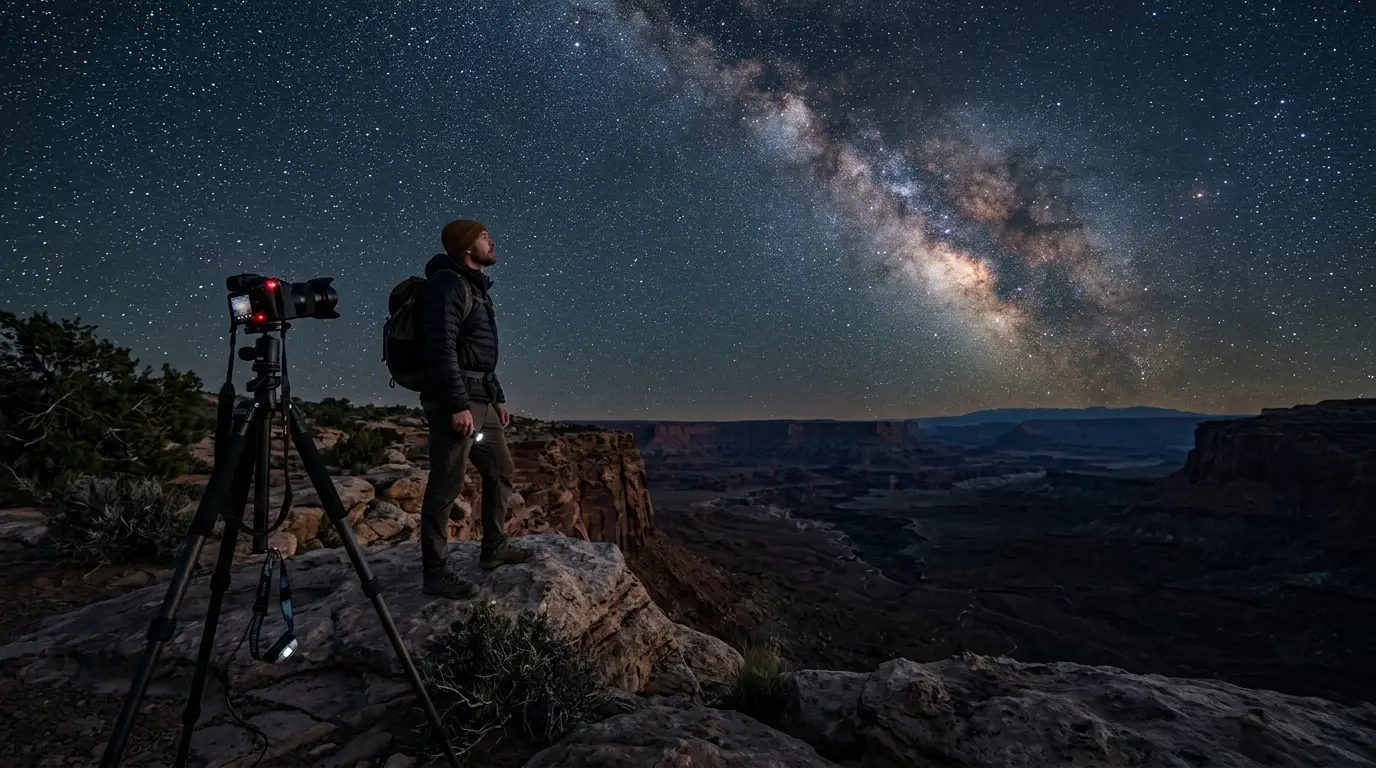
What Is Astrotourism? The Complete Beginner's Guide
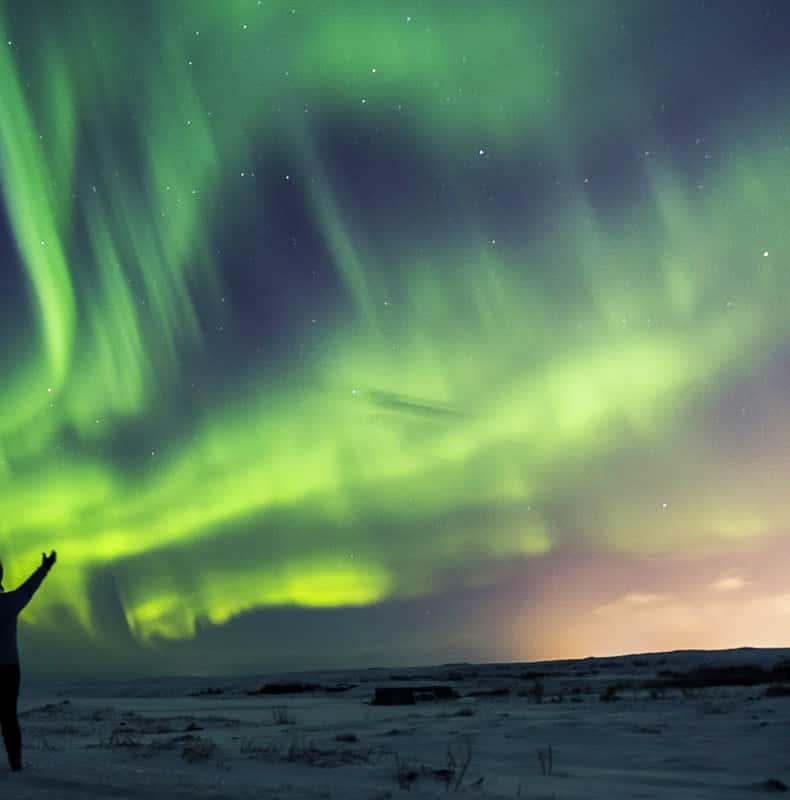
Astrotourism means travel built around dark skies: meteor showers, auroras, the Milky Way. What it means, where to go, and how to plan your first trip.
Where you sleep the night before matters more than it seems. a hotel base near Hilo's bay puts you close to the Volcanoes National Park entrance and roughly an hour from the Maunakea Access Road turnoff, useful if the volcano day and the stargazing night sit back to back. Whichever side of the island the rest of the itinerary favors, build the Mauna Kea evening as its own event, not a stop bolted onto an already full day, and the mountain will do the rest.