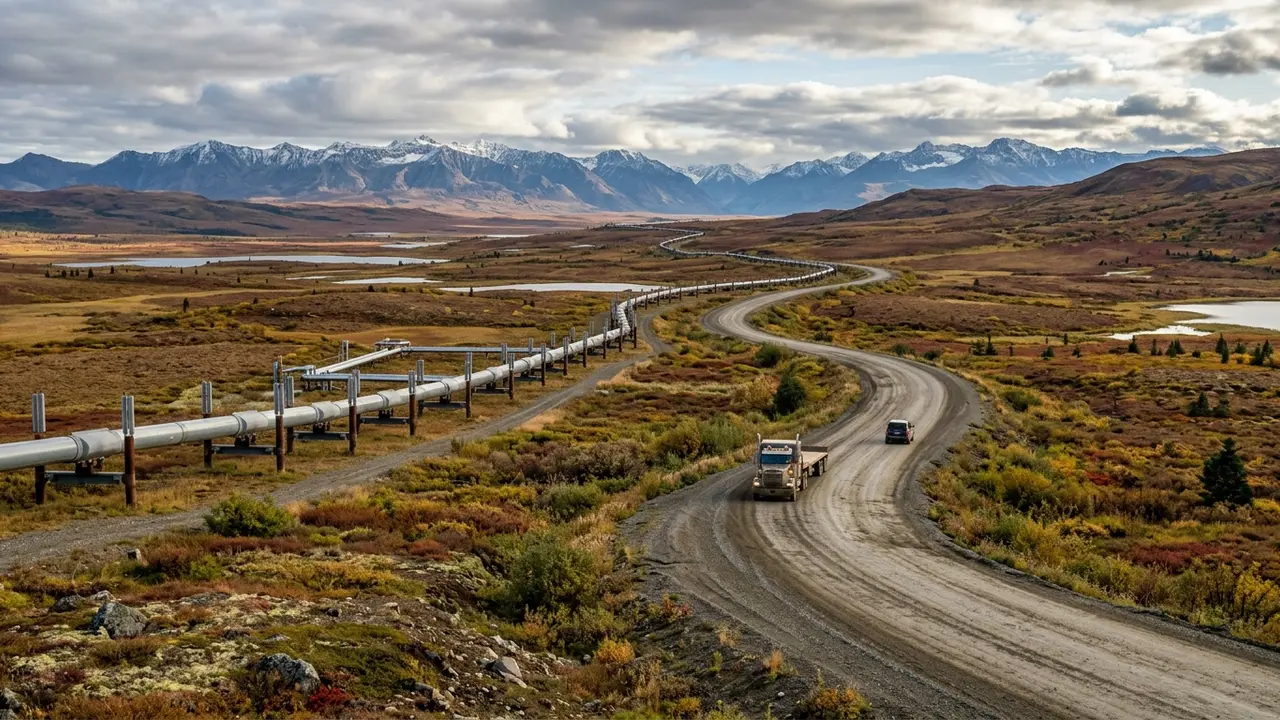
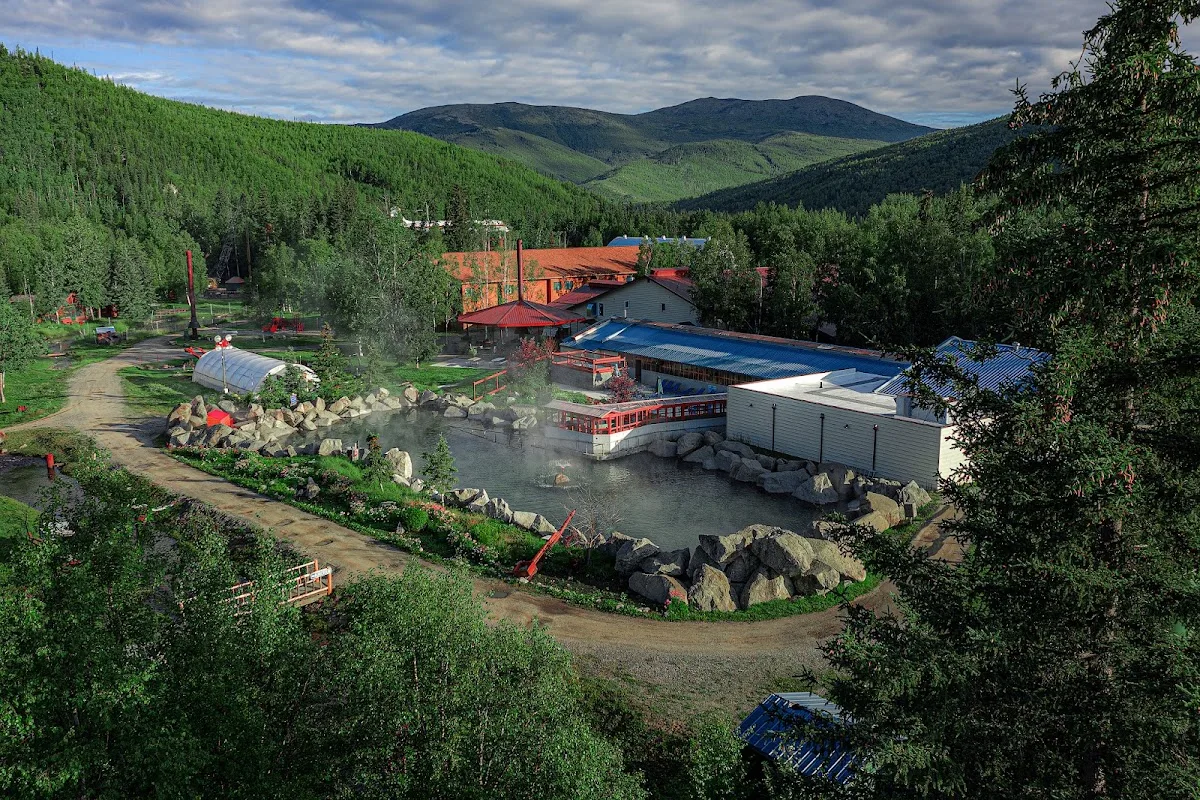
Chena Hot Springs Resort sits at the literal end of Chena Hot Springs Road, 56.5 miles northeast of Fairbanks, where the pavement stops and the boreal forest closes in. Gold miners found the spring in 1905 and soaked their rheumatism away in it; the resort that grew up around the water still runs largely on the same geothermal source, which now heats greenhouses, powers a renewable energy plant, and keeps a swimming lake warm through winters that drop to -30°F outside. The hour-long drive out from town matters for one reason beyond the scenery: by the time you arrive, Fairbanks' light dome is behind a ridge, not overhead.
Rooms, cabins, and what you're actually booking
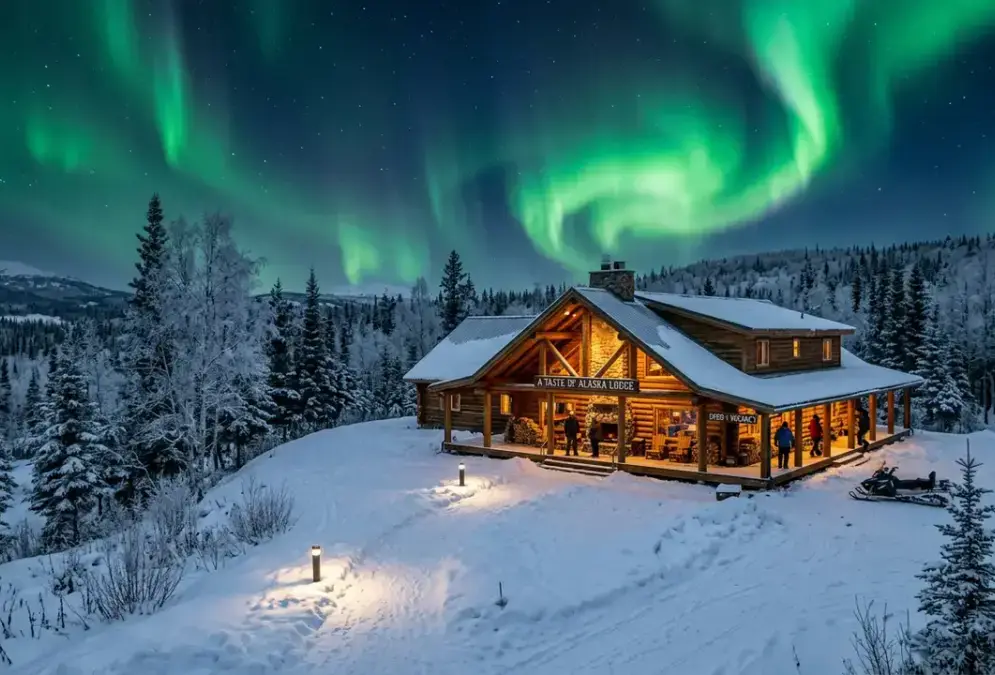
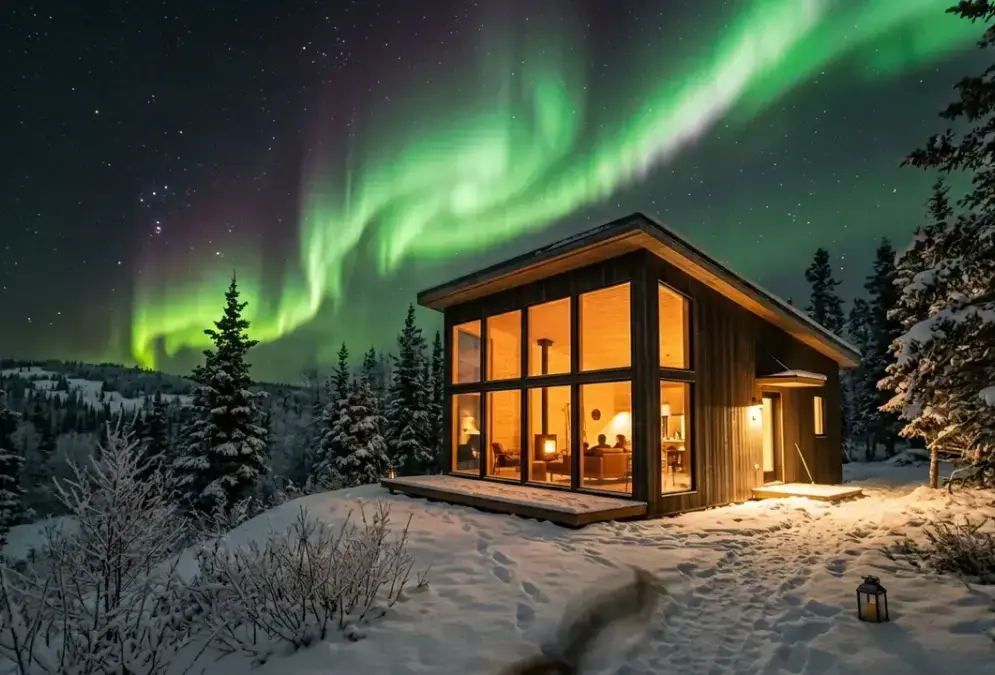
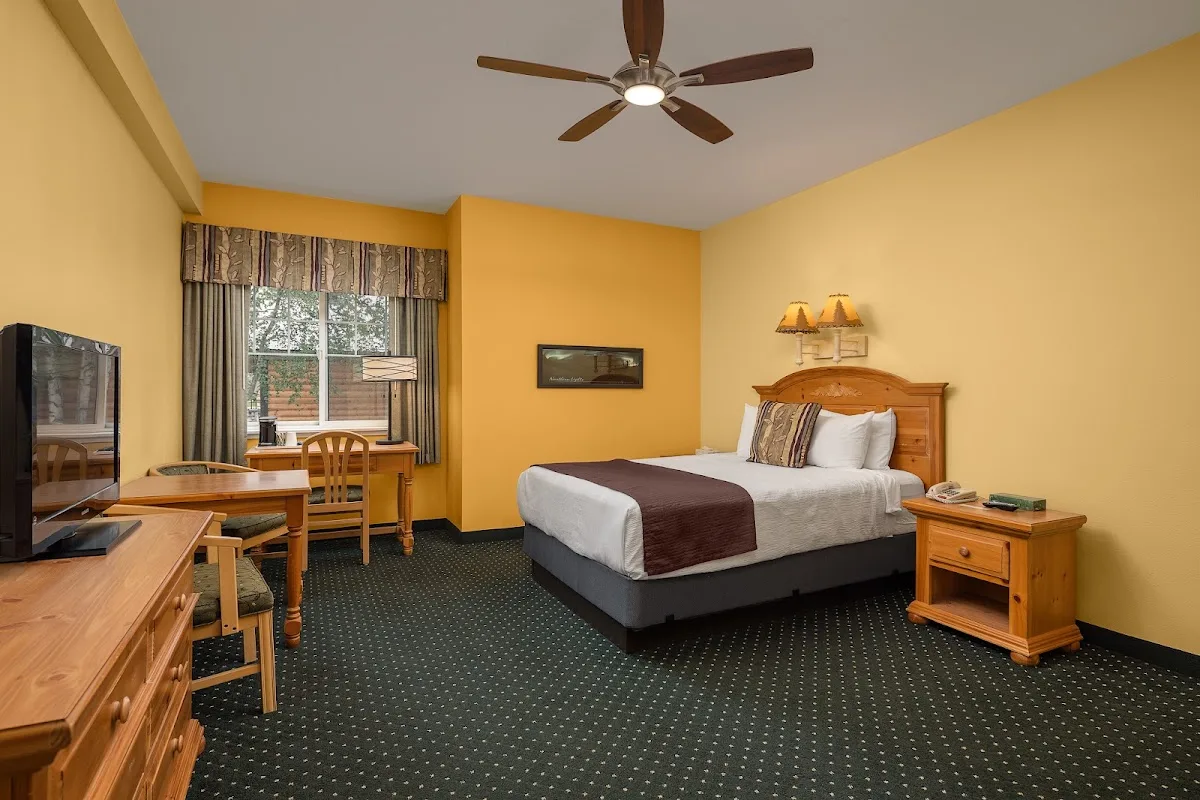
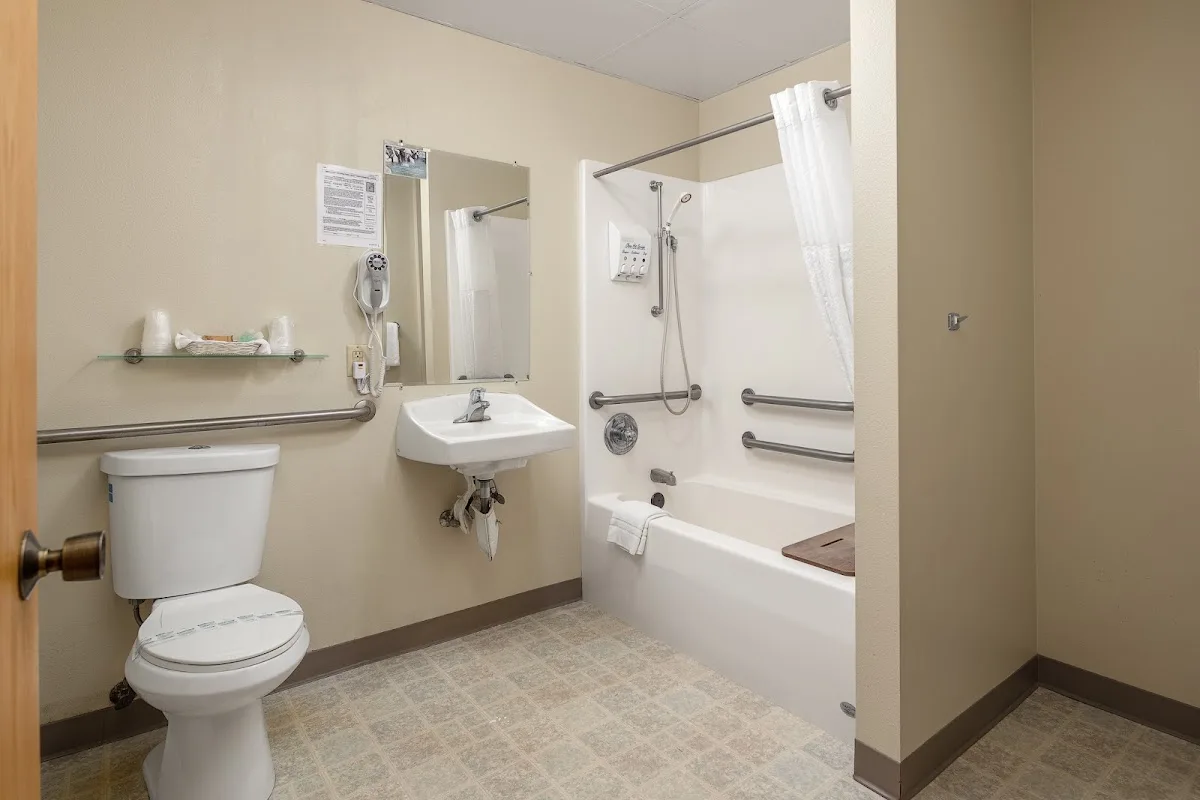
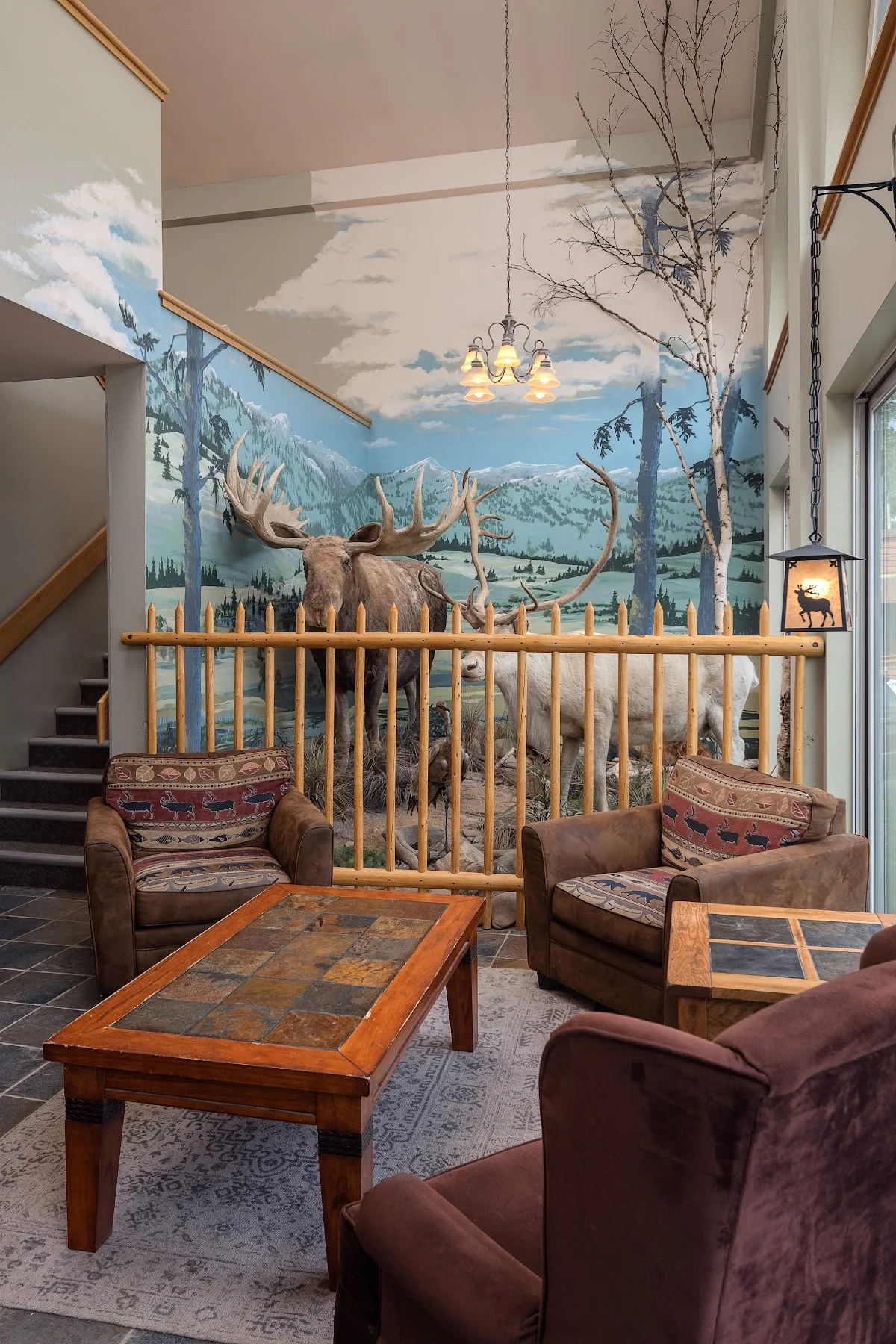
Lodge rooms in the main building run $250 to $300 a night; private cabins scattered further into the property run close to the same range, $240 to $300, with a rougher, walk-outside feel that some guests prefer and others regret at 2 a.m. in January. Book through an OTA rather than direct and rates can start closer to $169/night (2026 pricing) — worth checking Booking.com or Expedia before calling the resort. One thing worth clearing up: the resort's heated yurts aren't a room type. They're viewing shelters positioned out at Charlie Dome for the aurora tour, not overnight units you reserve like a cabin.
Rock Lake: the actual reason to choose this lodge
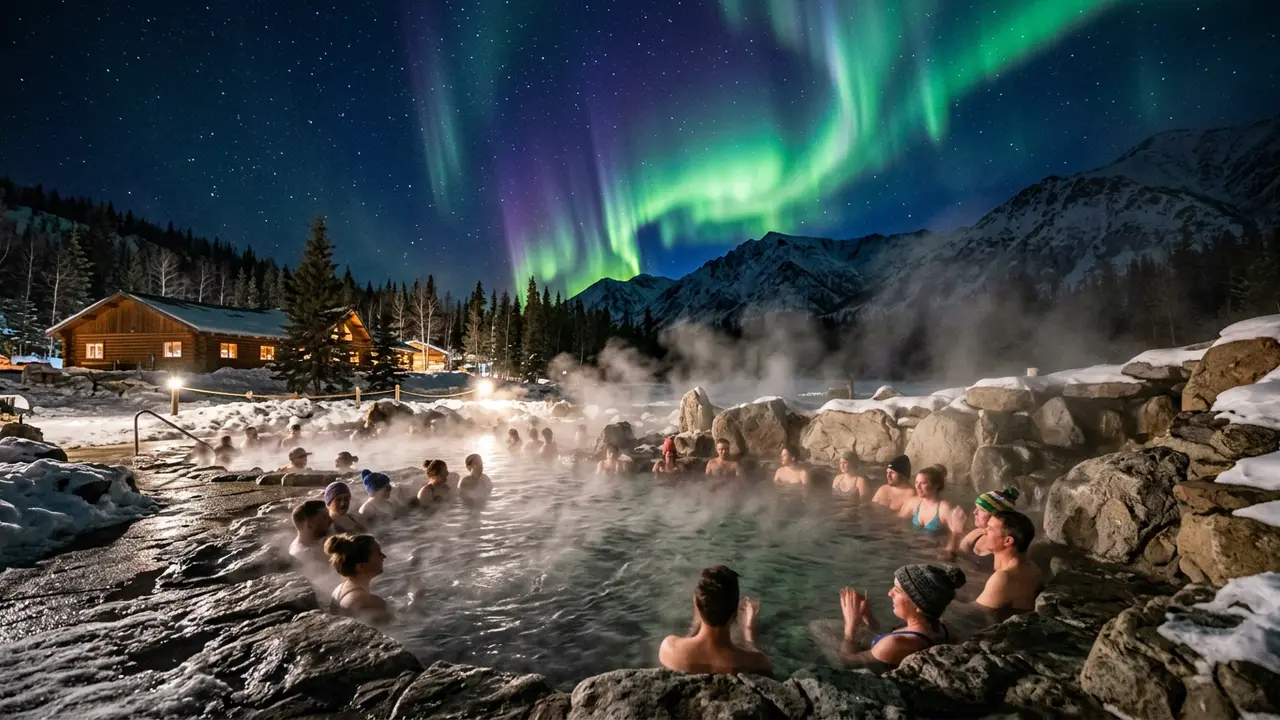
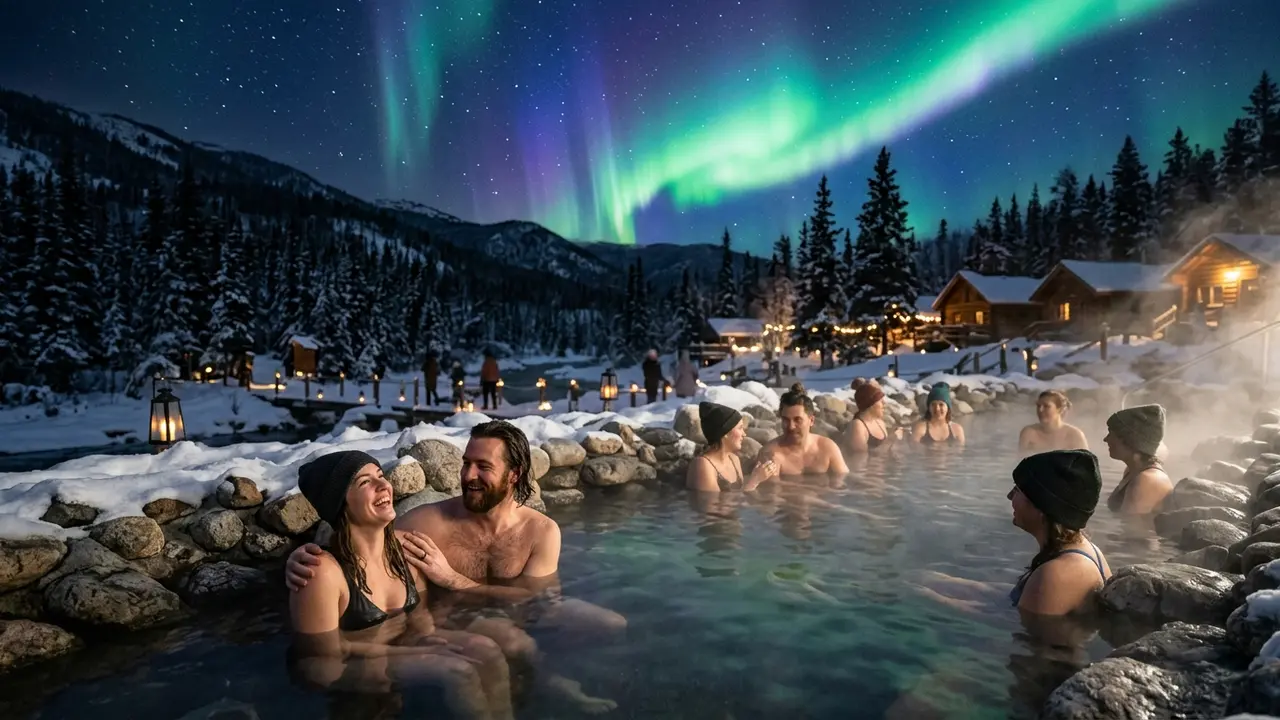
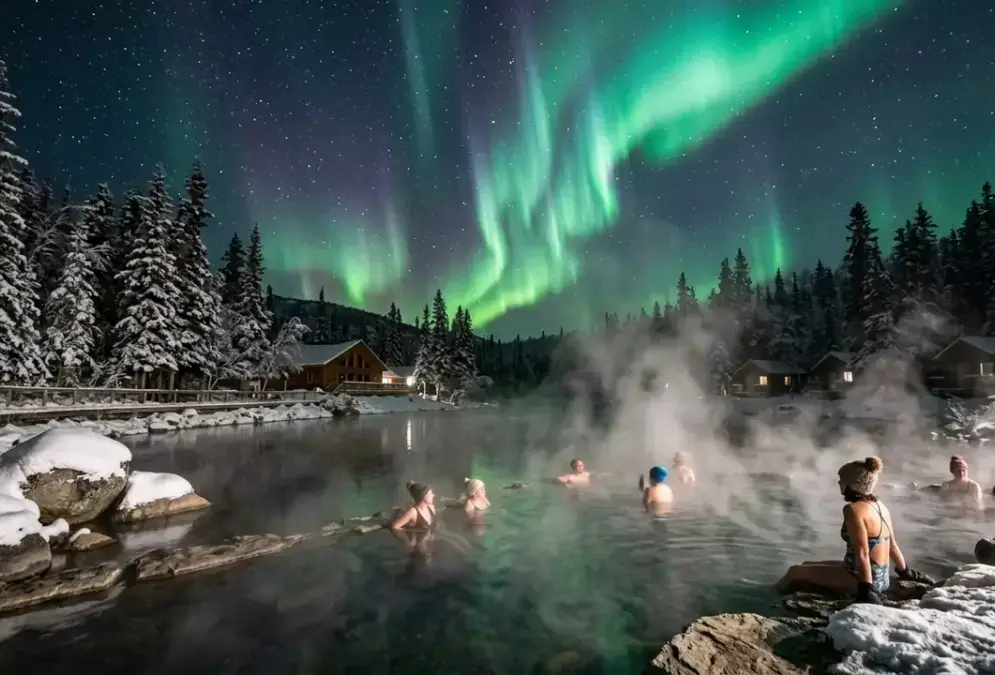
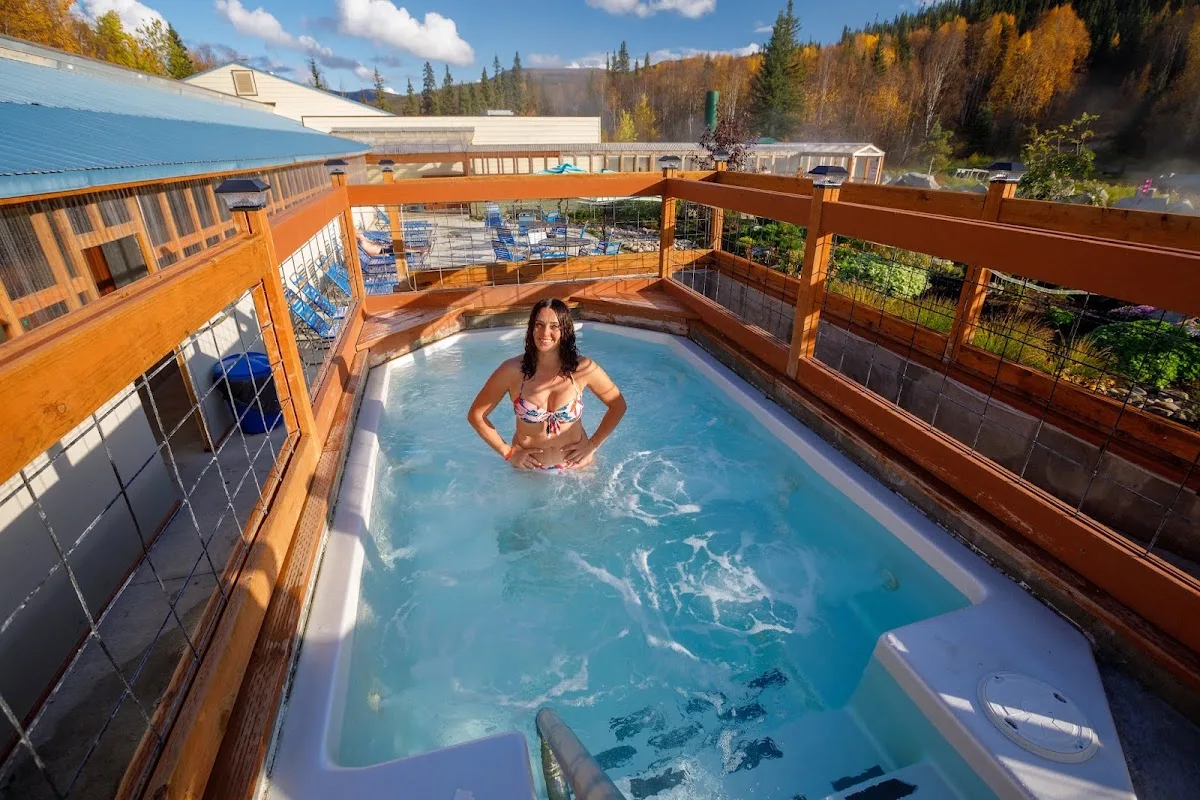
Rock Lake is the naturally heated geothermal pool at the center of the property, open around the clock and included with every room. It's naturally geothermal-heated, fed straight from the resort's own hot spring. A pool house next door offers massage therapy for guests who want to turn a soak into something closer to a spa afternoon. None of the region's other aurora lodges have anything like it; Pike's Waterfront Lodge and Borealis Basecamp both give you a warm room to watch the sky from, but neither gives you a hot spring to sit in while you wait for it to show up.
Aurora viewing at Charlie Dome
The resort runs its aurora tours out to Charlie Dome using SUSVs (small utility snow vehicles built for off-road snow travel), pricing from about $75 per person for a short session up to roughly $290 for a full 7-to-8-hour package with transport included. The heated yurts and viewing cabins out there give 360-degree open sky, hot drinks, and a genuine break from staring at a phone forecast app. This page covers the booking basics; for the full breakdown on timing your visit to the aurora season, moon phase, and which tour length is worth the money, see the Chena Hot Springs stargazing guide.
Beyond the pool: Aurora Ice Museum and other add-ons
The Aurora Ice Museum, kept below freezing year-round with the resort's own geothermal absorption chiller, is a separate paid attraction and one of the more unusual things on the property. Beyond that, the resort runs electric ATV tours along the Monument Creek Trail in summer, electric snowmobile trips in winter, hiking straight from the grounds, and a tour of the geothermal power plant itself for anyone curious how a resort this far off-grid keeps its lights on. All of these are add-ons priced separately from the room.
Getting there, and the honest tradeoffs
From Fairbanks, take the Steese Highway east about five miles, then Chena Hot Springs Road the rest of the way — 56 miles to the end of the pavement. Budget just over an hour depending on the season and weather. A daily shuttle runs from Fairbanks International Airport for anyone skipping the rental car. Being this far out is the whole point for stargazing, but it does mean no downtown restaurants nearby and a real commitment to one location for your stay. If you want something closer to the airport with less darkness, the closer-to-town lodge is five minutes from FAI; if you want a darker, quieter property built purely around watching the sky from bed, this glass-igloo ridgeline camp sits 25 miles out on its own ridgeline. Chena Hot Springs Resort splits the difference: real distance from town light, plus a hot spring that neither of the other two can offer.