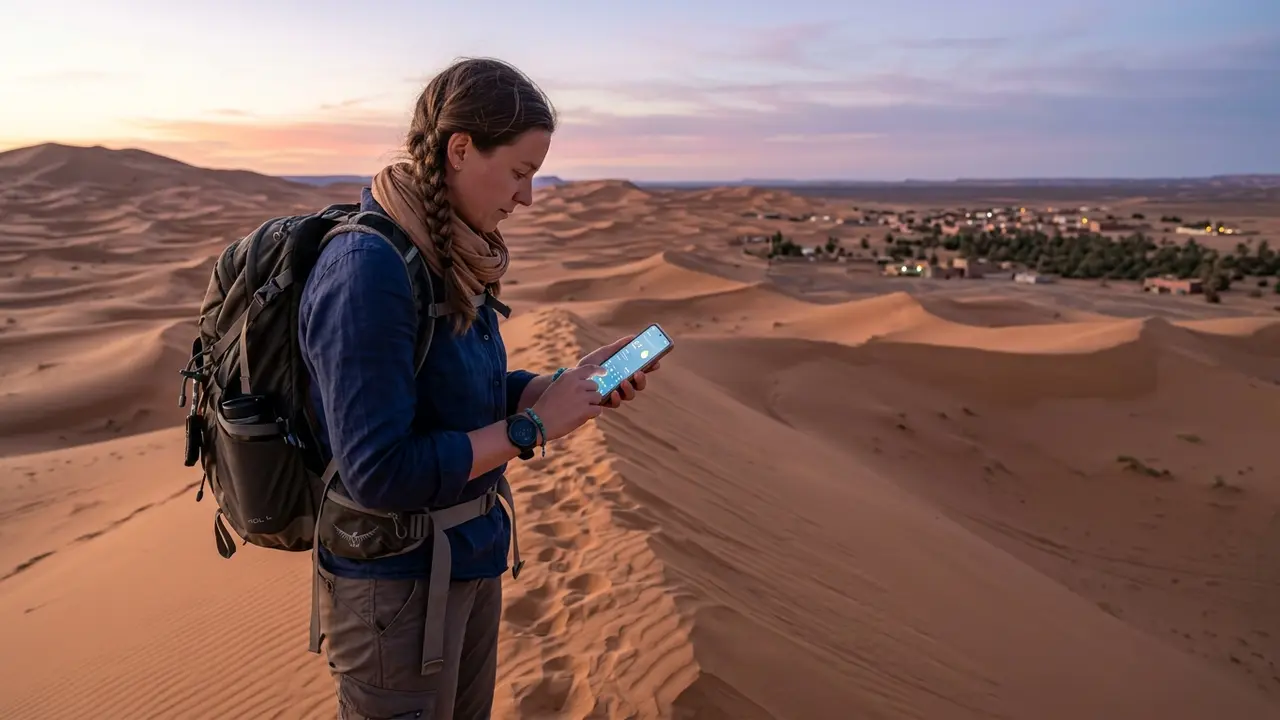
Why there's no dedicated Merzouga stargazing forecast tool
Search "Merzouga stargazing forecast" and nothing built for astronomers comes back. There's no purpose-built astronomical cloud tool the way some national parks run one, and no dune-side instrument logging night-sky brightness the way a handful of certified dark-sky reserves do. Clear Sky Chart, the astronomer's standby for reading cloud, transparency, and seeing hour by hour, doesn't reach Morocco at all: it's a US/Canada-only tool.
What Merzouga has instead is a forecast built from parts, not a dashboard. Erg Chebbi's dunes rise to about 150 meters above the surrounding rocky hamada[1], and once you're past the last camp fire on a clear night, remoteness is doing most of the work a certification would do elsewhere. Season sets the baseline for comfort and cloud risk. The Chergui wind, a hot easterly capable of turning a clear night hazy with fine sand, sets the exception. Moon phase decides how much of what's up there you'll actually see. And a worldwide cloud tool, not an astronomy-specific one, fills the gap those first three leave open.
None of this replaces asking someone who watches this exact stretch of desert every night. Camp guides come into the last section, once the other three variables have narrowed a trip down to something worth checking closer to your travel dates. For the fuller destination picture, camps, and how to get there, see Merzouga Stargazing.
Picking a season: Merzouga's real weather trade-off
Merzouga's forecasting problem starts with the calendar, and it's blunt enough to plan around before checking anything day to day. The most favorable stretch runs roughly October through April, when temperatures turn mild enough for hours outside and camel trekking stops being a heat-management exercise[2]. Inside that window, the shoulder months overall run 10 to 20°C (50 to 68°F) at night, comfortable enough for a long stargazing session, with March, April, October, and November carrying the lowest sandstorm risk of the stretch[3].
Desert nights swing hard in Erg Chebbi regardless of month. It's not uncommon for the temperature to drop 20°C (36°F) in a single evening[4], because there's essentially no humidity or vegetation out here to hold onto the day's heat once the sun drops. That swing is real most of the year, and least comfortable for a long session outdoors during peak summer's daytime heat.
Summer (June through August) is a genuine trade-off rather than a simple downside. This site's best time to stargaze in Merzouga guide covers the month-by-month case for why the hottest stretch also puts the Milky Way's core highest overhead. What summer costs you instead is comfort, and, per one Merzouga-based operator, atmospheric clarity: summer brings its own shimmering heat-haze, most visible in August[5], which travelers report can dull sky clarity even with no sandstorm involved.
| Season | Months | Night comfort | Trade-off |
|---|---|---|---|
| Shoulder season | Mar-Apr, Oct-Nov | 10-20°C, comfortable for hours outside | Best odds overall, low sandstorm risk |
| Summer | Jun-Aug | Hot days, warm nights | Boldest Milky Way core, low sandstorm risk, more heat and haze |
| Deep winter / early spring | Dec-Feb | Cold, clear, dry | Coldest nights, dependable clarity |
The Chergui wind: Merzouga's real sandstorm risk window
Sandstorms are the one clarity risk that never shows up on a generic seasonal chart, and they're specific to this stretch of the Sahara in a way neither of this site's other desert-forecast guides has to deal with. The Chergui, a hot, dry easterly wind, is the driver: it picks up fine desert particles and can cut visibility to as little as 50-100 meters for the two to four hours a storm typically lasts[6].
Sources genuinely disagree on exactly when the Chergui peaks, and it's worth saying that plainly rather than presenting a single window as settled fact. The better-sourced account describes the primary risk running from late March through May, with a secondary, less predictable spell in October[6]. Even during that peak window, the odds of actually running into one are described as roughly 10-20%[6], and the same source rates June through August as low-probability for sandstorms despite being the hottest stretch of the year, with May and September sitting in between as moderate-risk[7]. Treat the spring window as the one worth planning around, and treat any claim that puts the Chergui's true peak somewhere else, summer especially, with real skepticism until a stronger source settles it.
50-100m
None of this means writing off spring travel. A 10-20% chance of a multi-hour storm during the exact weeks that also offer the mildest, most comfortable stargazing temperatures is a real trade-off, not a reason to default to summer instead. Check a short-range forecast in the days before you travel rather than trusting the calendar alone, and build a spare night into the itinerary if your trip allows it.
Moon phase: don't build a Merzouga trip around season alone
Even a perfect shoulder-season night, no Chergui haze, comfortable temperatures, gets undone by one variable the calendar can't fix: a bright moon. A new-moon window produces the darkest sky and the boldest naked-eye Milky Way regardless of month, which is why moon phase belongs at the top of the planning list, not an afterthought once flights are already booked.
The mechanics of why new moon matters, and how to cross-reference it against galactic-core season anywhere in the world, are covered in full in When to Stargaze. That piece is the one to read for the underlying framework rather than repeating it here. What's specific to Merzouga is simpler: pick a season first for comfort and Chergui risk, then slide the actual travel dates within that window to land on or near new moon. A shoulder-season trip timed to a full moon still shows the dunes and the brightest stars; it just won't show the galactic core's dust lanes or the fainter structure a genuinely moonless desert sky reveals.
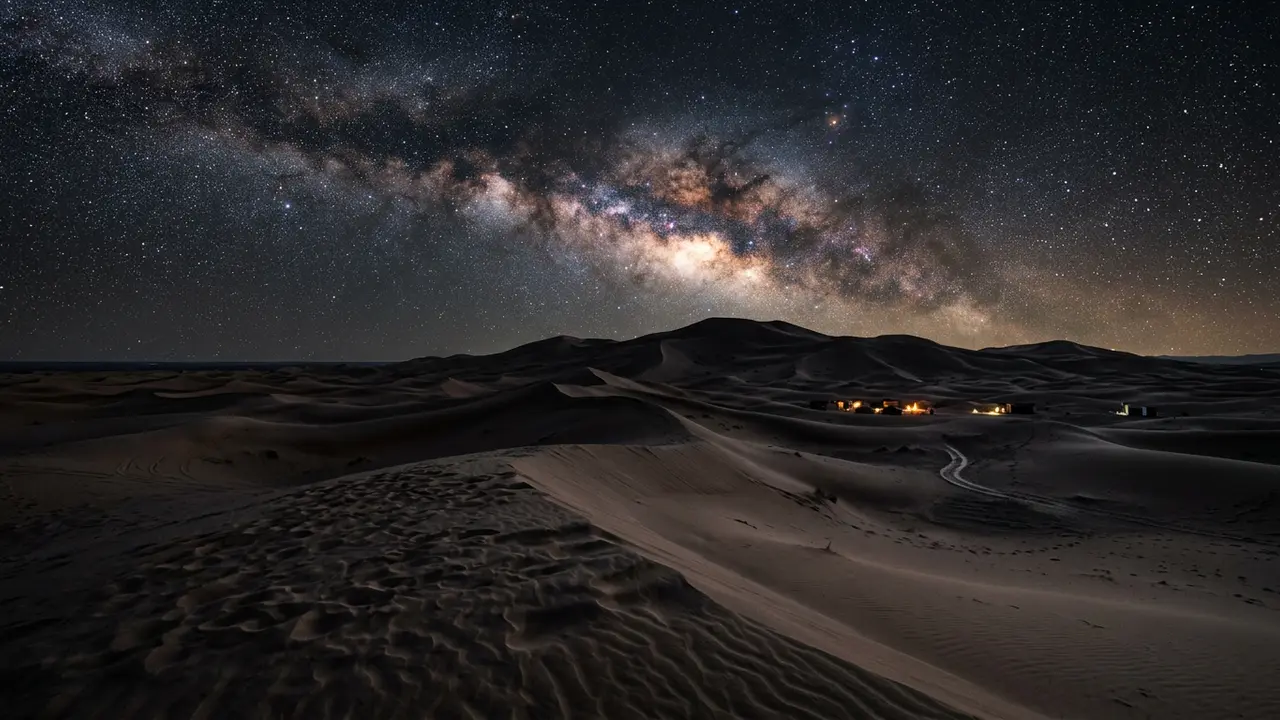
Featured · Destination
Merzouga Stargazing
Erg Chebbi's dunes rise 150m above Morocco's Sahara, hours from city light. Stargaze from Berber-led desert camps: when to go, where to stay, how to get there.
General weather tools that actually reach the Sahara
With no astronomy-specific instrument covering Morocco, a general-purpose weather tool is the closest thing to a day-of forecast Merzouga gets. Windy.com is the obvious candidate: it's a free, worldwide spot-forecast service running on multiple global weather models, including ECMWF and GFS, and by the nature of those global models it should, in principle, cover Erg Chebbi's coordinates the way it covers anywhere else on Earth. That said, this piece hasn't independently verified Windy's actual data resolution at Merzouga's specific coordinates (roughly 31.1°N, 4.0°W) the way it's been confirmed elsewhere. Treat it as the best available worldwide option rather than a locally-proven one, and check the cloud and humidity layers a few days out rather than trusting a single reading a week in advance.
Purpose-built astronomy apps don't do much better here. ClearOutside and similar tools make global-coverage claims, but their resolution over Morocco specifically hasn't been confirmed either. Worth a quick look before a trip, since they're free and load instantly. Not worth relying on as a primary source for a stretch of Sahara this remote.
Turning this into a pre-trip forecasting routine
Put these four variables together and a Merzouga trip stops being a guess.
- Two to three months out, pick a season deliberately. Shoulder months, October-November and March-April, give the best combination of comfortable nights and low Chergui risk. Summer trades comfort for a higher galactic core, a trade worth making only if you can handle the heat.
- As soon as travel dates firm up, check the lunar calendar before locking anything else in. A trip landing on or near new moon outperforms a shoulder-season full-moon trip on the one thing that actually matters once you're standing in the dunes.
- A few days out, open Windy.com, set it to Erg Chebbi's coordinates, and start tracking the cloud and dust layers for your arrival window.
- The morning you're heading into camp, ask the guides directly. Camp staff who watch this exact stretch of desert every single night read a hazy or clearing sky faster than any app, particularly during the Chergui's less predictable spells, and they'll say plainly if the coming night looks thin.
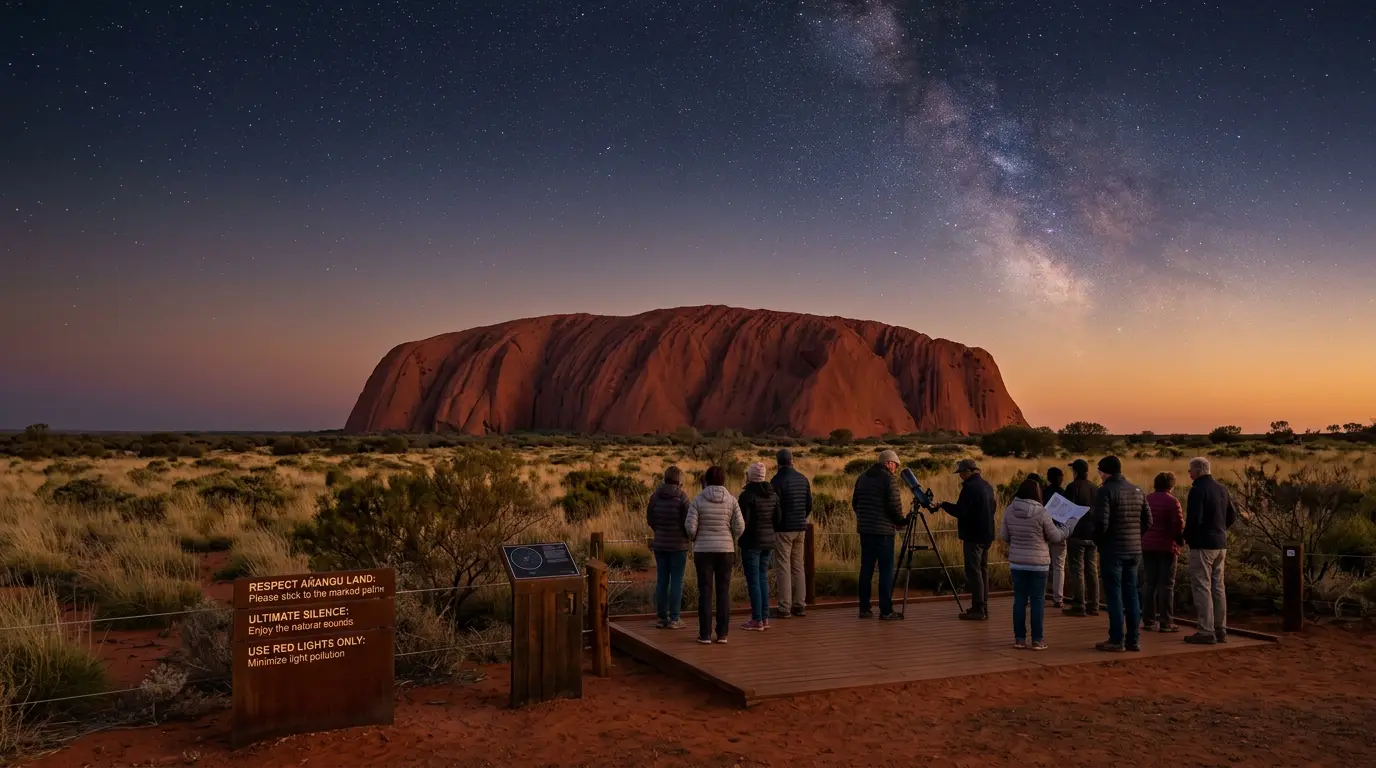
Featured · Article
Uluru Cultural Significance and Visitor Etiquette
Uluru is Anangu land under joint management. Here's why the 2019 climb closure is settled policy, what you can't photograph, and real visitor etiquette.
Recommended tours
Tours are selected for quality, not commission. I earn a small fee if you book — at no extra cost to you.
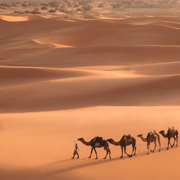
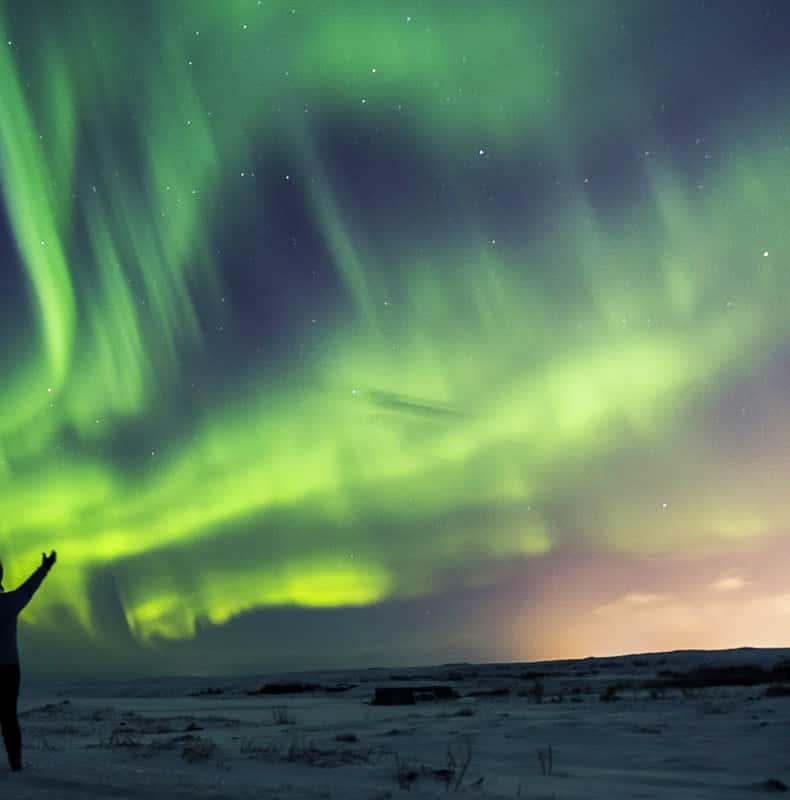
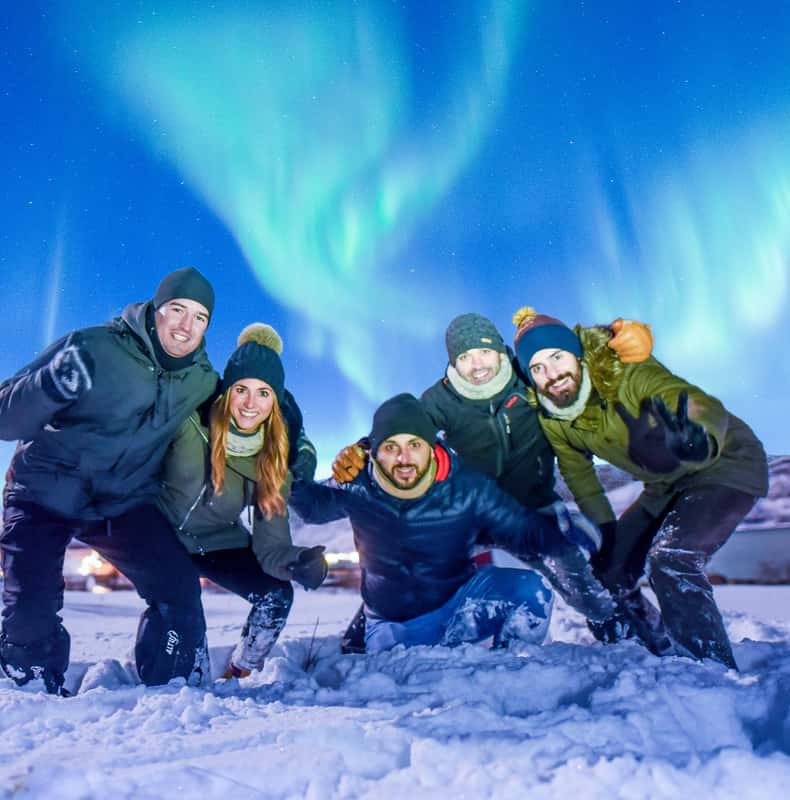
Once you've settled on a clear-enough window, where you actually stand still changes what you see: the best stargazing spots in Merzouga breaks down the walkable dune edge, the quieter approach through Hassi Labied, and the deeper camps reached by camel.
What to pack for a Chergui-prone night
Layers first, the same as anywhere in this desert: daytime highs and much colder nights sit inside the same 24 hours, most dramatically in winter when nights can dip near freezing. Add a scarf or buff to that list specifically for Merzouga, since a Chergui-driven haze is as much a sand problem for your camera and your throat as it is a sky-clarity problem, and most camps hand out a head wrap for exactly this reason. A red-light headlamp protects night vision once you're away from the fire pit, where there's genuinely nothing else lighting the ground.
How many nights to build in
One full night in the desert is the minimum, not the goal. A single overnight leaves no room for a hazy or Chergui-affected evening to wreck the only chance you booked. Most overnight camel treks, like the Erg Chebbi camel trek, are priced and structured for exactly one night, so building in a second, whether at the same camp or a different one, is a genuine hedge against the one weather variable a forecast tool can't fully rule out this far in advance.