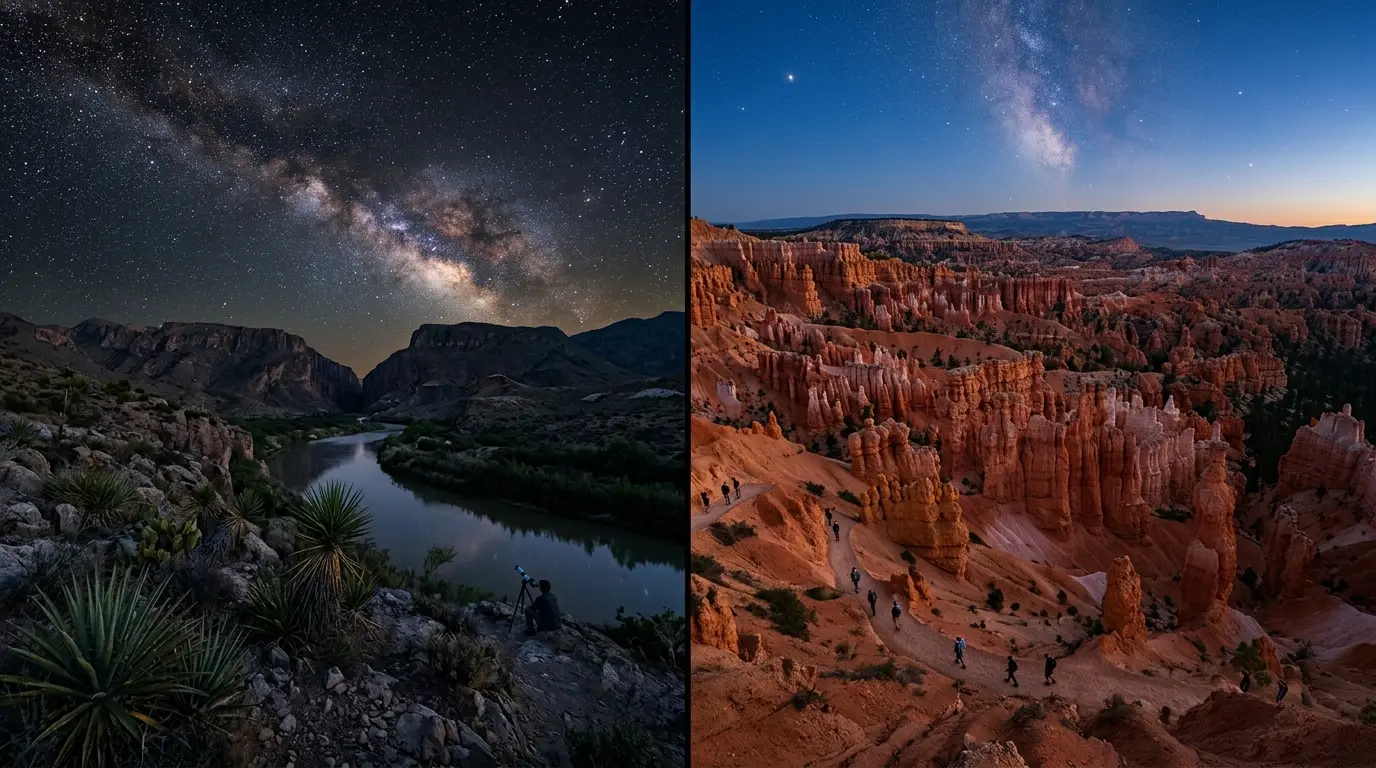
Two parks, two different dark-sky arguments
Big Bend and Bryce Canyon show up on the same shortlists for a reason: both are US national parks with a real, checkable claim to some of the darkest sky in the country, and both pull travelers who are willing to plan a trip specifically around the night sky rather than treating it as a bonus. Comparing them head-to-head means comparing two different kinds of evidence, not two versions of the same argument.
Big Bend's case is about sheer darkness. The National Park Service states it plainly: Big Bend has the darkest night skies of any national park in the lower 48 states[1]. That claim rests on geography as much as anything else, a stretch of the Chihuahuan Desert along the Mexico border where the nearest real city light sits hundreds of miles away.
Bryce Canyon's case is about paperwork and programming. The park earned Gold-Tier International Dark Sky Park certification on August 13, 2019, a recognition of the exceptional quality of the park's night skies[2]. That's a third-party certification, not a self-description, and it arrived on top of decades of ranger-led astronomy events already running.
Neither claim cancels the other out. One park is darker by the National Park Service's own framing; the other is more thoroughly certified and more thoroughly programmed. Here's how the two stack up side by side:
| Big Bend | Bryce Canyon | |
|---|---|---|
| Core dark-sky claim | Darkest night skies of any national park in the lower 48 states (NPS) | Gold-Tier International Dark Sky Park (certified 2019) |
| Protected acreage | 1,112,000 acres with Big Bend Ranch State Park | Bryce Amphitheater plus surrounding park land |
| Signature feature | Chihuahuan Desert and Rio Grande border remoteness | Hoodoo amphitheater along the main park road |
| Research telescope access | McDonald Observatory, roughly a 4-hour drive | None on-site; no public observatory nearby |
| Nearest major airport | No direct flight-in option; a long drive either way | About 4 hours from Las Vegas or Salt Lake City |
| Dedicated astronomy event | Free NPS star parties and moonlight walks | Annual Astronomy Festival (June) |
Big Bend's case: remoteness as the whole point
Big Bend earns its darkest-sky claim from what surrounds it, not from any single feature inside the park boundary. The park holds International Dark Sky Park status, awarded by the International Dark-Sky Association back in 2012, and the National Park Service goes further, describing Big Bend as having the least light pollution of any other national park unit in the lower 48 states, mostly because almost nobody lives out here.
That isolation adds up. Combined with the neighboring Big Bend Ranch State Park, the protected dark-sky region encompasses 1,112,000 acres[3], one unbroken buffer of desert and mountain straddling the Rio Grande and the US-Mexico border. There's no equivalent scale anywhere in Bryce Canyon's much smaller, much more visited stretch of southern Utah. For the Bortle Class 1 science and Sky Quality Meter readings behind that darkness claim, see how Big Bend earned its IDA status.
1,112,000
The park backs that darkness with free programming rather than paid tours. Rangers run a rotating schedule of night-sky interpretive events, including star parties and moonlight walks focused on dark-sky conservation, at no cost beyond the park's standard entrance fee. Outside the park boundary, the small desert towns of Terlingua and Study Butte add their own informal stargazing options, but none carry an official designation the way the park itself does.
None of this makes Big Bend an easy trip. Its size and remoteness are the same trait that makes its sky this dark, and that trade-off runs through everything else about visiting, including the drive to the one research observatory within reach.
McDonald Observatory: the research-grade day trip
The McDonald Observatory Star Party is the one place inside Big Bend's orbit where a visitor gets behind research-grade equipment, and it's worth being precise about the commitment before booking around it. The observatory sits in the Davis Mountains near Fort Davis, not inside Big Bend National Park itself, and the drive between the two covers roughly 137 miles and takes about 3 hours and 26 minutes non-stop[4]. Call it a four-hour drive each way, not the rougher three-hour figure that still circulates on some travel sites; build it as a full day, or better, an overnight stay in Fort Davis.
What's waiting at the end of that drive is a public evening program, not a roadside telescope stop. Star Party pricing runs $5 to $25 per person[5], with all visitors checking in first at the Frank N. Bash Visitor Center before heading out to the telescopes after dark. The observatory runs these evenings Tuesday, Friday, and Saturday, year-round, with start times shifting by season.
Book ahead. Weekend slots fill fast, especially once school holidays hit the Texas calendar, and the drive back on unlit desert highway is a poor place to be improvising.
Featured · Destination
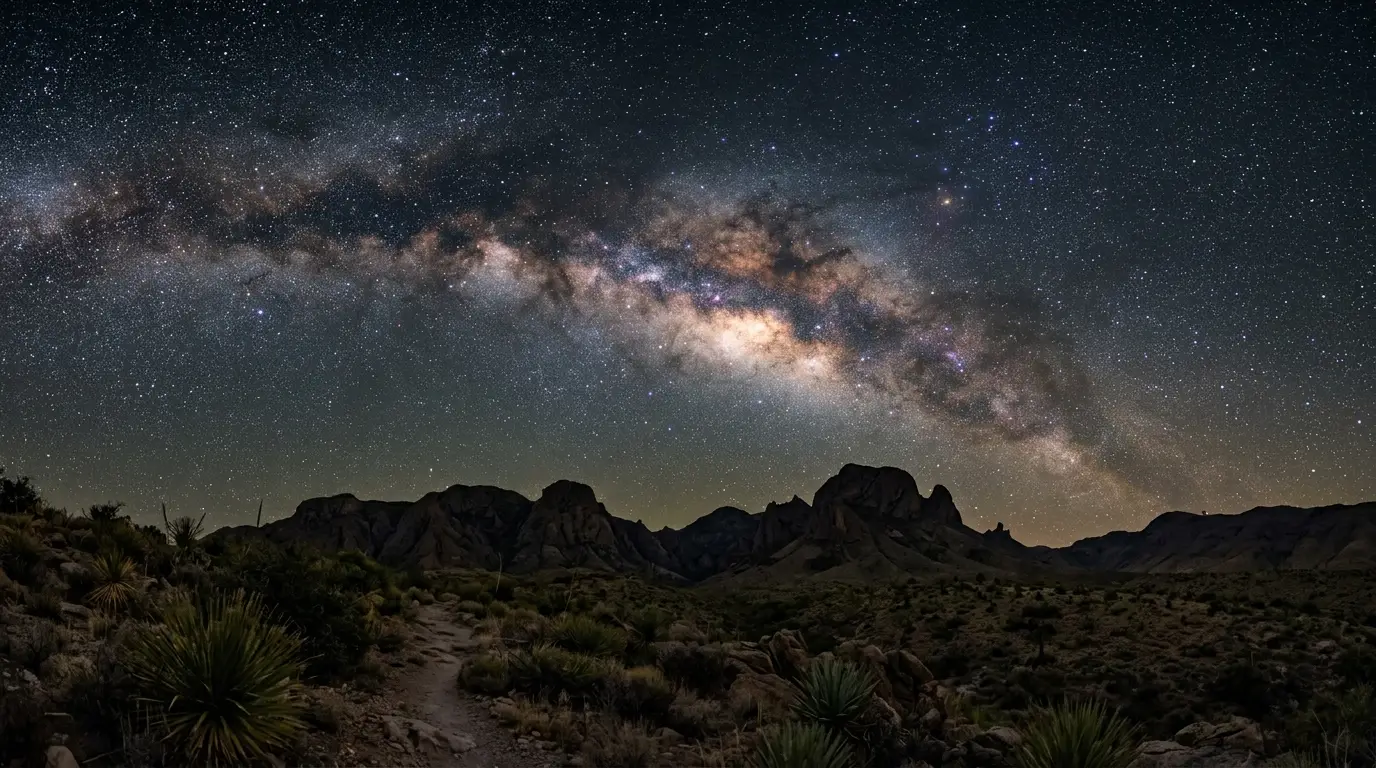
Big Bend National Park
Big Bend National Park is Bortle Class 1, the darkest rating the Bortle scale has. What that dark sky rating means on the ground, and the best months to go.
Bryce Canyon has no equivalent stop. Its Gold-Tier certification is real, but nothing inside or near the park puts a visitor behind a research telescope the way a night at McDonald Observatory does. That's the honest trade Big Bend offers in exchange for the extra driving: darkness plus a working observatory, instead of darkness alone.
Bryce Canyon's case: a half-century of programming and an actual Gold Tier
Bryce Canyon's advantage isn't darkness measured in acres, it's darkness with a paper trail. The park earned its Gold-Tier International Dark Sky Park certification in August 2019, and the certification landed as the park marked 50 years of astronomy programming[6]. That's not a park discovering its sky for the first time. It's a park catching its certification up to five decades of ranger-led star talks.
That's not a park discovering its sky for the first time.
The hoodoo amphitheater does the rest of the work. Thousands of thin rock spires rise out of the natural bowl below Sunset Point, Sunrise Point, Inspiration Point, and Bryce Point, all connected by the same park road, giving stargazers a stone foreground no desert flat or canyon rim quite matches. Big Bend's Chihuahuan Desert has its own visual character, but nothing shaped quite like this.
That combination, official certification, a visually distinctive amphitheater, and half a century of programming, is what Bryce brings to this comparison that raw darkness alone doesn't. It's the more institutionally established of the two parks, even if it isn't the darker one on the National Park Service's own terms. For a traveler picking a first dark-sky national park to visit, that institutional weight counts for something Big Bend, for all its remoteness, doesn't offer in the same way.
Getting there: drive-in ease vs desert commitment
Distance is where these two parks diverge hardest. Bryce Canyon National Park is built for a straightforward drive: the NPS lists the two closest major airports, Las Vegas and Salt Lake City, as each roughly 270 miles from the park, about a four-hour drive either direction[7]. Regional airports in Cedar City and St. George cut that considerably. A rental car is the whole plan, same as most national parks, but nobody needs a multi-day expedition just to arrive.
Recommended tours
Tours are selected for quality, not commission. I earn a small fee if you book — at no extra cost to you.
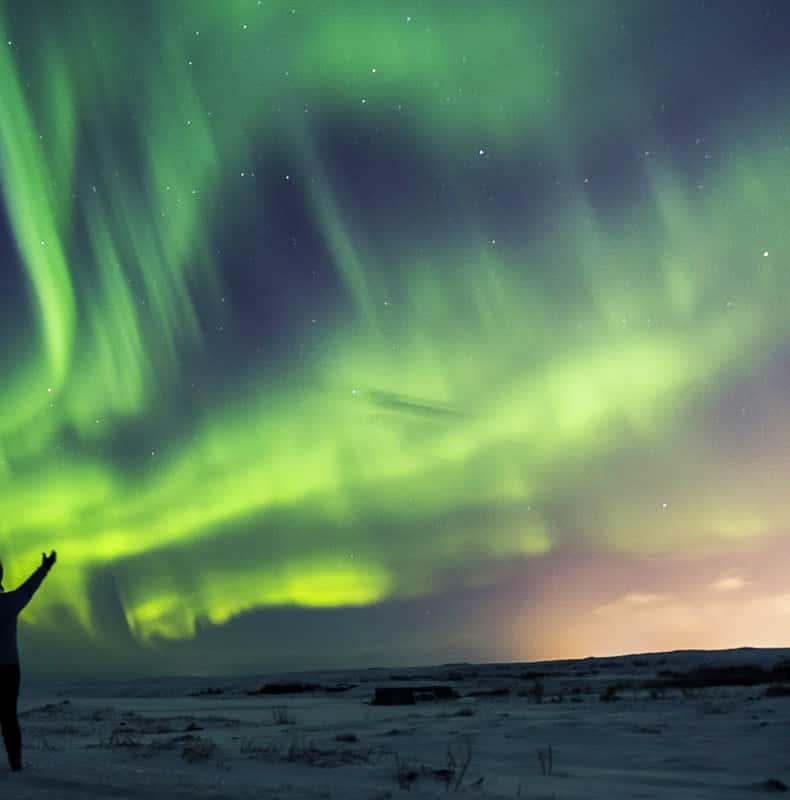
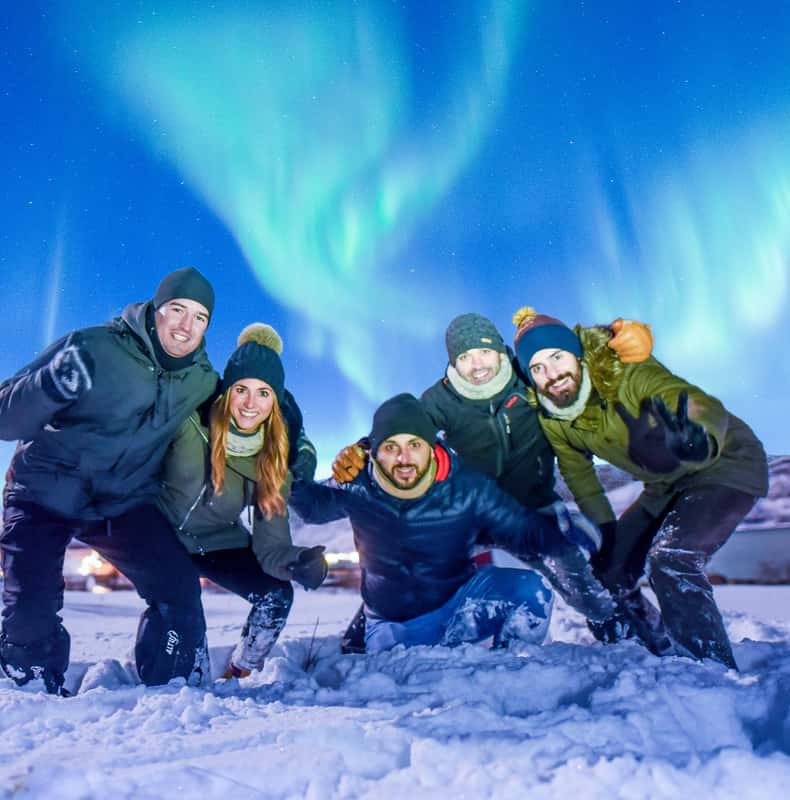
the full Big Bend destination guide asks for more. There's no regional airport shortcut; the nearest options run several hours further out than Bryce's, and once you're inside the park, cell service all but disappears. That remoteness is the same trait driving the park's dark-sky claim in the first place, it's not a flaw so much as the cost of admission.
- Bryce Canyon: road-accessible, about a four-hour drive from a major airport, easy to fold into a wider Utah road trip
- Big Bend: remote by national-park standards, a longer drive from any airport, minimal cell coverage once inside
- McDonald Observatory add-on: relevant only to a Big Bend trip, and its own roughly four-hour round-trip commitment
If your trip has a hard time budget, that difference alone might decide it. Bryce fits into a long weekend; Big Bend, especially with the observatory added, wants closer to a week.
The verdict: choosing your dark-sky trip
Pick Big Bend if raw darkness and a working research observatory matter more than convenience. You'll get the National Park Service's own claim to the darkest sky of any park in the lower 48, free ranger-led star parties, and the option of a genuine day trip to McDonald Observatory, at the cost of a longer drive in, patchy cell service, and a trip that wants several days rather than a long weekend.
Pick Bryce Canyon if an easier arrival and an established program matter more than an extra measure of darkness. The Gold-Tier certification is real, the hoodoo amphitheater gives a foreground nothing else on this list has, and the park's Astronomy Festival, running June 11-13 in 2026[8], gives a fixed date to plan a trip around. It's also simply easier to reach, a four-hour drive from Las Vegas or Salt Lake City, versus Big Bend's considerably longer haul from anywhere.
One more practical note either way: elevation changes the experience more than most travelers expect. Bryce Canyon's high elevation means thin enough air that the sky reads noticeably clearer and the nights run genuinely cold even in summer. Big Bend's desert floor sits far lower, trading that thin-air clarity for brutal summer heat instead.
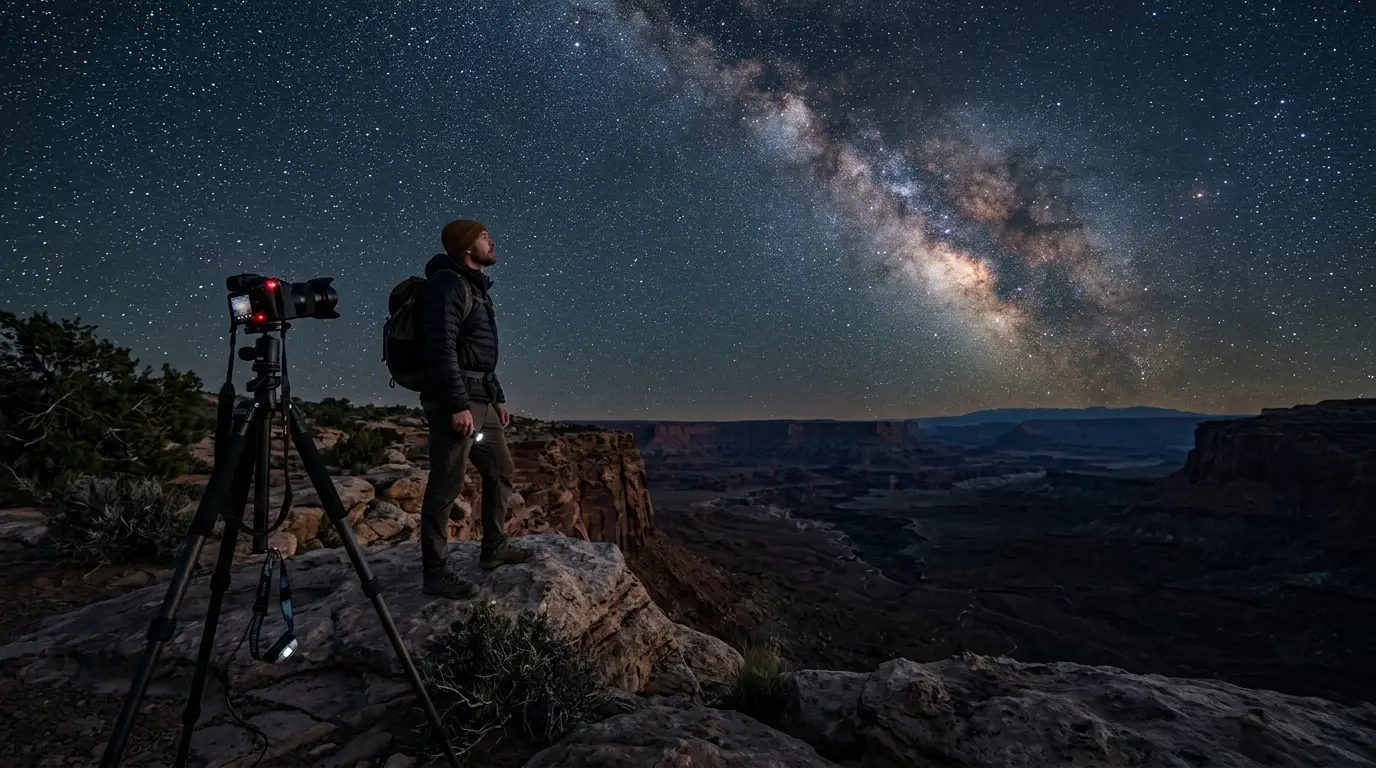
Featured · Article
What Is Astrotourism? The Complete Beginner's Guide
Astrotourism means travel built around dark skies: meteor showers, auroras, the Milky Way. What it means, where to go, and how to plan your first trip.
Neither park is the wrong call. Big Bend rewards the traveler chasing the darkest number on the map. Bryce Canyon rewards the one who wants a sure thing: a real certification, a real festival, and a drive that doesn't eat the whole trip. Whichever one you pick, build the trip around a new-moon week rather than a fixed calendar date, since moon phase affects what you'll actually see more than which park you chose. For more dark-sky options beyond these two, my guide to the best dark sky parks in the world covers how Gold, Silver, and the other certification tiers compare.