World Space Week
4 to 10 October annual

World Space Week: Dates, Theme and How to Mark It

Held every year from 4 to 10 October. The 2026 edition ran 4 to 10 October with the theme Rocket Revolution.
One week
All events

World Space Week is the one week a year when the whole planet is invited to talk about space, and the invitation is open. The UN General Assembly created it in resolution 54/68, adopted on 6 December 1999, and it runs every year from 4 to 10 October. There is no gate and no central venue. Anything space-related that happens inside those seven days counts, from a school rocket launch to a backyard observing night.

Why the dates are 4 to 10 October

The week is bracketed by two anniversaries. It opens on 4 October, the day in 1957 that Sputnik 1 became the first human-made satellite, and it closes on 10 October, when the Outer Space Treaty entered into force in 1967. The UN calls that treaty the "Magna Carta of Space". Each edition also gets a theme: 2024 was Space and Climate Change, 2025 was Living in Space, and 2026 is Rocket Revolution.

Who runs it, and how big it is

The World Space Week Association coordinates the week and picks each year's theme in coordination with UNOOSA, the UN Office for Outer Space Affairs. For 2024, its 25th anniversary, the Association told a UN committee it had counted more than 15,000 events. It gave the country count as 90 in one statement and "80+" in another, so treat that figure as approximate. I could not verify a total for 2025, so I am not quoting one.

How it differs from International Dark Sky Week

The two are easy to confuse and they are not the same thing. International Dark Sky Week is the April observance about light pollution. World Space Week is an October celebration of space exploration and outreach. The dark sky is simply the best place to spend it.

How to mark it under a dark sky

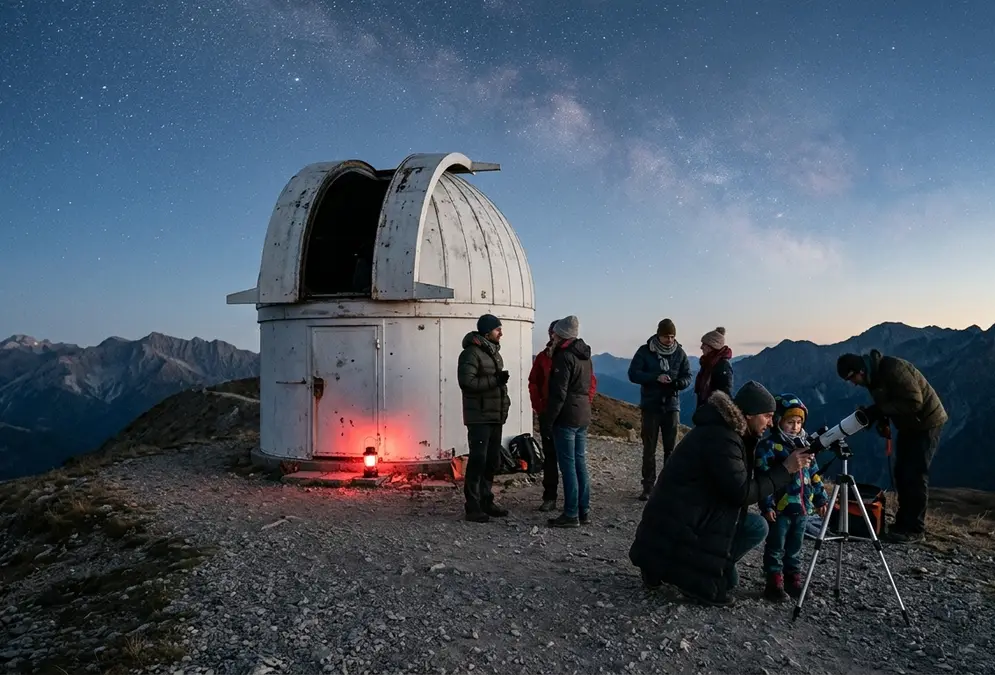
The organisers' own list of ideas includes a stargazing night, so an observing evening is a legitimate way to take part. I found no dark-sky site that officially hosts a World Space Week event, so this is a pairing, not a festival you can book. Pick the darkest site you can reach in an evening, arrive before full dark and use red light only. The full reasoning, including three October-ready sites (Mauna Kea, Tenerife and La Palma), is in World Space Week: what it is and how to stargaze for it. If it is your first night out, stargazing for beginners covers what to bring.

For a trip rather than a night, the best dark sky parks in the world is the better starting point.

Best Dark Sky Parks in the World: 12 to Visit

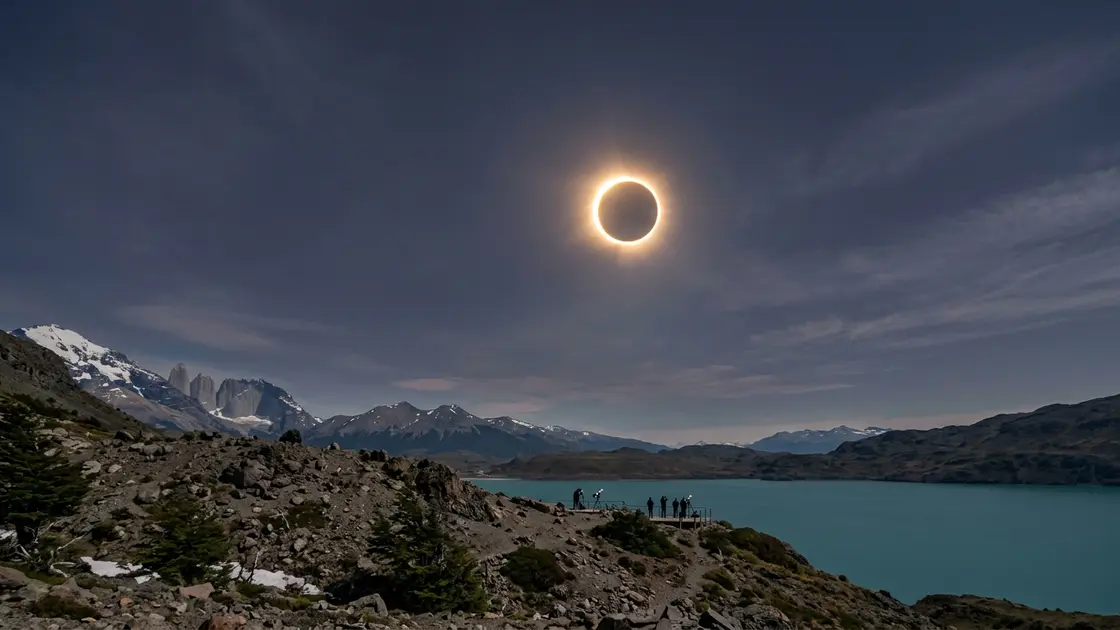
World Space Week is a reason to pick an October date, not a booked programme. This ranking covers the certified parks and reserves worth building the trip around.

Read the planning guide

Highlights

  • Proclaimed by the UN General Assembly in resolution 54/68 on 6 December 1999
  • Runs 4 to 10 October, from the Sputnik 1 anniversary to the Outer Space Treaty anniversary
  • The 2026 theme is Rocket Revolution; 2025 was Living in Space
  • The World Space Week Association reported more than 15,000 events in 2024
  • Any space-related activity during the week counts, whatever its size, format or location

Practical information

Hours

No fixed hours; events run on their organisers' local schedules.

Best time

The week itself, 4 to 10 October. Check a moon-phase calendar for your year and location, then choose the evening.

Tips

A stargazing night is one of the organisers' suggested activities. Use red flashlights and keep white light, phones included, to a minimum.

Price

Varies by event; hosting your own backyard night needs no ticket

Tags

world space week un observance unoosa sputnik outer space treaty october stargazing star party

Frequently asked questions

When is World Space Week?

World Space Week is held every year from 4 to 10 October. The dates stay fixed while the theme changes; the 2026 theme is Rocket Revolution.

Why is World Space Week 4 to 10 October?

It starts on the anniversary of the Sputnik 1 launch on 4 October 1957 and ends on the anniversary of the Outer Space Treaty entering into force on 10 October 1967.

Who organises World Space Week?

The UN General Assembly proclaimed it in 1999. The World Space Week Association coordinates it and chooses each year's theme in coordination with UNOOSA.

Is World Space Week the same as International Dark Sky Week?

No. World Space Week is a UN-proclaimed space exploration observance held in October. International Dark Sky Week is a separate April observance about light pollution.

How do I celebrate World Space Week?

Any space-related activity during 4 to 10 October counts. Official suggestions include a stargazing night, a model rocket launch or a film marathon, and anyone can create an event.

How many events and countries take part in World Space Week?

For 2024, the Association reported more than 15,000 events. One of its statements gives 90 countries and another says 80+, so treat the country count as approximate. I could not verify a 2025 figure.